In today’s fast-paced digital world, visual communication has become paramount for businesses, public spaces, and entertainment venues. One technology that has revolutionized large-scale displays is the video wall, particularly those utilizing LED (Light Emitting Diode) technology. Video walls offer dynamic, high-resolution visuals that captivate audiences and convey information effectively. This article delves into what a video wall is, how LED displays work, their applications, and why they are becoming increasingly popular across various industries.
Understanding Video Walls: Definition and Components
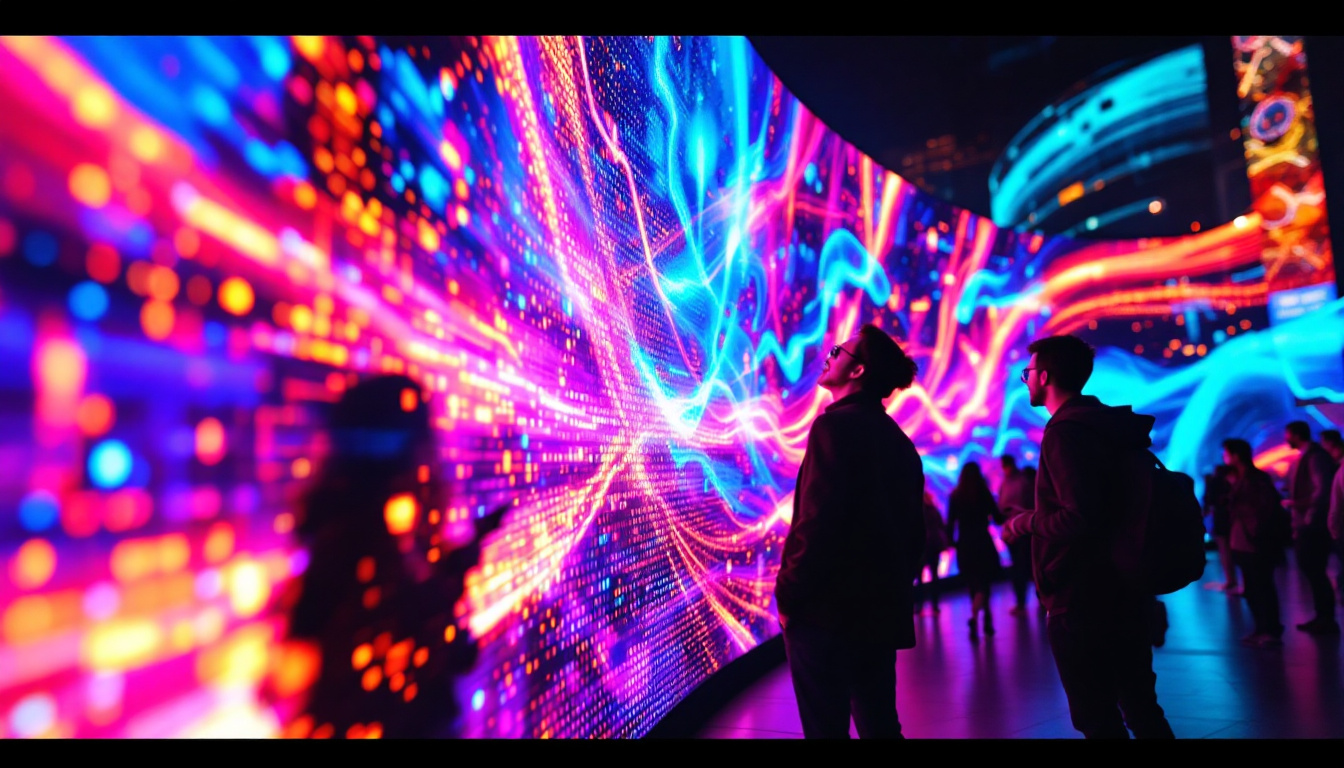
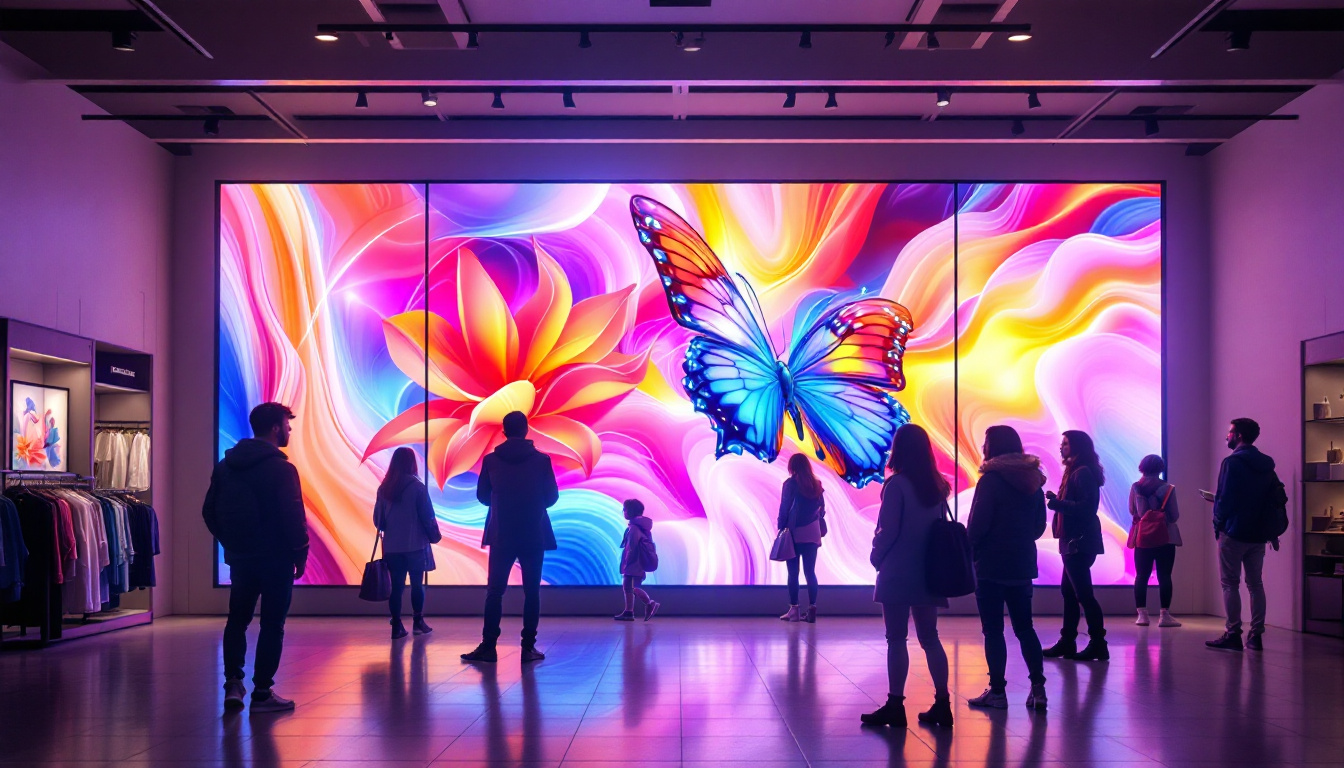
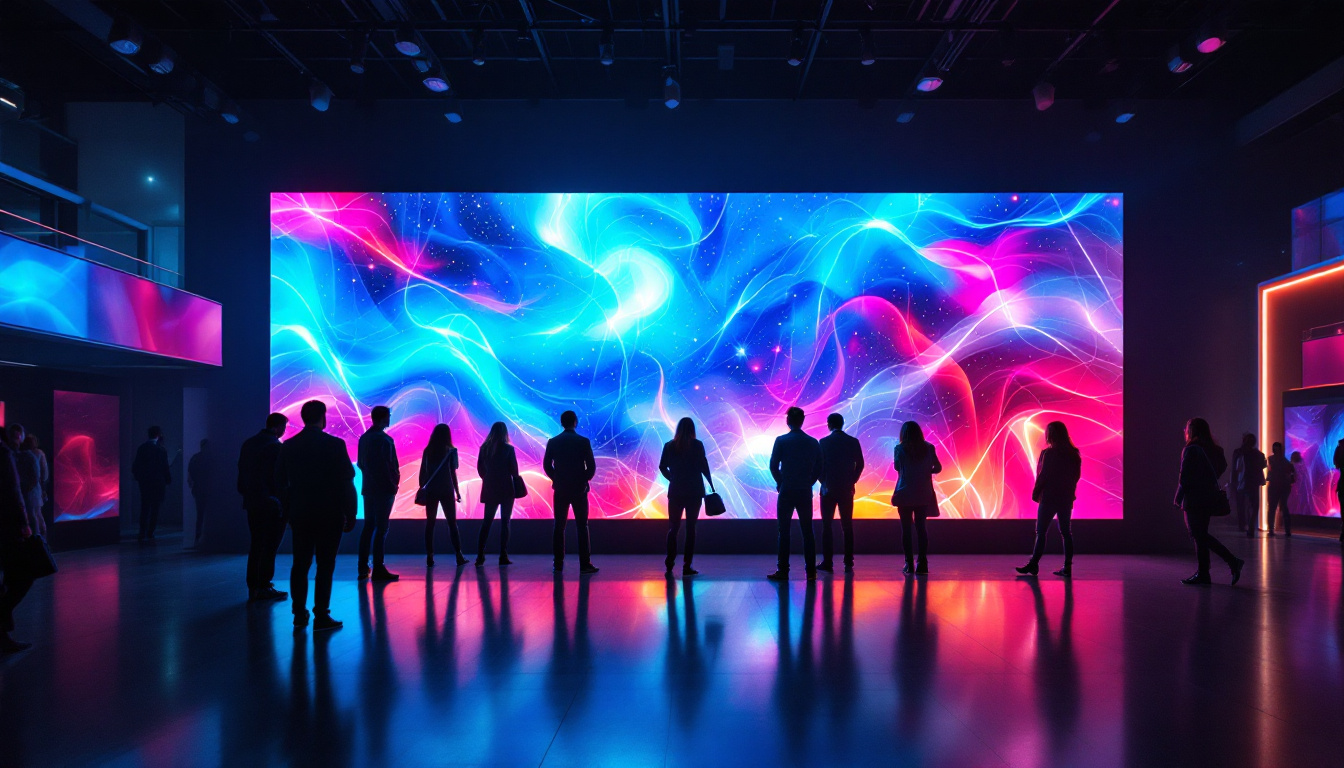
A video wall is a large display surface composed of multiple smaller screens or panels tiled together to form one cohesive, expansive image or video. Unlike a single large screen, video walls can be customized in size and shape, making them highly versatile for different environments and purposes. They are commonly used in various settings, including control rooms, retail spaces, corporate environments, and entertainment venues, where immersive visuals can enhance the viewer’s experience and engagement.
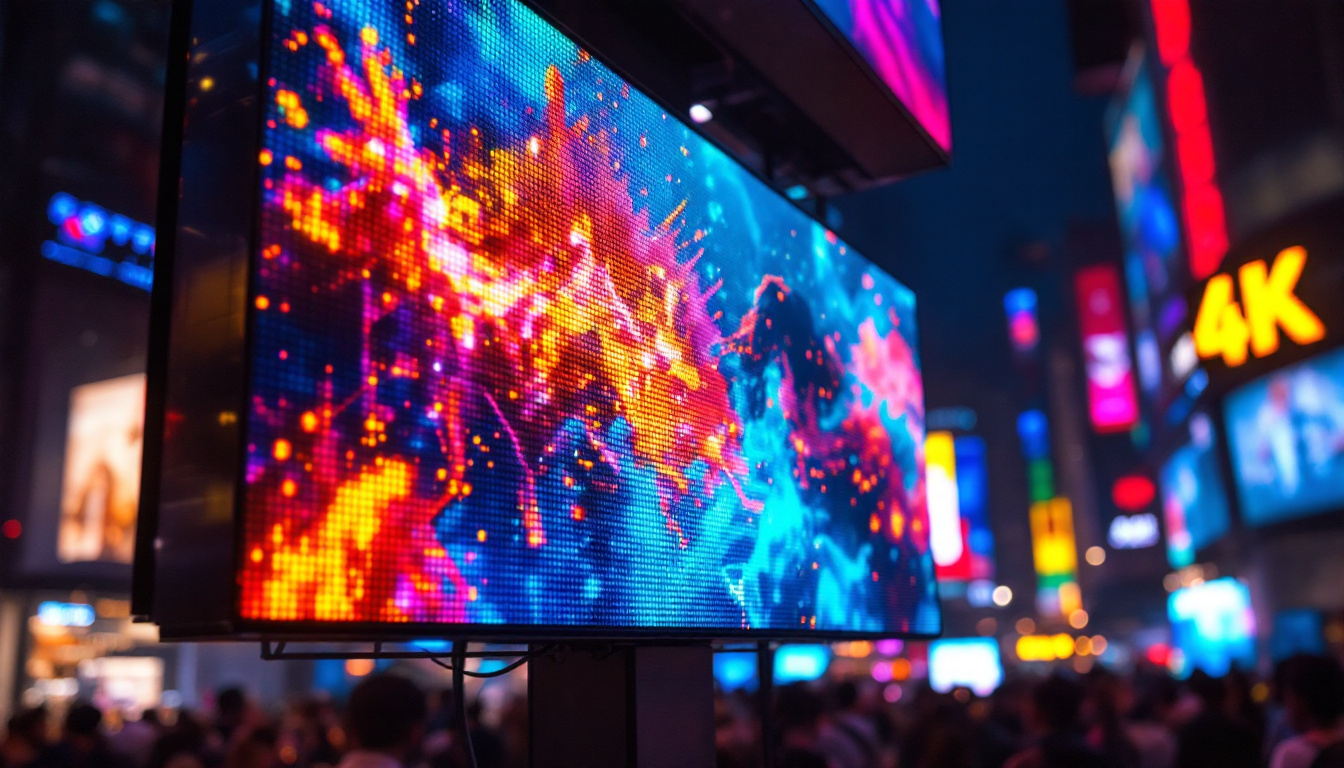
At the core of most modern video walls is LED display technology. LED video walls consist of numerous tiny light-emitting diodes arranged in a grid to create vivid images. Each diode acts as a pixel, illuminating in various colors and intensities to produce sharp, bright visuals visible even in challenging lighting conditions. The advancements in LED technology have led to improvements in color accuracy, brightness, and energy efficiency, making video walls a popular choice for both indoor and outdoor applications.
Key Components of a Video Wall
Several essential elements come together to create a functional video wall:
- Display Panels: These are the individual LED modules or screens that form the video wall. Panels can vary in pixel pitch, resolution, and size, allowing for tailored solutions based on the viewing distance and intended use. For instance, a video wall in a large auditorium may utilize panels with a larger pixel pitch, while a close-up installation in a retail store might require finer pixel density for a crisp image.
- Video Wall Controller: This hardware or software system manages the content displayed, ensuring synchronization across all panels. It allows for complex configurations, such as displaying multiple sources simultaneously or creating dynamic layouts that shift and change based on the content being shown.
- Mounting Structure: A robust frame or mounting system holds the panels securely and allows for precise alignment. This structure is vital for maintaining the integrity of the display, as even slight misalignments can disrupt the seamless appearance of the video wall.
- Content Management Software: Enables users to design, schedule, and control the displayed content, often remotely. This software can integrate with various media types, including live feeds, pre-recorded videos, and interactive content, providing flexibility in how information is presented.
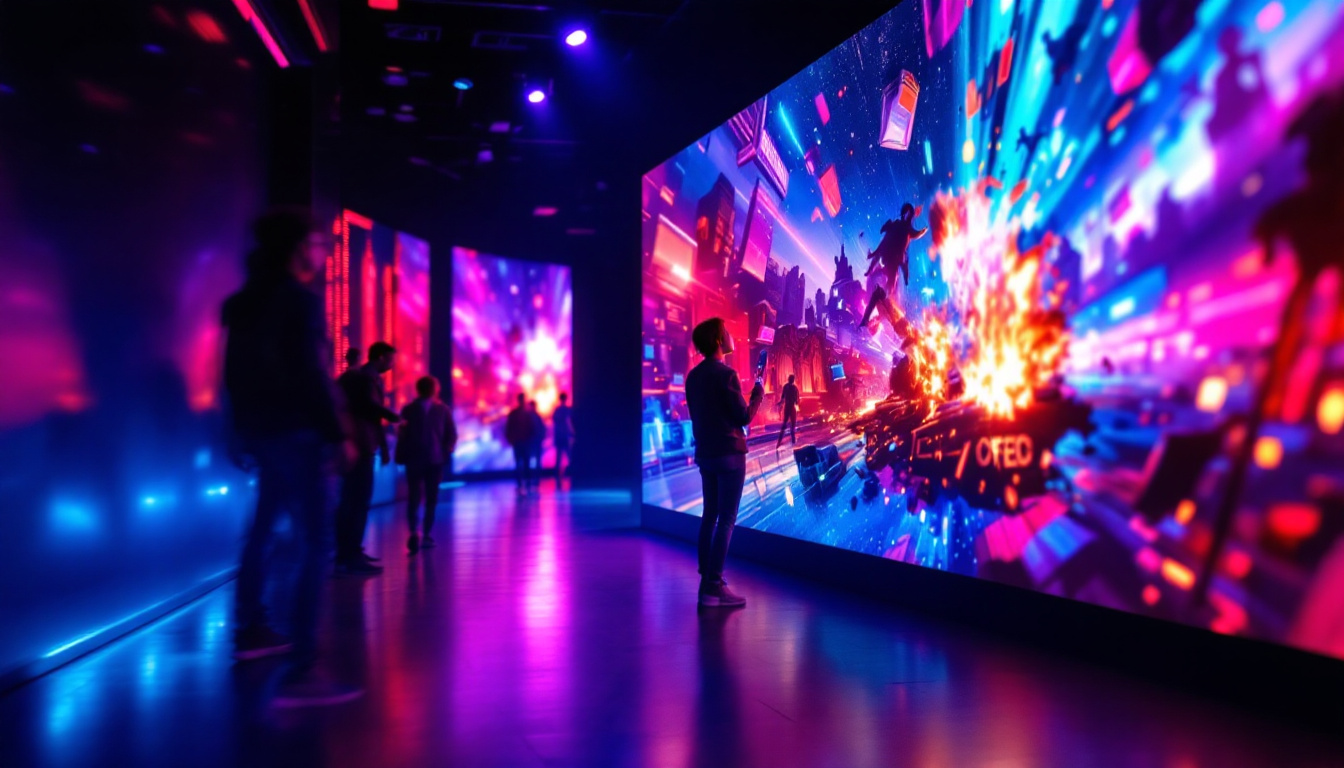
In addition to these components, video walls often incorporate advanced features such as edge-blending technology, which helps to minimize the visible seams between panels, creating a more immersive experience. Furthermore, many modern video walls support interactive capabilities, allowing users to engage with the content through touch or gesture-based controls. This interactivity can be particularly beneficial in educational settings or trade shows, where audience participation can enhance the overall impact of the presentation.
Moreover, the installation and maintenance of video walls require careful planning and expertise. Ensuring proper ventilation, power supply, and accessibility for maintenance are crucial considerations that can affect the longevity and performance of the video wall. As technology continues to evolve, the integration of artificial intelligence and machine learning into video wall systems is also becoming more prevalent, enabling smarter content delivery and audience analytics that can further optimize viewer engagement.
How LED Video Walls Work: Technology Behind the Display
LED video walls operate by illuminating tiny diodes arranged in clusters of red, green, and blue (RGB) LEDs. By adjusting the brightness of each diode, the display can produce a broad spectrum of colors, resulting in rich, vibrant images.
Pixel Pitch and Resolution
One critical factor in LED video wall quality is the pixel pitch — the distance between the centers of two adjacent pixels. A smaller pixel pitch means higher resolution and sharper images, which is particularly important for close viewing distances. For example, a pixel pitch of 1.5mm is suitable for indoor environments where viewers are close, while larger pitches like 10mm or more are common for outdoor installations viewed from a distance.
Brightness and Contrast
LED displays excel in brightness, often reaching 1,000 to 5,000 nits or more, which makes them highly visible even under direct sunlight. This brightness, combined with excellent contrast ratios, ensures that video walls deliver clear and legible content in various lighting conditions, from dimly lit conference rooms to bustling outdoor arenas.
Durability and Lifespan
LED video walls are known for their durability. High-quality LEDs can last upwards of 100,000 hours, which translates to over a decade of continuous use. Additionally, LED panels are resistant to shock and vibration, making them suitable for both permanent and temporary installations.
Applications of LED Video Walls Across Industries
LED video walls have become indispensable tools in many sectors due to their scalability, brightness, and flexibility. Below are some of the most common applications:
Corporate and Conference Environments
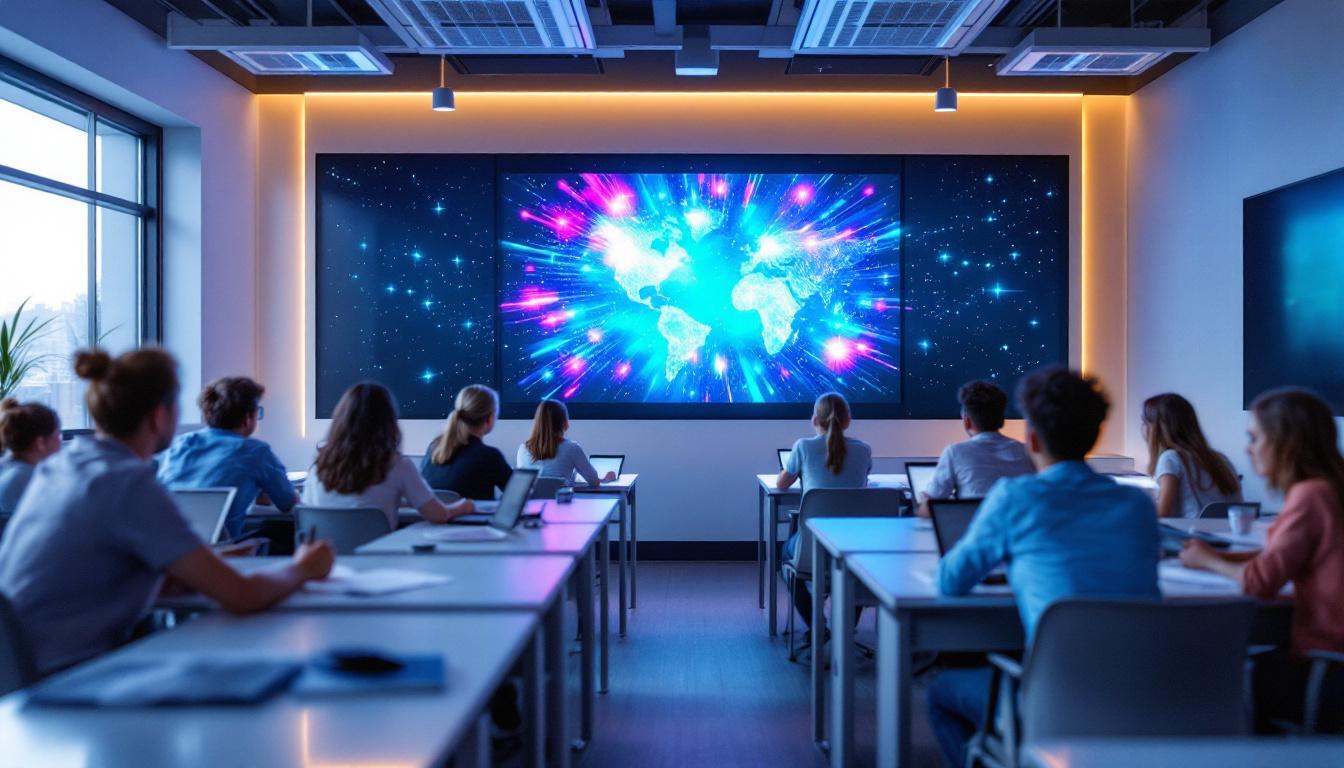
In corporate settings, video walls are used for presentations, video conferencing, and digital signage. They provide a professional and immersive way to display data, charts, and live feeds during meetings and events. For instance, global companies often use video walls in their headquarters’ lobbies to showcase branding and corporate messages.
Retail and Advertising
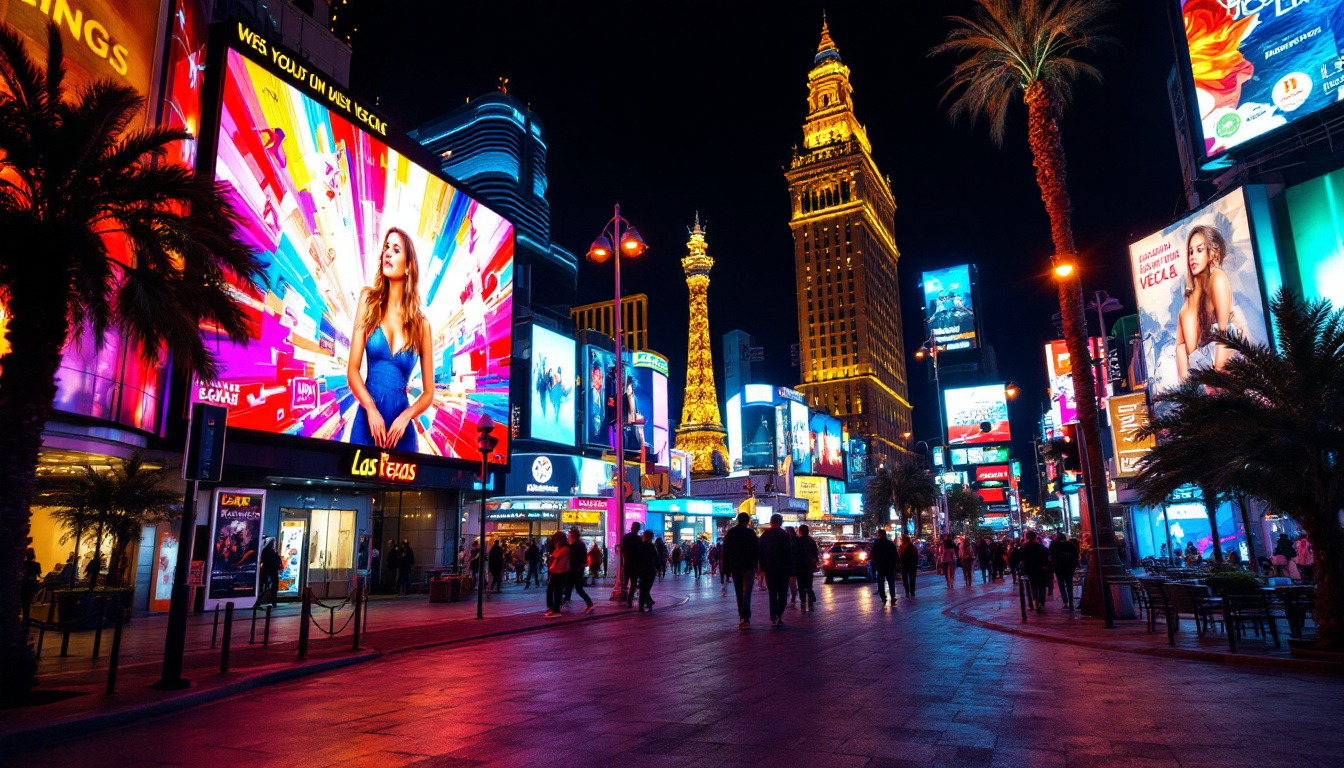
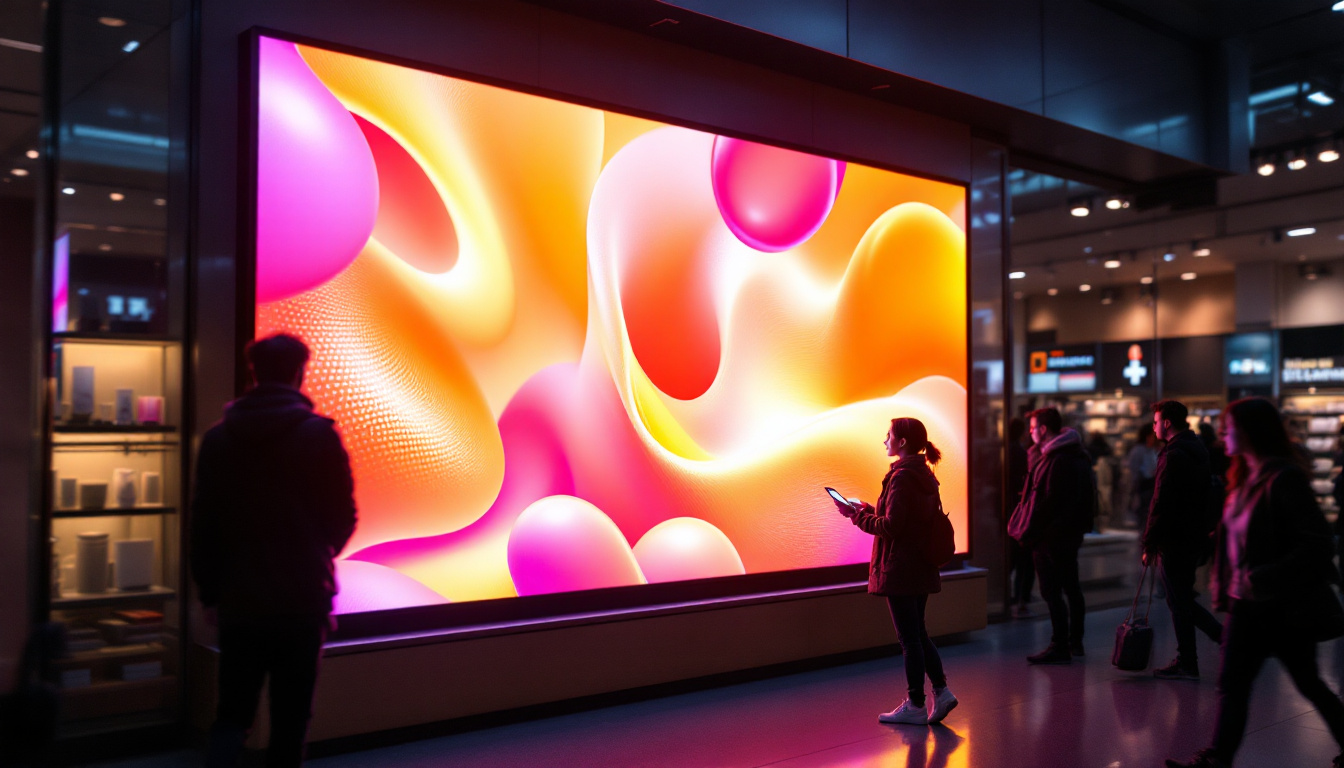
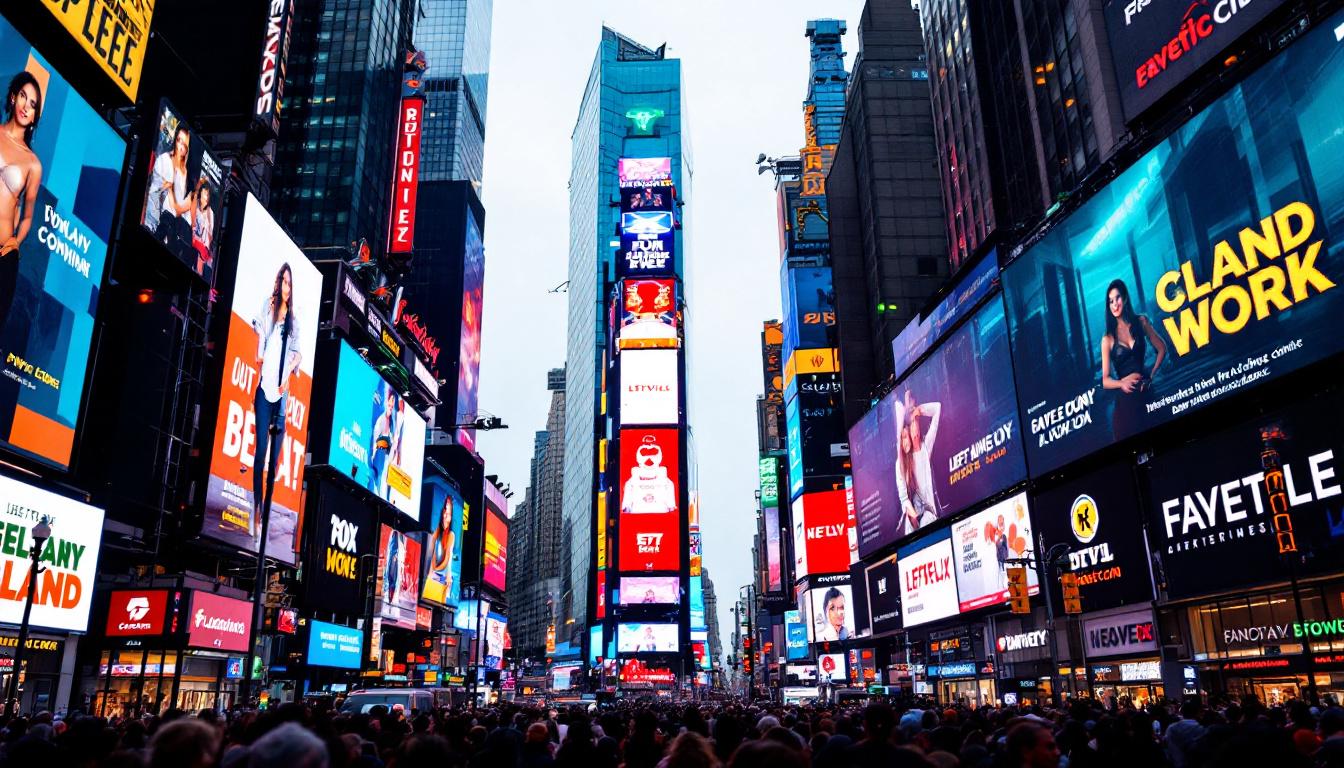
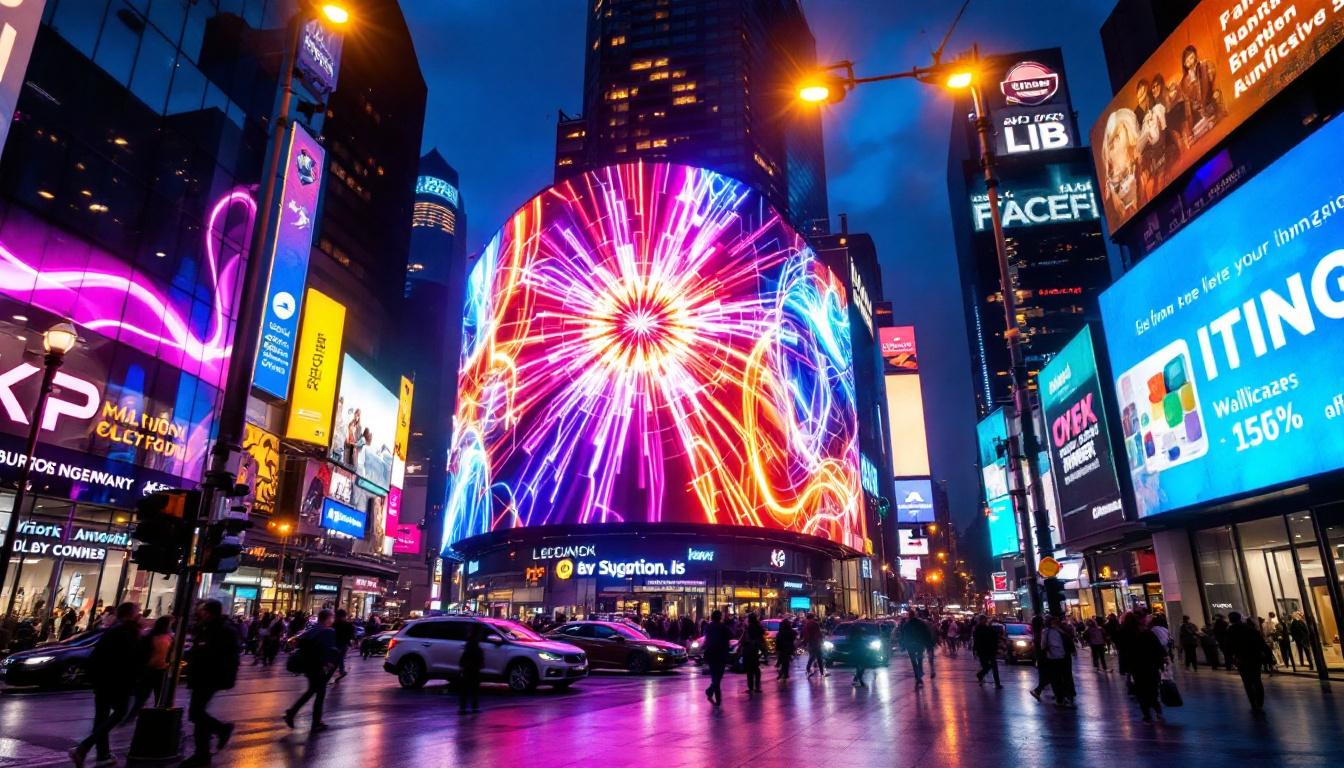
Retailers leverage LED video walls to create eye-catching storefront displays that attract customers and promote products. Digital billboards made with LED video walls are increasingly replacing traditional print ads, offering dynamic content that can be updated in real-time. According to recent market reports, digital out-of-home advertising is expected to grow by over 15% annually, driven largely by LED video wall installations.
Entertainment and Sports Venues
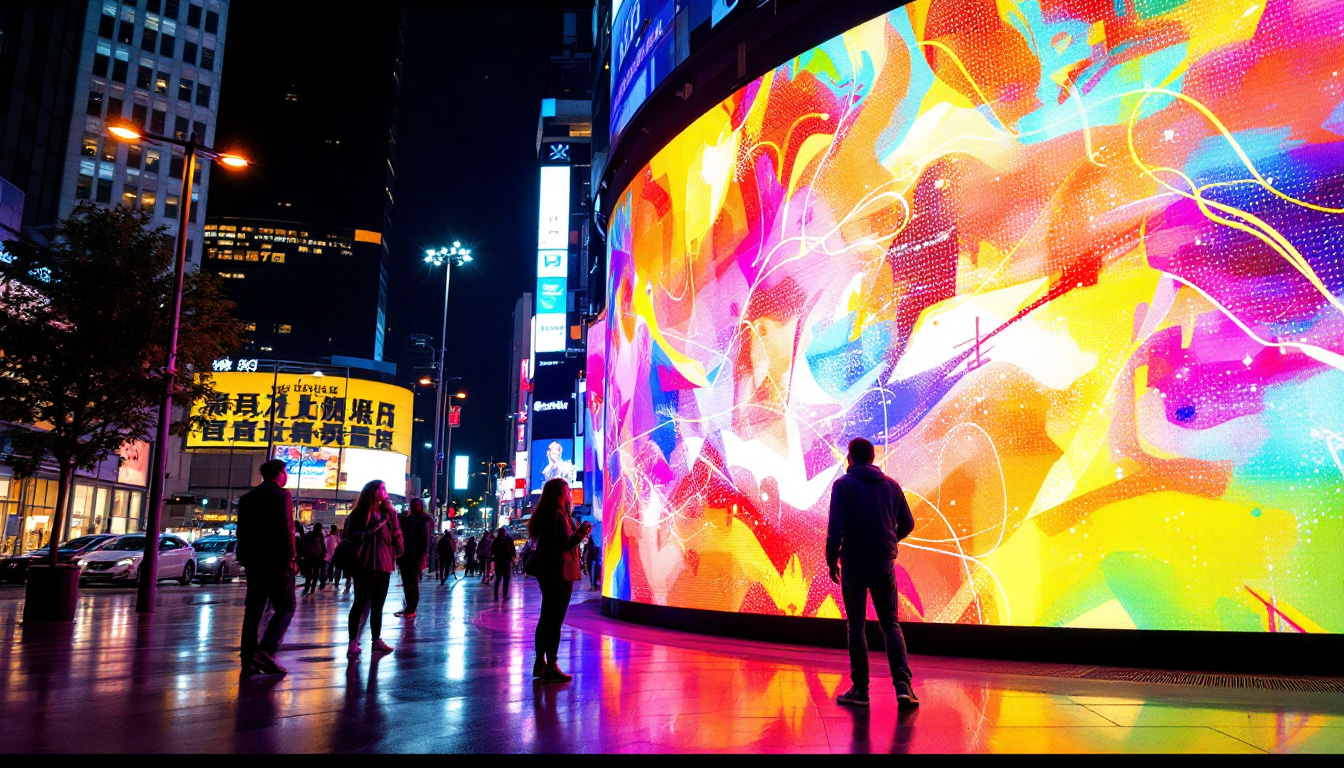
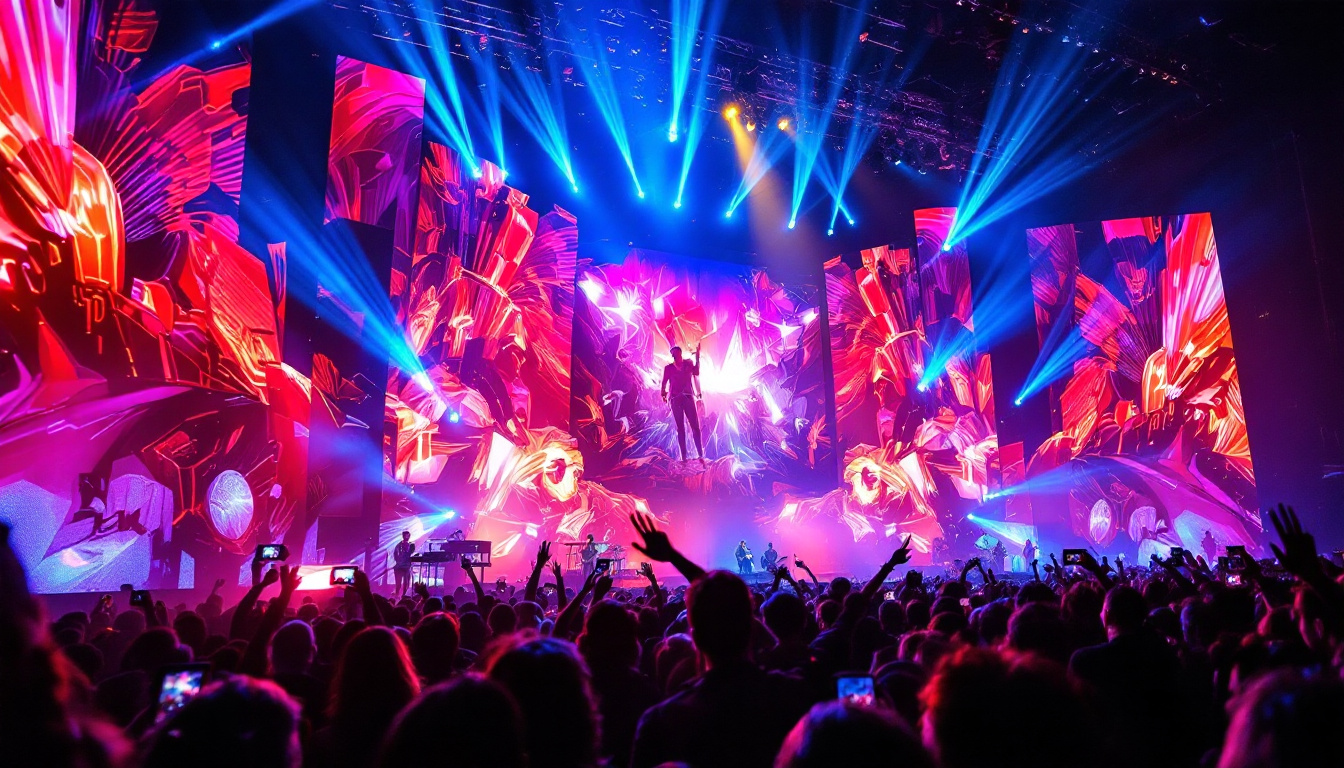
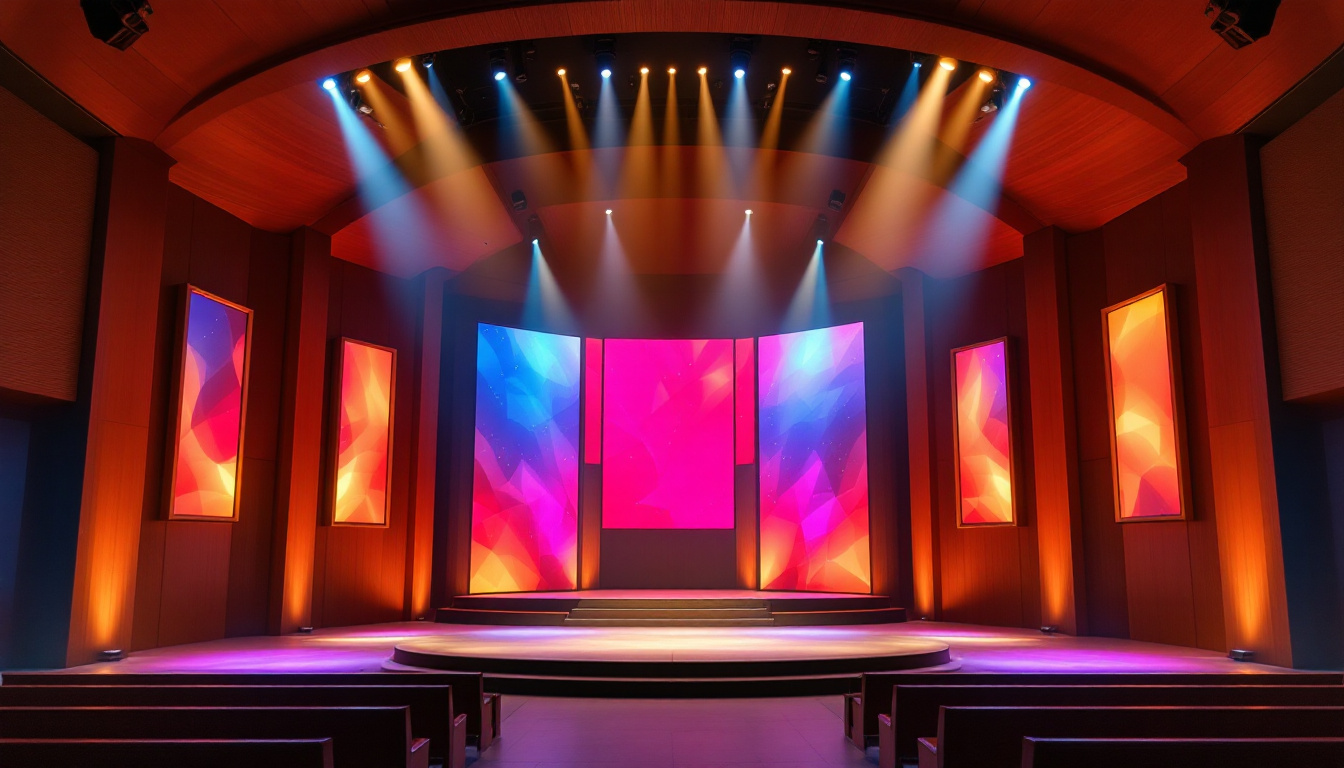
Sports arenas, concert halls, and theaters use massive LED video walls to enhance the spectator experience. These walls display live action, replays, and interactive content, ensuring that every seat has a clear view. For example, the AT&T Stadium in Texas features one of the largest LED video boards in the world, measuring over 160 feet wide.
Control Rooms and Command Centers
In mission-critical environments such as traffic management centers, security monitoring rooms, and emergency response hubs, video walls provide operators with comprehensive situational awareness. The ability to display multiple data streams simultaneously helps teams make faster, more informed decisions.
Public Spaces and Transportation Hubs
Airports, train stations, and city squares use LED video walls to deliver real-time information, advertisements, and public service announcements. Their high brightness and durability make them ideal for outdoor use, where visibility and reliability are essential.
Advantages of LED Video Walls Over Other Display Technologies
While there are various technologies available for large displays, LED video walls offer distinct advantages that have made them the preferred choice in many scenarios.
Superior Brightness and Visibility
Compared to LCD or projection-based systems, LED video walls provide much higher brightness levels, ensuring clear visibility in bright environments. This is particularly important for outdoor installations or venues with ambient lighting challenges.
Seamless Scalability and Customization
LED video walls can be configured in virtually any size or shape, from small conference room setups to massive outdoor billboards. Their modular design allows for easy expansion or reconfiguration as needs evolve.
Energy Efficiency and Longevity
LED technology consumes less power than traditional display methods, reducing operational costs. Furthermore, the long lifespan of LEDs means less frequent replacements and maintenance, contributing to lower total cost of ownership.
Enhanced Color Accuracy and Contrast
LED displays offer excellent color reproduction and contrast ratios, producing vivid and lifelike images. This quality is essential for applications where image clarity and impact are critical, such as branding and entertainment.
Considerations When Choosing an LED Video Wall
Selecting the right LED video wall involves several factors to ensure it meets the specific needs of the installation environment and intended use.
Viewing Distance and Pixel Pitch
Understanding the typical viewing distance is crucial in determining the appropriate pixel pitch. For example, a retail store where customers are close to the display requires a finer pixel pitch than a stadium screen viewed from hundreds of feet away.
Indoor vs. Outdoor Use
Environmental conditions dictate the type of LED panels needed. Outdoor video walls must be weatherproof, with higher brightness and protective coatings, while indoor panels prioritize resolution and color accuracy.
Content Management and Integration
Consider the ease of content creation, scheduling, and integration with existing systems. Modern video walls often support network connectivity and remote management, enabling dynamic and flexible content delivery.
Budget and Installation Complexity
Costs can vary widely based on size, resolution, and additional features. It’s important to balance budget constraints with performance requirements. Additionally, professional installation ensures proper alignment, calibration, and long-term reliability.
The Future of LED Video Walls: Trends and Innovations
The LED video wall market continues to evolve rapidly, driven by technological advancements and expanding use cases.
MicroLED and MiniLED Technologies
Emerging MicroLED and MiniLED technologies promise even higher resolutions, improved energy efficiency, and thinner panels. These innovations could further enhance image quality and reduce installation footprints.
Interactive and Touch-Enabled Video Walls
Integration of touch and gesture controls is making video walls more interactive, allowing users to engage directly with content. This is particularly valuable in retail, education, and corporate environments.
Artificial Intelligence and Content Personalization
AI-powered content management systems enable video walls to display personalized and context-aware content, improving audience engagement. For example, digital signage can adapt messages based on time of day, weather, or demographic data.
Energy-Saving and Sustainable Designs
As sustainability becomes a priority, manufacturers are focusing on reducing the environmental impact of LED video walls through energy-efficient components and recyclable materials.
Conclusion
LED video walls represent a powerful and versatile display solution that continues to transform how information and entertainment are delivered across industries. Their scalability, brightness, and durability make them ideal for a wide range of applications, from corporate boardrooms to massive outdoor advertising. As technology advances, video walls are becoming more interactive, efficient, and intelligent, promising even greater impact in the future of visual communication.
For organizations looking to enhance their visual presence, understanding the fundamentals of LED video walls and their capabilities is essential to making informed decisions that align with their goals and environments.
Discover LumenMatrix LED Display Solutions
Ready to elevate your visual communication and captivate your audience with unparalleled clarity and impact? Explore LumenMatrix’s innovative LED display solutions tailored to your unique needs. From vibrant Indoor and Outdoor LED Wall Displays to dynamic Vehicle and Sports LED Displays, our cutting-edge technology is designed to bring your vision to life. Experience the future of digital signage with our Custom, All-in-One, and Transparent LED Displays. Check out LumenMatrix LED Display Solutions today and transform your space into a mesmerizing visual experience.