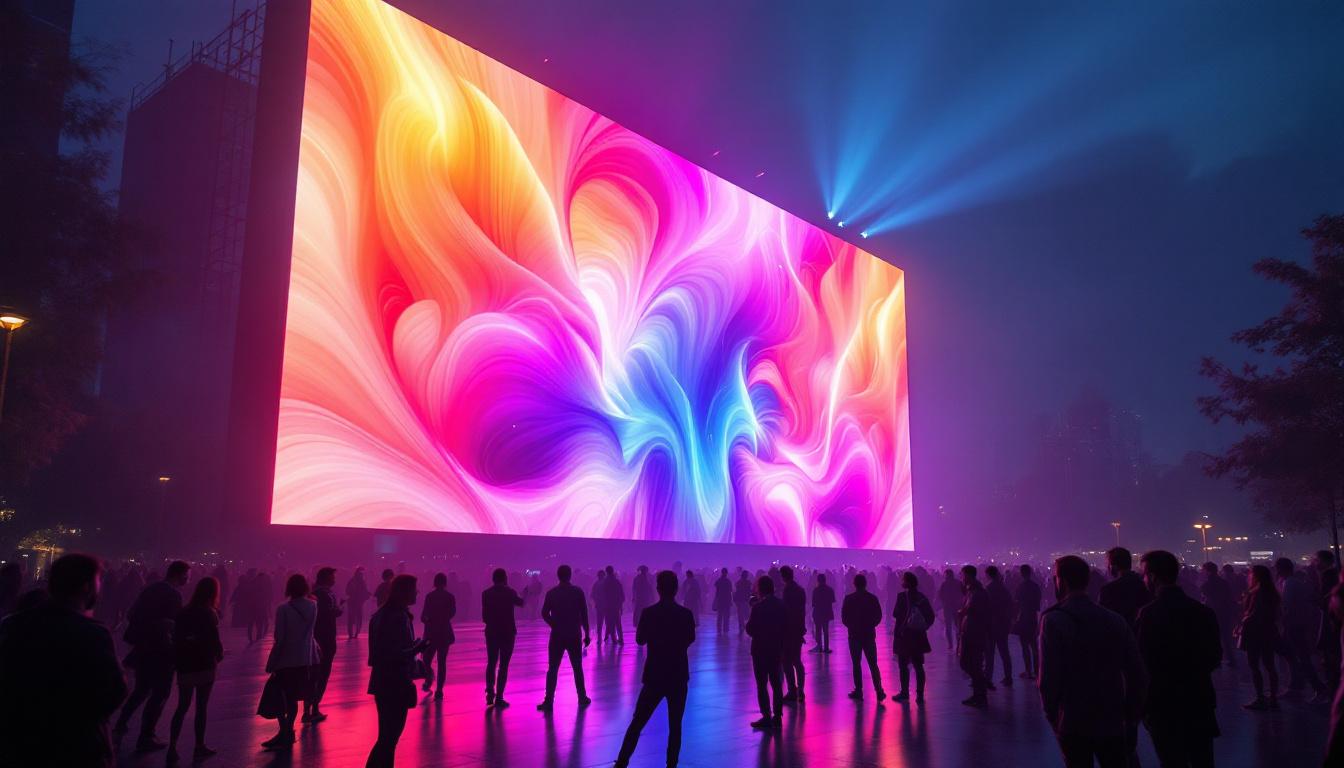
In an era dominated by digital media, LED displays have become a cornerstone of visual communication, transforming everything from advertising to entertainment. Among these innovations, the world’s largest LED screens stand as monumental achievements in technology and design, captivating audiences with their sheer scale and vibrant imagery. This article delves into the fascinating world of LED displays, exploring the technology behind these colossal screens, their applications, and what makes the largest LED screens truly remarkable.
Understanding LED Display Technology
What is an LED Display?
LED stands for Light Emitting Diode, a semiconductor device that emits light when an electric current passes through it. An LED display is a flat panel display that uses an array of LEDs as pixels to create images and videos. These displays are known for their brightness, energy efficiency, and durability, making them ideal for both indoor and outdoor use.
Unlike traditional LCD or plasma screens, LED displays can produce their own light, which results in higher contrast ratios and better visibility in bright environments. This self-illumination capability is especially important for large-scale screens exposed to sunlight or stadium lighting. Furthermore, LED technology allows for rapid refresh rates, which is crucial for displaying fast-moving images, such as in sports broadcasts or gaming applications. The result is a smoother viewing experience that captivates audiences and enhances engagement.
Types of LED Displays
LED displays come in various forms, including:
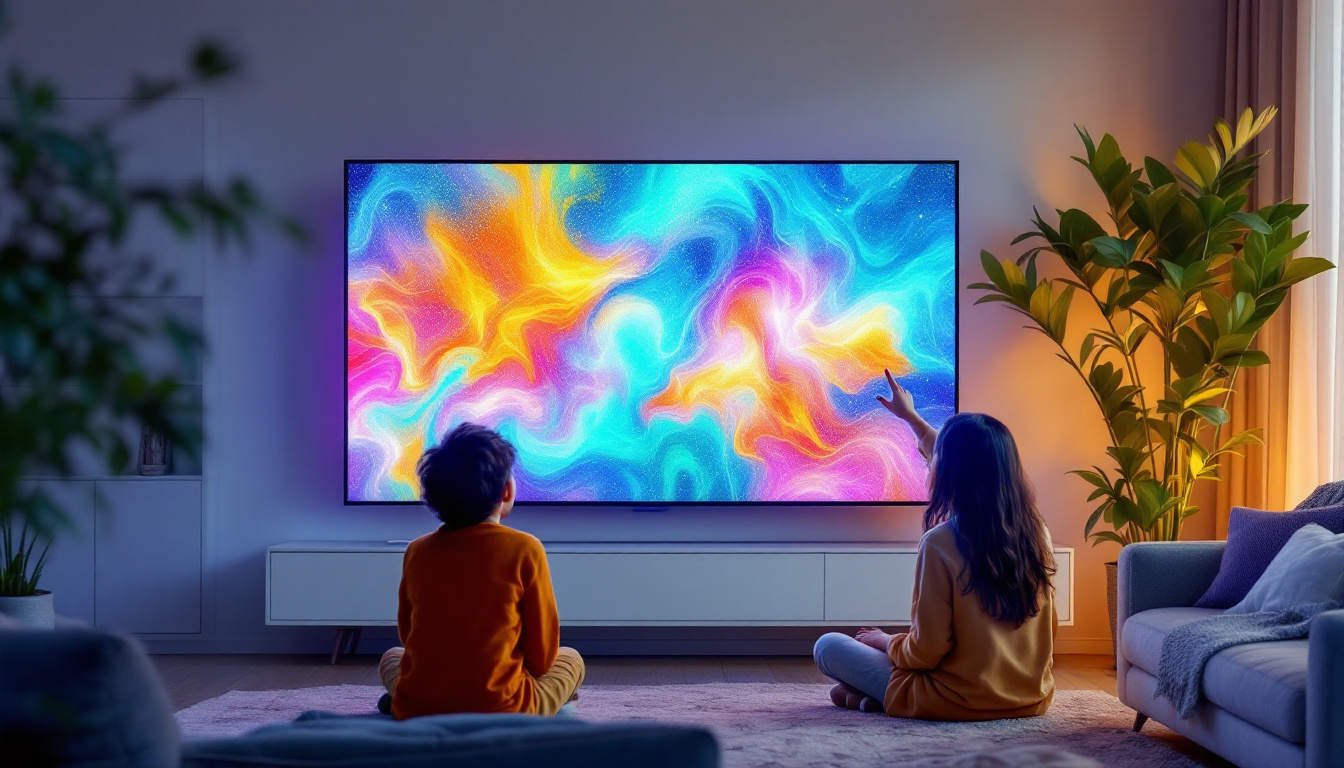
- Indoor LED Displays: Designed for controlled lighting environments, these screens have a higher pixel density for sharper images at close viewing distances.
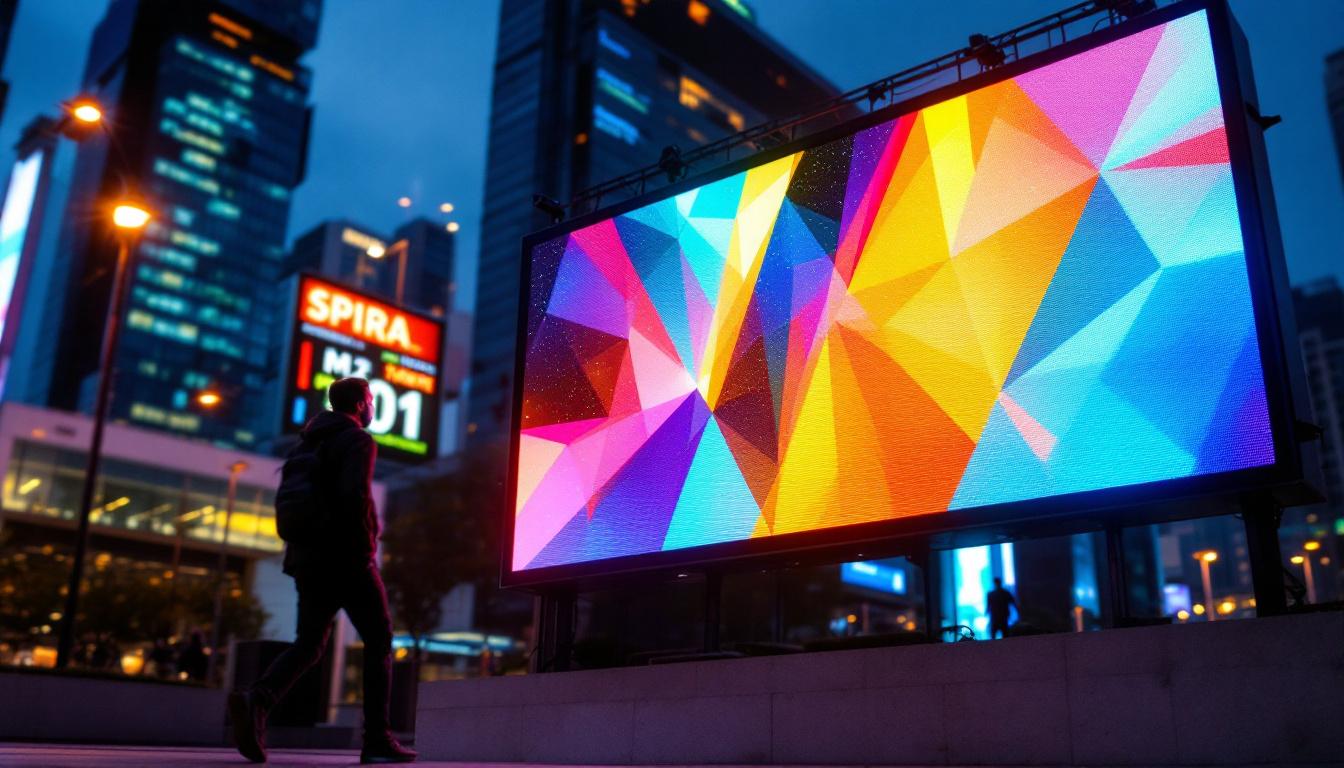
- Outdoor LED Displays: Built to withstand weather conditions, these screens are brighter and more robust, often featuring waterproof and dustproof designs.
- Flexible and Transparent LED Displays: Emerging technologies have enabled LED panels to be flexible or even transparent, opening new possibilities in design and application.
Each type is optimized for specific uses, balancing factors such as brightness, resolution, and durability. Indoor displays often find their homes in retail environments, where vibrant visuals can attract customers and enhance product visibility. Meanwhile, outdoor displays are commonly used for advertising billboards, public information systems, and large event screens, where their resilience to environmental factors is paramount. The innovative flexible and transparent displays are revolutionizing architecture and interior design, allowing for seamless integration of technology into everyday environments, such as storefronts and exhibition spaces, without compromising aesthetic appeal.
Moreover, advancements in LED technology continue to evolve, with developments in microLED and miniLED technologies pushing the boundaries of display quality. These innovations promise even finer pixel pitches, leading to ultra-high-definition displays that can be viewed from even closer distances without loss of clarity. As the demand for immersive experiences grows, the application of LED displays is expanding into virtual reality and augmented reality environments, where they play a crucial role in delivering lifelike visuals that enhance user interaction and engagement.
The Scale and Significance of the World’s Largest LED Screens
Record-Breaking LED Screens Around the Globe
The race to create the largest LED screens has led to some awe-inspiring installations worldwide. These massive displays are not only feats of engineering but also serve as landmarks and focal points for events and advertising.
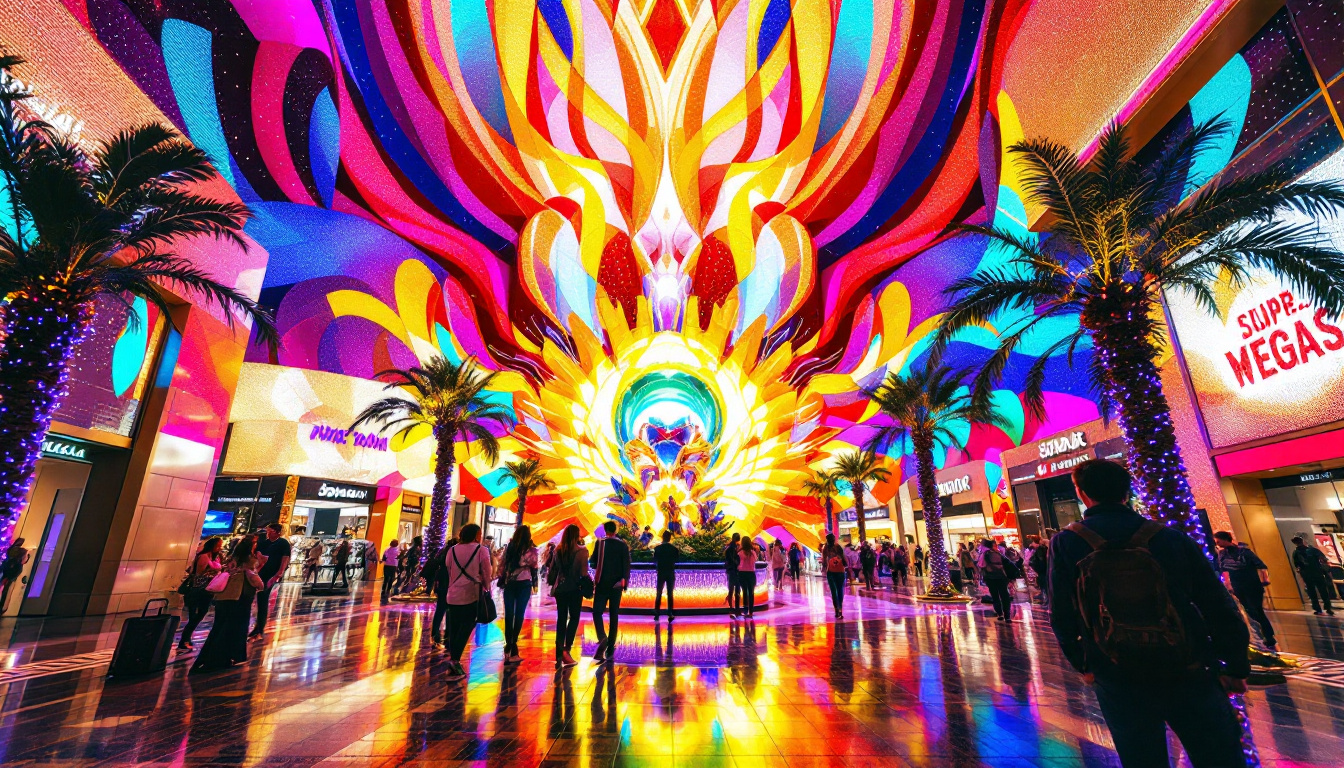
For example, the LED screen on the Fremont Street Experience in Las Vegas spans approximately 1,500 feet in length and covers over 90,000 square feet. This canopy-style display immerses visitors in a 360-degree visual spectacle, showcasing the potential of LED technology on a grand scale. The screen is not just a visual marvel; it also hosts a variety of shows, from dazzling light displays synchronized to music to live performances, making it a central hub of entertainment in the heart of Las Vegas.
Another notable example is the LED facade of the MSG Sphere in Las Vegas, which features a spherical LED display measuring 160,000 square feet. This structure combines immersive audio with a wraparound LED screen, creating a unique entertainment venue that redefines audience experience. The MSG Sphere is designed to host concerts, film screenings, and corporate events, with the LED technology enhancing the atmosphere and engagement levels, allowing audiences to feel as if they are part of the performance.
Why Size Matters in LED Displays
The size of an LED screen directly impacts its visibility and the scale of the message it can convey. Larger screens can reach wider audiences, making them invaluable for advertising in high-traffic areas, public information dissemination, and live event broadcasting. In urban environments, these colossal displays become integral to the cityscape, often attracting tourists and locals alike, who gather to witness the vibrant visuals and dynamic content.
However, increasing size also presents challenges such as maintaining image quality, managing power consumption, and ensuring structural stability. Advances in LED technology, including smaller pixel pitches and modular panel designs, have made it possible to build larger screens without compromising performance. Moreover, innovations in energy efficiency have allowed these massive displays to operate sustainably, reducing their environmental impact while still delivering stunning visuals. As cities continue to evolve and embrace digital signage, the role of these monumental screens in shaping urban experiences becomes increasingly significant, transforming the way we interact with our surroundings.
Technical Aspects Behind Massive LED Displays
Pixel Pitch and Resolution
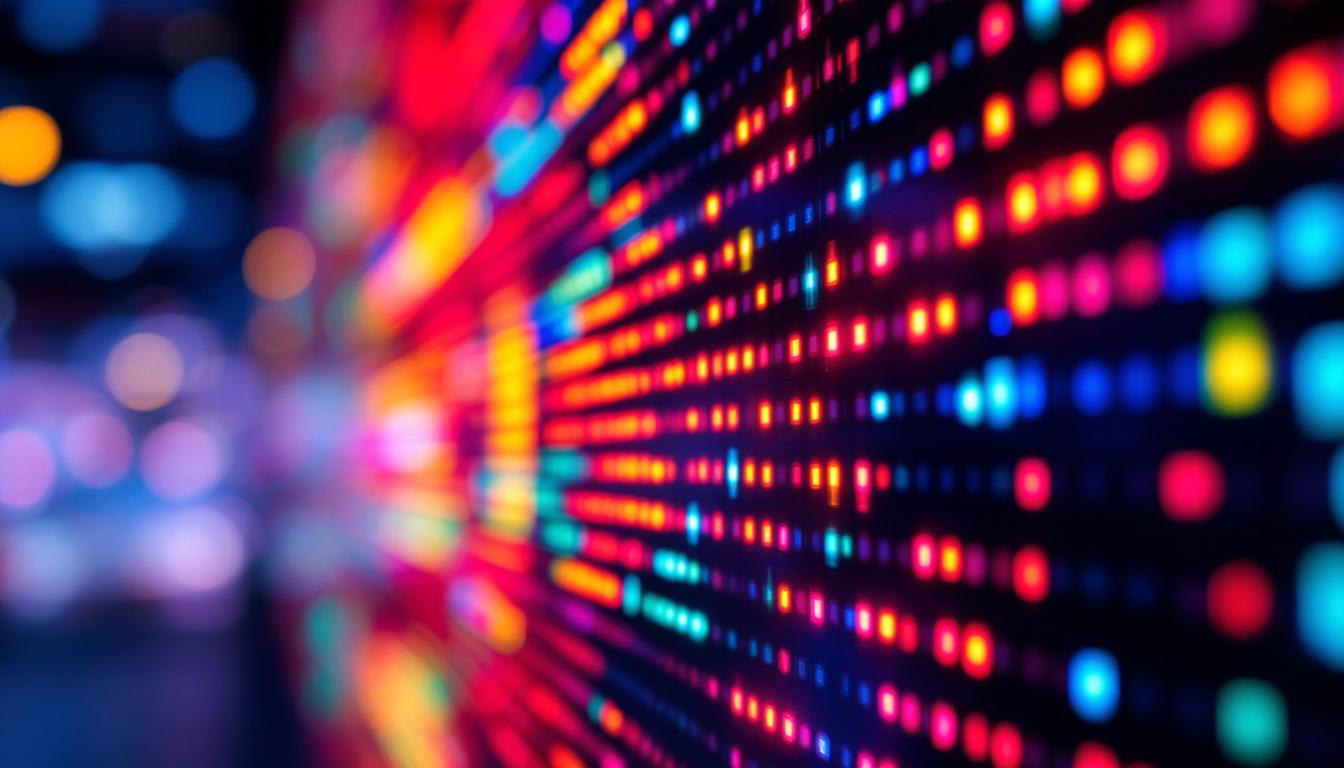
Pixel pitch refers to the distance between the centers of two adjacent pixels, usually measured in millimeters. A smaller pixel pitch means higher resolution and sharper images, which is crucial for screens viewed up close. Conversely, larger pixel pitches are acceptable for distant viewing, such as on billboards or stadium screens.
For the world’s largest LED screens, designers carefully balance pixel pitch with viewing distance to optimize clarity and cost. For instance, a screen with a 10mm pixel pitch may be perfect for a display viewed from hundreds of feet away, while a 2mm pitch is suited for indoor displays seen from a few feet.
Brightness and Color Accuracy
Brightness is measured in nits, with outdoor LED screens often exceeding 5,000 nits to remain visible under direct sunlight. High brightness ensures that images remain vivid and legible regardless of ambient lighting conditions.
Color accuracy is achieved through precise calibration of the red, green, and blue LEDs that make up each pixel. Advanced processing technologies help maintain consistent color reproduction across the entire screen, even at massive scales.
Modular Design and Maintenance
Massive LED screens are typically constructed using modular panels that can be assembled like building blocks. This design simplifies installation, allows for scalability, and facilitates maintenance by enabling individual panels to be replaced without dismantling the entire screen.
Maintenance is a critical consideration for large LED displays, especially those exposed to harsh weather. Regular inspections, cleaning, and software updates ensure longevity and optimal performance.
Applications of the World’s Largest LED Screens
Entertainment and Events
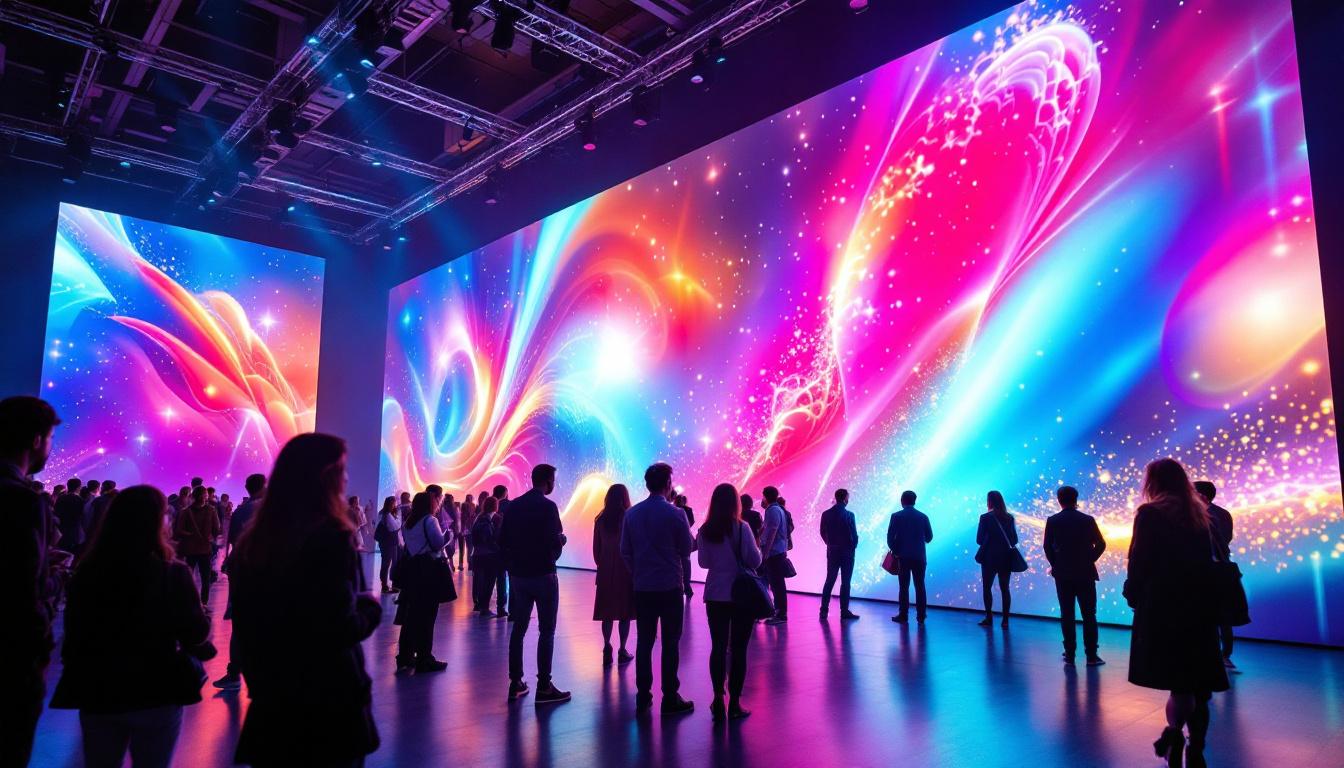
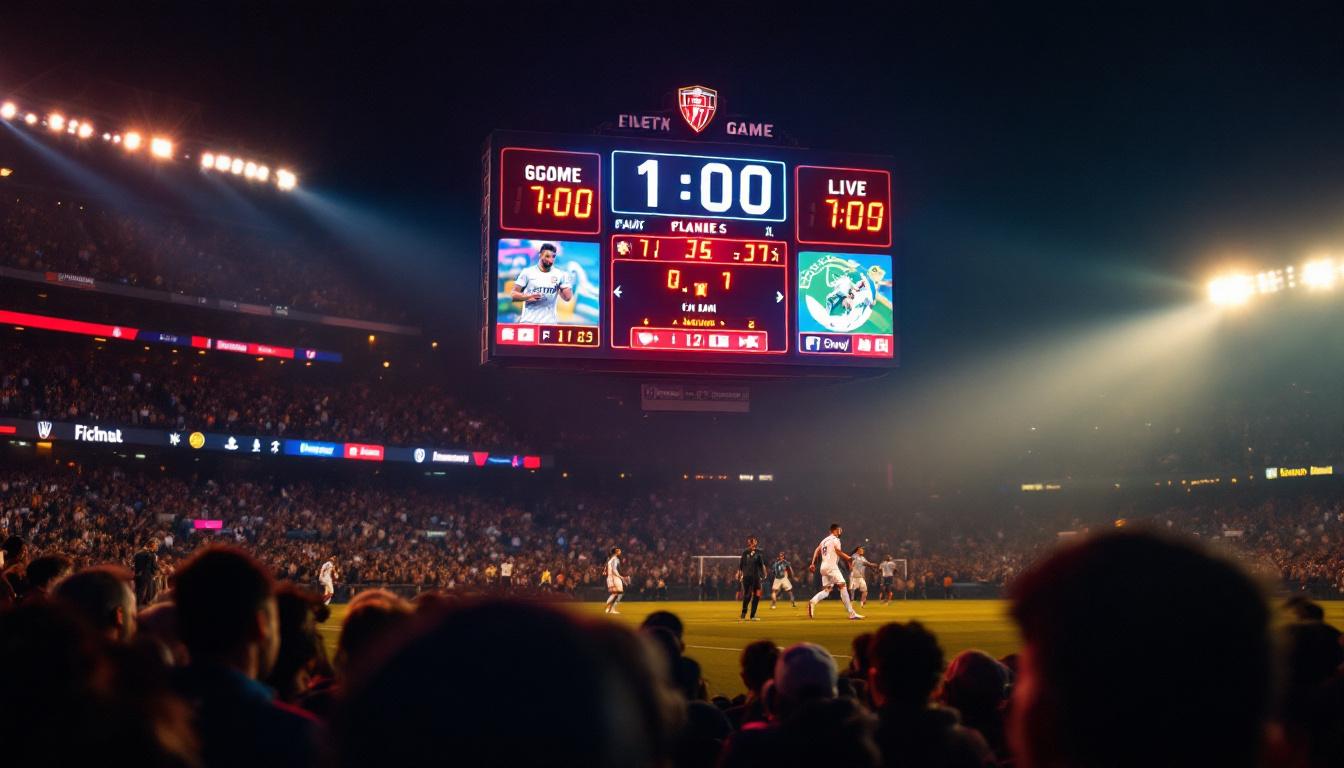
Large LED screens have revolutionized live events, from concerts to sports. They provide dynamic backdrops, real-time video feeds, and interactive content that enhance audience engagement. For example, during the FIFA World Cup and the Olympics, giant LED screens display live action, replays, and information to tens of thousands of spectators.
In addition, venues like the MSG Sphere utilize their vast LED surfaces to create immersive experiences that blend visuals, sound, and even scent, pushing the boundaries of traditional entertainment.
Advertising and Marketing
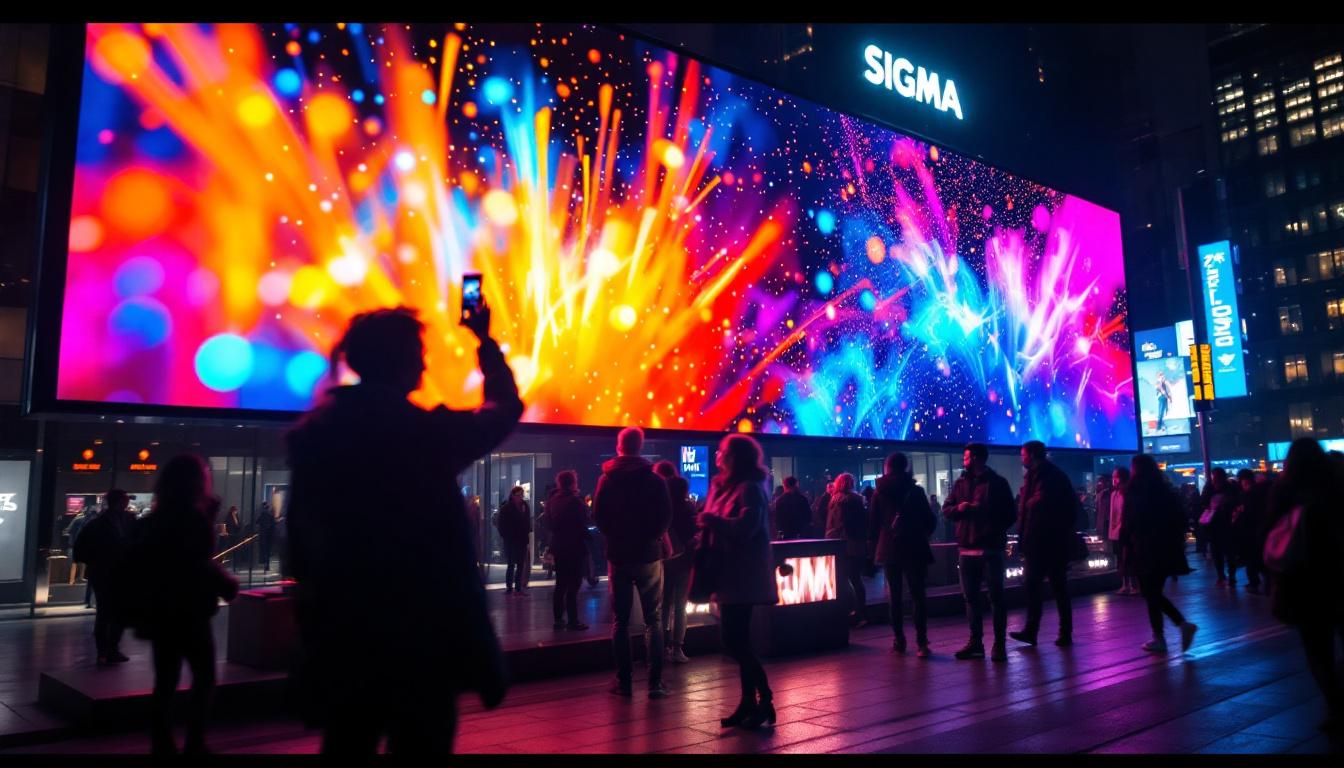
Billboards and digital signage have embraced LED technology to deliver eye-catching advertisements that can be updated instantly. The ability to display vibrant, moving images attracts more attention than static signs, increasing brand visibility and consumer engagement.
Locations such as Times Square in New York City feature some of the most famous LED billboards, where brands compete for prominence on screens that are tens of thousands of square feet in size.
Public Information and Safety
Governments and municipalities use large LED screens to disseminate important information, such as emergency alerts, traffic updates, and public service announcements. Their high visibility and flexibility make them effective tools for communication in urban environments.
During natural disasters or large public gatherings, these screens can provide real-time updates that enhance public safety and coordination.
The Future of LED Display Technology
Innovations Driving the Next Generation
Emerging technologies promise to make LED displays even more impressive and versatile. MicroLED technology, which uses microscopic LEDs, offers higher resolution, better energy efficiency, and longer lifespan compared to traditional LEDs.
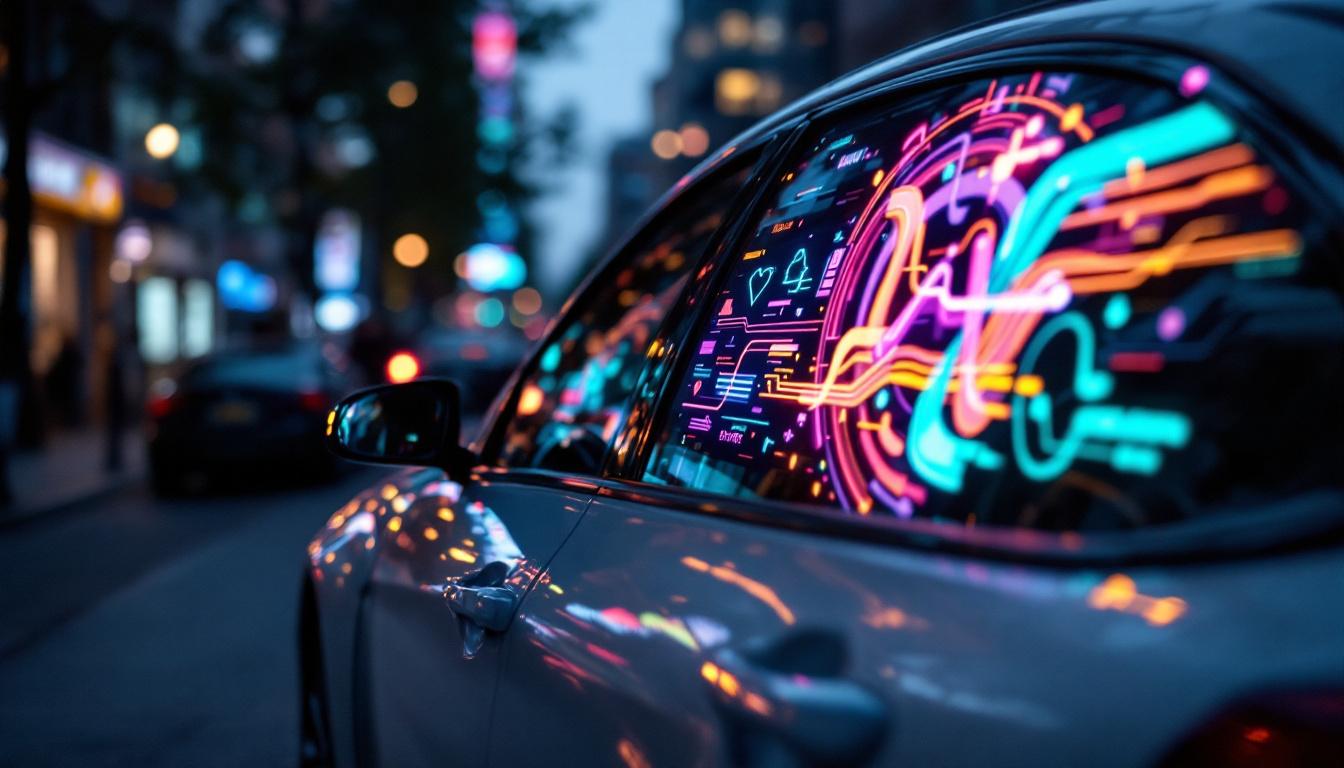
Flexible and transparent LED displays are also gaining traction, enabling new applications in architecture, automotive design, and wearable technology. Imagine building facades that transform into dynamic art installations or car windows that double as information displays.
Sustainability Considerations
As LED screens grow larger and more prevalent, sustainability becomes a critical focus. Advances in energy-efficient LEDs and smart power management systems help reduce the environmental impact of these massive displays.
Recycling programs for LED components and the use of eco-friendly materials in manufacturing are also gaining importance, aligning the industry with global sustainability goals.
Conclusion
The world’s largest LED screens represent a fusion of cutting-edge technology, creative vision, and engineering prowess. They transform public spaces, enhance entertainment, and revolutionize advertising by delivering vivid, large-scale visual experiences that captivate audiences worldwide.
Understanding the technology behind these colossal displays—from pixel pitch to brightness and modular design—reveals the complexity and innovation driving this industry forward. As LED technology continues to evolve, the possibilities for even more immersive, sustainable, and versatile displays are virtually limitless, promising an exciting future for digital visual communication.
Illuminate Your Space with LumenMatrix
As you stand at the forefront of digital innovation, consider how LumenMatrix can elevate your visual storytelling. Our extensive range of LED display modules, from the vibrant Indoor LED Wall Display to the dynamic Outdoor LED Wall Display, and from the versatile Vehicle LED Display to the sleek LED Transparent Display, is designed to bring your vision to life. Embrace the future of visual engagement with LumenMatrix’s advanced solutions, and let us help you create unforgettable experiences that resonate with your audience. Check out LumenMatrix LED Display Solutions and join the revolution in digital visual communication.