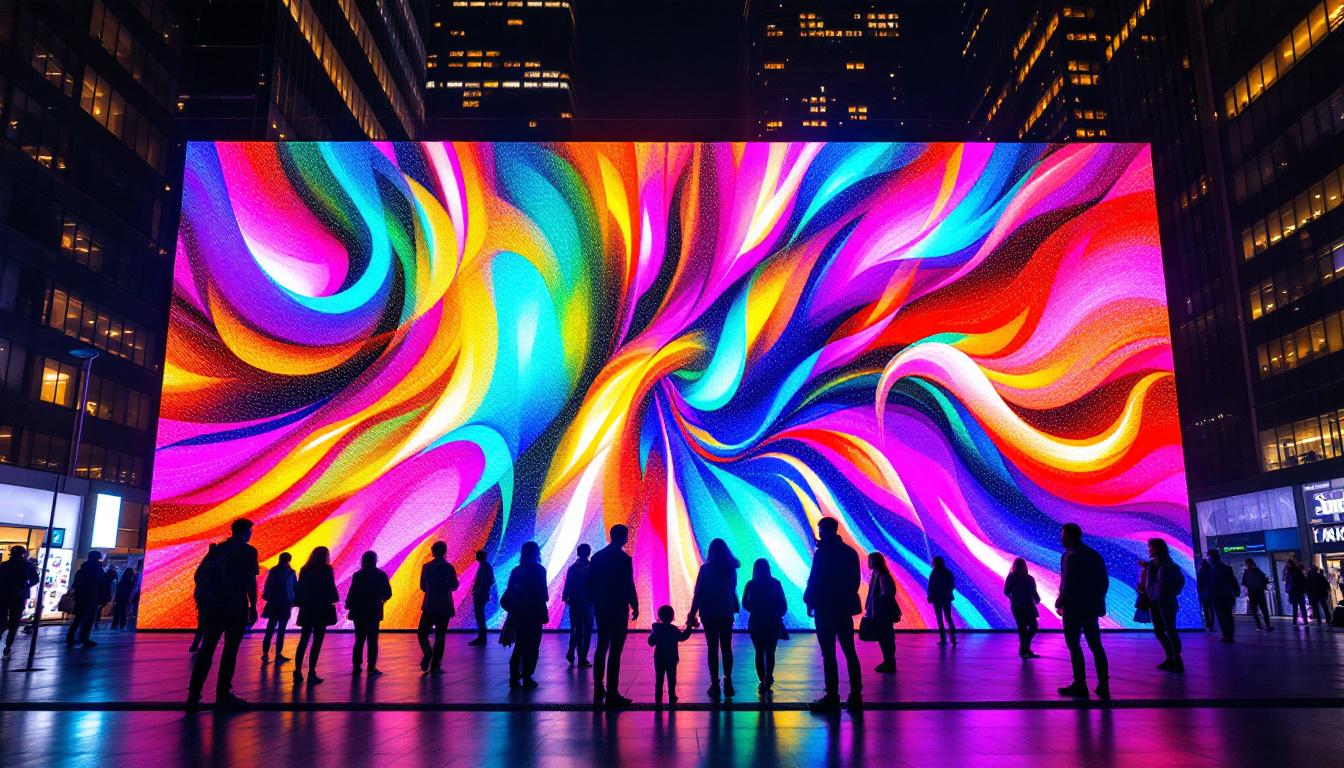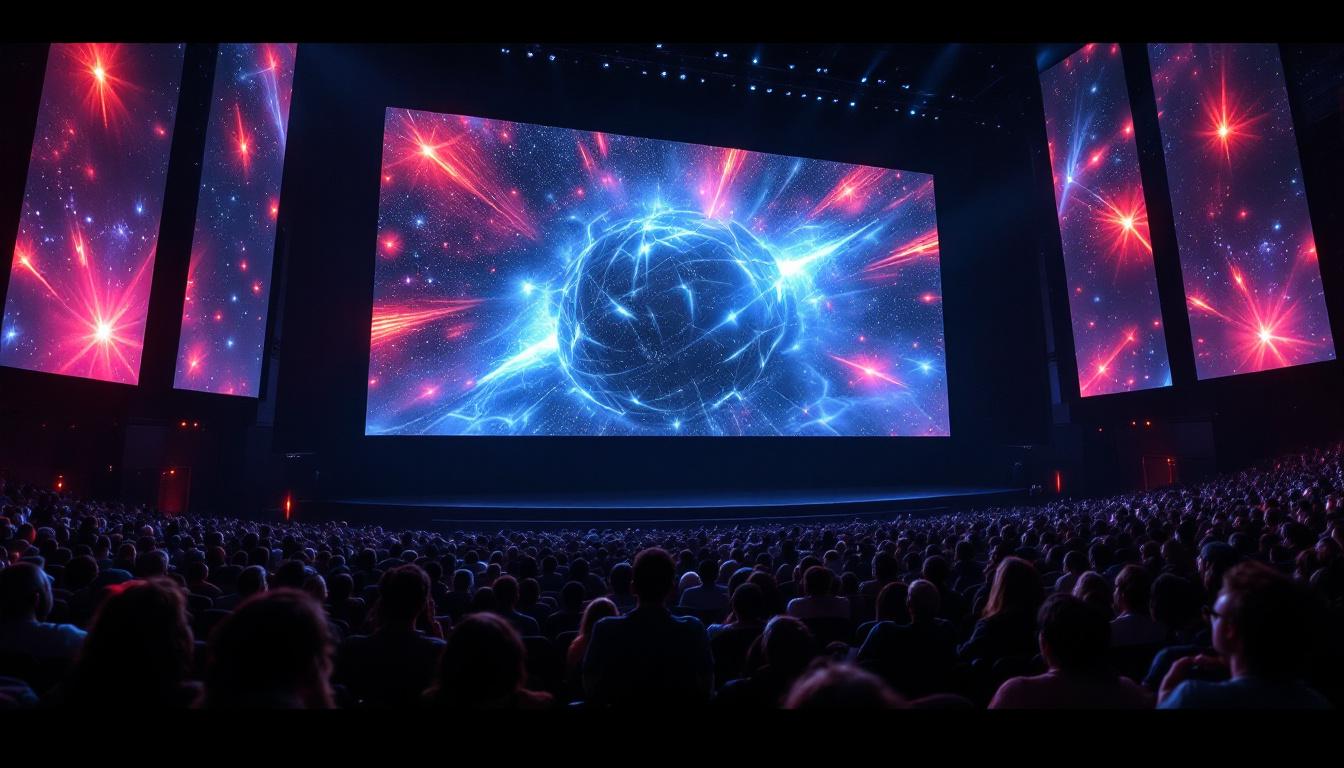
The evolution of cinema technology has always been driven by the desire to create more immersive and visually stunning experiences for audiences. One of the most significant advancements in recent years is the introduction of massive LED displays as theater screens, which are transforming the way movies and live events are presented. This article explores the world’s largest theater screens, focusing on LED display technology, its advantages, and the impact it has on the entertainment industry.
The Rise of LED Screens in Cinemas
Traditionally, movie theaters have relied on projection systems to display films on large screens. While projection technology has improved dramatically over the decades, it still faces limitations in brightness, contrast, and image uniformity, especially in very large formats. The emergence of LED (Light Emitting Diode) display technology has provided a compelling alternative, enabling theaters to showcase content with unprecedented clarity and vibrancy.
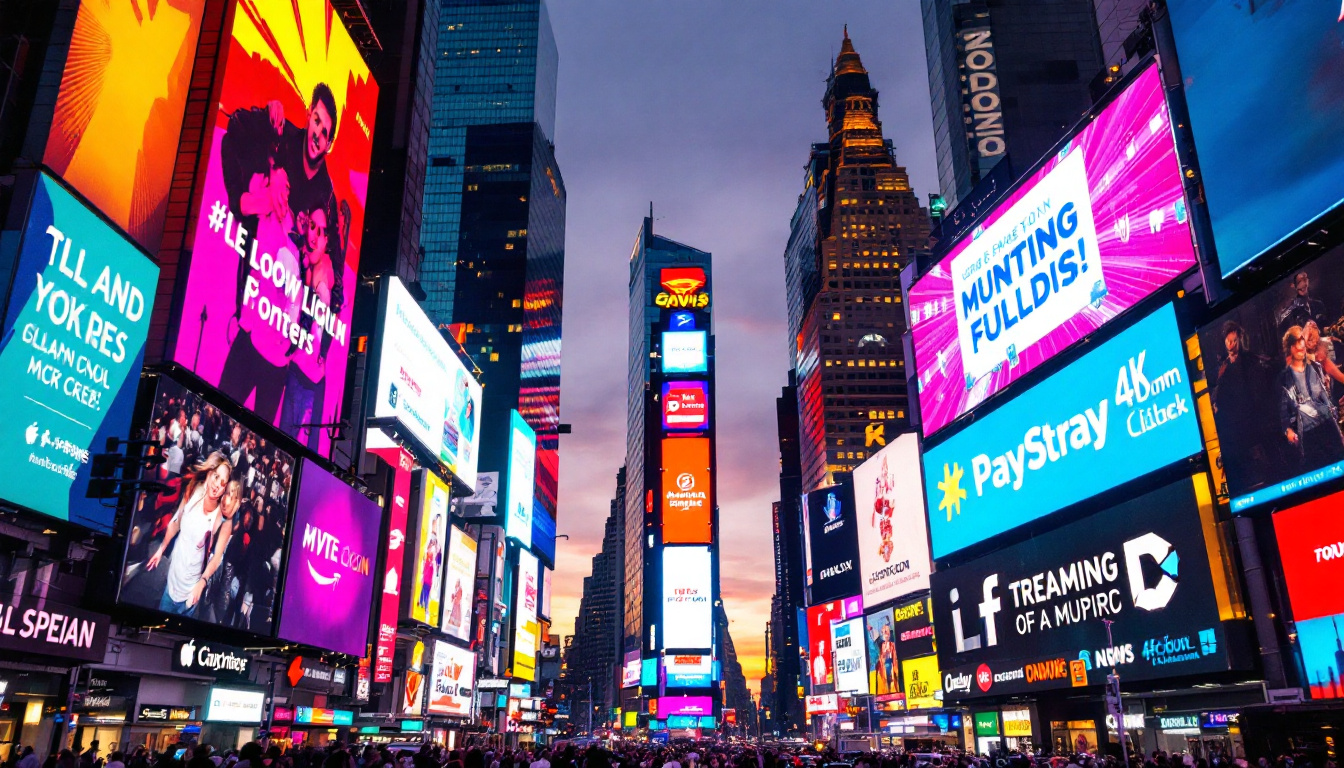
LED technology has been widely used in outdoor advertising and stadium displays for years due to its brightness and durability. Its application in indoor cinema settings, however, is a relatively recent development. The transition from projection to LED screens in theaters represents a paradigm shift, offering benefits that enhance the viewing experience and open new creative possibilities for filmmakers and exhibitors alike.
What Makes LED Screens Different?
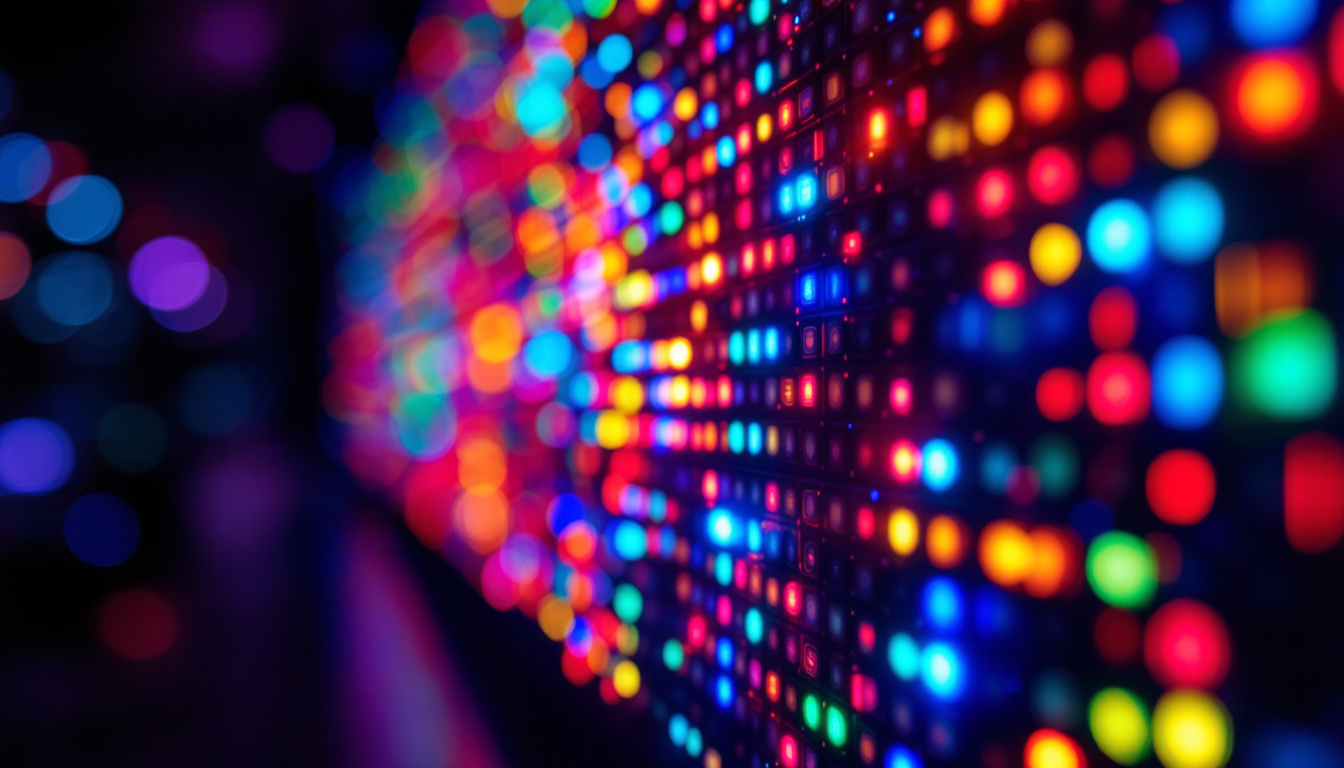
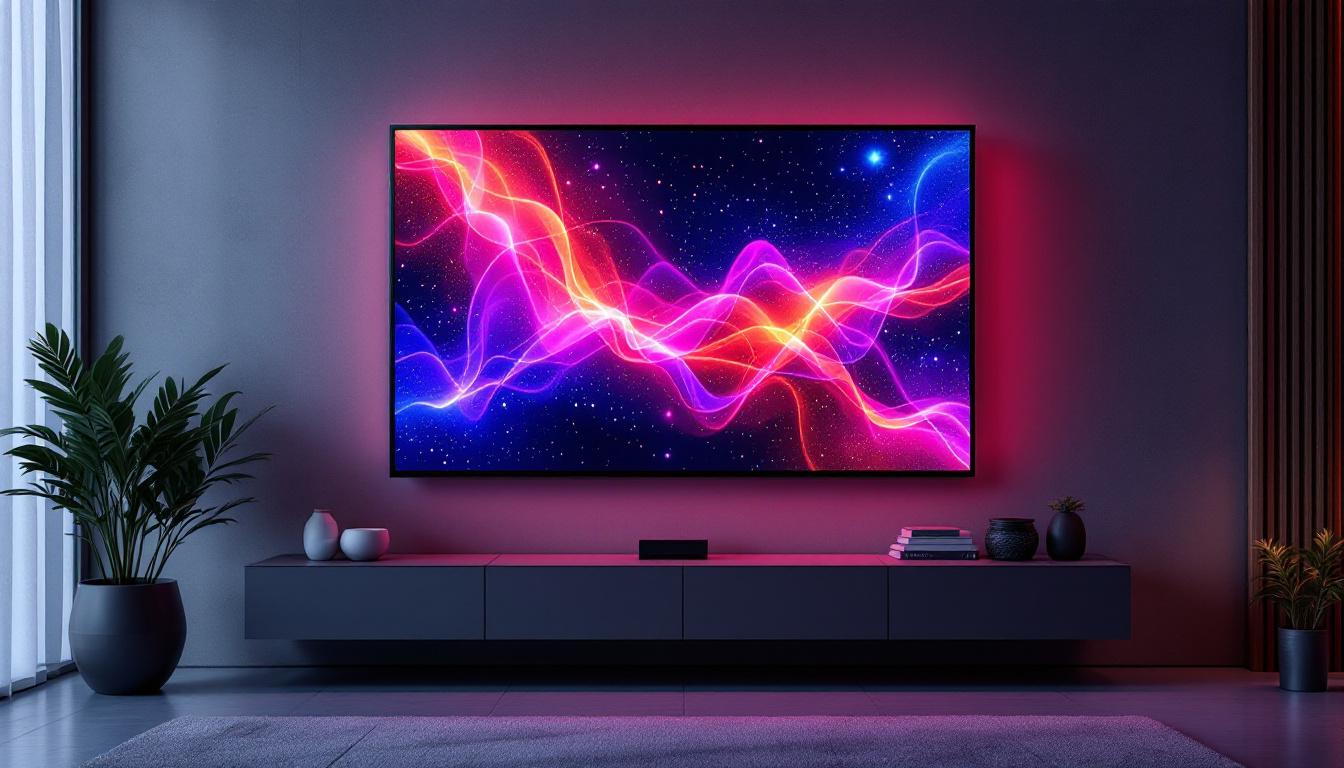
Unlike projection screens, which rely on an external light source to cast images onto a surface, LED screens are composed of thousands or even millions of tiny light-emitting diodes that produce their own light. This self-illumination results in higher brightness levels and superior contrast ratios, making images appear more vivid and lifelike.
Additionally, LED screens offer uniform brightness across the entire display, eliminating issues like hotspotting or dim corners that can occur with projector-based systems. The modular nature of LED panels also allows for the creation of screens of virtually any size and shape, including curved or angled configurations tailored to specific theater designs.
Furthermore, LED screens are not just about visual enhancement; they also contribute to a more immersive audio-visual experience. Many modern LED installations come equipped with integrated sound systems that can be synchronized with the visuals, creating a holistic atmosphere that draws viewers deeper into the cinematic world. This synergy between sight and sound can transform a standard movie night into an event that resonates on multiple sensory levels, making the experience more memorable and engaging.
Moreover, the longevity and energy efficiency of LED technology present significant advantages for cinema operators. With a lifespan that can exceed 100,000 hours, LED screens require less frequent replacement compared to traditional projection lamps, which can burn out after just a few thousand hours of use. This durability not only reduces maintenance costs but also aligns with growing sustainability efforts within the film industry, as theaters seek to minimize their environmental footprint while providing top-notch entertainment.
The World’s Largest Theater LED Screens: Examples and Innovations
Several theaters around the globe have embraced LED technology to create some of the largest and most impressive cinema screens ever built. These installations not only showcase the technical capabilities of LED displays but also highlight the growing demand for premium viewing experiences.
LG’s LED Cinema Screen in South Korea
One of the pioneering examples is the LED cinema screen installed by LG Electronics in South Korea. Measuring approximately 10 meters wide and 5 meters tall, this screen was among the first to replace traditional projection with an LED display in a commercial theater setting. The screen boasts 4K resolution and HDR (High Dynamic Range) support, delivering stunning image quality with vibrant colors and deep blacks.
This installation demonstrated the feasibility of LED screens in standard-sized theaters, paving the way for larger and more ambitious projects worldwide.
Samsung’s Onyx LED Screen in the United States
Samsung’s Onyx Cinema LED Screen is a landmark innovation that has gained significant attention in the U.S. market. The Onyx screen measures 10.3 meters wide by 5.4 meters tall and features 4K resolution with HDR support. It offers 10 times the brightness of traditional projection screens, enabling theaters to present content in environments with ambient light without compromising image quality.
The Onyx screen is installed in more than 100 theaters across North America, including flagship locations in cities like Los Angeles and New York. Its success has encouraged other cinema chains to explore LED technology as a way to differentiate their offerings and attract audiences seeking premium experiences.
The Largest LED Theater Screen: The Kinepolis Madrid
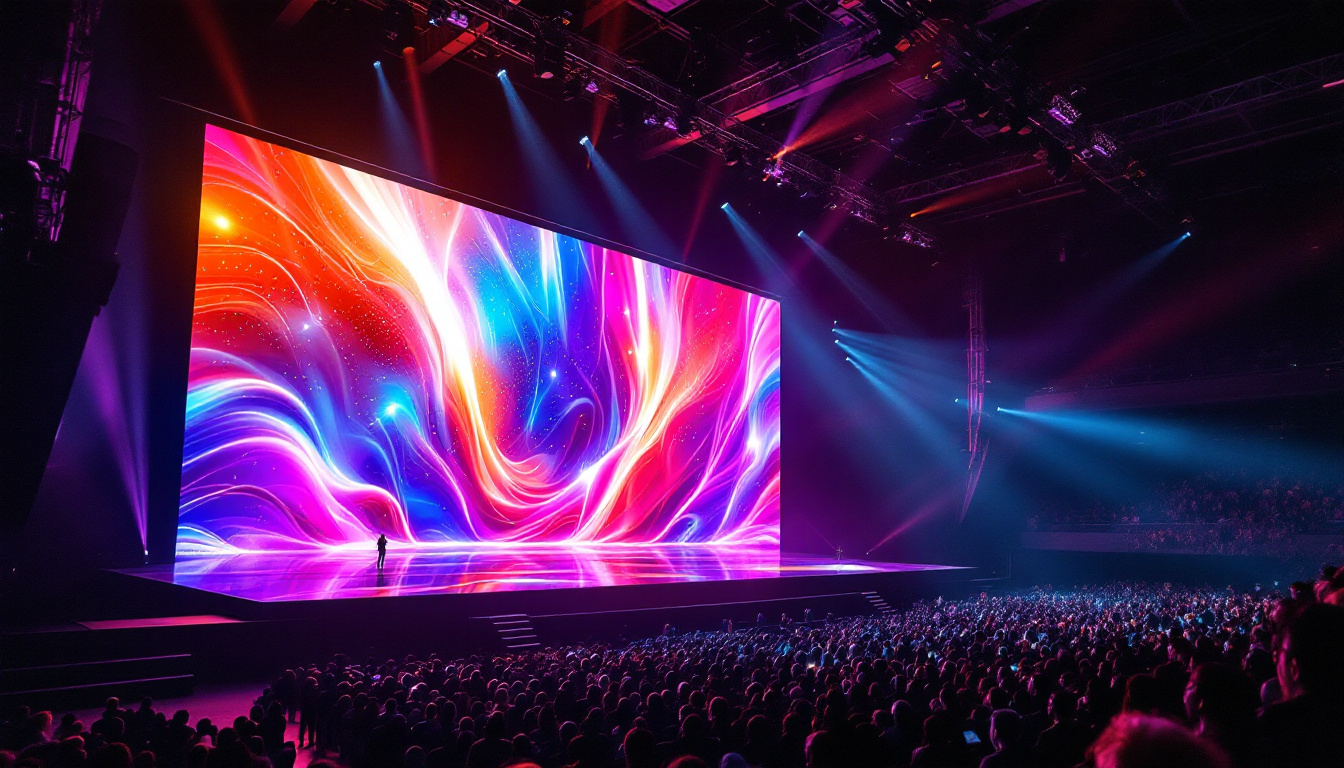
In terms of sheer size, the largest LED theater screen to date is found at Kinepolis Madrid in Spain. This massive display measures an astonishing 26 meters wide and 13 meters tall, making it the largest LED cinema screen in the world. The screen uses advanced LED modules to deliver 4K resolution and HDR imagery, ensuring every seat in the auditorium enjoys crystal-clear visuals.
Such a colossal screen transforms the cinematic experience, immersing viewers in the story with unparalleled scale and detail. The Kinepolis Madrid installation represents the pinnacle of current LED cinema technology and sets a new benchmark for the industry.
Advantages of LED Cinema Screens Over Traditional Projection
The shift from projection to LED screens in theaters is driven by several key advantages that directly impact the quality of the viewing experience and operational efficiency.
Superior Image Quality
LED screens deliver higher brightness levels, often exceeding 1,000 nits, compared to the 48-60 nits typical of traditional projection. This increased brightness enhances visibility, especially in larger venues or rooms with some ambient light. The high contrast ratio of LED displays also produces deeper blacks and more vibrant colors, making images pop with greater realism.
Moreover, LED technology supports HDR content, which expands the color gamut and dynamic range, providing a more lifelike and immersive visual experience. This is particularly beneficial for modern films mastered in HDR formats.
Consistent and Uniform Display
Projection systems can suffer from uneven brightness due to lamp aging, lens imperfections, or screen surface inconsistencies. LED screens, being composed of uniform light-emitting pixels, maintain consistent brightness and color uniformity across the entire display. This uniformity ensures that every viewer, regardless of seating position, enjoys the same high-quality image.
Reduced Maintenance and Operational Costs
Traditional projection requires regular lamp replacements, alignment adjustments, and cooling system maintenance. LED screens, on the other hand, have longer lifespans—often exceeding 100,000 hours—and require less frequent servicing. Their modular design allows for easy replacement of individual panels if needed, minimizing downtime and repair costs.
Additionally, LED screens consume less power relative to the brightness they produce, contributing to lower operational expenses over time.
Creative Flexibility
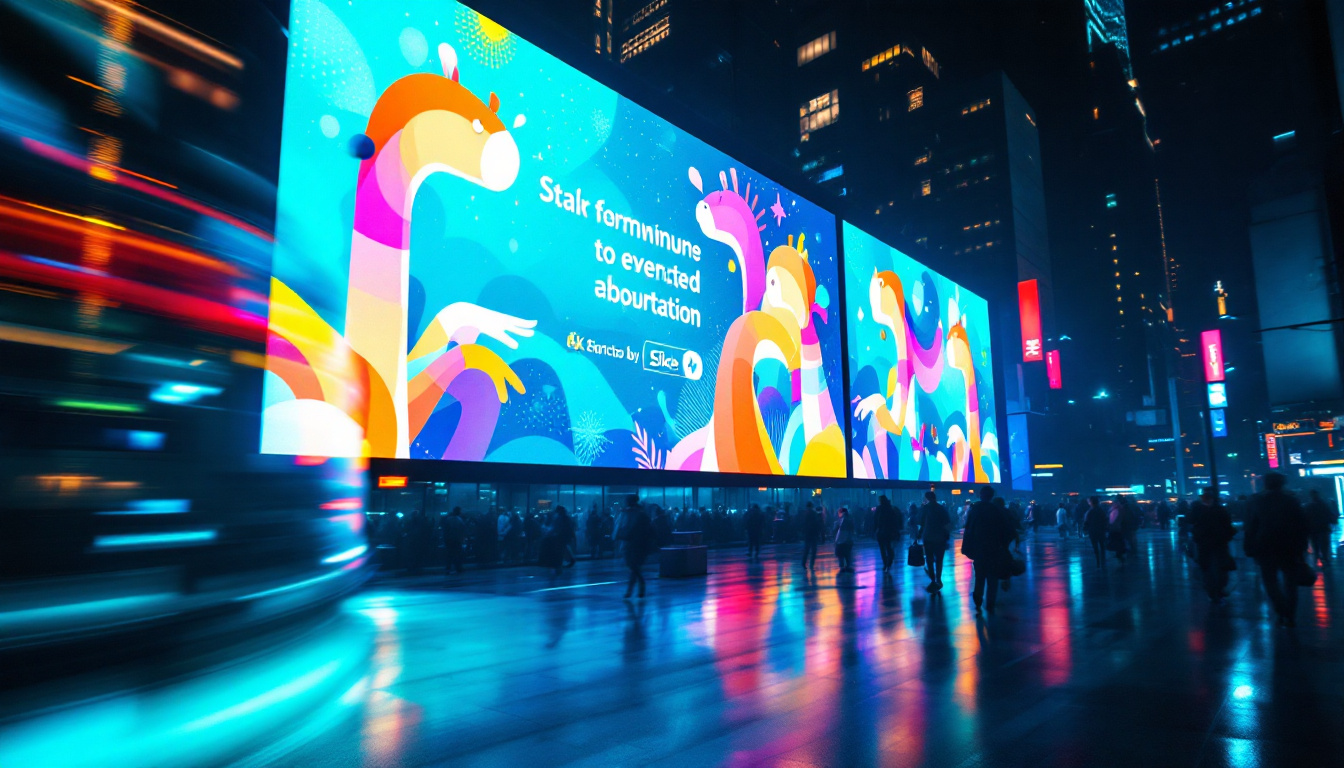
LED screens can be customized in size and shape, allowing theaters to design unique viewing environments. Curved or wrap-around screens can enhance immersion, while transparent or semi-transparent LED panels open possibilities for innovative stage and set designs in live events or hybrid cinema experiences.
This flexibility encourages filmmakers and content creators to experiment with new storytelling techniques that leverage the capabilities of LED displays.
Challenges and Considerations in Adopting LED Cinema Screens
Despite their many advantages, LED cinema screens also present challenges that theaters must consider before making the transition.
High Initial Investment
Installing a large LED screen requires a significant upfront capital investment. The cost of LED panels, supporting electronics, and installation labor can be several times higher than that of a traditional projection system. For many theaters, especially smaller independent venues, this expense may be prohibitive without strong financial backing or partnerships.
Content Compatibility and Distribution
LED screens have different technical requirements compared to projection, including specific resolutions, frame rates, and color profiles. Content must be mastered or adapted to take full advantage of LED technology. While major studios and distributors are increasingly supporting LED-compatible formats, some older or independent films may not be optimized for these displays.
The industry continues to work on standardizing content delivery workflows to ensure seamless playback across different display technologies.
Heat Management and Acoustic Considerations
Large LED screens generate heat and require effective cooling systems to maintain optimal performance and longevity. Designing theaters with proper ventilation and heat dissipation is essential. Additionally, LED panels can produce slight noise from cooling fans, which must be minimized to avoid disrupting the cinematic experience.
The Future of Cinema Screens: What Lies Ahead?
The adoption of LED technology in theaters is still in its early stages but is growing rapidly as the benefits become more widely recognized. Industry experts predict that LED cinema screens will become increasingly common, especially in premium formats such as IMAX and Dolby Cinema, where image quality is paramount.
Integration with Emerging Technologies
Future LED screens are expected to integrate with advanced technologies like 8K resolution, higher dynamic ranges, and even interactive or augmented reality elements. These enhancements will further blur the lines between cinema and other forms of digital entertainment, creating more engaging and personalized experiences.
Environmental Impact and Sustainability
As sustainability becomes a priority across industries, LED screens offer environmental benefits through energy efficiency and longer lifespans compared to projection lamps. The cinema industry is exploring ways to reduce its carbon footprint, and LED technology aligns well with these goals.
Expanding Beyond Traditional Cinemas
The versatility of LED displays is opening new venues for cinematic content, including outdoor screenings, immersive dome theaters, and hybrid live-event spaces. This expansion broadens access to high-quality visual entertainment and supports diverse programming beyond conventional movie showings.
Conclusion
The world’s largest theater screens powered by LED display technology represent a remarkable leap forward in cinematic presentation. Offering superior image quality, operational advantages, and creative flexibility, LED screens are redefining the movie-going experience. While challenges remain, ongoing innovations and growing adoption suggest that LED cinema screens will play a central role in the future of entertainment.
For audiences, this means more vivid, immersive, and memorable experiences. For theater operators and filmmakers, LED technology opens new horizons for storytelling and business opportunities. As the technology continues to evolve, the boundary between reality and the screen will become ever more seamless, inviting viewers into worlds that captivate and inspire like never before.
Discover the Future of Visual Experience with LumenMatrix
As you’ve seen, LED display technology is transforming the cinematic landscape, offering audiences and creators alike a new dimension of visual storytelling. LumenMatrix stands at the forefront of this revolution, providing a vast array of LED display solutions that cater to every need, from Indoor and Outdoor LED Walls to innovative Transparent Displays and beyond. Embrace the future of entertainment and enhance your visual communication with LumenMatrix’s cutting-edge LED technology. Check out LumenMatrix LED Display Solutions today and step into a world where every visual experience is unforgettable.