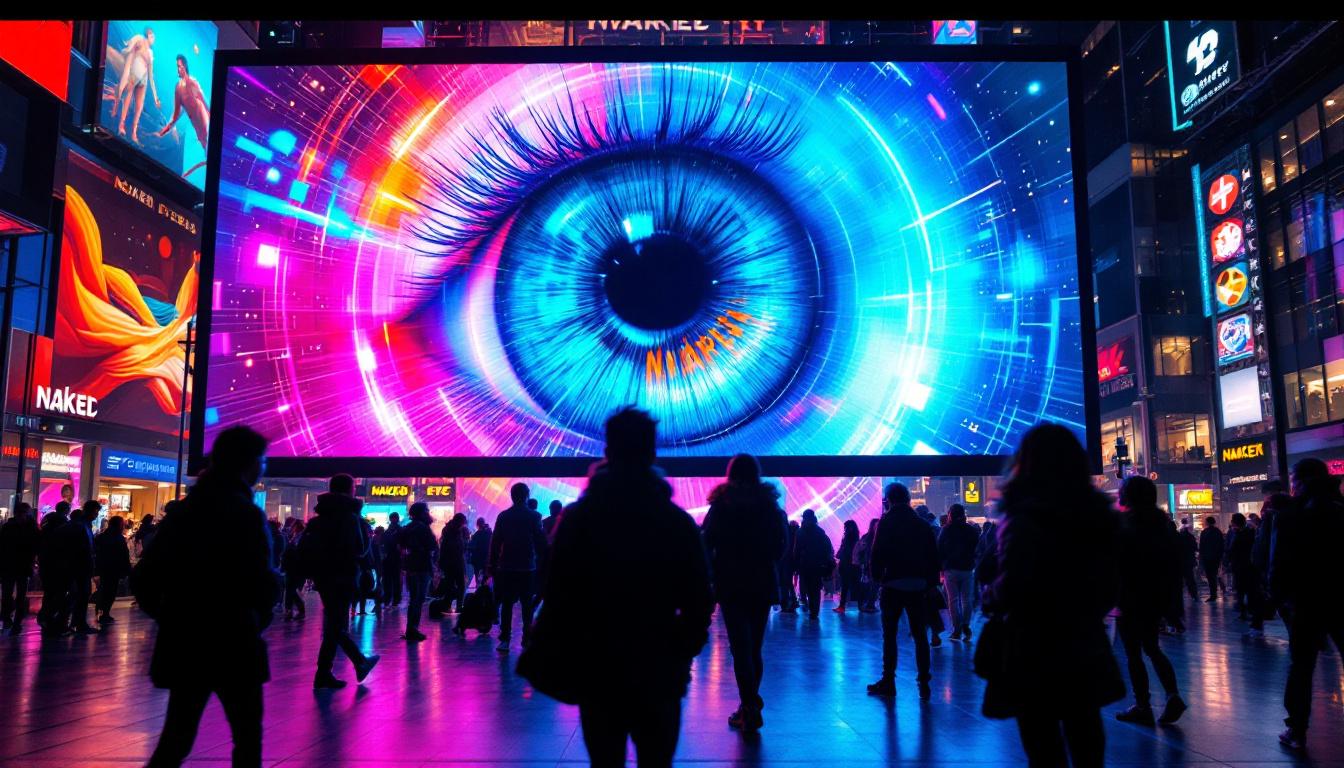
The evolution of display technology has been rapid and transformative, reshaping how we consume visual content across entertainment, advertising, education, and more. Among the latest breakthroughs is the Naked Eye 3D LED display, a technology that promises immersive three-dimensional visuals without the need for special glasses or headgear. This innovation is not just a novelty; it represents a significant leap in visual communication, offering new possibilities for industries ranging from retail to medical imaging.
What is Naked Eye 3D Technology?
Naked Eye 3D, also known as glasses-free 3D, refers to display technology that creates the illusion of depth and three-dimensionality without requiring viewers to wear any additional equipment such as 3D glasses or headsets. Unlike traditional 3D displays, which rely on stereoscopic vision aided by glasses, Naked Eye 3D uses advanced optical and display techniques to project images that appear to float in mid-air or pop out of the screen.
This technology leverages human visual perception by manipulating light and perspective, enabling multiple viewers to experience the 3D effect simultaneously from different angles. The result is a natural, immersive experience that enhances engagement and realism. The applications of Naked Eye 3D are vast, ranging from entertainment and gaming to education and advertising, where it can capture attention and convey information in a more dynamic and memorable way. For instance, in museums, exhibits can come to life, allowing visitors to interact with historical artifacts in a way that feels tangible and immediate.
How Does Naked Eye 3D Work?
At the core of Naked Eye 3D displays are specialized LED panels combined with optical elements such as lenticular lenses, parallax barriers, or light field technology. These components work together to direct light rays in specific directions, ensuring each eye receives a slightly different image. This difference mimics natural binocular vision, which the brain interprets as depth.
For instance, a lenticular lens array placed over an LED screen can channel light so that the left and right eyes see different images, creating a stereoscopic effect. More advanced systems use light field displays that project multiple viewpoints simultaneously, allowing viewers to move around and see the 3D object from varying perspectives. This capability not only enhances the viewing experience but also opens up new avenues for interactive applications, such as virtual reality experiences without the cumbersome gear. Additionally, as technology continues to evolve, researchers are exploring the integration of Naked Eye 3D with augmented reality, potentially transforming how we interact with the digital world by overlaying 3D graphics onto our real-life surroundings seamlessly.
The Role of LED Displays in Naked Eye 3D
LED (Light Emitting Diode) technology has been a cornerstone of modern display solutions due to its brightness, energy efficiency, and color accuracy. When integrated with Naked Eye 3D technology, LED displays offer several distinct advantages that enhance the overall 3D viewing experience.
Brightness and Visibility
One of the primary benefits of LED displays is their high brightness levels, which are essential for maintaining image clarity in various lighting conditions, including outdoor environments. Naked Eye 3D displays require precise light control to deliver the depth effect, and LEDs provide the necessary luminance to ensure the 3D images are vivid and visible even under direct sunlight.
Color Accuracy and Contrast
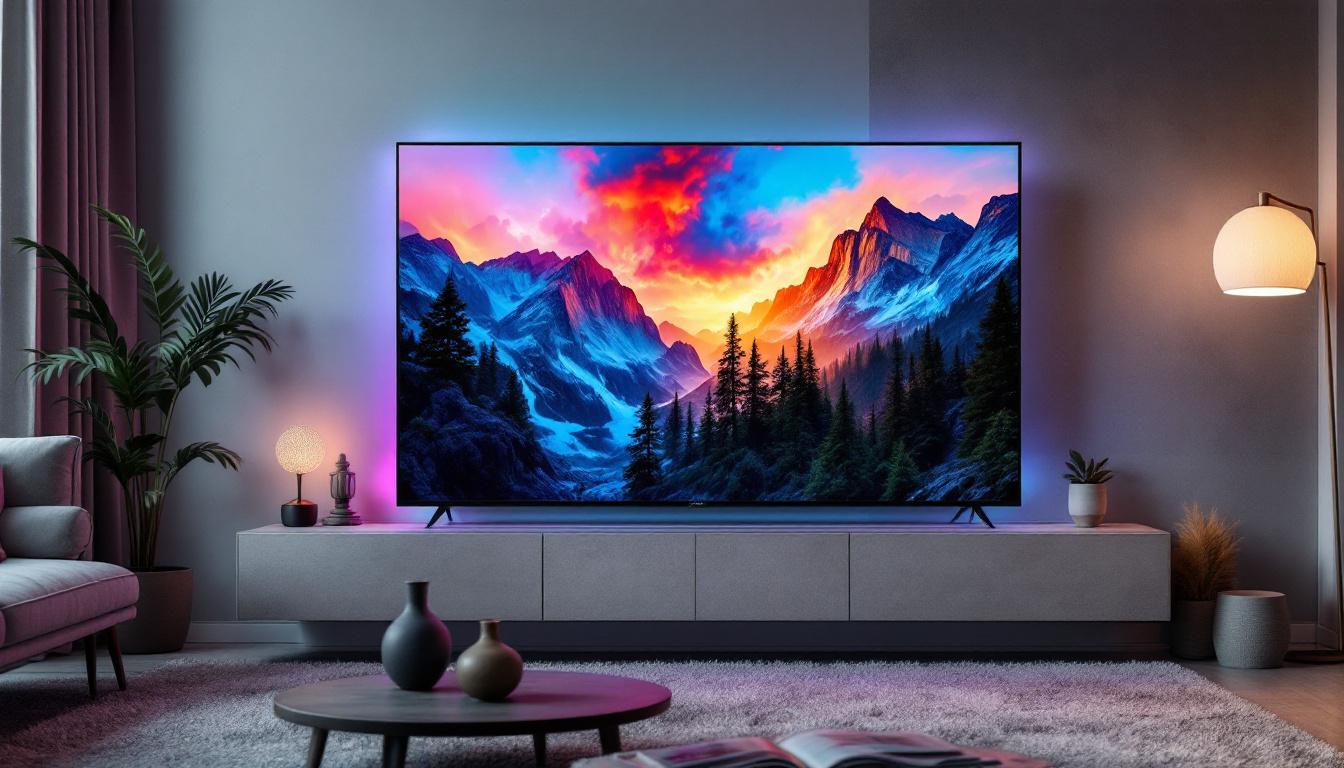
LED panels are known for their excellent color reproduction and contrast ratios. Accurate colors and sharp contrasts are critical in 3D displays to enhance the perception of depth and realism. The ability of LED displays to render rich, dynamic images contributes significantly to the immersive quality of Naked Eye 3D visuals.
Scalability and Flexibility
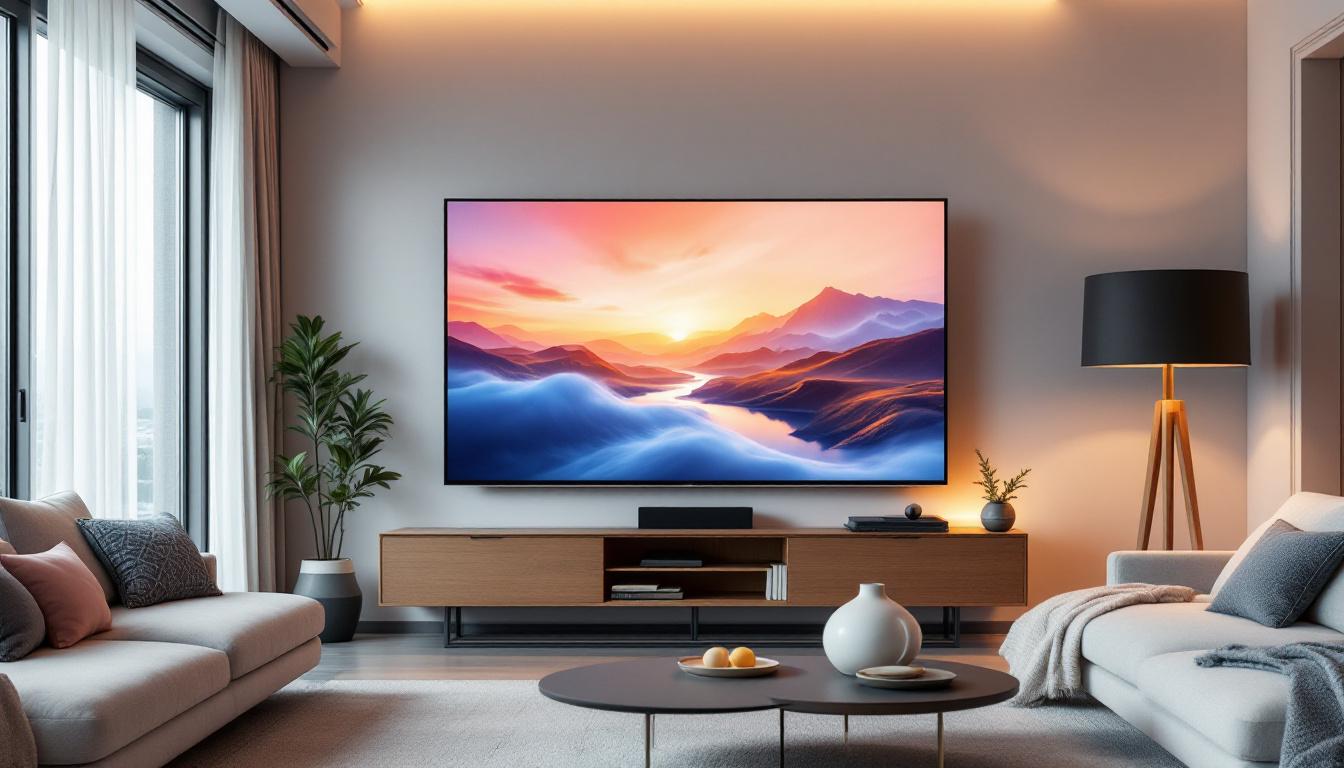
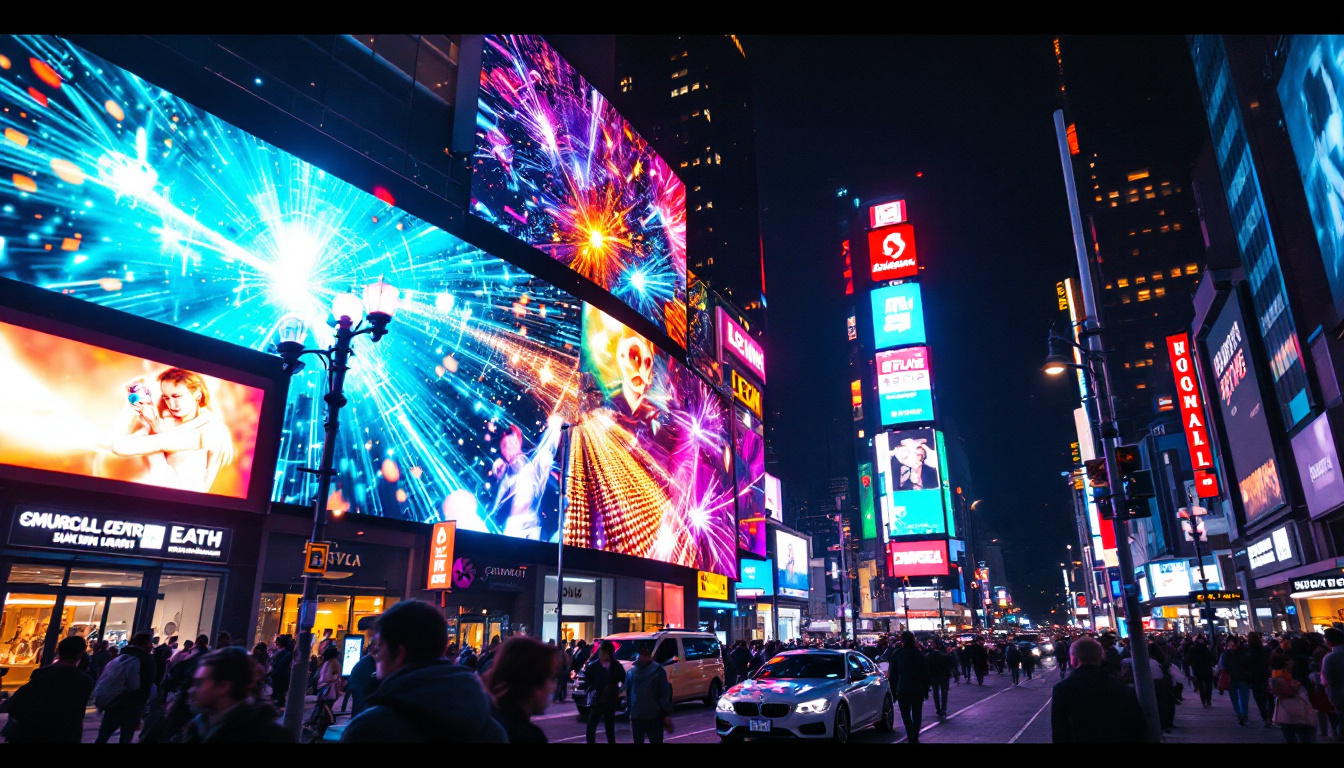
LED technology is highly scalable, allowing manufacturers to create displays of various sizes, from small digital signage to massive video walls. This flexibility makes Naked Eye 3D LED displays suitable for a wide range of applications, from retail storefronts and museum exhibits to large-scale advertising billboards and event stages.
Moreover, the modular nature of LED displays means that they can be easily customized to fit unique spaces and requirements. This adaptability allows for creative installations that can transform ordinary environments into captivating visual experiences. For instance, a retail store can utilize a curved LED display to create a seamless 3D effect that draws customers in, while an art gallery can employ a series of interconnected panels to showcase digital artwork in a way that enhances its depth and dimensionality.
Durability and Longevity
Another significant advantage of LED displays is their durability and longevity. Unlike traditional display technologies, LEDs are less susceptible to damage from environmental factors such as humidity and temperature fluctuations. This resilience makes them ideal for both indoor and outdoor applications, where they can operate continuously without significant degradation in performance. Additionally, the long lifespan of LED technology reduces the need for frequent replacements, making it a cost-effective solution for businesses looking to invest in high-quality display systems.
Applications of Naked Eye 3D LED Displays
The potential applications of Naked Eye 3D LED displays are vast and growing as the technology matures. Their ability to captivate audiences with immersive visuals opens new avenues in multiple sectors.
Advertising and Retail
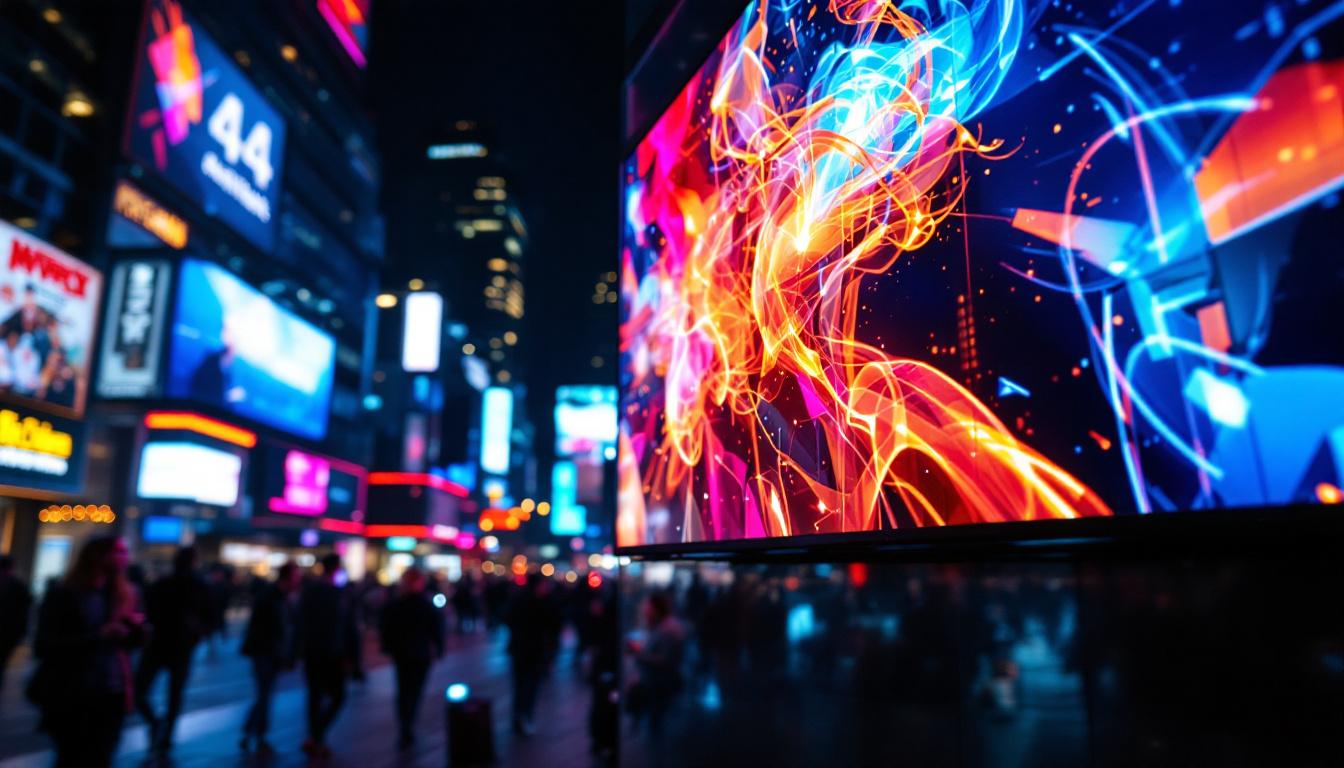
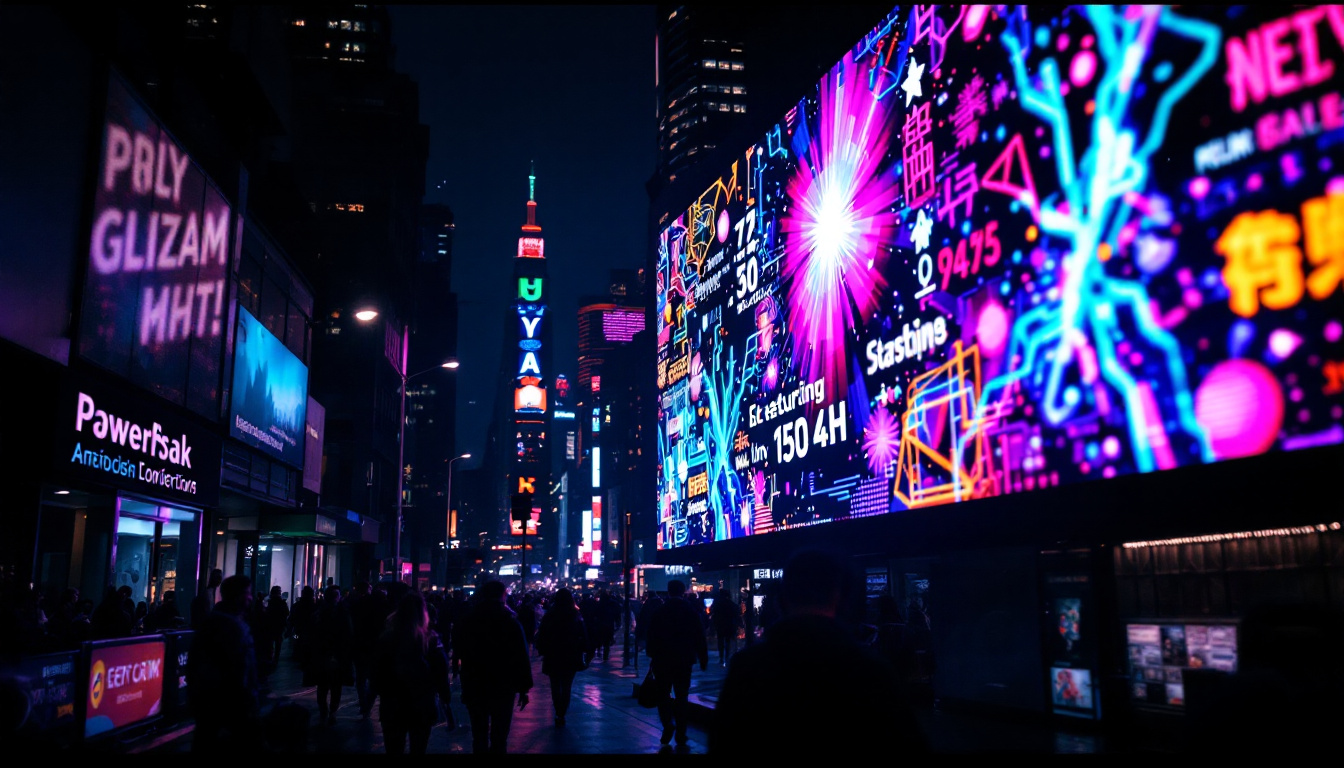
In advertising, grabbing consumer attention is paramount. Naked Eye 3D LED displays create eye-catching, dynamic content that stands out in crowded urban environments. Retailers use these displays to showcase products in 3D, allowing customers to view items from different angles without physical interaction. This technology can significantly enhance product visualization, driving engagement and sales.
Entertainment and Events
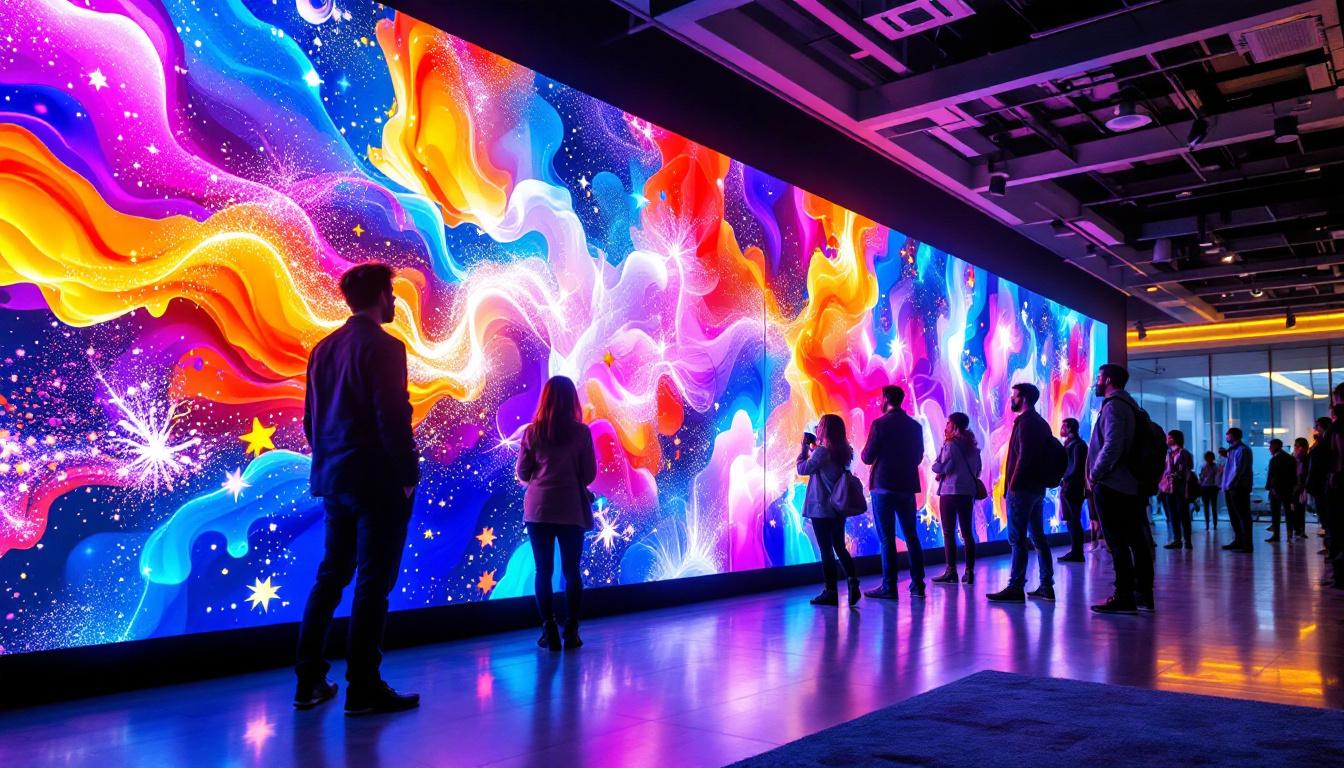
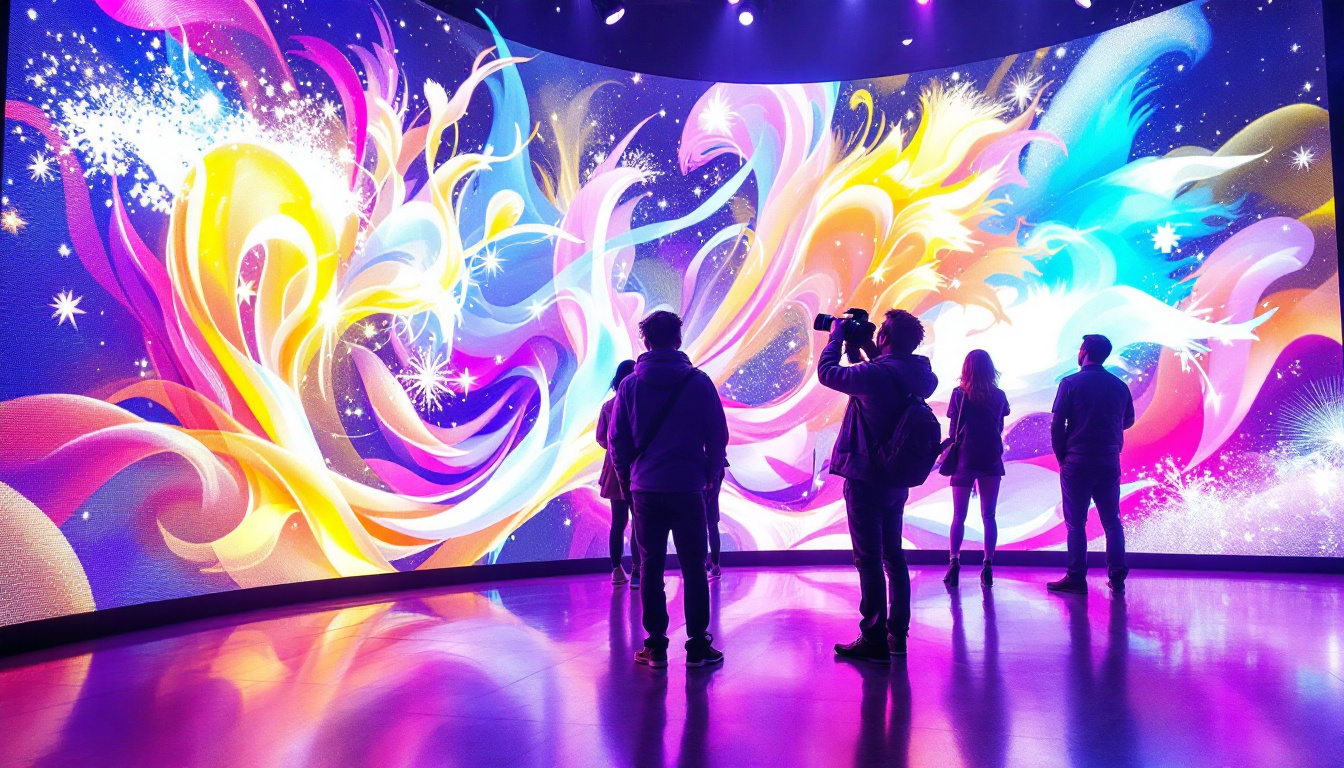
Concerts, exhibitions, and live events increasingly incorporate Naked Eye 3D displays to deliver stunning visual effects that elevate the audience experience. These displays can project lifelike 3D images and animations that interact with performers or the environment, creating memorable and immersive shows.
Education and Training
In educational settings, Naked Eye 3D displays offer a powerful tool for visual learning. Complex subjects such as anatomy, engineering, and astronomy benefit from three-dimensional models that students can observe from multiple perspectives without special equipment. Similarly, training simulations in fields like medicine and aviation gain realism and effectiveness through 3D visualization.
Healthcare and Medical Imaging
Medical professionals use Naked Eye 3D LED displays to view detailed anatomical structures and diagnostic images in three dimensions. This capability improves spatial understanding and aids in surgical planning, diagnostics, and patient communication. The glasses-free aspect ensures comfort and ease of use in clinical environments.
Challenges and Limitations of Naked Eye 3D LED Displays
Despite its promising advantages, Naked Eye 3D LED technology faces several challenges that impact widespread adoption and performance.
Viewing Angles and Positioning
One of the main technical hurdles is maintaining the 3D effect across a wide range of viewing angles. Many Naked Eye 3D systems have optimal viewing zones where the depth illusion is most effective. Outside these zones, the image may appear distorted or lose its 3D quality. This limitation requires careful display placement and sometimes restricts audience movement.
Resolution and Image Quality
Creating multiple perspectives for each eye often involves splitting the display’s resolution among different views, which can reduce overall image sharpness. Manufacturers must balance the number of viewpoints with resolution to maintain a clear and immersive experience. Advances in LED panel density and processing algorithms are helping to mitigate this issue.
Cost and Complexity
The integration of specialized optics and high-resolution LED panels makes Naked Eye 3D displays more expensive than traditional 2D counterparts. Additionally, the complexity of content creation and system calibration requires skilled professionals, which can increase deployment costs. However, as technology advances and economies of scale improve, costs are expected to decrease.
The Future of Naked Eye 3D LED Displays
The trajectory of Naked Eye 3D LED technology is promising, with continuous innovations addressing current limitations and expanding capabilities. Emerging developments in micro-LED technology, AI-driven content rendering, and advanced light field displays are poised to enhance image quality, viewing angles, and interactivity.
Integration with Augmented Reality (AR) and Virtual Reality (VR)
Naked Eye 3D displays are increasingly being integrated with AR and VR systems to create hybrid experiences that combine the best of physical and virtual worlds. For example, retail environments can use 3D displays alongside AR apps to provide layered information and interactive product demos, enriching customer engagement.
Interactive and Multi-User Experiences
Future Naked Eye 3D LED displays are expected to incorporate touch and gesture recognition, enabling users to interact directly with 3D content. Multi-user support will allow several viewers to experience personalized perspectives simultaneously, opening new possibilities for collaborative work, gaming, and social interaction.
Environmental and Energy Considerations
As sustainability becomes a priority, manufacturers are focusing on reducing the energy consumption of LED displays while maintaining brightness and performance. Advances in micro-LED efficiency and smart power management will contribute to greener Naked Eye 3D solutions suitable for long-term use in public spaces.
Conclusion
Naked Eye 3D LED displays represent a significant advancement in visual technology, offering immersive, glasses-free three-dimensional experiences that are transforming multiple industries. By combining the brightness, scalability, and color fidelity of LED panels with sophisticated optical techniques, this technology delivers engaging and realistic visuals that captivate audiences.
While challenges such as viewing angles, resolution trade-offs, and cost remain, ongoing innovations are steadily overcoming these barriers. As Naked Eye 3D LED displays become more accessible and versatile, they are set to redefine how people interact with digital content in advertising, entertainment, education, healthcare, and beyond.
For businesses and organizations looking to stand out and engage audiences in novel ways, Naked Eye 3D LED technology offers an exciting and forward-looking solution that bridges the gap between traditional displays and fully immersive visual experiences.
Discover the Future of Visual Engagement with LumenMatrix
Ready to elevate your visual storytelling and captivate your audience like never before? Explore LumenMatrix’s innovative LED display solutions, where cutting-edge technology meets creative design. From immersive Indoor and Outdoor LED Wall Displays to dynamic Vehicle and Sports LED Displays, LumenMatrix offers a diverse range of products tailored to your unique needs. Experience the power of our Custom, All-in-One, and Transparent LED Displays, and see how our commitment to revolutionizing visual communication can transform your brand’s presence. Check out LumenMatrix LED Display Solutions today and step into the future of engaging, glasses-free 3D experiences.