In the rapidly evolving world of display technology, Touch T-OLED has emerged as a cutting-edge solution that combines the best of touch interactivity with the superior visual qualities of OLED screens. This article delves into what Touch T-OLED technology is, how it works, and most importantly, where it can be optimally used to transform user experiences across industries.
Understanding Touch T-OLED Technology
What is T-OLED?
T-OLED stands for Touch Organic Light Emitting Diode. It is a display technology that integrates touch sensors directly into the OLED panel rather than adding a separate touch layer on top. This integration results in thinner, lighter, and more responsive displays with superior image quality and touch sensitivity.
Unlike traditional LCD displays that rely on backlighting, OLEDs emit light at the pixel level, offering deeper blacks, higher contrast ratios, and vibrant colors. When combined with touch functionality embedded within the OLED structure, T-OLED displays provide a seamless interactive experience that is both visually stunning and highly responsive. The ability to achieve true blacks enhances the overall viewing experience, making T-OLED an attractive option for media consumption, gaming, and professional applications where color accuracy is paramount.
How Does Touch T-OLED Work?
Touch T-OLED displays utilize capacitive touch technology embedded within the OLED layers. This means that the touch sensors are part of the display itself, eliminating the need for additional glass layers or touch panels. The result is a display that is not only thinner but also more durable and less prone to reflection or glare.
This integration enhances touch accuracy and responsiveness, making it ideal for applications requiring precise input, such as handwriting recognition or multi-touch gestures. Moreover, the reduced layers improve light transmission, leading to brighter displays with lower power consumption compared to traditional touchscreens. This efficiency is particularly beneficial for mobile devices, where battery life is a critical factor. Additionally, T-OLED technology supports a wider color gamut, allowing for richer visuals and more lifelike images, making it a preferred choice for creative professionals and content creators who rely on accurate color representation in their work.
Furthermore, the flexibility of T-OLED technology opens up new possibilities for innovative designs. Manufacturers can create curved or even foldable screens that maintain the same high-quality touch and visual performance. This adaptability not only enhances user engagement but also allows for unique product offerings in the market, such as smartphones, tablets, and wearable devices that can conform to the user’s lifestyle. As the technology continues to evolve, we can expect to see even more groundbreaking applications that leverage the advantages of T-OLED displays, transforming how we interact with digital content.
Advantages of Using Touch T-OLED Displays
Superior Visual Quality
One of the key benefits of Touch T-OLED displays is their exceptional image quality. OLED technology allows for true blacks and infinite contrast ratios because each pixel emits its own light and can be turned off completely. This results in richer colors and more vibrant images, which are crucial for applications like digital signage, medical imaging, and high-end consumer electronics. Moreover, the wide viewing angles offered by T-OLED displays ensure that the visual experience remains consistent, regardless of the viewer’s position. This characteristic is particularly beneficial in collaborative environments, such as design studios or conference rooms, where multiple users may need to view the screen from different angles simultaneously.
Enhanced Touch Sensitivity and Accuracy
By embedding touch sensors within the OLED panel, T-OLED displays offer faster and more precise touch response. This is particularly important in environments where quick and accurate input is essential, such as point-of-sale systems, interactive kiosks, and gaming devices. The technology supports multi-touch capabilities, enabling complex gestures and intuitive user interactions. Additionally, the responsiveness of T-OLED displays can significantly enhance user experience in applications like virtual and augmented reality, where precise tracking of hand movements is crucial for immersion and interactivity. The seamless integration of touch and display technologies creates a more engaging and interactive platform for users, fostering creativity and productivity.
Thinner and More Durable Design
The integration of touch sensors into the OLED panel reduces the overall thickness of the display, making devices slimmer and lighter. Additionally, the absence of extra glass layers reduces the risk of damage from impacts or scratches. This durability makes Touch T-OLED suitable for portable devices and public installations where robustness is critical. Furthermore, the flexibility of OLED technology allows for innovative design possibilities, such as curved or foldable screens, which can enhance the aesthetic appeal of devices while maintaining functionality. This adaptability opens up new avenues for product design, allowing manufacturers to create unique and eye-catching devices that stand out in a crowded market.
Energy Efficiency
OLED displays are inherently more energy-efficient than traditional LCDs because they do not require backlighting. The embedded touch sensors in T-OLED displays further optimize power consumption by reducing the number of layers and improving light transmission. This efficiency is a significant advantage for battery-powered devices such as smartphones, tablets, and wearable technology. Additionally, the ability of OLEDs to selectively illuminate pixels means that darker images consume less power, which can lead to longer battery life during everyday use. This characteristic is particularly beneficial for users who rely on their devices throughout the day, as it reduces the frequency of charging and enhances overall convenience. As sustainability becomes an increasingly important consideration in technology development, the energy efficiency of Touch T-OLED displays aligns well with the growing demand for eco-friendly solutions in consumer electronics.
Where to Use Touch T-OLED Displays
Consumer Electronics
Touch T-OLED technology is revolutionizing consumer electronics by enabling thinner, brighter, and more responsive displays. Smartphones and tablets benefit from the vivid colors and deep blacks OLED provides, while the integrated touch sensors enhance user interaction with smoother gestures and faster response times.
For example, flagship smartphones from leading manufacturers have adopted T-OLED displays to deliver immersive viewing experiences and precise touch input, improving everything from gaming to video streaming. Wearable devices such as smartwatches also utilize this technology to maintain compact form factors without compromising display quality or touch responsiveness.
Automotive Displays
The automotive industry is increasingly adopting Touch T-OLED displays for infotainment systems, digital dashboards, and heads-up displays. The high contrast and brightness levels of OLED panels ensure visibility even in bright sunlight, while the integrated touch sensors provide intuitive control interfaces for drivers and passengers.
Automakers are leveraging T-OLED technology to create sleek, futuristic cabin designs with minimal bezels and seamless touch controls. This enhances safety by reducing the need for physical buttons and allows for customizable interfaces that adapt to driver preferences.
Retail and Digital Signage
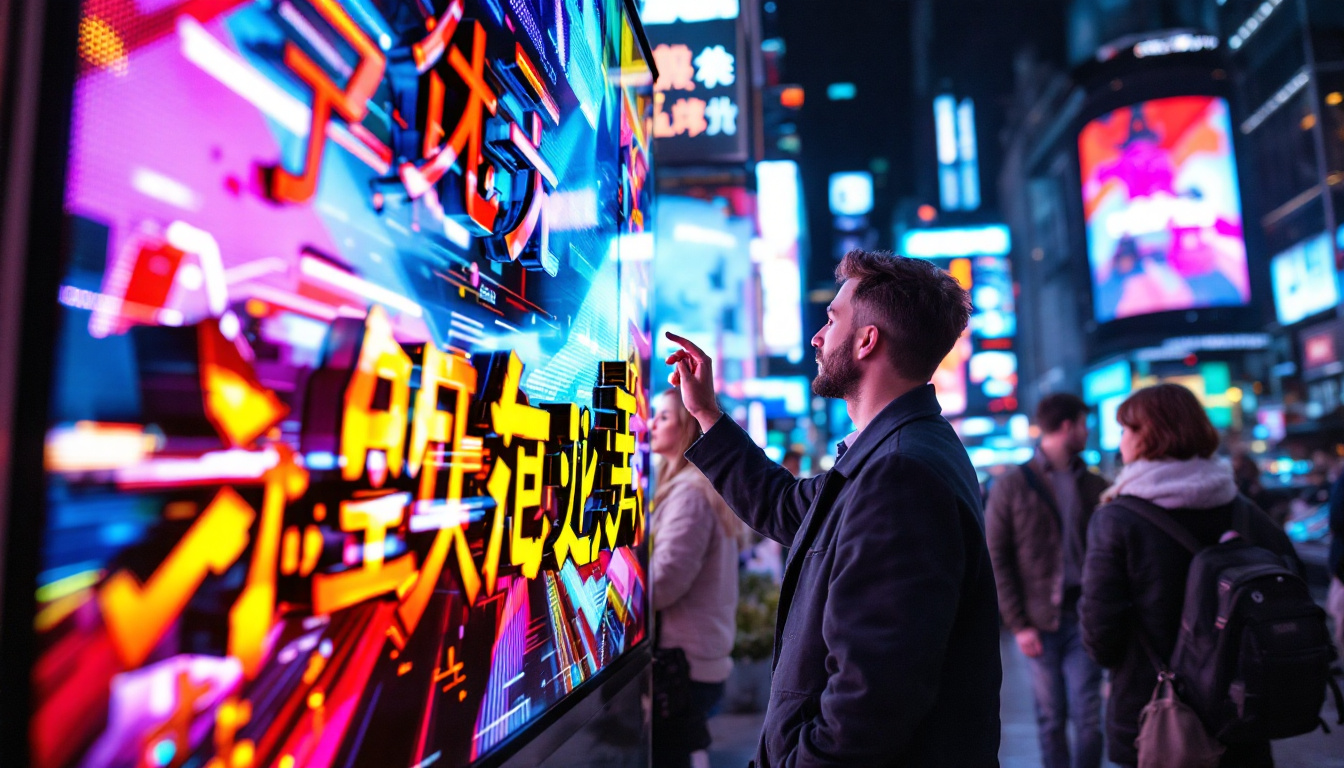
Retail environments benefit greatly from Touch T-OLED displays in interactive kiosks, digital signage, and point-of-sale terminals. The vibrant colors and high contrast of OLED attract customer attention, while the embedded touch functionality encourages engagement through product browsing, customization, and self-checkout options.
Moreover, the durability and thin profile of T-OLED displays make them ideal for high-traffic public spaces where screens must withstand frequent use and potential impact. Retailers can deploy these displays to create dynamic, interactive shopping experiences that drive sales and enhance brand presence.
Healthcare Applications
In healthcare, Touch T-OLED displays are used in medical imaging devices, patient monitoring systems, and diagnostic tools. The superior image quality allows for precise visualization of medical scans, while the responsive touch interface facilitates easy navigation of complex data.
Additionally, the thin and lightweight nature of T-OLED displays makes them suitable for portable medical devices used in fieldwork or emergency situations. The technology’s low power consumption also supports longer operation times, which is critical in healthcare settings.
Industrial and Professional Use
Industrial environments demand displays that are not only high-performing but also robust and reliable. Touch T-OLED displays meet these requirements by offering excellent visibility in various lighting conditions and resistance to physical stress.
They are employed in control panels, machinery interfaces, and professional equipment where accurate touch input and clear visual feedback are essential. The technology’s ability to support multi-touch gestures enables complex control schemes, improving operational efficiency and safety.
Education and Public Information Systems
Educational institutions and public venues use Touch T-OLED displays for interactive learning tools, digital whiteboards, and information kiosks. The engaging visual quality combined with responsive touch capabilities enhances user interaction and knowledge retention.
These displays can be found in museums, libraries, airports, and government buildings, providing accessible and intuitive interfaces for diverse audiences. Their durability and energy efficiency also reduce maintenance costs and environmental impact.
Future Trends and Innovations in Touch T-OLED
Flexible and Foldable Displays
One of the most exciting advancements in Touch T-OLED technology is the development of flexible and foldable displays. By leveraging the thin and integrated nature of T-OLED panels, manufacturers are creating devices that can bend or fold without compromising touch sensitivity or image quality.
This innovation opens new possibilities for smartphones, tablets, wearable devices, and even automotive dashboards, enabling more versatile and portable form factors. Flexible T-OLED displays also pave the way for novel applications such as rollable TVs and foldable digital signage.
Higher Resolution and Refresh Rates
As consumer demand for sharper and smoother displays grows, Touch T-OLED technology continues to evolve with higher resolutions and faster refresh rates. This is particularly important for gaming, virtual reality, and professional applications where visual fidelity and responsiveness directly impact user experience.
Recent developments have seen T-OLED panels reaching 4K resolution and refresh rates exceeding 120Hz, delivering ultra-clear images and fluid motion. These improvements enhance everything from immersive entertainment to precise touch interactions in professional environments.
Integration with AI and Gesture Recognition
Future Touch T-OLED displays are expected to integrate advanced AI-driven features and gesture recognition capabilities. By combining touch input with sensors that detect hand movements or facial expressions, these displays will offer more natural and intuitive ways to interact with technology.
Such integrations can transform user interfaces across sectors, enabling touchless control in healthcare settings, enhancing accessibility for users with disabilities, and creating immersive experiences in retail and entertainment.
Conclusion
Touch T-OLED technology represents a significant leap forward in display innovation, merging exceptional visual quality with seamless touch interactivity. Its advantages in image clarity, responsiveness, durability, and energy efficiency make it an ideal choice for a wide range of applications—from consumer electronics and automotive displays to healthcare, retail, and industrial environments.
As the technology continues to advance, especially with developments in flexible displays, higher resolutions, and AI integration, Touch T-OLED is poised to redefine how users interact with digital content across numerous industries. Understanding where and how to deploy this technology can help businesses and developers harness its full potential to create engaging, efficient, and future-proof solutions.
Discover LumenMatrix’s Advanced LED Display Solutions
Ready to elevate your visual experience with the latest in display technology? LumenMatrix is at the forefront of LED innovation, offering a wide array of LED display modules designed to captivate and engage. From Indoor and Outdoor LED Walls to specialized solutions like Vehicle Displays and Transparent LED Displays, our products are crafted to bring your brand to life. Embrace the future of digital signage with LumenMatrix and let us help you communicate your message with unparalleled impact. Check out LumenMatrix LED Display Solutions today and see the difference cutting-edge technology can make.