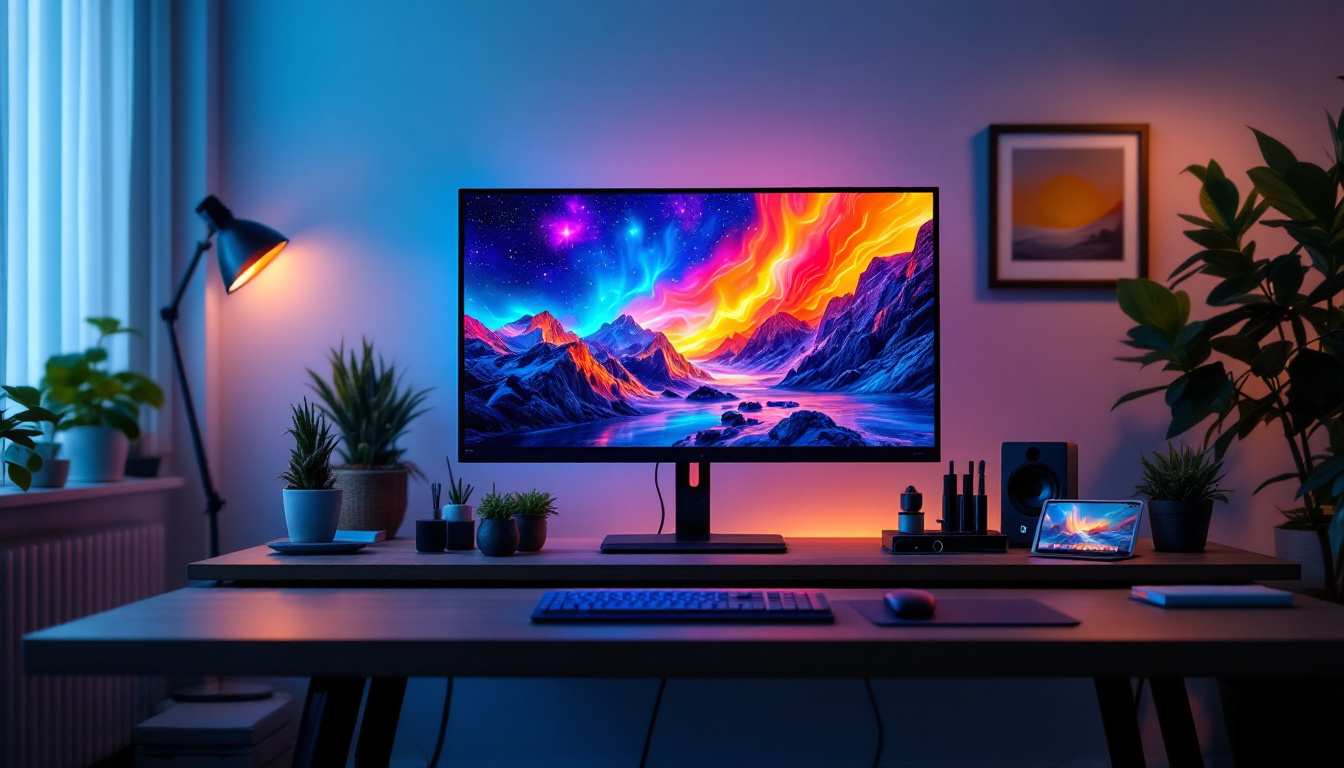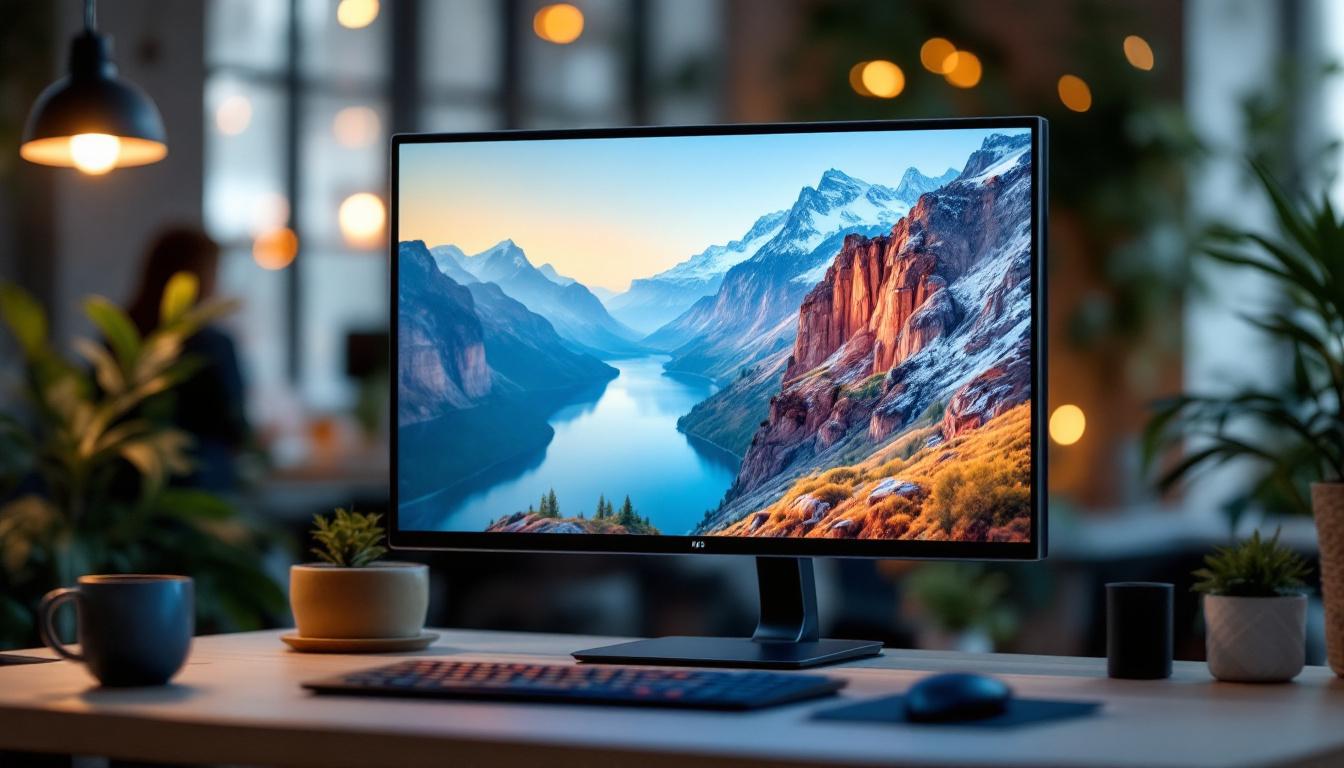
In today’s digital landscape, touch monitors have become an essential interface for a variety of applications, from professional workstations to interactive kiosks and creative studios. Among the many options available, the 27-inch touch monitor with LED display stands out as a popular choice for its balance of screen real estate, responsiveness, and visual quality. This article delves into the technology behind 27-inch touch monitors with LED displays, exploring their features, benefits, and practical uses to help you make an informed decision.
Understanding the Basics: What Is a 27 Touch Monitor with LED Display?
A 27 touch monitor refers to a touchscreen display with a diagonal screen size of 27 inches, allowing users to interact directly with the screen through touch gestures. The “LED display” component specifies that the monitor uses Light Emitting Diode (LED) technology for its backlighting or display panel, which enhances brightness, color accuracy, and energy efficiency compared to older display technologies.
Touchscreen technology has evolved significantly over the years. Modern 27-inch touch monitors typically use capacitive or infrared touch sensing methods to detect multiple touch points simultaneously, enabling intuitive gestures such as pinch-to-zoom, swipe, and multi-finger taps. When combined with an LED display, these monitors offer vibrant visuals and responsive touch controls, making them suitable for a wide range of professional and personal uses. In educational settings, for instance, these monitors can facilitate interactive learning, allowing students to engage with digital content in a hands-on manner. Similarly, in retail environments, they can enhance customer experience by enabling users to browse products or access information effortlessly.
Key Specifications of a 27 Touch Monitor
When evaluating a 27-inch touch monitor, several specifications are crucial:
- Resolution: Commonly, these monitors feature Full HD (1920×1080) or higher resolutions such as 2560×1440 (QHD) or even 4K UHD (3840×2160) for sharper images and more workspace.
- Touch Technology: Capacitive touchscreens are prevalent for their accuracy and multi-touch capabilities, while infrared touchscreens offer durability and compatibility with gloves or styluses.
- Refresh Rate: Standard refresh rates of 60Hz are typical, but some models may offer higher rates for smoother interaction.
- Brightness and Contrast: LED displays often provide brightness levels between 250 to 400 nits and contrast ratios around 1000:1, ensuring clear visibility in various lighting conditions.
- Connectivity: USB ports for touch input, HDMI, DisplayPort, and sometimes USB-C for video and power delivery.
In addition to these specifications, the ergonomics and build quality of a 27 touch monitor are also important considerations. Many models come with adjustable stands that allow users to tilt, swivel, or heighten the monitor for optimal viewing angles, which can be especially beneficial during long hours of use. Furthermore, some monitors are designed with anti-glare coatings to reduce reflections and enhance visibility in bright environments. The durability of the touchscreen surface is another factor; many manufacturers employ reinforced glass or scratch-resistant materials to ensure longevity, particularly in high-traffic areas like public kiosks or collaborative workspaces.
Moreover, the software compatibility of a 27-inch touch monitor can greatly influence its usability. Most modern operating systems, including Windows, macOS, and various Linux distributions, offer native support for touch input, allowing users to navigate and interact with applications seamlessly. Additionally, many monitors come with bundled software that enhances touch functionality, such as gesture recognition or on-screen annotation tools, making them even more versatile for creative professionals and educators alike. As technology continues to advance, the integration of touch capabilities with other features like voice recognition and artificial intelligence is likely to further expand the potential applications of these monitors in everyday life.
How LED Technology Enhances Touch Monitor Performance
LED technology has revolutionized display quality and energy consumption in monitors. Unlike traditional CCFL (Cold Cathode Fluorescent Lamp) backlighting, LED backlighting uses tiny light-emitting diodes that provide several advantages in terms of brightness, color accuracy, and design flexibility.
Brightness and Energy Efficiency
LED backlights can achieve higher brightness levels with lower power consumption. For a 27-inch touch monitor, this means the display remains vivid and easily readable even in brightly lit environments, such as offices with large windows or public kiosks. Additionally, LED technology contributes to longer product lifespans and reduced heat generation, which enhances the overall reliability of the monitor.
Color Accuracy and Contrast
One of the hallmarks of LED displays is their ability to deliver rich colors and deep contrast ratios. Many 27-inch LED touch monitors support wide color gamuts such as sRGB or AdobeRGB, which is essential for creative professionals working with photo editing, graphic design, or video production. The improved contrast ratio also makes text and graphics more legible, reducing eye strain during prolonged use.
Slimmer Designs and Enhanced Durability
LED backlighting enables thinner panel designs compared to older technologies. This makes 27-inch touch monitors more aesthetically pleasing and easier to integrate into modern workspaces. Furthermore, LED displays are less prone to issues like screen flickering and uneven backlighting, which enhances user comfort and device longevity.
Touchscreen Technologies Used in 27-Inch Monitors
The touch functionality of a 27-inch monitor is just as important as its display quality. The technology behind the touchscreen determines responsiveness, accuracy, and the types of interactions supported.
Capacitive Touchscreens
Capacitive touchscreens are widely used in consumer electronics, including smartphones and tablets, and have become the standard in many touch monitors. They work by detecting changes in the electrical field caused by the conductive properties of a finger. These screens support multi-touch gestures, offer high precision, and provide a smooth touch experience.
However, capacitive screens typically require direct skin contact or a specialized stylus, and they may not respond to gloved hands unless designed with that capability.
Infrared (IR) Touchscreens
Infrared touchscreens use an array of IR LEDs and photodetectors around the screen edges to detect touch by interruption of the infrared light beams. This technology supports multi-touch and works with fingers, gloved hands, or any pointing device. IR touchscreens are highly durable and often preferred in industrial or public environments where robustness is critical.
Other Technologies: Resistive and Optical
Resistive touchscreens rely on pressure applied to the screen layers and are less common in modern 27-inch monitors due to lower clarity and multi-touch limitations. Optical touchscreens use cameras to detect touch points and are sometimes found in larger interactive displays but are less common in 27-inch sizes.
Applications and Use Cases of 27 Touch Monitors with LED Displays
The versatility of 27-inch touch monitors with LED displays makes them suitable for a broad spectrum of applications across industries.
Professional and Creative Workstations
Graphic designers, video editors, and architects benefit from the large screen size and high resolution of 27-inch LED touch monitors. The ability to manipulate images and designs directly on the screen with touch or stylus input streamlines workflows and enhances precision. High color accuracy and wide viewing angles ensure that creative work is rendered faithfully.
Point of Sale (POS) and Retail Environments
Retailers and hospitality businesses use 27-inch touch monitors as part of their POS systems. The responsive touch interface speeds up transactions, while the bright LED display ensures readability under various lighting conditions. The robust build quality and ease of cleaning are additional advantages in busy retail settings.
Healthcare and Medical Imaging
In healthcare, 27-inch touch monitors with LED displays are used for patient monitoring, medical imaging, and electronic health record systems. The high resolution and touch interactivity facilitate quick access to critical information, improving patient care and efficiency. Additionally, LED technology’s low heat emission is beneficial in sensitive medical environments.
Education and Interactive Learning
Educational institutions incorporate 27-inch touch monitors into classrooms and labs to create interactive learning experiences. Students can engage directly with educational software, simulations, and digital whiteboards. The combination of a large, bright LED screen and responsive touch technology supports collaborative learning and accessibility.
Choosing the Right 27 Touch Monitor: Factors to Consider
Selecting the ideal 27-inch touch monitor depends on understanding specific needs and balancing features accordingly.
Resolution and Display Quality
For users requiring detailed visuals, such as designers or medical professionals, higher resolution monitors (QHD or 4K) are preferable. For general office use or retail, Full HD may suffice and can reduce costs.
Touch Technology and Responsiveness
Consider the environment and use case when choosing between capacitive and infrared touchscreens. Capacitive is excellent for precision and multi-touch gestures, while infrared offers durability and glove compatibility.
Connectivity and Compatibility
Ensure the monitor supports the necessary input ports and is compatible with your operating system and software. USB-C connectivity is increasingly valuable for simplifying cable management and enabling power delivery.
Ergonomics and Adjustability
Look for monitors with adjustable stands that allow tilt, swivel, and height adjustments to promote comfortable use during extended periods. VESA mount compatibility is also beneficial for flexible setups.
Budget and Warranty
Prices for 27-inch touch monitors with LED displays vary widely based on features and brand reputation. It’s important to balance cost with the required specifications and to verify warranty terms for peace of mind.
Future Trends in 27 Touch Monitor Technology
The evolution of touch monitors continues to accelerate, driven by advancements in display technology and user interface design.
Integration of OLED and Mini-LED Displays
While LED-backlit LCDs dominate the market, emerging technologies like OLED and Mini-LED promise even better contrast ratios, color accuracy, and thinner designs. These technologies are beginning to appear in larger touch monitors, offering enhanced visual experiences.
Improved Touch Sensitivity and Haptics
Future touch monitors may incorporate haptic feedback to simulate tactile sensations, improving user interaction and accessibility. Enhanced touch sensitivity will also support more precise stylus input, benefiting creative professionals.
Artificial Intelligence and Gesture Recognition
AI-powered gesture recognition could allow touch monitors to interpret complex hand movements without direct contact, expanding interaction possibilities. This could be particularly useful in sterile environments or public installations.
Conclusion
27-inch touch monitors with LED displays represent a versatile and powerful tool for a wide range of applications. Their combination of large screen size, responsive touch technology, and vibrant LED visuals makes them ideal for professionals, educators, retailers, and healthcare providers alike. Understanding the underlying technologies and key specifications helps users select the best monitor for their needs, ensuring enhanced productivity and user experience. As display and touch technologies continue to evolve, these monitors will only become more capable and integral to modern workflows.
Discover LumenMatrix’s Advanced LED Display Solutions
Ready to elevate your interactive experience with a touch monitor that boasts superior LED display technology? LumenMatrix, a leader in innovative LED solutions, invites you to explore our extensive range of products designed to transform your visual communication. From captivating Indoor LED Wall Displays to dynamic Outdoor LED Wall Displays and beyond, our mission is to provide you with displays that not only engage and captivate audiences but also empower your business to communicate with impact. Check out LumenMatrix LED Display Solutions today and see how our cutting-edge technology can enhance your brand visibility and create unforgettable visual experiences.