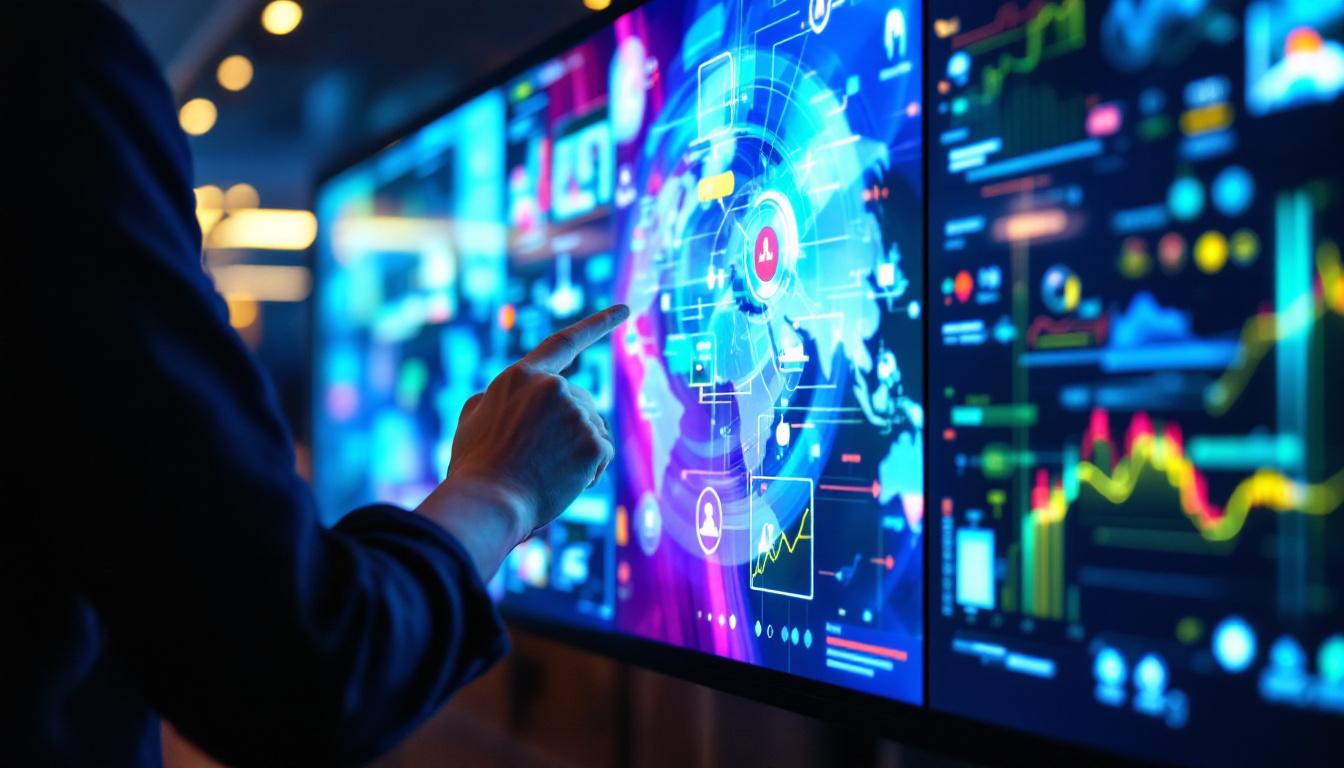
In today’s fast-evolving digital landscape, touch interactive screens have become a cornerstone of modern communication, collaboration, and entertainment. Among the various display technologies available, LED displays stand out for their brightness, energy efficiency, and versatility. This article delves into the intricacies of touch interactive screens with LED displays, explaining how they work, their benefits, and their applications across industries.
Understanding LED Display Technology
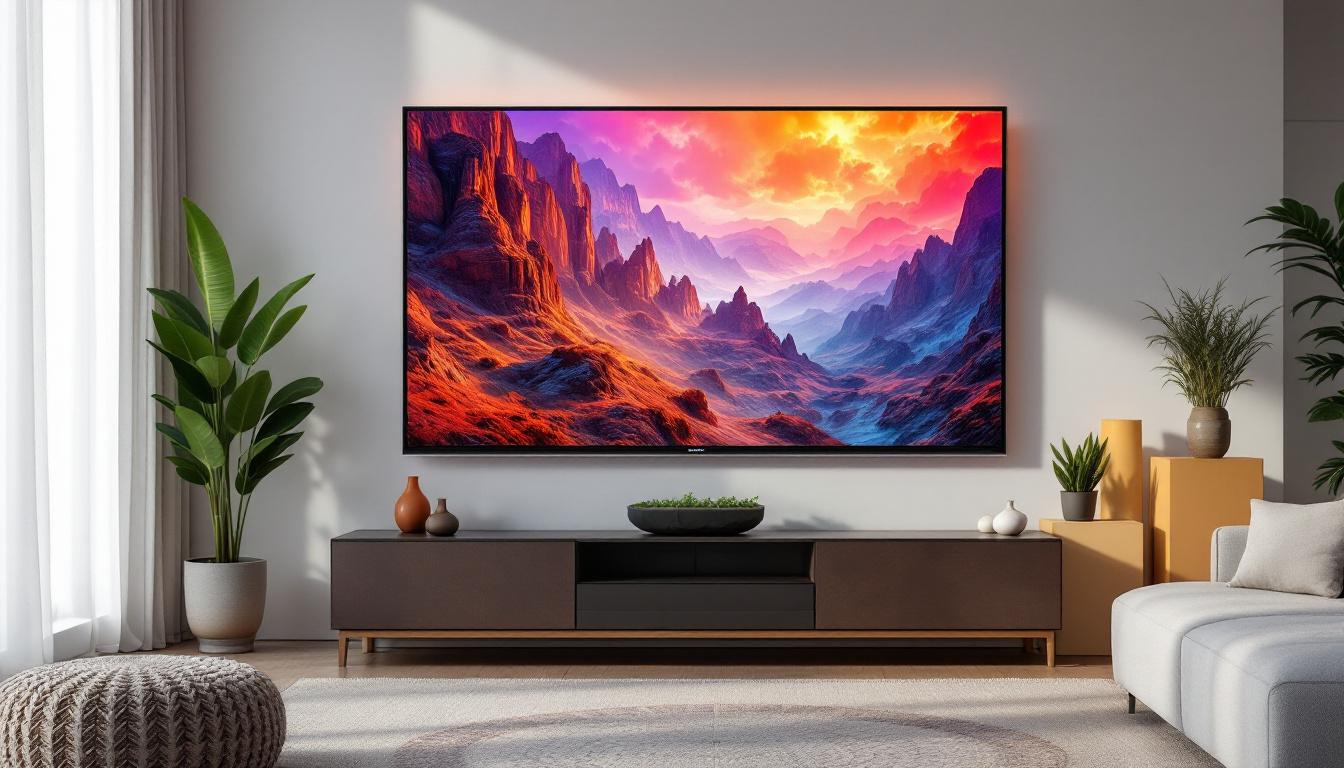
LED, or Light Emitting Diode, technology forms the backbone of many modern display screens. Unlike traditional LCDs that rely on backlighting, LED displays use individual light-emitting diodes to produce images. This fundamental difference offers several advantages, including superior brightness, contrast, and energy efficiency.
LED displays are composed of thousands to millions of tiny diodes arranged in a matrix. Each diode emits light independently, allowing for precise control over brightness and color. This results in vivid images with deep blacks and vibrant colors, making LED displays particularly well-suited for environments with high ambient light.
Types of LED Displays
There are primarily two categories of LED displays used in interactive touch screens: direct-view LED and LED-backlit LCD. Direct-view LED displays consist entirely of LEDs as pixels, often used in large-format displays like video walls or outdoor signage. LED-backlit LCDs, on the other hand, use LEDs as a backlight source behind an LCD panel, common in consumer TVs and monitors.
In touch interactive screens, direct-view LED technology is increasingly favored for large-scale applications due to its scalability and superior visual performance. Advances in mini-LED and micro-LED technologies are pushing the boundaries further, enabling thinner panels with higher resolutions and better color accuracy.
How Touch Interactive Screens Work with LED Displays
Integrating touch capabilities with LED displays involves combining sophisticated hardware and software to detect user input accurately and respond in real time. The touch interface is typically layered on top of the LED display panel and can use various sensing technologies.
Common Touch Technologies
The most prevalent touch technologies used in LED interactive screens include:
- Capacitive Touch: This technology detects changes in electrical charge caused by a finger or conductive stylus touching the screen. It is highly responsive and supports multi-touch gestures, making it ideal for smartphones, tablets, and interactive kiosks.
- Infrared (IR) Touch: IR touchscreens use a grid of infrared light beams across the screen surface. When a finger or object interrupts the beams, the system calculates the touch location. IR touchscreens are durable and can detect any input type, including gloved fingers or styluses.
- Optical Touch: Optical touch technology uses cameras or sensors placed around the display edges to detect touch by tracking shadows or light interruptions. It is often used in large interactive displays and offers high accuracy without affecting screen clarity.
Each of these touch technologies can be integrated with LED displays depending on the intended use case, environmental conditions, and budget constraints.
Calibration and Responsiveness
For a seamless user experience, touch interactive LED screens require precise calibration. This ensures that the touch input corresponds exactly to the displayed content. Modern systems often include automatic calibration features that adjust for environmental factors such as temperature and humidity changes.
Responsiveness is another critical factor. A lag between touch input and screen response can frustrate users and reduce productivity. Advances in processing power and touch sensor design have minimized latency, with many interactive LED screens now achieving response times under 10 milliseconds.
Advantages of LED Touch Interactive Screens
Combining LED display technology with touch interactivity offers numerous benefits that have driven widespread adoption in various sectors. Understanding these advantages helps businesses and consumers make informed decisions when selecting display solutions.
Superior Visual Quality
LED displays provide exceptional brightness and contrast levels, ensuring clear visibility even in brightly lit environments. This makes them ideal for settings such as retail stores, airports, and conference rooms where ambient light can be challenging.
Moreover, the wide color gamut and high dynamic range (HDR) capabilities of modern LED displays enhance image realism, which is crucial for applications like digital signage, design collaboration, and immersive presentations.
Durability and Longevity
LED technology is known for its long lifespan and robustness. Unlike traditional displays that may suffer from backlight degradation or screen burn-in, LED displays maintain consistent performance over time. This durability reduces maintenance costs and downtime, particularly important for commercial installations.
Energy Efficiency
Energy consumption is a significant concern for businesses operating large display networks. LED displays consume less power compared to older technologies like plasma or CCFL-backlit LCDs. This efficiency translates into lower operational costs and a smaller environmental footprint.
Scalability and Flexibility
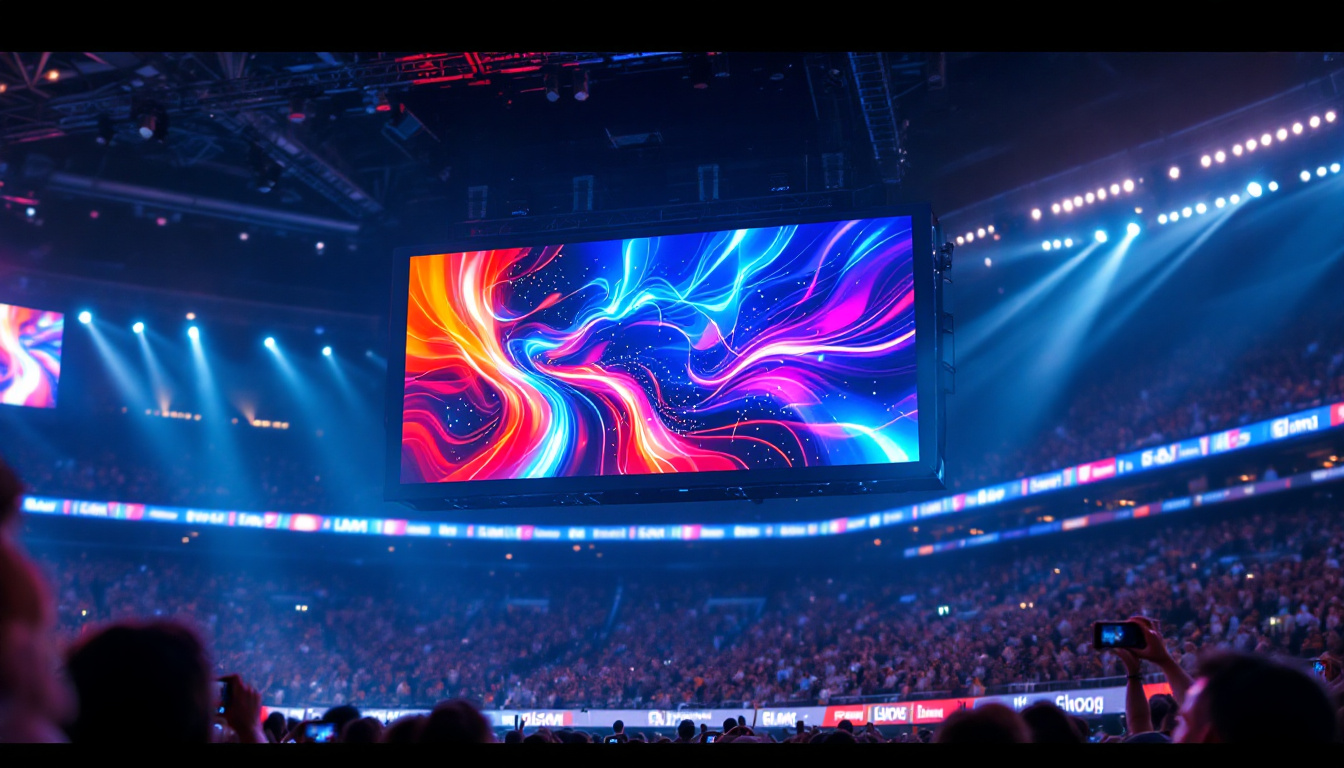
LED displays can be manufactured in virtually any size or shape, from small interactive kiosks to massive video walls spanning entire building facades. This scalability allows organizations to tailor their interactive display solutions precisely to their spatial and functional requirements.
Additionally, modular LED panels can be combined seamlessly, enabling easy upgrades and repairs without replacing the entire screen.
Applications of Touch Interactive LED Displays
The versatility of touch interactive LED displays has led to their adoption across a wide range of industries and use cases. Below are some of the most impactful applications.
Retail and Advertising
In retail environments, interactive LED displays serve as dynamic signage, product catalogs, and wayfinding tools. Their brightness and responsiveness attract customer attention and facilitate engaging shopping experiences. For example, fashion retailers use touch-enabled LED walls to showcase collections and allow customers to browse inventory interactively.
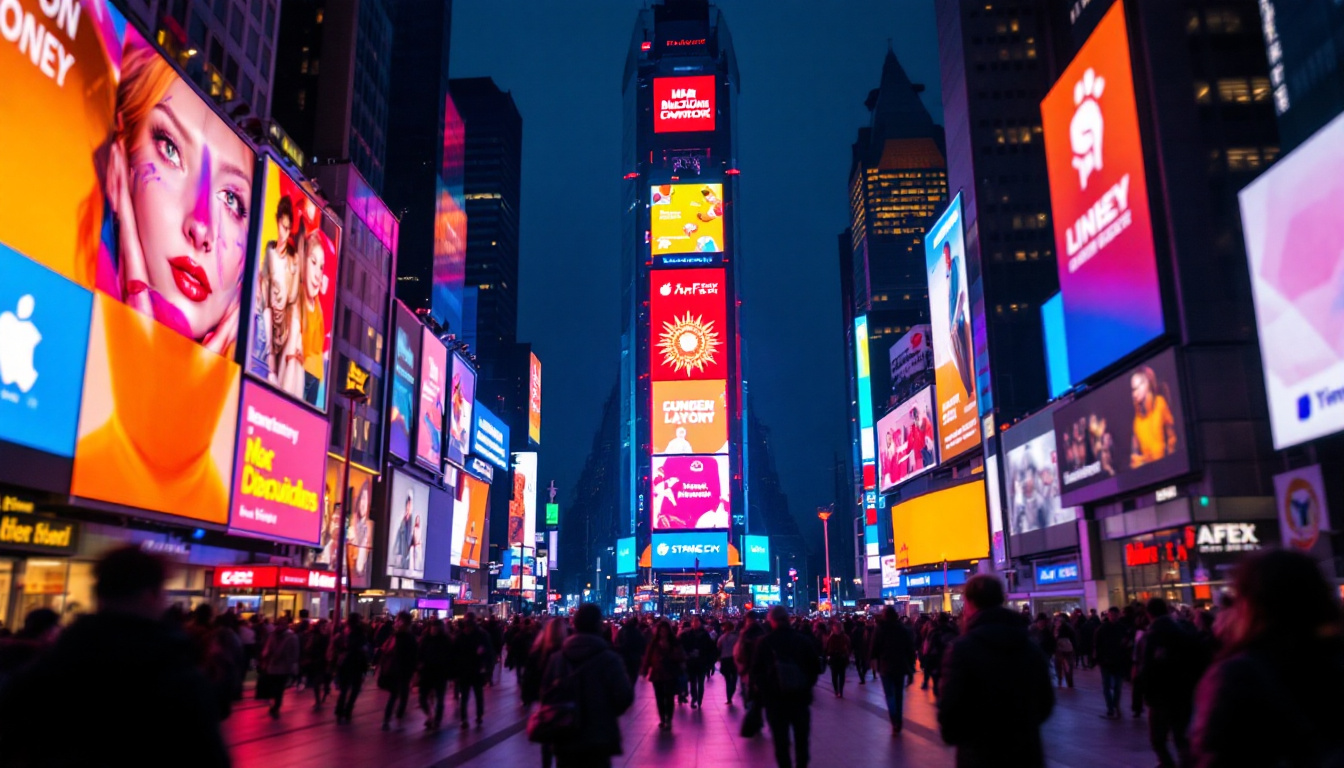
Advertising agencies leverage large LED video walls with touch capabilities to create immersive brand experiences in high-traffic areas such as malls and transportation hubs.
Education and Training
Interactive LED screens have transformed classrooms and training centers by enabling collaborative learning. Teachers and trainers use these displays to present multimedia content, annotate documents in real time, and engage students through interactive exercises.
With the rise of hybrid learning models, touch interactive LED displays facilitate seamless communication between in-person and remote participants, enhancing educational outcomes.
Corporate and Conference Environments
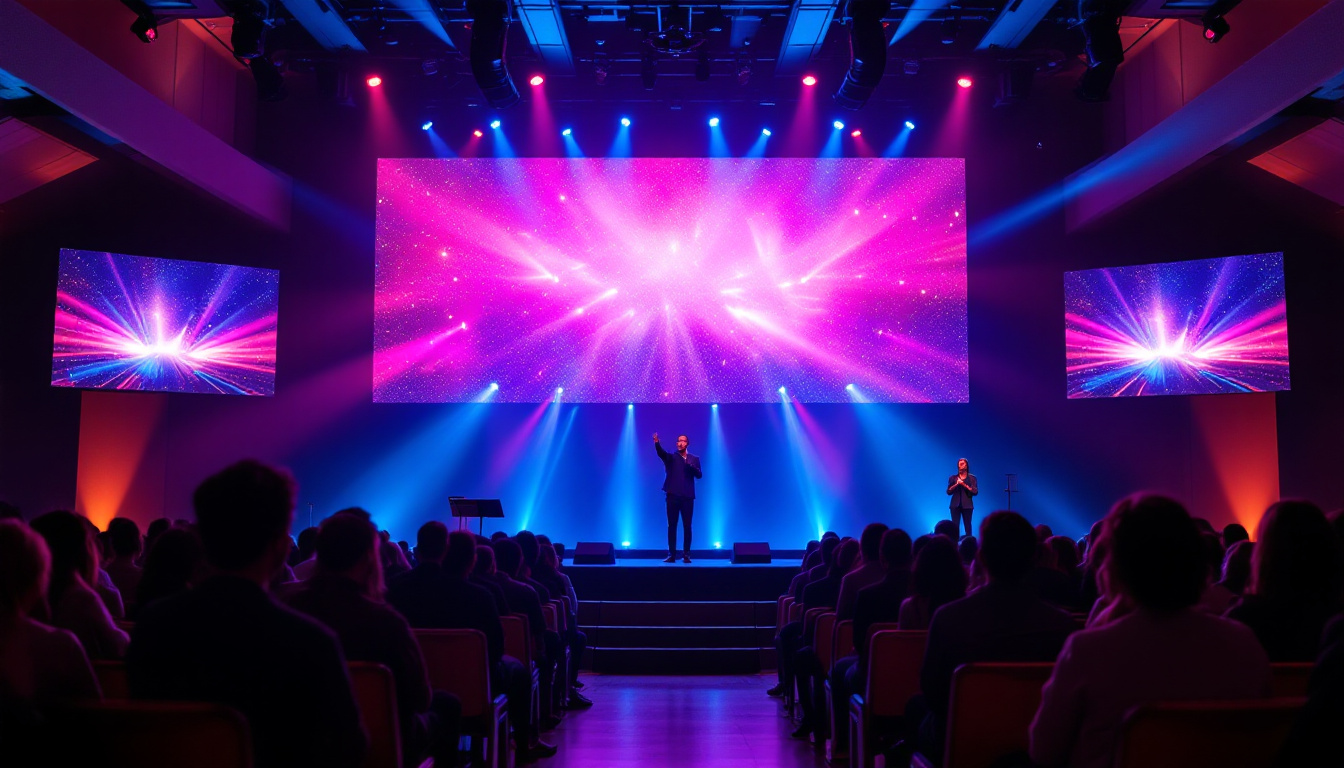
In corporate settings, touch interactive LED displays are integral to modern meeting rooms and collaboration spaces. They support video conferencing, digital whiteboarding, and data visualization, helping teams to brainstorm, strategize, and make decisions more effectively.
Their large size and high resolution ensure that content is visible to all participants, while multi-touch functionality allows multiple users to interact simultaneously.
Healthcare and Medical Imaging
Healthcare professionals utilize touch interactive LED displays for diagnostic imaging, patient monitoring, and telemedicine consultations. The high resolution and color accuracy of LED technology are essential for interpreting medical images such as X-rays, MRIs, and ultrasounds.
Interactive touch features enable clinicians to zoom, annotate, and manipulate images directly on the screen, improving diagnostic precision and patient communication.
Public Information and Transportation
Airports, train stations, and other public venues employ large touch interactive LED displays to provide real-time information, ticketing services, and wayfinding assistance. Their robustness and visibility under various lighting conditions ensure reliable operation in busy, high-traffic environments.
Future Trends in Touch Interactive LED Displays
The evolution of touch interactive LED technology continues at a rapid pace, driven by advances in materials science, sensor technology, and artificial intelligence. Several emerging trends are poised to shape the future of this field.
Micro-LED and Mini-LED Innovations
Micro-LED and mini-LED technologies promise even higher brightness, improved color accuracy, and thinner form factors compared to traditional LEDs. These innovations will enable ultra-high-definition interactive displays with enhanced energy efficiency and durability.
Flexible and Transparent Displays
Research into flexible and transparent LED displays is opening new possibilities for interactive screens that can be curved, rolled, or integrated into windows and other surfaces. Such displays will expand the range of environments where touch interactivity can be deployed, from automotive dashboards to smart glass walls.
Integration with AI and IoT
Artificial intelligence and the Internet of Things (IoT) are increasingly integrated with interactive displays to provide personalized content, predictive analytics, and seamless connectivity. For instance, AI-powered touch screens can adapt interfaces based on user behavior, while IoT integration enables real-time data exchange with other smart devices.
Enhanced Multi-Touch and Gesture Recognition
Future touch interactive LED screens will support more sophisticated input methods, including advanced multi-touch, gesture recognition, and even eye-tracking. These capabilities will create more natural and intuitive user experiences, particularly in collaborative and immersive environments.
Choosing the Right Touch Interactive LED Display
Selecting the appropriate touch interactive LED display depends on several factors, including the intended application, environment, budget, and technical requirements. Understanding these considerations helps ensure optimal performance and user satisfaction.
Screen Size and Resolution
The size and resolution of the display should match the viewing distance and content complexity. Larger screens with higher resolutions are preferable for detailed presentations and collaborative workspaces, while smaller displays may suffice for kiosks or point-of-sale terminals.
Touch Technology Selection
Choosing between capacitive, infrared, or optical touch depends on usage scenarios. Capacitive touch is ideal for consumer-facing devices requiring smooth, multi-touch interaction. Infrared and optical touch technologies are better suited for rugged environments or large-format displays where durability and input flexibility are priorities.
Environmental Considerations
Factors such as ambient lighting, temperature, humidity, and potential exposure to dust or moisture influence the choice of LED display and touch technology. Outdoor or industrial applications often require weatherproof and high-brightness displays with robust touch sensors.
Connectivity and Software Compatibility
Ensure that the interactive LED display supports necessary connectivity options such as HDMI, USB, Wi-Fi, or Bluetooth. Compatibility with existing software platforms and content management systems is also crucial for seamless integration and ease of use.
Conclusion
Touch interactive LED displays represent a powerful convergence of advanced display technology and intuitive user interfaces. Their superior visual quality, durability, and versatility make them indispensable tools across retail, education, corporate, healthcare, and public sectors. As innovations like micro-LEDs, flexible screens, and AI integration continue to emerge, these displays will become even more immersive and responsive.
Understanding the underlying technology and application-specific requirements is essential for selecting the right touch interactive LED display solution. With the right choice, organizations can unlock new levels of engagement, productivity, and user satisfaction in an increasingly digital world.
Discover LumenMatrix’s Innovative LED Display Solutions
Ready to elevate your interactive display capabilities? Explore LumenMatrix’s comprehensive range of LED display solutions, meticulously designed to meet the diverse needs of any sector. From captivating Indoor and Outdoor LED Wall Displays to versatile Vehicle and Sports LED Displays, our products are crafted to maximize your brand’s visibility and audience engagement. Embrace the future with our Custom, All-in-One, and Transparent LED Displays, each offering a unique way to transform your visual communication. Check out LumenMatrix LED Display Solutions today and start creating unparalleled visual experiences that resonate with your audience.