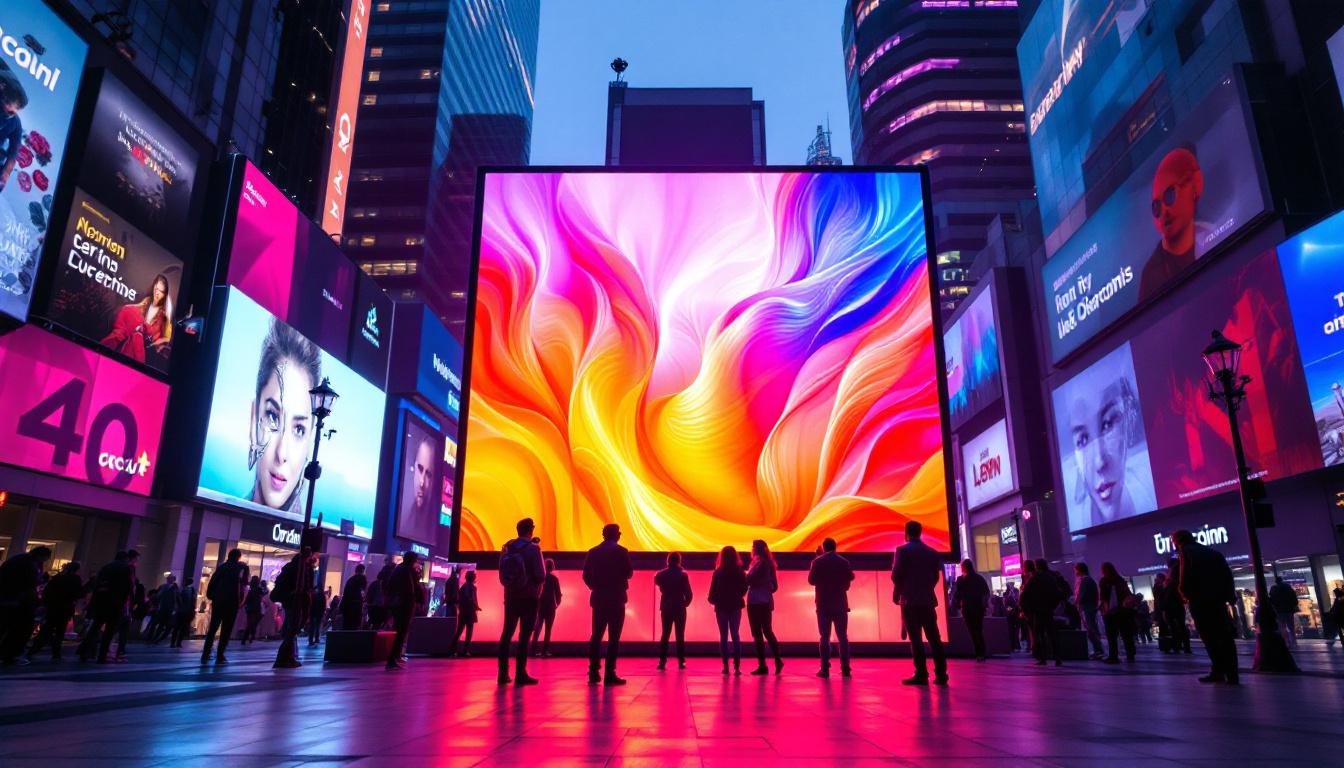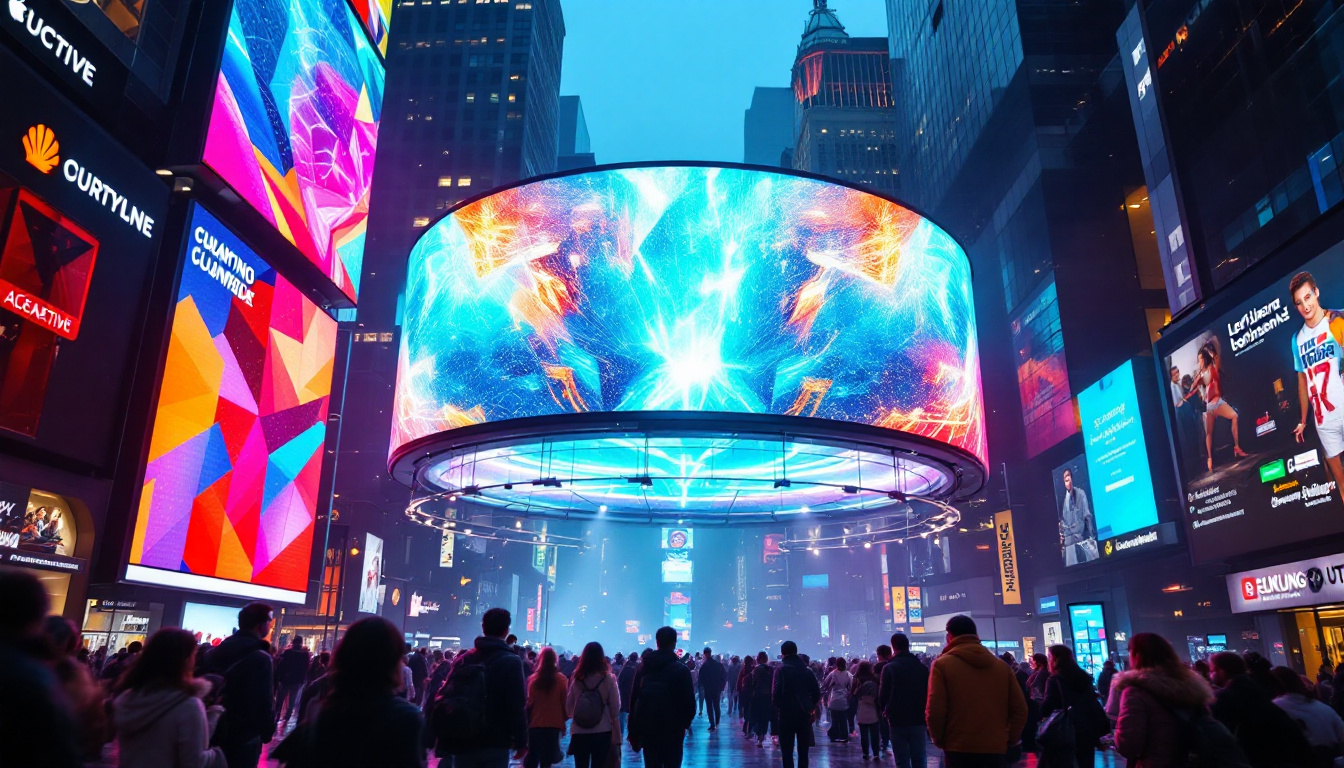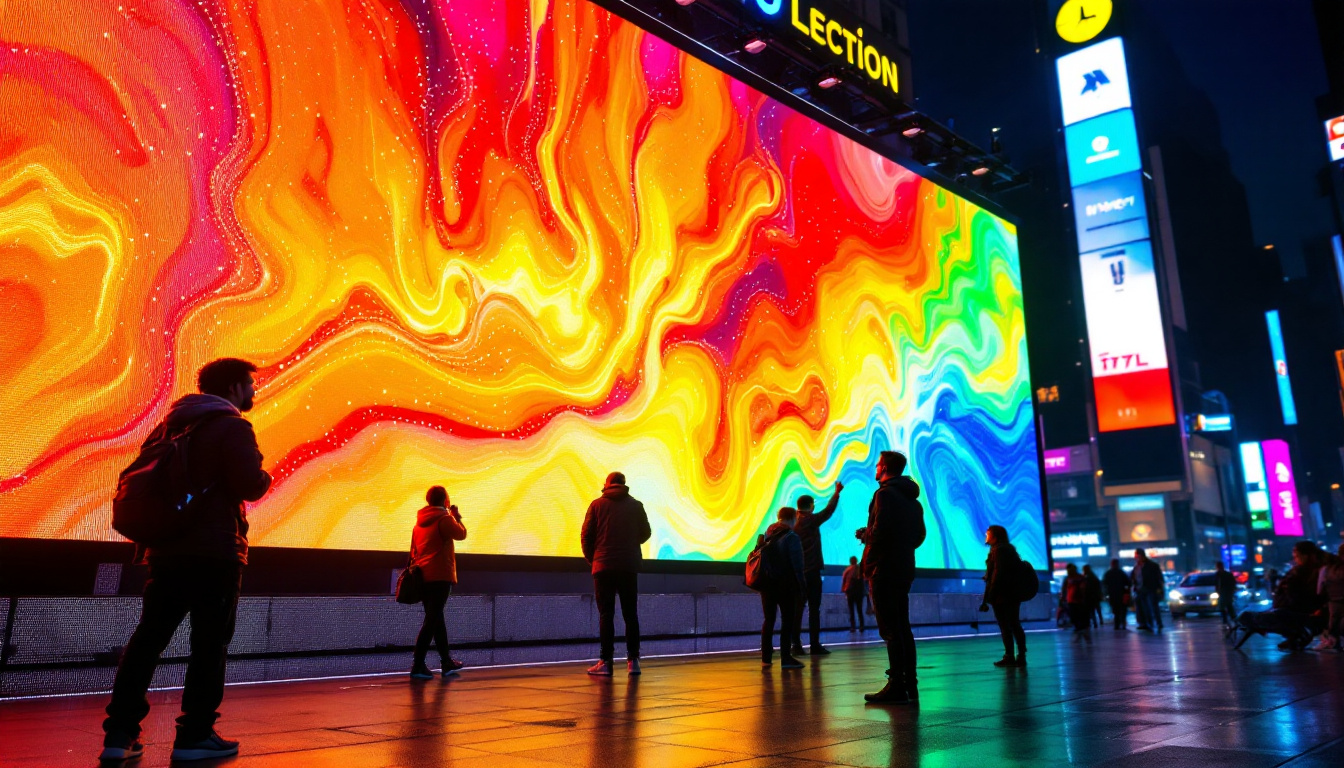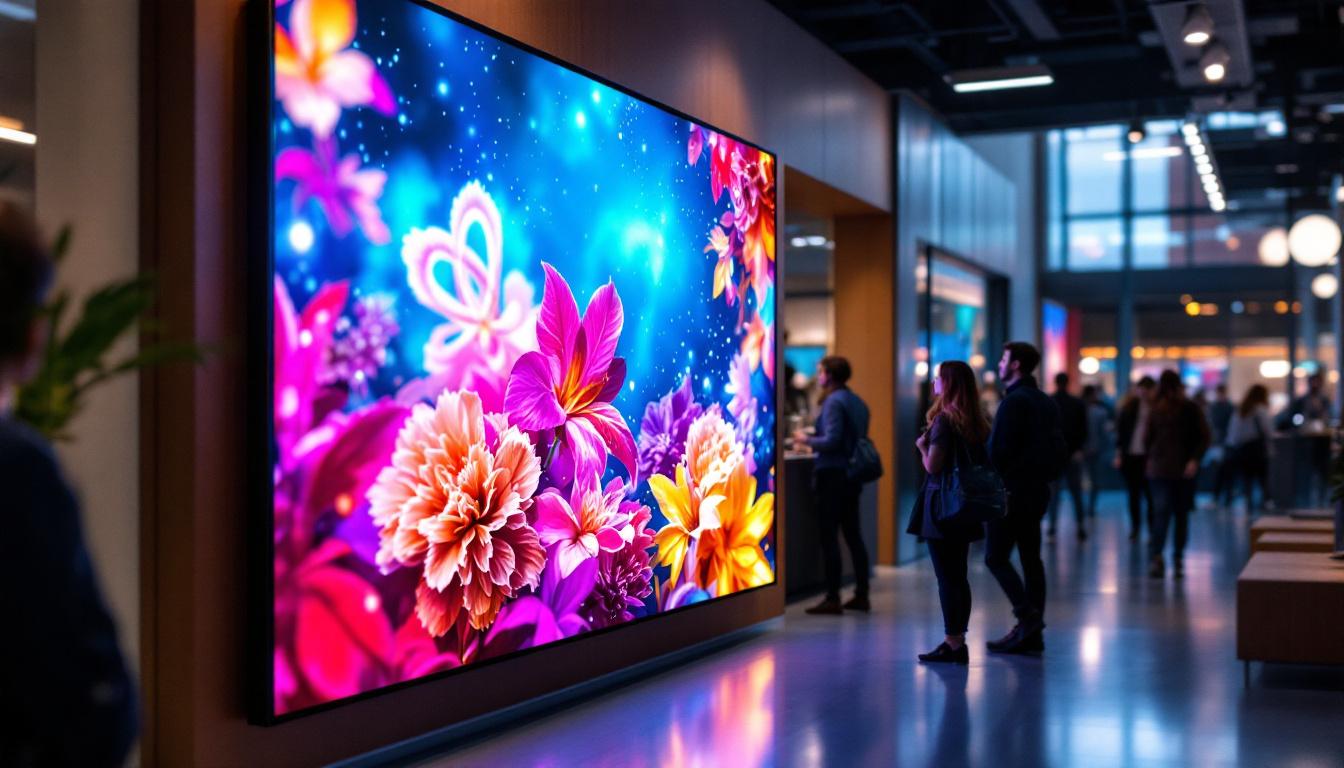
In today’s fast-paced digital world, businesses and organizations are constantly seeking innovative ways to capture attention and communicate messages effectively. One of the most dynamic tools in this arsenal is TV digital signage, particularly those utilizing LED display technology. This article dives deep into the world of LED displays for digital signage, exploring how they work, their benefits, applications, and what makes them a preferred choice for modern visual communication.
Understanding LED Displays in Digital Signage
What Is an LED Display?
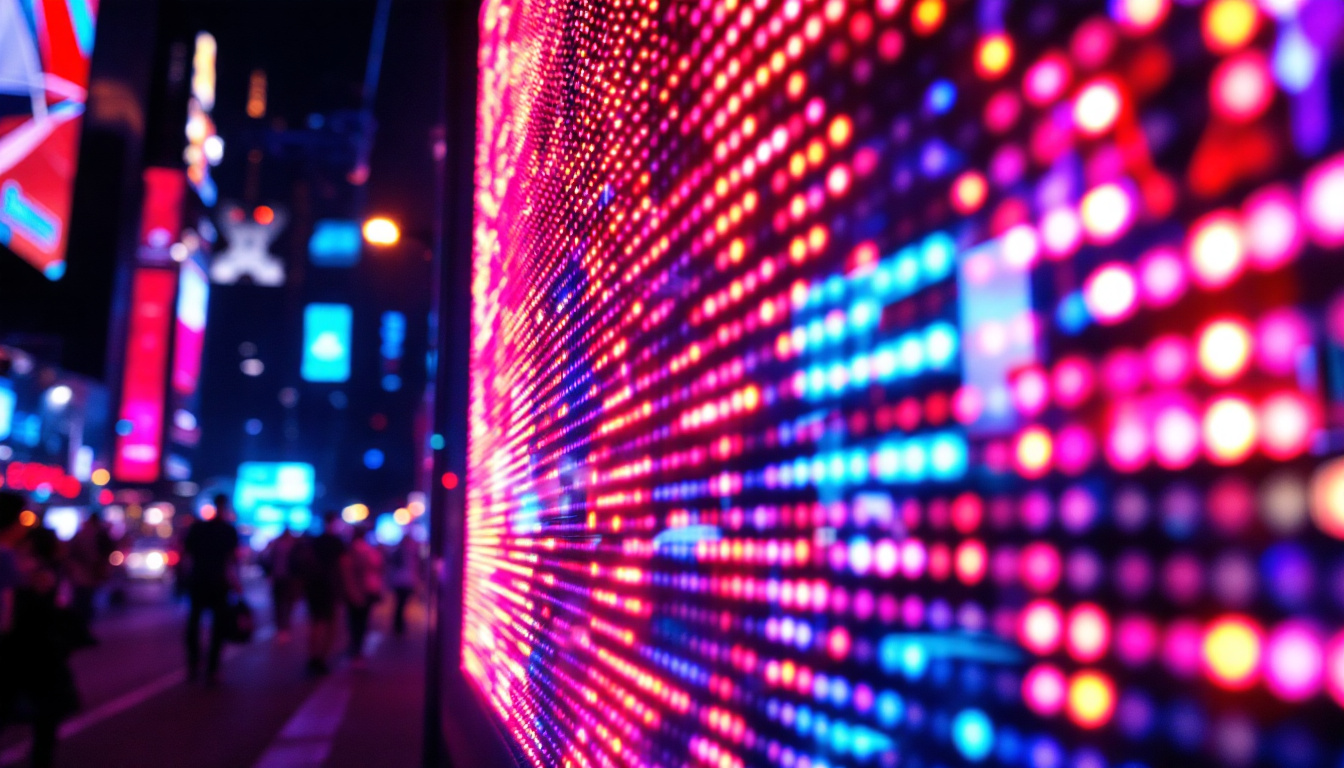
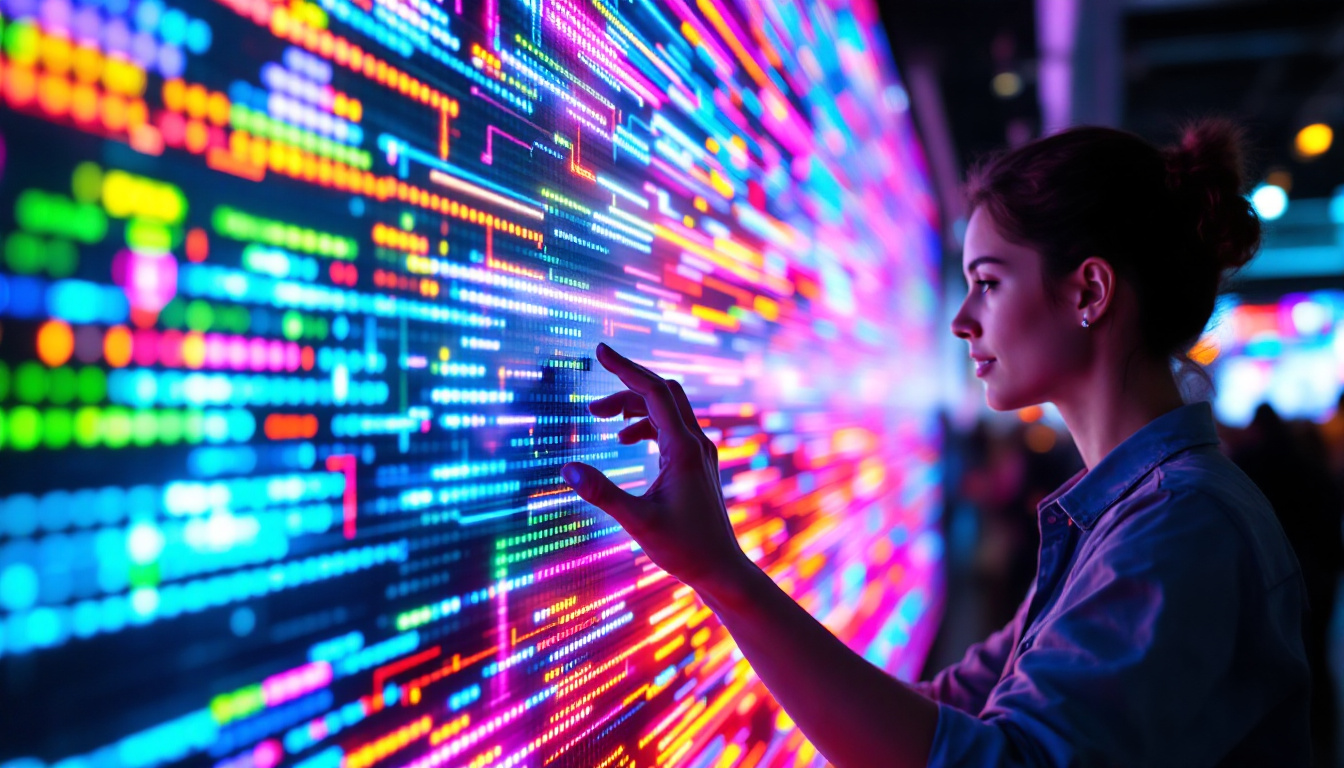
LED stands for Light Emitting Diode, a semiconductor device that emits light when an electric current passes through it. LED displays are composed of numerous tiny LEDs arranged in a grid to form pixels. These pixels light up in various colors and intensities to create images, videos, and animations.
Unlike traditional LCD or plasma screens, LED displays use these light-emitting diodes as the primary light source. This fundamental difference allows LED displays to offer superior brightness, contrast, and energy efficiency, making them highly suitable for digital signage applications. Additionally, LED technology provides a wider color gamut, enabling more vibrant and lifelike visuals that can effectively capture the attention of passersby in bustling environments.
Types of LED Displays Used in Digital Signage
LED displays come in several configurations, each tailored for specific environments and purposes:
- Direct View LED (DV-LED): This type uses LEDs as pixels directly visible to the viewer. DV-LED displays are popular for large outdoor billboards and indoor video walls due to their brightness and scalability. These displays are often designed to withstand harsh weather conditions, making them ideal for outdoor advertising.
- LED-backlit LCD: These are traditional LCD screens illuminated by LED backlights. They are common in smaller digital signage applications like menu boards and indoor kiosks. The advantage of LED-backlit LCDs is their ability to provide excellent image quality with lower power consumption compared to older technologies.
- MicroLED: An emerging technology that offers even higher resolution and brightness by using microscopic LEDs. Though still expensive, MicroLEDs are gaining traction for premium signage solutions. Their modular design allows for flexible configurations, making them suitable for a variety of applications, from retail displays to high-end corporate environments.
Furthermore, the versatility of LED displays extends beyond just visual appeal; they can be integrated with various technologies such as sensors and interactive touch interfaces. This integration allows businesses to create engaging experiences that can adapt to audience interactions, enhancing the effectiveness of their messaging. For instance, a retail store might use an LED display to showcase promotions that change based on customer demographics or time of day, making the signage not only eye-catching but also contextually relevant.
As the demand for dynamic and captivating content grows, the development of LED display technology continues to evolve. Innovations such as flexible LED screens and transparent displays are pushing the boundaries of what is possible in digital signage. These advancements open up new opportunities for creative installations in diverse settings, from art exhibitions to immersive retail environments, where the line between the physical and digital worlds becomes increasingly blurred.
Advantages of LED Displays for TV Digital Signage
Exceptional Brightness and Visibility
One of the standout features of LED displays is their ability to produce extremely bright images. This brightness ensures that content remains visible even in direct sunlight or brightly lit environments. For outdoor digital signage, where ambient light can wash out traditional screens, LED displays provide a clear and vibrant viewing experience.
Studies show that LED displays can achieve brightness levels up to 5,000 nits or more, compared to typical LCD screens that max out around 500-700 nits. This tenfold increase in brightness translates to better visibility and higher impact messaging.
Energy Efficiency and Longevity
LED technology is inherently energy-efficient. LEDs consume significantly less power than traditional lighting and display technologies. For businesses running digital signage 24/7, this efficiency translates to lower operating costs and a smaller environmental footprint.
Additionally, LED displays have a longer lifespan, often exceeding 100,000 hours of operation. This durability reduces maintenance costs and downtime, making LED signage a cost-effective long-term investment.
Flexible and Scalable Design
LED displays can be manufactured in virtually any size or shape, offering unparalleled flexibility for digital signage design. Whether it’s a massive outdoor billboard spanning thousands of square feet or a small indoor menu board, LED technology can accommodate the need.
Modular LED panels can be combined seamlessly to create enormous video walls or curved displays, enabling creative and immersive visual experiences that captivate audiences.
High Contrast and Color Accuracy
LED displays deliver deep blacks and vibrant colors due to their ability to turn off individual diodes completely, unlike LCDs that rely on backlighting. This results in superior contrast ratios and more vivid images, enhancing the overall visual quality of digital signage content.
Applications of LED Digital Signage in Various Industries
Retail and Shopping Centers
Retailers leverage LED digital signage to attract shoppers, promote products, and enhance the in-store experience. Bright, dynamic displays can showcase promotions, new arrivals, and interactive content, driving customer engagement and sales.
For example, large LED video walls in flagship stores create immersive brand experiences, while smaller LED screens at checkout counters deliver targeted advertisements and upsell opportunities.
Transportation Hubs and Public Spaces
Airports, train stations, and bus terminals utilize LED signage for real-time information dissemination. Flight schedules, gate changes, and emergency alerts displayed on bright, high-contrast LED screens ensure passengers receive clear and timely updates.
Outdoor LED billboards along highways and in urban centers also serve as effective advertising platforms, reaching thousands of commuters daily with eye-catching visuals.
Corporate Environments
In corporate settings, LED digital signage enhances internal communications, branding, and event presentations. Lobbies often feature LED video walls that display company news, achievements, or welcome messages for visitors.
During conferences and meetings, LED screens provide high-quality visuals for presentations and live feeds, improving audience engagement and information retention.
Entertainment and Sports Venues
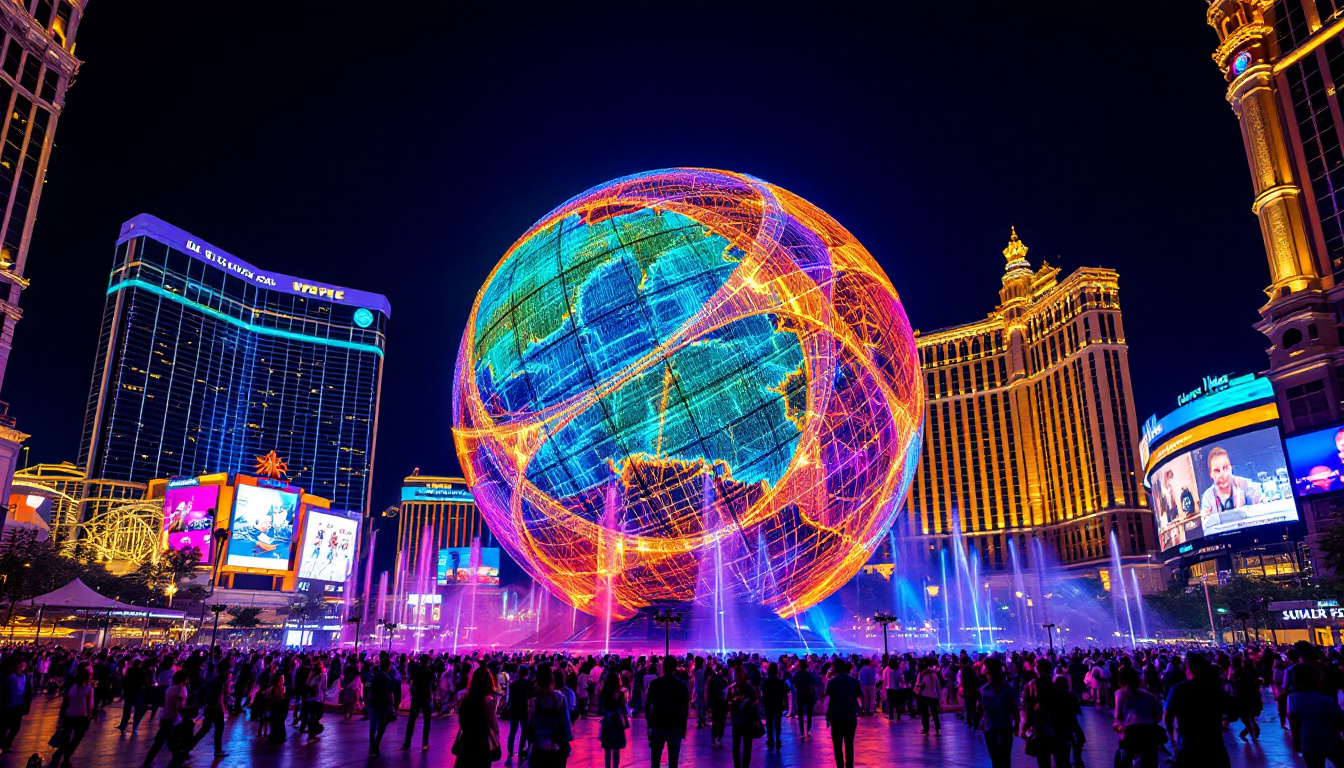
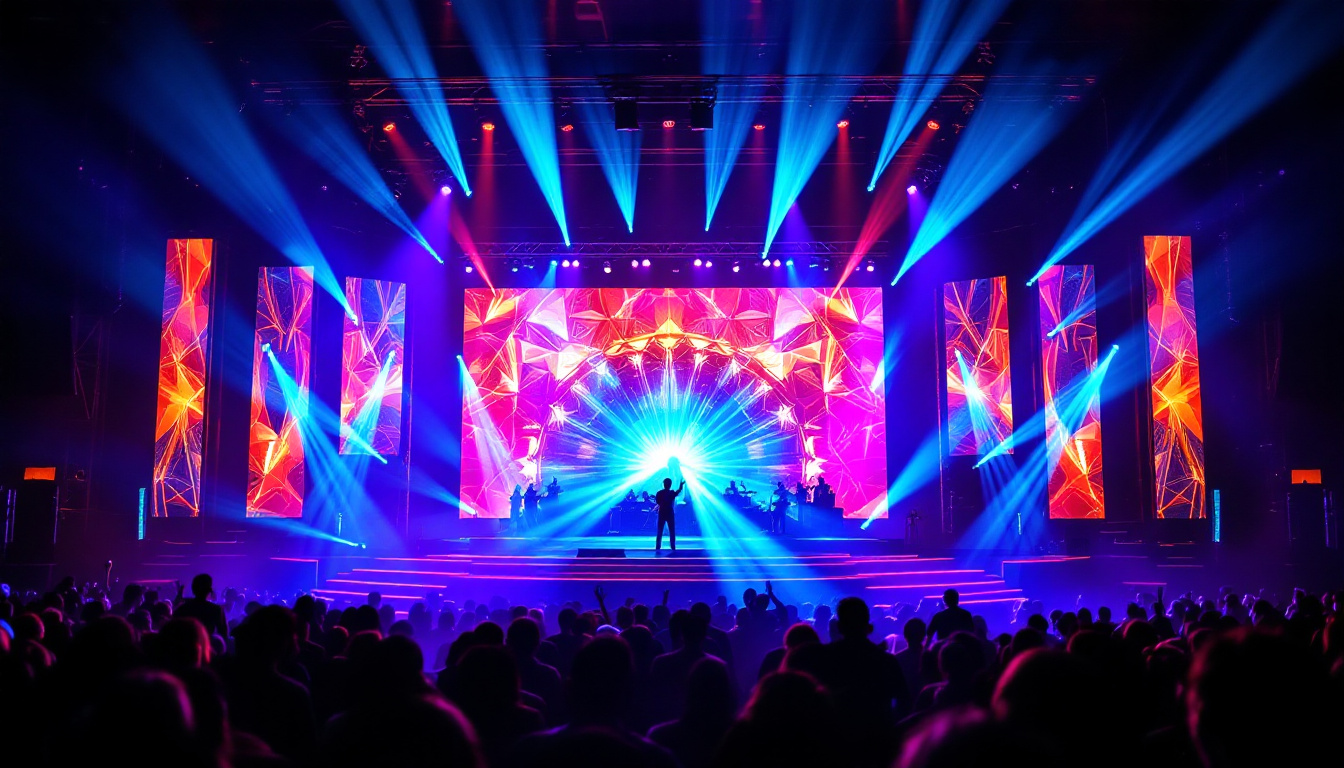
Stadiums and concert halls rely heavily on LED displays to deliver live action, replays, and advertisements to large audiences. The scalability and brightness of LED technology make it ideal for these environments where visibility from a distance is critical.
Moreover, LED signage can be programmed to create dynamic light shows and interactive experiences, enhancing the overall entertainment value.
Key Considerations When Choosing LED Displays for Digital Signage
Resolution and Pixel Pitch
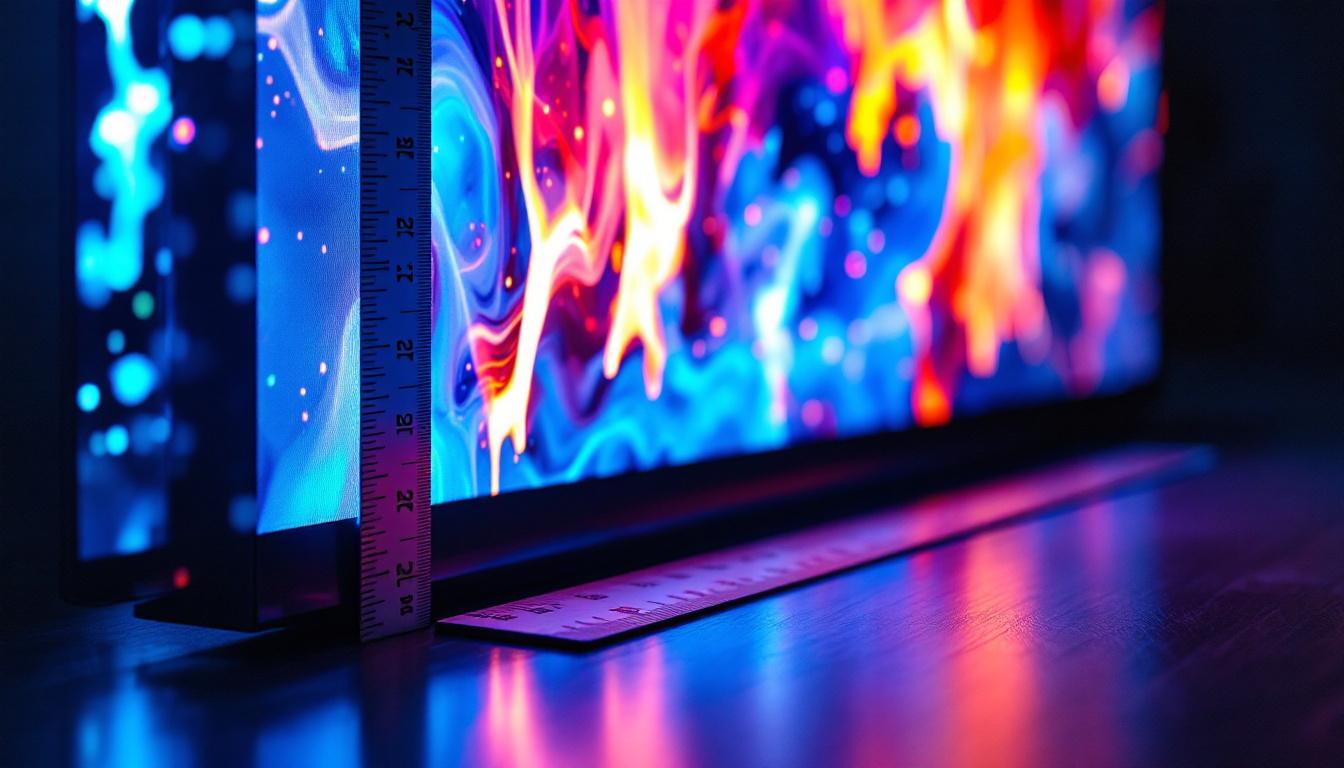
Resolution refers to the number of pixels in a display, while pixel pitch is the distance between the centers of two adjacent pixels, usually measured in millimeters. A smaller pixel pitch means higher resolution and sharper images, which is essential for close-viewing environments like retail stores or corporate lobbies.
For outdoor signage viewed from a distance, a larger pixel pitch is acceptable and more cost-effective. Understanding the viewing distance and environment helps determine the ideal resolution and pixel pitch for a project.
Brightness and Weather Resistance
Outdoor LED displays must withstand harsh weather conditions, including rain, wind, dust, and extreme temperatures. Selecting displays with appropriate IP (Ingress Protection) ratings ensures durability and consistent performance.
Brightness levels should be chosen based on ambient light conditions. For example, displays in direct sunlight require higher brightness (typically 4,000 to 7,000 nits), while indoor displays can operate effectively at lower brightness levels.
Content Management Systems (CMS)
Effective digital signage relies not only on hardware but also on software. A robust CMS allows users to create, schedule, and manage content remotely across multiple displays. Many modern LED signage solutions integrate with cloud-based CMS platforms, enabling real-time updates and analytics.
Choosing a CMS that supports various media formats, interactive features, and easy integration with existing systems is crucial for maximizing the impact of LED digital signage.
Installation and Maintenance
LED displays require professional installation to ensure proper alignment, calibration, and safety. Modular designs facilitate easier installation and future maintenance, allowing individual panels to be replaced without dismantling the entire display.
Regular maintenance, including cleaning and software updates, helps maintain optimal performance and extends the lifespan of the display.
Future Trends in LED Digital Signage
Integration with Artificial Intelligence and IoT
The convergence of LED digital signage with artificial intelligence (AI) and the Internet of Things (IoT) is transforming how content is delivered and personalized. AI-powered analytics can analyze viewer demographics and behavior in real-time, enabling dynamic content adjustments to maximize engagement.
IoT connectivity allows LED displays to interact with other smart devices and sensors, creating responsive environments. For example, digital signage in a retail store may change promotions based on foot traffic or weather conditions automatically.
Advancements in MicroLED and Transparent Displays
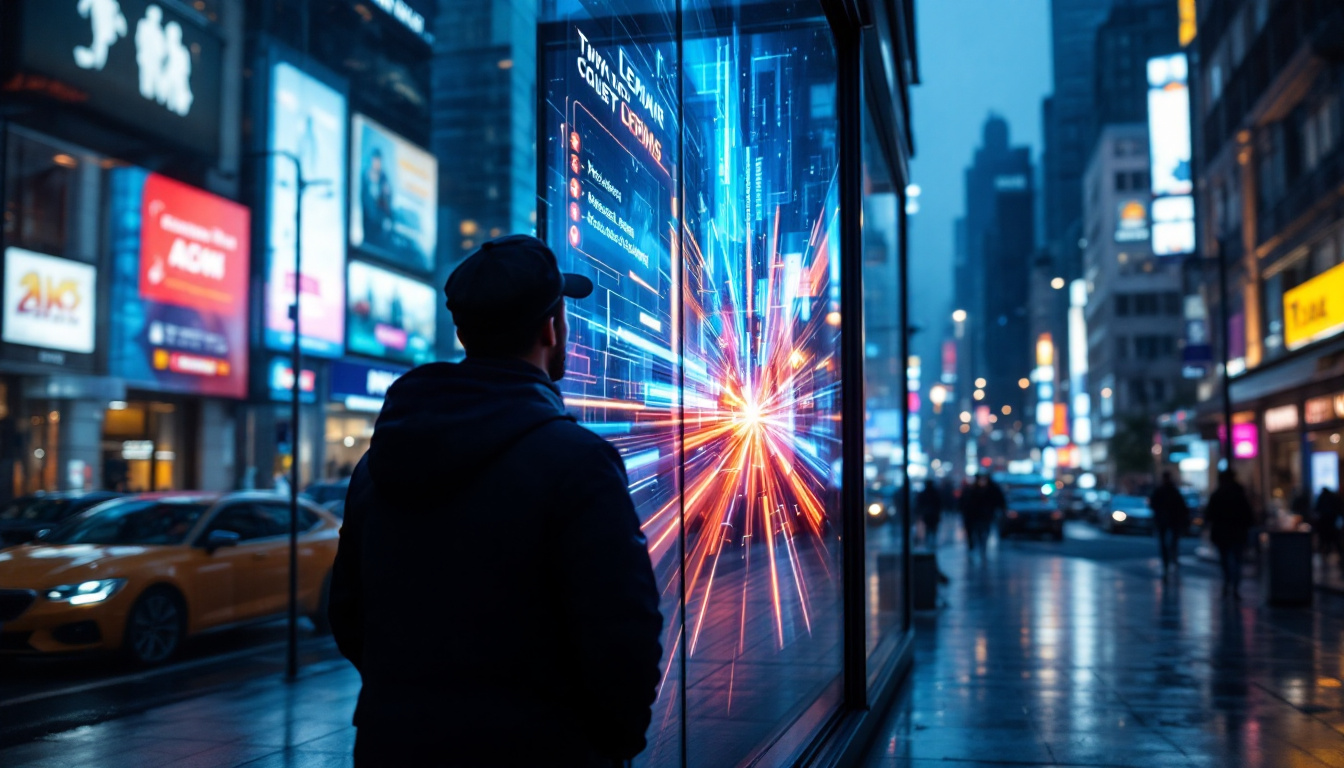
MicroLED technology promises even higher resolution, better energy efficiency, and thinner form factors, opening new possibilities for digital signage design. Transparent LED displays are also gaining popularity, allowing content to be displayed on glass surfaces without obstructing views, ideal for storefronts and architectural applications.
Sustainability and Eco-Friendly Solutions
As environmental concerns grow, manufacturers are focusing on sustainable LED display solutions. This includes using recyclable materials, reducing power consumption, and designing displays with longer lifespans to minimize electronic waste.
Businesses adopting eco-friendly digital signage not only reduce their carbon footprint but also appeal to increasingly environmentally conscious consumers.
Conclusion
LED displays have revolutionized TV digital signage by offering unparalleled brightness, flexibility, and visual quality. Their ability to deliver vibrant, eye-catching content in a variety of environments makes them indispensable for businesses aiming to communicate effectively and engage audiences.
From retail and transportation to corporate and entertainment sectors, LED digital signage continues to evolve with technological advancements, providing innovative solutions that meet the demands of modern communication. By understanding the technology, benefits, and key considerations, organizations can make informed decisions to harness the full potential of LED displays in their digital signage strategies.
Discover LumenMatrix’s Innovative LED Solutions
Ready to elevate your digital signage with the vibrant, energy-efficient, and versatile capabilities of LED displays? LumenMatrix is at the forefront of LED display technology, offering a comprehensive range of solutions tailored to your unique needs. From Indoor and Outdoor LED Walls to specialized displays for vehicles, sports, and even customizable options, our mission is to transform your visual communication strategy. Experience the future of digital signage and create unforgettable visual experiences with LumenMatrix. Check out LumenMatrix LED Display Solutions today and bring your brand’s message to life with clarity and impact.