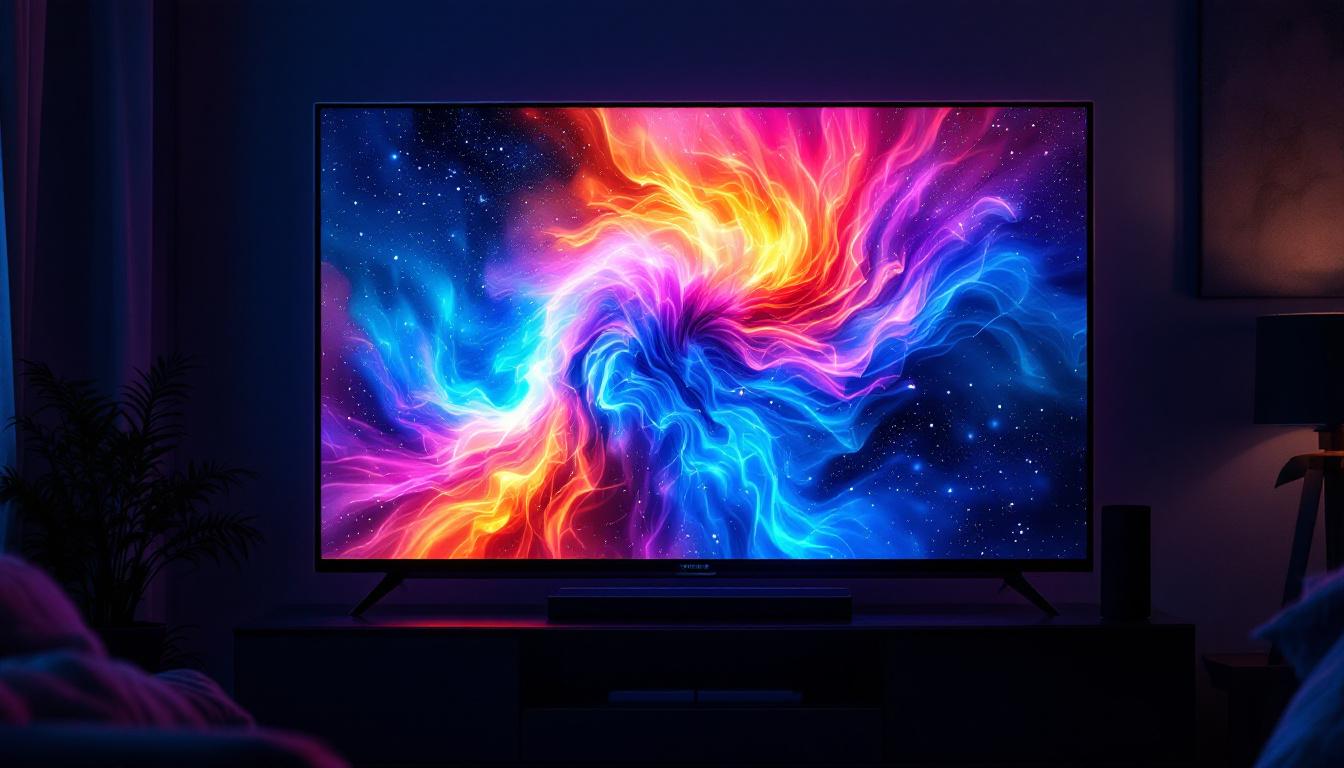
In the world of modern television technology, LED TVs have become the dominant choice for consumers seeking vibrant colors, energy efficiency, and sleek designs. But what exactly are LED TV lights, and how does the LED display technology work to deliver the stunning visuals we enjoy today? This article provides a comprehensive explanation of LED displays, exploring their technology, types, advantages, and what makes them stand out in the competitive TV market.
Understanding LED Display Technology
LED stands for Light Emitting Diode, a semiconductor device that emits light when an electric current passes through it. Unlike traditional LCD TVs that rely on fluorescent backlighting, LED TVs use these tiny diodes to illuminate the screen, resulting in brighter images and better energy efficiency.
The term “LED TV” is somewhat of a misnomer because the display itself is still an LCD panel. The difference lies in the backlighting method: LED TVs use LEDs instead of cold cathode fluorescent lamps (CCFLs) to light up the pixels on the screen. This subtle but significant change has revolutionized television displays over the past decade.
How LED Backlighting Works
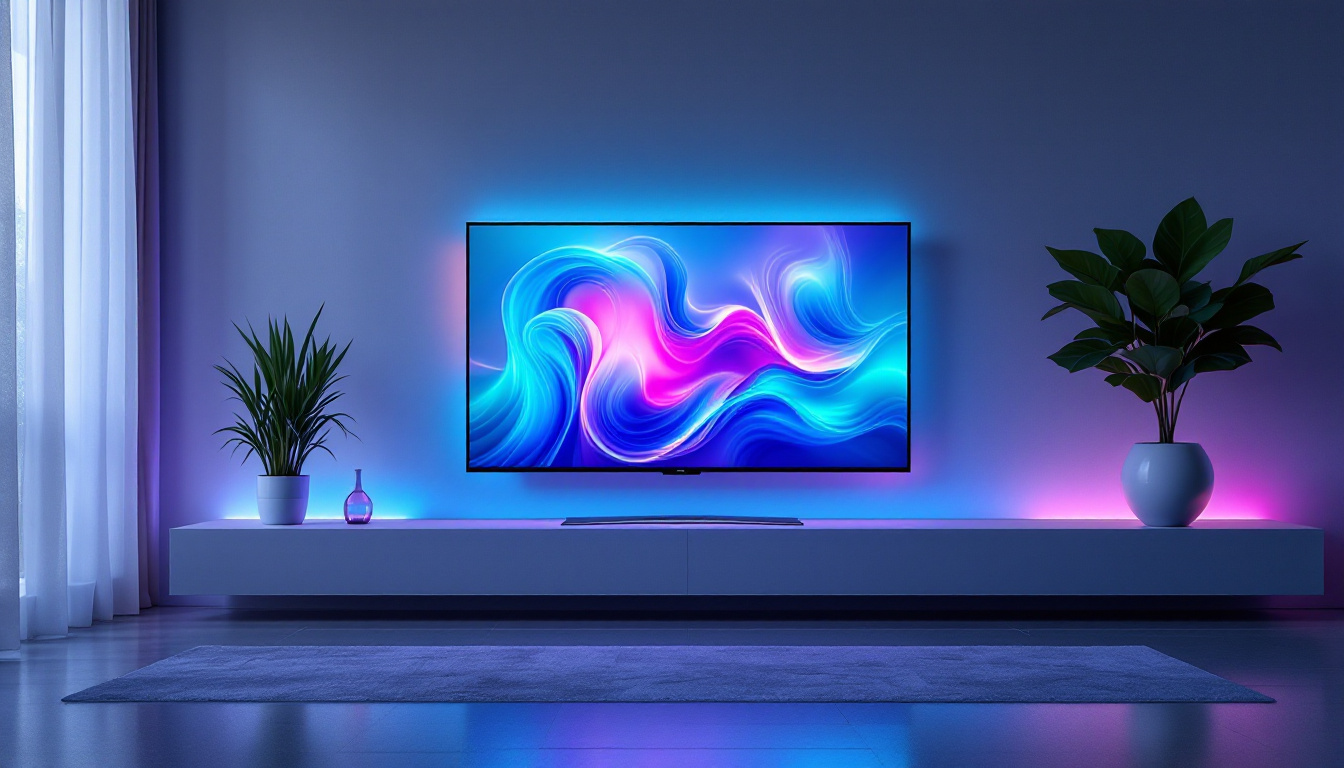
In an LED TV, the LCD panel controls the color and intensity of each pixel, but the light source behind the panel comes from an array of LEDs. These LEDs shine light through the liquid crystal layer, which modulates the light to create the images seen on the screen.
Because LEDs are small and can be arranged in various configurations, manufacturers can design TVs with thinner profiles and more precise lighting control. This results in better contrast ratios and the ability to produce deeper blacks compared to older LCD TVs with fluorescent backlights.
Moreover, the advancements in LED technology have led to the development of various types of LED backlighting systems, such as edge-lit and full-array local dimming. Edge-lit LED TVs have LEDs placed along the edges of the screen, allowing for a slimmer design, while full-array local dimming features a grid of LEDs behind the entire screen. This setup enables the TV to dim specific areas of the screen independently, enhancing the overall picture quality by improving contrast and reducing light bleed, especially in darker scenes.
Additionally, the color accuracy of LED displays has significantly improved with the introduction of quantum dot technology. Quantum dots are tiny semiconductor particles that emit specific colors when illuminated by a light source. When combined with LED backlighting, they can produce a wider color gamut and more vibrant images, making the viewing experience more immersive. This technology has become increasingly popular in high-end models, offering viewers a richer and more dynamic visual experience that closely resembles what the human eye perceives in real life.
Types of LED TV Backlighting
There are primarily two types of LED backlighting used in LED TVs: Edge-lit and Direct-lit (or Full-array). Each has distinct characteristics that influence picture quality, design, and price.
Edge-lit LED TVs
In edge-lit LED TVs, the LEDs are positioned along the edges of the screen, usually on the sides, top, or bottom. Light is then diffused across the panel using light guides and reflectors. This design allows for ultra-thin TV profiles, making them popular for consumers who prioritize aesthetics and space-saving designs.
However, edge-lit TVs can sometimes suffer from uneven brightness and less precise local dimming capabilities, which can affect contrast and black levels. Manufacturers have improved these issues with advanced light diffusion technologies, but some limitations remain compared to full-array models. Additionally, edge-lit TVs may struggle in bright rooms, as the light distribution can lead to glare and reflections that diminish the viewing experience. For those who enjoy watching content in various lighting conditions, this can be a significant drawback.
Direct-lit and Full-array LED TVs
Direct-lit LED TVs feature an array of LEDs placed directly behind the LCD panel. This arrangement provides more uniform backlighting and better control over brightness across the screen. Full-array LED TVs take this concept further by incorporating local dimming zones—sections of LEDs that can be dimmed or brightened independently.
Local dimming significantly enhances contrast by allowing parts of the screen to be darkened while others remain bright, resulting in deeper blacks and more vivid colors. This technology is especially beneficial for watching movies or playing video games with dark scenes. Furthermore, full-array models often come with advanced features such as HDR (High Dynamic Range) support, which expands the range of colors and brightness levels, creating a more immersive viewing experience. As a result, full-array LED TVs are frequently favored by cinephiles and gamers who seek the best possible picture quality for their content.
Advantages of LED TV Lights Over Other Technologies
LED TVs have several advantages over older display technologies such as CCFL-backlit LCDs and plasma screens. These benefits have contributed to the widespread adoption of LED TVs globally.
Energy Efficiency
LEDs consume less power than fluorescent lamps, making LED TVs more energy-efficient. According to the U.S. Department of Energy, LED TVs can use up to 30-50% less energy than comparable CCFL-backlit LCD TVs, which translates to lower electricity bills and a smaller environmental footprint.
Improved Picture Quality
LED backlighting allows for higher brightness levels and better contrast ratios, enhancing the overall picture quality. The ability to implement local dimming zones in full-array LED TVs means that viewers can experience deeper blacks and more vibrant colors, which are crucial for immersive viewing experiences.
Thinner and Lighter Designs
Because LEDs are smaller and more flexible in placement than fluorescent tubes, LED TVs can be manufactured with slimmer profiles and lighter weights. This design flexibility has enabled the creation of ultra-thin TVs that fit seamlessly into modern living spaces.
Longer Lifespan and Durability
LEDs have a longer lifespan compared to fluorescent backlights, often lasting tens of thousands of hours without significant degradation. They are also more durable and less prone to damage from shock or vibration, increasing the overall reliability of LED TVs.
Emerging LED Display Technologies
The LED TV market continues to evolve with innovations aimed at further improving picture quality and user experience. Two notable emerging technologies are Mini-LED and Micro-LED displays.
Mini-LED Technology
Mini-LEDs are significantly smaller than traditional LEDs, allowing thousands of tiny LEDs to be packed into the backlight array. This increase in the number of dimming zones enables even more precise local dimming, resulting in superior contrast and reduced blooming effects (where bright areas bleed into dark parts of the screen).
Mini-LED TVs offer many of the benefits of OLED displays, such as excellent contrast and brightness, but without some of the drawbacks like potential burn-in. As of 2024, Mini-LED TVs have become widely available, especially in premium models from leading manufacturers.
Micro-LED Technology
Micro-LED represents a significant leap in display technology by using microscopic LEDs as individual pixels, eliminating the need for a separate backlight. Each pixel emits its own light, similar to OLED technology, but with higher brightness, better durability, and no risk of burn-in.
While still in the early stages of commercial availability due to manufacturing complexity and cost, Micro-LED TVs promise unparalleled picture quality and longevity. They are expected to become more mainstream in the coming years as production techniques improve.
Choosing the Right LED TV for Your Needs
With so many LED TV options available, understanding the differences in LED display technologies can help consumers make informed decisions that match their viewing habits and budget.
Consider Screen Size and Viewing Distance
The size of the TV and the distance from which it will be viewed are critical factors. Larger screens benefit more from advanced backlighting technologies like full-array local dimming, which enhances contrast across the entire display. For smaller rooms or casual viewing, edge-lit models may suffice and offer a more affordable option.
Evaluate Picture Quality Features
Look for TVs with high dynamic range (HDR) support, wide color gamut, and high contrast ratios. Features like Dolby Vision and HDR10+ compatibility enhance the viewing experience by delivering more lifelike images. Full-array LED TVs with local dimming zones typically provide better HDR performance.
Energy Consumption and Environmental Impact
If energy efficiency is a priority, LED TVs generally outperform other technologies. Checking the Energy Star rating and manufacturer specifications can help identify models that consume less power without sacrificing performance.
Budget Considerations
While advanced technologies like Mini-LED and Micro-LED offer superior performance, they come at a premium price. Consumers should balance their desire for cutting-edge features with their budget constraints, considering that high-quality edge-lit LED TVs can still deliver excellent viewing experiences at lower costs.
The Future of LED TV Lighting
LED display technology continues to advance rapidly, driven by consumer demand for better picture quality, thinner designs, and more energy-efficient products. The integration of smart TV features, AI-driven picture optimization, and improved manufacturing techniques will further enhance LED TVs in the years ahead.
As Mini-LED and Micro-LED technologies mature, they are expected to redefine the standards for brightness, contrast, and color accuracy. Additionally, the rise of flexible and transparent LED displays hints at new possibilities for TV design and placement, potentially transforming how people interact with their home entertainment systems.
In conclusion, LED TV lights and their associated display technologies have revolutionized the television industry by offering superior image quality, energy efficiency, and design flexibility. Understanding the nuances of LED backlighting and emerging innovations empowers consumers to choose the best TV that meets their needs and enjoy an immersive viewing experience for years to come.
Discover LumenMatrix’s Advanced LED Display Solutions
Ready to experience the future of LED TV lighting and display technology? LumenMatrix is at the forefront of this innovation, offering a wide range of LED display modules designed to bring your visual communication to life. Whether you’re looking for an Indoor LED Wall Display, a dynamic Outdoor LED Wall Display, or specialized solutions like Vehicle LED Displays and LED Sports Displays, LumenMatrix has the cutting-edge technology to meet your needs. Elevate your space with our captivating LED Poster Displays, Floor LED Displays, and Custom LED Displays, or explore the possibilities with our All-in-One and Transparent LED Displays. Join the revolution in visual storytelling and Check out LumenMatrix LED Display Solutions today to enhance engagement and leave a lasting impression.