In the rapidly evolving world of display technology, see-through monitors have emerged as a fascinating innovation. Combining transparency with digital display capabilities, these monitors offer unique applications across industries such as retail, automotive, advertising, and augmented reality. Central to this technology is the LED display system, which powers the vivid images while maintaining transparency.
This article delves into the mechanics behind see-through LED monitors, explores their practical uses, and examines the technological challenges and future prospects of this cutting-edge display technology.
Understanding See-Through Monitors and Their Technology
What Is a See-Through Monitor?
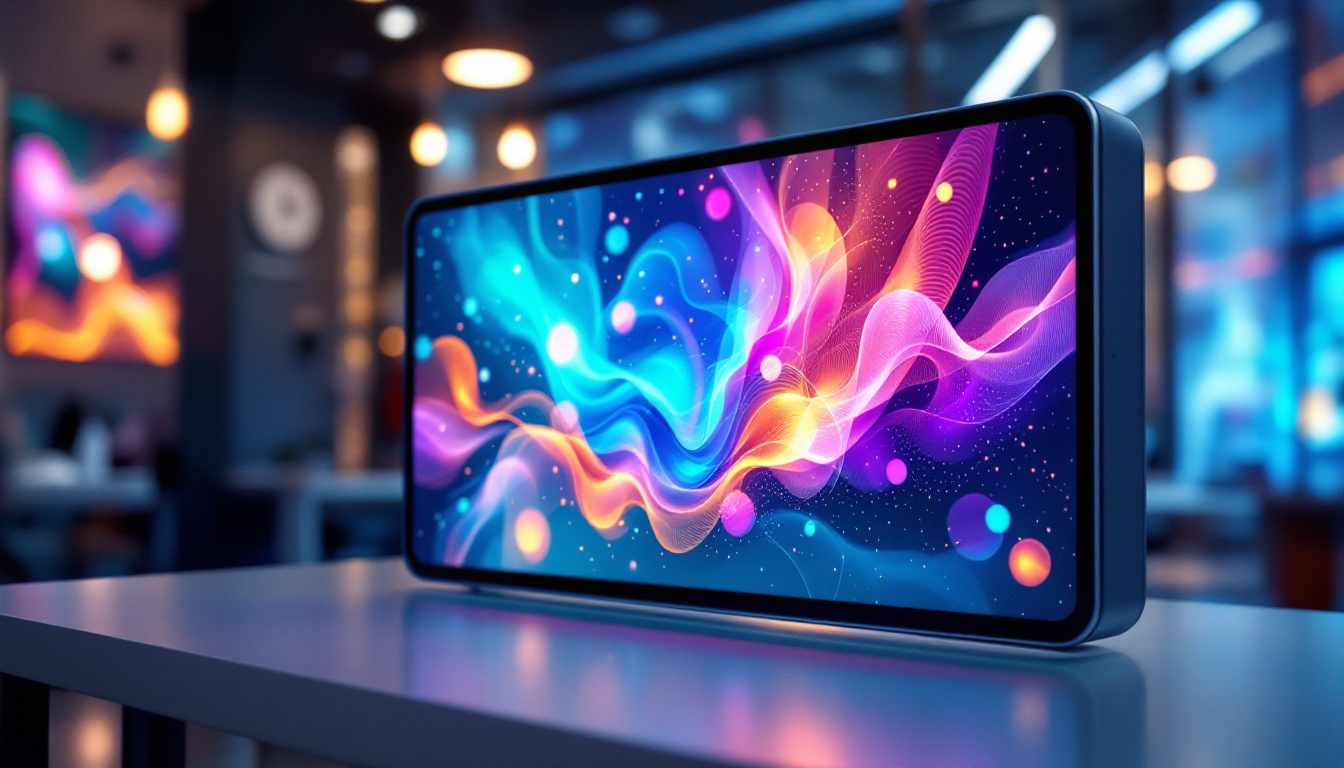
A see-through monitor, also known as a transparent display, is a screen that allows viewers to see digital content superimposed over whatever is behind the display. Unlike traditional monitors that block the view, see-through monitors maintain a level of transparency, enabling a blend of real-world and digital images. This creates immersive experiences where digital information can be layered onto physical objects or environments.
These monitors are typically constructed using transparent materials such as glass or acrylic embedded with display technology that can emit light without obstructing the background. The key challenge is balancing brightness and transparency to ensure both the displayed images and the background are visible. This technology has found applications in various fields, from retail environments where product information can be displayed alongside merchandise to augmented reality applications that enhance user interaction with their surroundings. The potential for creative advertising and interactive installations is vast, as designers can leverage the see-through nature of these displays to engage audiences in innovative ways.
The Role of LED Technology in Transparent Displays
Light Emitting Diodes (LEDs) are the backbone of modern display technology, known for their energy efficiency, brightness, and long lifespan. In see-through monitors, LEDs are used to create images by selectively lighting pixels on a transparent substrate.
Traditional LED displays rely on a solid backing to enhance color vibrancy and contrast, but see-through LED displays use specialized transparent substrates and pixel arrangements. These allow light to pass through unlit areas, maintaining transparency. The LEDs themselves are often miniaturized and arranged in a grid with gaps, enabling the human eye to see through the spaces between illuminated pixels. This innovative arrangement not only preserves the aesthetic appeal of the display but also allows for dynamic content that can adapt to the viewer’s perspective, creating a more engaging experience. Additionally, advancements in LED technology continue to improve the efficiency and performance of these displays, making them more viable for everyday use in both commercial and residential settings.
Types of Transparent LED Displays
Several types of transparent LED displays exist, each with unique characteristics:
- Glass-based Transparent LED Displays: These use transparent glass panels embedded with micro-LEDs or OLEDs. They offer high transparency and image quality but can be costly to produce.
- Mesh or Strip LED Displays: Utilized mainly for large-scale advertising, these displays consist of LED strips or meshes mounted on a transparent frame. They have lower resolution but excellent transparency.
- OLED Transparent Displays: Organic LEDs provide high contrast and color accuracy on transparent substrates, though they are less common due to manufacturing complexities.
In addition to these types, emerging technologies are also paving the way for even more innovative solutions, such as flexible transparent displays that can be curved or shaped to fit various surfaces. This flexibility opens up new possibilities for architectural applications, allowing buildings to integrate digital displays seamlessly into their design. Furthermore, the integration of augmented reality with transparent displays is an exciting frontier, where users can interact with both digital and physical elements in real-time, enhancing both entertainment and functional uses in everyday life. As the technology continues to evolve, we can expect to see even more creative applications that blur the lines between the digital and physical worlds.
Applications of See-Through LED Monitors
Retail and Advertising
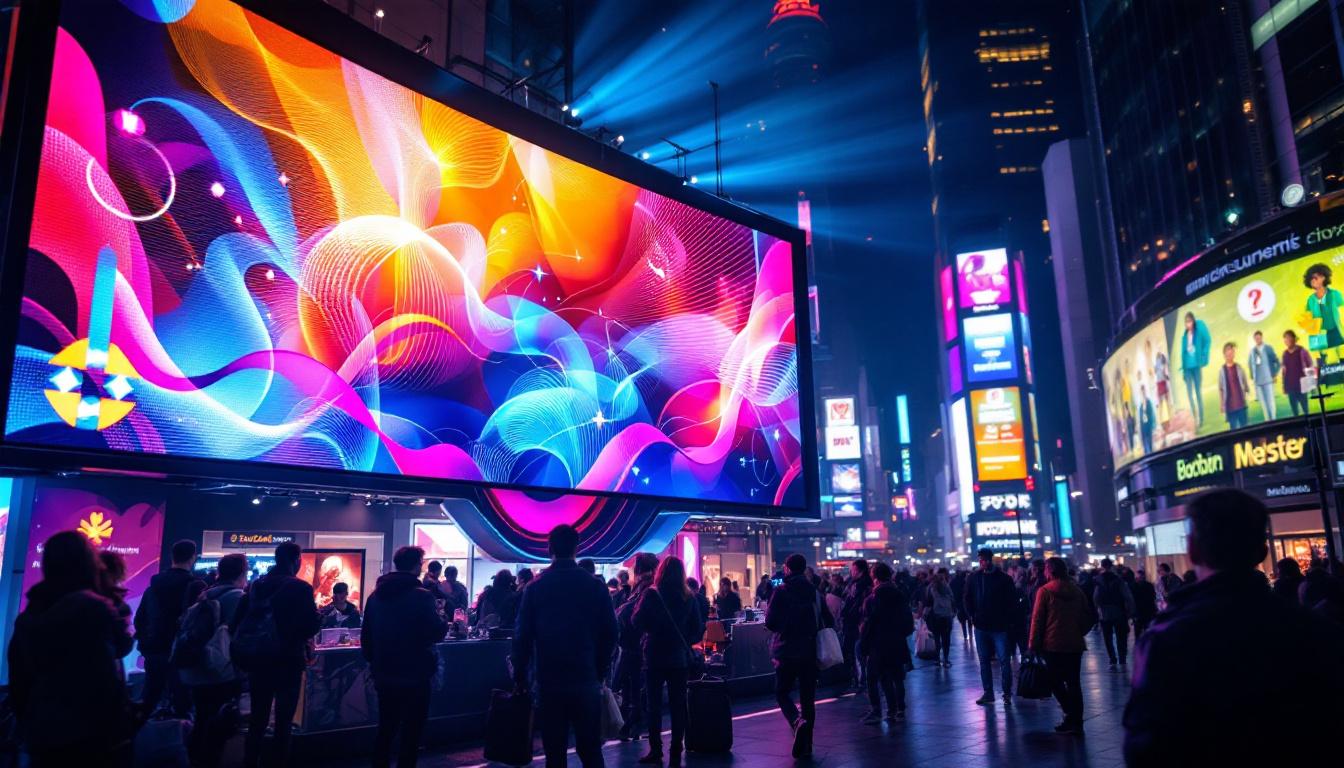
One of the most prominent uses of see-through LED monitors is in retail environments. Transparent displays can be integrated into store windows, allowing retailers to showcase dynamic advertisements and product information without blocking the view of the merchandise behind the glass.
This dual functionality enhances customer engagement by combining physical product visibility with digital storytelling. According to a 2023 report by Grand View Research, the transparent display market is expected to grow at a compound annual growth rate (CAGR) of over 20% through 2030, driven largely by retail and advertising sectors. Retailers are leveraging this technology not just for advertising but also for creating immersive shopping experiences. For example, interactive displays can allow customers to browse through product catalogs or even customize items in real-time, leading to increased foot traffic and sales conversions.
Automotive Heads-Up Displays (HUDs)
In automotive applications, see-through LED technology is used in heads-up displays that project critical information onto the windshield. This allows drivers to access navigation, speed, and safety alerts without diverting their gaze from the road.
Advancements in transparent LED technology have improved the brightness and clarity of HUDs, making them effective even in bright daylight conditions. This integration enhances driving safety and user experience, with many modern vehicles now incorporating transparent LED HUD systems as standard or optional features. Additionally, the potential for customization in HUDs is expanding; drivers can choose what information they want displayed, from fuel efficiency stats to real-time traffic updates, making their driving experience more personalized and efficient.
Augmented Reality and Smart Glass
See-through monitors are also foundational to augmented reality (AR) devices and smart glass applications. Transparent LED displays can overlay digital content onto real-world objects, facilitating interactive experiences in museums, exhibitions, and industrial settings.
For instance, smart glass windows equipped with transparent LED displays can transform office spaces by showing data analytics or environmental controls directly on the glass, blending seamlessly with the surroundings. This technology is gaining traction as businesses seek innovative ways to integrate digital interfaces into physical environments. In educational settings, AR applications can enhance learning by providing students with interactive visual aids that complement traditional teaching methods, making complex subjects more accessible and engaging. Furthermore, industries such as architecture and construction are utilizing transparent displays to visualize project plans and modifications in real-time, allowing for better collaboration and decision-making among stakeholders.
Technical Challenges and Solutions in See-Through LED Displays
Balancing Transparency and Brightness
One of the primary technical challenges in see-through LED monitors is achieving an optimal balance between transparency and brightness. Higher brightness levels typically require more LEDs or denser pixel arrangements, which can reduce transparency.
Manufacturers address this by optimizing pixel pitch—the distance between individual LEDs—and using advanced materials that allow more light to pass through unlit areas. Additionally, adaptive brightness controls adjust display intensity based on ambient lighting to maintain visibility without compromising transparency.
Color Accuracy and Contrast
Maintaining color fidelity and contrast on a transparent background is more complex than on opaque displays. The background environment can influence perceived colors and reduce contrast, especially in varying lighting conditions.
To mitigate this, see-through LED displays often incorporate sensors that detect ambient light and adjust color profiles dynamically. Some systems use polarizing filters or specialized coatings to enhance contrast and reduce glare, improving the overall viewing experience.
Durability and Integration
Because many see-through monitors are designed for commercial or automotive use, durability is crucial. Transparent LED displays must withstand environmental factors such as temperature fluctuations, moisture, and physical impact.
Advances in protective glass technology and encapsulation methods protect LED components without sacrificing transparency. Moreover, integration with existing infrastructure, such as window frames or vehicle windshields, requires custom engineering to ensure seamless installation and operation.
The Future of See-Through LED Displays
Emerging Trends and Innovations
Research and development in transparent LED technology continue to push boundaries. Micro-LED technology, which uses microscopic LEDs, promises higher resolution and better energy efficiency, making see-through monitors more practical for everyday use.
Flexible and curved transparent LED displays are also emerging, enabling new form factors for wearable devices, automotive interiors, and architectural installations. These innovations will expand the versatility and appeal of see-through monitors across various sectors.
Potential Impact on Consumer Electronics
As transparent LED technology matures, it is expected to influence consumer electronics significantly. Transparent smartphones, tablets, and laptops could become a reality, offering novel user interfaces and enhanced multitasking capabilities.
Moreover, the integration of transparent displays with artificial intelligence (AI) and Internet of Things (IoT) devices will enable smarter environments where digital content adapts contextually to user needs and surroundings.
Environmental and Economic Considerations
Transparent LED displays are generally more energy-efficient than traditional LCD or OLED screens, contributing to sustainability goals. However, the production process involves complex materials and manufacturing techniques that can impact costs and environmental footprint.
Ongoing efforts to develop eco-friendly materials and scalable manufacturing methods aim to reduce these impacts, making see-through LED monitors more accessible and sustainable in the long term.
Conclusion
See-through monitors powered by LED technology represent a significant leap forward in display innovation. By merging transparency with digital imagery, these displays open new possibilities for immersive advertising, safer driving, interactive environments, and futuristic consumer electronics.
While technical challenges remain, continuous advancements in LED technology, materials science, and manufacturing are rapidly overcoming these barriers. As a result, see-through LED displays are poised to become an integral part of the digital landscape, transforming how people interact with information and their surroundings.
For businesses and consumers alike, understanding the capabilities and potential of see-through LED monitors is essential to leveraging this technology’s full benefits in the years ahead.
Discover the Future of LED Displays with LumenMatrix
Ready to experience the next generation of visual communication? LumenMatrix is at the forefront of LED display innovation, offering a wide range of solutions that bring your brand to life. From Indoor and Outdoor LED Walls to specialized Vehicle and Sports Displays, our products are designed to captivate and engage. Embrace the transformative power of LED Transparent Displays and see how our technology can revolutionize your advertising, entertainment, or information sharing. Check out LumenMatrix LED Display Solutions today and step into a world where clarity and impact go hand in hand.