In today’s fast-paced world, effective communication and data visualization are vital across various industries. LED displays have emerged as a powerful tool in planner systems, offering dynamic, clear, and customizable visual outputs. Whether used in transportation hubs, corporate environments, or public information systems, LED displays enhance the way planners present schedules, updates, and critical information.
This article delves into the fundamentals of LED display technology within planner systems, exploring how they work, their advantages, and the practical applications that make them indispensable in modern planning and operational contexts.
Understanding LED Display Technology
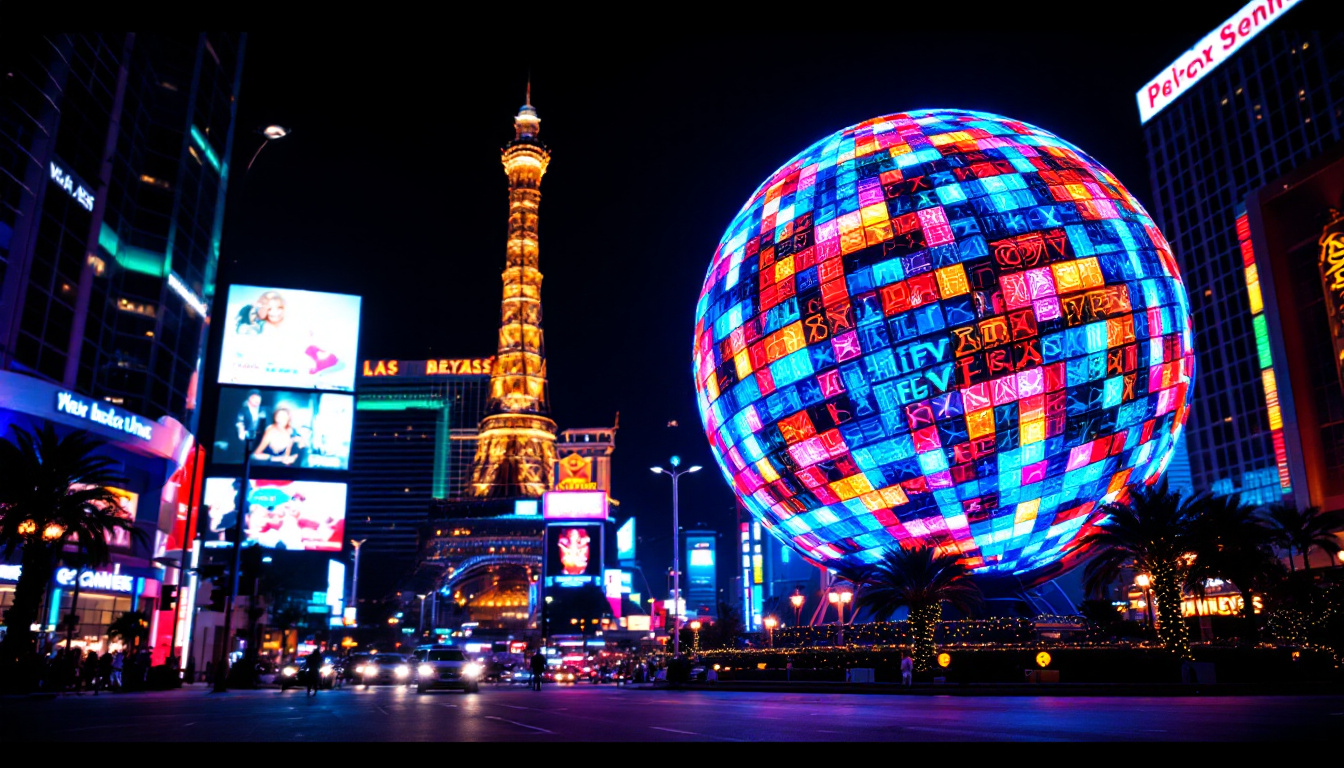
Light Emitting Diode (LED) displays are electronic visual displays that use light-emitting diodes to present information. Unlike traditional LCD or projection displays, LED screens provide superior brightness, contrast, and energy efficiency, making them ideal for both indoor and outdoor environments. Their ability to maintain visibility even in direct sunlight has made them a popular choice for advertising, public information, and event displays, where clear communication is essential.
How LED Displays Work
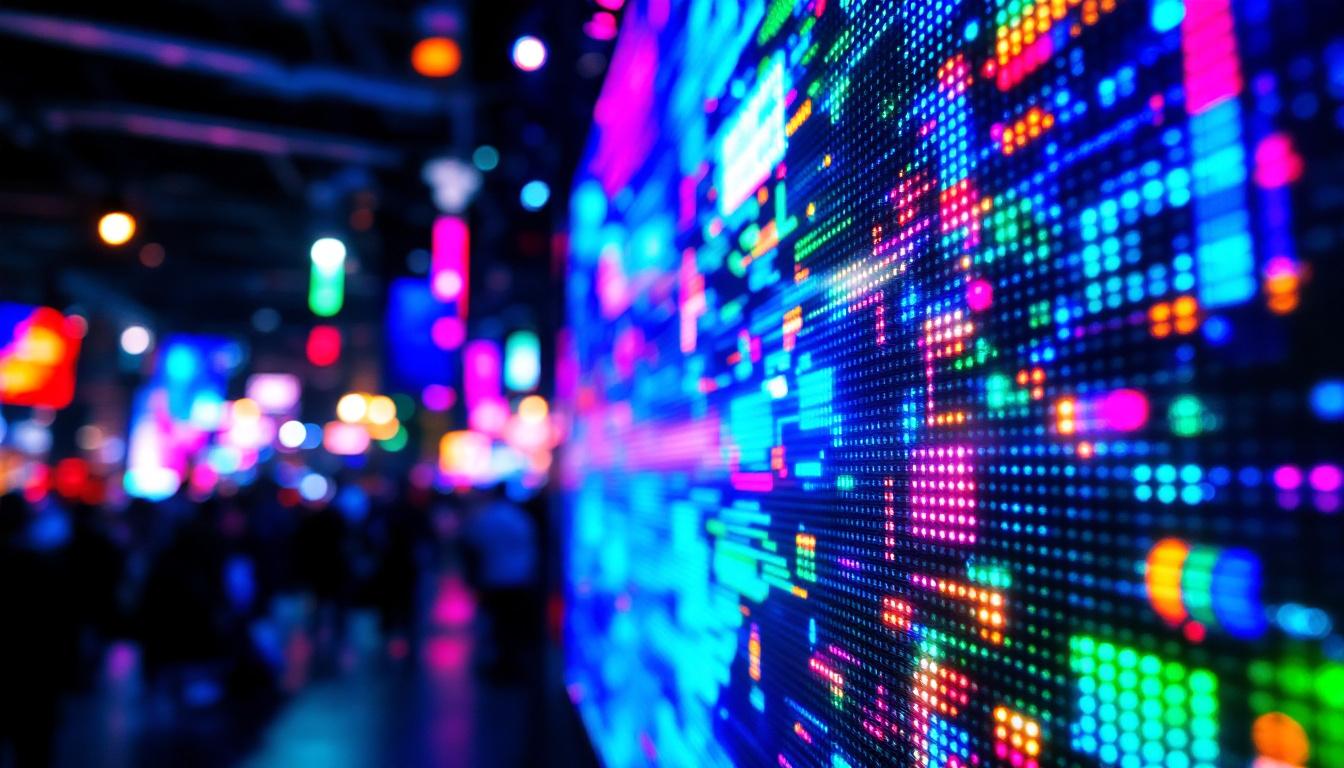
At the core of an LED display are thousands of tiny LEDs arranged in a matrix. Each LED acts as a pixel, emitting light in various colors depending on the configuration. When combined, these LEDs create images, text, or video content that can be easily updated in real-time. The technology behind LED displays allows for rapid refresh rates, ensuring that moving images appear smooth and fluid, which is particularly beneficial for video content and dynamic presentations.
In planner systems, these displays are often connected to scheduling software or data management platforms. This integration allows planners to automatically update information such as timetables, alerts, or announcements, ensuring that the displayed content is always current and accurate. Furthermore, the ability to customize messages and graphics on-the-fly enhances the user experience, making it easier for audiences to stay informed about changes or important updates.
Types of LED Displays Used in Planner Systems
There are several types of LED displays, each suited for different applications within planner systems:
- Monochrome LED Displays: These use a single color, often red or green, and are typically employed for simple text or numeric information like countdown timers or status indicators. Their straightforward design makes them cost-effective and easy to implement in environments where complex visuals are unnecessary.
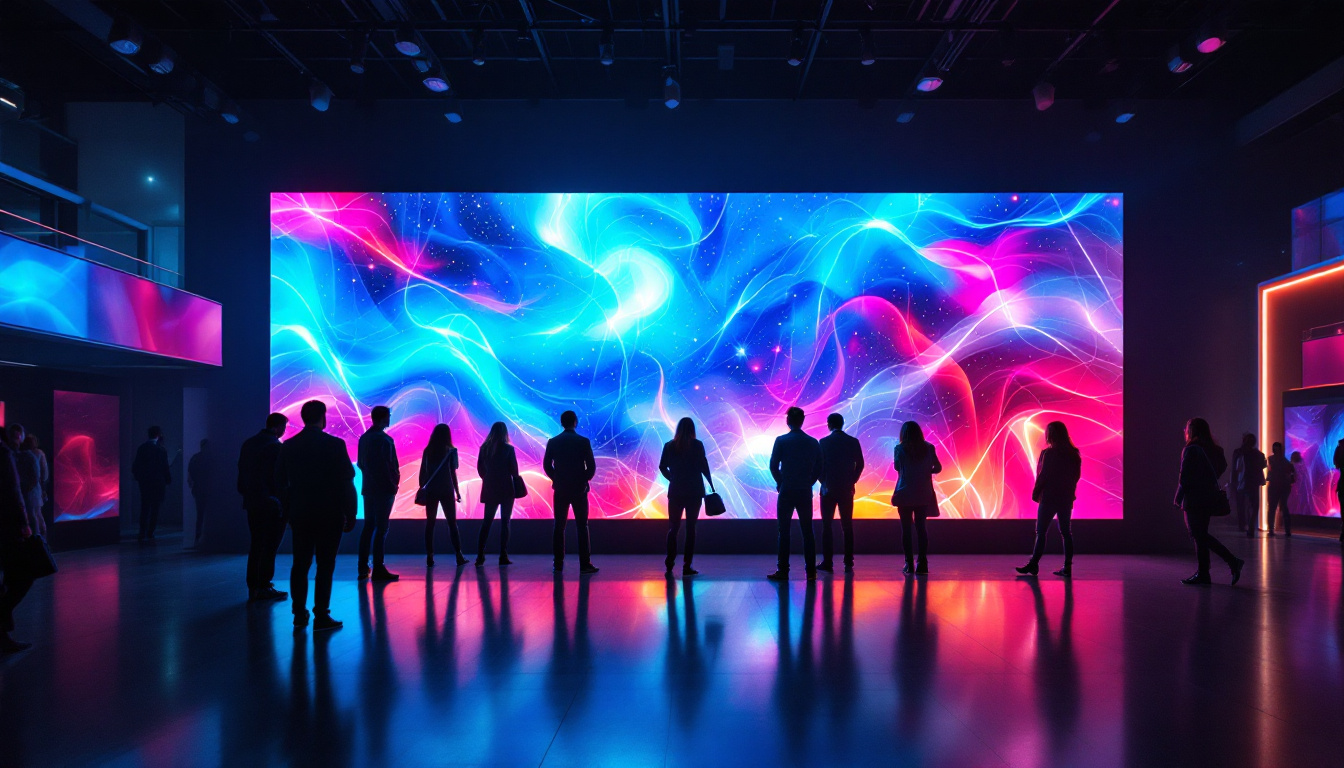
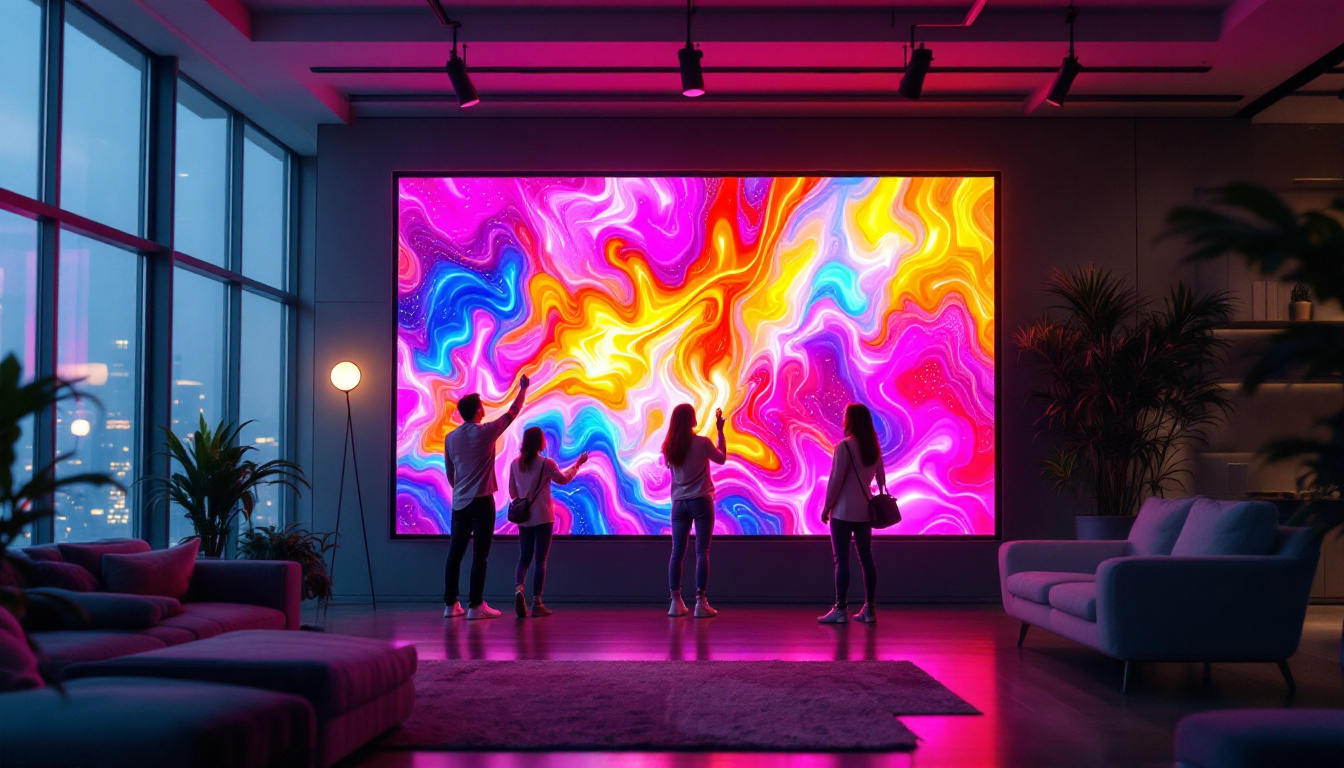
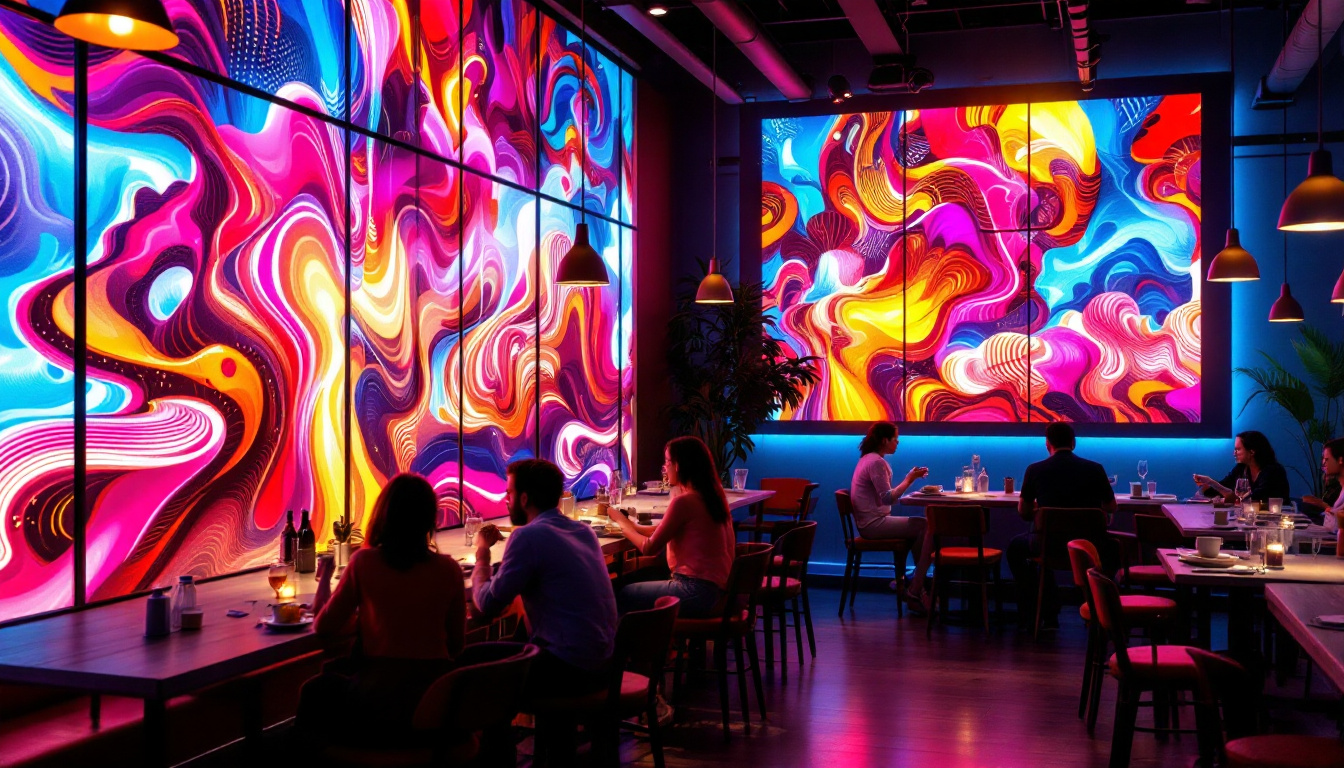
- Full-Color LED Displays: Capable of displaying a wide range of colors, these are used for complex graphics, videos, and detailed schedules, enhancing visual engagement. Their vibrant output captures attention and can be utilized in various settings, from sports arenas to corporate events, where visual impact is crucial.
- Flexible LED Displays: These can be bent or curved to fit unique spaces, offering versatility in design and placement. Their adaptability allows for creative installations, such as wrapping around columns or creating immersive environments, which can significantly enhance the aesthetic appeal of a venue.
In addition to these types, there are also specialized LED displays designed for specific applications, such as transparent LED screens that allow for visibility through the display itself, making them ideal for retail environments where product visibility is key. Moreover, advancements in LED technology have led to the development of energy-efficient models that not only reduce operational costs but also minimize environmental impact, aligning with the growing demand for sustainable solutions in technology.
Advantages of Using LED Displays in Planner Systems
LED displays offer multiple benefits that make them particularly well-suited for planner systems. Their ability to deliver clear, dynamic information supports operational efficiency and enhances user experience.
High Visibility and Readability
One of the primary advantages of LED displays is their exceptional brightness and contrast. This ensures that information remains visible in various lighting conditions, from bright sunlight to dimly lit indoor areas. For planners, this means critical updates and schedules can be easily read by staff and the public alike, reducing confusion and improving communication. Furthermore, the wide viewing angles of LED technology allow multiple people to view the display simultaneously without losing clarity, which is particularly beneficial in crowded environments where information needs to be accessible to all.
Real-Time Updates and Flexibility
Planner systems often require frequent updates to reflect changes in schedules, events, or operational statuses. LED displays can be updated instantly through connected software systems, allowing for seamless real-time communication. This flexibility is crucial in environments like transportation terminals or event venues, where timely information dissemination is essential. Moreover, the integration of LED displays with mobile applications and social media platforms can enhance engagement, as users can receive notifications directly on their devices, ensuring they are always informed of the latest updates.
Energy Efficiency and Durability
Compared to older display technologies, LEDs consume significantly less power, which translates to lower operating costs and a smaller environmental footprint. Additionally, LED displays are built to withstand harsh conditions, including extreme temperatures and weather exposure, making them reliable for both indoor and outdoor planner systems. Their long lifespan further contributes to sustainability, as fewer replacements are needed over time, reducing waste and the demand for new materials. This durability also means that maintenance costs are minimized, allowing organizations to allocate resources more effectively.
Customization and Scalability
LED displays can be tailored in size, resolution, and layout to fit the specific needs of a planner system. Whether it’s a compact display showing a simple schedule or a large video wall presenting complex data, LED technology supports scalable solutions that grow with organizational requirements. Additionally, the ability to incorporate interactive features, such as touchscreens or QR code scanning, allows planners to create engaging experiences that encourage user interaction. This adaptability not only enhances the functionality of the displays but also ensures that they can evolve alongside technological advancements and changing user expectations.
Applications of LED Displays in Planner Systems
LED displays have become integral to numerous sectors where planning and timely communication are critical. Their adaptability and effectiveness have led to widespread adoption across various industries.
Transportation and Transit Planning
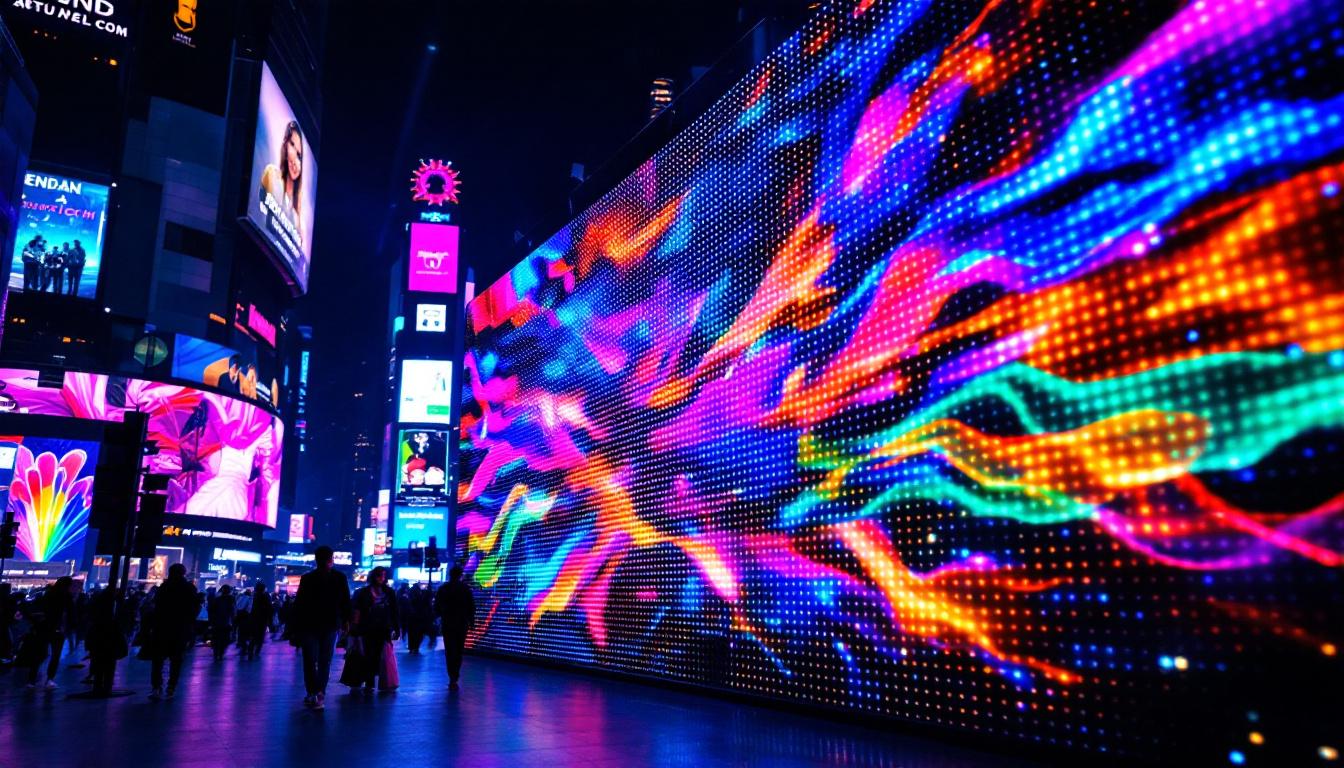
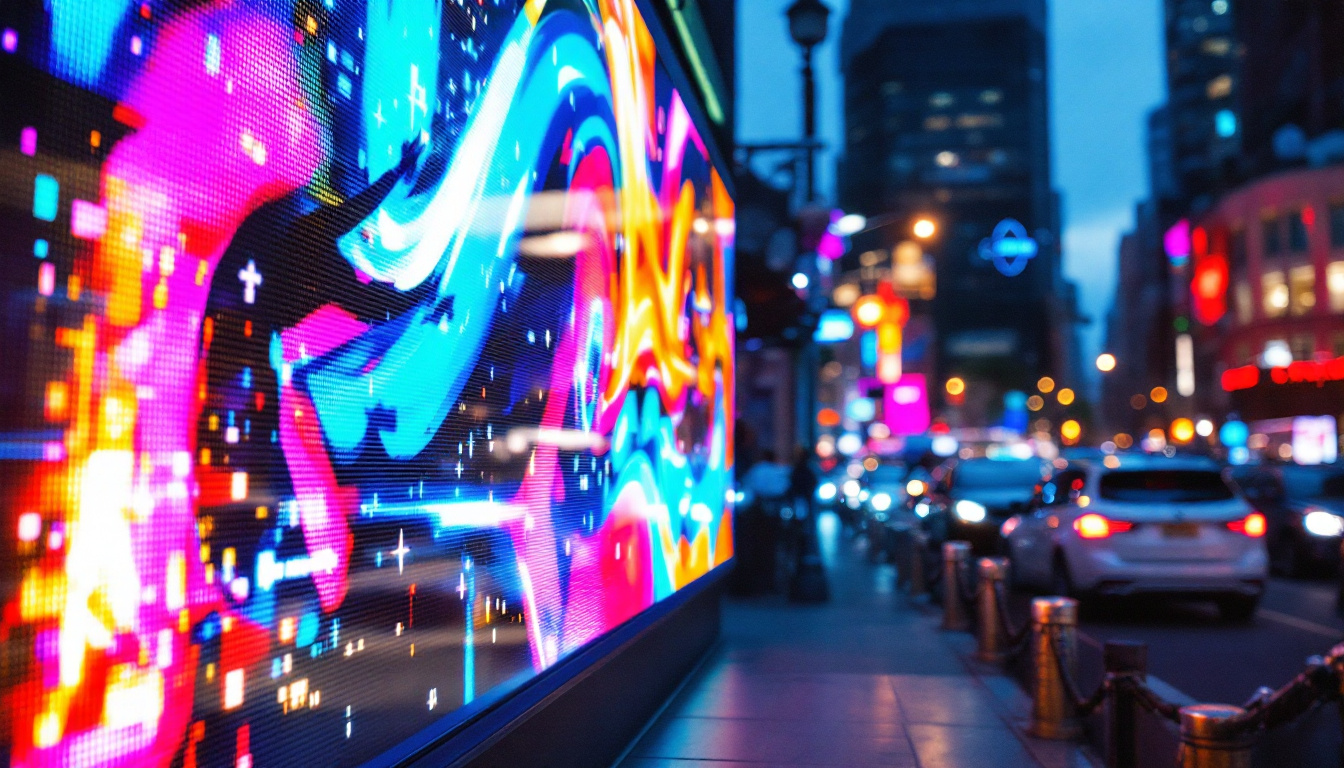
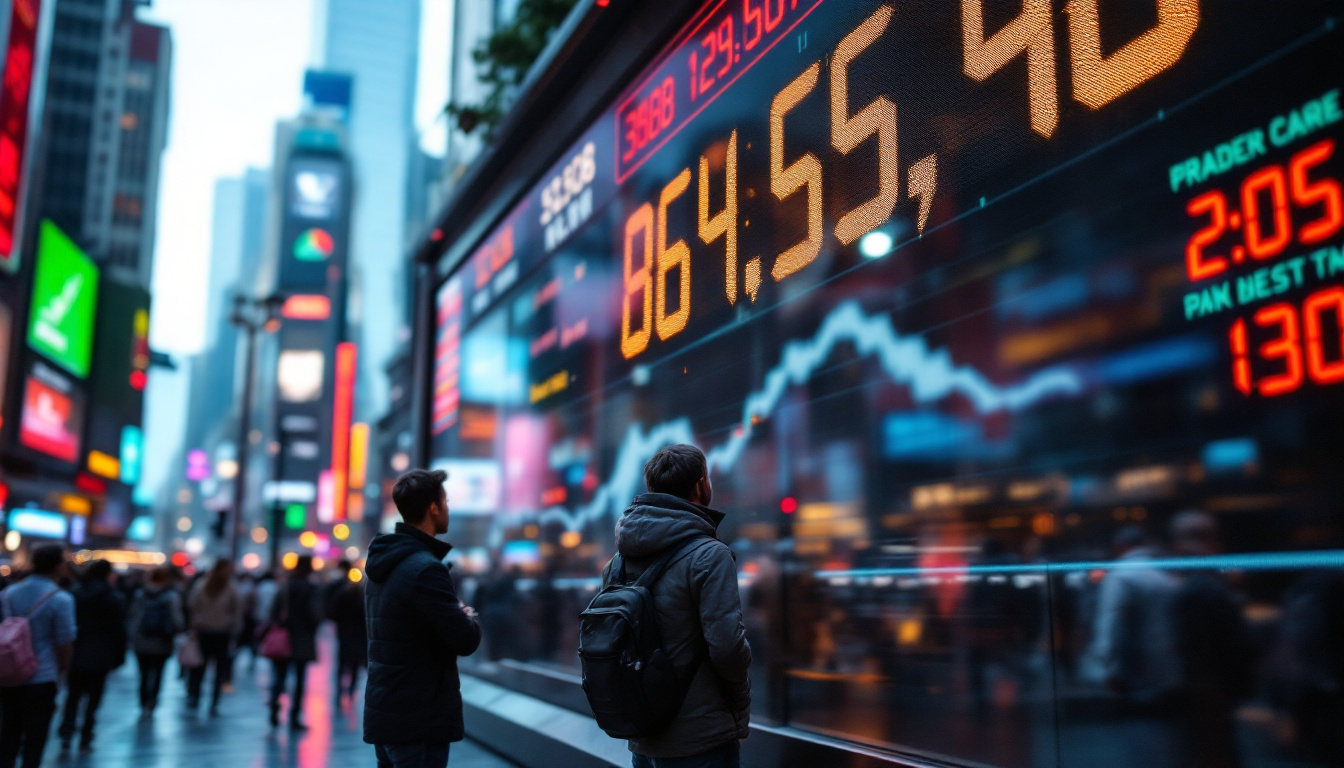
Perhaps the most visible use of LED displays in planner systems is in transportation hubs such as airports, train stations, and bus terminals. These displays provide passengers with up-to-the-minute information about arrivals, departures, delays, and platform changes.
For example, the New York City subway system uses extensive LED signage to keep millions of daily commuters informed. The ability to update information in real-time helps reduce passenger anxiety and improves overall transit efficiency.
Corporate and Event Scheduling
In corporate environments, LED displays are used to manage meeting room schedules, display company announcements, and track project timelines. Event venues utilize LED screens to guide attendees, display event agendas, and broadcast live updates.
The flexibility of LED displays allows planners to dynamically adjust content based on real-time changes, ensuring that all stakeholders remain informed and coordinated.
Public Information and Emergency Management
City planners and emergency response teams rely on LED displays to disseminate critical information quickly. From weather alerts to evacuation instructions, these displays serve as vital communication tools in crisis situations.
For instance, during natural disasters, LED signage can be used to broadcast safety messages and route directions, helping to manage public safety effectively.
Integrating LED Displays with Planner Systems
To maximize the benefits of LED displays, integration with robust planner systems and software platforms is essential. This ensures that data flows seamlessly from planning tools to the visual displays.
Software Compatibility and Data Management
Modern planner systems often include scheduling software, resource management tools, and communication platforms. Integrating these with LED display controllers allows for automatic content updates without manual intervention.
For example, a transit authority’s scheduling software can feed live updates directly to LED displays on platforms, ensuring passengers receive the latest information without delay.
Network Connectivity and Control
LED displays in planner systems are typically networked via wired or wireless connections. Centralized control software enables planners to manage multiple displays from a single interface, streamlining operations and reducing the risk of errors.
Advanced systems also support remote monitoring and diagnostics, allowing technical teams to ensure displays are functioning optimally at all times.
Customization and User Interface Design
The design of the content displayed on LED screens is critical for effective communication. Planner systems often incorporate user-friendly interfaces that allow non-technical staff to customize messages, schedules, and alerts easily.
Good design practices include using legible fonts, appropriate color contrasts, and concise messaging to maximize readability and impact.
Future Trends in LED Displays for Planner Systems
As technology evolves, LED displays continue to advance, offering new possibilities for planner systems. Innovations in resolution, interactivity, and integration are shaping the future landscape of information display.
Higher Resolution and Mini-LED Technology
Emerging mini-LED and micro-LED technologies provide higher pixel densities and improved color accuracy. This allows for sharper images and more detailed content, which is particularly beneficial for complex scheduling and data visualization.
Interactive and Touch-Enabled Displays
Interactive LED displays are gaining traction in planner systems, enabling users to engage directly with the content. Touch-enabled screens allow for on-the-fly adjustments, personalized information retrieval, and enhanced user interaction.
Integration with Artificial Intelligence and IoT
The integration of LED displays with AI and Internet of Things (IoT) devices promises smarter, context-aware information systems. For example, AI-driven analytics can predict crowd flow and automatically adjust displayed schedules or alerts to optimize user experience.
IoT sensors can provide real-time environmental data, which can be displayed to inform planners and the public, enhancing situational awareness and decision-making.
Conclusion
LED displays have revolutionized planner systems by providing a versatile, reliable, and visually impactful medium for communication. Their ability to deliver real-time, clear, and customizable information supports efficient planning and operational excellence across numerous industries.
As LED technology continues to advance and integrate with emerging digital tools, planner systems will become even more dynamic and responsive, meeting the growing demands of modern information dissemination and management.
Organizations looking to enhance their planning capabilities should consider investing in LED display solutions tailored to their specific needs, ensuring they remain at the forefront of effective communication and operational efficiency.
Discover LumenMatrix LED Display Solutions
Ready to elevate your planner system with the latest in LED technology? LumenMatrix offers a diverse range of LED display modules designed to captivate your audience and enhance your brand’s visibility. From Indoor and Outdoor LED Wall Displays to innovative solutions like Vehicle LED Displays and LED Transparent Displays, our mission is to transform your visual communication with clarity and impact. Don’t miss out on the opportunity to create unforgettable visual experiences. Check out LumenMatrix LED Display Solutions today and lead the way in dynamic and efficient information management.