In the rapidly evolving world of digital signage, curved LED displays have emerged as a compelling solution for businesses and event organizers seeking to captivate audiences with dynamic, immersive visuals. Among the many formats and design elements used in digital advertising and presentations, the concept of a “curved banner PNG” often comes up—especially when discussing flexible and eye-catching LED display designs. This article explores the technology behind curved LED displays, the role of digital banner assets like PNG files, and why curved LED banners are gaining popularity in various industries.
Understanding Curved LED Displays
What Is a Curved LED Display?
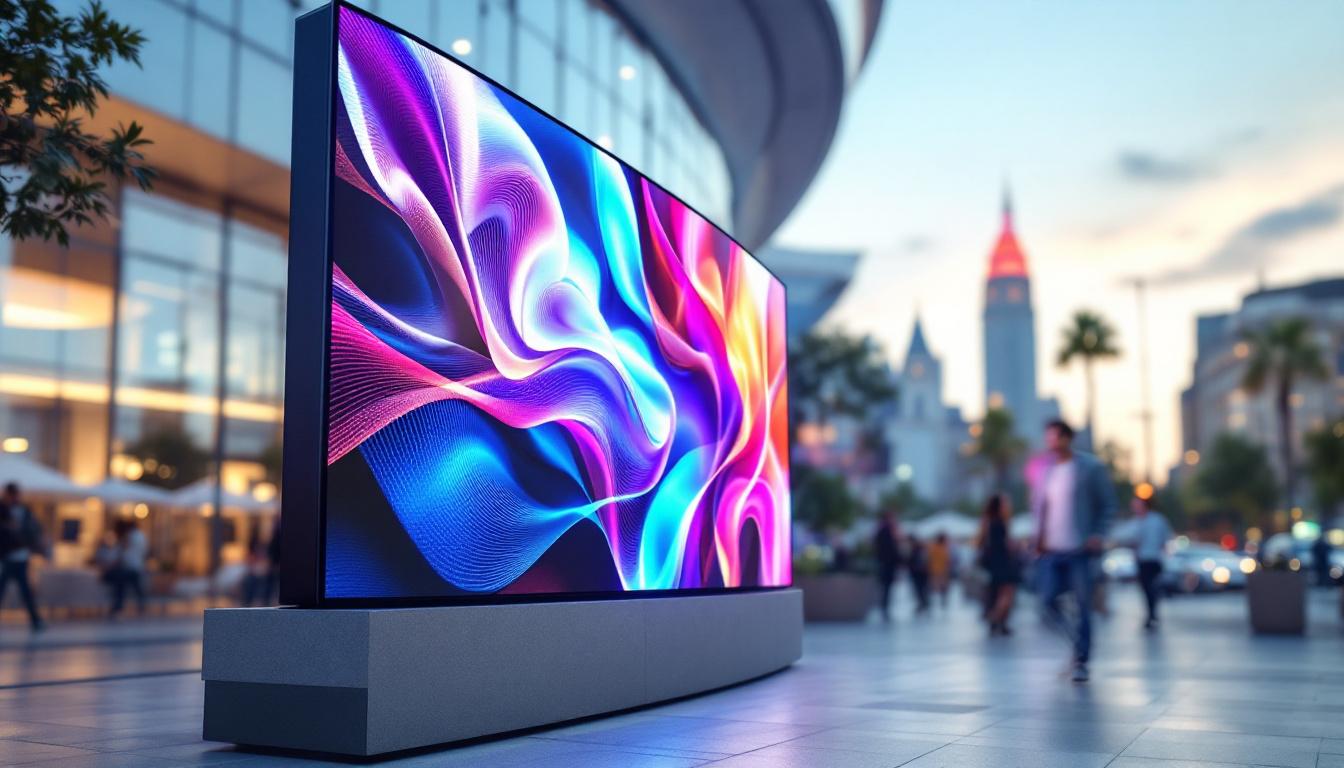
Curved LED displays are digital screens composed of light-emitting diodes arranged on a flexible or segmented surface that can be bent or curved to fit specific architectural or design needs. Unlike traditional flat LED panels, curved LED screens wrap around surfaces or stand alone in a concave or convex form, creating a more engaging visual experience.
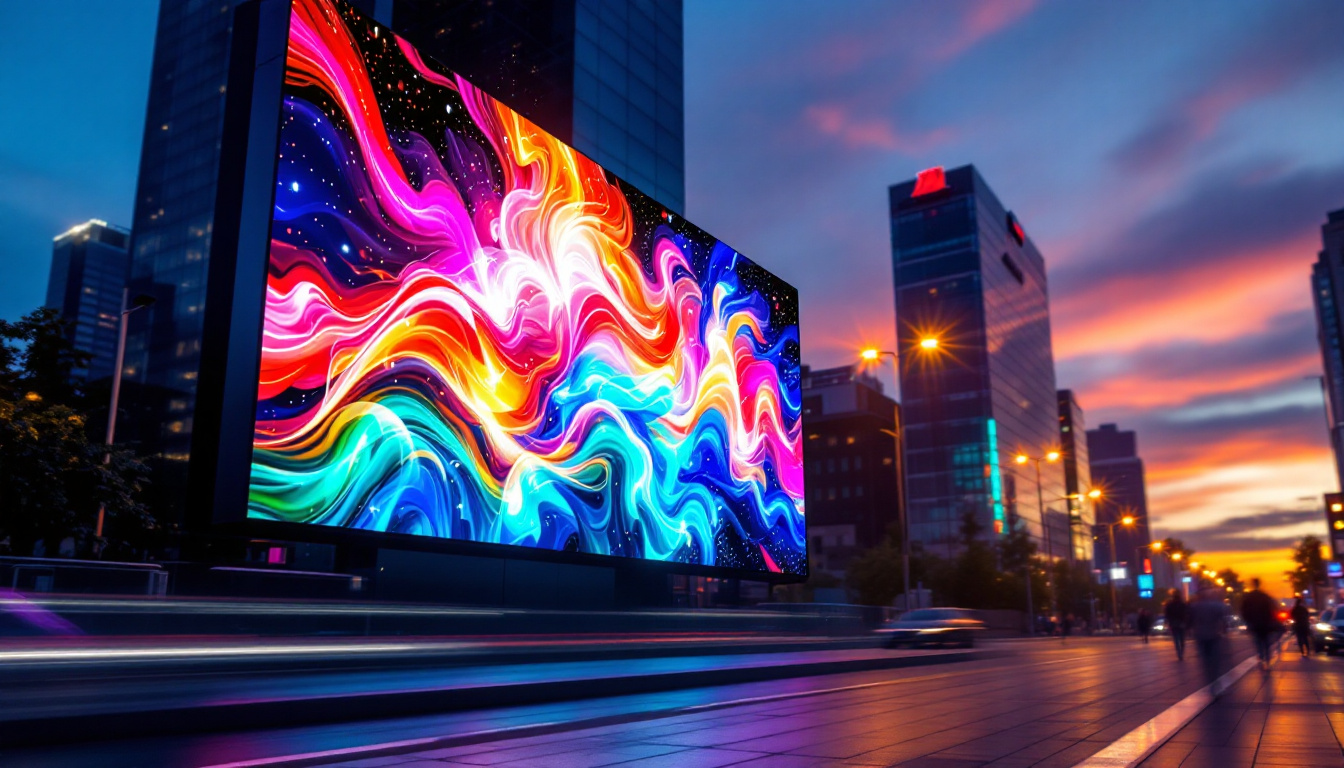
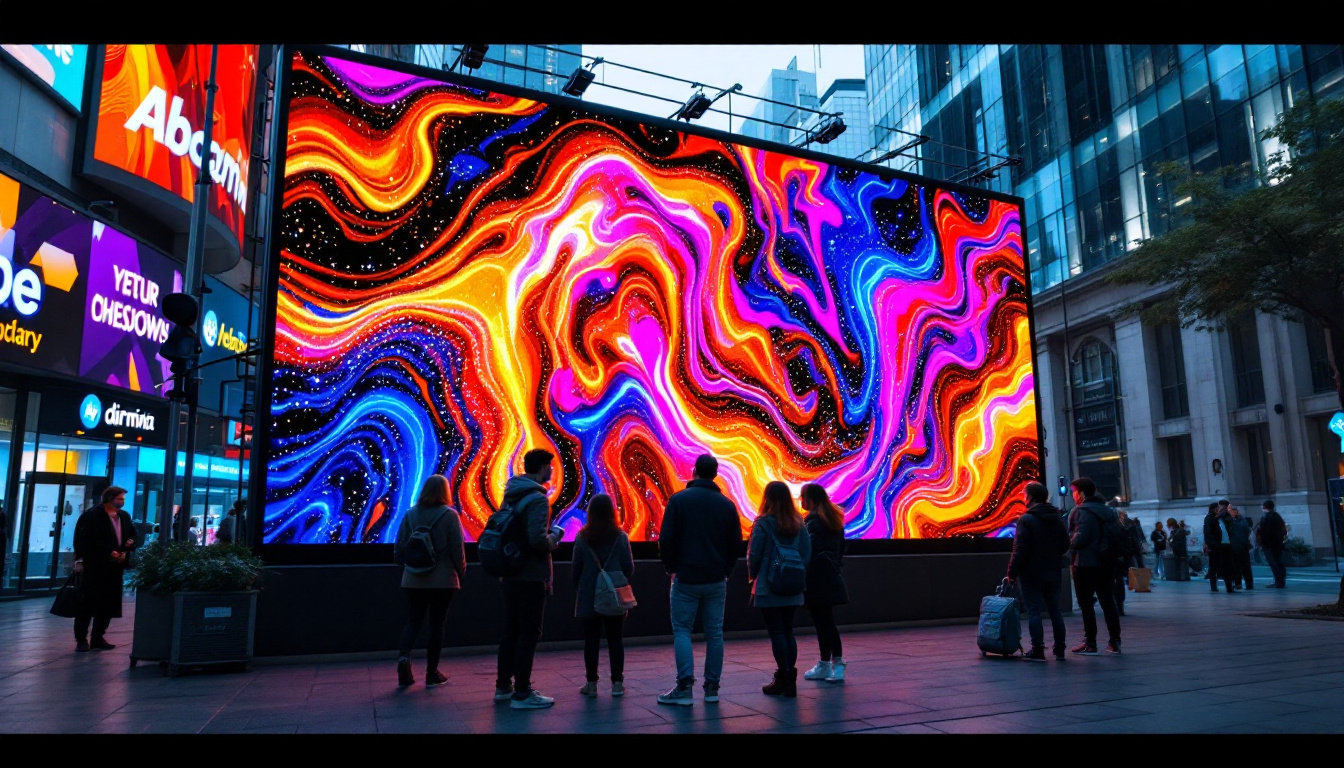
These displays range from gently curved billboards to complex 360-degree cylindrical screens and are used in environments such as retail stores, concert stages, airports, and sports arenas. The curvature enhances the field of view and reduces glare, making the content more visible and immersive from multiple angles. Additionally, the dynamic nature of curved displays allows for creative storytelling and advertising strategies that can captivate audiences in ways that flat screens cannot. For instance, a curved display in a retail setting can draw customers in with vibrant visuals that wrap around them, creating an inviting atmosphere that encourages exploration and interaction.
Technical Components and Construction
Curved LED displays are typically constructed using modular panels that can be seamlessly connected and angled to achieve the desired curvature. Each panel contains thousands of tiny LEDs that emit light in red, green, and blue wavelengths, combining to produce millions of colors. The pixel pitch—the distance between individual LEDs—affects the resolution and clarity of the display, with smaller pitches delivering sharper images.
The flexibility of the panels varies: some use rigid segments connected by hinges, while others incorporate flexible printed circuit boards (FPCBs) that allow for smoother curves. Advanced driver electronics and calibration software ensure uniform brightness and color consistency across the curved surface, which is critical for professional-grade displays. Moreover, the construction of these displays often includes robust materials that enhance durability, making them suitable for both indoor and outdoor applications. The integration of smart technology, such as sensors and connectivity features, allows for real-time content updates and interactive capabilities, further enhancing the viewer’s experience and engagement with the display.
The Role of Curved Banner PNG Files in LED Display Design
What Is a PNG File and Why Use It?
PNG (Portable Network Graphics) is a popular image format widely used for digital graphics due to its lossless compression and support for transparent backgrounds. This transparency feature is especially valuable when designing digital banners for LED displays, as it allows designers to overlay images and text without unwanted background colors interfering with the display’s content.
When creating digital banners for curved LED displays, PNG files enable designers to produce crisp, clean graphics that can be easily manipulated to fit the curved surface. The ability to maintain image quality without pixelation or distortion is crucial for maintaining professional and visually appealing signage. Moreover, PNG files support a wide range of color depths, allowing for vibrant and detailed imagery that can capture the attention of passersby, making them an ideal choice for advertising and promotional displays.
Design Considerations for Curved Banner PNGs
Designing for a curved LED display involves more than just creating a flat image. Because the screen bends, the banner’s graphics must account for distortion and viewing angles. Designers often use specialized software to simulate how a PNG banner will appear once wrapped around the curved surface, adjusting the image accordingly to prevent stretching or warping. This process often includes creating multiple mock-ups to visualize how different elements interact with the curvature, ensuring that the final product is both aesthetically pleasing and functional.
Additionally, the resolution of the PNG file must match the LED display’s pixel density to ensure clarity. For example, a large curved LED billboard with a pixel pitch of 3mm requires a high-resolution PNG file to avoid visible pixelation. Designers also need to consider color calibration since LED displays can render colors differently than standard monitors. This means that colors may appear more saturated or muted on an LED screen, necessitating adjustments during the design phase. Furthermore, understanding the ambient lighting conditions where the display will be located is essential, as this can significantly affect how the colors and details of the banner are perceived by the audience. By taking these factors into account, designers can create compelling, high-quality banners that effectively communicate their message in any environment.
Applications of Curved LED Banners
Retail and Advertising
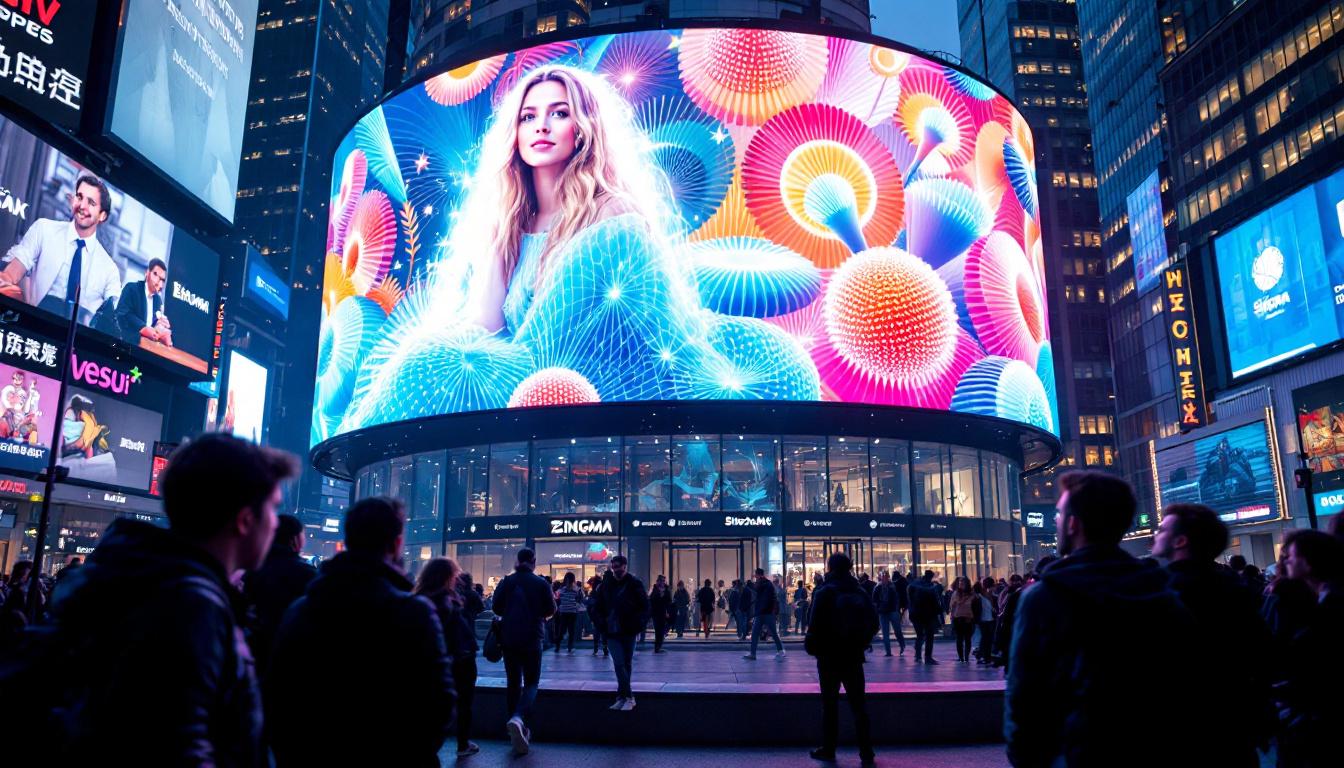
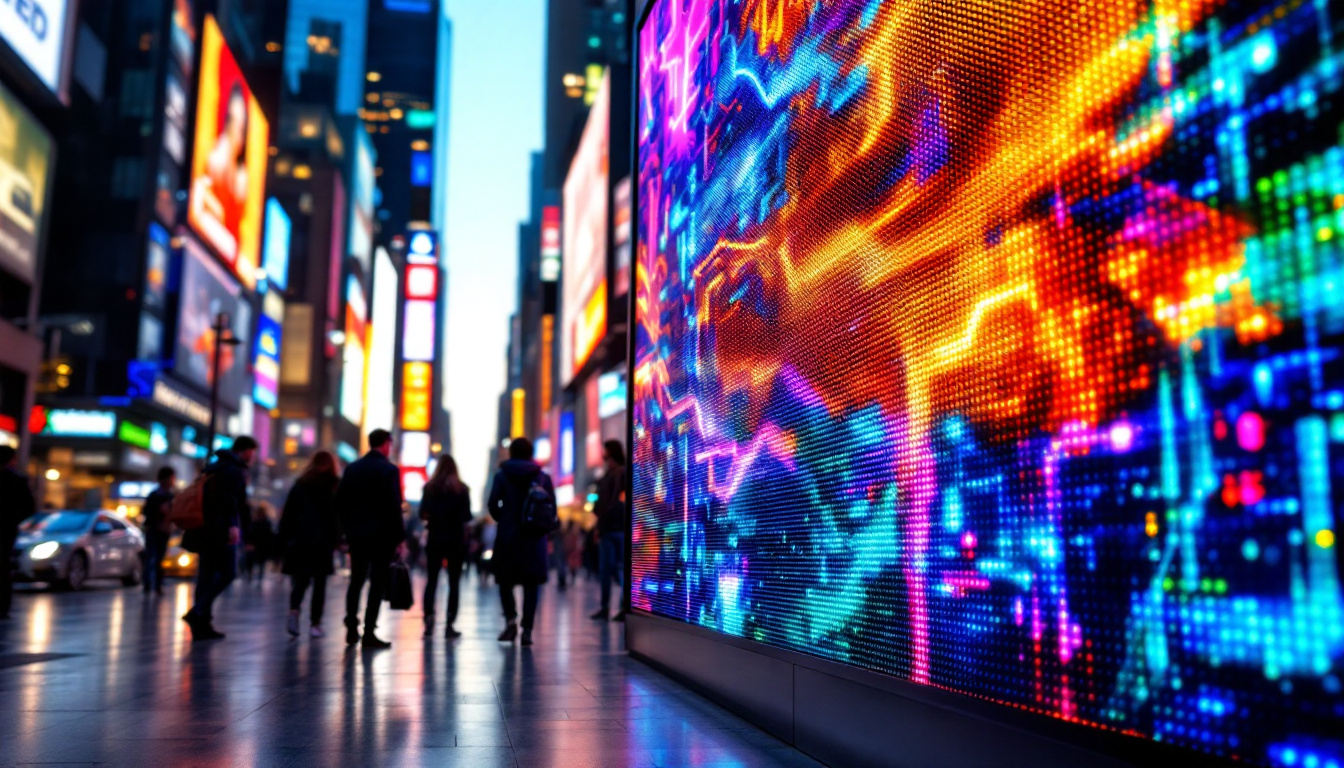
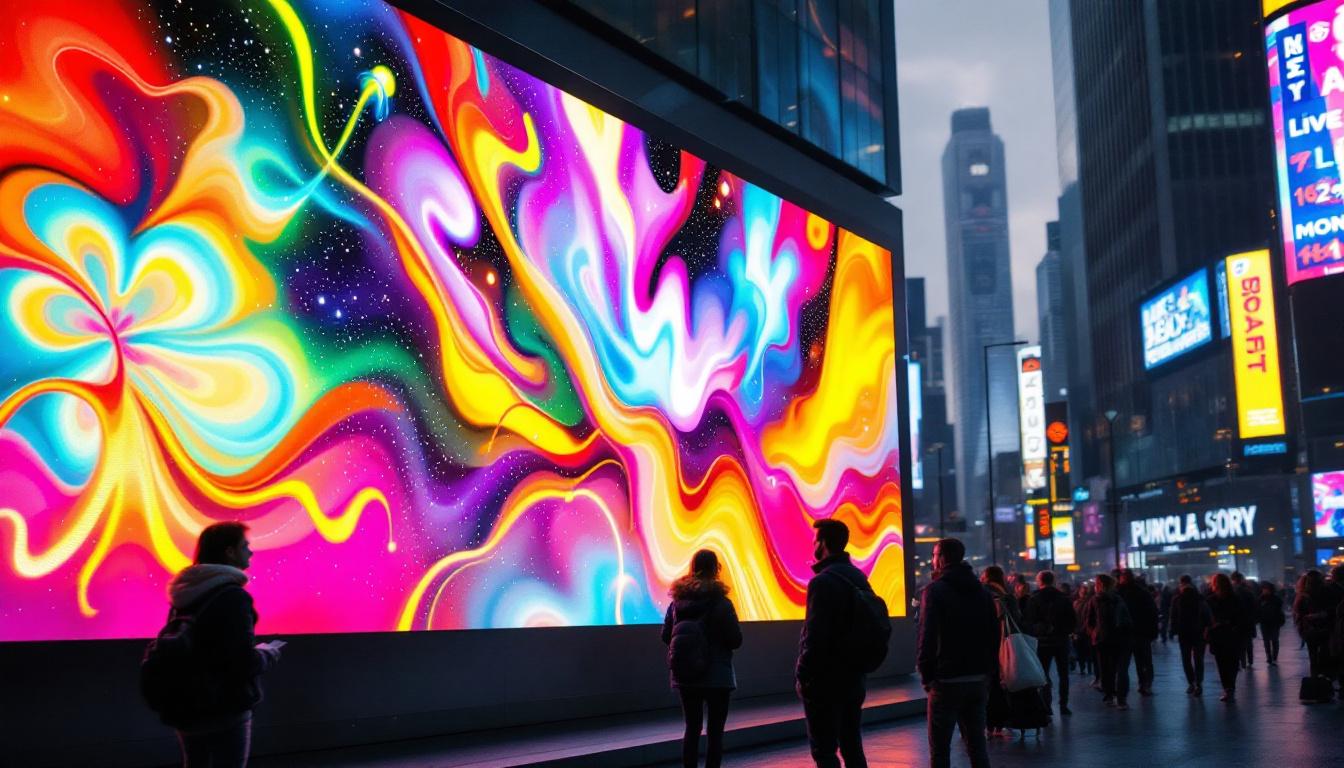
Curved LED banners have revolutionized retail advertising by offering brands a unique way to attract customer attention. Shopping malls and storefronts use curved LED displays to showcase promotions, new products, and interactive content. The curvature allows the banner to wrap around pillars or storefront edges, maximizing visibility and engagement.
According to recent market research, digital out-of-home advertising, which includes LED displays, is expected to grow at a compound annual growth rate (CAGR) of over 10% through 2027. Curved LED banners are a significant contributor to this growth due to their ability to stand out in crowded urban environments.
Events and Entertainment
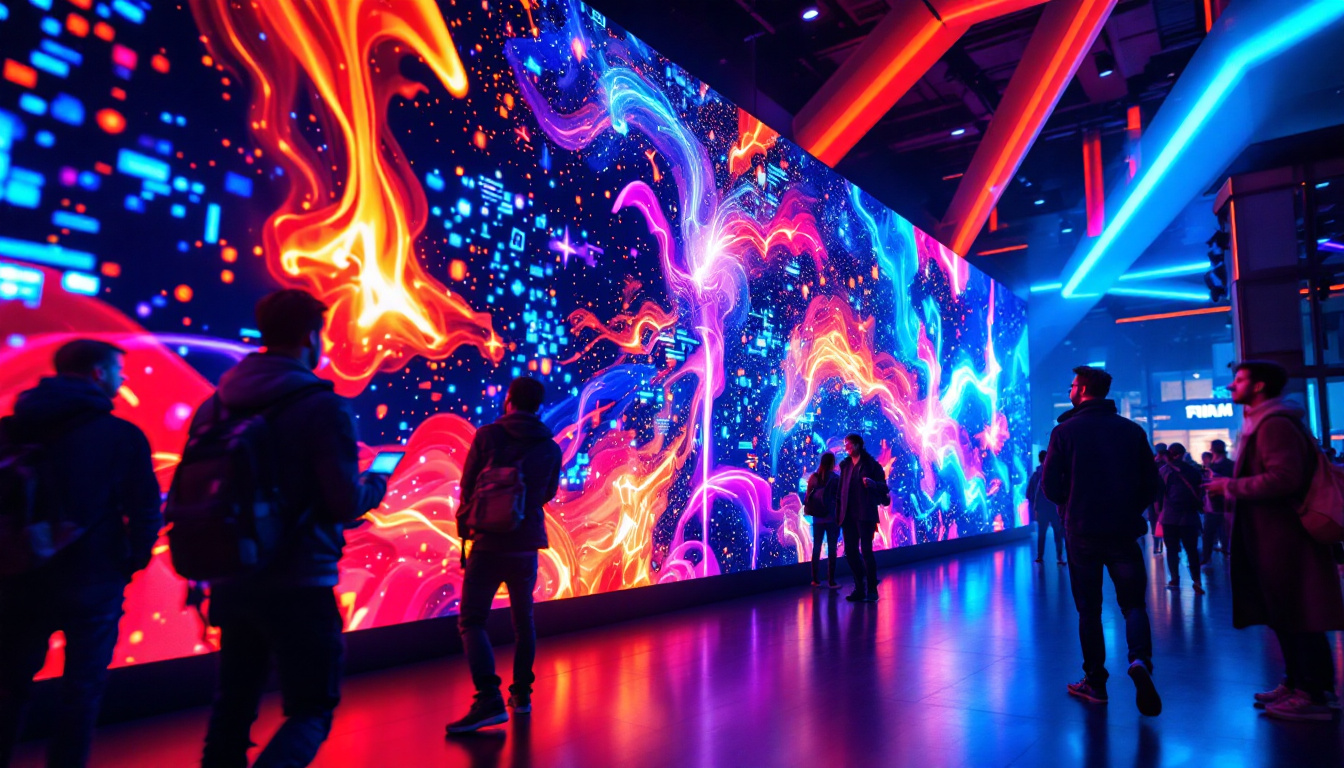
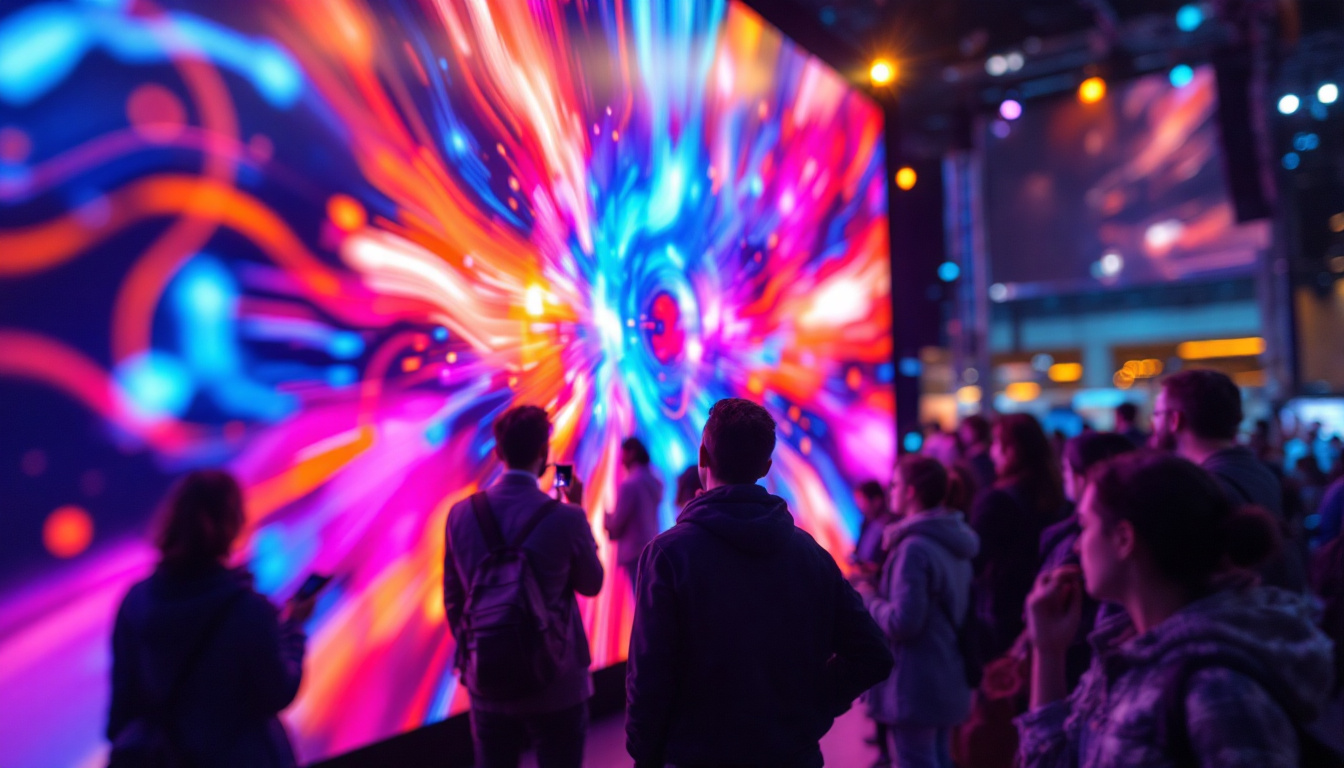
Concerts, festivals, and sports arenas increasingly incorporate curved LED screens to enhance the audience experience. These displays can be configured as immersive backdrops or panoramic video walls that envelop the stage or seating area. The curved design enhances sightlines and creates a sense of depth, making performances more visually captivating.
For example, major music festivals have adopted curved LED walls to display live feeds, graphics, and interactive visuals that sync with performances. This integration of curved LED technology elevates the production value and audience engagement.
Corporate and Public Spaces
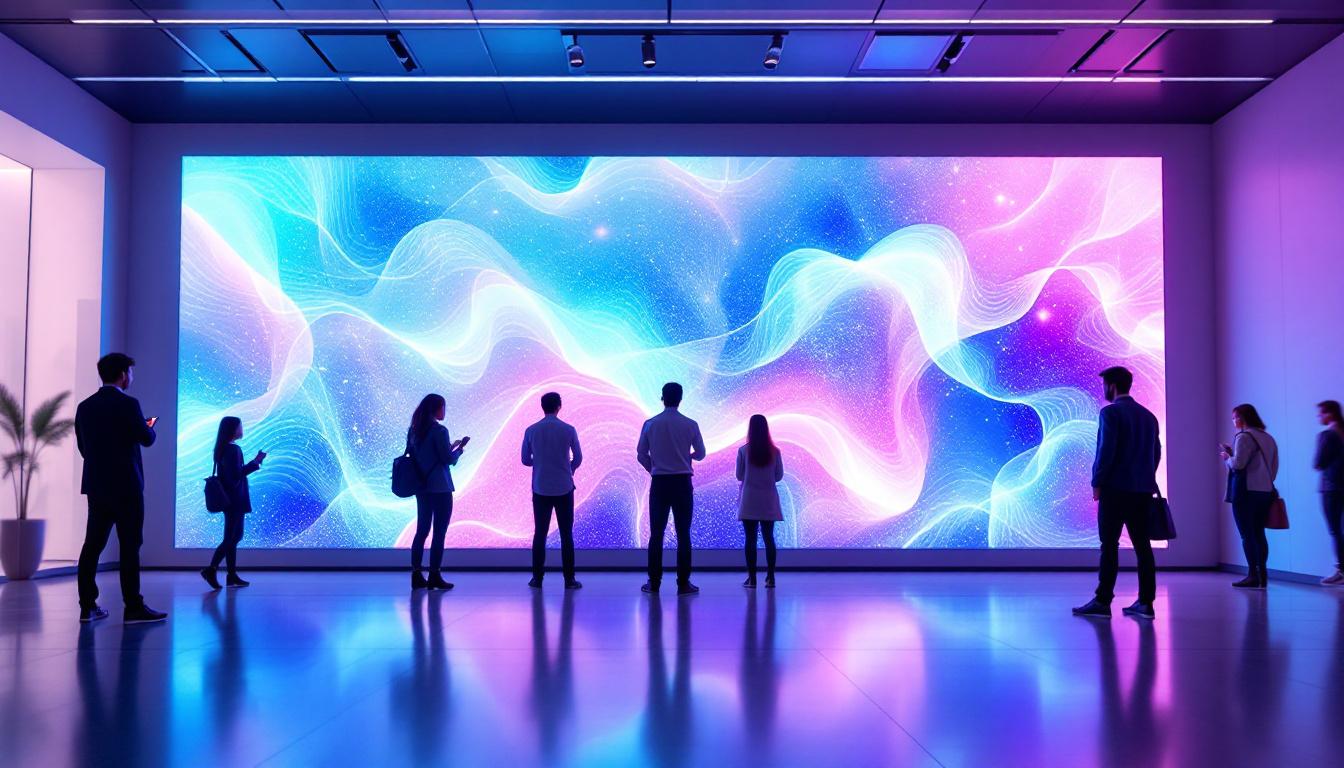
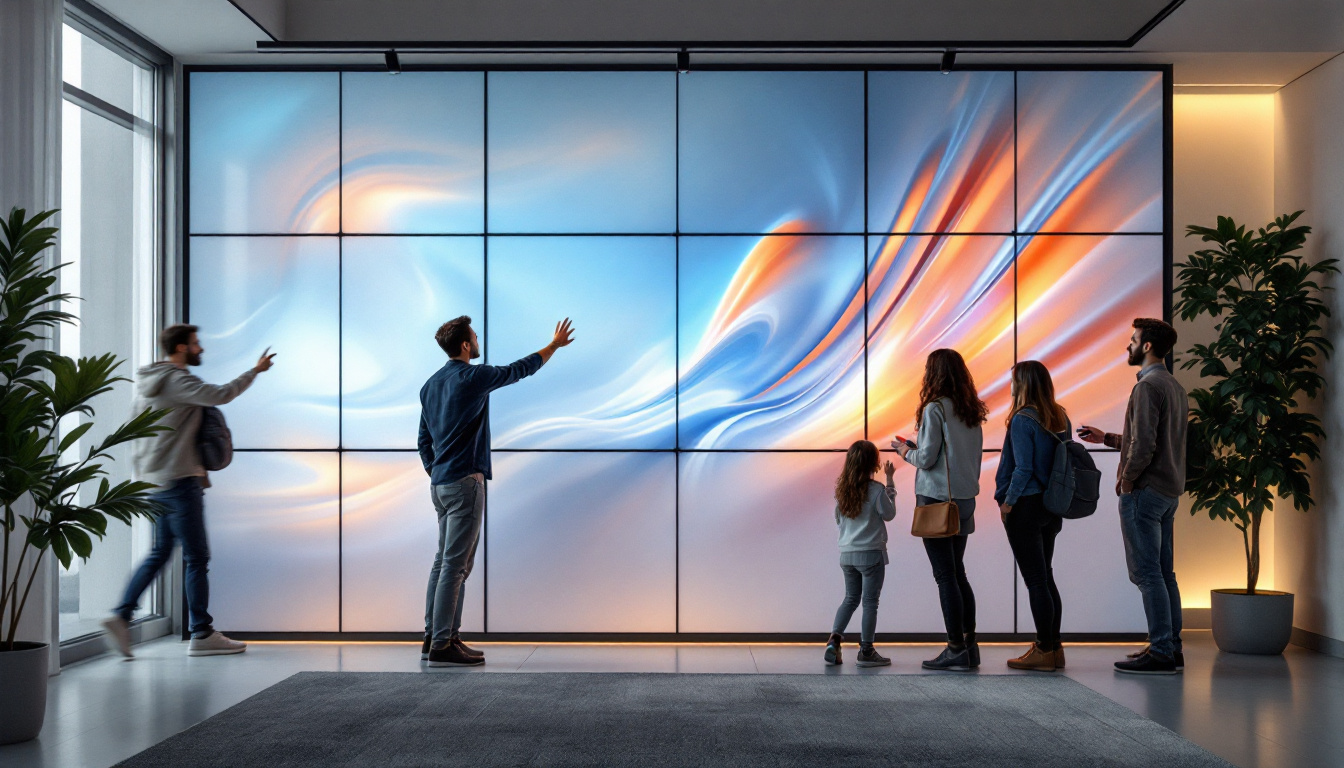
In corporate lobbies, airports, and museums, curved LED banners serve both informational and aesthetic purposes. They can display real-time data, wayfinding information, or branded content in a visually appealing format that complements architectural features.
Curved LED installations in public spaces often become landmarks themselves, blending technology with design to create memorable environments. Their ability to conform to unique shapes allows architects and designers to integrate digital signage seamlessly into their projects.
Benefits of Curved LED Displays Over Traditional Flat Screens
Enhanced Viewing Experience
Curved LED displays provide a wider field of view compared to flat screens. The curvature reduces distortion at the edges and minimizes reflections, resulting in a more comfortable and immersive viewing experience. This is particularly beneficial in large venues where audiences view the screen from various angles.
Design Flexibility and Aesthetic Appeal
The ability to curve LED panels opens up new creative possibilities for designers and advertisers. Curved banners can follow architectural lines, wrap around columns, or create 3D shapes that stand out in public spaces. This flexibility helps brands differentiate themselves and capture attention more effectively.
Improved Brightness and Contrast
Because curved displays direct light more efficiently toward the viewer, they often deliver better perceived brightness and contrast. This is crucial in environments with high ambient light, such as outdoor advertising or brightly lit indoor spaces.
Challenges and Considerations When Using Curved LED Banners
Cost and Installation Complexity
Curved LED displays generally cost more than flat panels due to their specialized design and manufacturing processes. Installation can also be more complex, requiring precise alignment and calibration to ensure seamless visuals. Businesses must weigh these factors against the potential benefits of enhanced engagement and visibility.
Content Creation and Adaptation
Creating content for curved LED banners requires expertise in graphic design and an understanding of how images will appear on a curved surface. This often means additional time and resources are needed to produce optimized content that avoids distortion and maximizes impact.
Maintenance and Durability
While LED technology is known for durability, curved displays may face unique challenges related to their shape, such as stress on flexible components or difficulties in accessing certain panels for repairs. Regular maintenance and quality installation are essential to ensure long-term performance.
Future Trends in Curved LED Display Technology
Advancements in Flexible and Transparent LEDs
Research into flexible LED materials and transparent displays is paving the way for even more innovative curved signage solutions. Flexible LEDs embedded in thin, bendable substrates will allow for smoother curves and new form factors, including wearable displays and dynamic architectural elements.
Integration with Interactive Technologies
Curved LED banners are increasingly being combined with interactive technologies such as touch sensors, motion tracking, and augmented reality (AR). This integration transforms static displays into engaging platforms that respond to audience behavior, enhancing user experience and data collection.
Energy Efficiency and Sustainability
As sustainability becomes a priority, LED manufacturers are focusing on reducing power consumption and using eco-friendly materials. Curved LED displays benefit from these innovations, offering high-impact visuals with lower environmental footprints.
Conclusion
Curved LED displays represent a significant advancement in digital signage technology, combining aesthetic appeal with functional benefits to create captivating visual experiences. The use of high-quality banner assets like PNG files ensures that content remains sharp and adaptable to curved surfaces, maximizing the impact of digital advertising and information dissemination.
From retail and entertainment to corporate and public spaces, curved LED banners are transforming how messages are communicated and how audiences engage with digital content. While there are challenges related to cost, content creation, and maintenance, the benefits and future potential of curved LED technology make it a compelling choice for forward-thinking organizations.
As the technology continues to evolve, businesses and designers who embrace curved LED displays will be well-positioned to captivate audiences and stand out in an increasingly competitive digital landscape.
Discover the Future of Visual Engagement with LumenMatrix
Ready to elevate your brand’s presence and immerse your audience in unparalleled visual experiences? LumenMatrix is at the forefront of LED display innovation, offering a comprehensive range of solutions tailored to your unique needs. From Indoor and Outdoor LED Wall Displays to Custom and Transparent LED solutions, our technology is designed to captivate and engage. Don’t just communicate—mesmerize with LumenMatrix. Check out LumenMatrix LED Display Solutions today and transform your visual communication strategy.