In the rapidly evolving world of digital displays, LED technology has emerged as a dominant force, revolutionizing how we experience visuals in public spaces, advertising, entertainment, and even personal devices. The term “Direct Light” is often associated with LED displays, but what exactly does it mean, and why is it significant? This article provides a comprehensive exploration of direct light LED displays, covering their technology, advantages, applications, and future trends.
Understanding LED Display Technology
LED stands for Light Emitting Diode, a semiconductor device that emits light when an electric current passes through it. Unlike traditional display technologies such as LCDs that rely on backlighting, LEDs produce their own light, making them inherently more efficient and vibrant.
What is a Direct Light LED Display?
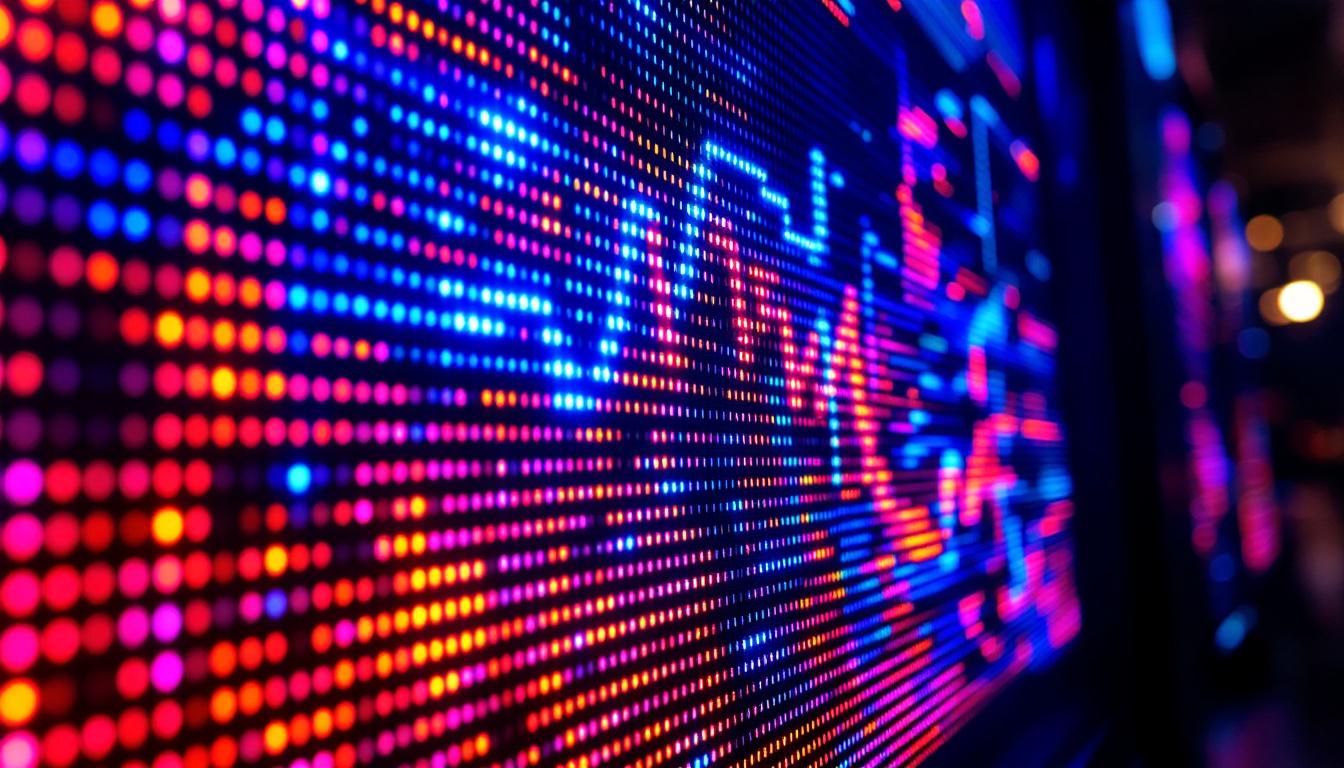
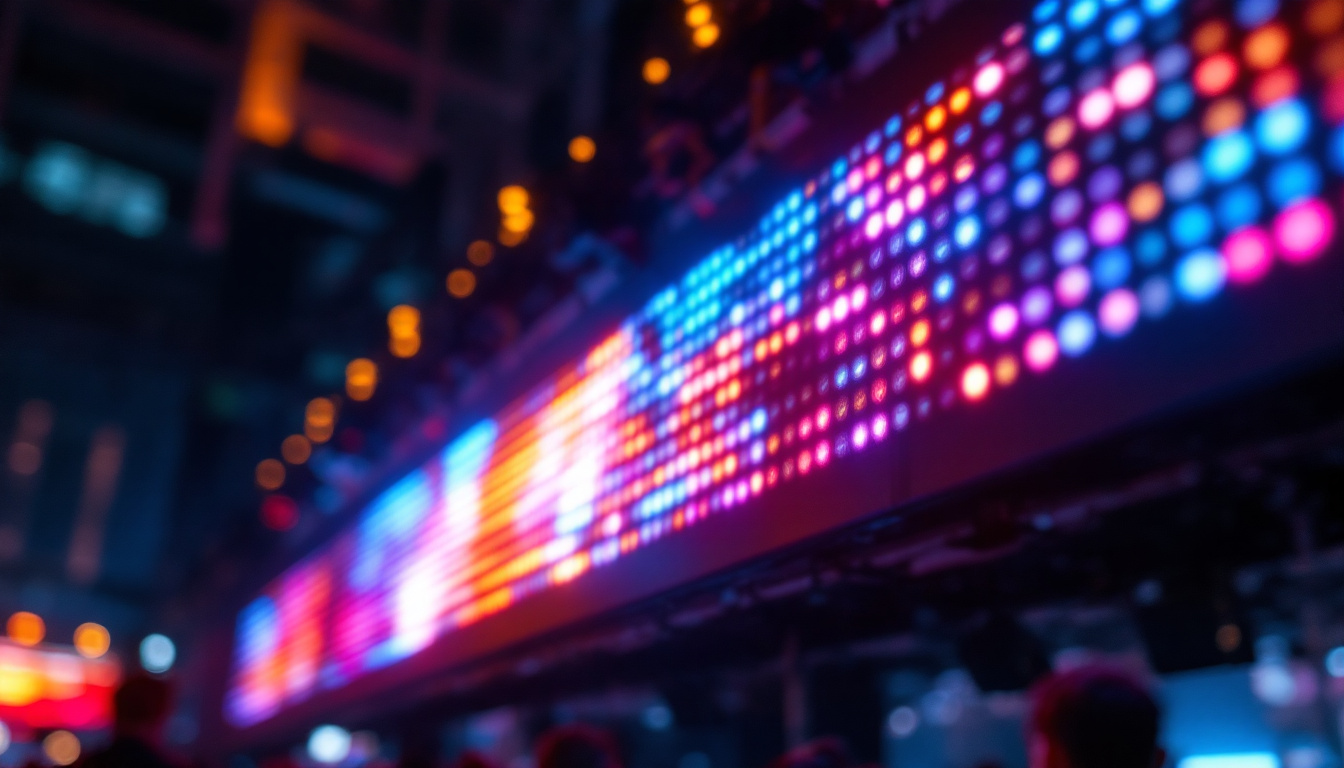
A direct light LED display is one where each pixel is composed of individual LEDs that emit light directly toward the viewer. This contrasts with other display types that use a backlight or projection system. In direct light LED displays, the light source is integrated into the display surface itself, allowing for brighter images, higher contrast ratios, and more vivid colors.
These displays are often referred to as “self-emissive” because each diode emits light independently. This means that when a pixel is meant to be black, the LED can turn off completely, resulting in true blacks and exceptional contrast. The ability to achieve such deep blacks enhances the overall viewing experience, especially in darker environments where contrast is crucial for image quality.
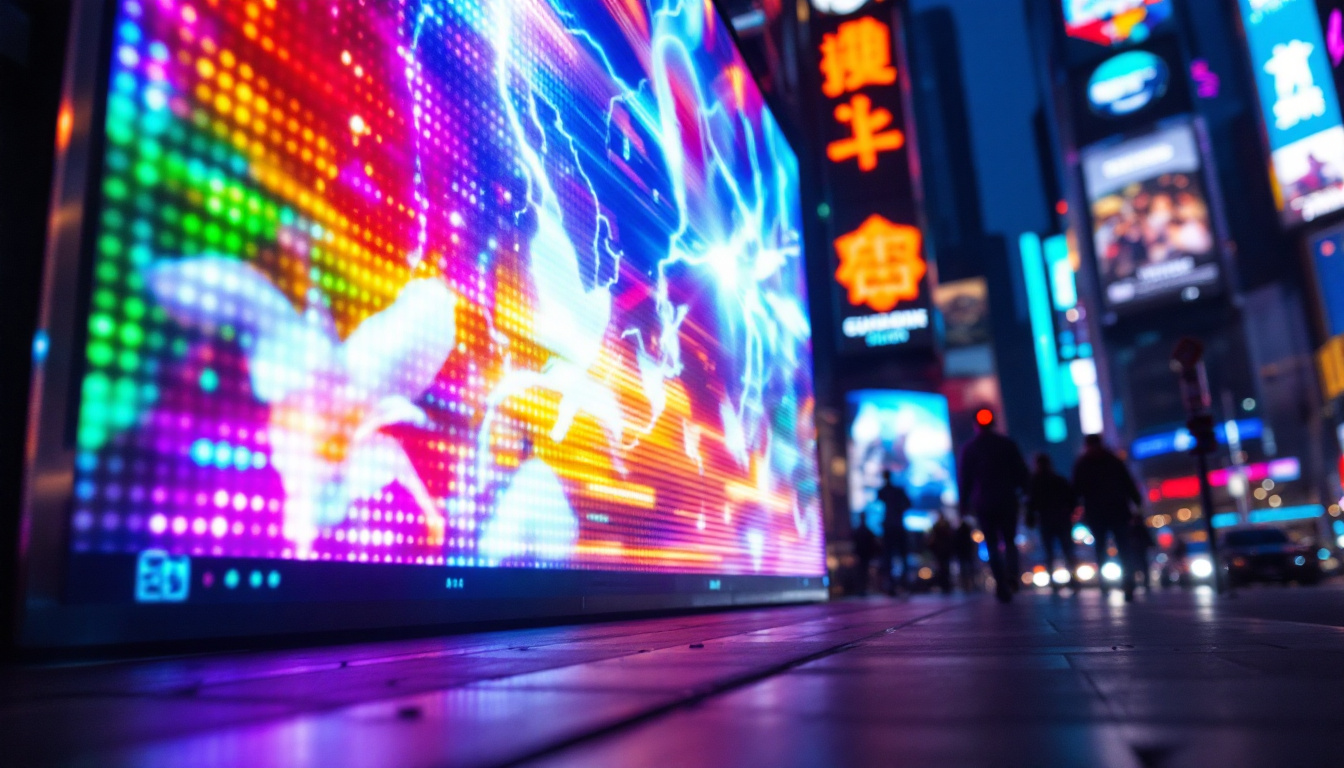
Moreover, direct light LED displays are increasingly being utilized in various applications, from large-scale outdoor billboards to high-resolution indoor screens. Their ability to maintain clarity and brightness in direct sunlight makes them particularly popular for advertising and public displays, where visibility is paramount.
How Direct Light Differs from Other Display Technologies
LCD (Liquid Crystal Display) technology, for instance, uses a backlight that shines through liquid crystals to create images. While LCDs have improved significantly with technologies like LED backlighting and quantum dots, they still rely on light passing through layers, which can reduce brightness and contrast. This limitation can lead to washed-out colors and a less immersive viewing experience, especially in brightly lit environments.
OLED (Organic LED) displays are also self-emissive and share similarities with direct light LED displays but use organic compounds that emit light. OLEDs excel in thinness and flexibility but can face challenges with brightness and longevity compared to inorganic LEDs used in direct light LED displays. Additionally, OLED technology can suffer from burn-in issues, where static images can leave a permanent mark on the screen, a concern that is less prevalent with direct light LED displays.
In terms of energy efficiency, direct light LED displays often outperform both LCD and OLED technologies, making them a more sustainable choice for long-term use. Their lower power consumption not only reduces operational costs but also contributes to a smaller carbon footprint, appealing to environmentally conscious consumers and businesses alike. As technology continues to advance, we can expect further innovations in LED display technology that will enhance performance and expand its applications across various industries.
Key Advantages of Direct Light LED Displays
The unique properties of direct light LED displays offer several benefits that have made them a preferred choice for a wide range of applications.
Brightness and Visibility
One of the most significant advantages is their exceptional brightness. Direct light LED displays can achieve brightness levels exceeding 5,000 nits, making them easily visible even in broad daylight. This is particularly important for outdoor advertising, stadium screens, and transportation hubs where ambient light conditions are challenging.
High brightness also enhances visibility from greater distances, ensuring messages and visuals are clear and impactful. In environments such as busy urban centers, where competition for attention is fierce, the ability to stand out visually can significantly influence consumer behavior and engagement. Furthermore, the high brightness levels contribute to improved safety in public spaces, as clear signage can guide pedestrians and drivers effectively, reducing the risk of accidents.
Superior Contrast and Color Accuracy
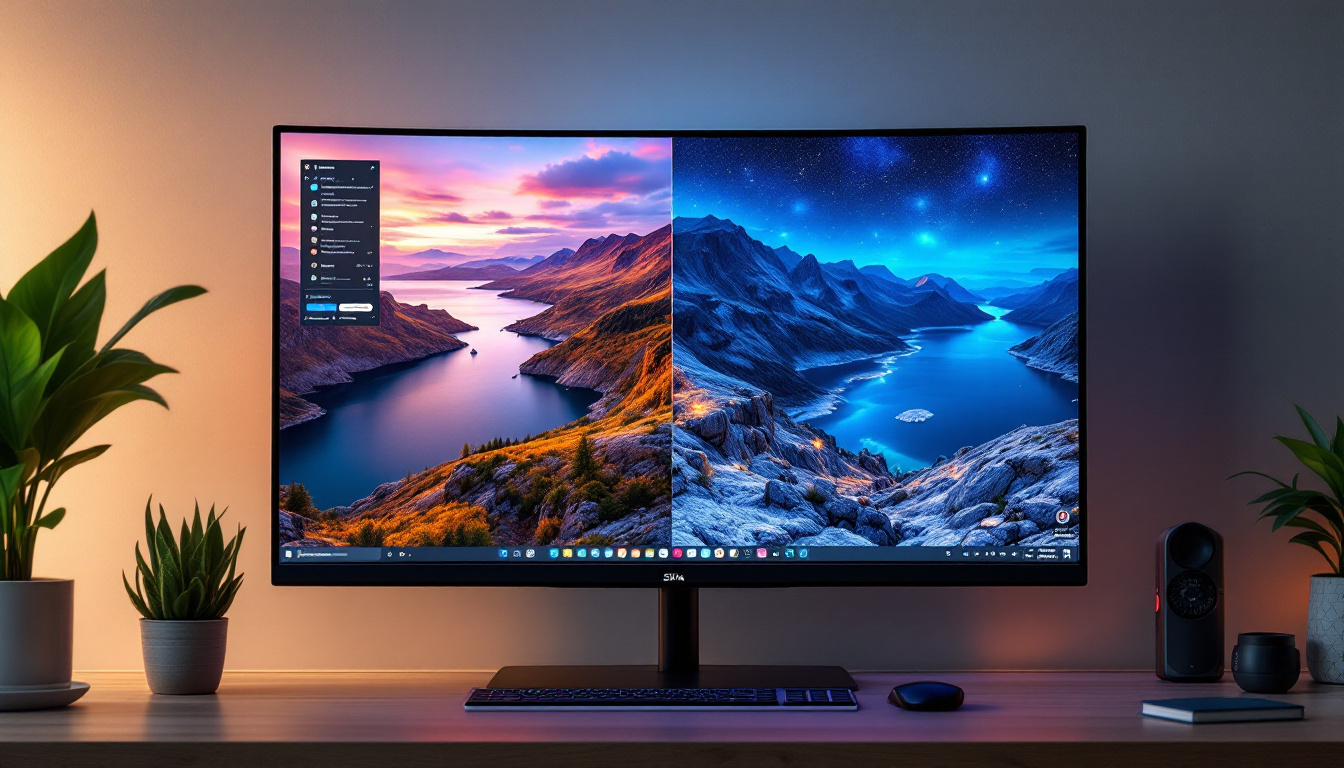
Because each LED can be turned off individually, direct light LED displays produce true blacks and an infinite contrast ratio. This capability results in sharper images and more vibrant colors compared to backlit displays where light leakage can wash out dark scenes.
Color accuracy is critical in applications such as digital signage for luxury brands, broadcast studios, and art installations where visual fidelity influences viewer perception and engagement. For instance, in a gallery setting, the precision of color reproduction can mean the difference between a piece being appreciated or overlooked. Additionally, industries such as fashion and automotive rely heavily on accurate color representation to ensure that products are displayed in their true form, thus enhancing customer trust and satisfaction.
Energy Efficiency and Longevity
Direct light LED displays are more energy-efficient than many traditional display technologies. LEDs consume less power to produce the same level of brightness, which translates to lower operating costs, especially for large-scale installations.
Moreover, LEDs have a longer lifespan, often exceeding 100,000 hours of operation, reducing maintenance costs and downtime. This durability makes them ideal for continuous-use environments like control rooms and public displays. The reduced energy consumption not only benefits the bottom line but also aligns with sustainability goals, as businesses increasingly seek to minimize their carbon footprint. In fact, many organizations are now using energy-efficient displays as part of their corporate social responsibility initiatives, showcasing their commitment to environmental stewardship.
Design Flexibility and Scalability
Direct light LED technology allows for modular design, meaning displays can be constructed in various sizes and shapes by assembling smaller LED panels. This scalability is invaluable for creating massive video walls, curved displays, or irregular shapes tailored to architectural requirements.
The thin profile and lightweight nature of LED panels also make installation easier and enable innovative design possibilities in retail, entertainment, and corporate environments. For example, in retail spaces, brands can create immersive shopping experiences by integrating LED displays into their store design, allowing for dynamic content that can change with seasons or promotions. This adaptability not only enhances the aesthetic appeal of the space but also engages customers in a way that static displays cannot, leading to increased foot traffic and sales conversions.
Applications of Direct Light LED Displays
Thanks to their versatility and performance, direct light LED displays have found applications across numerous industries and settings.
Outdoor Advertising and Digital Billboards
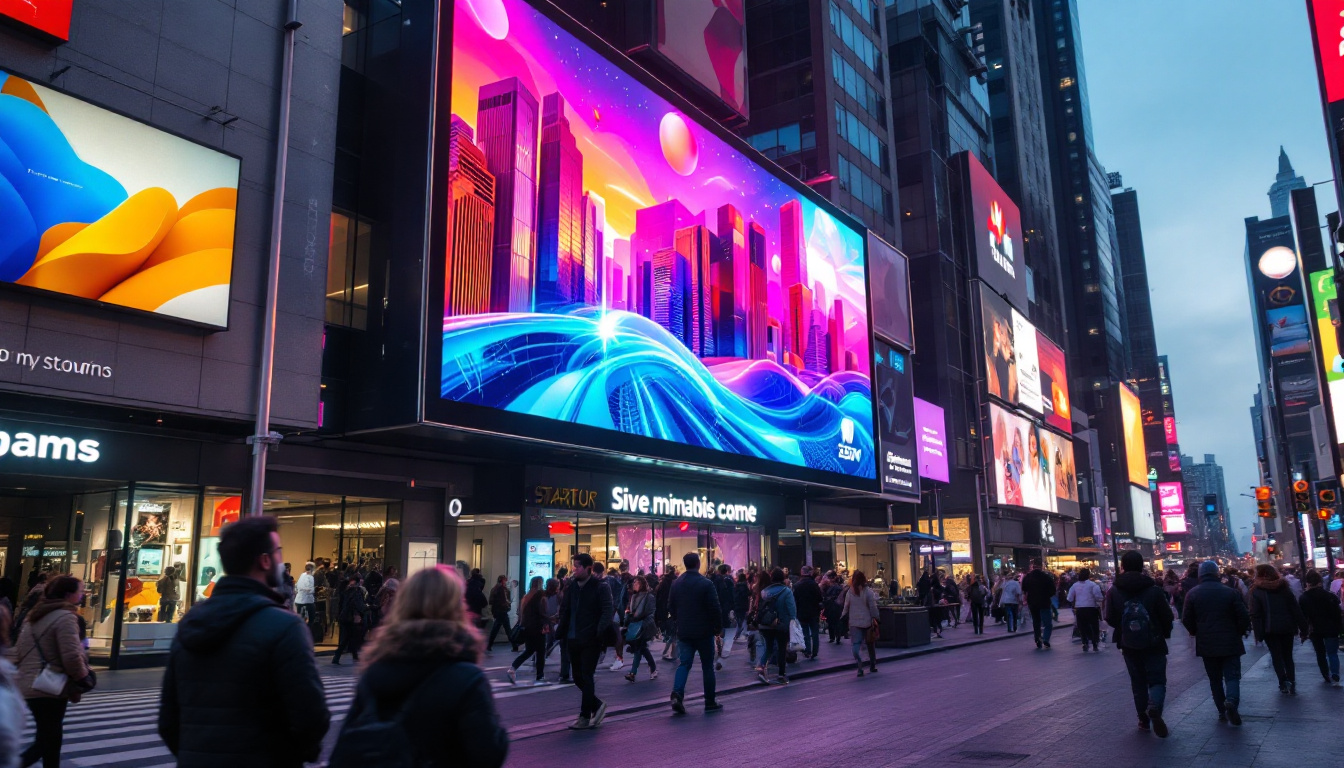
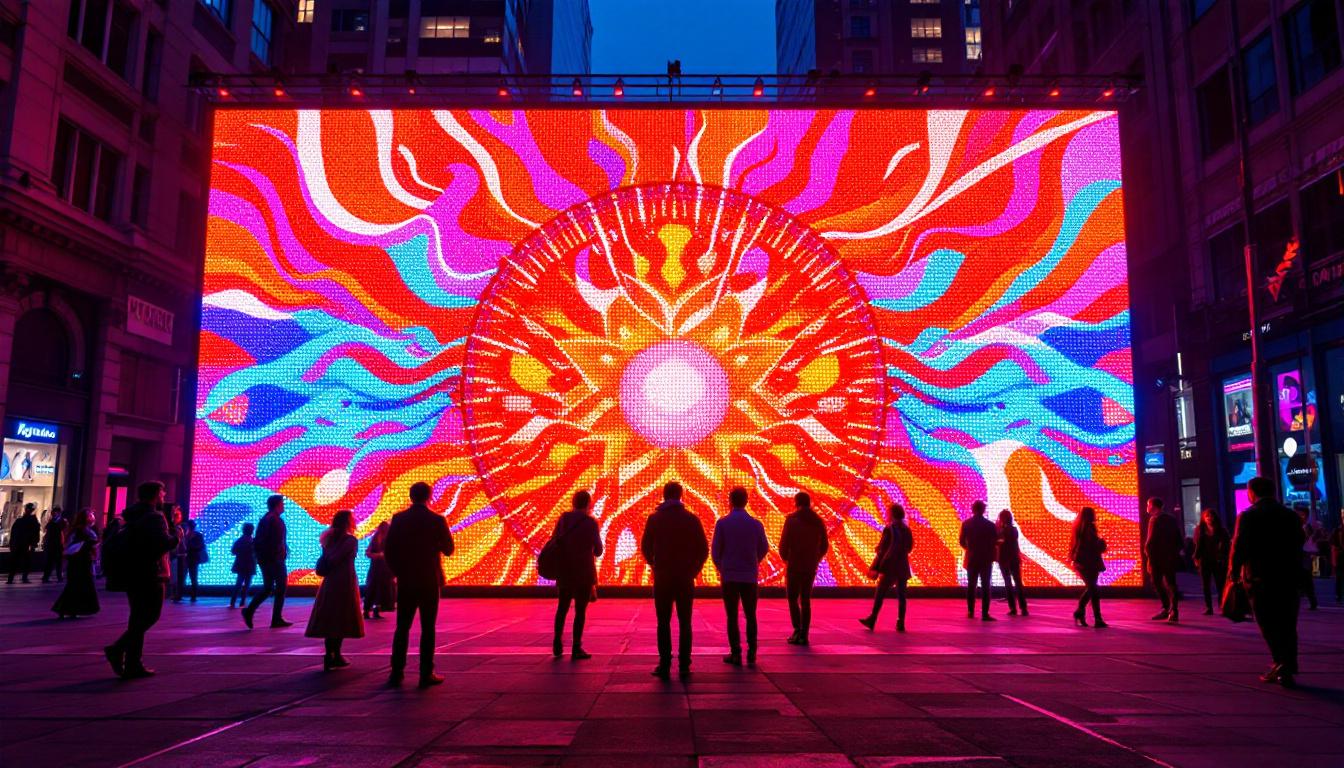
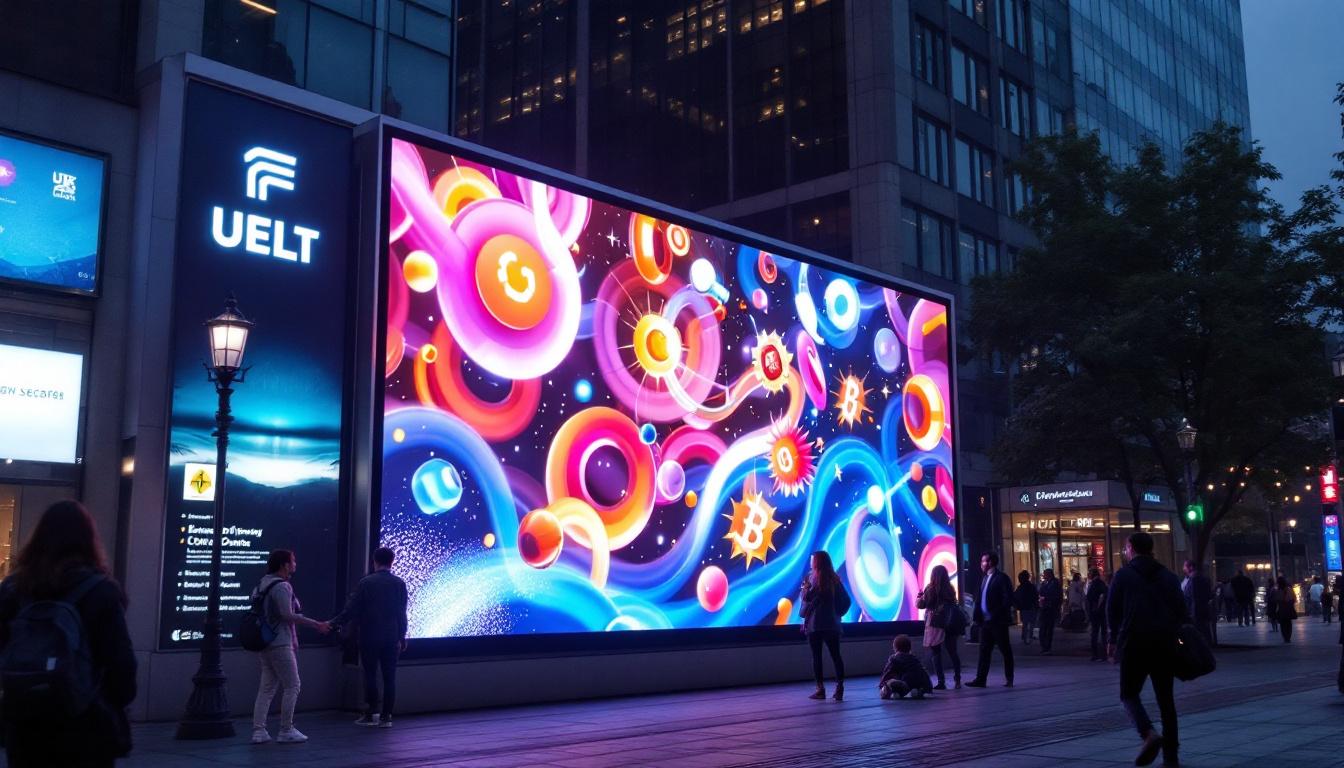
Outdoor LED billboards are among the most visible and widespread uses of direct light LED technology. Their brightness and weather resistance allow advertisers to deliver dynamic content that can be updated remotely and instantly, increasing engagement and revenue potential.
According to recent market research, the global digital out-of-home advertising market is expected to grow at a compound annual growth rate (CAGR) of over 10% through 2027, driven largely by LED display adoption.
Sports Arenas and Event Venues
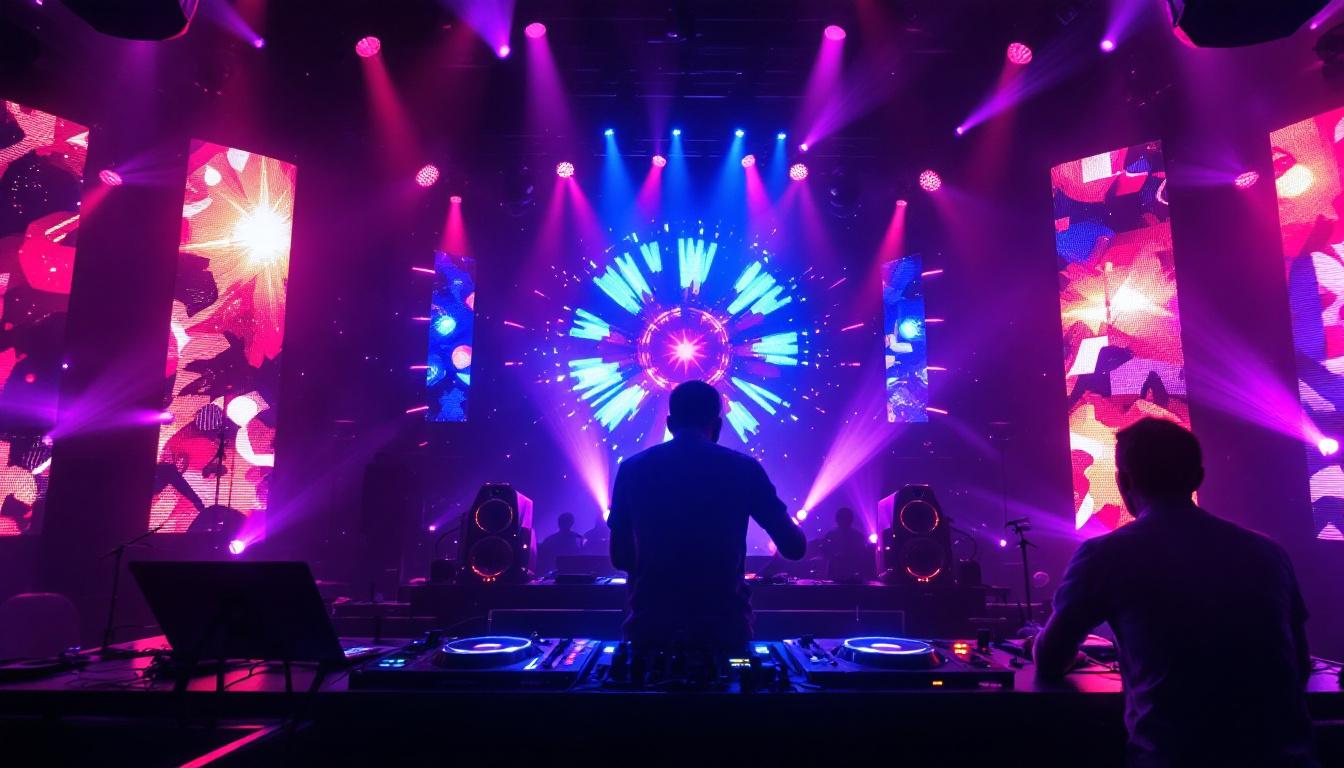
Stadiums and concert venues utilize direct light LED displays for scoreboards, advertising, and immersive fan experiences. The ability to display high-resolution video content visible from any seat enhances the atmosphere and opens new revenue streams through sponsorships.
Major sporting events like the FIFA World Cup and the Olympics have showcased cutting-edge LED screens, highlighting their importance in modern event production.
Retail and Corporate Environments
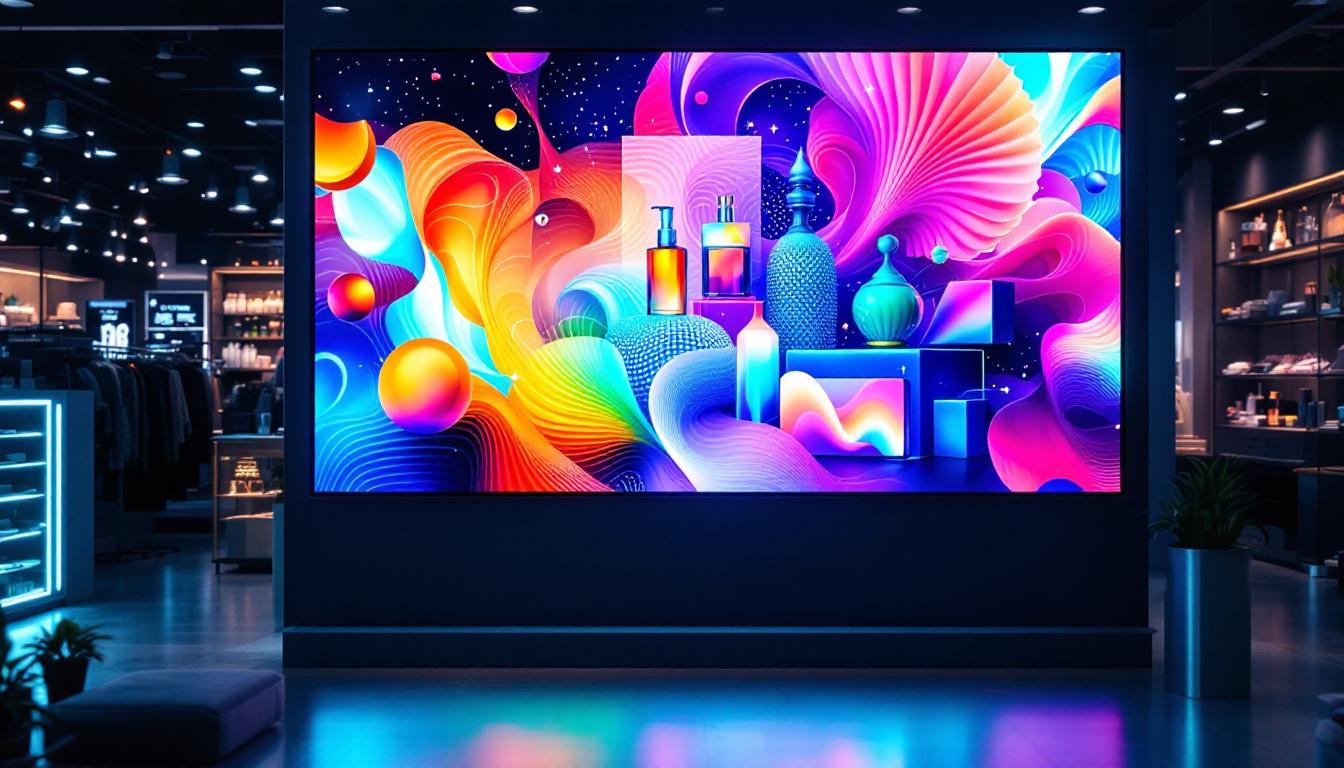
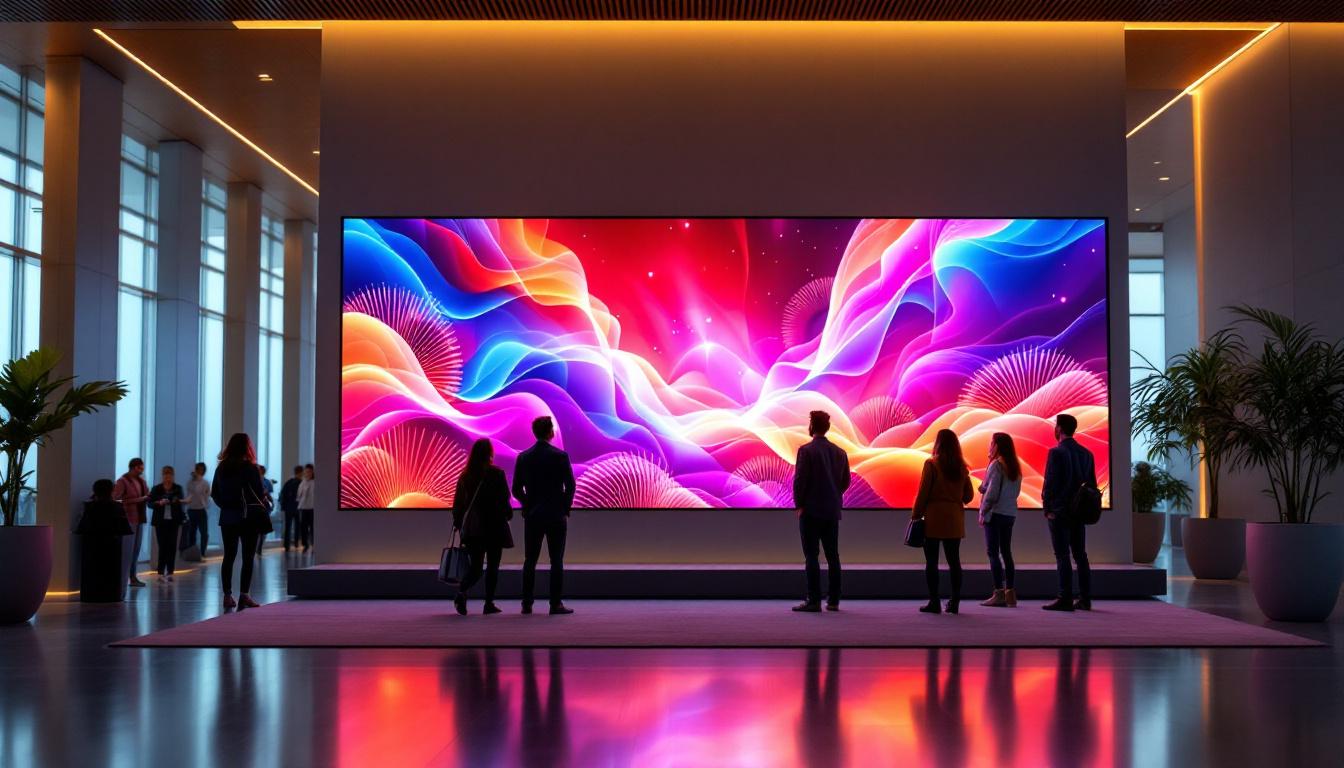
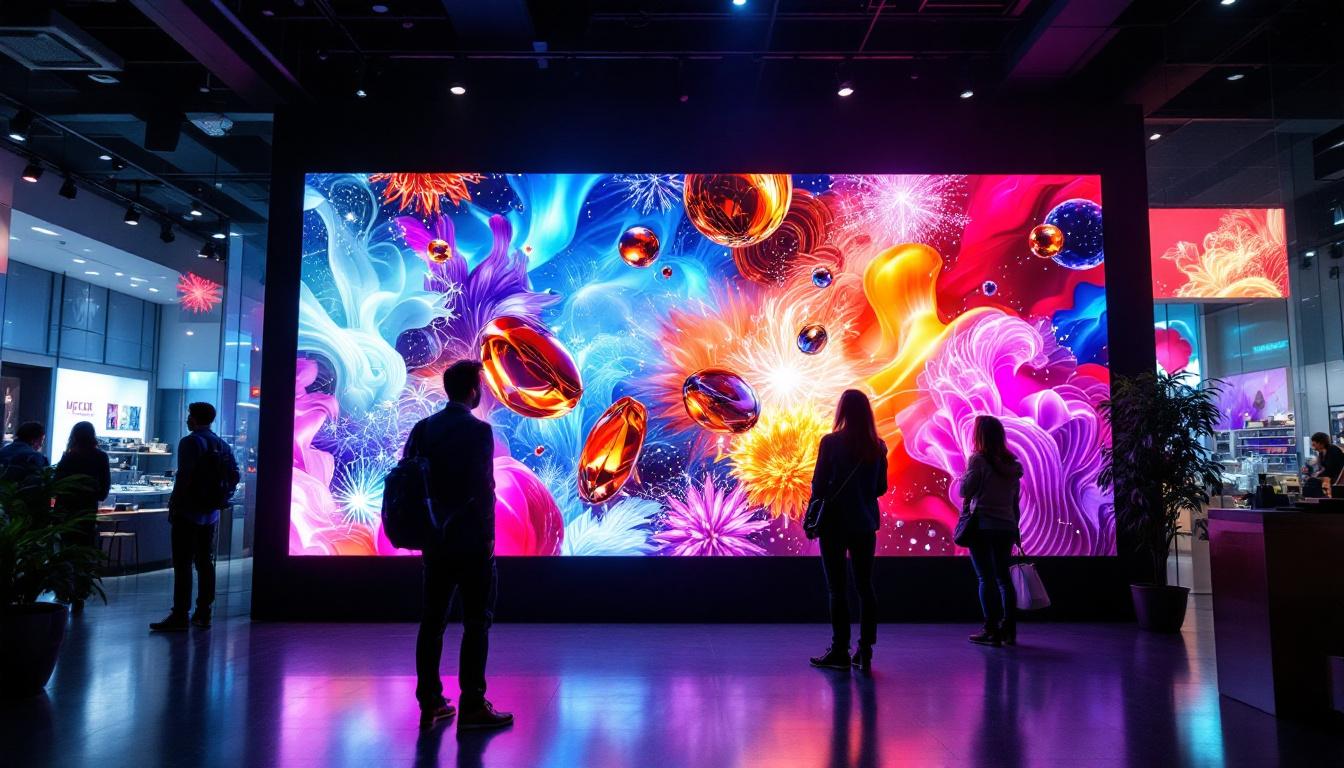
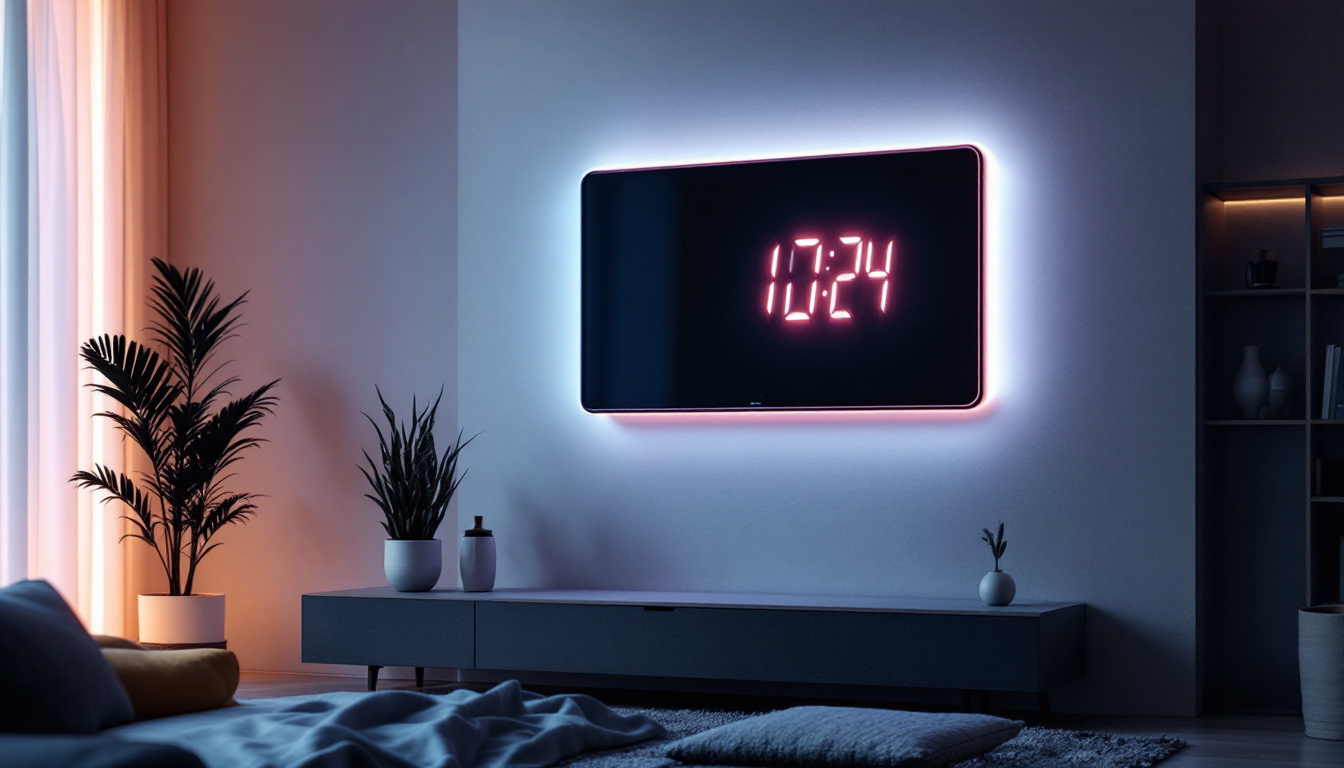
Retailers leverage LED displays for dynamic window displays, in-store promotions, and interactive experiences that attract customers and drive sales. Similarly, corporate offices use LED video walls for presentations, branding, and communication.
The flexibility of direct light LED panels supports creative installations that can be tailored to brand identity and spatial constraints.
Transportation Hubs and Public Information Systems
Airports, train stations, and bus terminals rely on LED displays for real-time information, wayfinding, and advertising. The bright, clear visuals ensure passengers receive timely updates, improving overall efficiency and satisfaction.
Technical Considerations and Challenges
While direct light LED displays offer many benefits, there are technical factors and challenges to consider when selecting and deploying these systems.
Pixel Pitch and Resolution
Pixel pitch refers to the distance between the centers of adjacent LEDs and directly impacts the display’s resolution and viewing distance. Smaller pixel pitches yield higher resolution and are suitable for close-up viewing, such as indoor displays. Larger pixel pitches are more cost-effective for outdoor applications where viewers are farther away.
Choosing the right pixel pitch is crucial to balance image quality, cost, and installation requirements.
Heat Management
High-brightness LEDs generate heat that must be effectively dissipated to maintain performance and lifespan. Advanced heat sinks, ventilation, and sometimes active cooling systems are integrated into LED display designs to address this issue.
Poor heat management can lead to reduced brightness, color shifts, and premature failure.
Cost Factors
Direct light LED displays can have higher upfront costs compared to other display technologies, especially for high-resolution indoor models. However, their longevity, energy savings, and impact often justify the investment.
Budgeting should also consider installation, maintenance, and content management expenses.
The Future of Direct Light LED Displays
Innovation continues to drive the LED display industry forward, promising even more exciting developments in the near future.
Mini-LED and Micro-LED Technologies
Emerging technologies like Mini-LED and Micro-LED represent the next evolution of direct light LED displays. Mini-LEDs use thousands of tiny LEDs to achieve better local dimming and contrast, while Micro-LEDs offer even smaller pixels with superior brightness and efficiency.
These advancements are expected to blur the lines between LED and OLED displays, combining the best attributes of both.
Flexible and Transparent LED Displays
Research and commercial products are increasingly incorporating flexible and transparent LED panels. These innovations enable new applications in augmented reality, automotive displays, and architectural integration, expanding the creative possibilities for designers and advertisers.
Integration with Smart Technologies
Direct light LED displays are becoming smarter, integrating sensors, AI-driven content management, and connectivity to create interactive and adaptive experiences. This trend aligns with the broader move towards smart cities and digital ecosystems.
Conclusion
Direct light LED displays represent a transformative technology in the digital display landscape. Their ability to deliver bright, high-contrast, and energy-efficient visuals makes them indispensable across many sectors, from advertising and entertainment to transportation and corporate communications.
Understanding the technical aspects, benefits, and applications of direct light LED displays empowers businesses and organizations to make informed decisions that maximize impact and return on investment. As technology advances, these displays will continue to evolve, offering even greater performance and creative possibilities in the years to come.
Illuminate Your Space with LumenMatrix
Ready to elevate your visual experience with the brilliance of direct light LED displays? LumenMatrix is at the forefront of LED display innovation, offering a diverse range of solutions tailored to your unique needs. From immersive Indoor LED Wall Displays to dynamic Outdoor LED Wall Displays, and from sleek LED Poster Displays to robust LED Sports Displays, our technology is designed to captivate and engage. Discover the transformative power of our LED display modules and join the visual revolution. Check out LumenMatrix LED Display Solutions today and bring your message to life with unparalleled clarity and impact.