In the rapidly evolving world of advertising, capturing consumer attention is more challenging than ever. Digital display monitors have become a cornerstone of modern marketing strategies, with LED displays leading the charge due to their vibrant visuals, energy efficiency, and versatility. This article delves into the intricacies of LED display monitors for advertising, exploring their technology, benefits, types, and practical applications.
Understanding LED Display Technology
What Is an LED Display?
LED stands for Light Emitting Diode, a semiconductor device that emits light when an electric current passes through it. LED displays use an array of these tiny diodes to create images and videos. Unlike traditional LCD or plasma screens, LED displays generate their own light, which allows for brighter, more vivid visuals and better contrast ratios. This capability not only enhances the viewing experience but also makes LED displays more versatile for various applications, from home entertainment systems to large-scale public displays.
LED technology has evolved significantly since its inception, enabling displays to be thinner, more energy-efficient, and capable of producing a wider color gamut. This makes LED displays particularly well-suited for advertising, where visual impact is paramount. The ability to create dynamic content with high brightness levels ensures that advertisements can capture attention even in bright sunlight, making them a preferred choice for billboards and outdoor signage. Furthermore, advancements in LED technology have led to the development of flexible and transparent displays, opening new avenues for creative advertising and architectural design.
How LED Displays Work
Each pixel on an LED display is composed of red, green, and blue diodes. By adjusting the intensity of these diodes, the display can produce millions of colors. The arrangement and density of these pixels, known as pixel pitch, determine the resolution and clarity of the image. A smaller pixel pitch means more pixels per square inch, resulting in sharper images, especially important for close-up viewing. This high pixel density is particularly beneficial in environments like control rooms or broadcasting studios, where detail and precision are critical.
LED displays can be either direct view or use a backlight system. Direct view LED displays have diodes that emit light directly toward the viewer, making them ideal for large-scale outdoor advertising. In contrast, LED-backlit LCDs use LEDs to illuminate an LCD panel, commonly found in indoor monitors. The choice between these two types often depends on the specific application and environment. For instance, direct view displays are favored for their superior brightness and contrast in outdoor settings, while backlit systems are typically more cost-effective for indoor use, where ambient light conditions can be controlled. Additionally, the lifespan of LED technology is another significant advantage, as these displays can last tens of thousands of hours, reducing maintenance costs and the need for frequent replacements.
Advantages of LED Displays in Advertising
High Brightness and Visibility
One of the primary advantages of LED displays is their exceptional brightness. They can reach brightness levels of over 5,000 nits, far surpassing LCD screens that typically max out around 500-700 nits. This high brightness ensures that advertisements are visible even in direct sunlight, a critical factor for outdoor digital billboards and signage.
Moreover, LED displays offer wide viewing angles, allowing the content to be seen clearly from various positions. This feature is especially beneficial in high-traffic areas such as shopping malls, airports, and urban centers where audiences approach from multiple directions. The ability to maintain clarity and vibrancy from different perspectives means that advertisers can capture the attention of a diverse audience, maximizing the reach of their message. Additionally, the use of advanced technology in LED displays minimizes glare and reflections, further enhancing visibility and ensuring that the advertisements remain impactful throughout the day.
Energy Efficiency and Longevity
LED technology is renowned for its energy efficiency. Compared to traditional lighting and display technologies, LEDs consume significantly less power while delivering superior brightness. This translates into lower operational costs, which is vital for advertisers who run displays continuously.
In addition to energy savings, LED displays boast impressive longevity. Typical LED modules can last between 50,000 to 100,000 hours before brightness diminishes noticeably. This durability reduces maintenance frequency and costs, ensuring a reliable advertising platform over several years. The long lifespan of LED displays also contributes to sustainability efforts, as fewer replacements mean less electronic waste. Advertisers can feel confident in their investment, knowing that they are not only saving on energy bills but also making a more environmentally responsible choice.
Flexibility and Customization
LED displays come in various shapes and sizes, from small indoor monitors to massive outdoor billboards. Their modular design allows for custom configurations, including curved or irregular shapes, enabling advertisers to create unique visual experiences that stand out from conventional rectangular screens.
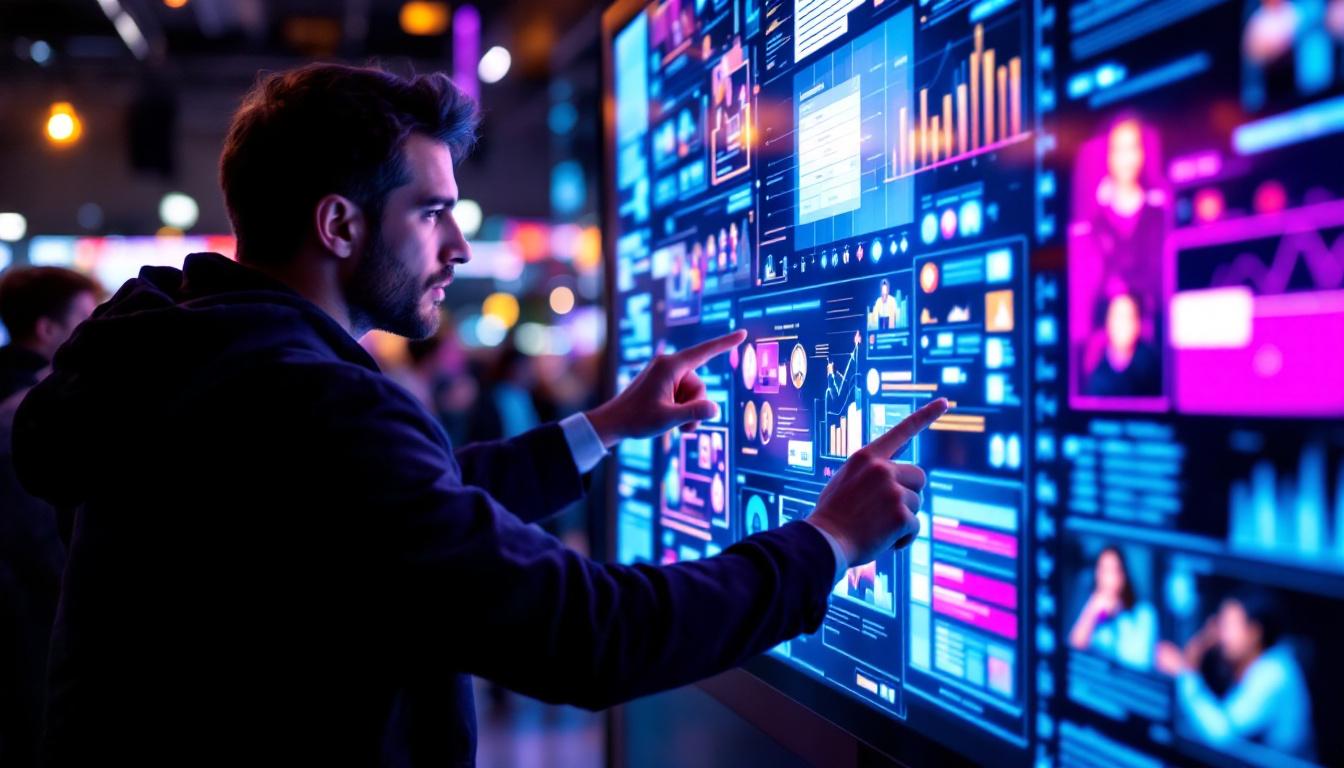
Furthermore, LED displays support dynamic content, such as videos, animations, and real-time data feeds. This capability allows brands to deliver more engaging and timely messages, increasing the effectiveness of advertising campaigns. The flexibility of LED technology also extends to content management; advertisers can easily update their displays remotely, allowing for quick changes to promotions or messages based on current events or seasonal trends. This adaptability not only keeps the content fresh and relevant but also enables brands to respond rapidly to market demands, ensuring they remain competitive in a fast-paced advertising landscape. Additionally, the ability to integrate interactive elements, such as touch screens or QR codes, can further enhance audience engagement, creating a more immersive advertising experience that encourages consumer interaction and participation.
Types of LED Displays for Advertising
Indoor LED Displays
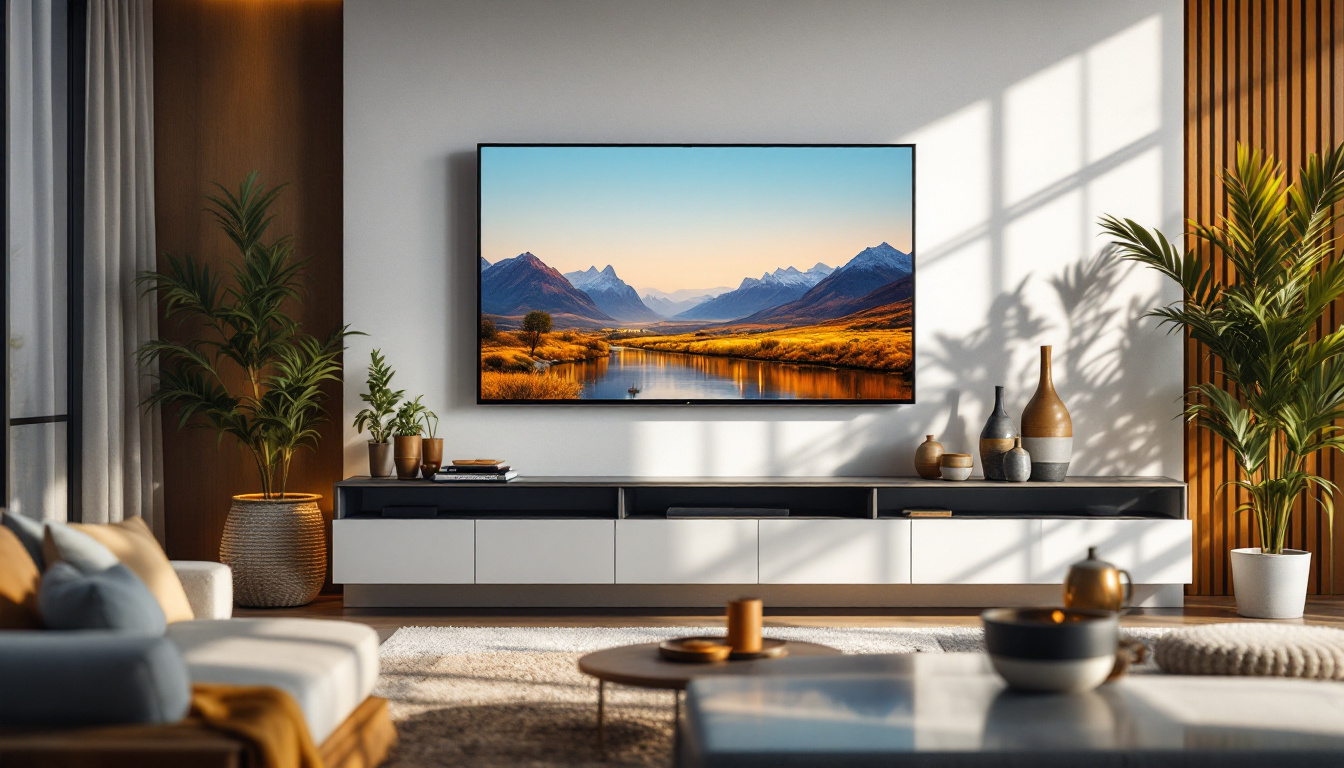
Indoor LED displays are designed for environments like retail stores, corporate lobbies, exhibitions, and event venues. They typically feature a finer pixel pitch, ranging from 0.9mm to 4mm, to provide high-resolution images suitable for close viewing distances.
These displays are often used for digital signage, promotional content, and interactive advertising. Their lightweight and slim profiles make them easy to install on walls or as part of digital kiosks. Furthermore, many indoor LED displays come equipped with advanced features such as touch interactivity and motion sensors, allowing for a more engaging user experience. This interactivity can enhance customer engagement, encouraging them to explore products or services in a more dynamic way, ultimately driving sales and brand loyalty.
Additionally, the versatility of indoor LED displays allows businesses to easily update their content in real-time, making it possible to tailor messages based on time of day, season, or specific events. This adaptability not only maximizes the impact of advertising efforts but also ensures that the displayed content remains relevant and timely, capturing the attention of passersby effectively.
Outdoor LED Displays
Outdoor LED displays are built to withstand harsh weather conditions, including rain, dust, and extreme temperatures. They usually have a larger pixel pitch, often between 4mm and 20mm, as they are viewed from greater distances.
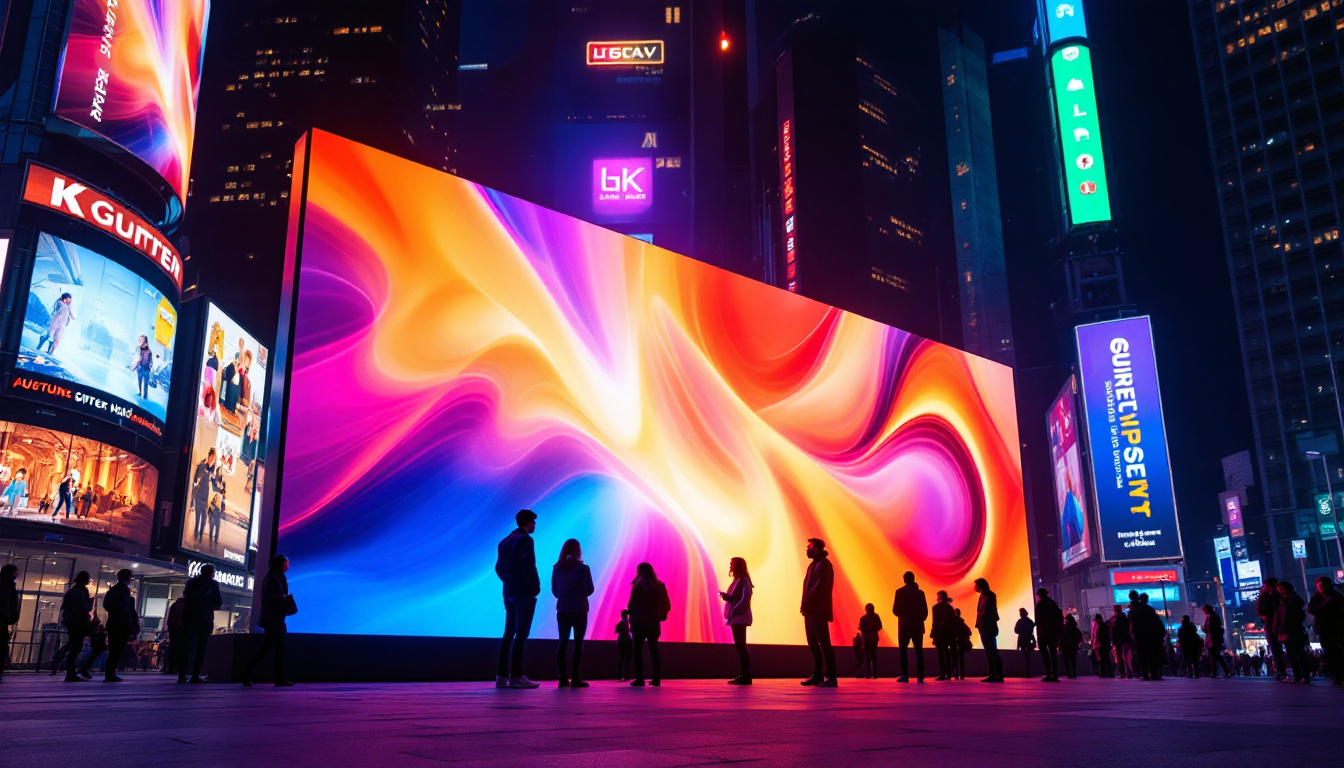
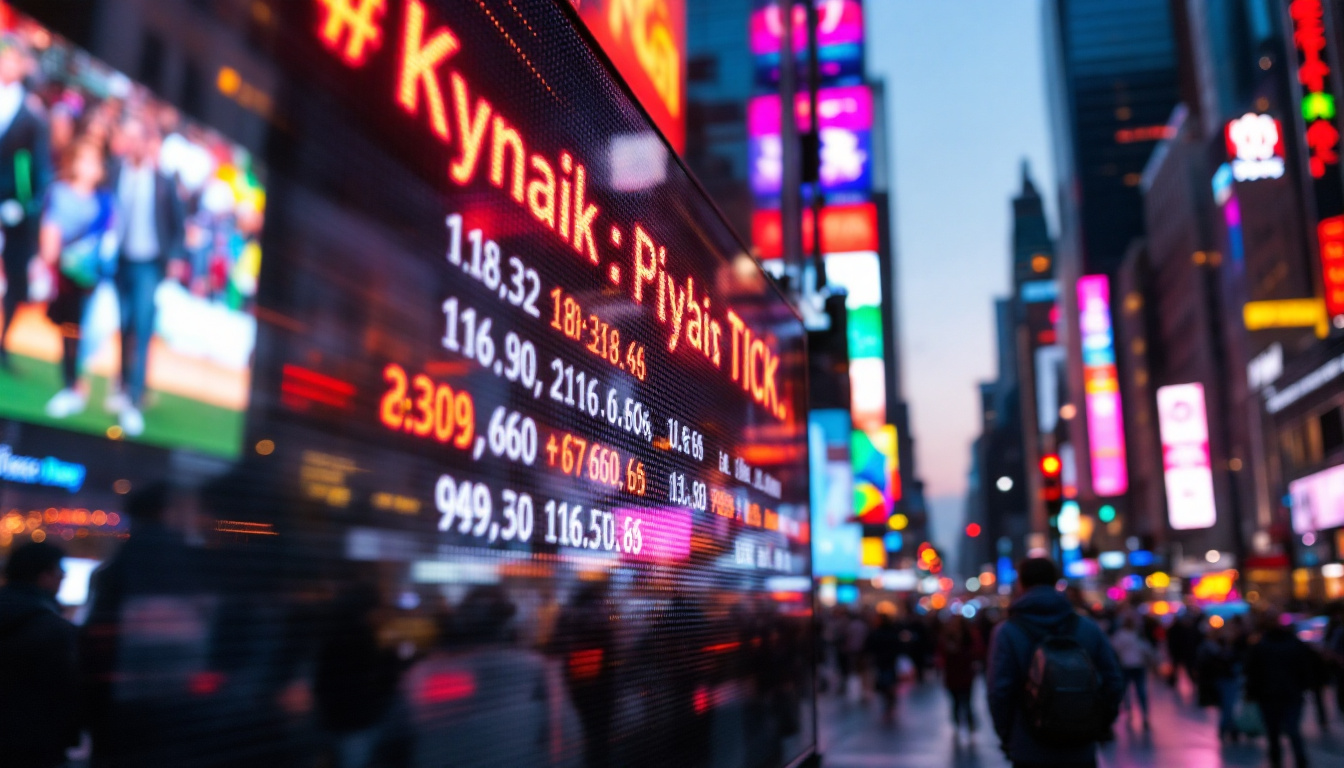
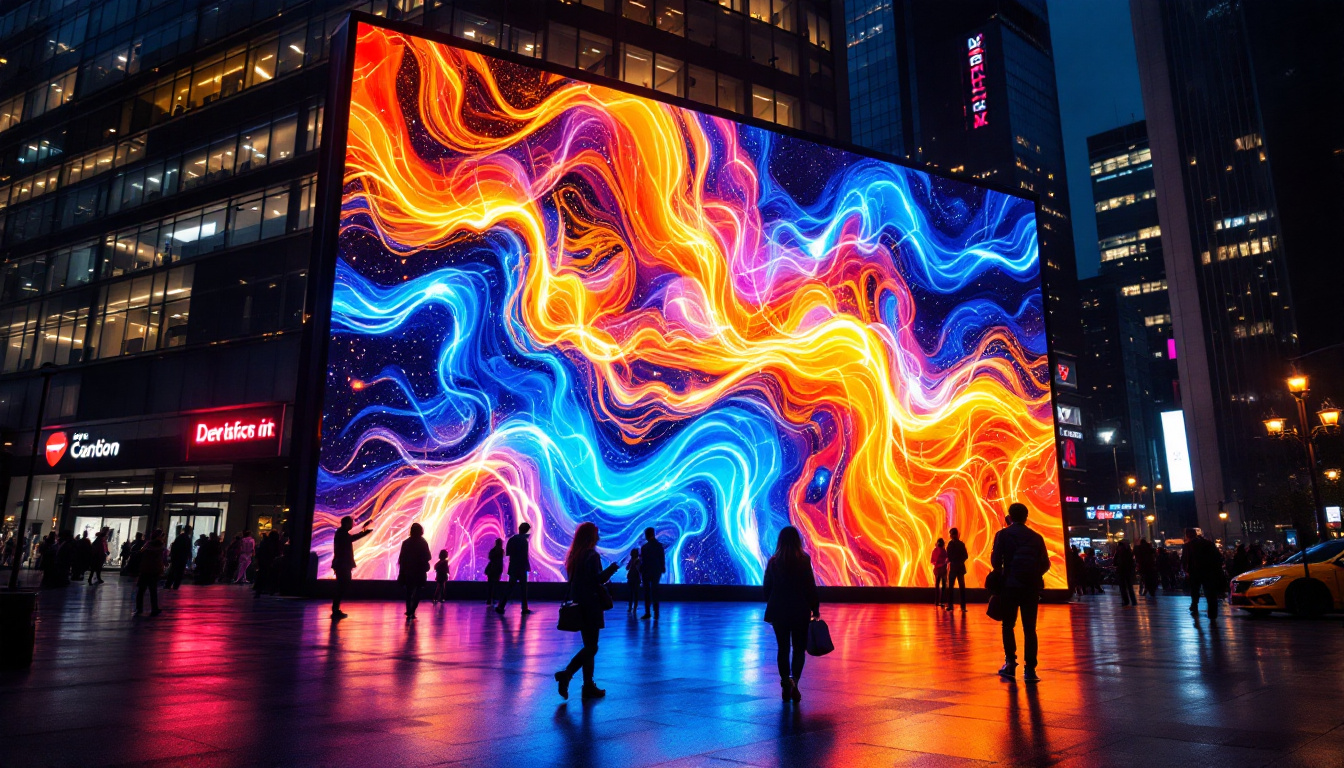
Common applications include roadside billboards, stadium screens, and public transit advertising. Their high brightness and robust construction ensure visibility and durability in outdoor settings. Many outdoor LED displays are also equipped with advanced technology such as automatic brightness adjustment, which optimizes visibility based on ambient light conditions. This feature is crucial for maintaining clarity and vibrancy during both day and night, ensuring that advertisements remain eye-catching at all hours.
Moreover, outdoor LED displays can be strategically placed in high-traffic areas to maximize exposure. With the ability to showcase dynamic content, including videos and animations, these displays can capture the attention of drivers and pedestrians alike, making them a powerful tool for brand promotion. The integration of real-time data feeds, such as weather updates or news headlines, can further enhance viewer engagement, transforming a simple advertisement into a multifaceted communication platform.
Transparent LED Displays
Transparent LED displays are an innovative solution that integrates LED technology into glass surfaces, allowing viewers to see through the display while still showing vibrant content. These are popular in retail windows and architectural installations, combining advertising with aesthetic appeal.
This technology enables brands to attract attention without obstructing natural light or visibility, creating an immersive and futuristic advertising experience. The ability to blend digital content with physical environments not only enhances the visual appeal of storefronts but also allows for creative storytelling through layered imagery and animations. Retailers can showcase products while maintaining an open and inviting atmosphere, encouraging foot traffic and exploration.
Furthermore, transparent LED displays can be utilized in various settings beyond retail, including museums, galleries, and corporate offices, where they can serve as both functional displays and artistic installations. This versatility opens up new avenues for creative advertising and branding opportunities, as businesses can leverage the unique characteristics of transparent displays to stand out in a crowded market. The fusion of technology and design in these displays represents a significant advancement in the way brands communicate with their audiences, pushing the boundaries of traditional advertising methods.
Implementing LED Displays in Advertising Campaigns
Strategic Placement and Targeting
Choosing the right location for LED advertising displays is crucial for maximizing impact. High foot traffic areas such as shopping centers, airports, and city centers are ideal for indoor displays, while highways and urban billboards serve outdoor campaigns well.
Understanding the target audience’s behavior and movement patterns helps in selecting locations where the advertisement will be most effective. Additionally, integrating LED displays with data analytics can optimize content delivery based on time of day, weather, or audience demographics.
Content Design and Management
The success of LED advertising hinges not only on the hardware but also on compelling content. Bright, colorful visuals with clear messaging are essential to capture attention quickly. Motion graphics and video content tend to perform better than static images, as they are more engaging and memorable.
Modern LED display systems often come with content management software that allows advertisers to schedule, update, and tailor content remotely. This flexibility enables real-time adjustments to campaigns, ensuring relevance and responsiveness to market trends.
Measuring Effectiveness
To justify investment in LED advertising, it’s important to measure campaign performance. Metrics such as impressions, engagement rates, and conversion tracking can be gathered using sensors, cameras, and integrated digital platforms.
Combining LED displays with mobile and social media campaigns can enhance tracking capabilities, providing a comprehensive understanding of audience interaction and return on investment.
Future Trends in LED Advertising Displays
Advancements in Mini-LED and Micro-LED
Emerging technologies like Mini-LED and Micro-LED promise even higher resolution and improved energy efficiency. These displays use smaller diodes, allowing for finer pixel pitches and better image quality. As costs decrease, these technologies are expected to become mainstream in advertising.
Integration with Artificial Intelligence
Artificial intelligence (AI) is transforming digital advertising by enabling personalized and adaptive content delivery. AI-powered LED displays can analyze audience demographics and behavior in real-time to display targeted advertisements, increasing engagement and effectiveness.
Interactive and Immersive Experiences
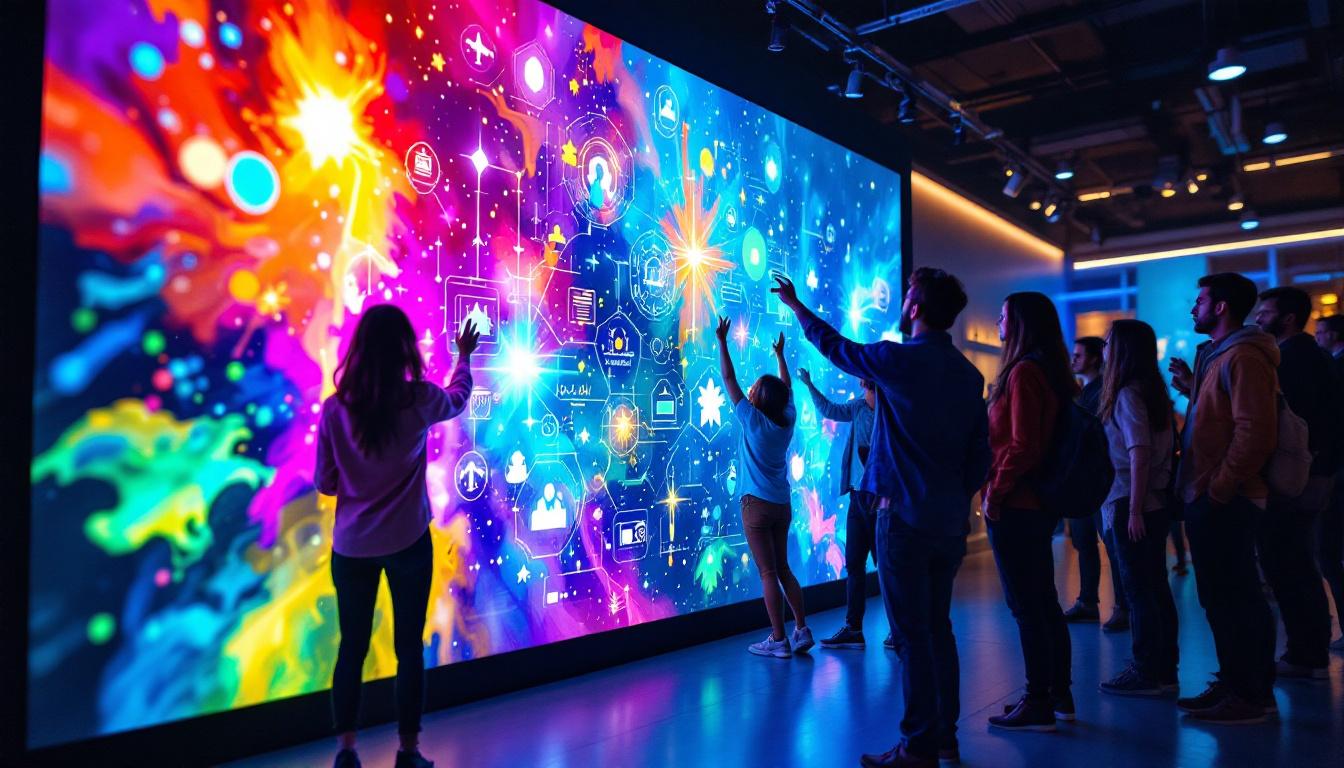
Interactive LED displays that respond to touch, motion, or voice are gaining popularity. Combined with augmented reality (AR) and virtual reality (VR), these technologies create immersive advertising experiences that captivate audiences and foster brand loyalty.
Conclusion
LED display monitors have revolutionized advertising by offering bright, durable, and versatile platforms for dynamic content delivery. Their ability to captivate audiences in both indoor and outdoor environments makes them indispensable tools for modern marketers.
As technology advances, LED displays will continue to evolve, integrating smarter features and delivering increasingly engaging experiences. For businesses seeking to enhance their advertising impact, understanding and leveraging LED display technology is essential for staying ahead in a competitive marketplace.
Explore Cutting-Edge LED Display Solutions with LumenMatrix
Ready to elevate your advertising strategy with the latest in LED display technology? LumenMatrix is at the forefront of innovation, offering an extensive range of LED display modules tailored to your unique needs. From captivating Indoor LED Wall Displays to robust Outdoor LED Wall Displays, and from dynamic Vehicle LED Displays to sleek LED Poster Displays, our solutions are designed to make your brand stand out. Experience the future of visual communication with our LED Sports Displays, interactive Floor LED Displays, and the transformative LED Transparent Display. Discover how LumenMatrix can transform your advertising approach and engage your audience like never before. Check out LumenMatrix LED Display Solutions today and take the first step towards an unforgettable visual impact.