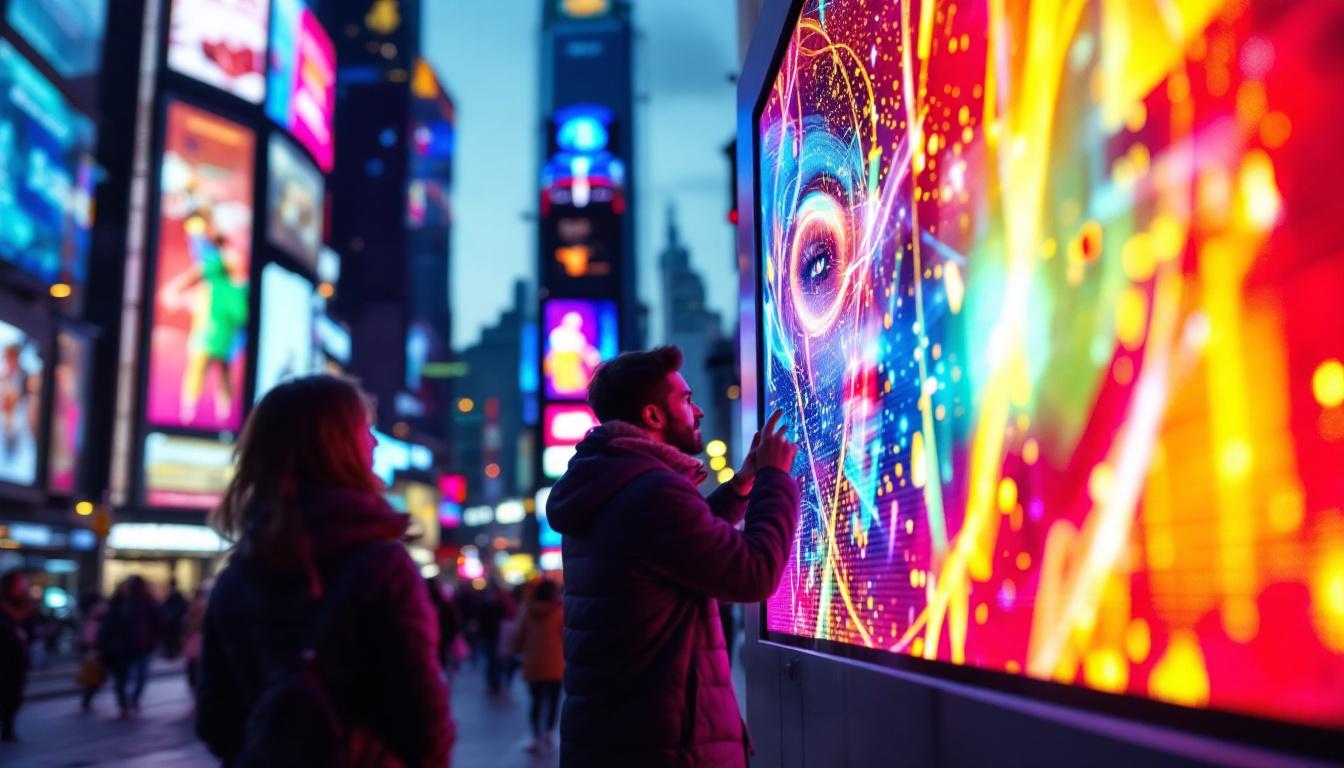
In recent years, transparent touch screen technology has surged from novelty to practical application across various industries. From futuristic retail displays to innovative automotive dashboards, transparent LED displays are redefining how users interact with digital content. This article explores the fundamentals of transparent touch screens, with a focus on LED display technology, its working principles, applications, and future prospects.
Understanding Transparent Touch Screen Technology
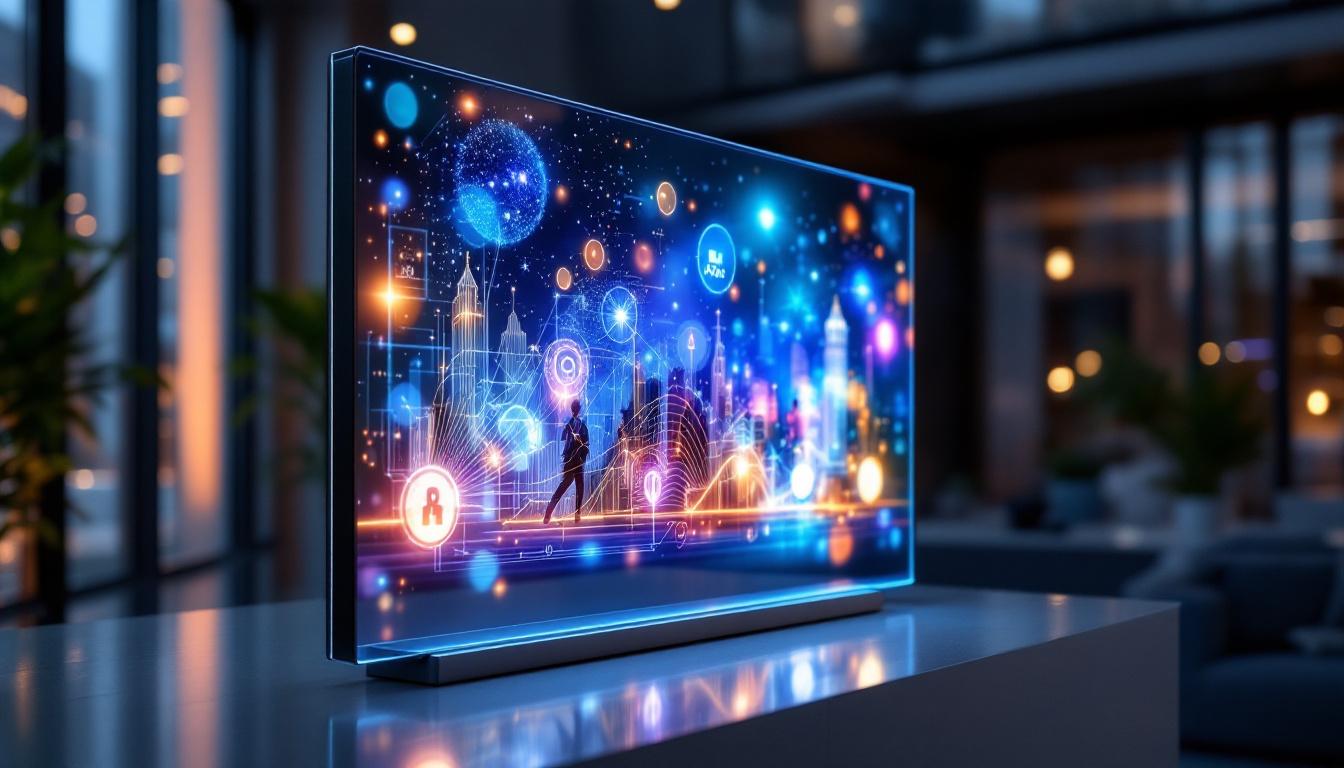
Transparent touch screens combine the functionality of a traditional touch-sensitive interface with the ability to display images or data without obstructing the view behind the screen. This unique feature opens up new possibilities for design and interaction, enabling users to see digital content overlaid on real-world objects or environments.
The core concept involves integrating a transparent display panel with touch sensors, allowing users to interact directly with the displayed content. Unlike conventional opaque screens, transparent displays maintain a high level of see-through clarity, which is essential for applications like augmented reality, heads-up displays, and interactive storefronts.
What Makes a Touch Screen Transparent?
Transparency in touch screens is achieved by using materials and technologies that allow light to pass through the display while still rendering images clearly. Common transparent display technologies include OLED (Organic Light Emitting Diode), LCD with transparent backlights, and LED-based solutions. Among these, transparent LED displays are gaining traction due to their brightness, energy efficiency, and scalability.
Touch functionality is typically integrated using capacitive or infrared touch sensors. Capacitive touch sensors rely on the electrical properties of the human body to detect touch, while infrared sensors use a grid of light beams across the screen surface. Both methods can be engineered to maintain transparency, though capacitive sensors are more common in sleek, modern designs.
One of the most exciting applications of transparent touch screen technology is in the realm of augmented reality (AR). By superimposing digital information onto the physical world, these screens can enhance user experiences in various fields, from education to retail. For instance, museums can utilize transparent displays to provide interactive exhibits, allowing visitors to engage with historical artifacts while viewing additional context and information layered on top of the physical objects. Similarly, in retail environments, transparent touch screens can transform storefronts into dynamic showcases, where potential customers can interact with products virtually, all while still seeing the actual items on display.
Moreover, the potential for transparent touch screens extends beyond consumer applications. In automotive design, for example, transparent displays can be integrated into vehicle windshields, providing drivers with essential navigation and safety information without obstructing their view of the road. This innovative approach not only enhances safety but also contributes to a more connected and intuitive driving experience. As technology continues to evolve, the integration of transparent touch screens into everyday life promises to revolutionize how we interact with both digital and physical environments, pushing the boundaries of user interface design and functionality.
How Transparent LED Displays Work
Transparent LED displays employ a matrix of tiny light-emitting diodes arranged on a transparent substrate, such as glass or acrylic. These LEDs emit light to create images, videos, or text, while the spaces between the diodes allow light to pass through, preserving transparency. This innovative technology has revolutionized the way information is presented in various environments, from retail spaces to art installations, merging functionality with aesthetic appeal.
Structure and Components
The primary components of a transparent LED display include:
- LED Modules: Small clusters of LEDs mounted on a transparent panel. These LEDs are often miniaturized to maintain a high pixel density without compromising see-through quality.
- Transparent Substrate: Typically glass or acrylic, this base supports the LED modules and allows light transmission.
- Control System: Electronics that manage the LED illumination patterns, brightness, and color to produce the desired images.
- Touch Sensor Layer: Integrated capacitive or infrared sensors that detect user interaction without blocking the display.
The spacing between LED pixels, known as pixel pitch, plays a critical role in balancing transparency and image quality. A wider pitch increases transparency but reduces resolution, while a narrower pitch improves image clarity but reduces see-through capability. This intricate balance is essential for applications where visibility is paramount, such as in storefronts or museums, where the display must not detract from the physical objects behind it.
Advantages of Transparent LED Displays
Transparent LED displays offer several compelling benefits:
- High Brightness: LEDs provide intense illumination, making the display visible even in bright ambient light conditions, such as outdoor environments.
- Energy Efficiency: LEDs consume less power compared to traditional LCD backlit displays, supporting sustainable design goals.
- Wide Viewing Angles: The nature of LED light emission ensures consistent image quality from multiple angles.
- Lightweight and Thin: Transparent LED panels are often thinner and lighter than conventional displays, facilitating easier installation and integration.
Additionally, the versatility of transparent LED displays allows them to be utilized in a variety of settings, from advertising and branding to interactive installations in museums and galleries. These displays can be programmed to showcase dynamic content, such as promotional videos or artistic visuals, while still allowing viewers to see through them. This unique capability opens up new avenues for creative expression and marketing strategies, enabling businesses to engage customers in innovative ways. Furthermore, as technology continues to advance, the potential for integrating augmented reality experiences with transparent displays is becoming increasingly feasible, promising to enhance user interaction and immersion.
Applications of Transparent Touch Screen LED Displays
The unique properties of transparent LED touch screens make them highly versatile across various sectors. Their ability to blend digital content with physical environments creates immersive and interactive experiences.
Retail and Advertising
Retailers leverage transparent LED displays for dynamic storefront windows that attract customers with eye-catching visuals while allowing visibility into the store. Interactive touch capabilities enable shoppers to browse product information, check availability, or customize options directly on the glass.
For example, luxury brands use transparent touch screens to showcase product details and promotional content without obstructing the view of actual merchandise. This enhances customer engagement and creates a futuristic shopping experience.
Automotive and Transportation
In the automotive industry, transparent LED displays are integrated into windshields and dashboards to provide heads-up displays (HUDs) that project navigation, speed, and safety information directly in the driver’s line of sight. Touch functionality allows drivers to interact with controls without diverting attention from the road.
Public transportation systems also use transparent touch screens for ticketing kiosks and real-time information displays, improving user convenience and operational efficiency.
Architecture and Interior Design
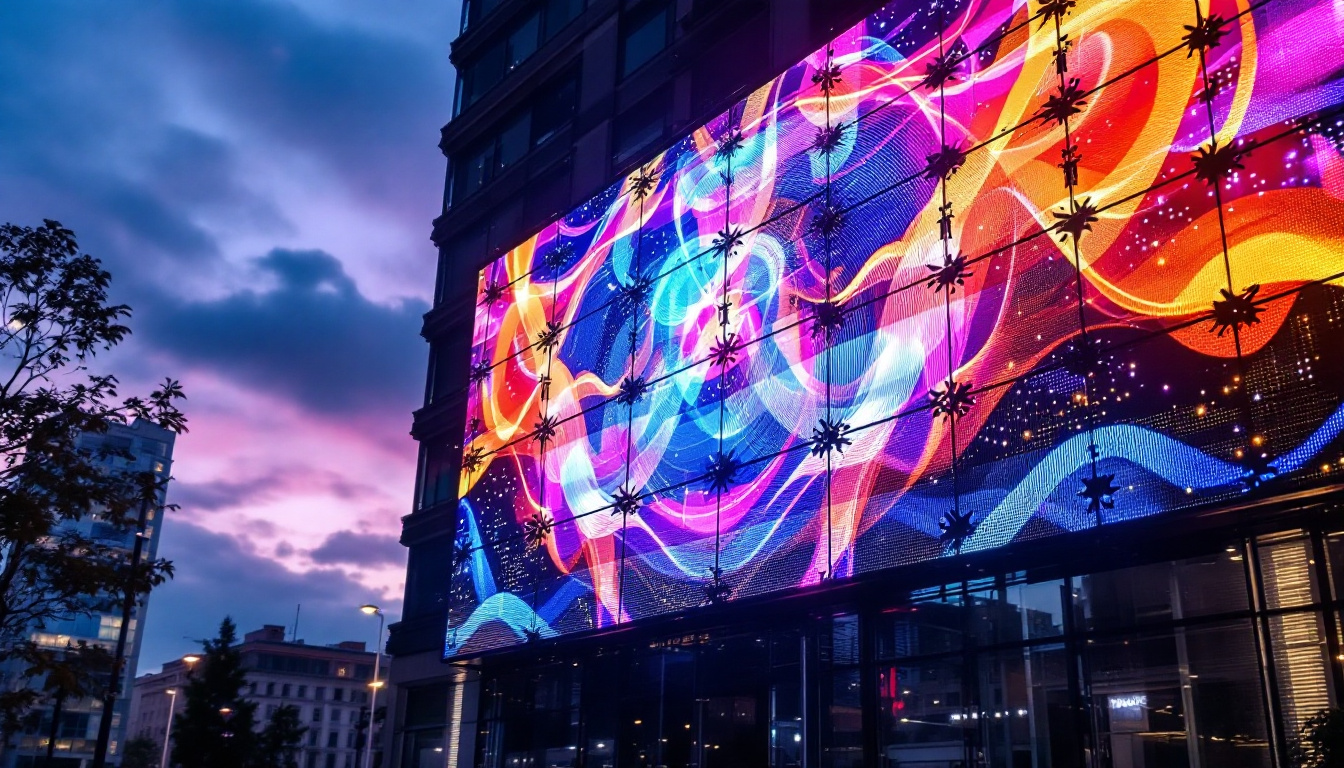
Architects and interior designers incorporate transparent LED panels into building facades, conference rooms, and exhibition spaces to create multifunctional surfaces that serve as both windows and digital canvases. This integration supports smart building concepts and enhances aesthetic appeal.
For instance, office buildings might feature transparent LED walls that display corporate branding or environmental data while maintaining natural light flow.
Healthcare and Education
Transparent touch screens are increasingly used in healthcare for interactive medical displays, surgical assistance, and patient engagement tools. The ability to overlay digital information on physical objects improves diagnostics and treatment planning.
In education, transparent LED displays facilitate interactive learning environments where students can engage with digital content while maintaining awareness of their surroundings.
Challenges and Considerations
Despite their advantages, transparent touch screen LED displays face several challenges that impact adoption and performance.
Balancing Transparency and Resolution
Achieving an optimal balance between transparency and image quality remains a technical hurdle. Increasing LED density improves resolution but reduces see-through clarity. Manufacturers must carefully design pixel pitch and LED brightness to meet specific application needs.
Cost and Manufacturing Complexity
Transparent LED displays are generally more expensive than traditional screens due to the specialized materials and manufacturing processes involved. Customization for touch integration and durability further adds to costs, limiting widespread consumer adoption at present.
Durability and Maintenance
Because transparent LED panels are often installed in high-traffic or exposed environments, they must withstand physical stress, temperature variations, and environmental factors. Ensuring long-term durability and ease of maintenance is critical for commercial viability.
The Future of Transparent Touch Screen LED Displays
Advancements in materials science, LED miniaturization, and touch sensor technology continue to drive innovation in transparent displays. Emerging trends suggest a promising future with broader applications and improved performance.
Integration with Augmented Reality
Transparent LED touch screens are poised to play a pivotal role in augmented reality (AR) systems by providing seamless digital overlays on real-world views. This integration could revolutionize fields like retail, gaming, industrial design, and remote collaboration.
Flexible and Curved Displays
Research into flexible transparent LED panels is underway, enabling curved or irregularly shaped displays that conform to diverse surfaces. Such flexibility will expand design possibilities in automotive interiors, wearable devices, and architectural installations.
Enhanced Interactivity and AI Integration
Future transparent touch screens will likely incorporate artificial intelligence to personalize user interactions, recognize gestures, and adapt content dynamically. This evolution will enhance user experience and unlock new functionalities.
Conclusion
Transparent touch screen LED displays represent a significant leap forward in display technology, merging visual clarity with interactive capabilities. Their unique ability to blend digital content with the physical world opens exciting opportunities across retail, automotive, architecture, healthcare, and beyond.
While challenges related to cost, resolution, and durability remain, ongoing technological advancements promise to overcome these barriers. As transparent LED displays become more accessible and versatile, they are set to transform how people engage with information and environments in the digital age.
Discover the Future of LED Displays with LumenMatrix
Ready to elevate your space with the next generation of display technology? LumenMatrix is at the forefront of LED innovation, offering a wide array of solutions that bring your brand to life. From Indoor and Outdoor LED Walls to specialized displays for Vehicles, Sports, and even Custom configurations, our products are designed to captivate and engage. Experience the transformative power of LED Transparent Displays and more. Check out LumenMatrix LED Display Solutions today and step into a world where digital brilliance meets interactive design.