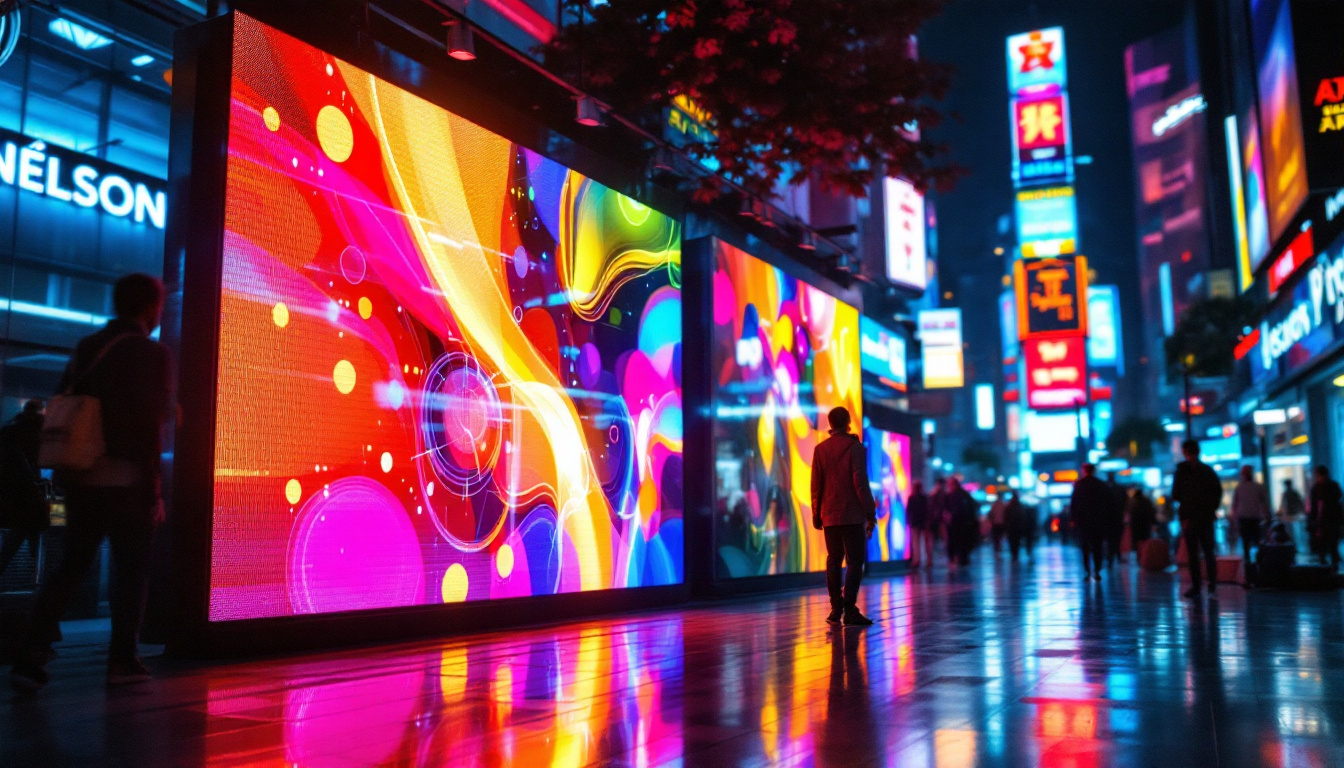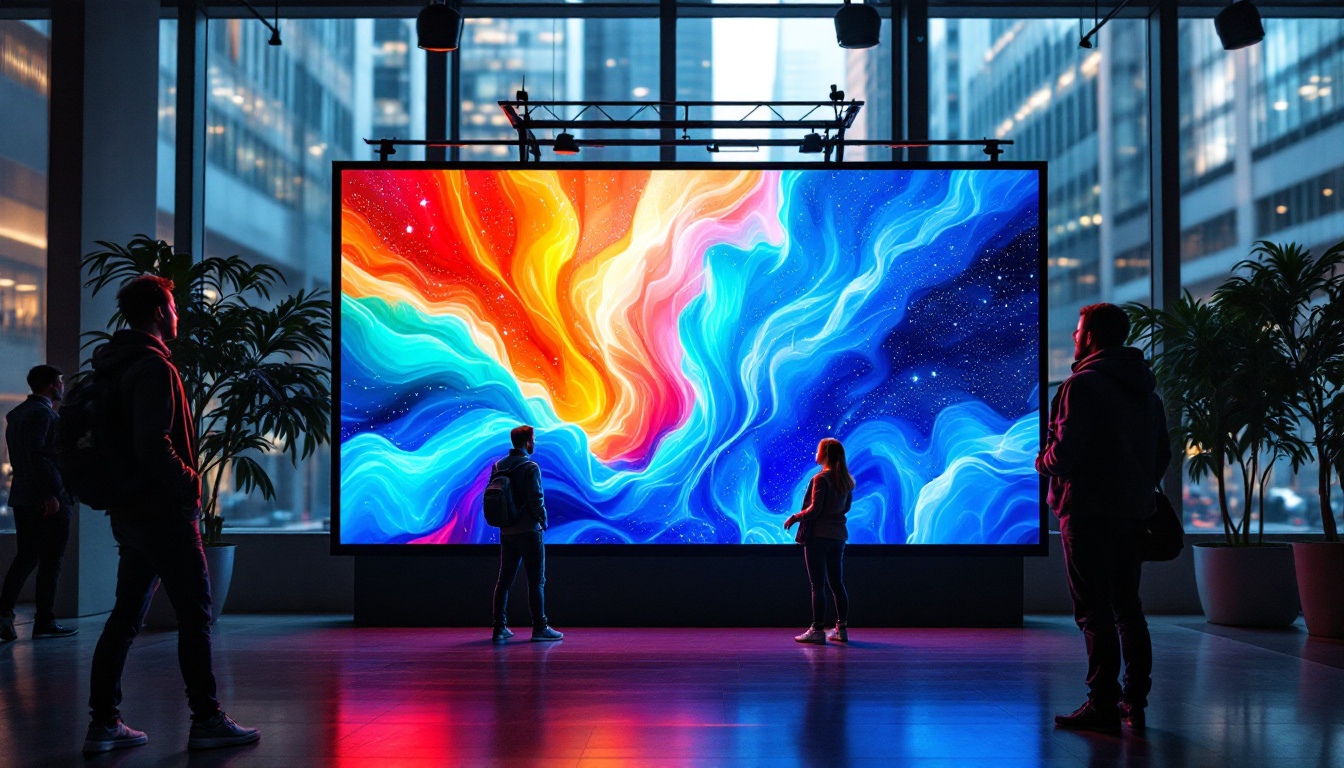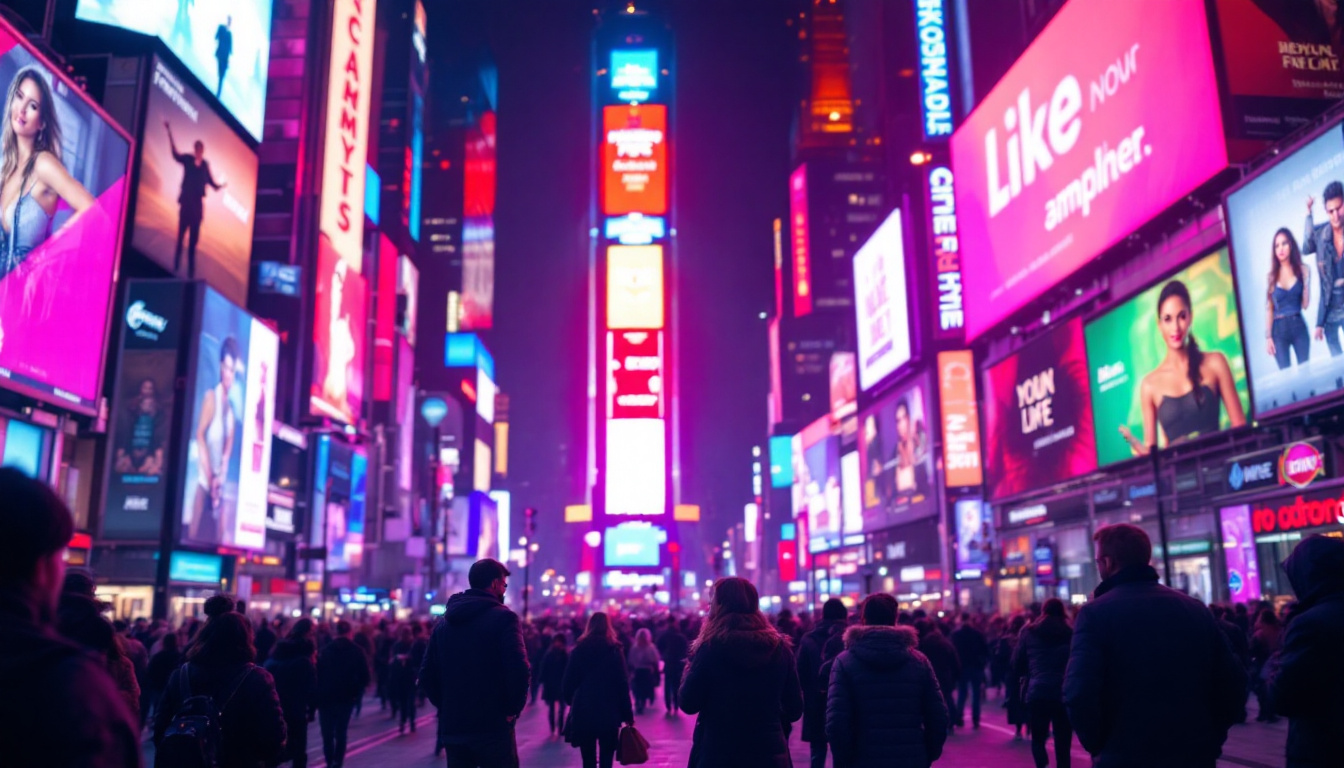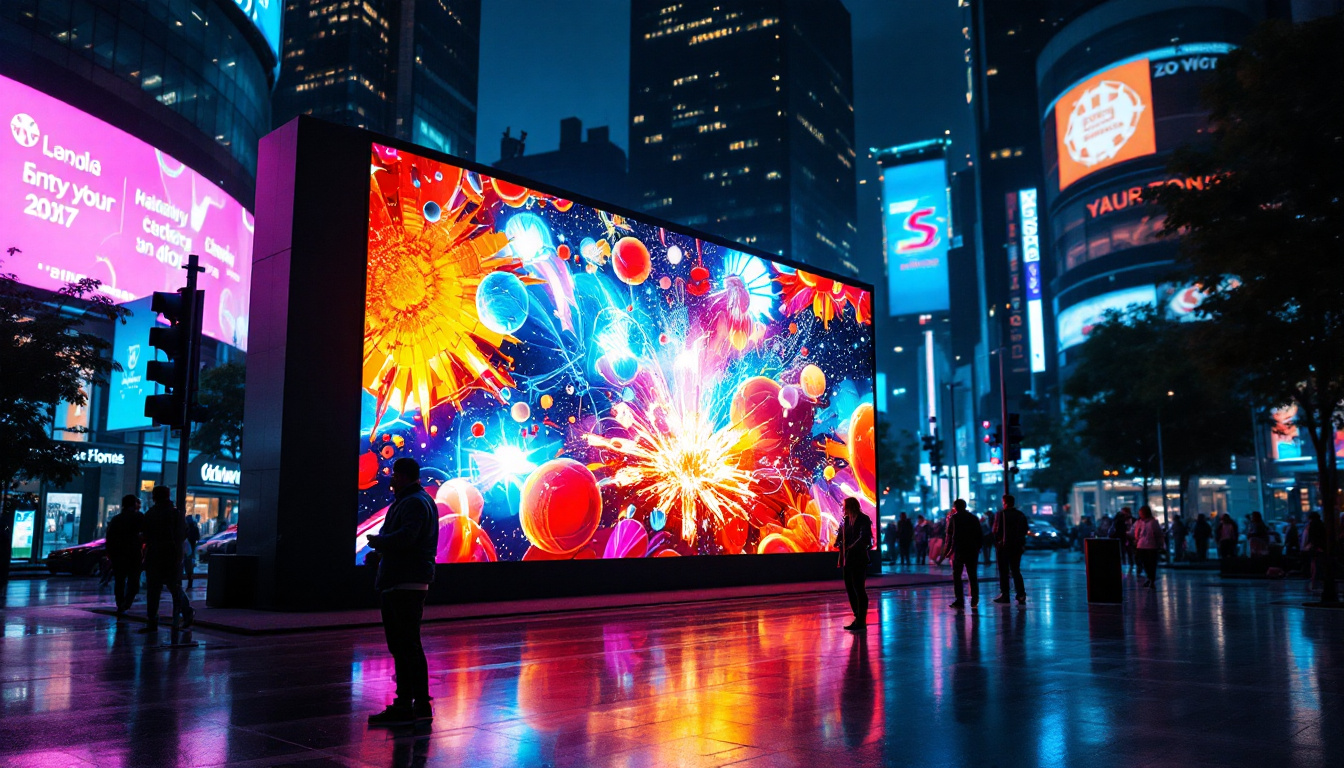
In the rapidly evolving world of visual technology, LED displays have become a cornerstone of modern communication, entertainment, and advertising. From the vibrant billboards that light up Times Square to the high-definition screens in homes and stadiums, LED technology is everywhere. But what exactly makes LED displays so popular, and how do they work? This article delves into the intricacies of LED displays, exploring their technology, applications, and future trends.
Understanding LED Display Technology
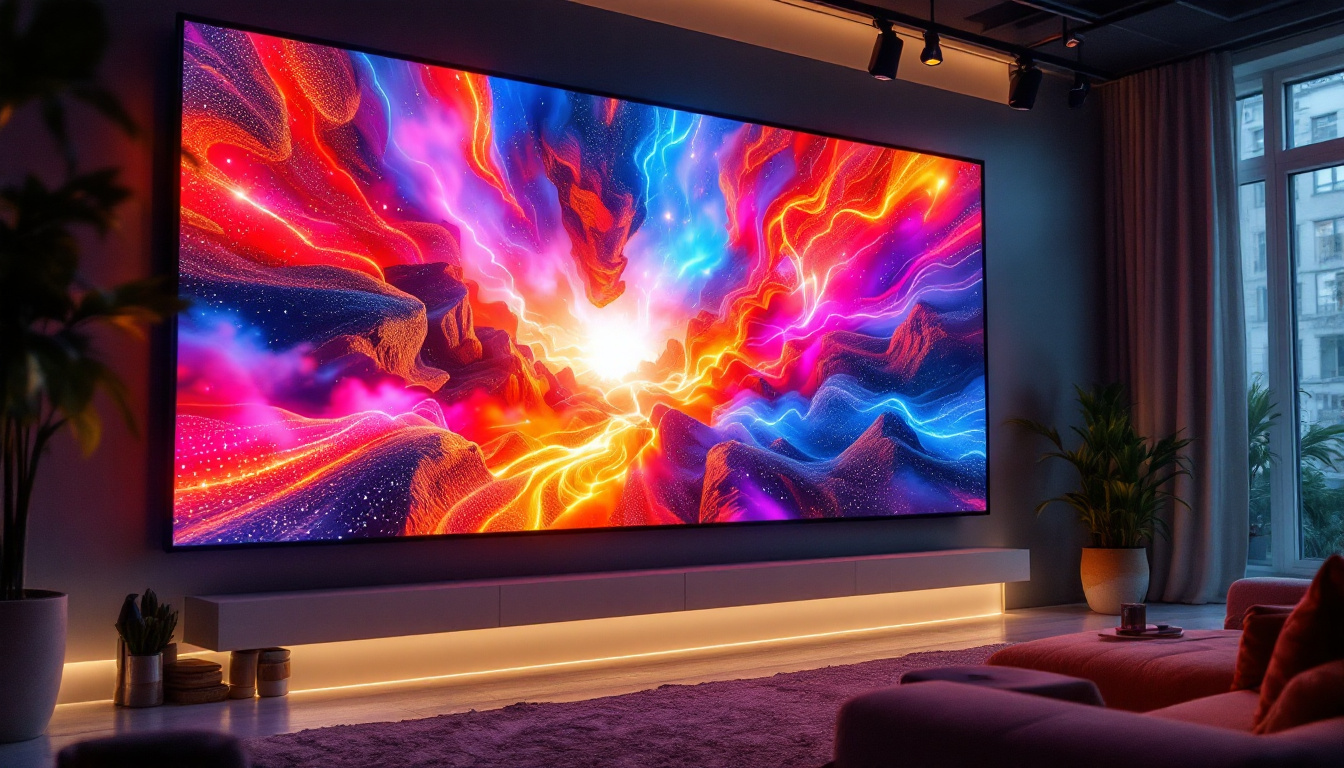
At its core, an LED (Light Emitting Diode) display is a flat panel display that uses an array of light-emitting diodes as pixels for a video display. These LEDs emit light when an electric current passes through them, making them highly efficient and bright compared to traditional display technologies. The versatility of LED displays has led to their adoption in a wide range of applications, from advertising billboards to intricate digital signage in retail environments, showcasing their ability to capture attention and convey information effectively.
How LEDs Work
LEDs are semiconductor devices that convert electrical energy into light. When a voltage is applied, electrons recombine with holes within the device, releasing energy in the form of photons. This process is known as electroluminescence. The color of the light depends on the semiconductor material used, allowing LEDs to produce a wide spectrum of colors. This characteristic is particularly advantageous in creating dynamic displays that can change colors and patterns, enhancing visual appeal and engagement.
The fundamental advantage of LEDs lies in their efficiency and longevity. Unlike incandescent bulbs, LEDs consume less power and have a longer operational life, often exceeding 50,000 hours. This makes them ideal for displays that require continuous operation. Additionally, their low heat emission reduces the need for extensive cooling systems, further contributing to their energy efficiency and making them a more environmentally friendly option compared to older technologies.
Types of LED Displays
LED displays come in various forms, each suited to different applications:
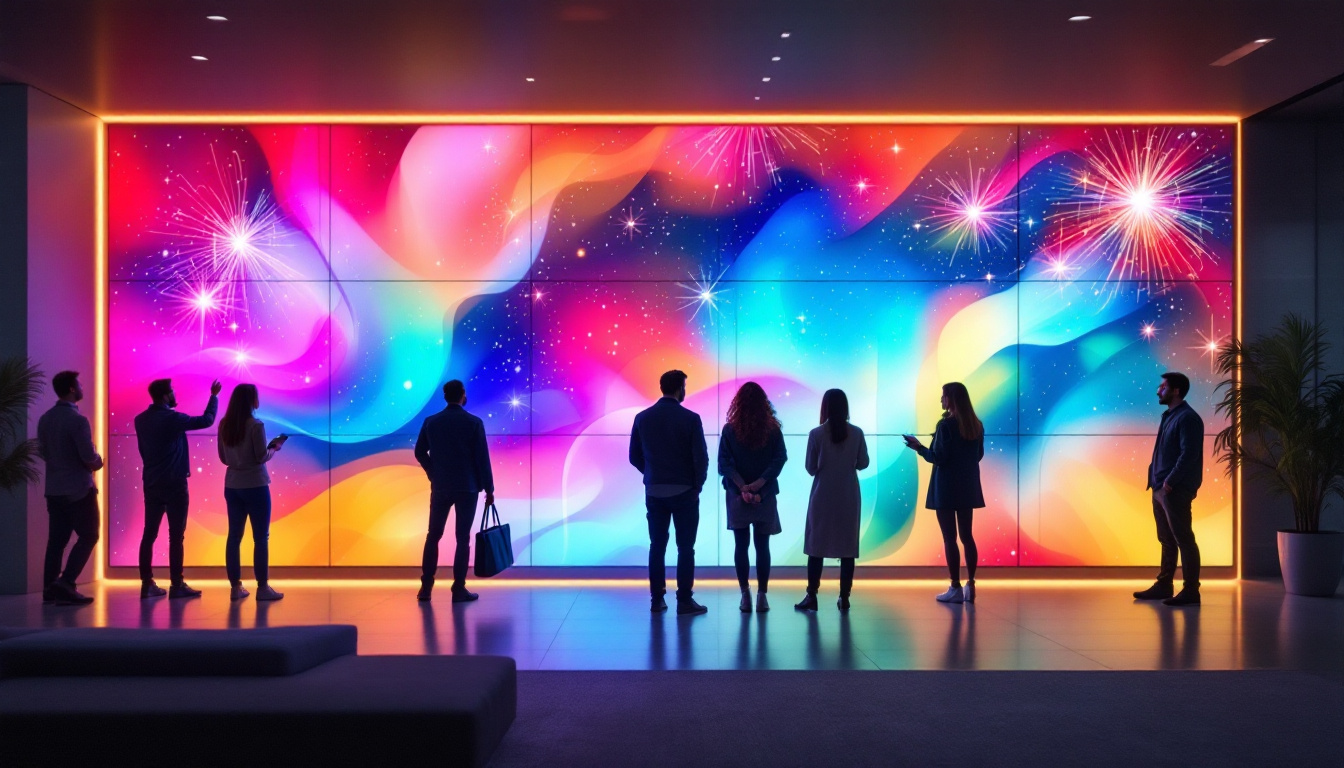
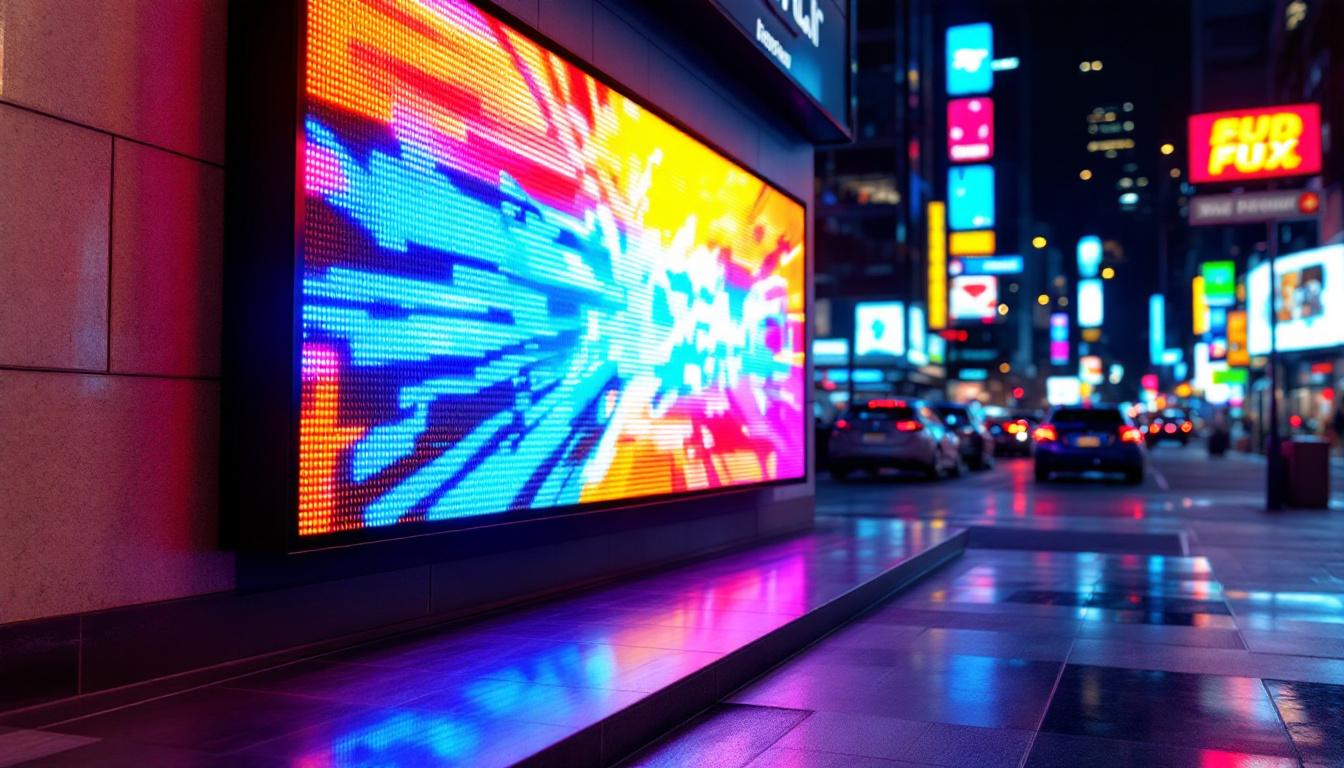
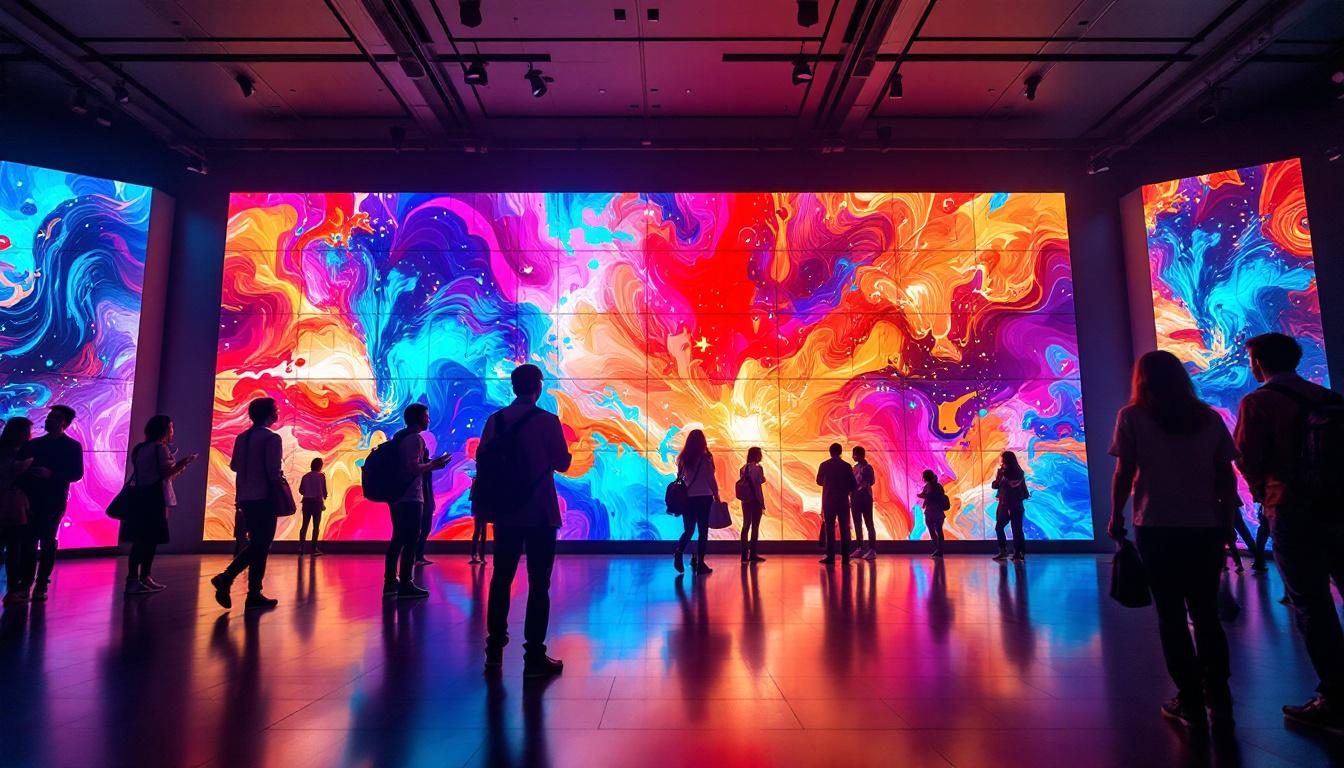
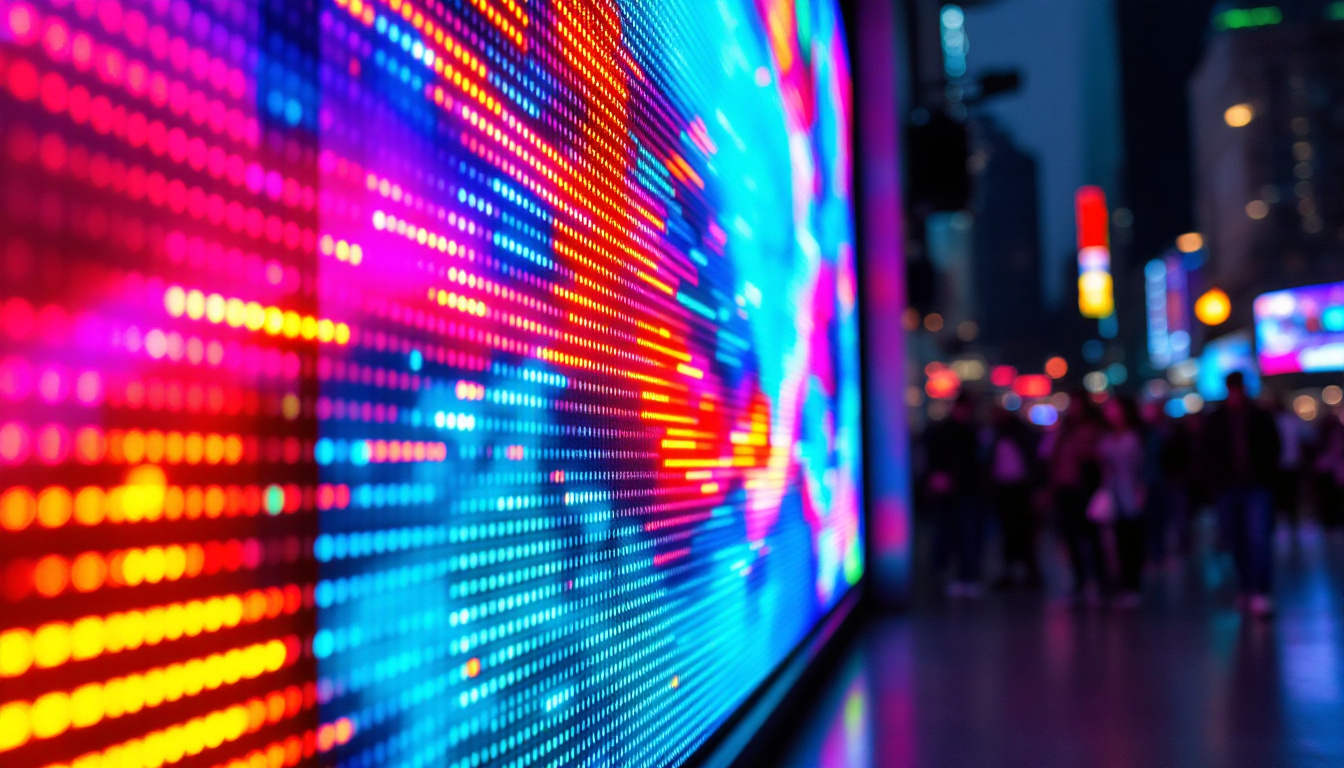
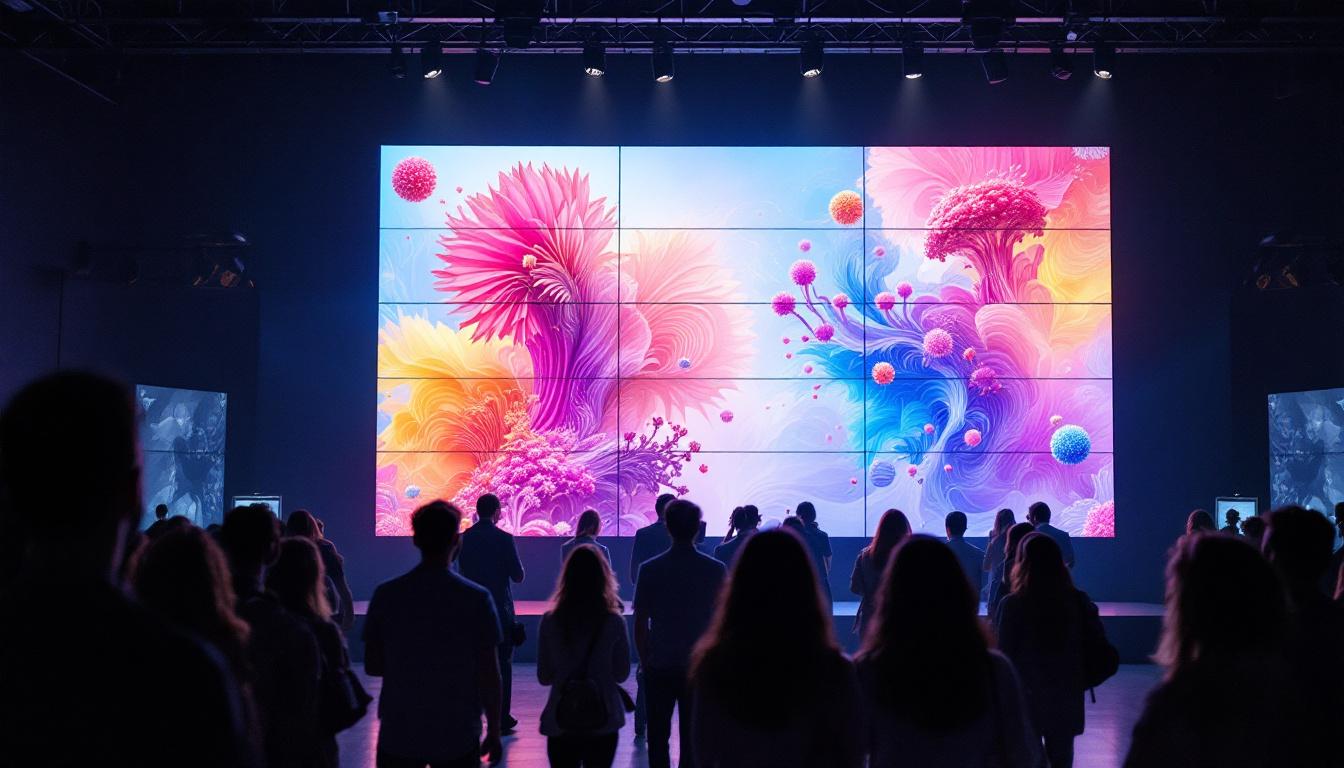
- Direct View LED Displays: These consist of individual LEDs arranged in a matrix to form each pixel. They are commonly used in large outdoor screens and stadium displays due to their brightness and scalability. The ability to create massive video walls using direct view technology has transformed public events and advertising strategies, allowing for immersive experiences that captivate audiences.
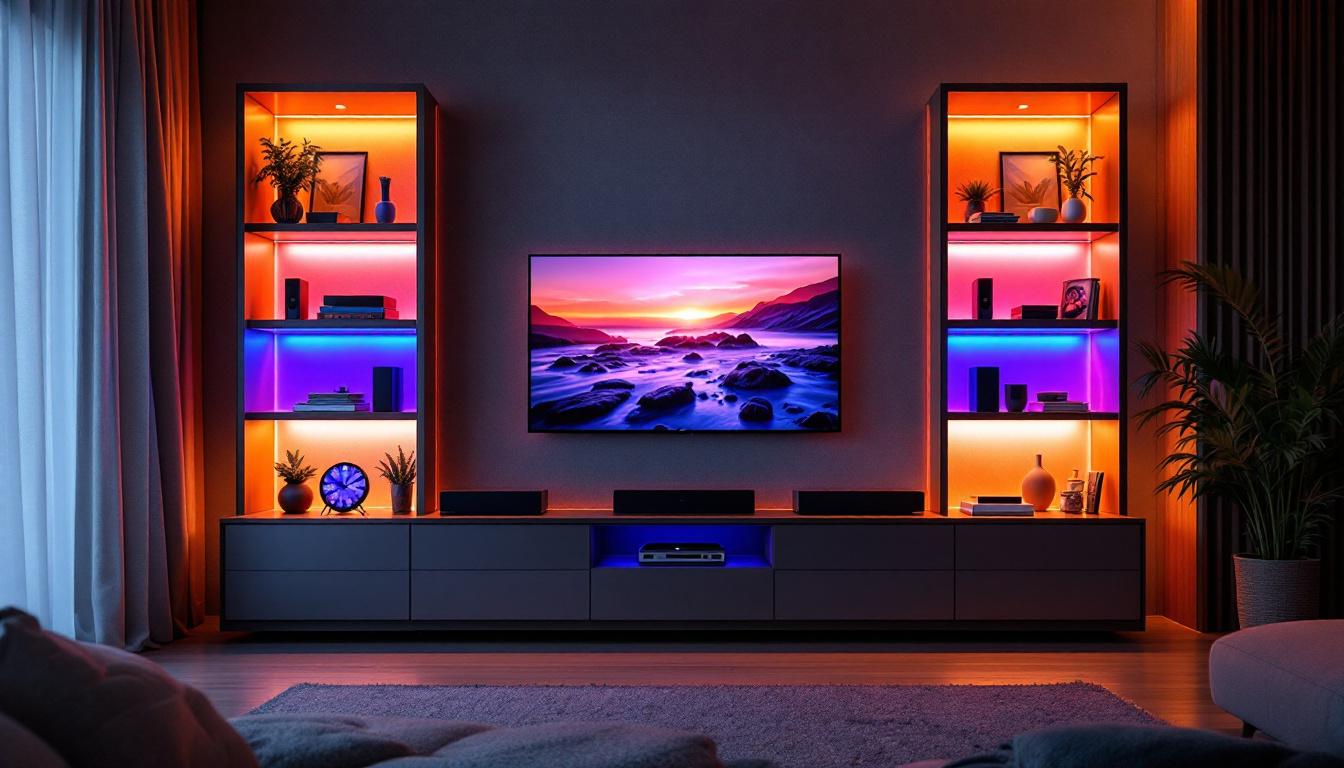
- LED-backlit LCD Displays: Here, LEDs serve as the backlight for liquid crystal displays (LCDs). This combination enhances brightness and color accuracy while maintaining a slim profile, typical in televisions and monitors. The integration of LED backlighting has allowed manufacturers to produce thinner screens without compromising on quality, making them a popular choice for modern consumer electronics.
- OLED Displays: Organic LEDs use organic compounds to emit light and are known for their deep blacks and vibrant colors. OLED technology is prevalent in smartphones and high-end televisions. The flexibility of OLED panels also allows for innovative designs, such as curved screens and foldable devices, pushing the boundaries of what is possible in display technology.
Furthermore, advancements in LED technology continue to emerge, such as MicroLED displays, which promise even greater efficiency and resolution. MicroLEDs consist of microscopic LEDs that can be arranged to form individual pixels, offering the potential for enhanced brightness, contrast, and color accuracy. As research and development in this field progress, we can expect to see even more revolutionary applications of LED technology across various industries, from entertainment to healthcare, fundamentally changing how we interact with visual media.
The Advantages of LED Displays
LED displays offer several key benefits that have driven their widespread adoption across industries.
Superior Brightness and Visibility
One of the most significant advantages of LED displays is their exceptional brightness. LEDs can produce intense light, making displays easily visible even in direct sunlight. This characteristic is especially important for outdoor advertising and public information screens, where ambient light conditions can vary dramatically.
Energy Efficiency and Sustainability
Compared to traditional display technologies like cathode ray tubes (CRT) or fluorescent backlit LCDs, LED displays consume significantly less power. According to the U.S. Department of Energy, LED lighting can be up to 80% more efficient than conventional lighting. This efficiency translates to lower operating costs and reduced environmental impact, aligning with the growing emphasis on sustainable technology solutions.
Durability and Longevity
LEDs are solid-state devices, meaning they have no fragile filaments or glass tubes that can break easily. This robustness results in displays that are more resistant to shock, vibration, and external damage. Additionally, the long lifespan of LEDs reduces maintenance requirements, making them cost-effective over time.
Flexible Design and Scalability
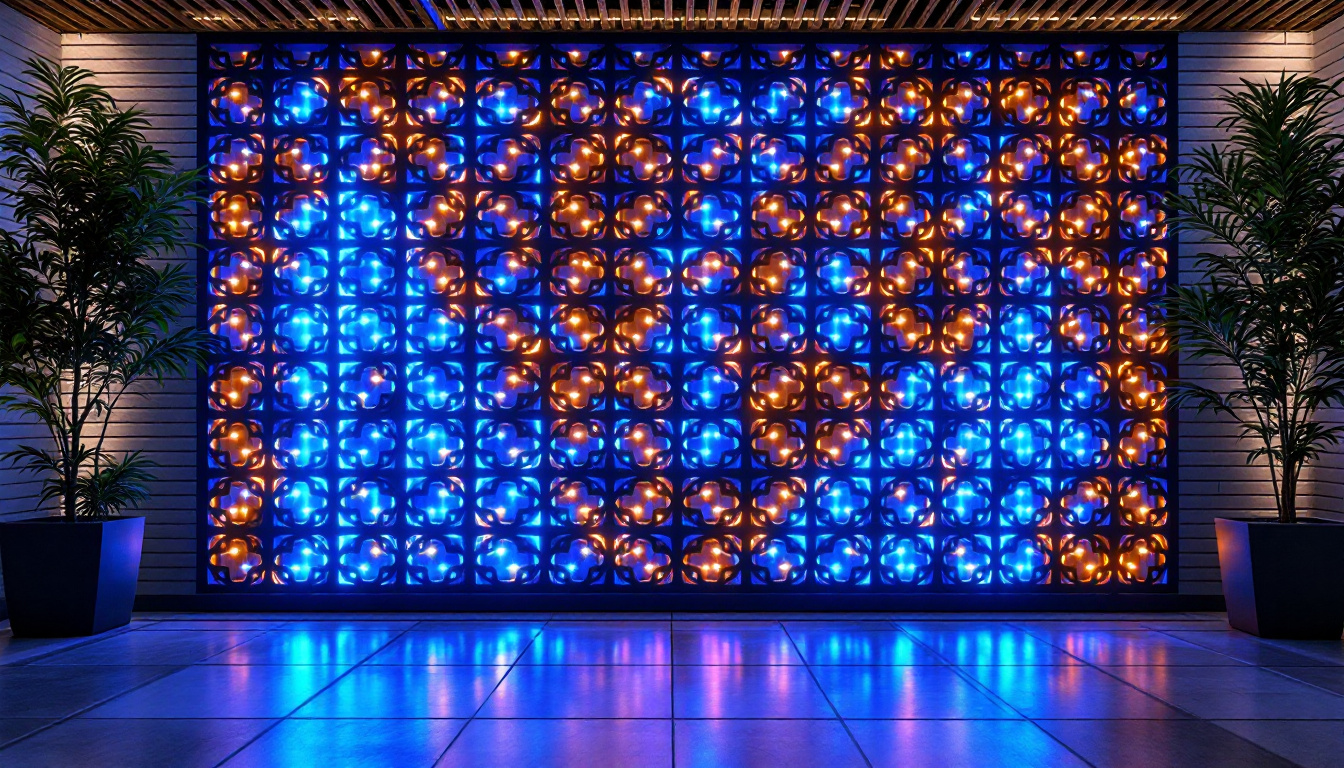
LED displays can be manufactured in various sizes and shapes, from small wearable screens to massive video walls spanning hundreds of square meters. Their modular nature allows for seamless scaling and creative configurations, enabling designers to tailor displays to specific environments and purposes.
Applications of LED Displays in Modern Society
LED technology has permeated numerous sectors, transforming how information is presented and consumed.
Advertising and Digital Signage
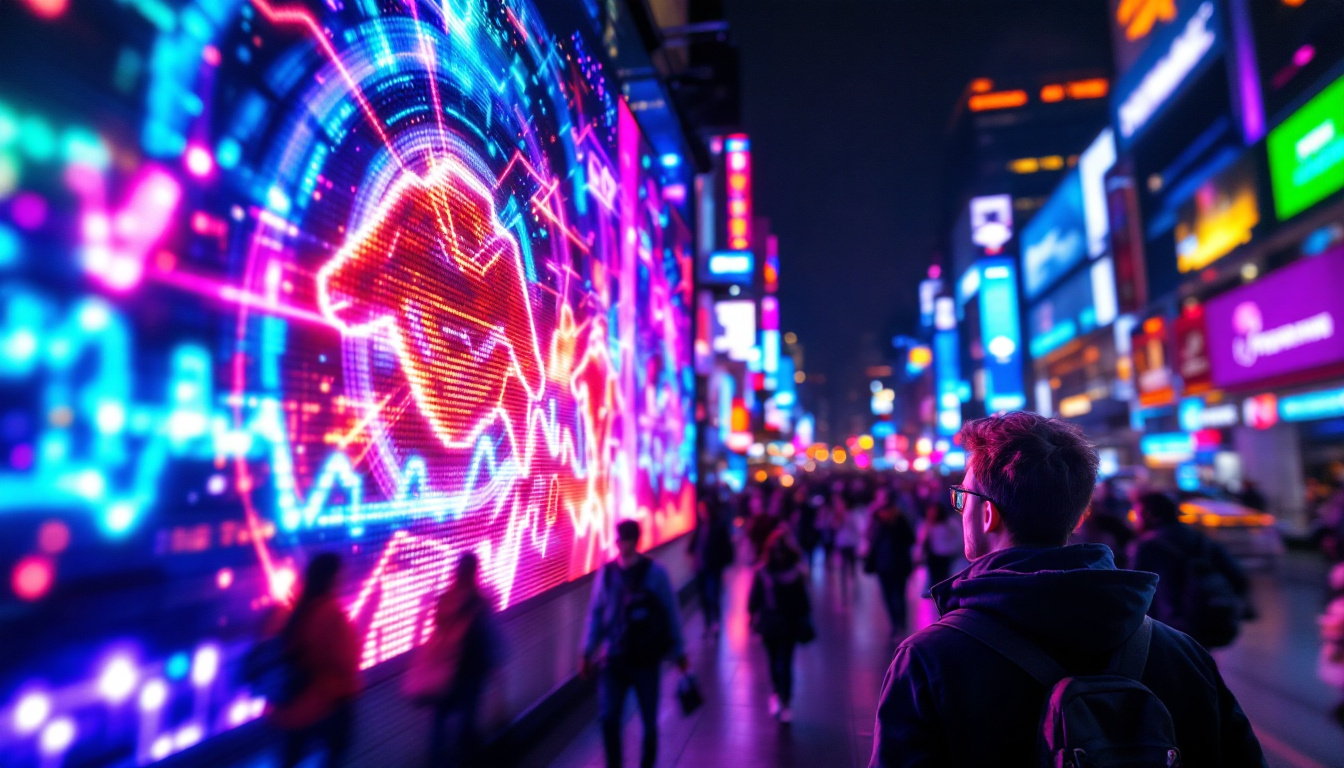
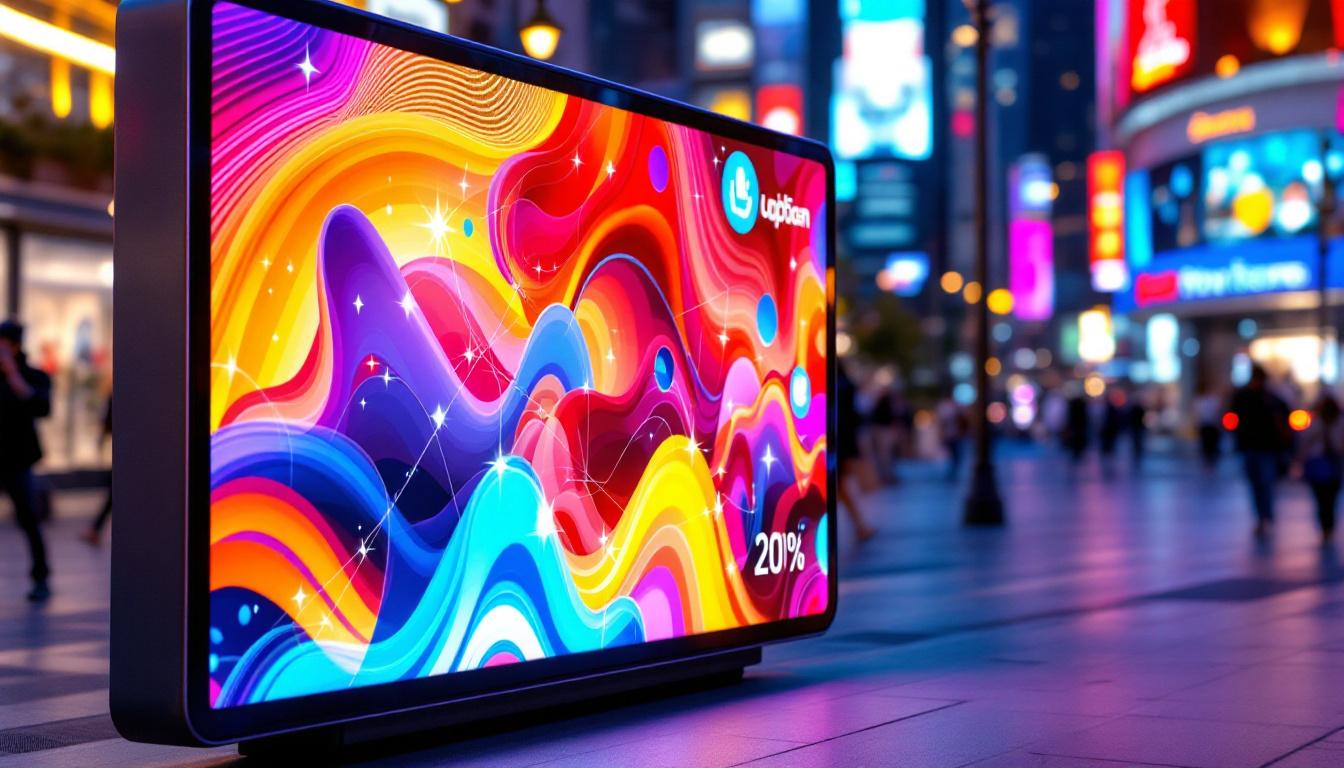
Outdoor LED billboards have revolutionized advertising by enabling dynamic, eye-catching content that can be updated in real-time. Cities like New York, Tokyo, and London feature iconic LED displays that attract millions of viewers daily. The ability to display high-resolution videos and animations enhances brand engagement and message effectiveness.
Entertainment and Sports Venues
In stadiums and arenas, LED displays provide fans with instant replays, live scores, and interactive content. The high brightness and wide viewing angles ensure visibility from all seating areas. Concerts and events also use LED walls and floors to create immersive visual experiences that complement performances.
Retail and Hospitality
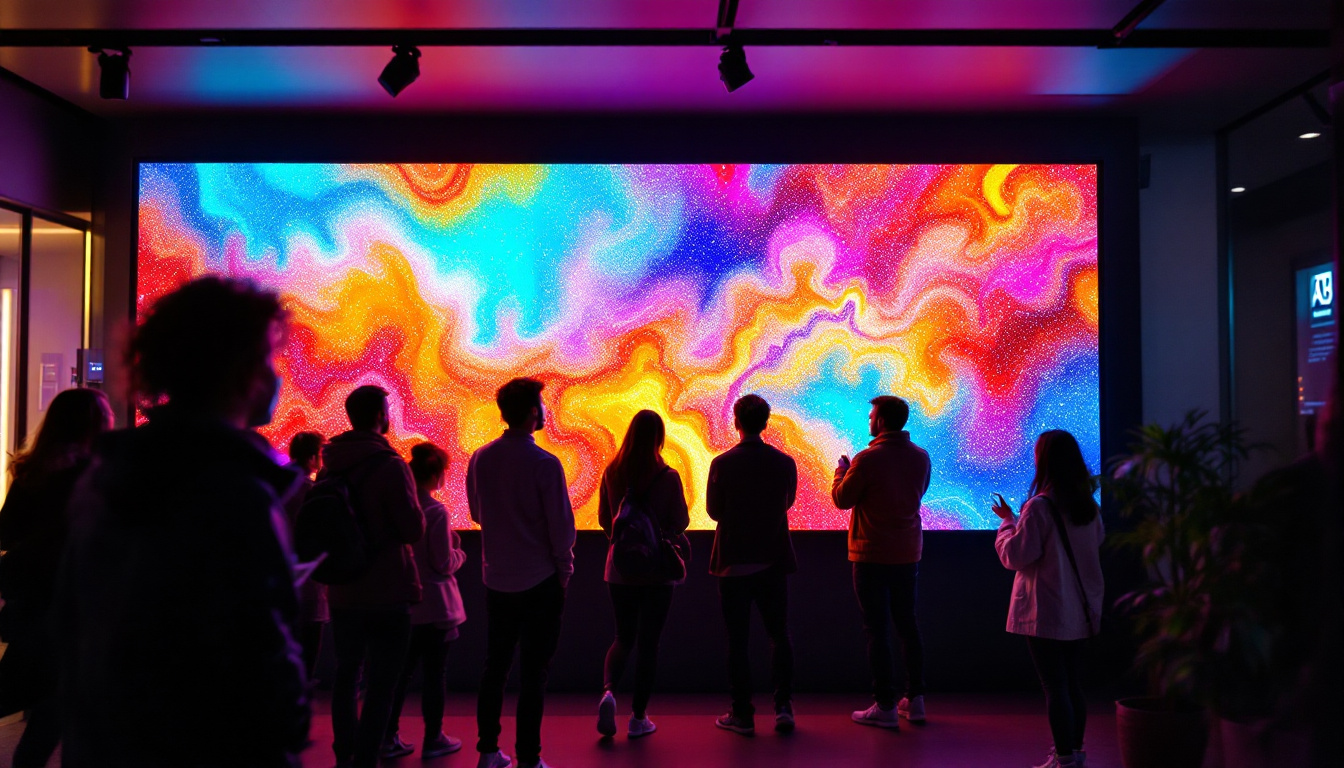
Retailers utilize LED displays to showcase products, promotions, and interactive content, enhancing customer engagement. Hotels and restaurants employ LED screens for digital menus, ambient lighting, and entertainment, improving the overall guest experience.
Transportation and Public Information
LED displays are integral to transportation hubs such as airports, train stations, and bus terminals. They provide real-time updates on arrivals, departures, and delays, helping travelers navigate complex schedules efficiently. Additionally, LED signs are used for traffic management and safety warnings on highways.
Healthcare and Education
In healthcare settings, LED displays assist in patient monitoring and information dissemination. Educational institutions use LED screens for digital classrooms, interactive learning, and campus communications, fostering a more engaging environment.
Technical Considerations When Choosing an LED Display
Selecting the right LED display involves understanding several technical factors that impact performance and suitability.
Pixel Pitch and Resolution
Pixel pitch refers to the distance between the centers of two adjacent LEDs. A smaller pixel pitch means higher resolution and sharper images, which is crucial for close-viewing applications like indoor displays. Outdoor displays typically have larger pixel pitches since viewers are farther away.
Brightness and Contrast Ratio
Brightness is measured in nits (cd/m²) and determines how well a display performs under various lighting conditions. For outdoor use, displays often require brightness levels above 5,000 nits to remain visible in direct sunlight. Contrast ratio affects the clarity and depth of images, with higher ratios delivering better picture quality.
Viewing Angle
The viewing angle defines the range within which the display can be seen clearly without color distortion or brightness loss. Wide viewing angles are essential for public displays where audiences view the screen from different positions.
Refresh Rate and Response Time
Refresh rate, measured in hertz (Hz), indicates how many times per second the display updates its image. Higher refresh rates reduce flicker and motion blur, improving the viewing experience, especially for video content and fast-moving images.
Environmental Resistance
For outdoor installations, displays must withstand weather conditions such as rain, dust, and temperature fluctuations. IP (Ingress Protection) ratings indicate the level of protection against solids and liquids, with IP65 or higher commonly recommended for outdoor LED screens.
The Future of LED Display Technology
As technology advances, LED displays continue to evolve, offering new possibilities and applications.
MicroLED and MiniLED Innovations
MicroLED technology involves tiny LEDs that are much smaller than traditional ones, enabling even higher resolution and better color accuracy. These displays promise improved brightness, contrast, and energy efficiency without the burn-in issues associated with OLEDs. MiniLEDs, slightly larger than microLEDs, are already making their way into premium televisions and monitors, offering enhanced backlighting performance.
Flexible and Transparent LED Displays
Emerging flexible LED displays can bend and curve, opening up innovative design opportunities for wearable devices, automotive interiors, and architectural installations. Transparent LED screens allow viewers to see through the display while still showing vibrant images, ideal for retail windows and augmented reality applications.
Integration with Smart Technologies
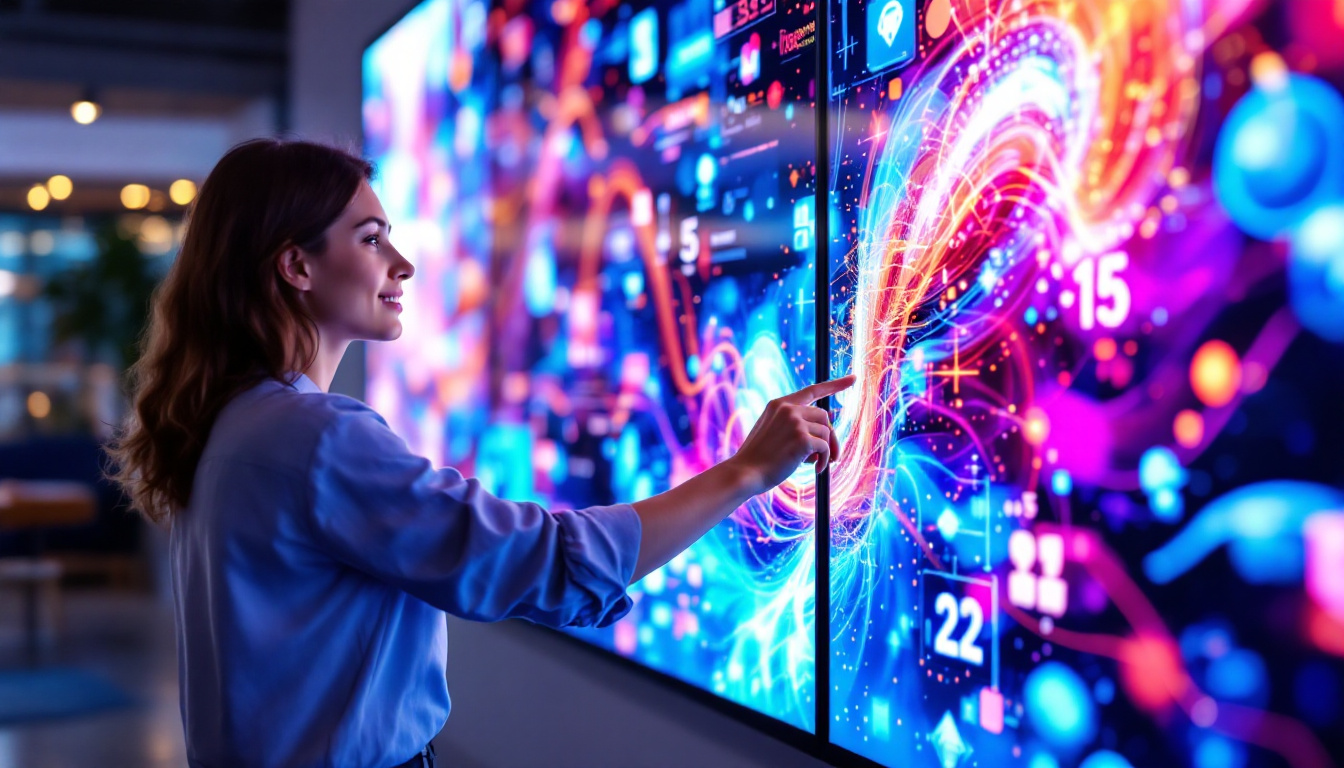
LED displays are increasingly integrated with smart sensors, AI, and IoT systems, enabling interactive and adaptive content. For example, digital signage can adjust brightness based on ambient light or change advertisements based on audience demographics detected through cameras.
Sustainability and Recycling Advances
With growing environmental concerns, manufacturers are focusing on making LED displays more recyclable and using eco-friendly materials. Energy-efficient designs and longer lifespans contribute to reducing electronic waste and carbon footprints.
Conclusion
LED displays have transformed the way information and entertainment are delivered across the globe. Their unmatched brightness, energy efficiency, and versatility make them indispensable in numerous industries. As innovations like microLED and flexible displays mature, the potential applications will expand even further, shaping the future of visual communication. Understanding the technology behind LED displays and their practical considerations empowers businesses and consumers to make informed decisions and harness the full benefits of this dynamic technology.
Illuminate Your Space with LumenMatrix
Ready to elevate your visual experience with the latest in LED display technology? LumenMatrix is at the forefront of innovation, offering a diverse range of LED display solutions tailored to your needs. Whether you’re looking to captivate audiences with an Indoor LED Wall Display, make a statement with a Vehicle LED Display, or create a unique environment with a Custom LED Display, LumenMatrix has the expertise to bring your vision to life. Embrace the future of visual communication and check out LumenMatrix LED Display Solutions today to see how we can enhance your brand visibility and audience engagement.