The world of display technology has evolved rapidly over the past decade, with LED displays becoming a dominant force in both commercial and consumer markets. Among the innovations driving this transformation is the concept of integrated LED replacement, a solution that promises enhanced performance, energy efficiency, and simplified maintenance. This article delves into what integrated LED replacement entails, how LED displays function, and why this technology is reshaping the way we think about digital signage and visual communication.
Understanding LED Display Technology
What is an LED Display?
LED stands for Light Emitting Diode, a semiconductor device that emits light when an electric current passes through it. An LED display is a flat panel display that uses an array of these tiny LEDs as pixels to produce images, videos, and text. Unlike traditional LCD or plasma screens, LED displays are known for their brightness, color vibrancy, and energy efficiency. This makes them particularly appealing in environments where visibility is crucial, such as in bright sunlight or large venues.
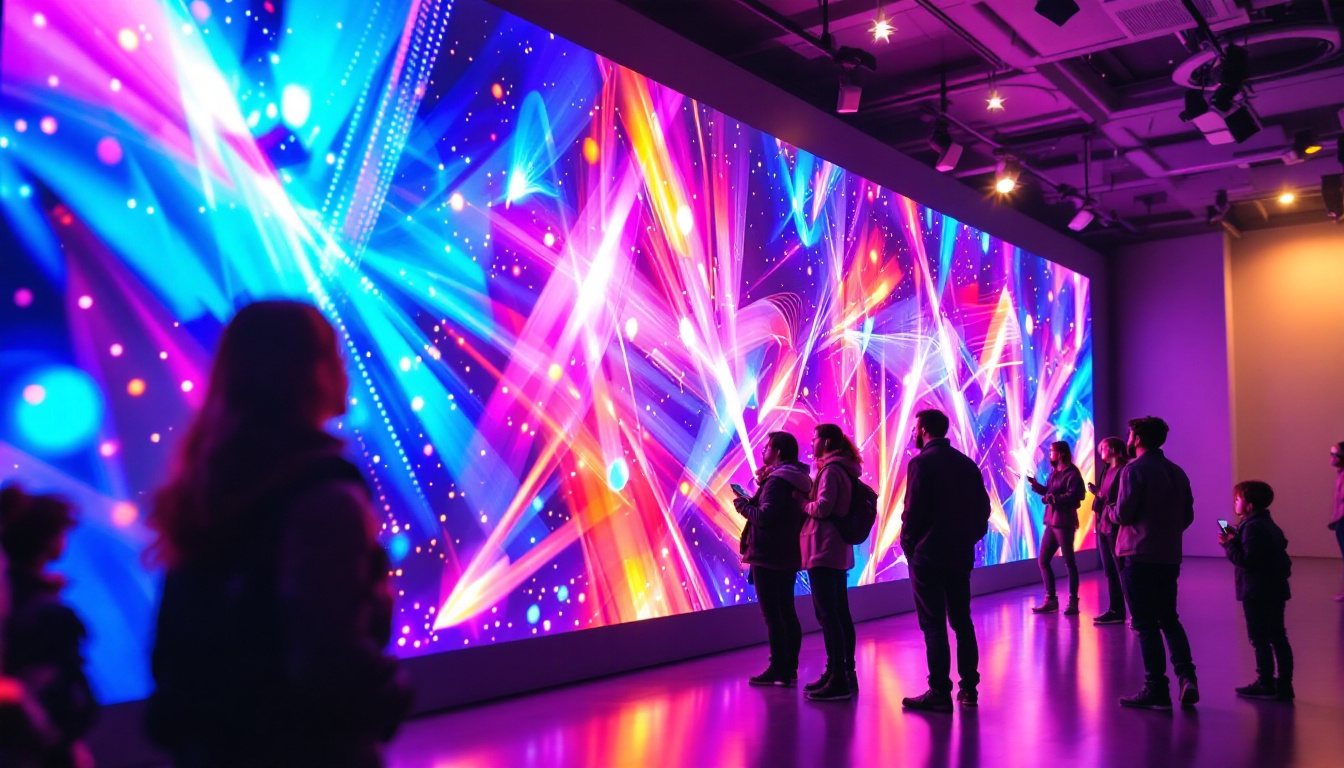
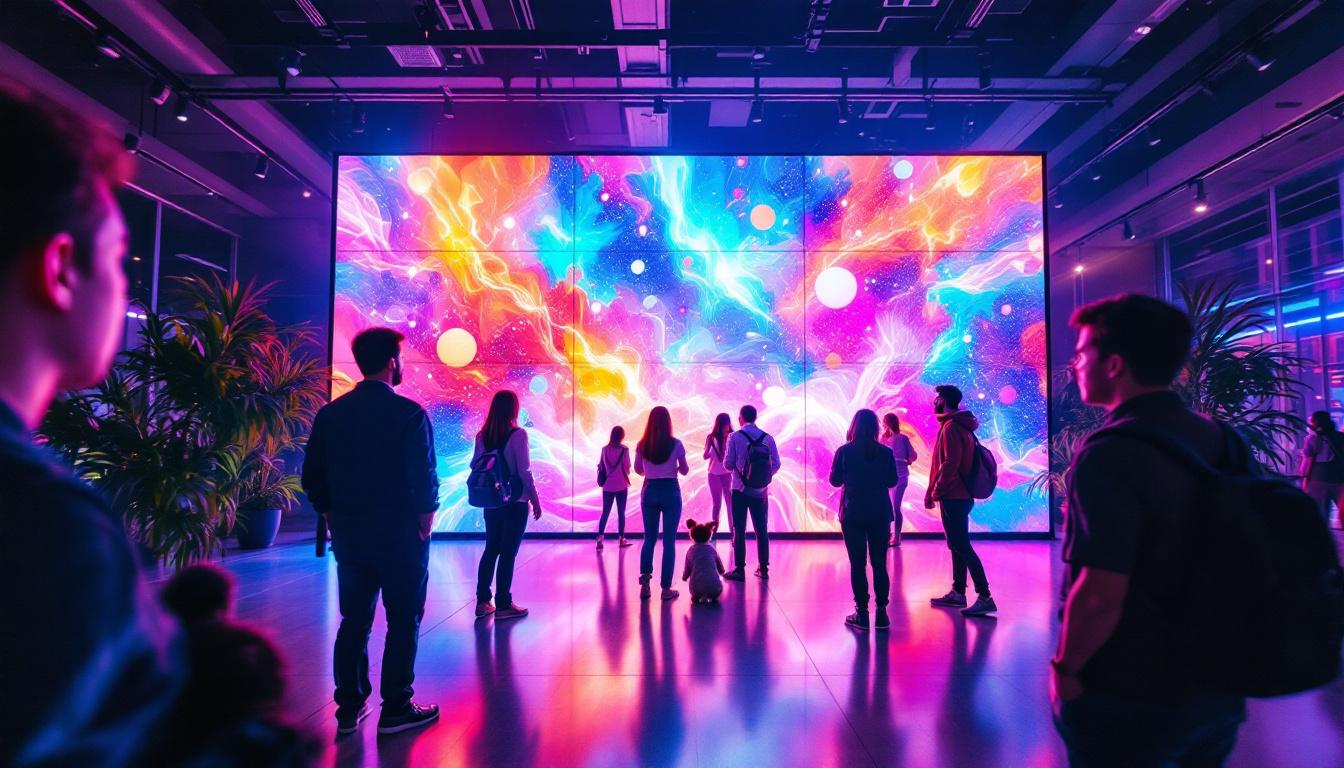
LED displays come in various forms, including indoor and outdoor screens, video walls, and flexible panels. Their applications range from advertising billboards and stadium screens to retail signage and public information displays. The modular nature of LED technology allows for scalable solutions that can be customized to fit different sizes and resolutions. For instance, outdoor LED displays are often designed with weather-resistant features to withstand harsh environmental conditions, ensuring longevity and reliability. Meanwhile, indoor displays can be engineered to provide ultra-high-definition visuals, perfect for immersive experiences in theaters or exhibitions.
How Do LED Displays Work?
At the core of an LED display are individual LEDs arranged in clusters called pixels. Each pixel typically consists of red, green, and blue LEDs that combine to create a full spectrum of colors through a process called additive color mixing. By controlling the intensity of each LED within a pixel, the display can render millions of colors and produce high-definition images. This ability to mix colors at the pixel level allows for stunning visual effects and gradients that enhance the viewer’s experience.
Modern LED displays use integrated circuits and sophisticated control systems to manage the timing and brightness of each LED. This precise control allows for smooth video playback, sharp graphics, and dynamic content that can be updated in real-time. Additionally, LED displays are designed to maintain consistent brightness and color accuracy even under direct sunlight, making them ideal for outdoor use. The technology has evolved to include features like high refresh rates and low latency, which are essential for applications such as live sports broadcasting and interactive installations. Furthermore, advancements in LED technology have led to the development of transparent and flexible displays, opening up new possibilities for creative advertising and architectural design.
The Concept of Integrated LED Replacement
What Does Integrated LED Replacement Mean?
Integrated LED replacement refers to the process of upgrading or repairing LED display modules by replacing entire integrated LED units rather than individual components. Traditional LED displays often require technicians to replace single LEDs or small clusters, which can be time-consuming and prone to errors. Integrated replacement streamlines this process by using pre-assembled LED modules that can be swapped out quickly and efficiently.
This approach not only reduces downtime but also ensures uniformity in color and brightness across the display. Since each module is factory-calibrated and tested, integrated LED replacement helps maintain the overall quality and longevity of the display. Furthermore, this method allows for a more consistent viewing experience for the audience, as the color temperature and luminance remain stable across the entire display, eliminating the unsightly mismatches that can occur with piecemeal repairs.
Benefits of Integrated LED Replacement
One of the primary advantages of integrated LED replacement is the significant reduction in maintenance time and costs. Instead of painstakingly diagnosing and repairing individual LEDs, technicians can replace entire modules, minimizing the risk of damaging surrounding components. This efficiency not only saves labor costs but also allows for quicker turnaround times, which is crucial for businesses that rely on their displays for marketing and communication purposes.
Moreover, integrated replacement modules often come with enhanced features such as improved heat dissipation, better waterproofing, and advanced circuitry. These improvements contribute to longer service life and greater reliability, especially in demanding environments like outdoor installations or high-traffic commercial spaces. Additionally, many integrated modules are designed with energy efficiency in mind, reducing power consumption and contributing to lower operational costs over time. This eco-friendly aspect aligns with the growing trend of sustainability in technology, making integrated LED replacement a forward-thinking choice for modern businesses.
Case Study: Integrated LED Replacement in Retail Environments
Consider a large retail chain that uses LED video walls for promotional displays in multiple stores. Traditional maintenance required skilled technicians to identify faulty LEDs and perform delicate repairs, often leading to extended downtime and inconsistent image quality. By switching to integrated LED replacement modules, the chain was able to reduce maintenance time by over 50%, ensuring that promotional content remained vibrant and uninterrupted.
This efficiency translated into higher customer engagement and increased sales, demonstrating the practical benefits of integrated LED replacement beyond technical performance. In addition to the immediate financial gains, the retail chain also reported an increase in customer satisfaction, as shoppers were more likely to be drawn to visually appealing displays that showcased their latest products and promotions. The seamless integration of technology and marketing strategies through integrated LED replacement not only enhanced the shopping experience but also positioned the brand as a leader in innovation within the retail sector.
Technical Aspects of Integrated LED Replacement
Module Design and Construction
Integrated LED replacement modules are designed as self-contained units that include the LED array, driver circuits, and sometimes even cooling components. These modules are manufactured under strict quality control processes to guarantee uniformity and compatibility with the existing display infrastructure.
The design focuses on ease of installation, often featuring plug-and-play connectors and standardized mounting mechanisms. This modularity allows for quick swaps without the need for specialized tools or extensive training.
Compatibility and Standardization
One challenge in integrated LED replacement is ensuring that new modules are compatible with older display systems. Manufacturers have addressed this by adopting industry standards for module dimensions, electrical connections, and communication protocols. This standardization enables seamless integration of replacement modules from the same or even different suppliers, provided they adhere to the specifications.
Additionally, firmware and software updates often accompany integrated LED replacement to optimize performance and enable new features. This holistic approach ensures that the display remains state-of-the-art without requiring a complete overhaul.
Energy Efficiency and Environmental Impact
Integrated LED replacement modules frequently incorporate the latest energy-saving technologies. Advances in LED chip design and driver electronics reduce power consumption while maintaining or improving brightness and color quality. This efficiency not only lowers operating costs but also contributes to sustainability goals by minimizing the carbon footprint of digital signage.
Furthermore, the modular replacement approach reduces electronic waste, as only faulty or outdated modules are replaced rather than entire displays. Many manufacturers also offer recycling programs for used modules, reinforcing environmentally responsible practices.
Applications and Future Trends
Where Integrated LED Replacement is Making an Impact
Integrated LED replacement is particularly valuable in sectors where display uptime and visual quality are critical. Sports arenas, transportation hubs, corporate headquarters, and public spaces benefit from the rapid maintenance and consistent performance that integrated modules provide.
In advertising, the ability to quickly update or repair LED displays ensures that brands can maintain a strong visual presence without interruption. Similarly, in control rooms and command centers, reliable LED displays are essential for monitoring and decision-making, making integrated replacement a practical solution.
Emerging Technologies and Innovations
The LED display industry continues to innovate, with trends such as microLED and miniLED pushing the boundaries of resolution, brightness, and energy efficiency. Integrated LED replacement is evolving alongside these technologies, with new modules offering higher pixel densities and enhanced durability.
Another promising development is the integration of smart diagnostics within LED modules. These systems can monitor performance metrics in real-time and alert maintenance teams to potential issues before they cause visible defects. This predictive maintenance capability further reduces downtime and operational costs.
The Role of Integrated LED Replacement in Smart Cities
As urban environments become increasingly connected, LED displays play a vital role in disseminating information, advertising, and enhancing public safety. Integrated LED replacement ensures that these displays remain functional and visually appealing, supporting the dynamic needs of smart cities.
For example, digital signage integrated with IoT sensors can adapt content based on environmental conditions or audience demographics. Maintaining such sophisticated systems requires reliable and easily replaceable LED modules, underscoring the importance of integrated replacement technology.
Conclusion: Why Integrated LED Replacement Matters
Integrated LED replacement represents a significant advancement in the maintenance and longevity of LED displays. By simplifying repairs, improving reliability, and enhancing energy efficiency, this approach addresses many challenges faced by display operators across industries.
As LED technology continues to evolve, integrated replacement modules will play a crucial role in ensuring that displays remain vibrant, functional, and cost-effective. Whether for advertising, information dissemination, or entertainment, integrated LED replacement is a key enabler of the next generation of digital visual experiences.
For businesses and organizations investing in LED displays, understanding and adopting integrated LED replacement strategies can lead to better performance, reduced operational costs, and a stronger return on investment. As the demand for high-quality digital signage grows, integrated LED replacement will undoubtedly become a standard practice in the display industry.
Discover Cutting-Edge LED Solutions with LumenMatrix
Ready to elevate your visual communication and display capabilities? LumenMatrix is at the forefront of LED display innovation, offering a wide array of products from Indoor and Outdoor LED Wall Displays to specialized solutions like Vehicle LED Displays, LED Sports Displays, and Custom LED Displays. Embrace the future of digital signage with our All-in-One and Transparent LED Displays, designed to captivate your audience and amplify your message. Check out LumenMatrix LED Display Solutions today and experience the transformative power of integrated LED replacement.