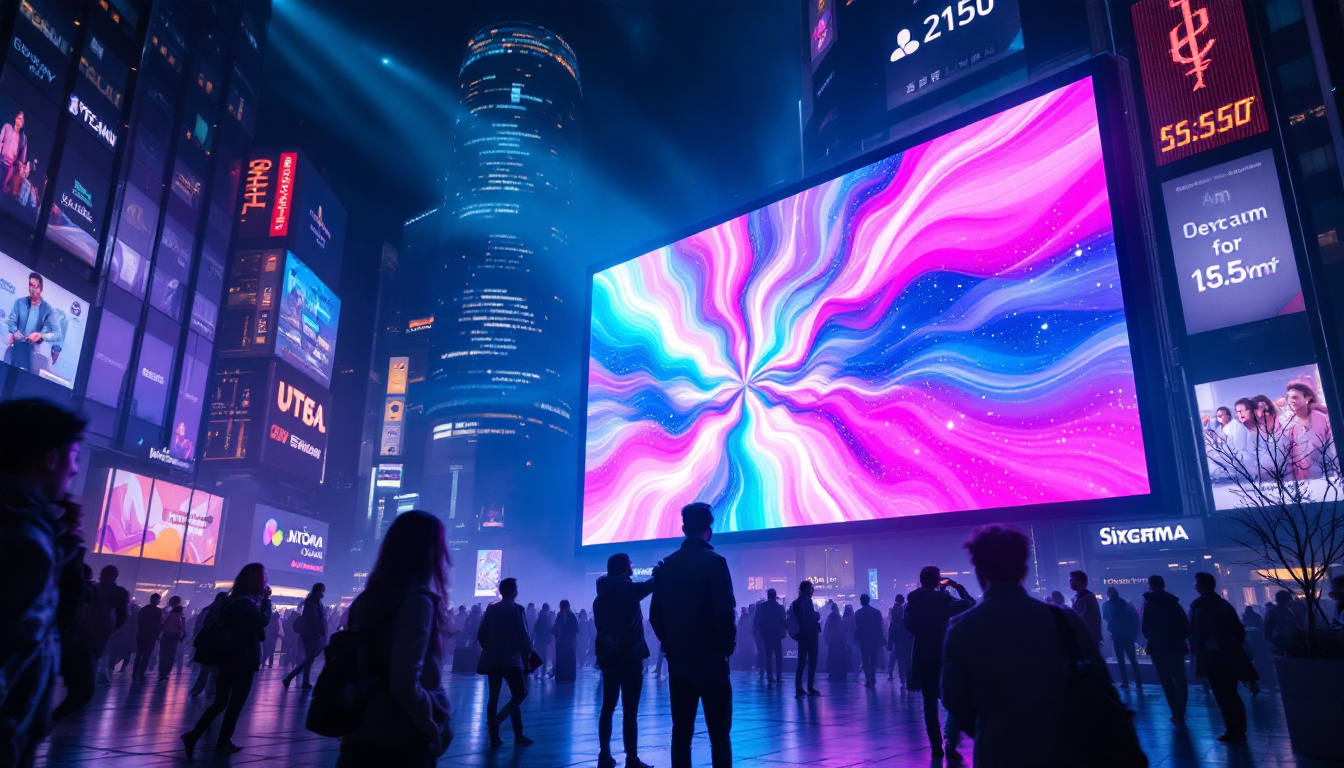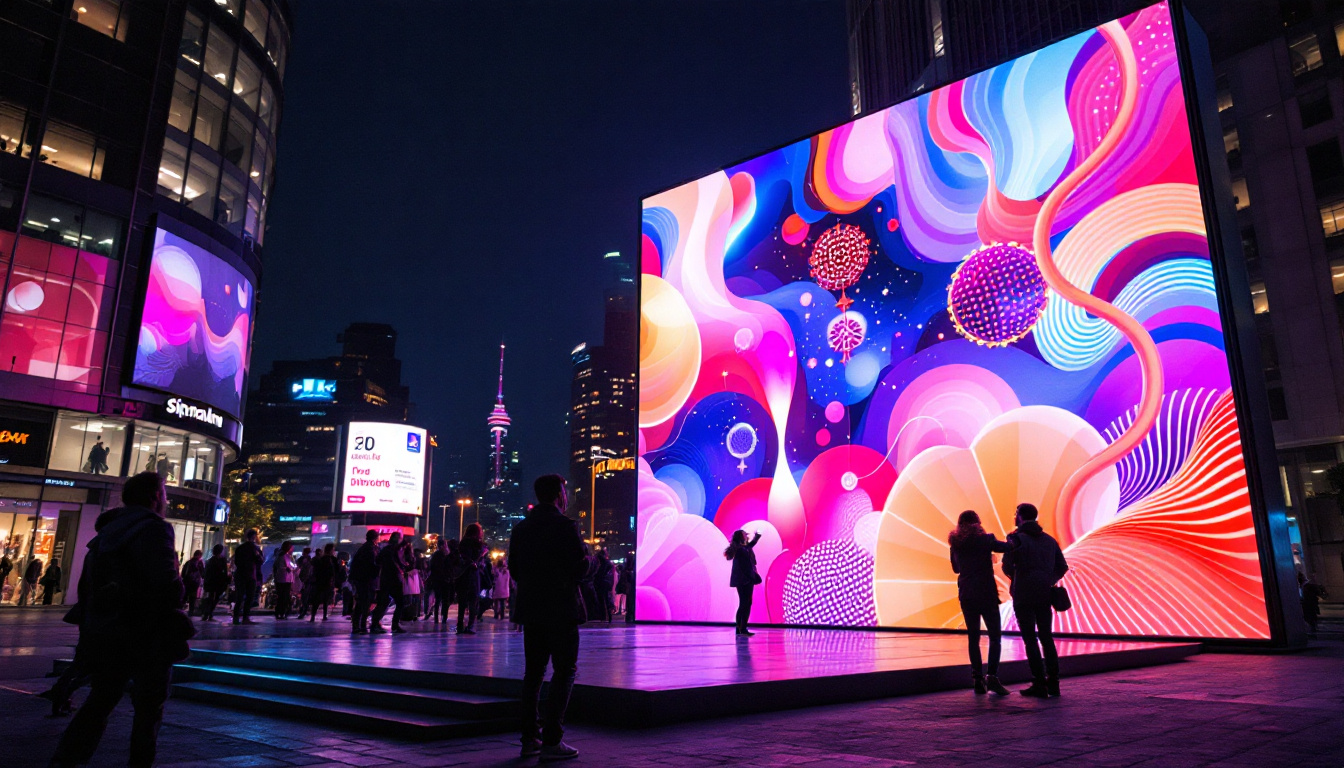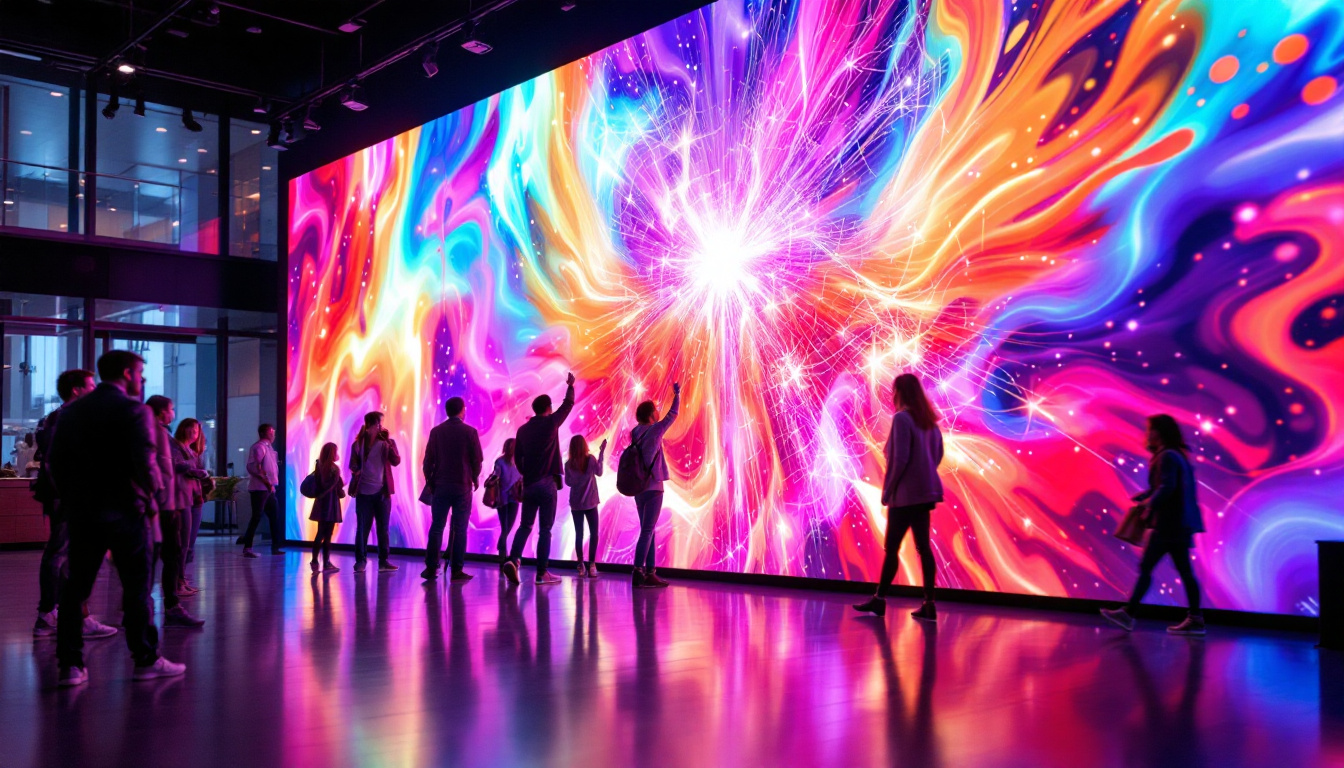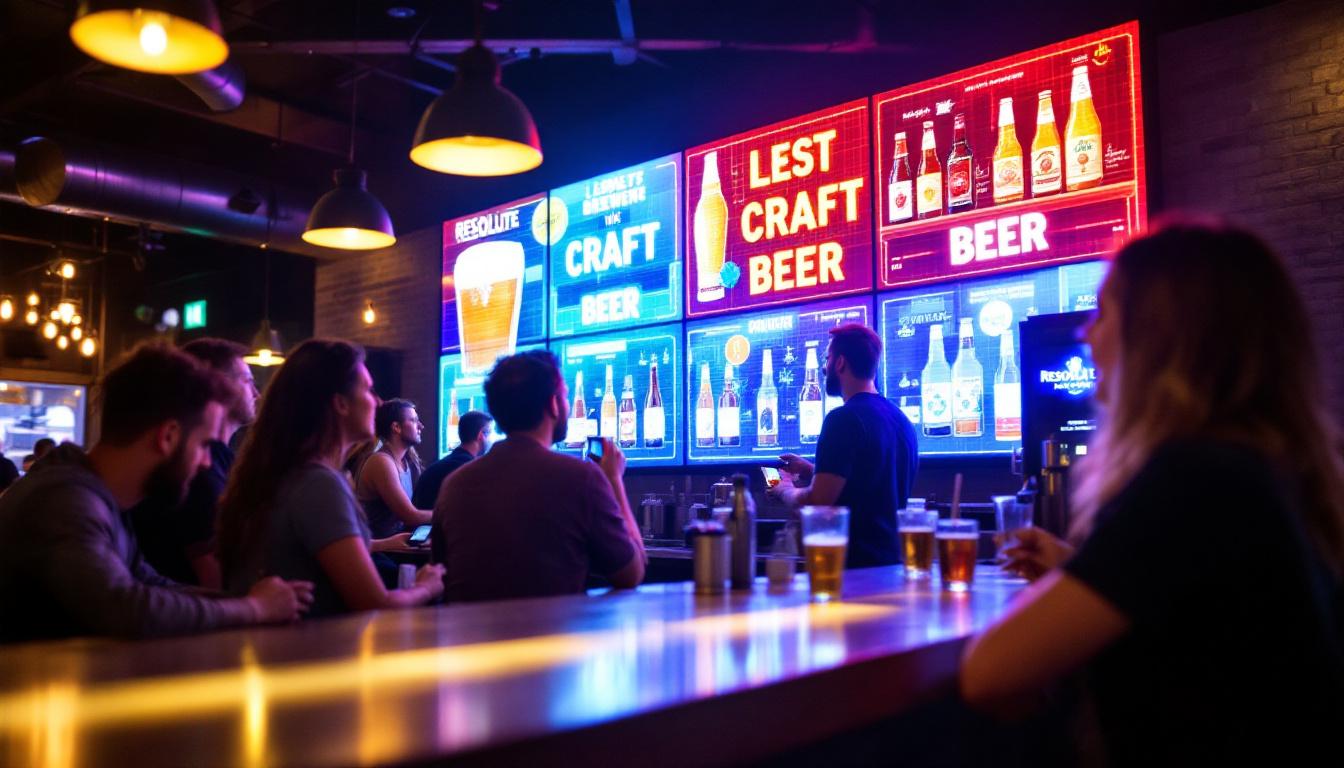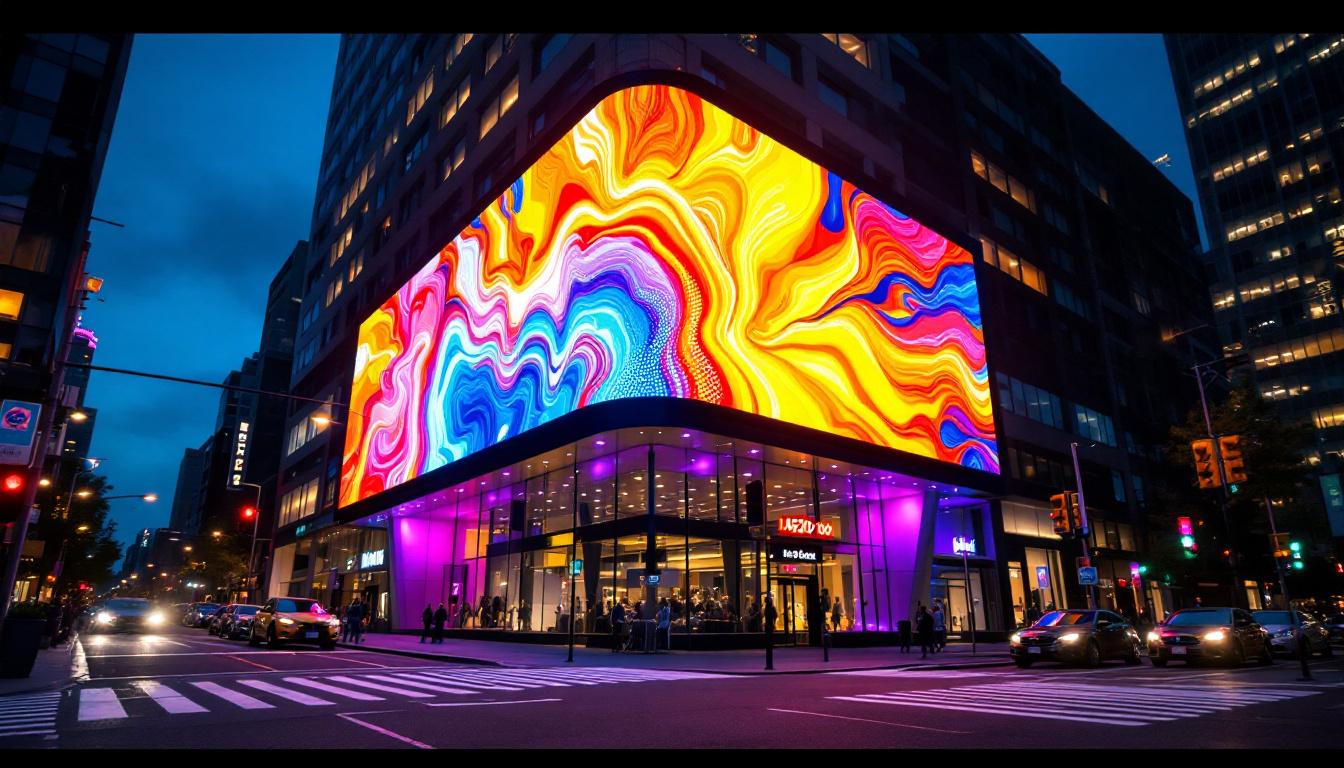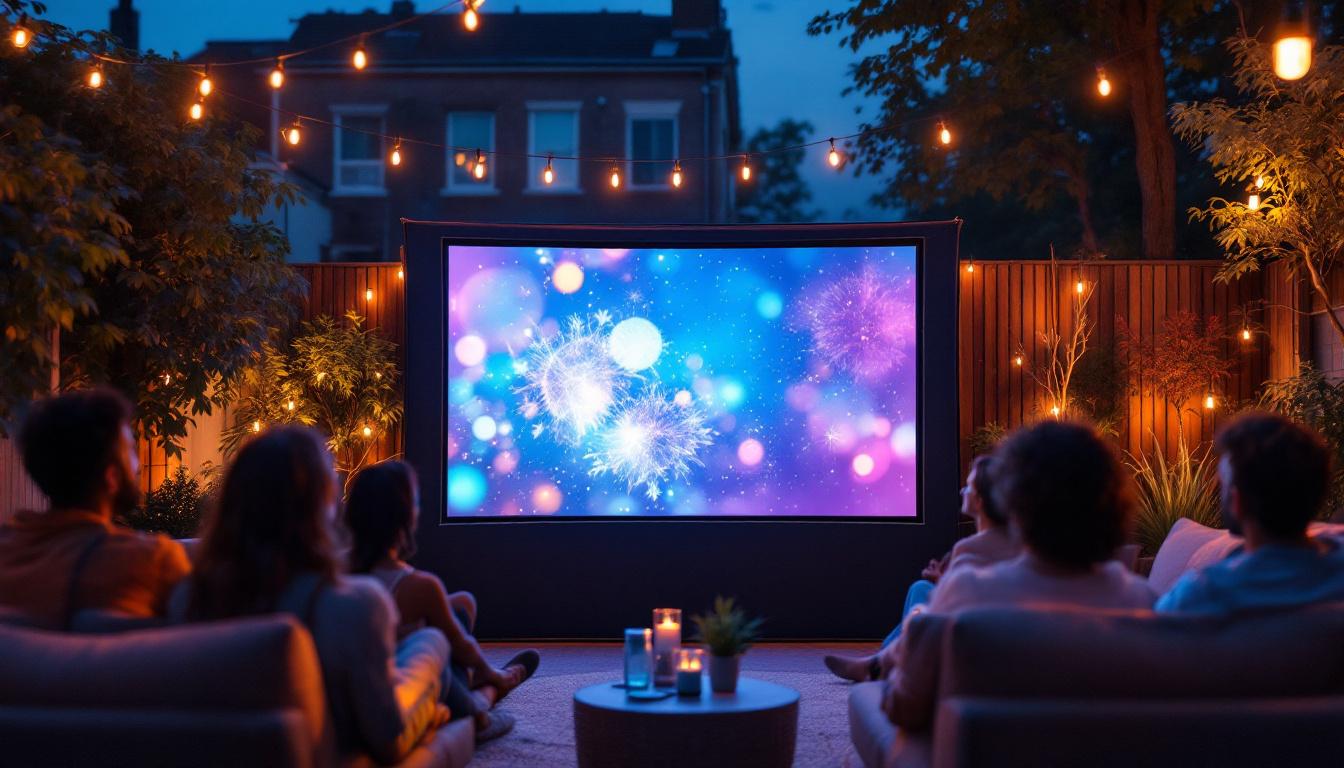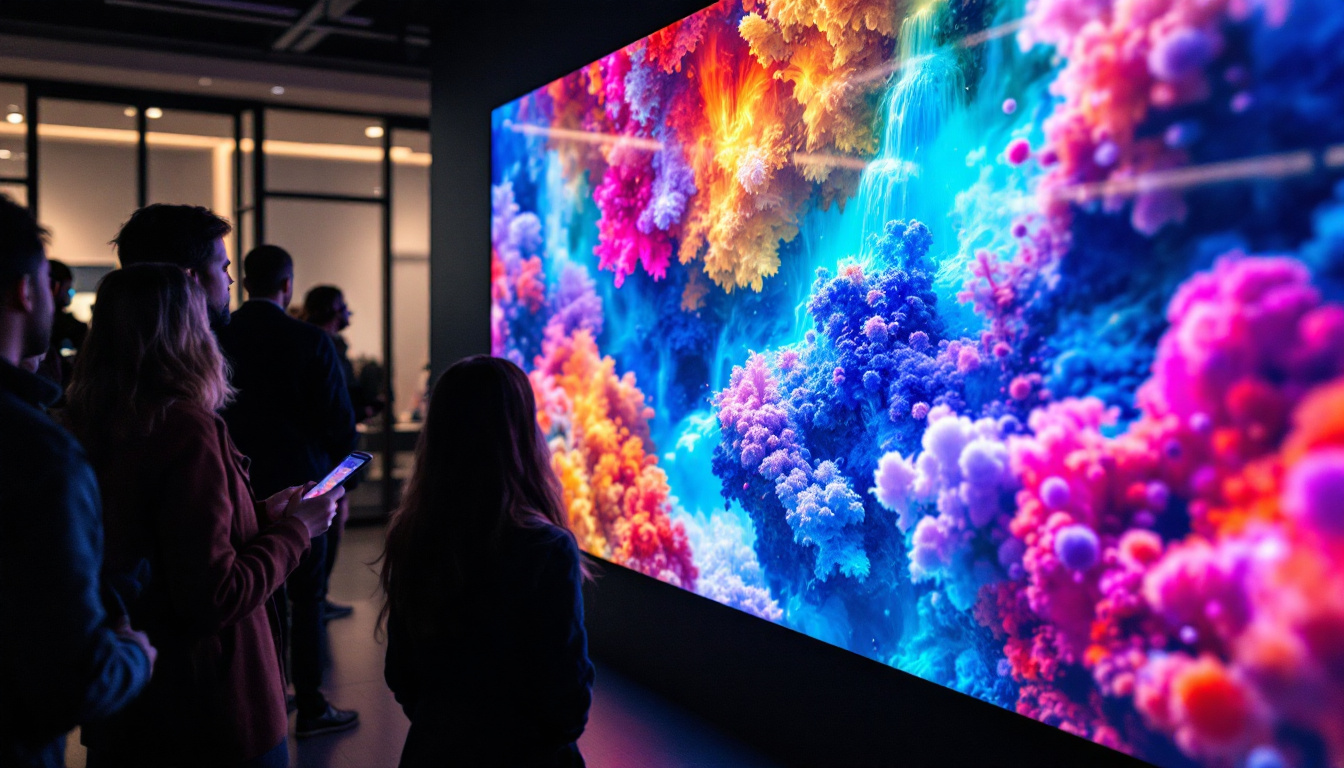
Outdoor events have surged in popularity over recent years, from backyard movie nights to large-scale public screenings and corporate gatherings. As these events grow in scale and sophistication, the technology used to display visuals has evolved dramatically. Among the most sought-after solutions for vibrant, clear, and reliable outdoor visuals are LED displays paired with projector rentals. Understanding how LED displays work, their advantages, and how they compare to traditional projectors is crucial for anyone planning an outdoor event.
Understanding LED Displays in Outdoor Settings
What Is an LED Display?
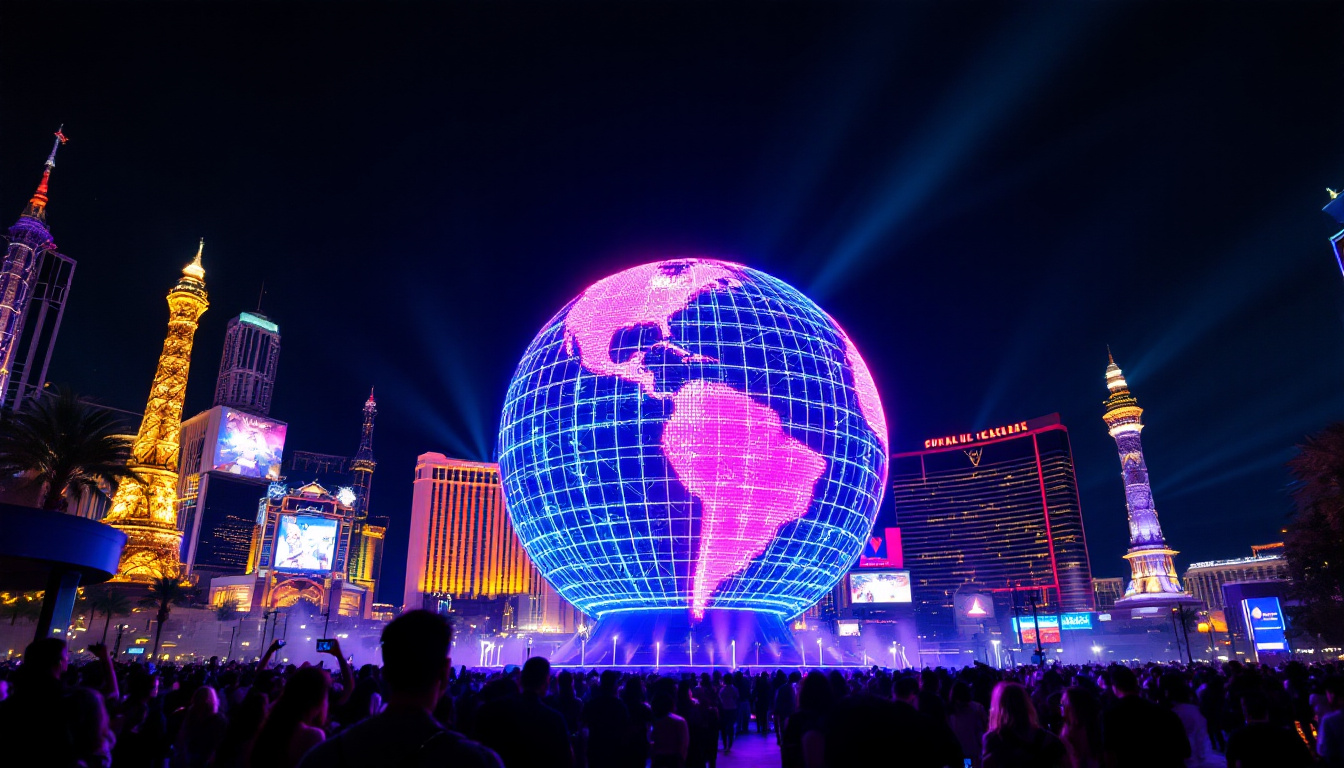
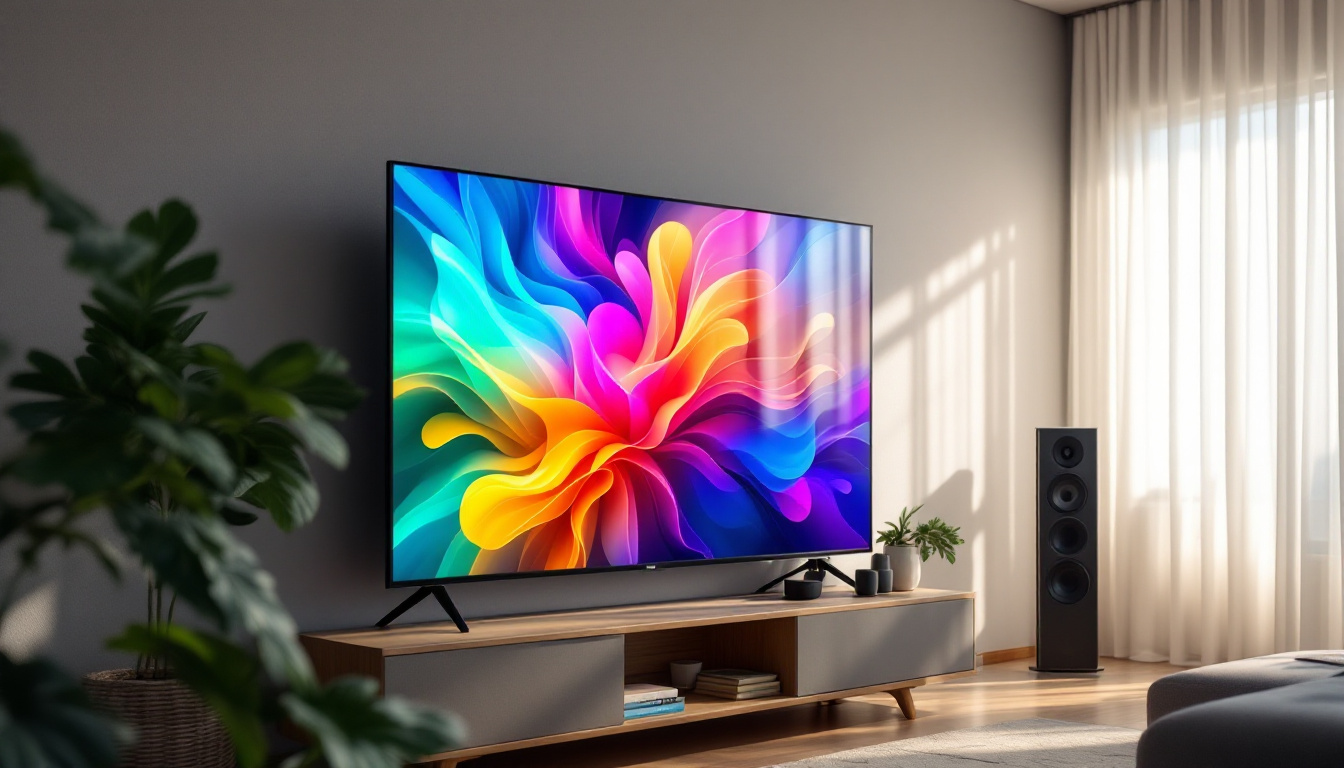
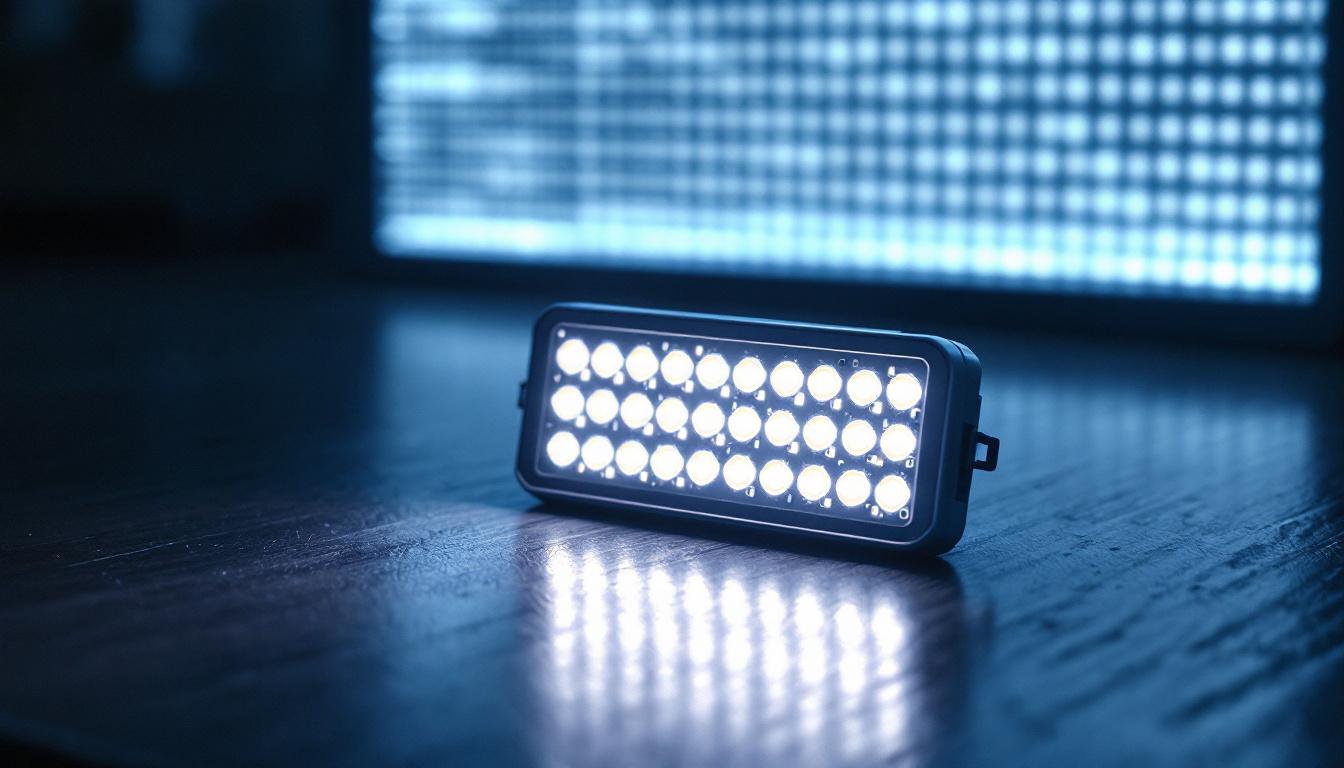
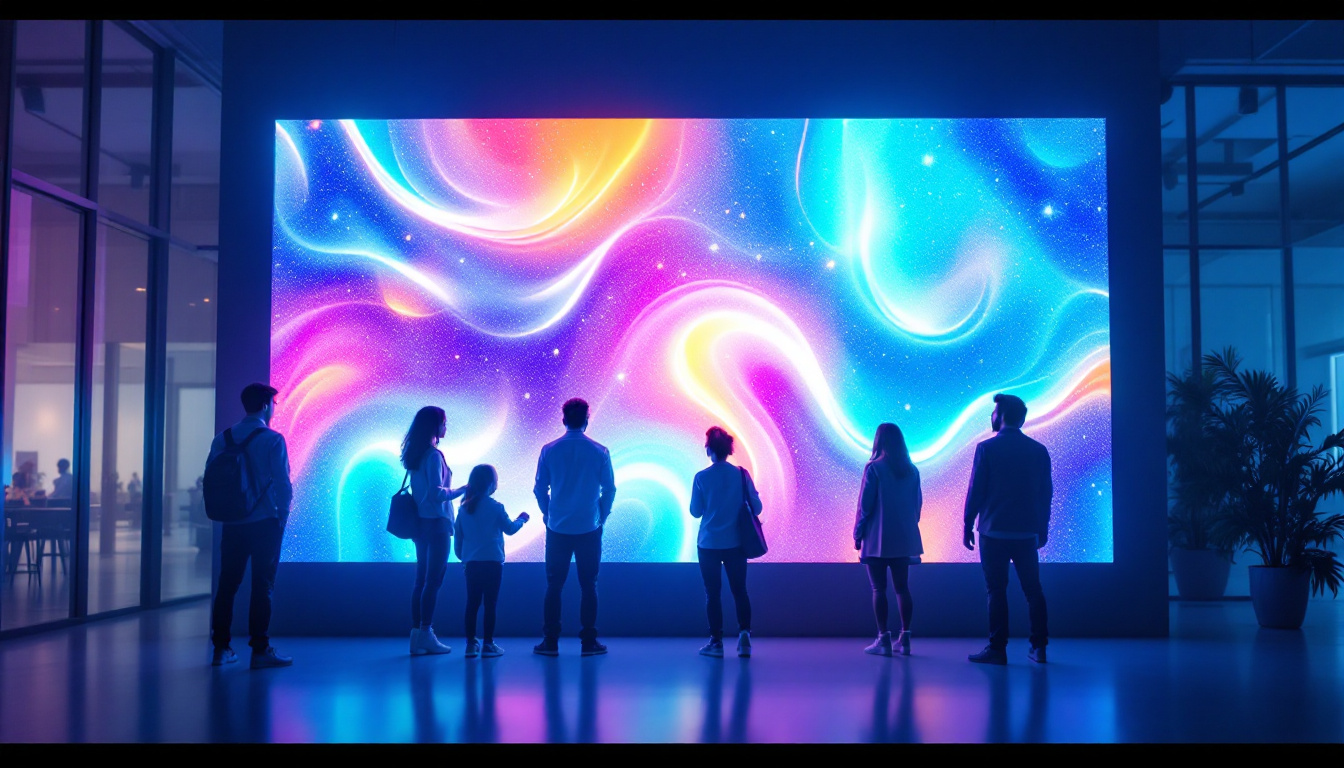
LED stands for Light Emitting Diode, a semiconductor device that emits light when an electric current passes through it. An LED display is a flat panel that uses an array of these tiny diodes to produce bright, colorful images. Unlike traditional projection systems that rely on projecting light onto a screen, LED displays generate their own light, making them exceptionally bright and visible even in daylight.
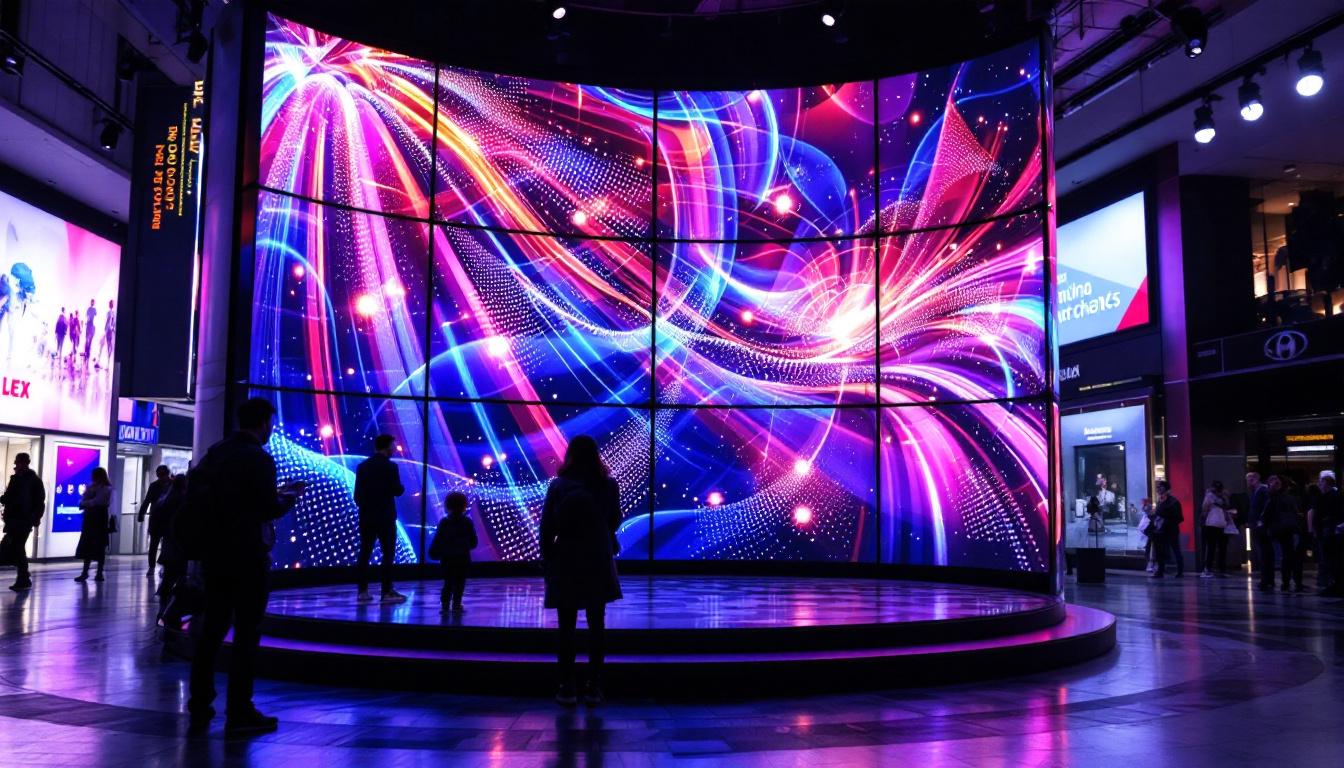
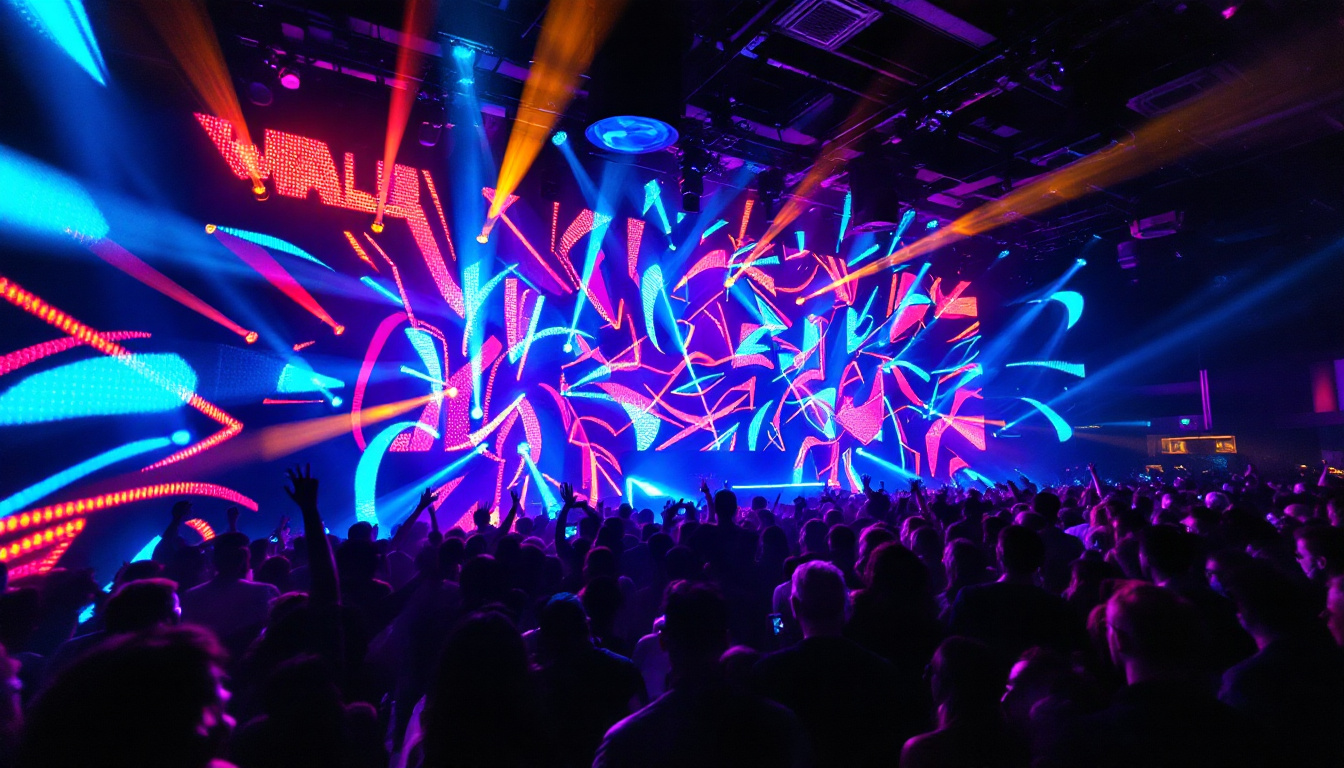
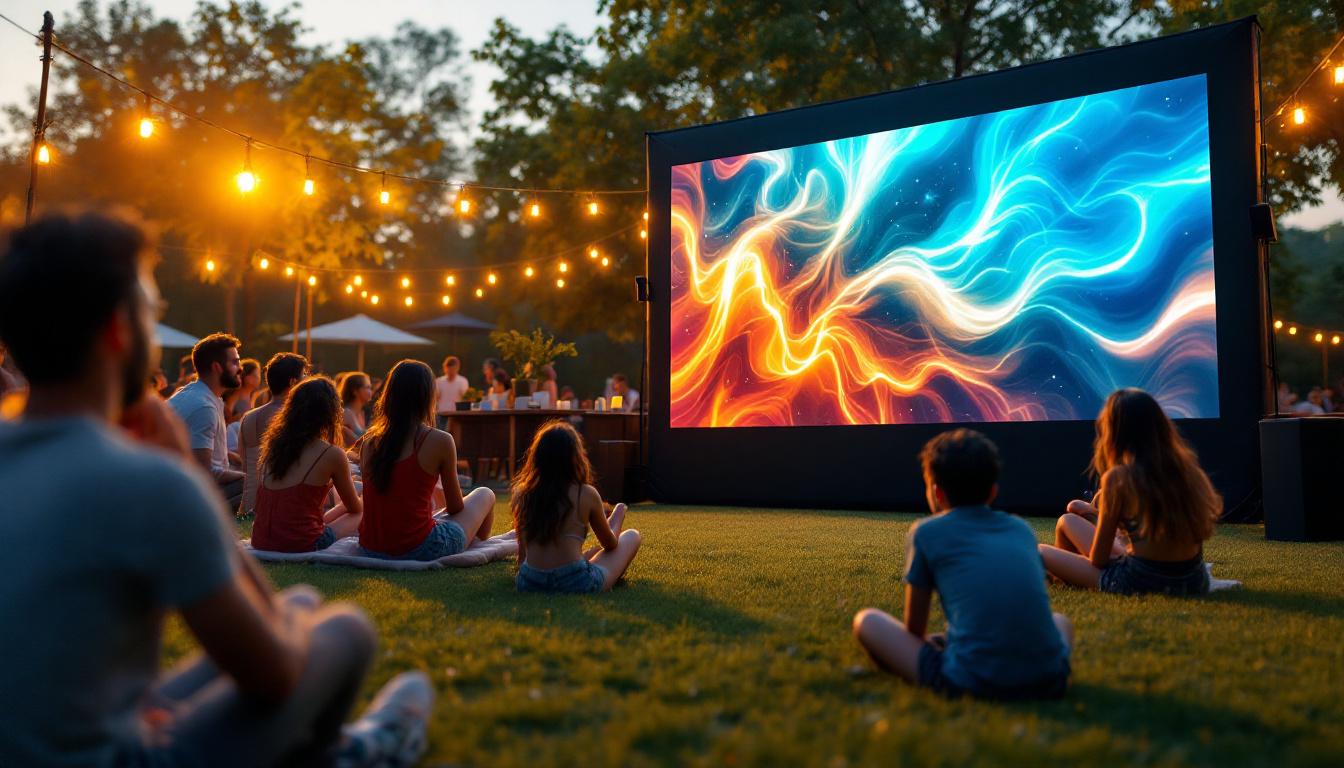
In outdoor environments, LED displays are often modular, meaning they can be assembled into various sizes and shapes to fit the event’s needs. This flexibility allows event organizers to create massive screens for concerts, sports events, or outdoor cinemas, delivering a vivid viewing experience to large audiences. Additionally, the durability of LED technology makes it ideal for outdoor use, as these displays are designed to withstand various weather conditions, from rain to intense sunlight. Many models also come with protective casings that guard against dust and moisture, ensuring longevity and reliability during extended use.
Moreover, the energy efficiency of LED displays is a significant advantage, as they consume less power compared to traditional lighting solutions, which can lead to substantial cost savings over time. This efficiency not only benefits event organizers but also aligns with growing environmental concerns, making LED displays a more sustainable choice for large-scale outdoor events.
How LED Displays Differ from Projectors
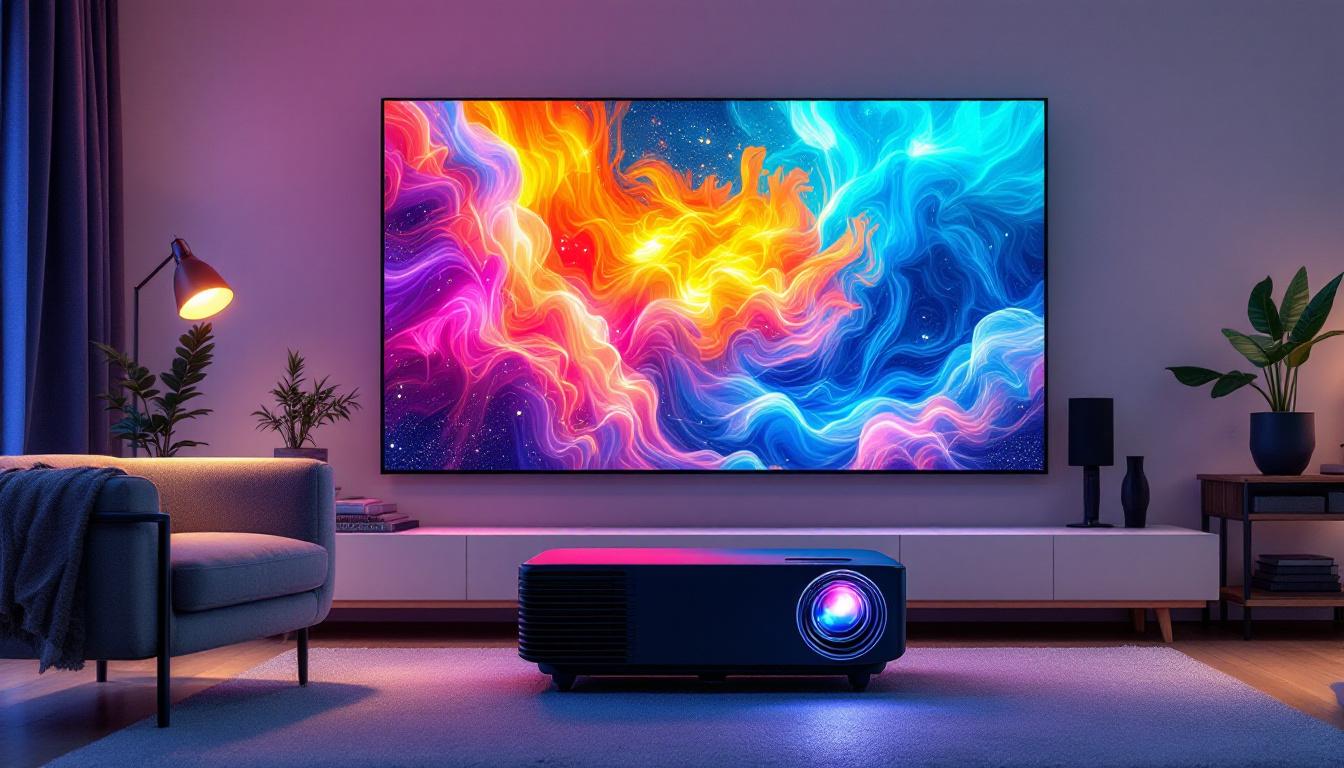
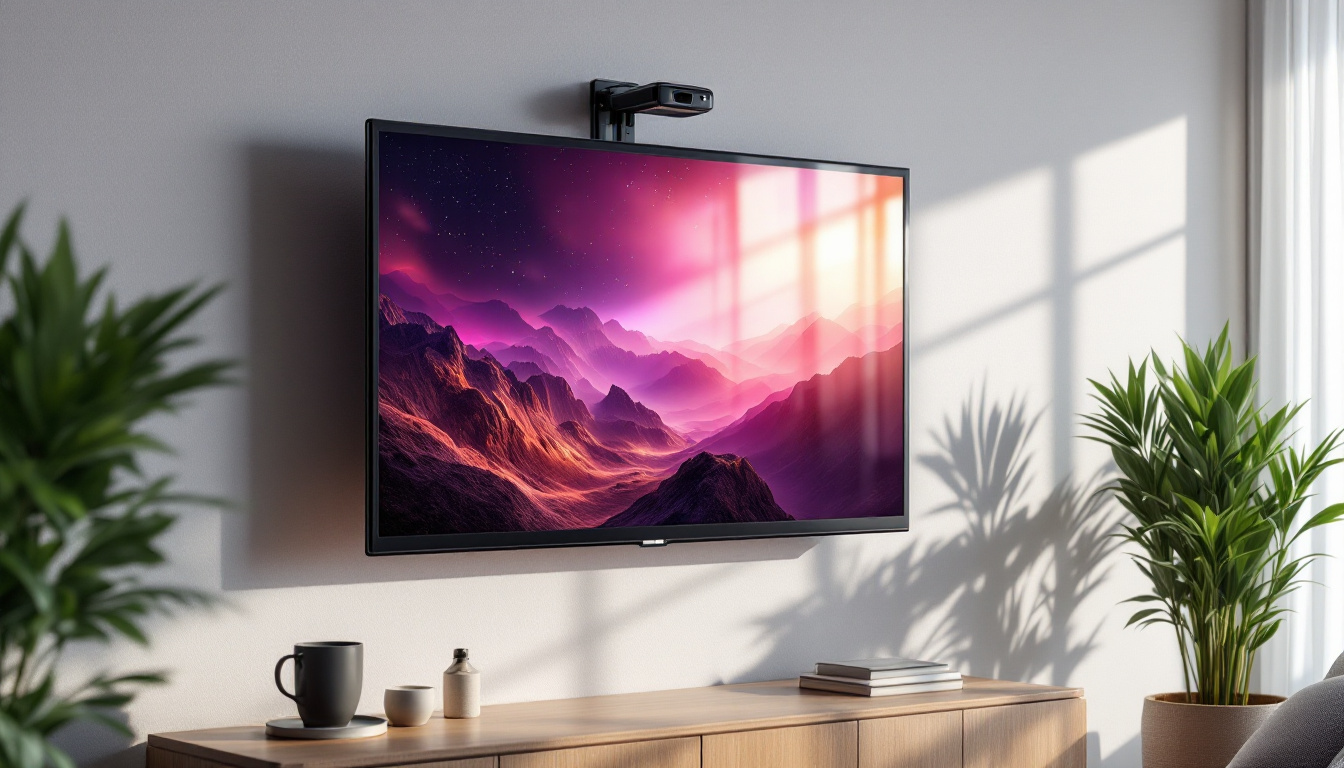
While outdoor projector rentals remain popular, especially for casual movie nights or smaller gatherings, LED displays offer a fundamentally different approach. Projectors cast an image onto a screen by shining light through lenses, which can be affected by ambient light, weather conditions, and screen quality. Conversely, LED displays emit light directly, resulting in higher brightness levels and superior image clarity.
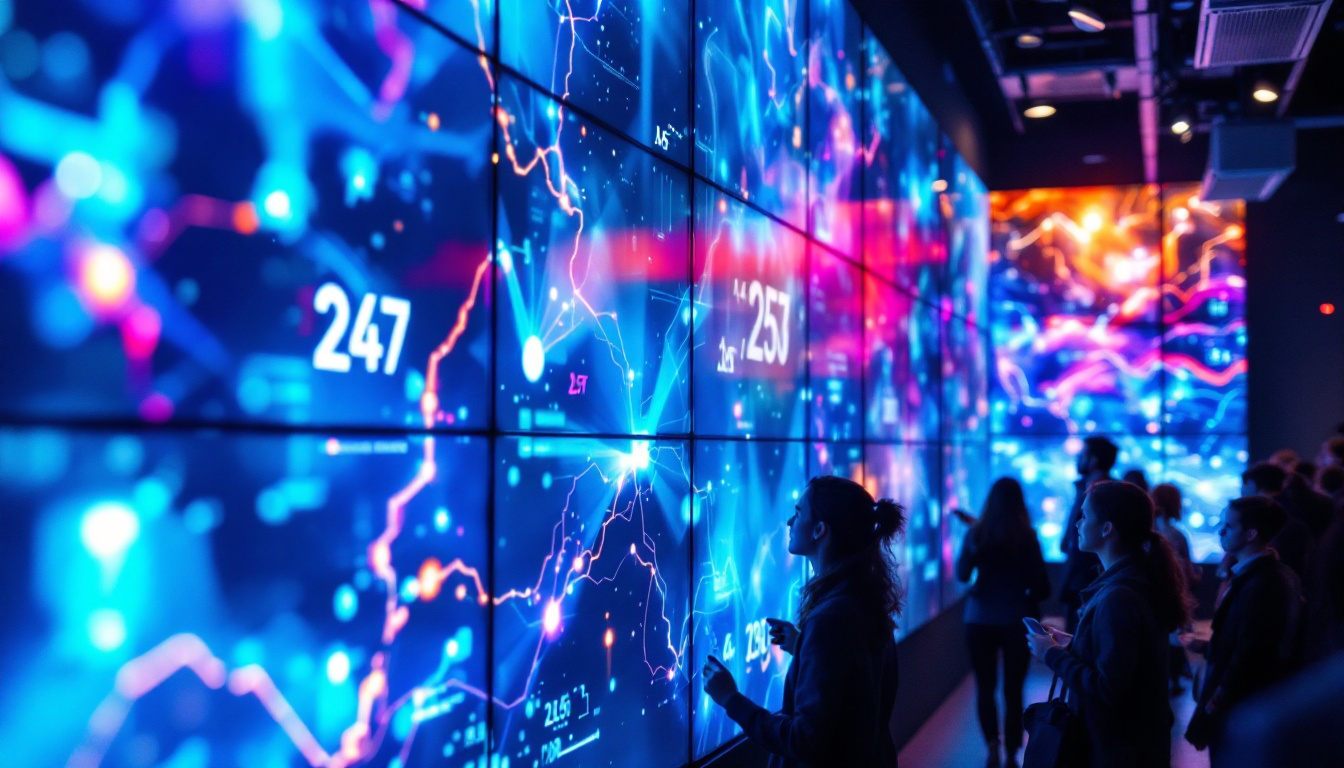
However, LED displays are generally more expensive to rent or purchase compared to projectors, and they require more sophisticated setup and power management. Understanding these differences helps event planners choose the right technology based on their budget, venue, and audience size. Additionally, LED displays can support a wider range of content formats, including high-definition video, animations, and real-time data feeds, making them particularly appealing for dynamic presentations at corporate events or live broadcasts. This versatility allows for creative uses, such as integrating social media feeds or interactive elements that engage the audience in real-time, enhancing the overall event experience.
Furthermore, advancements in LED technology have led to the development of high-resolution displays that can deliver stunning visuals, even from a distance. This capability is crucial for large gatherings where viewers may be seated far from the screen. The pixel pitch, which refers to the distance between the individual LED diodes, plays a significant role in determining the display’s clarity and detail. As technology continues to evolve, the gap between LED displays and projectors narrows, pushing event planners to stay informed about the latest innovations to make the best choice for their specific needs.
The Advantages of Using LED Displays for Outdoor Events
Superior Brightness and Visibility
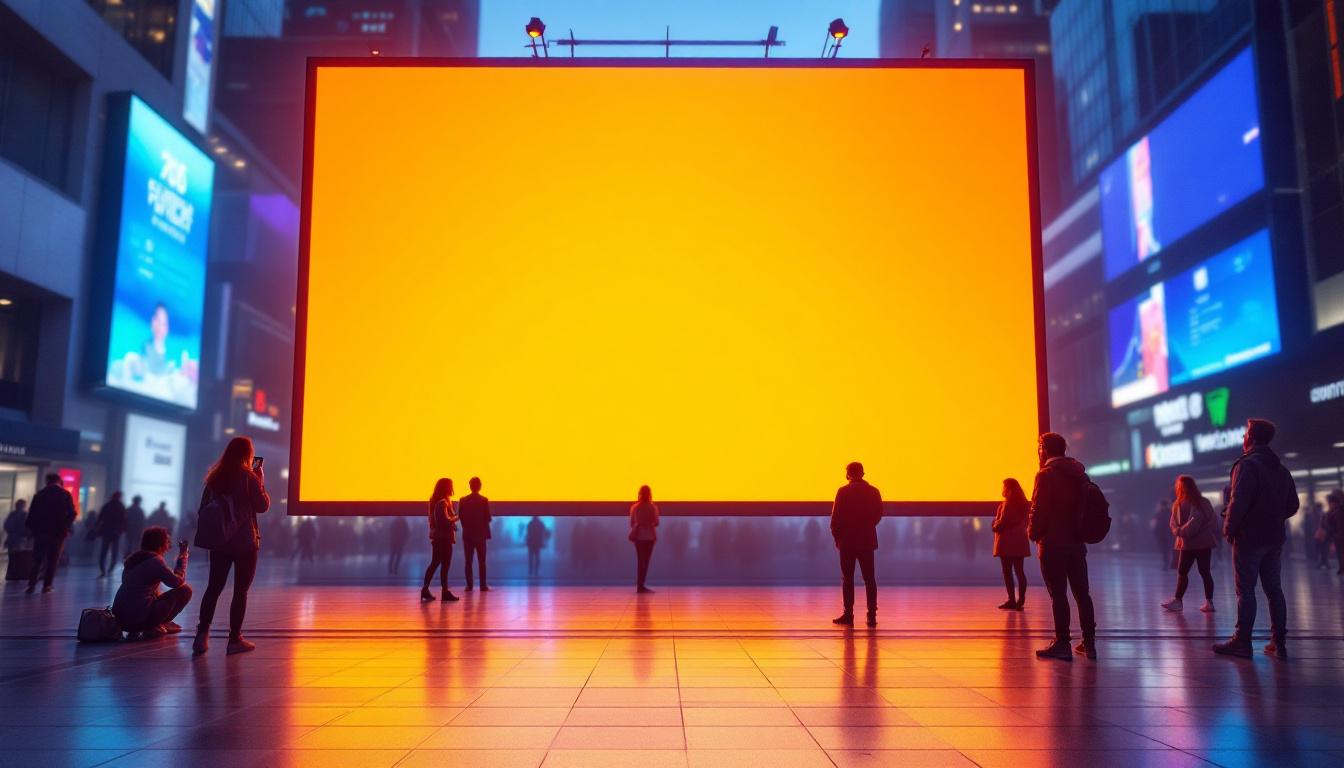
One of the most significant benefits of LED displays is their brightness. Outdoor environments are challenging for visual technology due to sunlight and other ambient light sources. LED panels can reach brightness levels of 5,000 to 7,000 nits or more, making images and videos clearly visible even during daylight hours. In contrast, traditional projectors typically max out at around 3,000 lumens, which can be insufficient for daytime use.
This high brightness ensures that audiences can enjoy crisp, vibrant visuals regardless of the time of day, enhancing engagement and overall experience. For events like outdoor concerts, sports screenings, or festivals, this advantage is invaluable.
Durability and Weather Resistance
Outdoor LED displays are designed to withstand various weather conditions, including rain, wind, and dust. Many rental units come with weatherproof casings and IP-rated protection, ensuring reliable operation throughout the event. This durability reduces the risk of technical issues and interruptions, which can be costly and frustrating during live events.
Projectors, on the other hand, are more sensitive to environmental factors. They require protective enclosures or tents and careful placement to avoid damage, adding complexity to event logistics.
Flexible Screen Sizes and Customization
LED displays can be customized to virtually any size or shape by combining multiple panels. This modularity allows event organizers to create immersive visual experiences tailored to the venue and audience. Whether it’s a wide panoramic screen for a music festival or a compact display for a corporate presentation, LED technology adapts seamlessly.
Projector setups are limited by the size and quality of the projection screen and the projector’s throw distance. While projectors can create large images, scaling beyond certain sizes often leads to diminished image quality and brightness.
When to Choose Outdoor Projector Rental Over LED Displays
Cost Considerations
LED displays offer many advantages but come at a higher rental cost. For smaller events or those with limited budgets, renting an outdoor projector can be a more economical choice. Projectors typically have lower upfront and rental costs, making them ideal for casual movie nights, community gatherings, or private parties.
Additionally, projectors require less power and simpler setup, which can reduce overall event expenses. For events where ultra-high brightness and large-scale visuals are not critical, projectors remain a practical solution.
Event Size and Audience Needs
The size of the audience and the venue’s layout are key factors in deciding between LED displays and projectors. For intimate gatherings with fewer than 100 attendees, a projector with a quality screen can deliver a satisfying viewing experience without the need for expensive LED panels.
Conversely, for large audiences exceeding several hundred people, LED displays provide superior visibility and impact. Their ability to maintain image quality over large distances and in varied lighting conditions makes them the preferred choice for festivals, sports events, and large corporate functions.
Portability and Setup Time
Projectors are generally more portable and quicker to set up than LED displays. If the event requires fast installation and teardown, such as pop-up events or temporary installations, projectors offer logistical advantages. LED panels, while modular, require more time and skilled technicians for assembly and calibration.
Key Features to Consider When Renting Outdoor LED Displays
Resolution and Pixel Pitch
Resolution refers to the number of pixels that make up the display, directly influencing image clarity. Pixel pitch is the distance between the centers of two adjacent pixels, usually measured in millimeters. A smaller pixel pitch results in higher resolution and sharper images, especially important for close viewing distances.
For outdoor events, a pixel pitch between 4mm and 10mm is common, balancing image quality and cost. Events with audiences viewing from greater distances can opt for larger pixel pitches without sacrificing perceived image quality.
Brightness and Contrast Ratio
Brightness, measured in nits, determines how well the display performs under various lighting conditions. A higher brightness level ensures visibility in direct sunlight. Contrast ratio, the difference between the darkest black and the brightest white, affects image depth and color richness.
When renting LED displays, request specifications on both brightness and contrast to ensure the display meets the event’s environmental conditions and visual expectations.
Viewing Angle and Color Accuracy
Outdoor audiences often view screens from multiple angles. LED displays with wide viewing angles maintain image consistency and color accuracy across the entire audience area. This feature is critical for ensuring that no matter where attendees are seated or standing, they receive the same high-quality visual experience.
Color accuracy is equally important for branding and content integrity, especially in corporate or promotional events. High-quality LED panels reproduce colors vividly and consistently.
Planning Your Outdoor Event: Tips for Successful LED Display Rental
Assess Your Venue and Audience
Before renting an LED display, carefully evaluate the event location, ambient lighting, and expected audience size. Consider factors like distance from the screen, potential obstructions, and weather conditions. This assessment helps in selecting the right screen size, resolution, and brightness to ensure optimal viewing.
Coordinate with Rental Providers
Work closely with rental companies to understand the technical requirements, setup logistics, and support services. Reputable providers offer consultation to match equipment to event needs and provide on-site technicians for installation and troubleshooting.
Ensure the rental agreement includes details about power requirements, weather protection, and contingency plans in case of technical issues.
Test the Equipment Before the Event
Whenever possible, conduct a test run of the LED display and associated equipment before the event day. This practice helps identify potential issues with image quality, connectivity, or environmental factors, allowing time for adjustments.
Testing also familiarizes the event team with the operation and control of the display, ensuring smooth execution during the live event.
Conclusion: Making the Right Choice for Your Outdoor Visuals
Outdoor projector rentals and LED displays each have unique strengths that cater to different event types and budgets. LED displays excel in brightness, durability, and customization, making them ideal for large-scale, high-impact events. Projectors offer cost-effective, portable solutions suited for smaller gatherings and casual screenings.
By understanding the technology behind LED displays and carefully considering event-specific factors, organizers can make informed decisions that enhance audience experience and ensure visual success. Partnering with experienced rental providers and planning thoroughly are key to leveraging the full potential of outdoor display technology.
Discover LumenMatrix’s Innovative LED Solutions
Ready to elevate your outdoor event with unparalleled visual technology? LumenMatrix is at the forefront of LED display innovation, offering a diverse range of solutions that cater to any event’s needs. From vibrant Outdoor LED Wall Displays to dynamic LED Sports Displays and beyond, our mission is to transform your visual storytelling with clarity and impact. Check out LumenMatrix LED Display Solutions today and turn your event into an unforgettable visual spectacle.