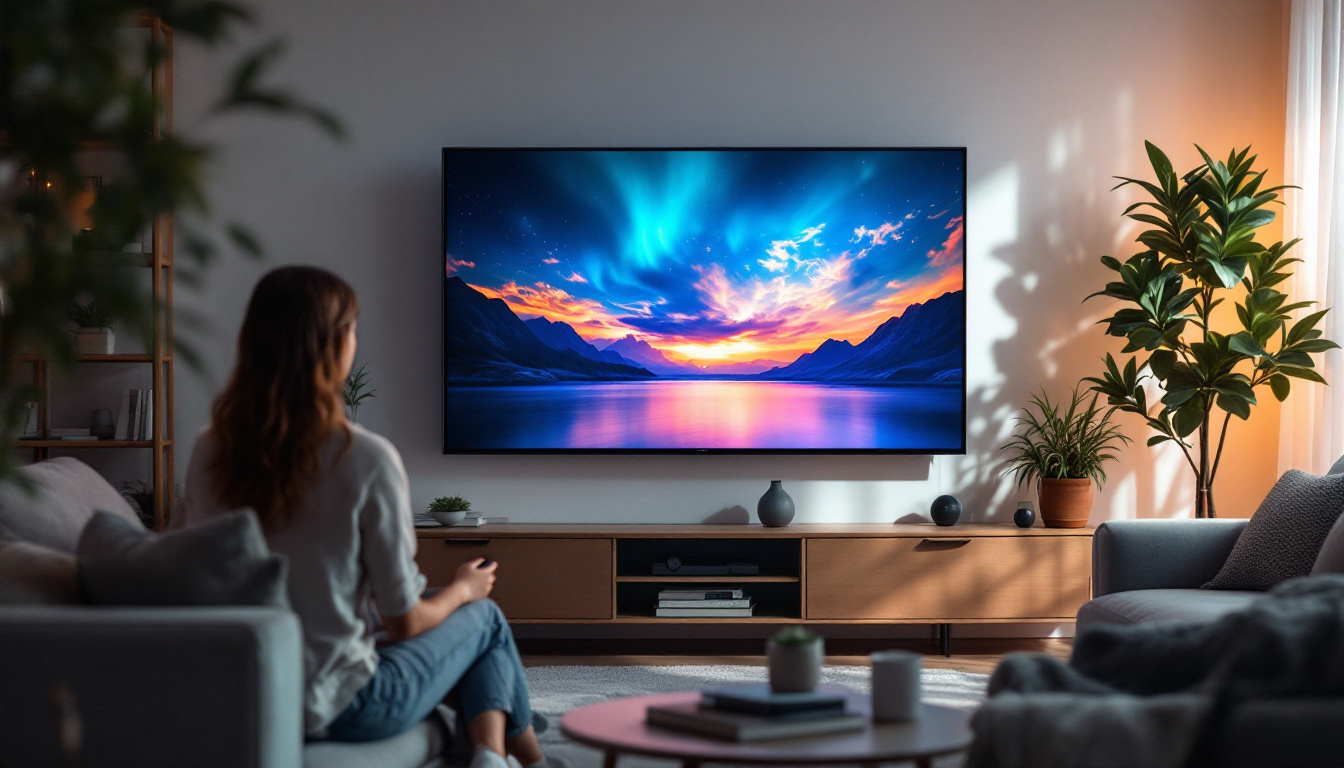
In today’s fast-paced digital world, the quality and technology behind display monitors have become more important than ever. Whether for professional work, gaming, or everyday use, understanding the technology that powers digital monitors can help consumers make informed decisions. Among the various display technologies, LED monitors have gained significant popularity due to their superior performance, energy efficiency, and versatility.
This article delves into the world of digital monitors with a focus on LED display technology. It explains how LED monitors work, their advantages, types, and what to consider when choosing one. By the end, readers will have a comprehensive understanding of LED displays and how they compare to other technologies on the market.
Understanding LED Display Technology
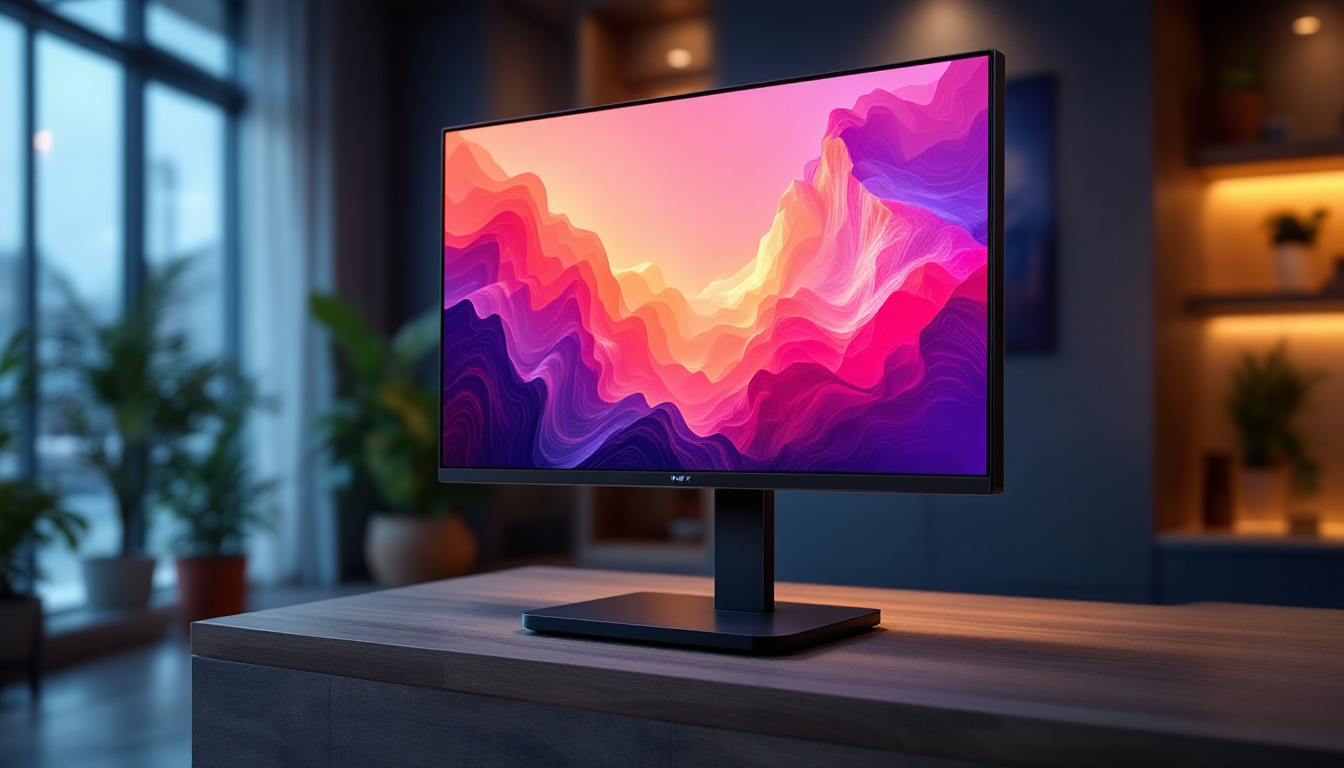
LED, or Light Emitting Diode, technology is a type of display backlighting used in digital monitors. It is important to clarify that LED monitors are essentially LCD (Liquid Crystal Display) panels illuminated by LEDs rather than traditional cold cathode fluorescent lamps (CCFLs). This distinction is crucial because the term “LED monitor” often causes confusion, with some assuming the panel itself is made of LEDs.
How LED Displays Work
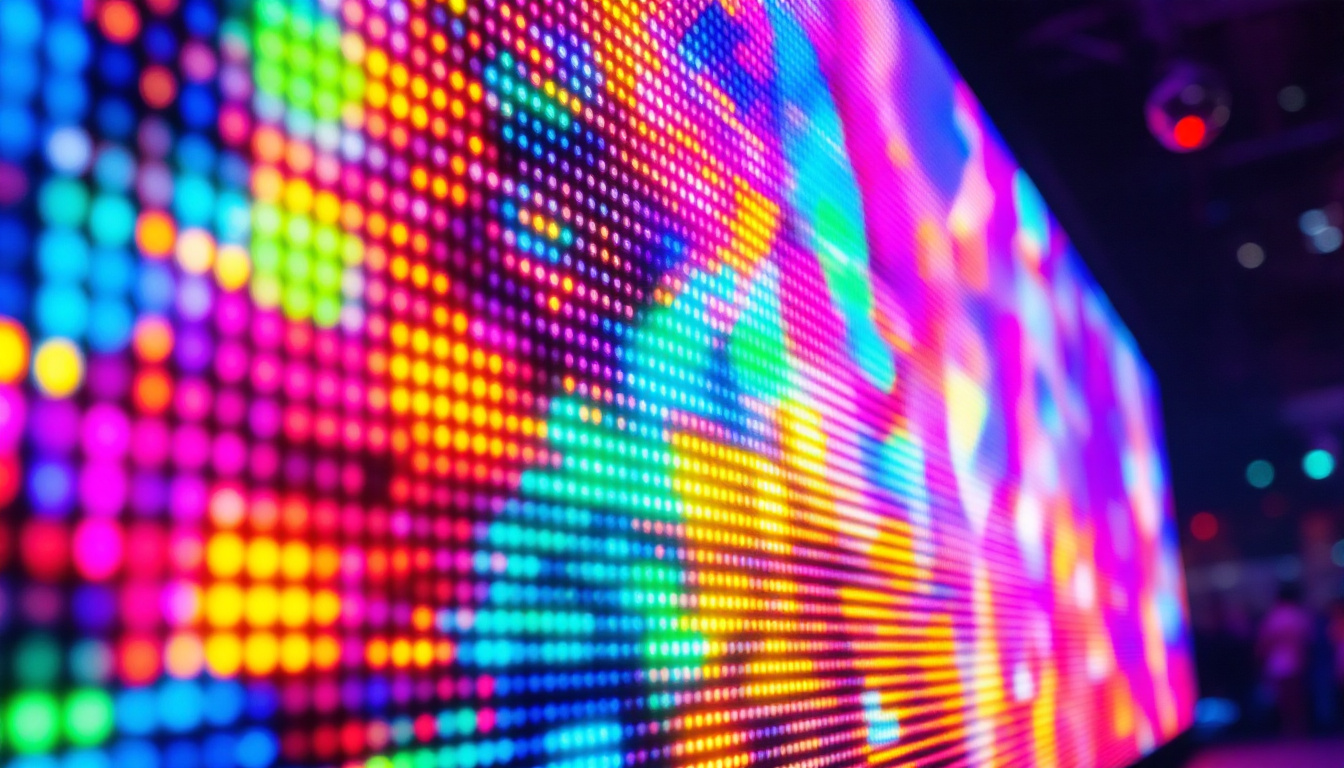
At the core, an LED monitor uses an LCD panel to create images. The LCD panel contains millions of pixels that manipulate light to produce colors and images. However, LCD panels do not emit light by themselves and require a backlight source. In LED monitors, this backlight is provided by an array of LEDs, which shine light through the LCD layer to produce the visible image.
There are two primary methods of LED backlighting: edge-lit and direct-lit (or full-array). Edge-lit LED monitors place LEDs along the edges of the screen, using light guides to distribute light evenly. Direct-lit monitors position LEDs directly behind the screen, often allowing for local dimming zones that enhance contrast and black levels.
Types of LEDs Used in Displays
LED backlights can be white LEDs or RGB LEDs. Most consumer monitors use white LEDs because they are cost-effective and provide sufficient brightness and color accuracy for general use. However, some high-end displays utilize RGB LED backlighting, which uses separate red, green, and blue LEDs to achieve a wider color gamut and more precise color reproduction.
Advantages of LED Monitors
LED monitors offer several advantages over older display technologies, making them the preferred choice for a wide range of applications. These benefits span from image quality to environmental impact.
Improved Energy Efficiency
One of the most significant advantages of LED monitors is their energy efficiency. Compared to CCFL-backlit LCDs, LED monitors consume up to 30-40% less power. This reduction is not only beneficial for lowering electricity bills but also contributes to reducing the overall carbon footprint of electronic devices. According to the U.S. Department of Energy, transitioning to LED backlighting in displays is a key factor in reducing energy consumption in consumer electronics.
Better Image Quality and Brightness
LED backlighting provides brighter and more uniform illumination than CCFLs. This results in sharper images with higher contrast ratios. LED monitors can achieve contrast ratios exceeding 1000:1, which means deeper blacks and more vibrant colors. Additionally, LED technology supports higher brightness levels — often up to 400 nits or more — which is essential for viewing in well-lit environments.
Thinner and Lighter Designs
The compact size of LEDs allows manufacturers to produce thinner and lighter monitors. This design flexibility has led to the widespread adoption of ultra-slim monitors, which are ideal for modern workspaces and multi-monitor setups. The reduced weight also makes LED monitors easier to transport and mount.
Longer Lifespan and Durability
LEDs have a longer operational lifespan compared to CCFLs, often lasting 30,000 to 50,000 hours or more. This durability means LED monitors maintain consistent brightness and color accuracy for longer periods, reducing the need for replacements and maintenance. Additionally, LEDs are more robust and less prone to damage from shock or vibration.
Comparing LED Monitors with Other Display Technologies
While LED monitors are widely used, it is important to understand how they compare to other popular display technologies such as OLED, QLED, and traditional LCDs with CCFL backlighting.
LED vs. CCFL LCD Monitors
Traditional LCD monitors use CCFL backlighting, which is bulkier, less energy-efficient, and offers lower brightness and contrast. LED monitors have largely replaced CCFL LCDs due to their superior performance and environmental benefits. CCFLs also contain mercury, which poses disposal challenges, whereas LEDs are more environmentally friendly.
LED vs. OLED Displays
OLED (Organic Light Emitting Diode) displays differ fundamentally from LED-backlit LCDs. OLED pixels emit their own light, allowing for true blacks and infinite contrast ratios. This results in exceptional image quality, especially for dark scenes. However, OLED monitors tend to be more expensive and may suffer from burn-in issues over time, making LED monitors a more practical choice for many users.
LED vs. QLED Displays
QLED (Quantum Dot LED) technology is an enhancement of LED-backlit LCDs that uses quantum dots to improve color accuracy and brightness. QLED monitors can achieve wider color gamuts and higher peak brightness levels compared to standard LED monitors. They are often favored in professional environments where color precision is critical.
Key Features to Consider When Choosing an LED Monitor
With a wide variety of LED monitors available, selecting the right one requires understanding key specifications and features that impact performance and user experience.
Resolution and Screen Size
Resolution determines the clarity and detail of the display. Common resolutions include Full HD (1920×1080), Quad HD (2560×1440), and 4K UHD (3840×2160). Larger screen sizes combined with higher resolutions provide more workspace and sharper images, which is especially beneficial for creative professionals and gamers.
Refresh Rate and Response Time
For gaming and fast-paced video content, refresh rate and response time are critical. Refresh rate, measured in Hertz (Hz), indicates how many times the screen updates per second. Higher refresh rates (120Hz, 144Hz, or even 240Hz) offer smoother motion. Response time, measured in milliseconds (ms), reflects how quickly pixels change color. Lower response times reduce motion blur and ghosting.
Color Accuracy and Gamut
Color accuracy is vital for photographers, video editors, and designers. Look for monitors that cover a wide color gamut such as sRGB, Adobe RGB, or DCI-P3. Factory calibration and support for HDR (High Dynamic Range) can further enhance color fidelity and dynamic range.
Connectivity Options
Modern LED monitors come with various connectivity ports including HDMI, DisplayPort, USB-C, and USB hubs. USB-C is particularly useful for connecting laptops with a single cable that carries video, data, and power. Multiple input options allow for flexible setups and easy switching between devices.
Ergonomics and Build Quality
Adjustable stands that support height, tilt, swivel, and pivot adjustments enhance comfort during long usage periods. Additionally, build quality, bezel size, and VESA mount compatibility are important considerations for both aesthetics and functionality.
Applications of LED Monitors Across Industries
LED monitors are versatile and find applications across various sectors, each benefiting from the technology’s strengths.
Professional and Creative Work
Graphic designers, video editors, and photographers rely on LED monitors for their color accuracy and high resolution. Monitors with wide color gamuts and HDR support enable professionals to produce work that looks consistent across different devices and media.
Gaming and Entertainment
Gamers benefit from LED monitors with high refresh rates, low response times, and vibrant colors. Features such as adaptive sync technologies (G-Sync, FreeSync) reduce screen tearing and stuttering, providing a smoother gaming experience. LED monitors also enhance movie and streaming experiences with bright, vivid visuals.
Business and Productivity
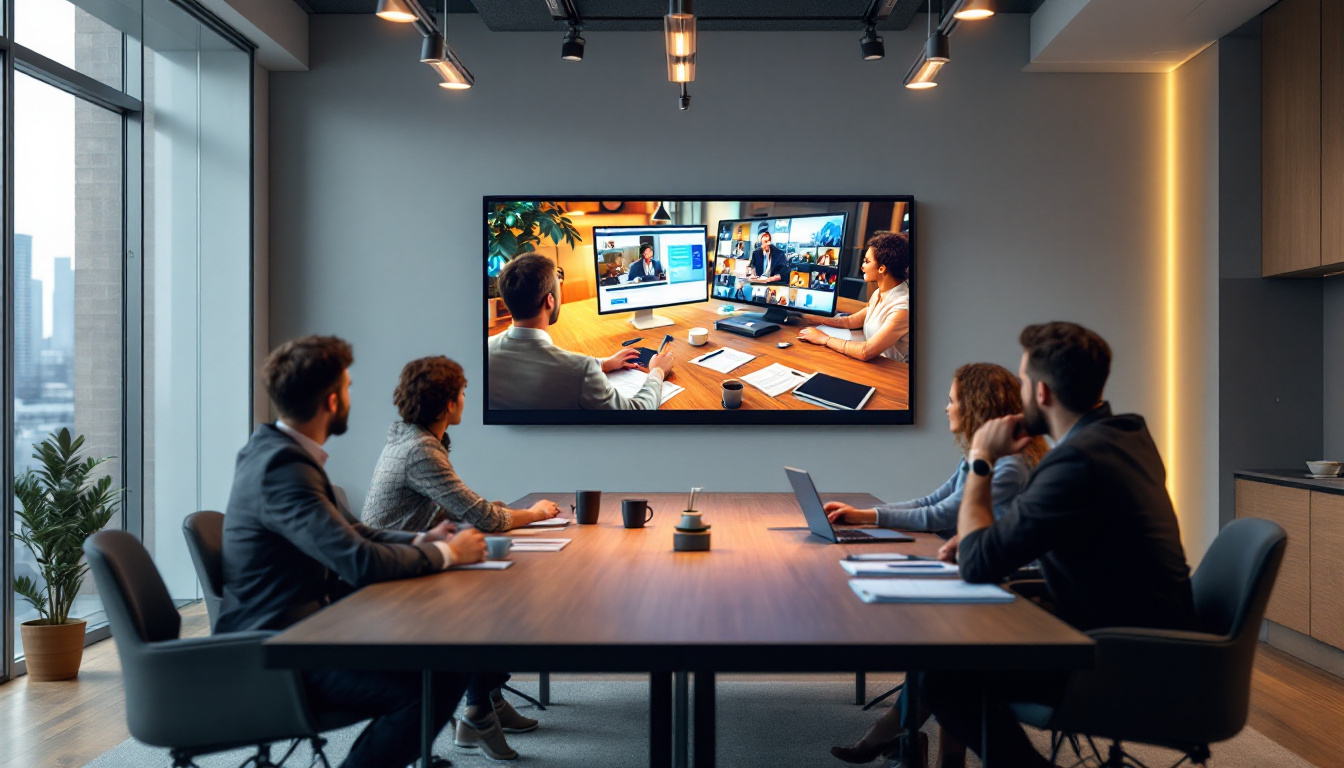
In office environments, LED monitors improve productivity by offering larger screen real estate and sharper text rendering. Energy-efficient LED backlighting helps companies reduce operational costs. Multi-monitor setups supported by slim LED monitors facilitate multitasking and data management.
Healthcare and Education
In healthcare, LED monitors are used for diagnostic imaging and telemedicine due to their clarity and reliability. Educational institutions utilize LED monitors for interactive learning and digital classrooms, where bright and clear displays improve engagement.
The Future of LED Display Technology
LED display technology continues to evolve rapidly, driven by innovations in materials, manufacturing, and integration with other technologies.
Mini-LED and Micro-LED Innovations
Mini-LED and Micro-LED are emerging technologies that use smaller LEDs to provide even better control over backlighting. Mini-LED monitors feature thousands of tiny LEDs that enable more precise local dimming, resulting in improved contrast and brightness. Micro-LED, still in early commercial stages, promises self-emissive pixels like OLED but with higher brightness, longer lifespan, and no burn-in risk.
Integration with Smart Technologies
Smart monitors with built-in AI capabilities, voice control, and seamless connectivity to cloud services are becoming more common. LED displays serve as the foundation for these smart devices, combining high-quality visuals with intelligent features that enhance user interaction.
Sustainability and Eco-Friendly Manufacturing
As environmental concerns grow, manufacturers are focusing on sustainable production methods for LED monitors. This includes using recyclable materials, reducing hazardous substances, and improving energy efficiency beyond current standards. Consumers are increasingly prioritizing eco-friendly products, making sustainability a key factor in future LED monitor development.
Conclusion
LED display technology has transformed the landscape of digital monitors, offering a compelling combination of energy efficiency, superior image quality, and design flexibility. Whether for professional use, gaming, or everyday computing, LED monitors provide a reliable and high-performance solution.
Understanding the nuances of LED technology, from backlighting methods to color accuracy and connectivity, empowers consumers to select monitors that best fit their needs. As innovations like Mini-LED and Micro-LED advance, the future holds even more exciting possibilities for digital displays.
For anyone seeking a balance of quality, efficiency, and longevity in their digital monitor, LED displays remain a top choice in 2024 and beyond.
Explore Cutting-Edge LED Displays with LumenMatrix
Ready to experience the pinnacle of LED display technology? LumenMatrix is at the forefront of innovation, offering a diverse range of LED display solutions tailored to your unique needs. From Indoor and Outdoor LED Wall Displays to specialized options like Vehicle, Sports, and Floor LED Displays, LumenMatrix has the perfect solution to elevate your brand’s visibility and captivate your audience. Embrace the future of visual communication with our Custom, All-in-One, and Transparent LED Displays. Check out LumenMatrix LED Display Solutions today and transform your space into a dynamic visual experience.