As the entertainment industry evolves, so do the technologies that bring cinematic experiences to life. Traditional cinema projection systems, once dominated by film reels and bulky projectors, are increasingly being replaced by advanced LED display technology. This shift is not only transforming how movies are shown but also redefining the audience’s visual experience.
In this comprehensive article, we explore the rise of LED displays as a replacement for Cinema HD projectors, examining their technology, advantages, and the impact on both cinema operators and moviegoers. By understanding these changes, industry professionals and enthusiasts alike can appreciate the future of cinema presentation.
The Evolution of Cinema Projection Technology
For over a century, cinema projection relied primarily on film reels and later digital projectors to display movies on large screens. The transition from analog to digital projection in the early 2000s marked a significant milestone, enhancing image quality and operational efficiency.
However, traditional digital projectors, including Cinema HD systems, have limitations such as brightness constraints, maintenance requirements, and image uniformity issues. These challenges have paved the way for newer technologies like LED displays to enter the cinema landscape.
From Film to Digital: A Brief History
The move from celluloid film to digital projection revolutionized the industry by enabling easier distribution, consistent image quality, and lower costs. Cinema HD projectors, utilizing high-definition digital technology, became the standard for many theaters worldwide.
Despite these advantages, digital projectors still depend on light sources such as xenon lamps, which degrade over time and require regular replacement. Additionally, the projection method involves casting light onto a screen, which can result in reduced brightness and contrast, especially in larger venues. This led to the exploration of alternative technologies that could overcome these limitations, prompting engineers and filmmakers alike to seek solutions that would not only enhance the viewing experience but also reduce operational costs associated with traditional projection methods.
Emergence of LED Displays in Cinemas
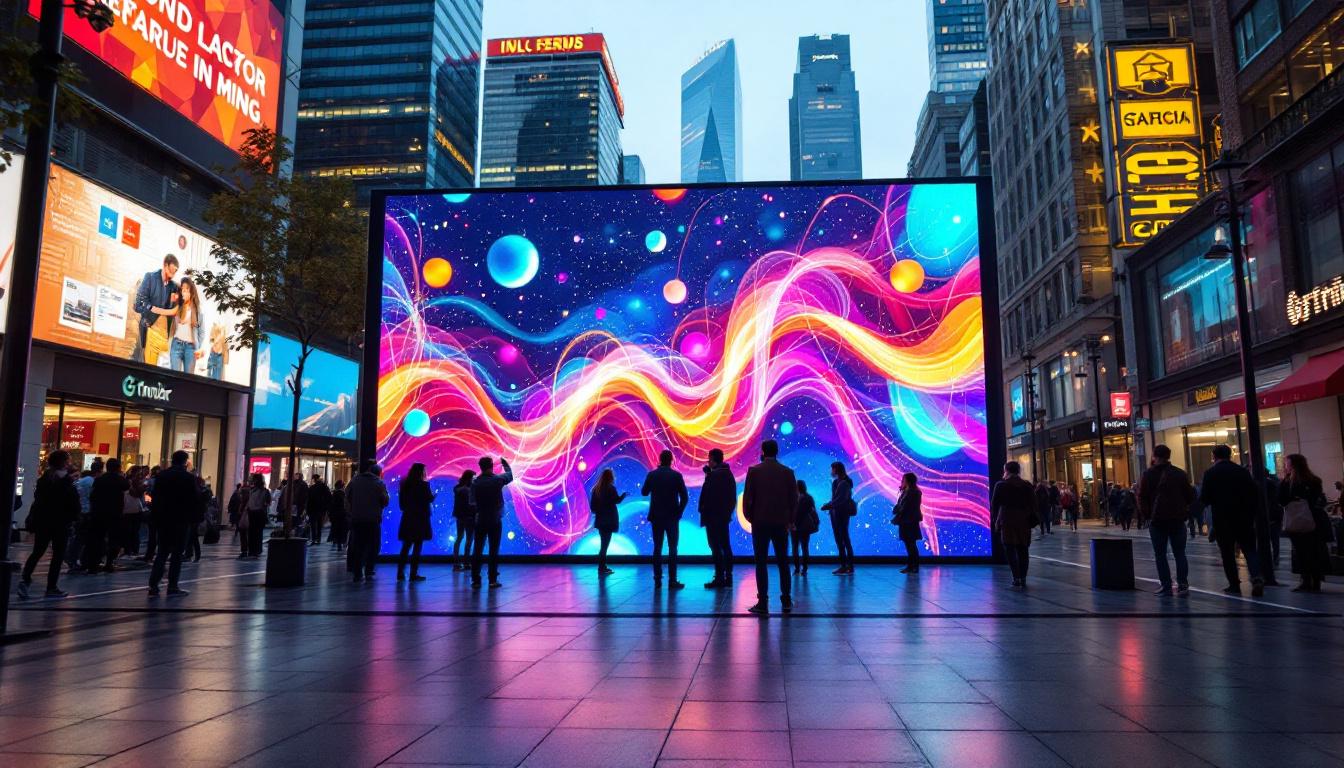
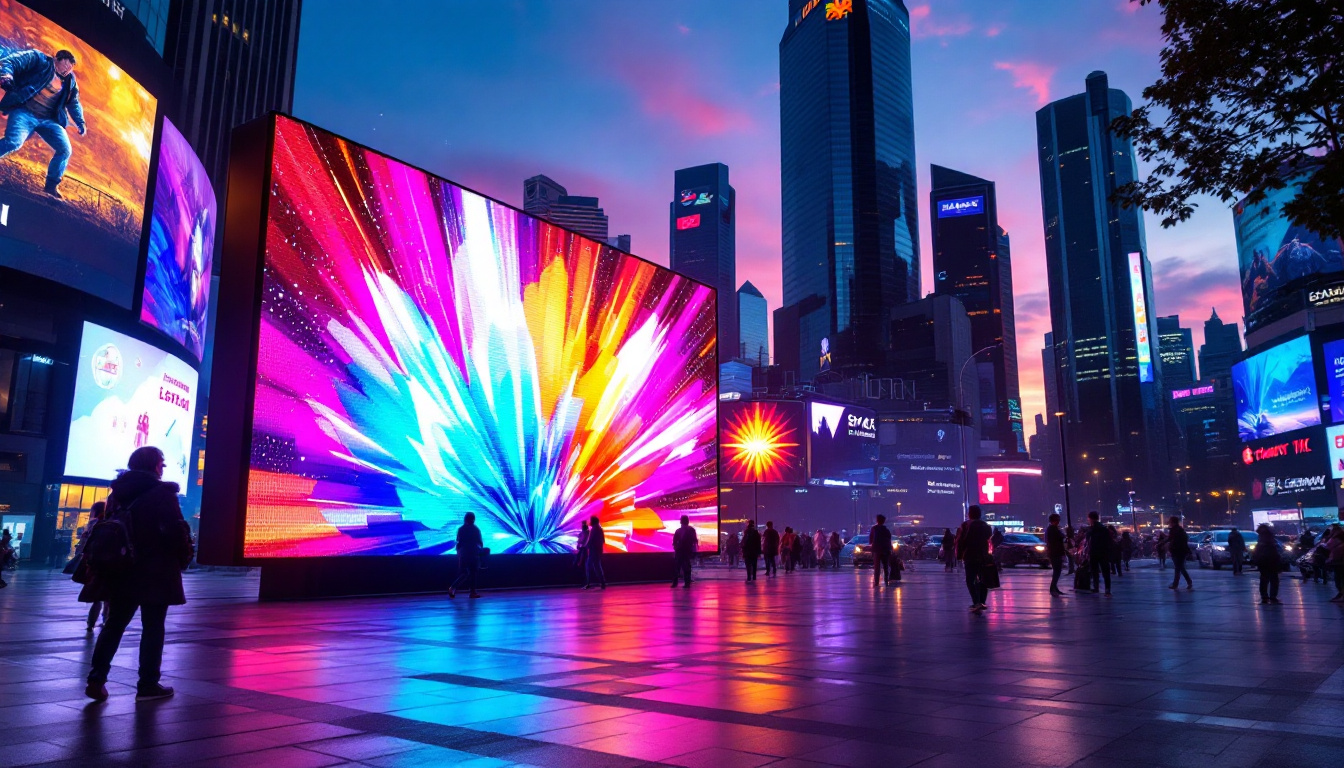
LED (Light Emitting Diode) display technology, initially popularized in outdoor advertising and large-scale events, has gradually been adapted for cinema use. Unlike projection systems, LED displays are self-illuminating panels that emit their own light, offering superior brightness, contrast, and color accuracy.
Major cinema chains and technology providers have begun adopting LED displays as a premium alternative to traditional Cinema HD projectors, especially in flagship locations and luxury auditoriums. The advantages of LED technology extend beyond mere image quality; they also include lower energy consumption and longer lifespan compared to conventional lamps. Furthermore, LED displays can be configured in various shapes and sizes, allowing for innovative theater designs that enhance viewer immersion. As a result, audiences can enjoy a more dynamic and engaging cinematic experience, with films presented in vibrant colors and sharp details that were previously unattainable with older projection technologies.
Understanding LED Display Technology
LED displays consist of thousands to millions of tiny light-emitting diodes arranged in a grid to form a seamless screen. Each diode emits light independently, allowing for precise control over brightness and color at the pixel level.
This section delves into the technical aspects of LED displays that make them particularly suited for cinema applications.
Structure and Composition of LED Screens
Modern cinema LED screens are composed of modular panels that can be assembled to create screens of varying sizes and aspect ratios. These panels contain arrays of red, green, and blue diodes, which combine to produce a full spectrum of colors.
High pixel density is crucial for cinema displays to ensure image sharpness and detail, especially when viewed from close distances. Advances in mini-LED and micro-LED technologies have enabled manufacturers to achieve resolutions comparable to or exceeding traditional Cinema HD projectors. These innovations not only enhance the visual experience but also allow for more flexible designs, enabling theaters to customize screen shapes and sizes to fit their unique architecture and audience needs.
Brightness and Contrast Advantages
One of the most significant benefits of LED displays is their exceptional brightness levels. While traditional projectors typically offer brightness ranging from 14 to 30 foot-lamberts, LED cinema screens can achieve brightness levels exceeding 100 foot-lamberts without compromising image quality.
This high brightness capability ensures vivid visuals even in well-lit environments and enhances the dynamic range, resulting in deeper blacks and more vibrant colors. The contrast ratio of LED displays often surpasses that of projection systems by orders of magnitude, contributing to a more immersive viewing experience. Furthermore, the ability of LED displays to maintain brightness and contrast across various viewing angles ensures that every seat in the theater offers an equally captivating experience, making them a popular choice for large venues and events.
Color Accuracy and Consistency
LED technology allows for precise color calibration and uniformity across the entire screen. Unlike projectors, which can suffer from color shifts due to lamp aging or screen surface inconsistencies, LED displays maintain consistent color reproduction over time.
This consistency is vital for filmmakers and audiences who expect accurate color representation as intended by the creators. Additionally, the rapid response time of LED diodes contributes to smoother motion rendering, reducing motion blur and enhancing the overall clarity of fast-paced scenes. This capability is particularly important in action films and sports broadcasts, where every detail counts. As a result, LED displays are not just a technological advancement; they represent a significant leap forward in how stories are told on screen, allowing for a more engaging and visually stunning cinematic experience.
Benefits of LED Displays as Cinema HD Replacements
The transition from Cinema HD projectors to LED displays offers numerous advantages beyond image quality. These benefits impact operational efficiency, maintenance, and the overall cinema experience.
Enhanced Viewing Experience
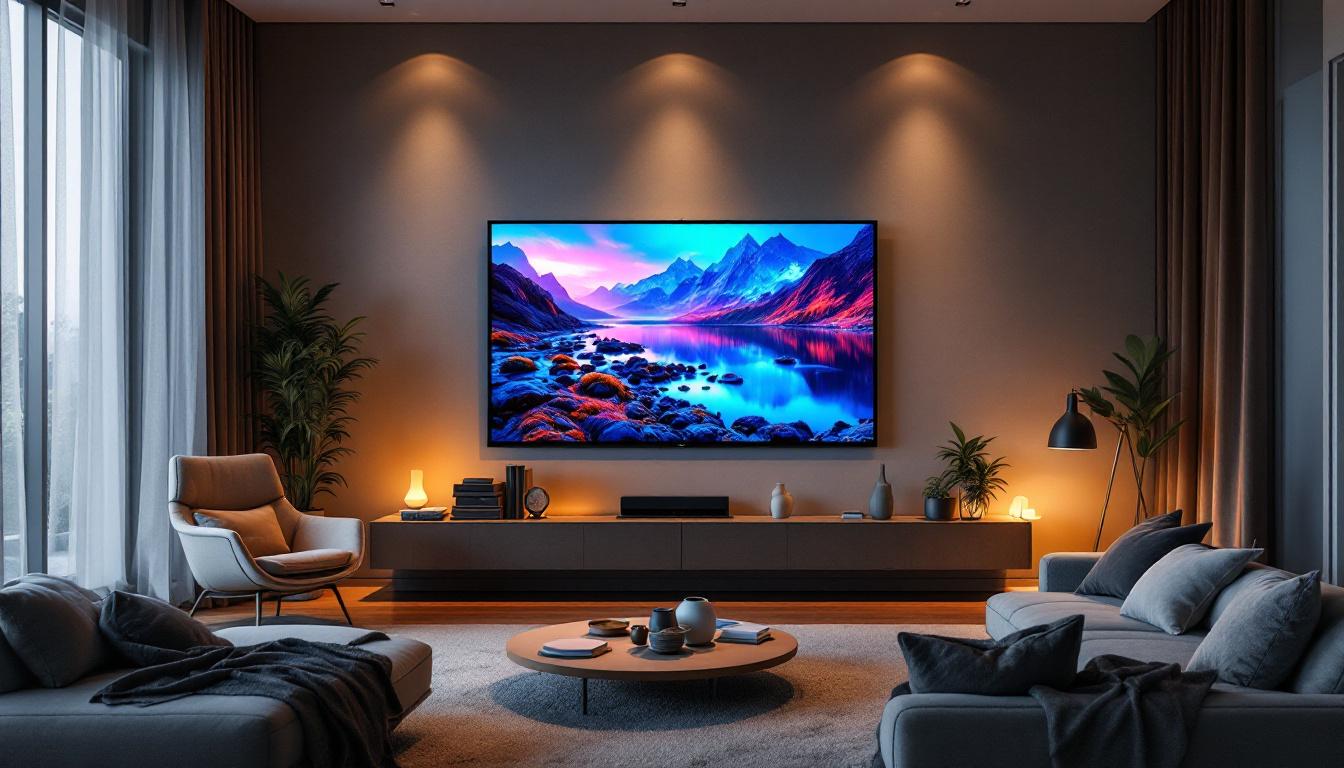
LED displays provide unparalleled image clarity, brightness, and color fidelity, which collectively elevate the cinematic experience. Audiences benefit from sharper images, richer colors, and improved contrast, making films more engaging and lifelike.
Additionally, LED screens eliminate issues like shadows or hotspots that can occur with projection systems, ensuring every seat in the theater enjoys consistent picture quality.
Operational and Maintenance Efficiency
Unlike projectors that require lamp replacements, cooling systems, and periodic calibration, LED displays have longer lifespans and lower maintenance needs. LEDs can operate continuously for tens of thousands of hours with minimal degradation.
This reliability reduces downtime and maintenance costs for cinema operators, allowing for smoother daily operations and fewer interruptions.
Design Flexibility and Space Optimization
LED displays can be installed in various configurations, including curved or wrap-around screens, enabling innovative auditorium designs. Since they do not require projection booths or large throw distances, theaters can optimize space usage and create more intimate or immersive environments.
Moreover, LED screens can be integrated with advanced sound systems and lighting to craft multi-sensory experiences that go beyond traditional cinema presentations.
Challenges and Considerations in Adopting LED Cinema Screens
Despite their advantages, LED displays also present challenges that cinemas must consider before transitioning from Cinema HD projectors.
Initial Investment and Cost Factors
The upfront cost of installing LED cinema screens remains significantly higher than traditional projection systems. High-resolution LED panels, especially those designed for large-format cinema applications, involve substantial manufacturing and installation expenses.
However, when factoring in reduced maintenance and operational costs over time, the total cost of ownership may become competitive. Many premium theaters view this investment as worthwhile for the enhanced audience experience and long-term savings.
Technical and Installation Complexities
Installing a large-scale LED cinema screen requires precise engineering and calibration to ensure seamless image quality. The modular nature of LED panels demands careful alignment and color matching, which can increase installation time and complexity.
Additionally, the theater’s existing infrastructure may need modifications to support the new technology, including power supply upgrades and acoustic adjustments.
Content Compatibility and Industry Standards
Transitioning to LED displays also involves ensuring compatibility with existing digital cinema content formats and playback systems. While most digital cinema packages (DCPs) are designed for projection, LED screens require specialized processing to optimize image rendering.
Industry organizations are actively working on standards and workflows to facilitate this transition, but cinemas must stay informed and prepared for these technical considerations.
The Future of Cinema Viewing: LED Displays Leading the Way
As LED technology continues to advance, its role in cinema presentation is expected to grow significantly. Innovations in micro-LED and quantum dot technologies promise even higher resolutions, improved energy efficiency, and more affordable solutions.
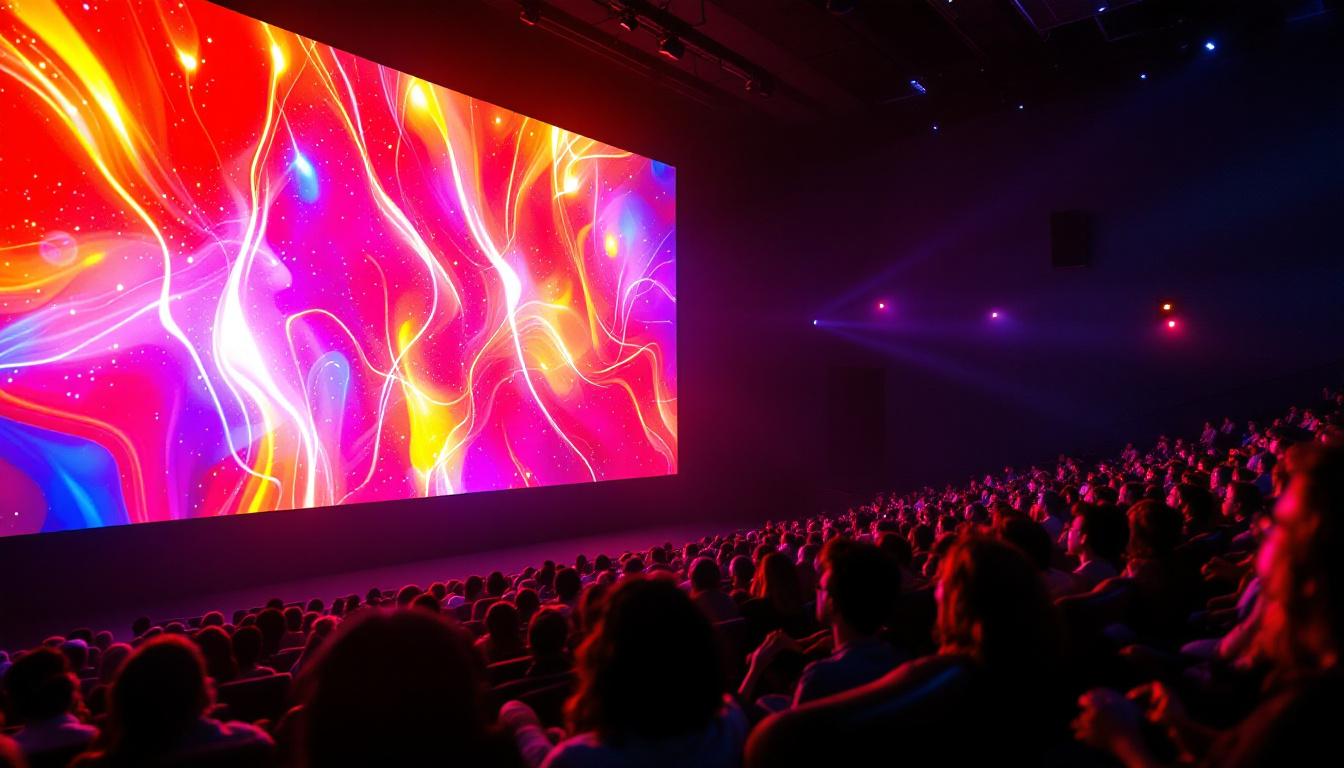
Major cinema chains have already begun rolling out LED-equipped auditoriums, often branded as premium or luxury experiences, attracting audiences seeking the highest quality viewing environments.
Case Studies: Successful LED Cinema Implementations
Leading cinema operators worldwide have demonstrated the viability and appeal of LED cinema screens. For example, select theaters in Asia and North America have installed LED walls measuring over 10 meters wide, delivering stunning 4K or higher resolution images that captivate audiences.
Feedback from these venues highlights improved customer satisfaction, increased ticket sales for premium screenings, and positive critical reception from filmmakers and industry professionals.
Environmental Impact and Sustainability
LED displays also contribute to sustainability goals by consuming less energy compared to traditional projection systems and reducing waste associated with lamp replacements. This aligns with the growing emphasis on eco-friendly practices within the entertainment industry.
As cinemas seek to reduce their carbon footprint, adopting LED technology represents a forward-thinking approach that benefits both business and the environment.
Conclusion: Embracing LED Displays for the Next Generation of Cinema
The replacement of Cinema HD projectors with LED display technology marks a significant evolution in how movies are presented and experienced. With superior image quality, operational advantages, and design flexibility, LED cinema screens offer a compelling upgrade for theaters aiming to deliver premium viewing experiences.
While challenges remain, particularly regarding initial costs and technical integration, the long-term benefits for both cinema operators and audiences are substantial. As LED technology continues to mature and become more accessible, it is poised to become the new standard in cinematic display, ushering in a vibrant future for the art of movie watching.
Discover the Future of Cinematic Experience with LumenMatrix
Ready to elevate your cinema’s visual experience to the next level? LumenMatrix is at the forefront of LED display innovation, offering a wide range of solutions that transform movie watching into an immersive spectacle. From Indoor and Outdoor LED Wall Displays to specialized solutions like Vehicle and Sports LED Displays, LumenMatrix tailors to every aspect of visual engagement. Embrace the LED revolution in your cinema with our cutting-edge technology. Check out LumenMatrix LED Display Solutions today and join the future of vibrant, high-impact cinematic storytelling.