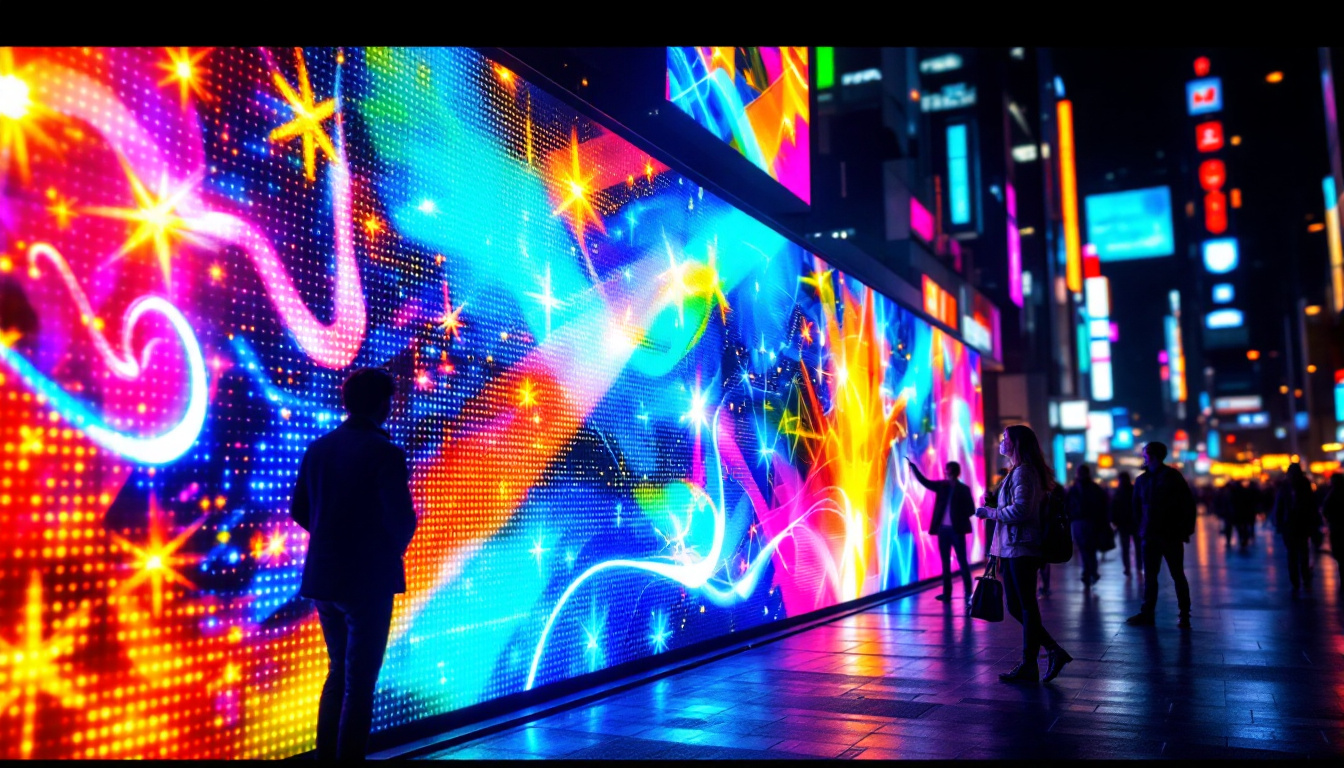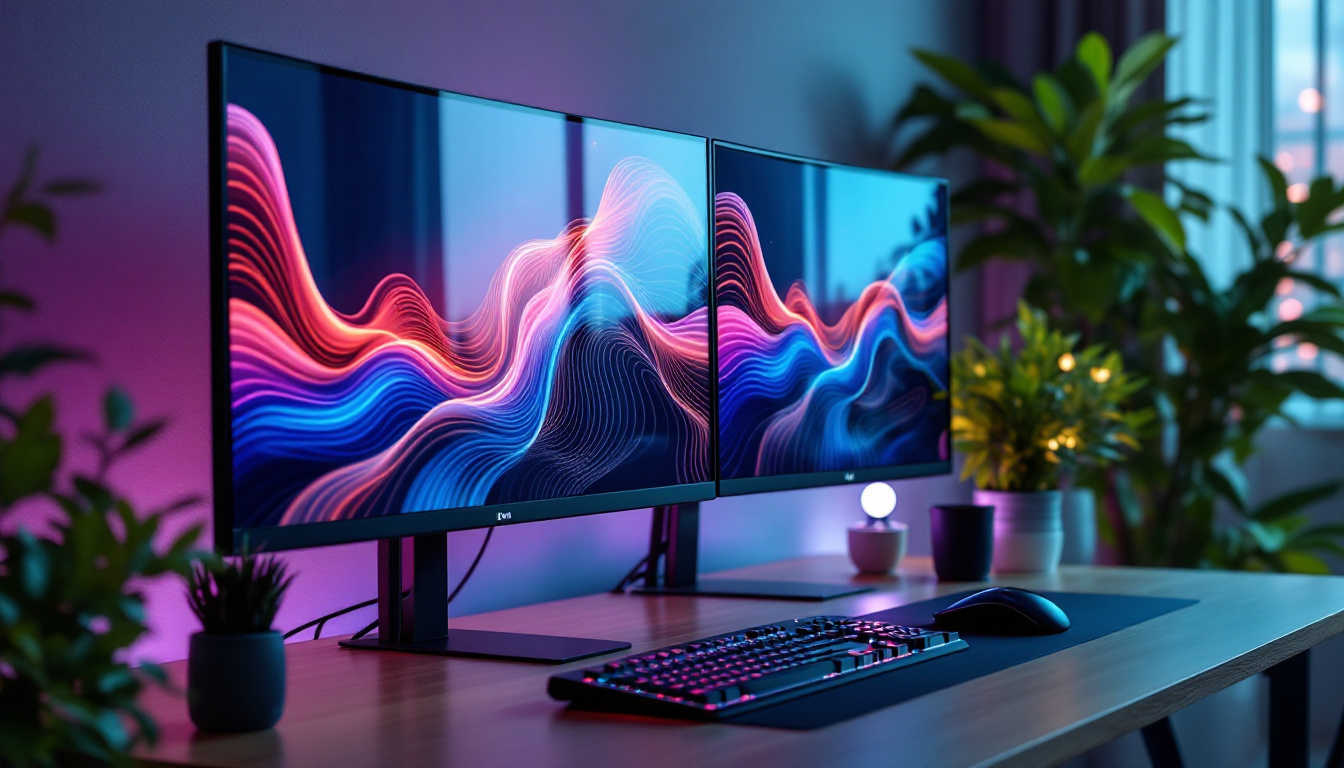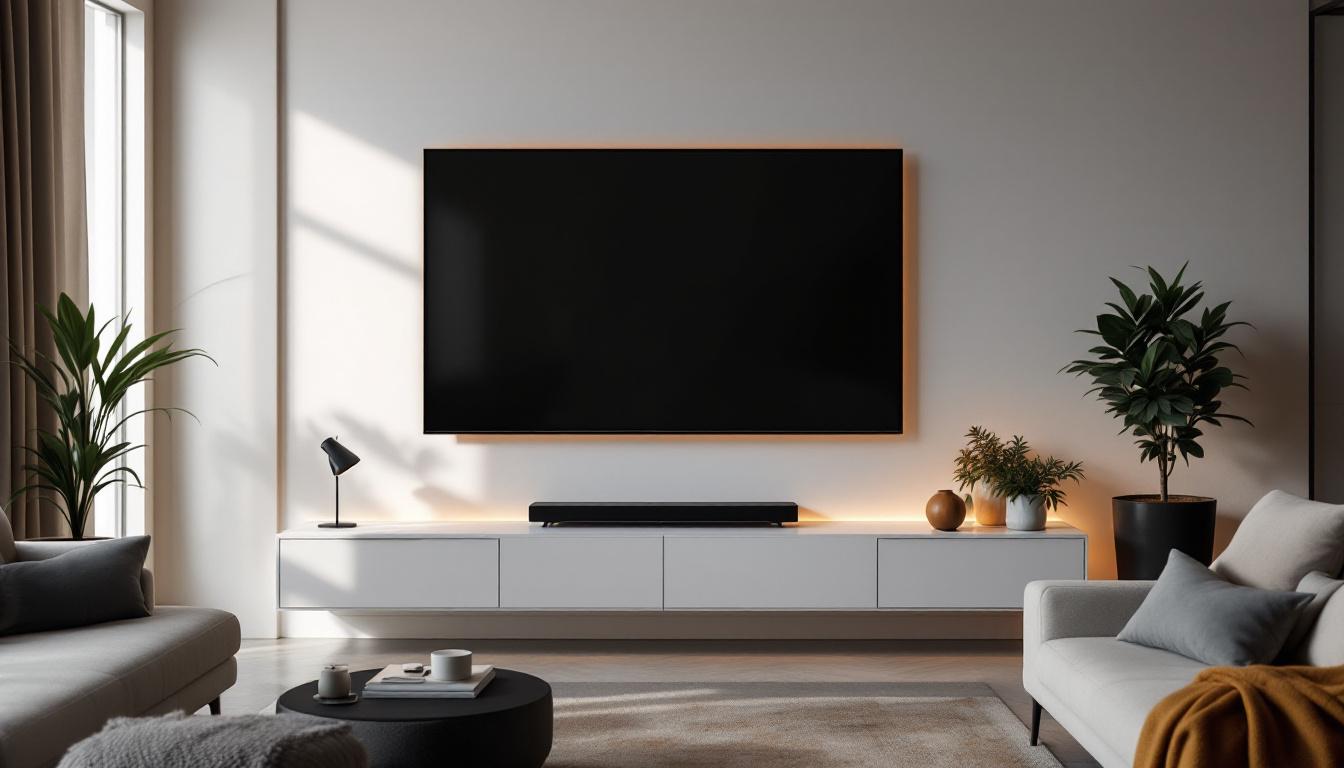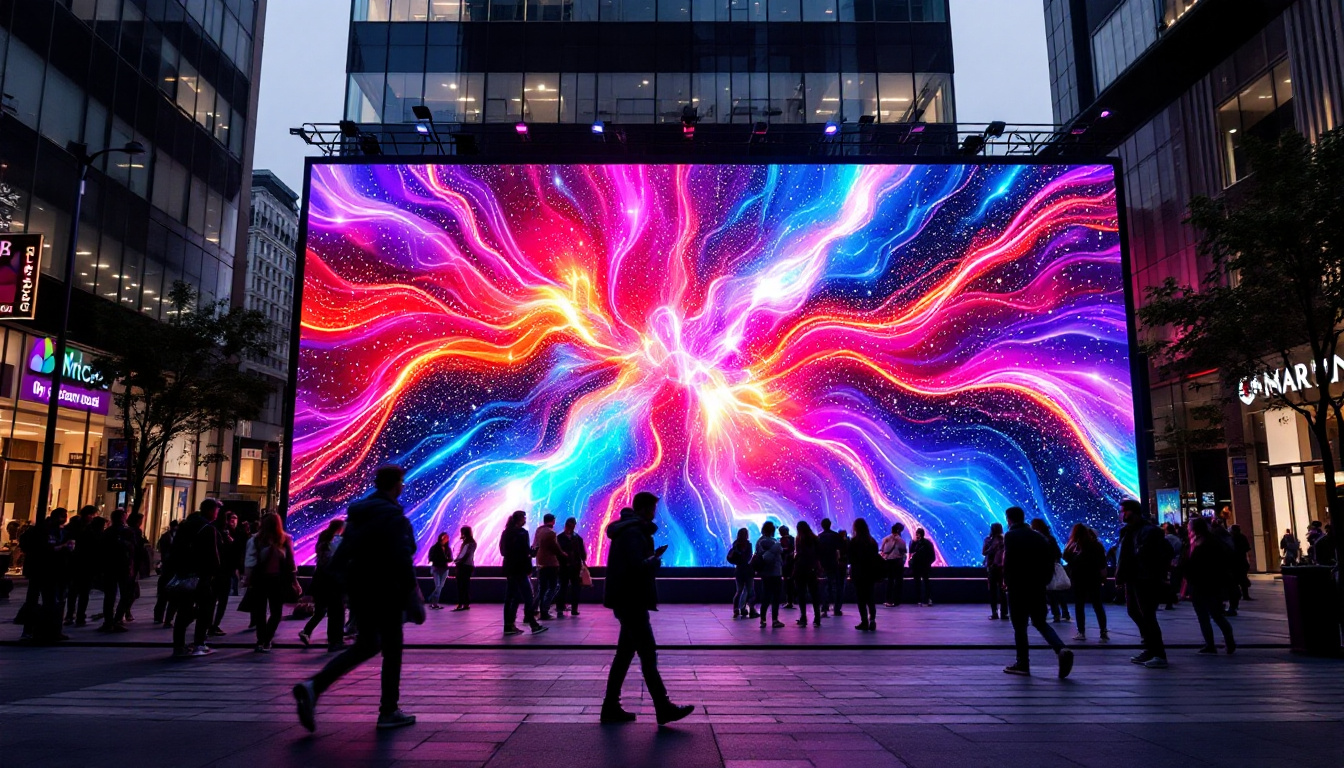
In the rapidly evolving world of display technology, slim monitors with LED displays have become the standard for both consumers and professionals. From ultra-thin bezels to vibrant color reproduction, these monitors offer a blend of aesthetics and performance that cater to a wide range of applications. This article delves into the technology behind slim LED monitors, exploring their design, advantages, and why they have become the preferred choice in today’s digital environment.
Understanding LED Display Technology
What is an LED Display?
LED stands for Light Emitting Diode, a semiconductor device that emits light when an electric current passes through it. In the context of monitors, an LED display refers to a screen that uses LEDs as a backlighting source for an LCD (Liquid Crystal Display) panel. This differs from older LCD monitors that used cold cathode fluorescent lamps (CCFL) for backlighting.
The key distinction is that the LED itself is not the display panel but the light source behind the pixels. This innovation has allowed manufacturers to create thinner, more energy-efficient monitors with improved brightness and color accuracy. Furthermore, LED displays can achieve a wider color gamut, which means they can reproduce more colors than traditional displays, making them ideal for graphic design, photography, and video editing applications where color fidelity is critical.
Types of LED Backlighting
There are primarily two types of LED backlighting used in slim monitors: edge-lit and direct-lit (or full-array) LED backlighting.
- Edge-lit LED: LEDs are placed along the edges of the screen, and light is distributed across the display using light guides. This design enables incredibly thin monitors, often less than 10mm thick, making them highly desirable for minimalist setups. However, edge-lit displays may struggle with uniform brightness in certain scenarios, particularly in larger screens or when displaying dark images.
- Direct-lit LED: LEDs are positioned directly behind the LCD panel, providing more uniform brightness and better local dimming capabilities. While this can result in a slightly thicker monitor, it offers superior contrast and black levels. This type of backlighting is particularly beneficial for watching movies or playing video games, where deep blacks and vibrant colors enhance the overall viewing experience.
Both types have their advantages, but edge-lit LED is most commonly associated with ultra-slim monitors due to its space-saving design. Additionally, the choice between edge-lit and direct-lit can also depend on the intended use; for instance, professionals in fields requiring precise color accuracy might prefer direct-lit displays, while casual users may opt for the sleekness of edge-lit models. As technology continues to evolve, hybrid systems that combine both types of backlighting are emerging, offering the best of both worlds, with enhanced performance and design flexibility.
The Evolution of Slim Monitors
From Bulky CRTs to Sleek LEDs
The journey to today’s slim LED monitors began with cathode ray tube (CRT) displays, which were bulky, heavy, and consumed significant power. The shift to LCD technology in the early 2000s marked a major leap in design, enabling much thinner and lighter screens.
However, early LCD monitors relied on CCFL backlighting, which limited how thin these devices could be. The introduction of LED backlighting in the late 2000s revolutionized the industry by allowing manufacturers to reduce thickness dramatically while improving display quality.
Current Trends in Slim Monitor Design
Modern slim monitors often feature ultra-narrow bezels, sometimes referred to as “borderless” or “frameless” designs, which maximize screen real estate and create a seamless multi-monitor setup. Additionally, manufacturers are integrating advanced features such as high refresh rates, HDR (High Dynamic Range) support, and wide color gamut capabilities into slim form factors.
For example, many professional-grade slim monitors now support 4K resolution with color accuracy standards like Adobe RGB or DCI-P3, catering to graphic designers and video editors who require precise color representation.
Moreover, the rise of gaming has significantly influenced monitor design, pushing brands to develop models with faster response times and adaptive sync technologies like NVIDIA G-SYNC and AMD FreeSync. These innovations not only enhance the gaming experience by reducing screen tearing and stuttering but also appeal to a broader audience, including casual gamers and professionals who engage in fast-paced video editing or graphic design work. The sleek aesthetics of these monitors, combined with their high performance, make them a popular choice for both home and office environments.
Furthermore, the integration of smart technology into slim monitors is becoming increasingly prevalent. Many modern displays now come equipped with built-in operating systems, allowing users to stream content directly from the internet without the need for an external device. This shift towards smart functionality not only enhances user convenience but also positions slim monitors as versatile tools that can serve multiple purposes, from entertainment to productivity, all while maintaining a stylish and unobtrusive presence in any workspace.
Advantages of Slim LED Monitors
Space Efficiency and Aesthetics
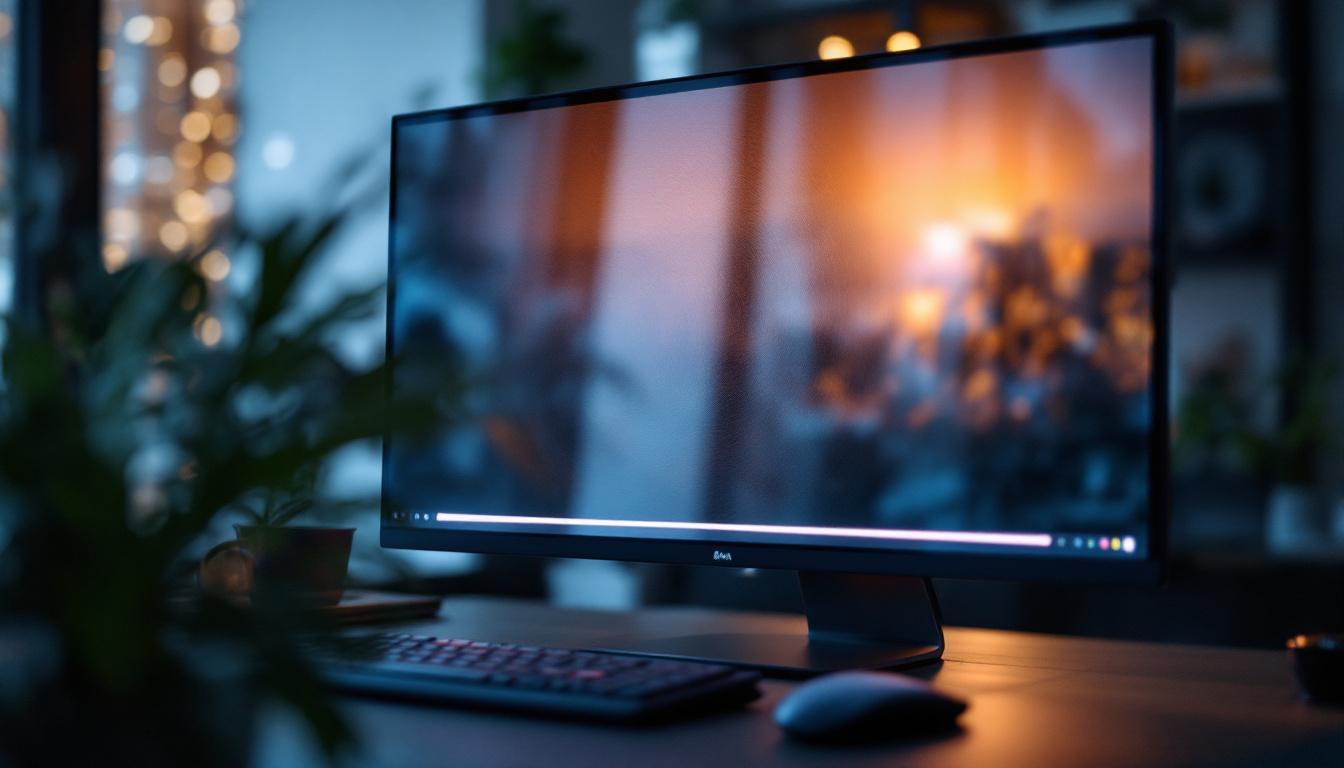
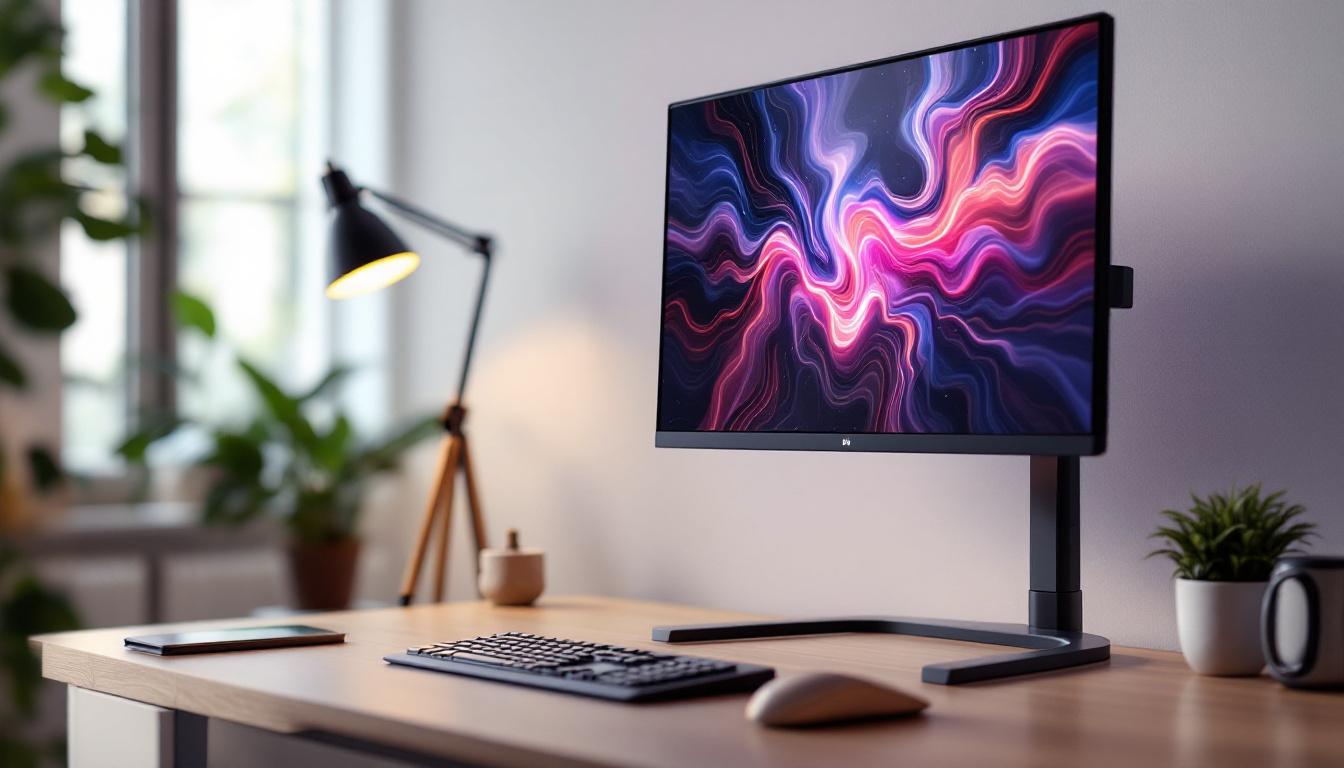
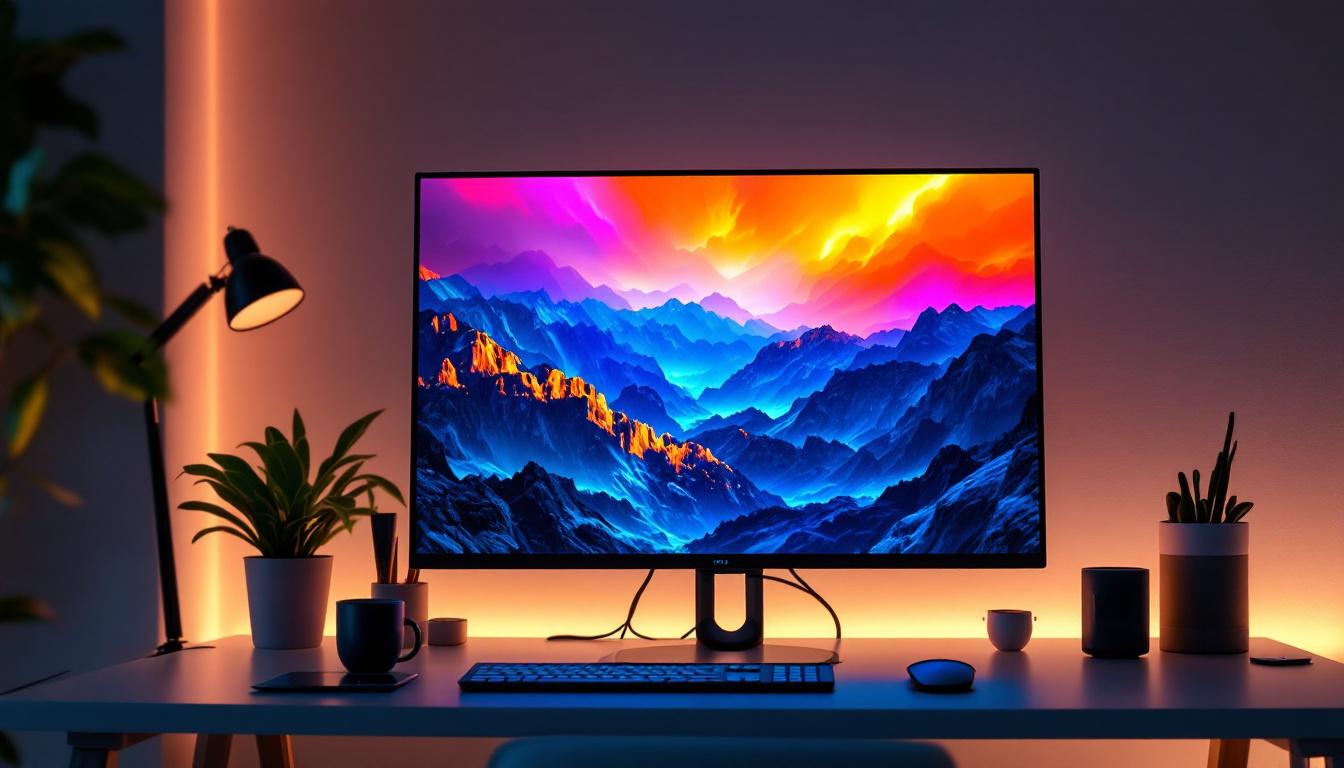
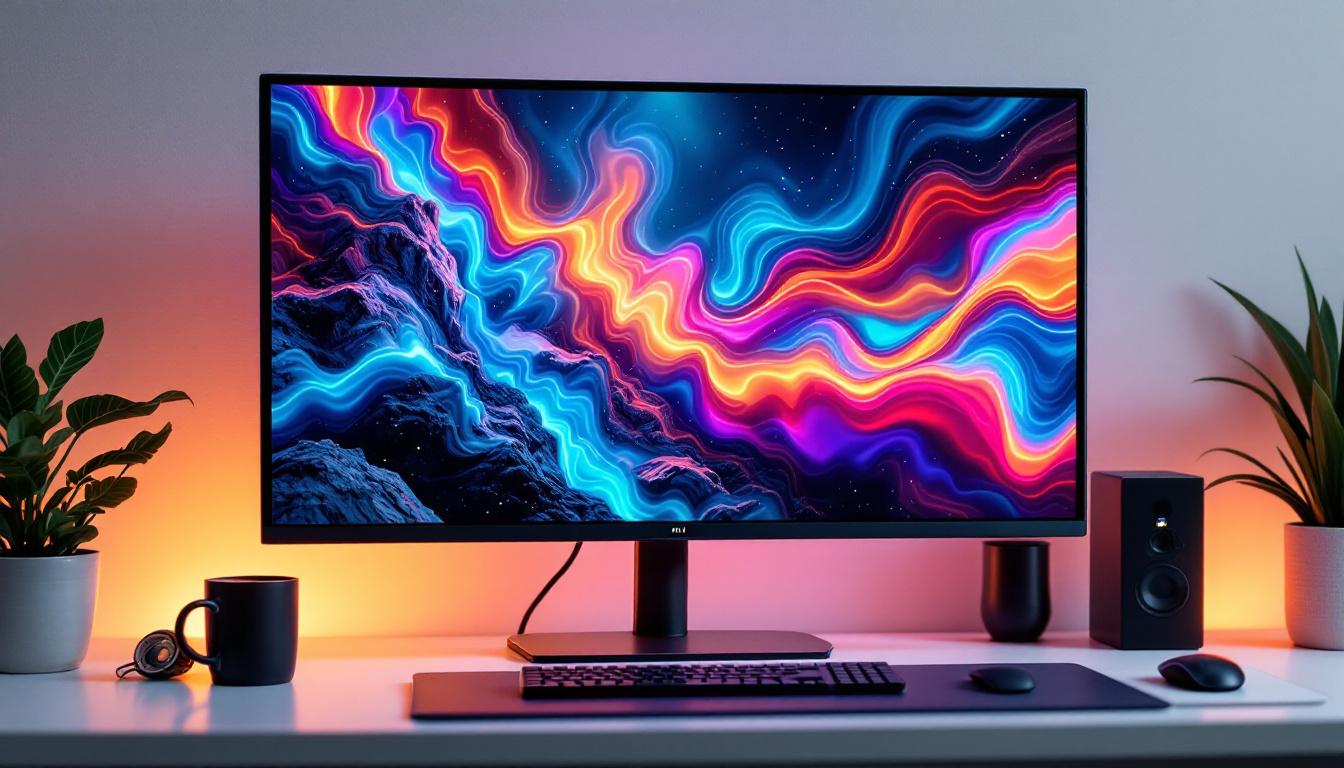
One of the most obvious benefits of slim LED monitors is their sleek, minimalist design. Their thin profile allows them to fit comfortably in tight workspaces, making them ideal for modern offices, home setups, and even public kiosks.
Beyond functionality, slim monitors contribute to a clean, professional aesthetic. Their lightweight construction also makes them easier to mount on walls or adjustable arms, enhancing ergonomic setups.
Energy Efficiency and Environmental Impact
LED backlighting consumes significantly less power compared to CCFL technology. According to the U.S. Department of Energy, LED-backlit monitors can reduce energy consumption by up to 40%, which translates to lower electricity bills and a smaller carbon footprint.
Additionally, LEDs have a longer lifespan than traditional backlighting methods, reducing waste and the frequency of replacements. Many manufacturers now also emphasize eco-friendly materials and recycling programs, aligning with growing consumer demand for sustainable electronics.
Improved Display Quality
LED backlighting enables higher brightness levels and better contrast ratios, which improve overall image quality. The ability to implement local dimming in direct-lit LED monitors allows for deeper blacks and enhanced HDR performance, making images more vibrant and lifelike.
Moreover, slim LED monitors often support wider color gamuts and faster response times, which are essential for gaming, professional content creation, and multimedia consumption.
Common Applications of Slim LED Monitors
Professional Use Cases
In fields such as graphic design, video editing, and photography, color accuracy and display quality are paramount. Slim LED monitors with high resolution and wide color gamut support provide professionals with the tools they need to produce precise work.
Many creative professionals prefer monitors that cover 99% or more of the Adobe RGB color space and offer factory calibration to ensure color fidelity. The slim form factor also helps maintain a clutter-free workspace, which can enhance productivity.
Gaming and Entertainment
Gamers benefit from slim LED monitors that combine fast refresh rates (120Hz, 144Hz, or higher) with low input lag and vivid color reproduction. The thin profile and narrow bezels are particularly advantageous for multi-monitor gaming setups or immersive experiences.
For entertainment purposes, such as streaming movies or watching sports, slim LED monitors with HDR support and high contrast ratios provide a more engaging viewing experience, rivaling that of many televisions.
Business and Everyday Use
In corporate environments, slim LED monitors are popular for their space-saving design and professional appearance. They facilitate multi-monitor configurations that enhance multitasking and workflow efficiency.
For everyday users, these monitors offer a balance of affordability, performance, and style, suitable for web browsing, office work, and casual media consumption.
Key Considerations When Choosing a Slim LED Monitor
Resolution and Screen Size
Choosing the right resolution and screen size depends on the intended use. For general office work, a 24-inch monitor with Full HD (1920×1080) resolution is often sufficient. However, for detailed design work or immersive entertainment, larger screens with 4K (3840×2160) resolution are preferable.
It’s important to balance screen size and resolution to ensure text and images are sharp without requiring excessive scaling, which can affect usability.
Panel Type and Color Accuracy
IPS (In-Plane Switching) panels are generally recommended for slim LED monitors due to their superior color accuracy and wide viewing angles compared to TN (Twisted Nematic) or VA (Vertical Alignment) panels. This makes IPS panels ideal for professional and multimedia use.
When color accuracy is critical, look for monitors that offer factory calibration and support for color spaces like sRGB, Adobe RGB, or DCI-P3.
Connectivity and Features
Modern slim monitors often include multiple connectivity options such as HDMI, DisplayPort, USB-C, and USB hubs. USB-C connectivity, in particular, is valuable for users who want to connect laptops or mobile devices with a single cable that supports video, data transfer, and charging.
Additional features to consider include adjustable stands, VESA mount compatibility, built-in speakers, and blue light filters to reduce eye strain during extended use.
The Future of Slim LED Monitors
Emerging Technologies
The display industry continues to innovate, with technologies such as Mini-LED and Micro-LED gaining traction. These advancements promise even thinner panels with improved brightness, contrast, and energy efficiency compared to traditional LED backlighting.
Mini-LED uses thousands of tiny LEDs for backlighting, enabling precise local dimming and better HDR performance, while Micro-LED integrates microscopic LEDs directly into the display, potentially eliminating the need for a separate backlight altogether.
Integration with Smart and Flexible Displays
Future slim monitors may also incorporate flexible or foldable screens, allowing for new form factors and portability options. Additionally, integration with smart technologies such as voice control, AI-driven display adjustments, and enhanced connectivity will further enhance user experience.
As remote work and digital collaboration become more prevalent, slim LED monitors will likely continue evolving to meet the demands of diverse work environments and lifestyles.
Conclusion
Slim monitors with LED displays represent a significant advancement in display technology, combining sleek design with superior performance and energy efficiency. Whether for professional use, gaming, or everyday computing, these monitors offer a versatile and attractive solution that meets modern needs.
Understanding the underlying LED technology, the benefits it brings, and the key factors to consider when choosing a monitor can help users make informed decisions. As display technology continues to advance, slim LED monitors will remain at the forefront, delivering enhanced visual experiences in increasingly elegant packages.
Discover the Future of LED Displays with LumenMatrix
Ready to elevate your visual experience with the latest in LED display technology? LumenMatrix is at the forefront of innovation, offering a diverse range of LED display solutions tailored to your needs. From captivating Indoor LED Walls to dynamic Outdoor LED Displays, and from versatile Vehicle LED Displays to sleek LED Posters, our products are designed to make a lasting impression. Whether you’re looking to enhance your professional workspace, create an immersive gaming setup, or engage your audience with impactful digital signage, LumenMatrix has the cutting-edge technology to bring your vision to life. Check out LumenMatrix LED Display Solutions today and see how we can transform your space with clarity and brilliance.