In the world of digital displays, understanding the dimensions and specifications of screens is crucial for both consumers and professionals alike. One common measurement that often arises is the screen size expressed in inches, such as “55 pouces” (French for inches). However, for many applications—especially in Europe and other metric-using regions—converting these measurements into meters provides a clearer perspective on the actual size of the display. This article delves into the conversion of 55 inches into meters and explores the technology behind LED displays, offering a comprehensive guide for anyone interested in screen dimensions and display technology.
Understanding Screen Size: From Inches to Meters
What Does 55 Inches Represent?
The term “55 pouces” refers to the diagonal length of a screen, measured from one corner to the opposite corner. This diagonal measurement is the standard way manufacturers specify the size of television screens, monitors, and LED displays. Unlike width or height, the diagonal gives a single number that helps compare screen sizes easily.
However, inches are part of the imperial measurement system, which can be confusing for those accustomed to the metric system. Since many countries use meters and centimeters for everyday measurements, converting inches to meters helps visualize the actual size of the display in a more familiar unit. This is particularly important in global markets, where consumers may be more comfortable with metric measurements. As technology becomes increasingly globalized, understanding these conversions can enhance the shopping experience and ensure that customers make informed decisions about their purchases.
How to Convert 55 Inches to Meters
The conversion from inches to meters is straightforward. One inch equals exactly 0.0254 meters. Therefore, to convert 55 inches to meters, multiply 55 by 0.0254:
55 inches × 0.0254 meters/inch = 1.397 meters
This means a 55-inch screen has a diagonal length of approximately 1.397 meters, or about 139.7 centimeters. This conversion is essential when planning the installation of displays in spaces where metric measurements are standard, such as in European homes, offices, or public venues. Additionally, understanding the size in meters can help consumers visualize how the screen will fit within their living space, allowing for better decisions regarding furniture placement and viewing distance.
Why Diagonal Measurement Matters
While the diagonal measurement is the industry standard, it does not directly indicate the width or height of the display. The actual width and height depend on the aspect ratio of the screen, which is the ratio of width to height. The most common aspect ratio for modern LED displays and televisions is 16:9.
For a 55-inch screen with a 16:9 aspect ratio, the width and height can be calculated using the Pythagorean theorem:
- Width = 55 inches × (16 / √(16² + 9²)) ≈ 47.94 inches (1.218 meters)
- Height = 55 inches × (9 / √(16² + 9²)) ≈ 26.96 inches (0.685 meters)
Understanding these dimensions helps in determining the space needed for the display and how it will fit into a room or installation site. Moreover, knowing the width and height can assist in selecting the right mounting options, whether wall-mounted or on a stand, ensuring that the screen is positioned for optimal viewing comfort. This consideration is especially crucial in environments like conference rooms or home theaters, where the layout can significantly affect the overall experience. Furthermore, as technology evolves, new aspect ratios are emerging, such as 21:9 for ultra-wide displays, which can offer different viewing experiences and require additional spatial considerations.
The Technology Behind LED Displays
What is an LED Display?
LED stands for Light Emitting Diode. An LED display uses an array of tiny LEDs to create images by emitting light in different colors and intensities. These displays can vary from small screens on smartphones to massive digital billboards. The versatility of LED technology has led to its widespread adoption across various industries, from advertising to entertainment, and even in automotive applications where they serve as indicators and displays.
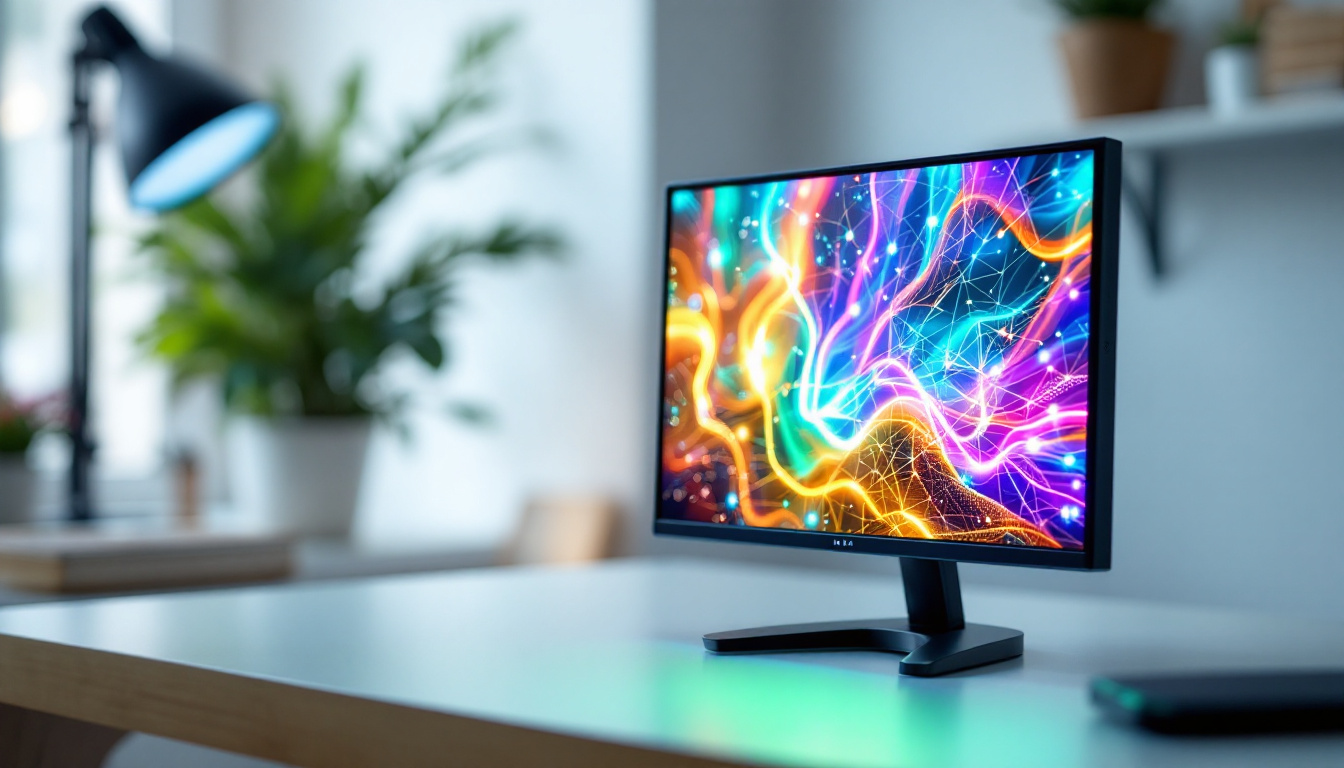
In the context of a 55-inch screen, the LED technology typically refers to the backlighting method used in LCD (Liquid Crystal Display) panels. These are often called LED TVs or LED monitors, where LEDs provide the illumination behind the liquid crystal layer. This backlighting approach enhances the overall viewing experience by improving brightness and contrast, allowing for a more immersive visual experience, particularly in well-lit environments.
Types of LED Displays
There are two primary types of LED displays:
- Edge-lit LED Displays: LEDs are positioned along the edges of the screen. Light is distributed across the panel using light guides. This design allows for thinner screens but sometimes results in uneven brightness. Edge-lit displays are often more affordable and are commonly found in budget-friendly models, making them a popular choice for consumers looking for value.
- Direct-lit or Full-array LED Displays: LEDs are placed directly behind the screen in a grid. This setup provides better brightness and contrast control, especially with local dimming features that enhance black levels and dynamic range. Full-array displays are particularly favored by home theater enthusiasts and professionals who require precise color accuracy and depth in their visuals.
For a 55-inch LED display, full-array backlighting is often preferred for higher-end models, offering superior picture quality, especially in dark scenes. The advancements in this technology enable features like HDR (High Dynamic Range), which significantly enhances the viewing experience by providing a wider range of colors and brightness levels, making images appear more lifelike.
Advantages of LED Displays
LED displays have become the standard for modern screens due to several advantages:
- Energy Efficiency: LEDs consume less power compared to older technologies like CCFL backlighting or plasma screens. This efficiency not only reduces electricity bills but also contributes to a smaller carbon footprint, making LED displays a more environmentally friendly option.
- Brightness and Color Accuracy: LED screens can achieve higher brightness levels and better color reproduction, which is crucial for vivid images and HDR content. This capability makes them ideal for a variety of settings, from bright conference rooms to home theaters, where color fidelity is paramount.
- Thin and Lightweight: LED technology allows for slimmer and lighter screens, making wall mounting and portability easier. The sleek design of LED displays has also influenced interior design trends, allowing for seamless integration into modern living spaces.
- Longevity: LEDs typically have a longer lifespan, reducing the need for frequent replacements. This durability translates to lower maintenance costs over time, making them a wise investment for both consumers and businesses.
Moreover, the rapid advancements in LED technology have led to innovations such as flexible displays and transparent screens, opening up new possibilities for creative applications in advertising and design. As manufacturers continue to push the boundaries of what LED displays can achieve, we can expect even more exciting developments in the world of visual technology.
Applications of 55-Inch LED Displays
Home Entertainment
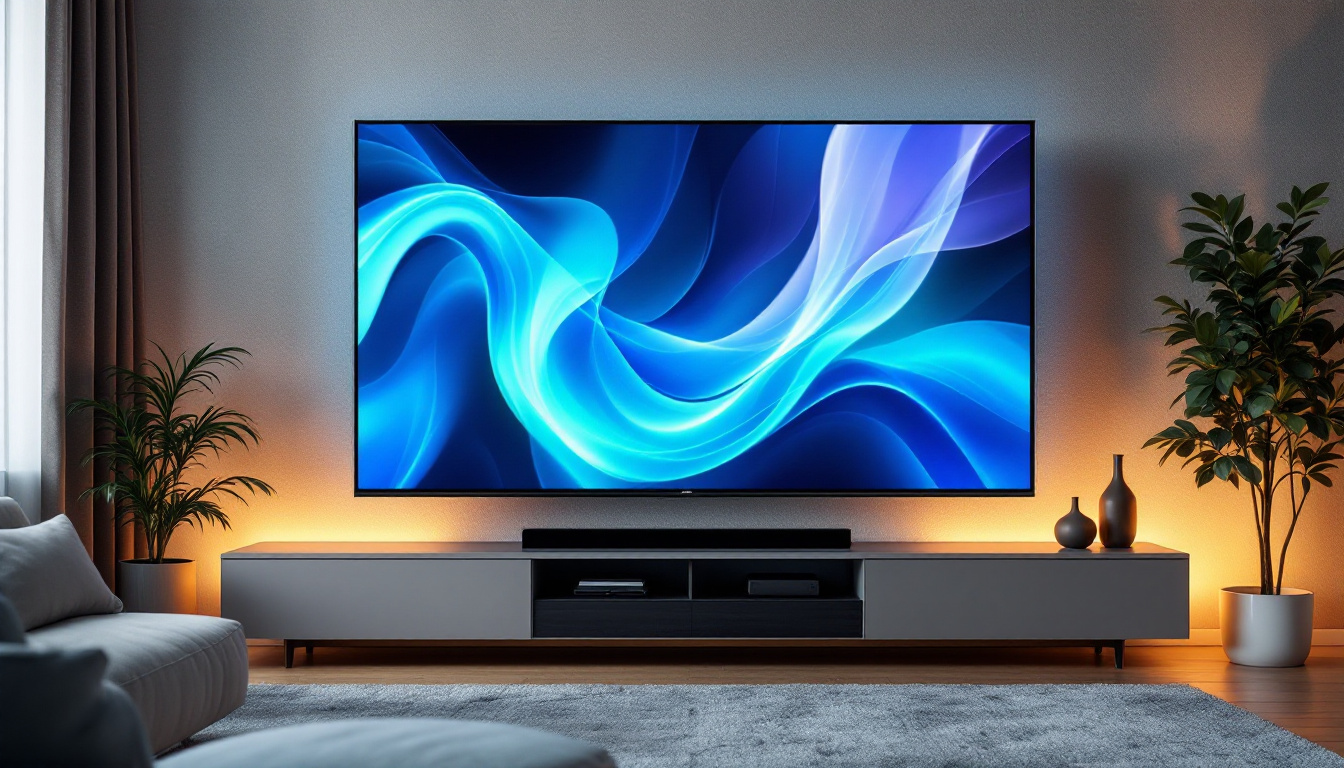
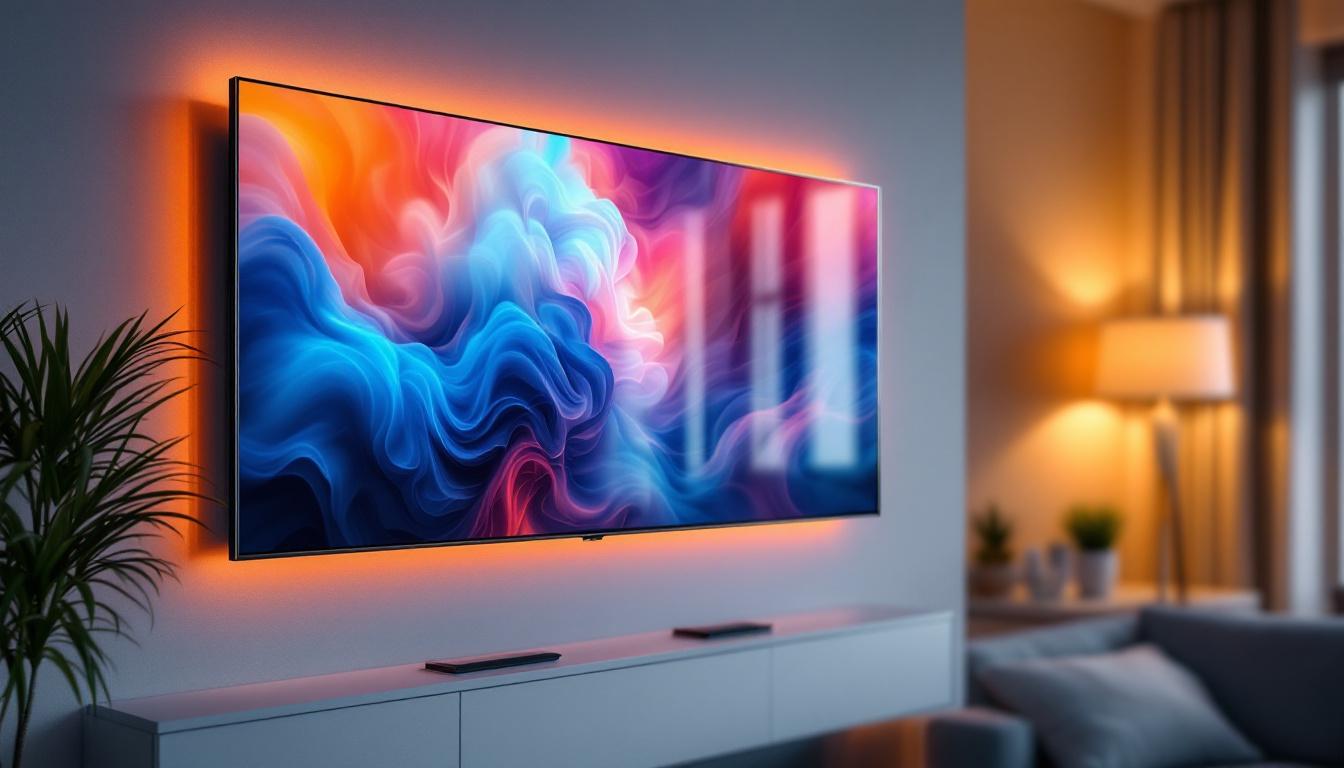
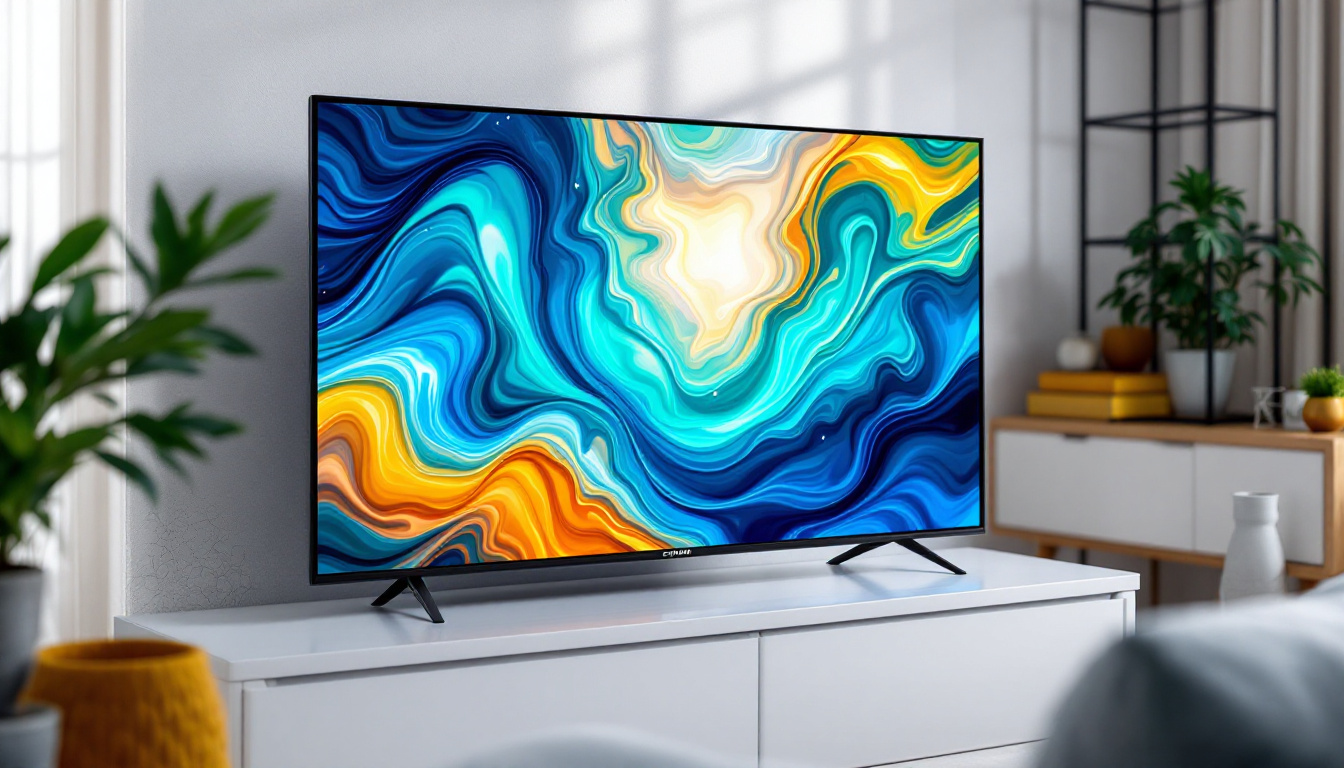
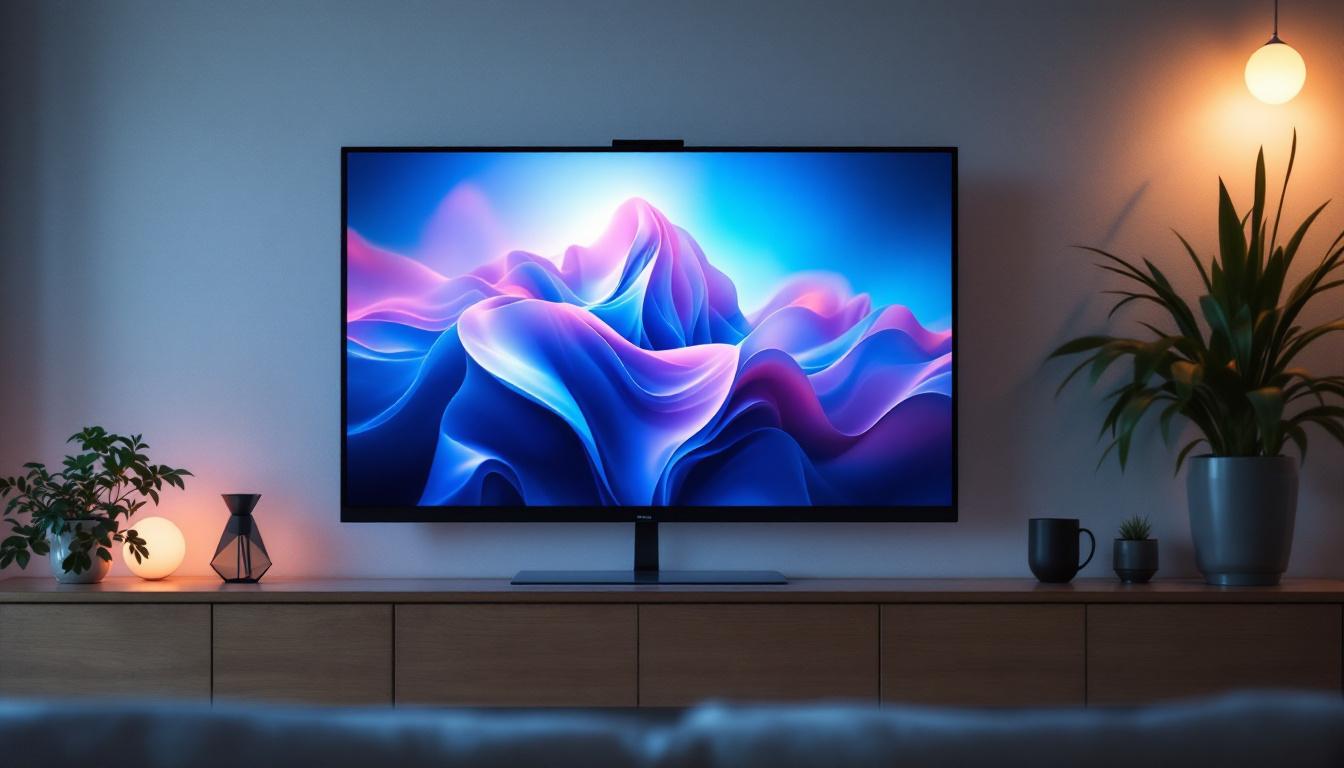
A 55-inch LED TV is a popular choice for home entertainment setups. It offers a large viewing area that fits comfortably in most living rooms, providing an immersive experience for movies, sports, and gaming. The size balances well between screen real estate and viewing distance, which is typically around 2 to 3 meters for optimal comfort.
Moreover, with advancements in LED technology, 55-inch TVs now support 4K resolution and HDR (High Dynamic Range), enhancing picture clarity and color depth. This makes them suitable for streaming high-quality content and playing next-generation video games.
Professional and Commercial Use
In professional environments, 55-inch LED displays are used for digital signage, presentations, and video conferencing. Their size makes them visible to small to medium-sized groups, ideal for meeting rooms, retail stores, and public information displays.
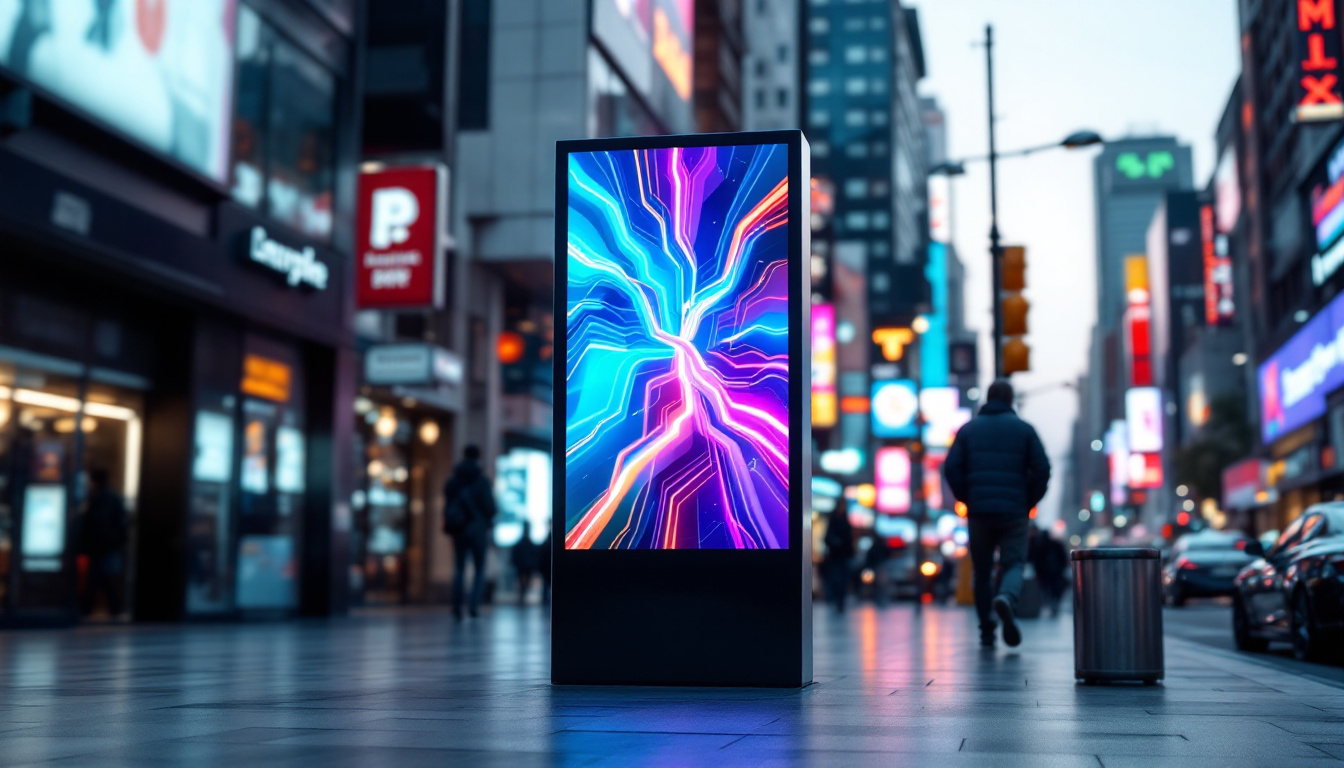
For digital signage, LED displays offer bright, eye-catching visuals that can operate continuously with minimal maintenance. Businesses use them to promote products, display menus, or provide real-time information such as news and weather updates.
Event and Exhibition Displays
At trade shows and exhibitions, 55-inch LED displays serve as focal points for product demos and interactive presentations. Their portability and relatively large size make them perfect for grabbing attention in crowded environments.
Additionally, LED technology allows for vibrant colors and high contrast, ensuring that visuals stand out even under bright lighting conditions common in exhibition halls.
Choosing the Right 55-Inch LED Display
Resolution and Picture Quality
When selecting a 55-inch LED display, resolution is a key factor. The most common resolutions available are Full HD (1920×1080 pixels) and 4K UHD (3840×2160 pixels). For a screen of this size, 4K resolution is generally recommended to ensure sharp images, especially when viewed up close.
Higher resolution displays also support advanced features like HDR, which enhances contrast and color accuracy, providing a more lifelike viewing experience.
Connectivity Options
Modern LED displays come equipped with various connectivity options, including HDMI, USB, and wireless capabilities. These ports allow users to connect gaming consoles, streaming devices, computers, and other peripherals easily.
For commercial use, additional features like Ethernet ports or support for digital signage software may be important considerations.
Smart Features
Many 55-inch LED TVs and monitors include smart features such as built-in streaming apps, voice control, and compatibility with smart home systems. These functionalities enhance user convenience and expand the range of content accessible directly from the display.
Budget and Brand Considerations
Prices for 55-inch LED displays vary widely based on brand, features, and technology. While premium models offer better picture quality and additional features, budget-friendly options can still provide satisfactory performance for everyday use.
Choosing a reputable brand ensures better customer support, warranty coverage, and access to firmware updates, which can improve device longevity and functionality.
Conclusion: The Importance of Understanding Display Size and Technology
Converting 55 pouces to meters provides a clearer understanding of the actual size of LED displays, helping consumers and professionals make informed decisions about purchase and installation. At approximately 1.4 meters diagonally, a 55-inch screen offers a substantial viewing area suitable for various applications, from home entertainment to commercial use.
LED technology continues to evolve, delivering brighter, more energy-efficient, and higher-quality displays. Understanding the nuances of screen size, aspect ratio, resolution, and LED types equips buyers with the knowledge to select the right display for their needs.
Whether outfitting a living room, office, or public space, the 55-inch LED display remains a versatile and popular choice that balances size, performance, and cost effectively.
Discover the Future of Visual Technology with LumenMatrix
Ready to elevate your visual experience with a cutting-edge LED display that offers unparalleled brightness, clarity, and longevity? Look no further than LumenMatrix. As a pioneer in LED display technology, we provide an extensive range of solutions tailored to meet your needs, including Indoor and Outdoor LED Wall Displays, Vehicle LED Displays, LED Poster Displays, and more. Our mission is to transform your visual communication, ensuring your message resonates with vibrancy and precision. Don’t miss out on the opportunity to captivate your audience with our innovative displays. Check out LumenMatrix LED Display Solutions today and join the revolution in digital signage.