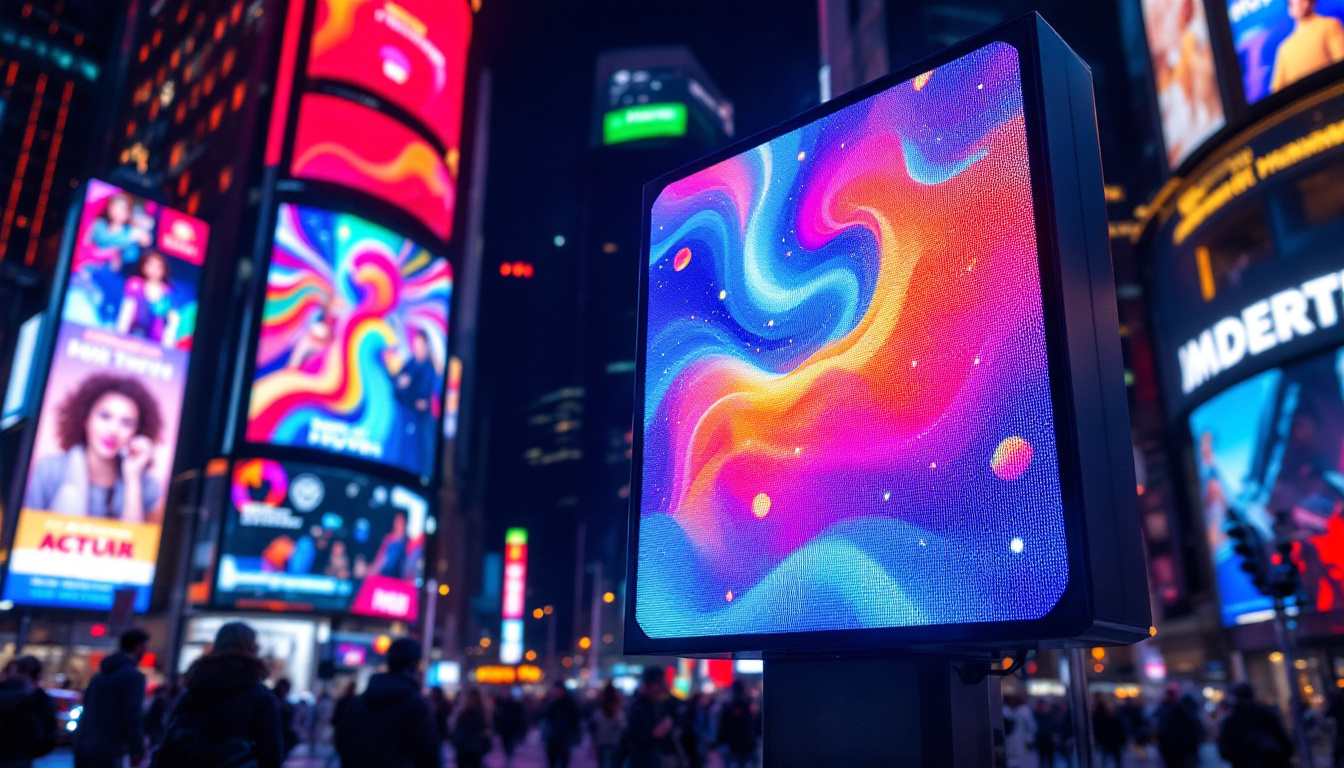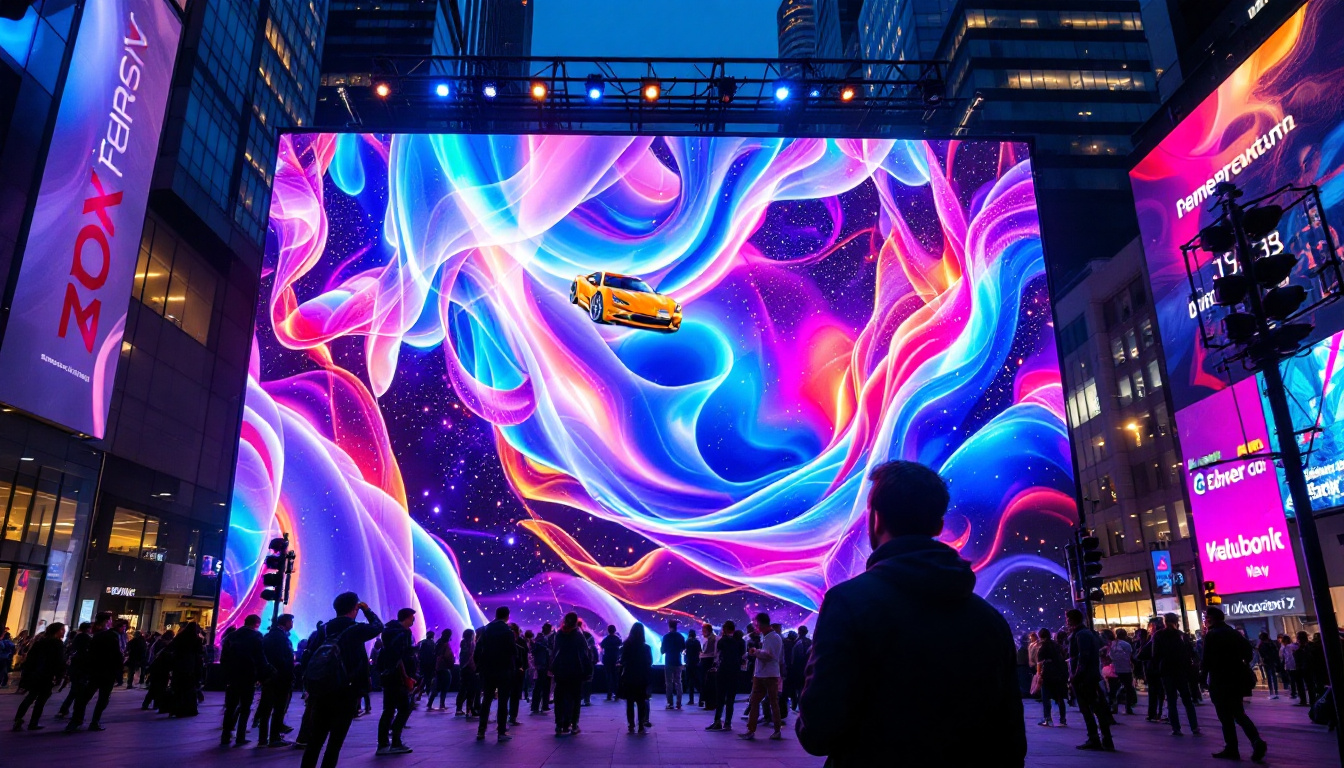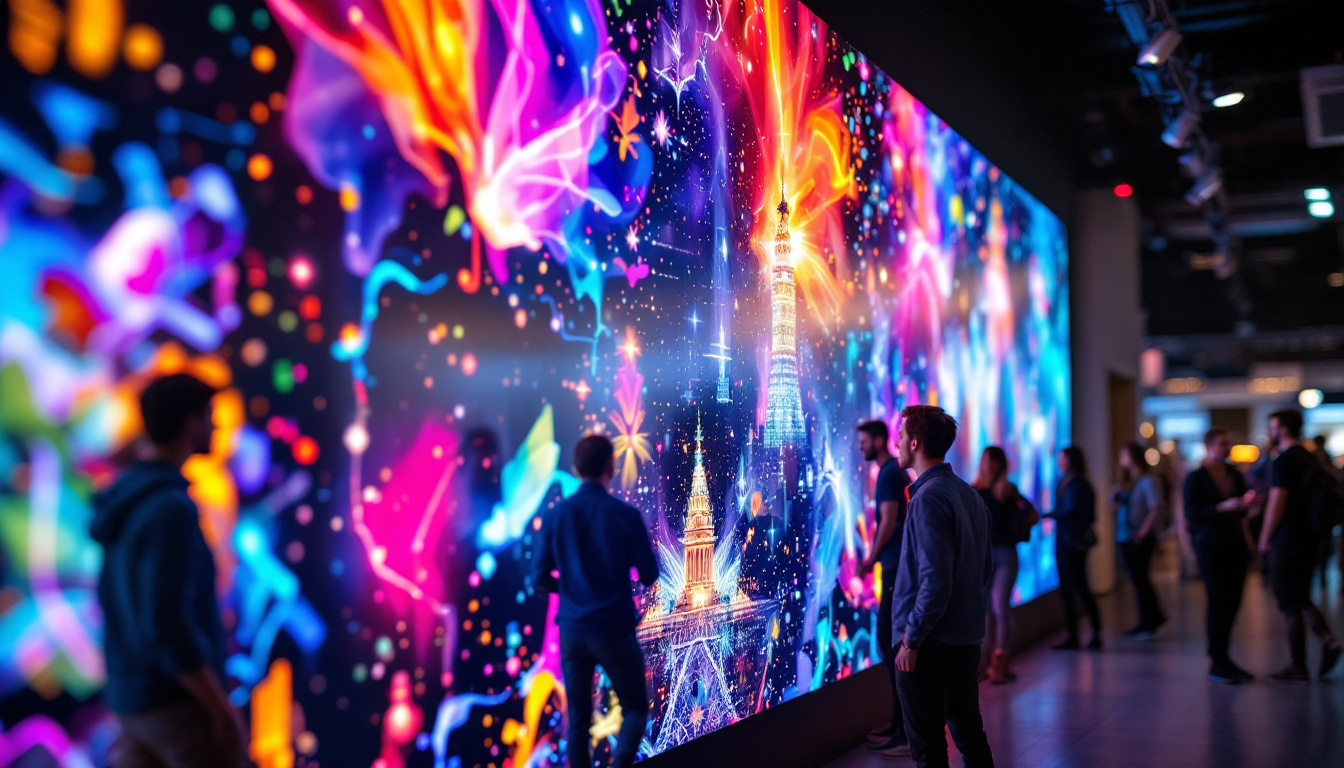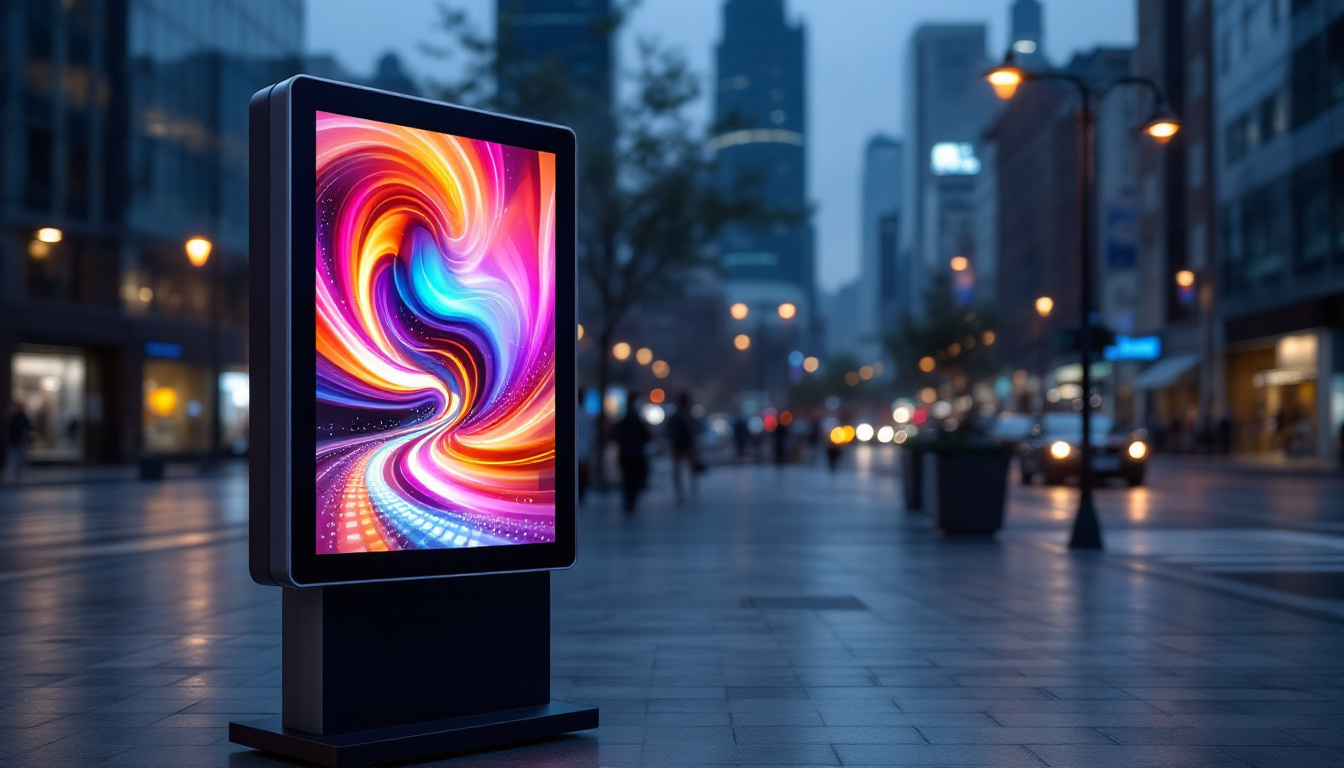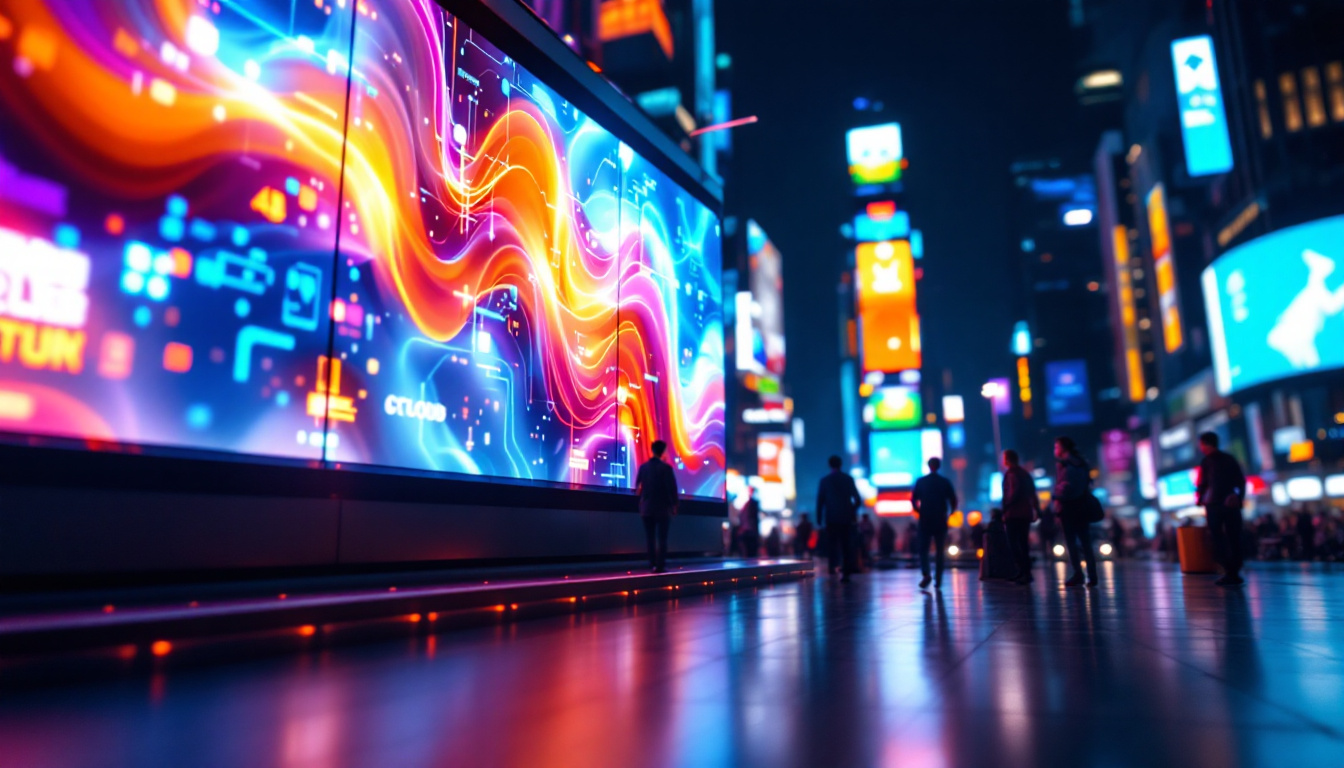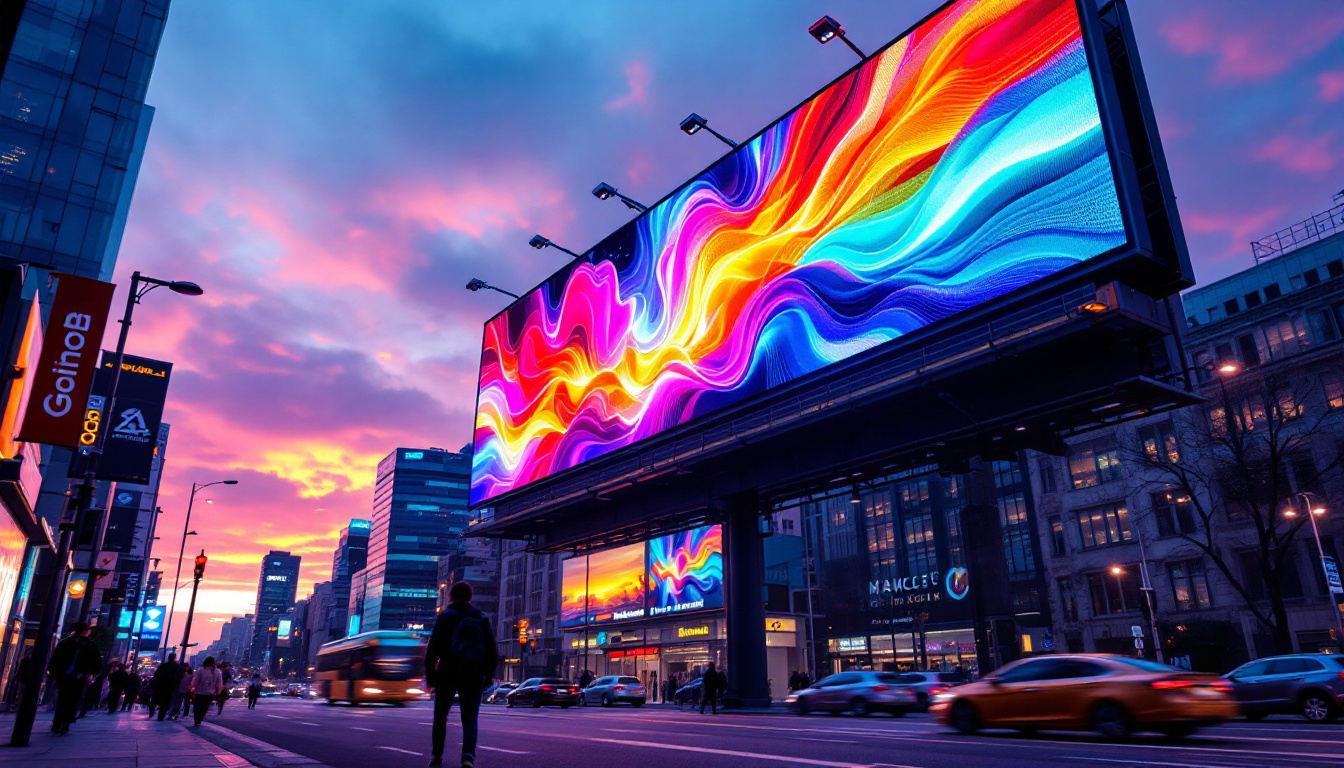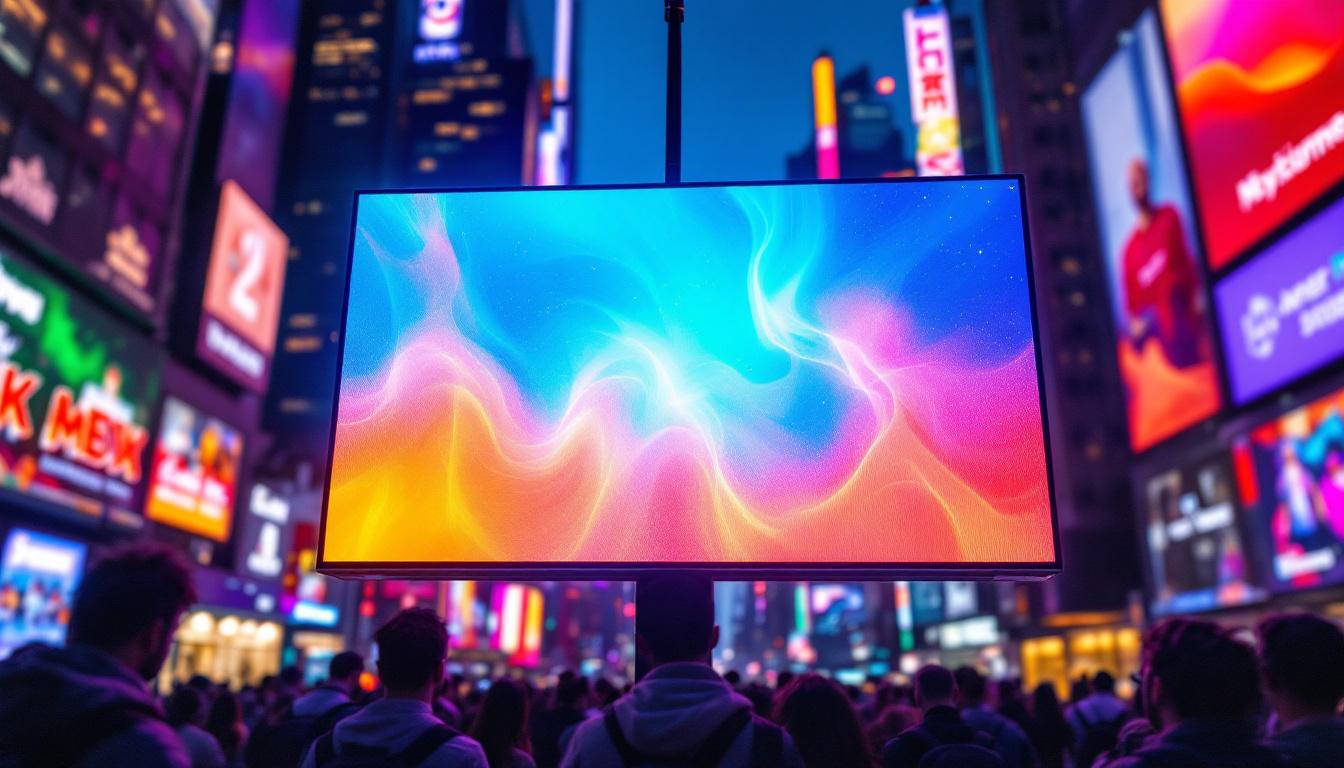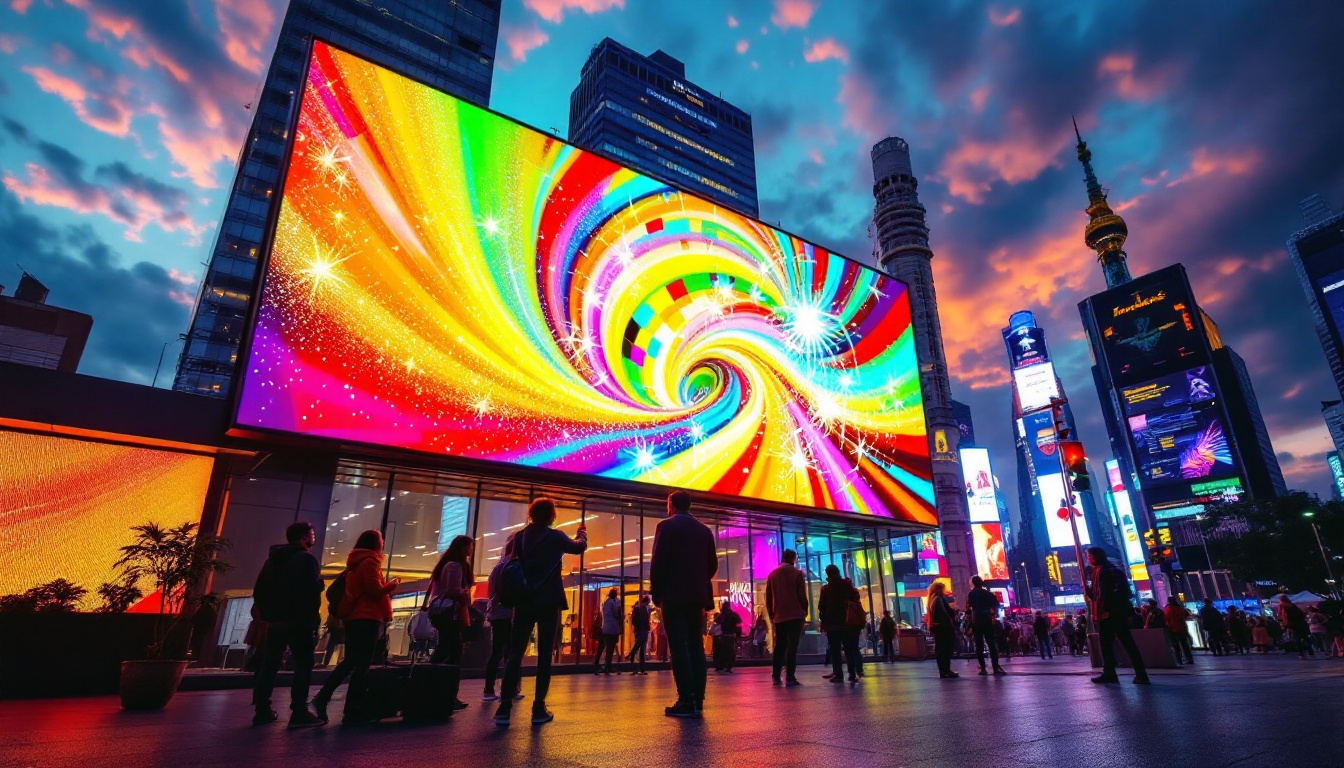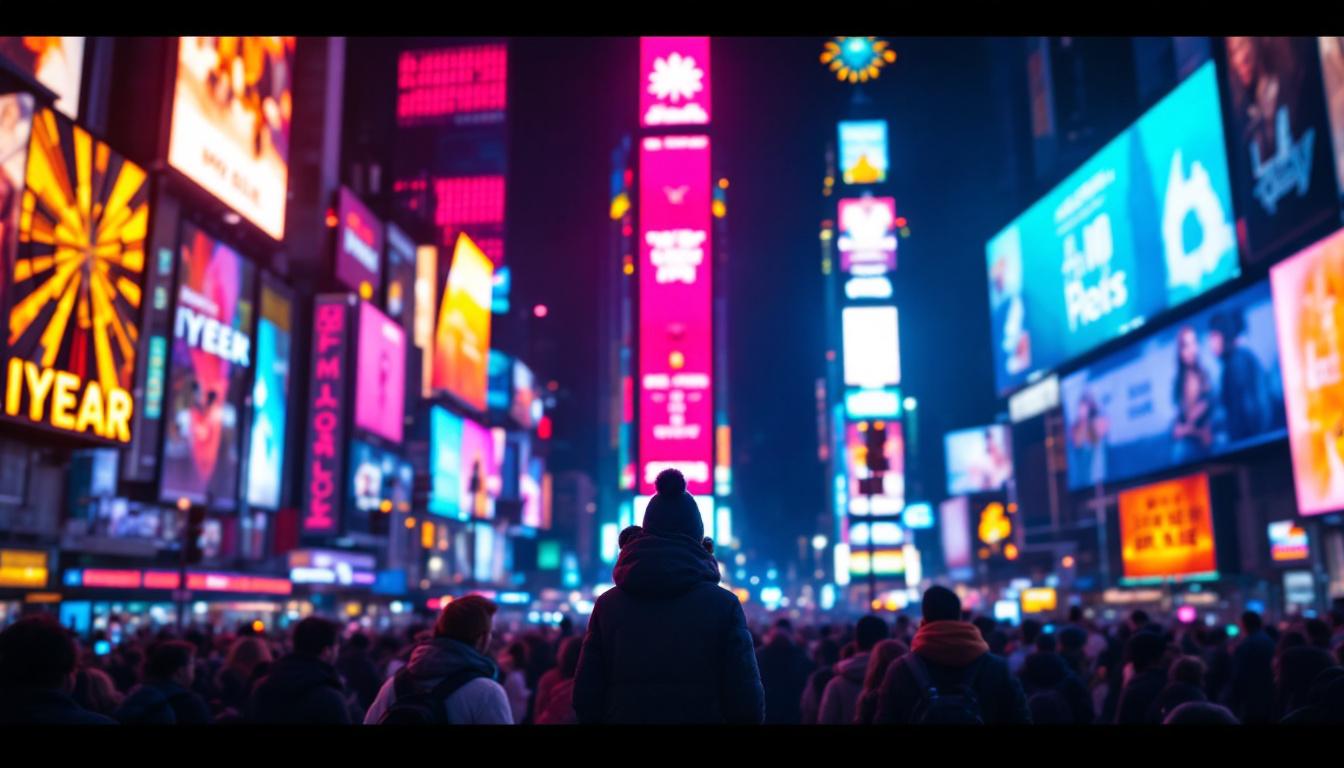
Times Square in New York City is often described as “The Crossroads of the World,” a vibrant hub where commerce, culture, and technology converge. One of the most iconic features of this bustling area is its dazzling array of LED displays, which light up the skyline with dynamic advertisements, news, and entertainment. These LED billboards are more than just eye-catching visuals; they represent a sophisticated blend of cutting-edge technology, marketing strategy, and urban design.
This article explores the intricacies of LED advertising in Times Square, delving into the technology behind the displays, their impact on advertising, and the unique challenges and opportunities they present. Whether you’re a marketing professional, technology enthusiast, or simply curious about what makes Times Square’s lights so captivating, this comprehensive guide will illuminate the subject.
The Evolution of Advertising in Times Square
Times Square’s history as an advertising hotspot dates back to the early 20th century, when neon signs first began to light up the area. Over the decades, the advertisements evolved from static billboards to animated neon displays, and eventually to the LED screens that dominate the landscape today.
LED technology revolutionized outdoor advertising by allowing for brighter, more colorful, and more dynamic content. Unlike traditional billboards, LED displays can show video, animations, and real-time updates, making them incredibly versatile. This evolution has transformed Times Square into a 24/7 spectacle, drawing millions of visitors annually and providing brands with unparalleled visibility.
From Neon to LED: A Technological Leap
Neon signs, popular in the mid-1900s, were limited by their static nature and relatively low brightness. The introduction of LED (Light Emitting Diode) technology in the late 20th century marked a significant shift. LEDs are more energy-efficient, have a longer lifespan, and can produce a broader spectrum of colors. This made them ideal for large-scale outdoor advertising.
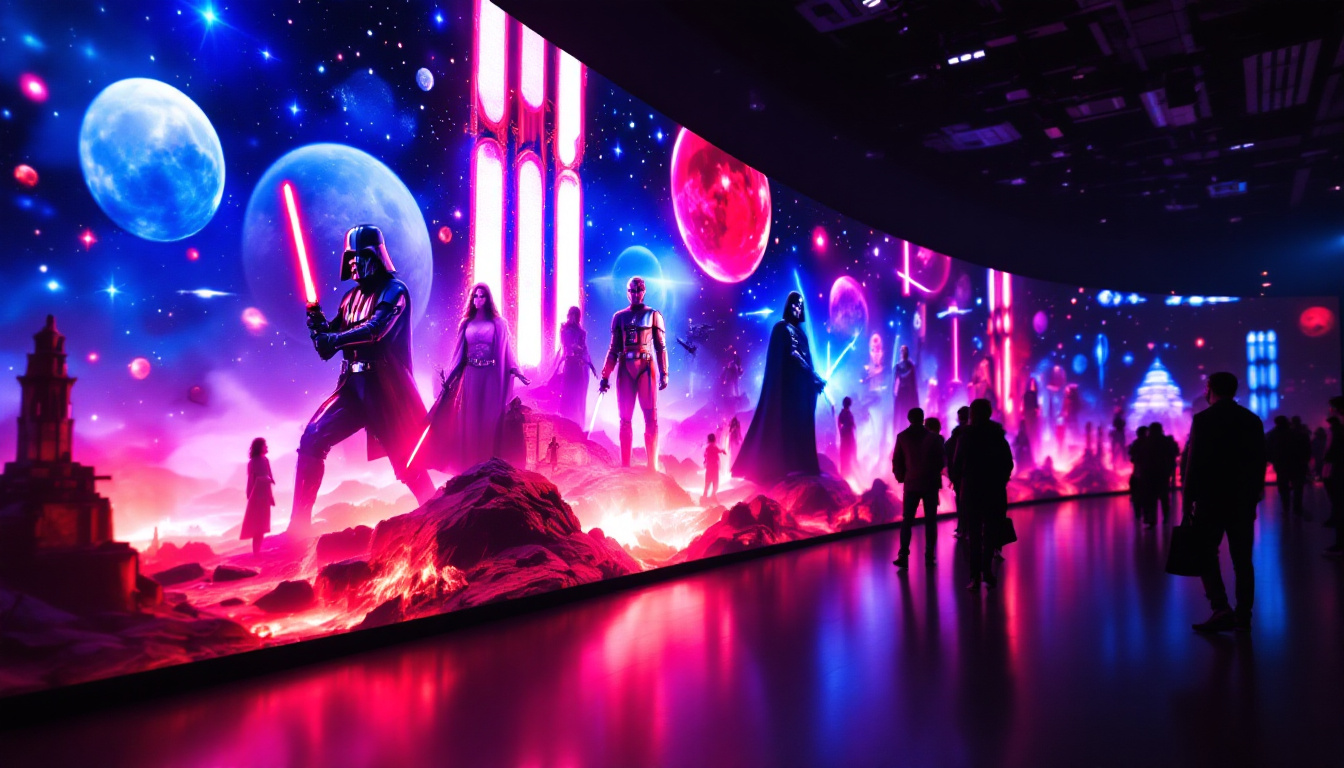
By the 2000s, LED billboards began replacing traditional signage in Times Square. The ability to display moving images and change content instantly opened new creative possibilities for advertisers. Today, the LED displays in Times Square are among the largest and most advanced in the world, with some screens covering entire building facades.
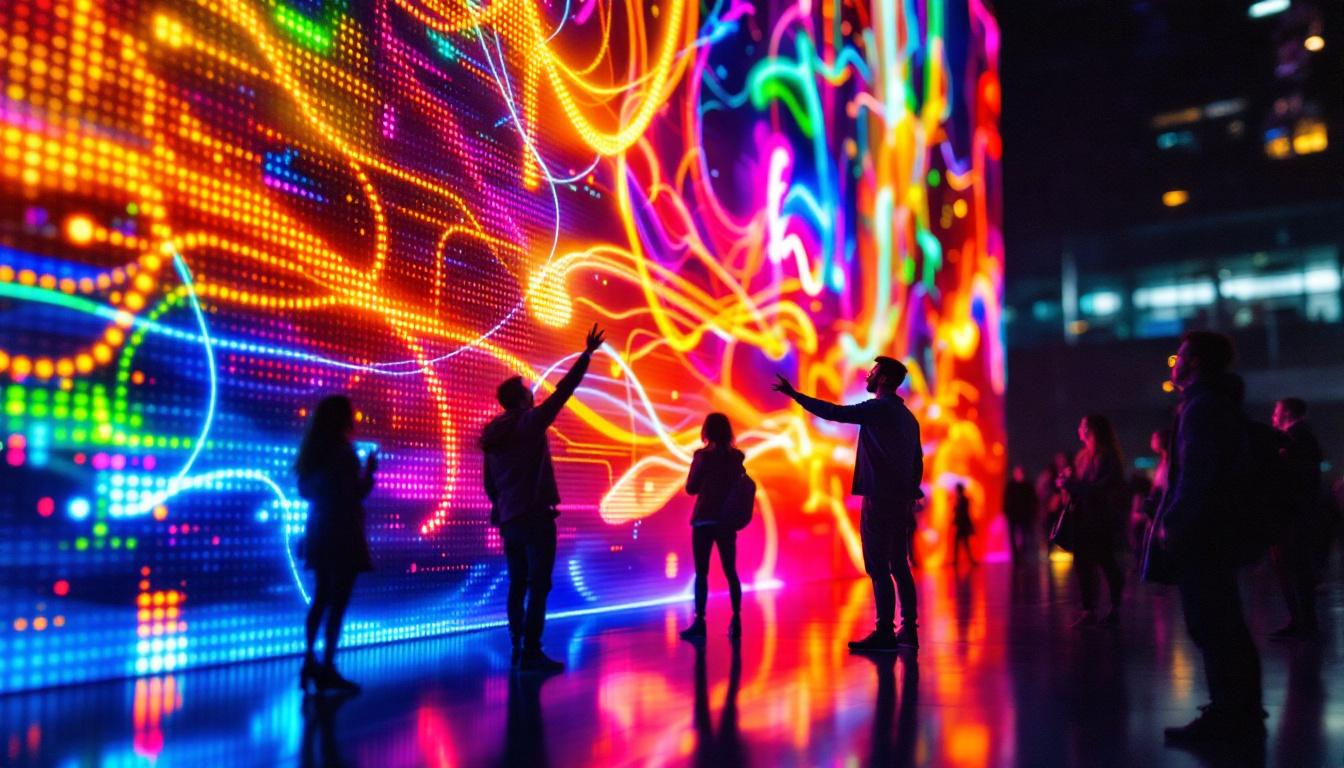
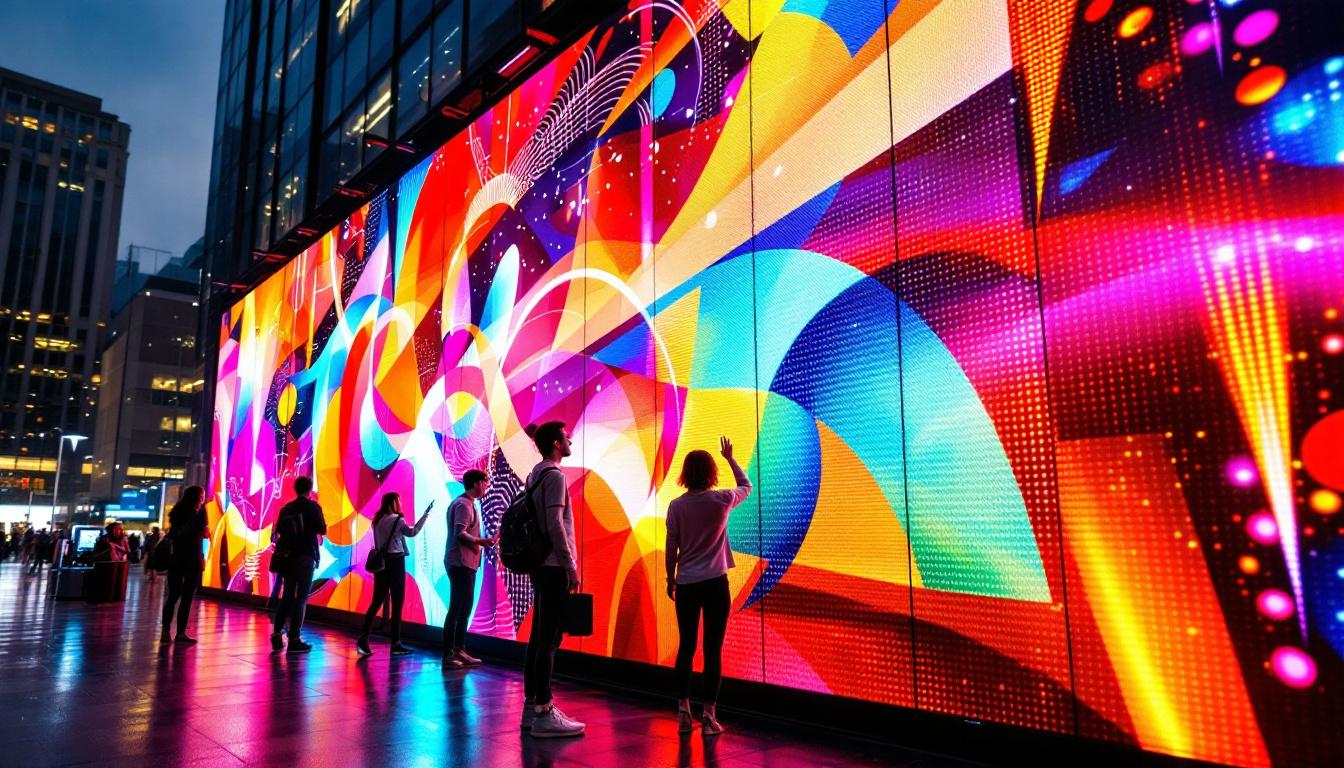
As the technology evolved, so did the strategies employed by advertisers to capture the attention of the bustling crowds. Brands began to incorporate interactive elements into their campaigns, allowing passersby to engage with the content in real time. For instance, some displays invite viewers to take selfies that are then projected onto the screen, creating a sense of community and participation. This shift towards interactivity not only enhances the viewer experience but also fosters a deeper connection between the brand and its audience.
Moreover, the rise of social media has further influenced advertising in Times Square. Campaigns are often designed with the intent of going viral, leveraging hashtags and user-generated content to amplify their reach. Advertisers now consider the digital footprint of their campaigns, ensuring that they resonate both on the massive screens of Times Square and across social media platforms. This dual approach has transformed Times Square into not just a physical location for advertising, but a pivotal digital hub where brands can engage with consumers in multifaceted ways.
How LED Displays Work: The Technology Behind the Glow
Understanding the technology behind Times Square’s LED displays requires a look at the components and systems that make these giant screens function seamlessly.
LED Pixels and Modules
At the core of every LED display are tiny light-emitting diodes arranged into pixels. Each pixel typically consists of red, green, and blue LEDs, which combine to produce a full range of colors through varying intensities. Thousands or even millions of these pixels are grouped into modules, which are then assembled into large panels.
The resolution of an LED display depends on the pixel pitch—the distance between the centers of adjacent pixels. A smaller pixel pitch means higher resolution and sharper images, which is crucial for displays viewed up close, such as those in Times Square. For instance, a pixel pitch of 2.5mm can provide stunning clarity, making it possible to display intricate details that draw in viewers from all angles.
Brightness and Visibility
One of the defining features of Times Square LED displays is their extreme brightness. These screens are designed to be visible even in direct sunlight, with brightness levels often exceeding 5,000 nits (a measure of luminance). This ensures that advertisements remain vibrant and legible at all times of day and night. The technology behind these displays often includes advanced cooling systems to manage heat generated by such high brightness levels, ensuring longevity and consistent performance.
Advanced sensors also adjust the brightness dynamically based on ambient light conditions, optimizing energy use and reducing glare for pedestrians and drivers. This adaptability not only enhances visibility but also contributes to energy efficiency, making these displays more sustainable in the long run. Furthermore, innovations in LED technology have led to the development of more energy-efficient diodes, which consume less power while delivering the same, if not better, luminosity.
Content Management Systems
Behind the scenes, sophisticated content management systems (CMS) control what appears on each screen. These systems allow advertisers to schedule content, switch ads instantly, and even display real-time information such as news, weather, or social media feeds. The integration of artificial intelligence into these CMS platforms has revolutionized how content is managed, enabling personalized advertising that can target specific demographics based on time of day or audience analytics.
Many LED displays in Times Square are connected to centralized networks, enabling coordinated campaigns across multiple screens. This capability allows brands to create immersive experiences that capture the attention of the diverse Times Square audience. For example, during major events or holidays, advertisers can synchronize their messages across various displays, creating a cohesive and engaging visual narrative that enhances the overall atmosphere of the area. Additionally, the ability to incorporate interactive elements, such as QR codes or live polls, further engages viewers and encourages participation, making the experience not just visual but also interactive and memorable.
The Impact of LED Advertising in Times Square
Advertising in Times Square is not just about visibility; it’s about creating memorable brand experiences that resonate with a global audience. The LED displays play a crucial role in shaping the commercial and cultural identity of the area.
Unmatched Reach and Engagement
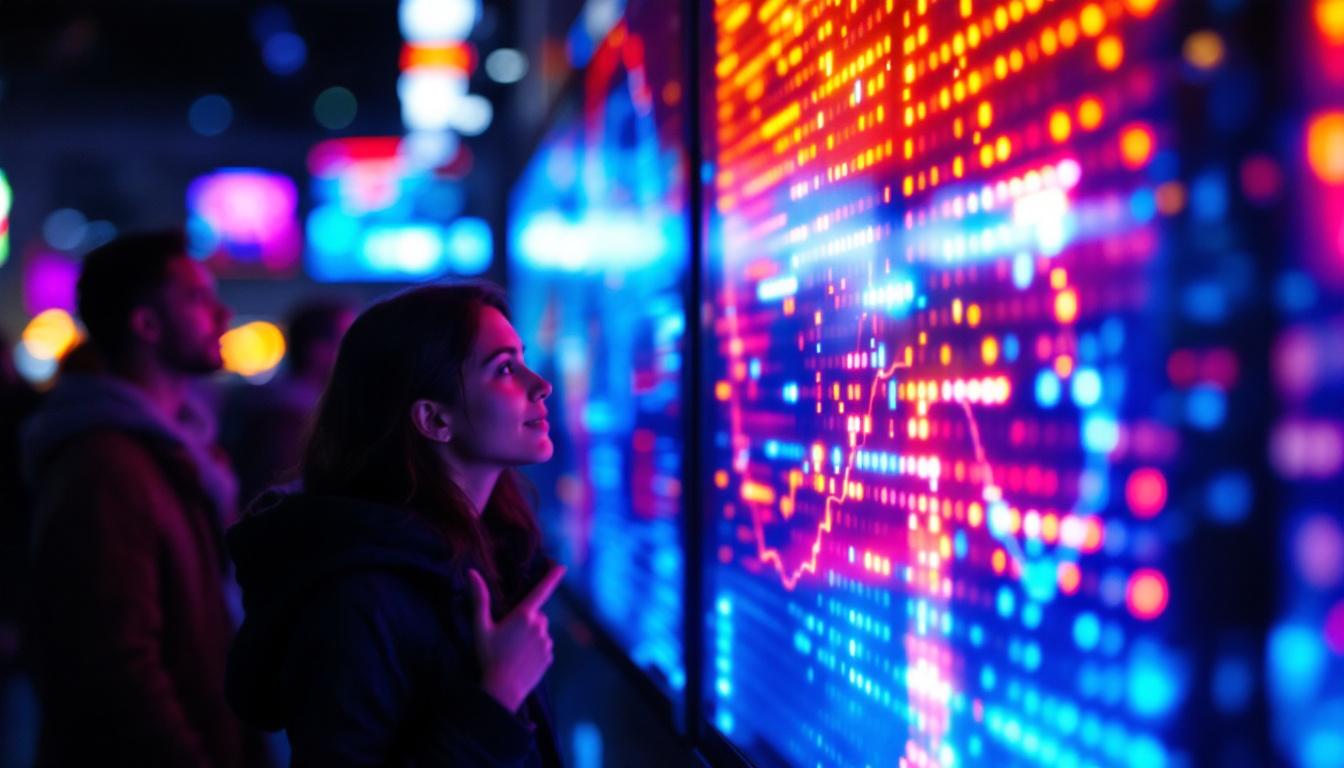
Times Square attracts over 330,000 pedestrians daily, including tourists, commuters, and locals. This high foot traffic, combined with the area’s status as a media and entertainment hub, makes it an ideal location for advertisers seeking maximum exposure.
Studies have shown that digital billboards, especially those using LED technology, can increase brand recall by up to 47% compared to static billboards. The dynamic nature of LED ads captures attention more effectively, encouraging engagement and social sharing.
Innovative Advertising Campaigns
Many brands use Times Square LED displays to launch innovative campaigns that leverage the technology’s capabilities. For example, interactive ads that respond to pedestrian movement or social media interactions have become increasingly popular.
In recent years, augmented reality (AR) and artificial intelligence (AI) have been integrated into LED advertising, allowing for personalized and immersive experiences. These advancements not only enhance brand storytelling but also set new standards for outdoor advertising creativity.
Challenges and Considerations for LED Advertising in Times Square
While LED displays offer numerous advantages, they also come with unique challenges that advertisers and city planners must navigate.
Regulatory and Environmental Concerns
Due to the intense brightness and constant activity, there are strict regulations governing the size, brightness, and content of LED displays in Times Square. The New York City Mayor’s Office of Media and Entertainment oversees these regulations to balance commercial interests with public safety and aesthetic considerations.
Environmental concerns also come into play, as the energy consumption of large LED screens can be significant. However, advancements in LED efficiency and the use of renewable energy sources are helping to mitigate these impacts.
Technical Maintenance and Costs
Maintaining the massive LED installations in Times Square requires regular technical upkeep to ensure optimal performance. This includes replacing faulty LEDs, cleaning panels, and updating software systems. The costs associated with these activities are substantial and must be factored into advertising budgets.
Additionally, the initial investment for prime advertising space in Times Square is among the highest in the world, often reaching millions of dollars for extended campaigns. This exclusivity means that only well-funded brands can consistently leverage this platform.
The Future of LED Advertising in Times Square
As technology continues to evolve, so too will the landscape of LED advertising in Times Square. Emerging trends suggest a future where displays become even more interactive, personalized, and integrated with digital ecosystems.
Integration with Smart City Technologies
Times Square is increasingly becoming a testing ground for smart city innovations. LED displays are expected to integrate with sensors, cameras, and data analytics platforms to deliver context-aware advertising. For example, ads could change based on the demographics of the crowd or current events, creating hyper-targeted marketing opportunities.
Sustainability and Energy Efficiency
With growing emphasis on sustainability, future LED displays will likely incorporate more energy-efficient technologies and smart energy management systems. Solar panels, energy storage solutions, and adaptive brightness controls will reduce the environmental footprint of these massive installations.
Enhanced Immersive Experiences
Advancements in holography, AR, and virtual reality (VR) may soon transform Times Square’s LED displays into immersive environments. This could enable brands to create multi-sensory experiences that engage audiences in unprecedented ways, blending physical and digital realms seamlessly.
Conclusion
LED advertising in Times Square represents a remarkable intersection of technology, marketing, and urban culture. These vibrant displays not only illuminate one of the world’s busiest intersections but also serve as a dynamic platform for brands to connect with millions of people daily. Understanding the technology behind these screens, their impact, and the challenges involved provides valuable insight into why Times Square remains a global advertising powerhouse.
As LED technology advances and integrates with emerging digital trends, the future of advertising in Times Square promises to be even more innovative and impactful. For marketers and technology enthusiasts alike, the glowing billboards of Times Square will continue to be a fascinating subject of study and inspiration.
Illuminate Your Brand with LumenMatrix
Ready to make your brand shine in the heart of Times Square or any bustling urban space? LumenMatrix is at the forefront of LED display innovation, offering a diverse range of solutions tailored to bring your advertising to life. From the immersive Indoor LED Wall Display to the dynamic Outdoor LED Wall Display, and from the mobile Vehicle LED Display to the interactive Floor LED Display, our technology is designed to captivate and engage. Discover how our Custom LED Displays and All-in-One LED Display solutions can transform your visual communication. Check out LumenMatrix LED Display Solutions today and take the first step towards revolutionizing your brand’s presence.