In today’s fast-paced digital world, LED displays have become an integral part of how businesses communicate with their audiences. From vibrant advertising billboards to dynamic event screens, LED technology offers unmatched brightness, flexibility, and energy efficiency. This article explores the fundamentals of LED displays, their applications, and why they are a smart solution for modern audiovisual needs.
Understanding LED Display Technology
What is an LED Display?
LED stands for Light Emitting Diode. An LED display is a flat panel that uses an array of tiny LEDs as pixels to produce images, videos, and text. Unlike traditional LCD or plasma screens, LED displays emit their own light, which results in brighter and more vivid visuals. This self-illumination capability allows LED screens to perform exceptionally well in various lighting conditions, including direct sunlight.
Typically, LED displays are composed of thousands to millions of these tiny diodes arranged in a grid. Each diode can emit red, green, or blue light, and by varying the intensity of these colors, the display can produce a full spectrum of colors. This technology is the backbone of many large-format screens used in stadiums, retail environments, and public spaces. The energy efficiency of LED technology also contributes to its popularity, as it consumes significantly less power compared to traditional display technologies, making it an environmentally friendly option.
Types of LED Displays
There are several types of LED displays, each suited for specific applications:
- Indoor LED Displays: Designed for controlled lighting environments, these displays have a higher pixel density and smaller pixel pitch, delivering crisp images at close viewing distances.
- Outdoor LED Displays: Built to withstand weather conditions, these displays are brighter and more robust, with a larger pixel pitch suitable for viewing from a distance.
- Transparent LED Displays: These innovative screens allow light to pass through, making them ideal for storefront windows and architectural installations without obstructing natural light.
- Flexible and Curved LED Displays: Utilizing flexible substrates, these screens can be shaped to fit unique spaces, enhancing creative display possibilities.
Understanding these types helps businesses select the right LED solution based on their environment and visual goals. Additionally, advancements in technology have led to the development of high-definition (HD) and ultra-high-definition (UHD) LED displays, which offer even greater clarity and detail. These displays are particularly beneficial for applications requiring intricate visuals, such as digital art installations and high-end advertising campaigns, where the quality of the image can significantly impact viewer engagement and brand perception.
Moreover, the integration of smart technology into LED displays has revolutionized their functionality. Many modern LED displays now come equipped with features such as touch interactivity, remote monitoring, and content management systems that allow users to update and control the display content in real-time. This adaptability not only enhances user experience but also provides businesses with the tools to respond quickly to changing marketing needs or audience preferences, ensuring that their messaging remains relevant and impactful.
Key Advantages of LED Displays
Superior Brightness and Visibility
One of the most significant benefits of LED displays is their exceptional brightness. Modern LED screens can achieve brightness levels exceeding 5,000 nits, making them easily visible even under direct sunlight. This feature is crucial for outdoor advertising, transportation hubs, and sports arenas where ambient light can be intense.
High brightness also ensures that content remains clear and engaging, which is vital for capturing audience attention in competitive environments. This advantage sets LED displays apart from traditional screens that often struggle with glare and washed-out images.
Energy Efficiency and Longevity
LED technology is known for its energy efficiency. Compared to older display technologies like incandescent or fluorescent lighting, LEDs consume significantly less power while delivering brighter output. This efficiency translates into lower operating costs, an important consideration for businesses running large-scale displays 24/7.
Additionally, LED displays boast a long lifespan, often exceeding 100,000 hours of use. This durability reduces maintenance and replacement costs, providing a better return on investment over time. Many manufacturers also offer modular designs, allowing easy replacement of individual LED panels rather than the entire screen.
Flexibility and Customization
LED displays are highly customizable in terms of size, shape, and resolution. Whether a company needs a massive video wall spanning hundreds of square feet or a compact digital sign for a retail shelf, LED technology can accommodate these needs. This flexibility supports creative branding and messaging strategies that can adapt to various physical spaces.
Moreover, LED displays can be integrated with advanced control systems, enabling real-time content updates, interactive features, and synchronization across multiple screens. This capability empowers marketers and event organizers to deliver dynamic, targeted content with ease.
Applications of LED Displays in Various Industries
Retail and Advertising
Retailers leverage LED displays to create immersive shopping experiences and promote products effectively. Digital signage featuring LED technology can showcase high-resolution images, promotional videos, and interactive content that engage customers and drive sales.
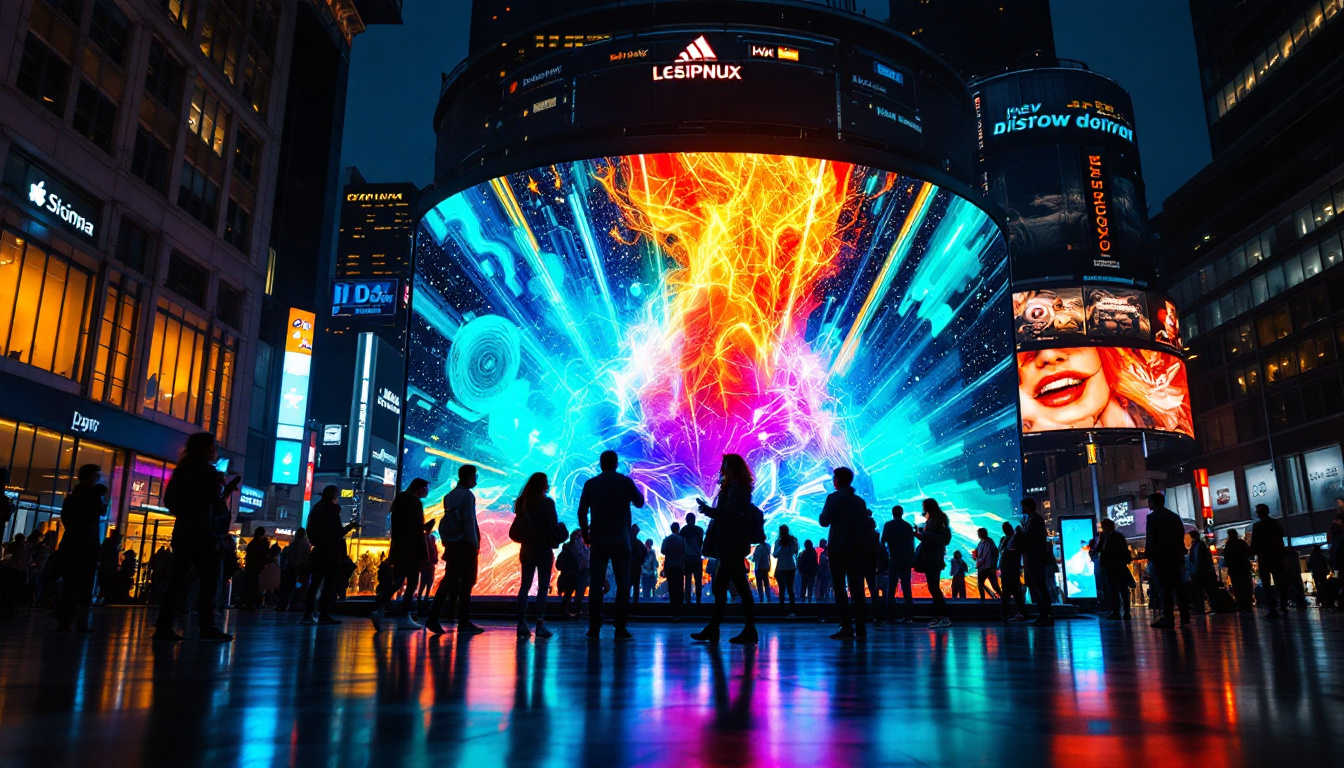
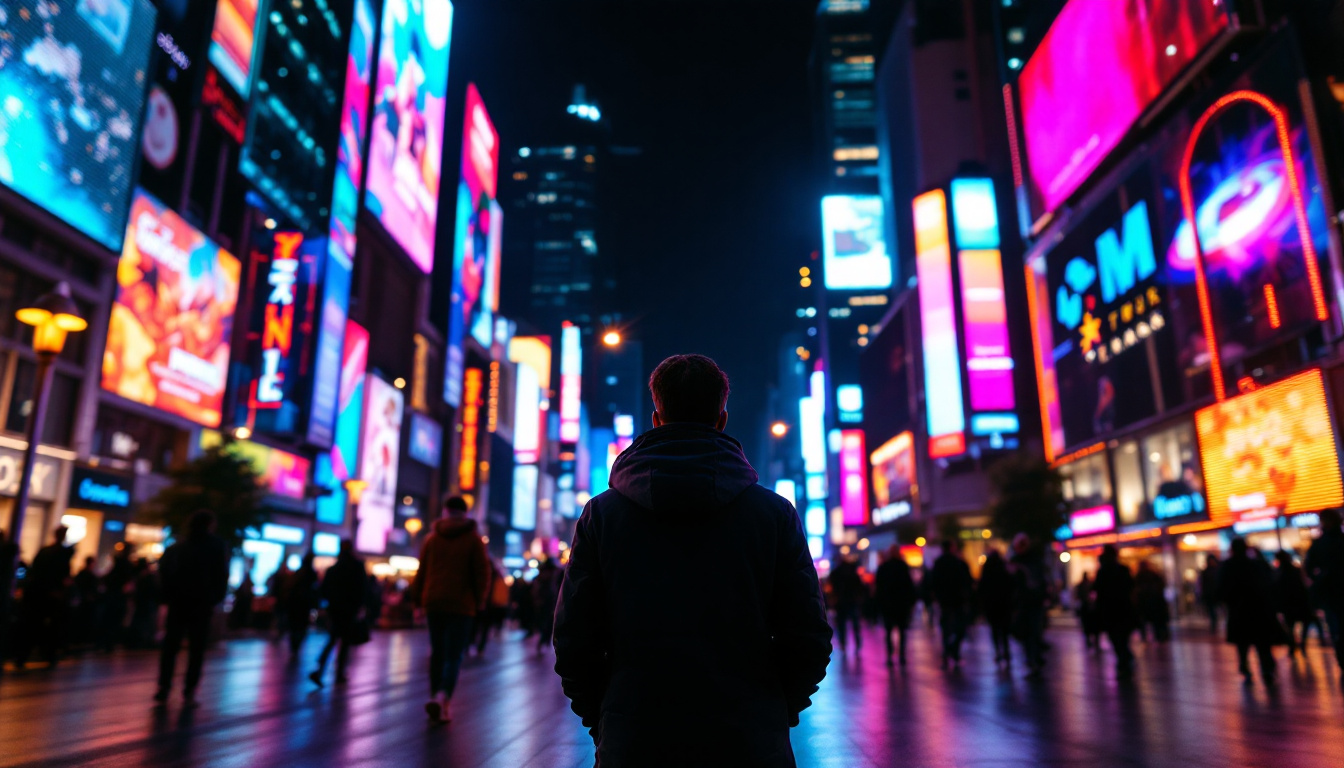
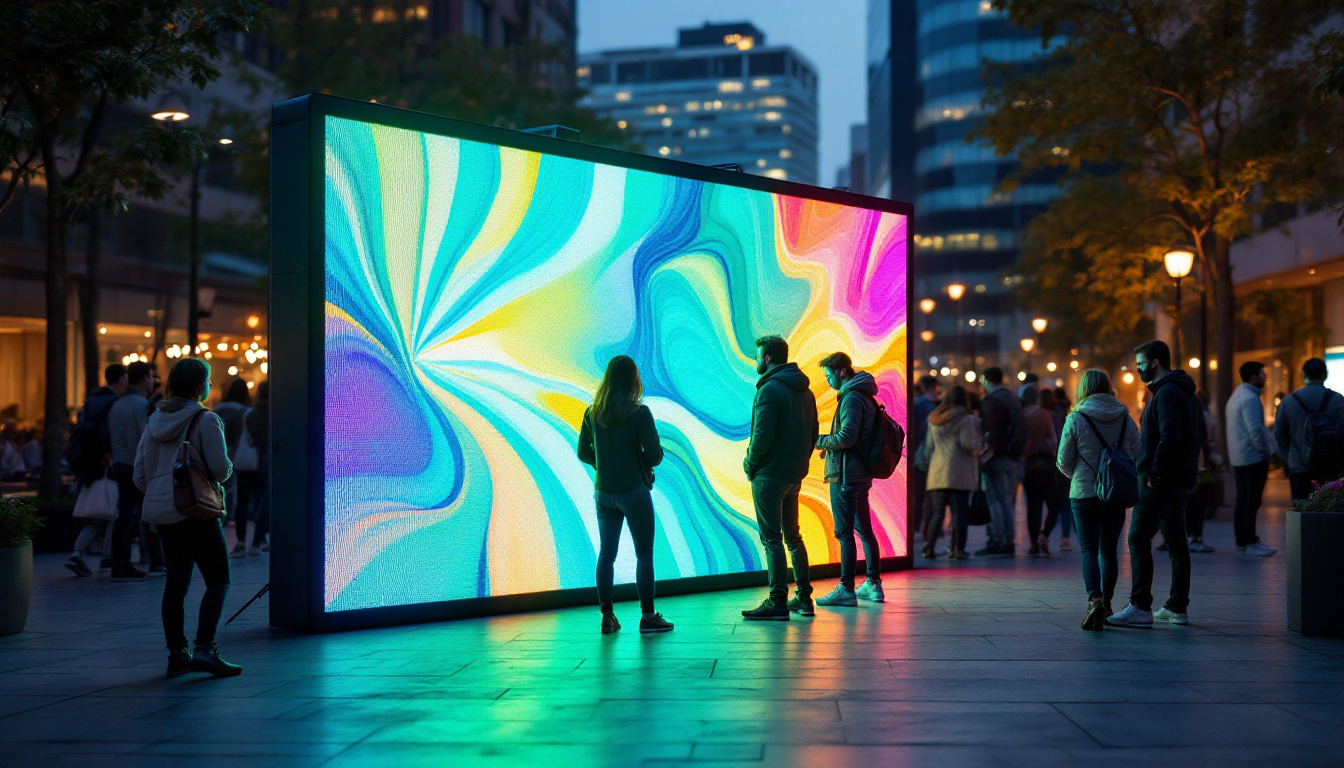
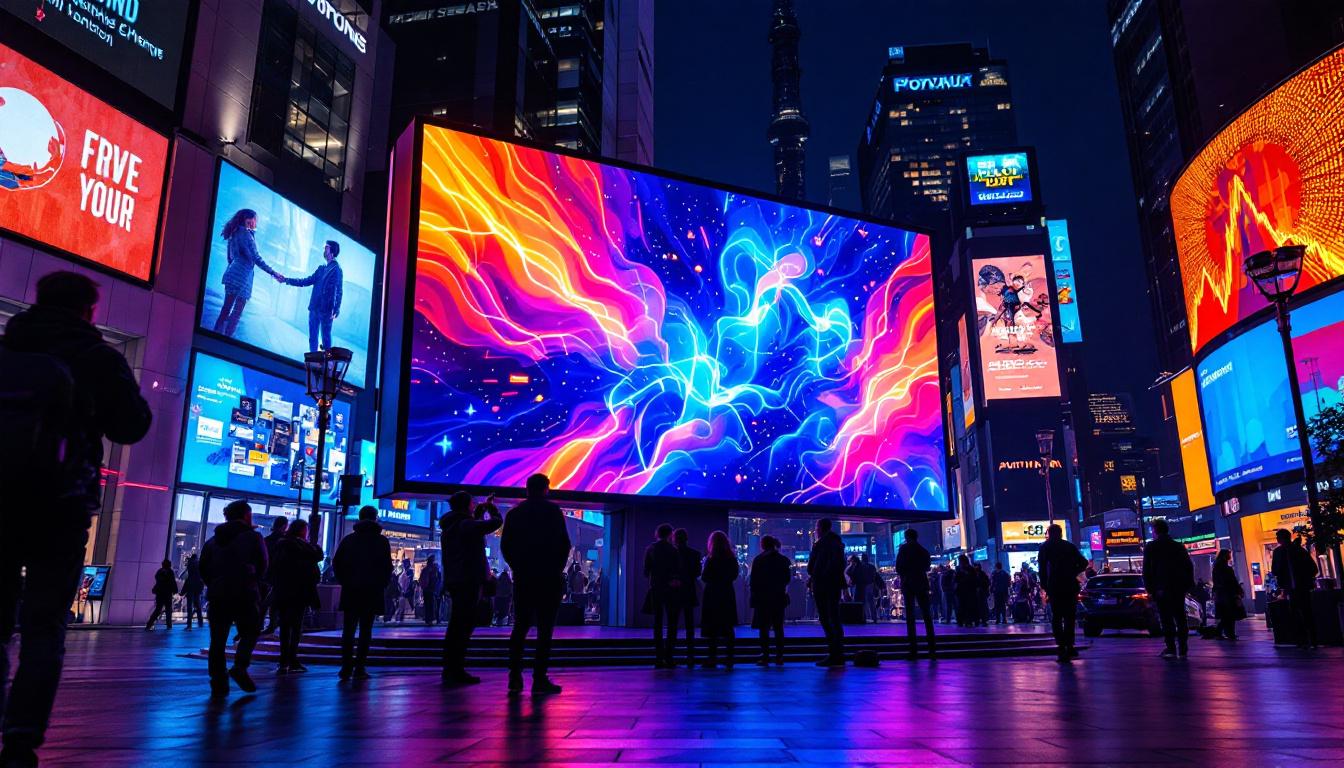
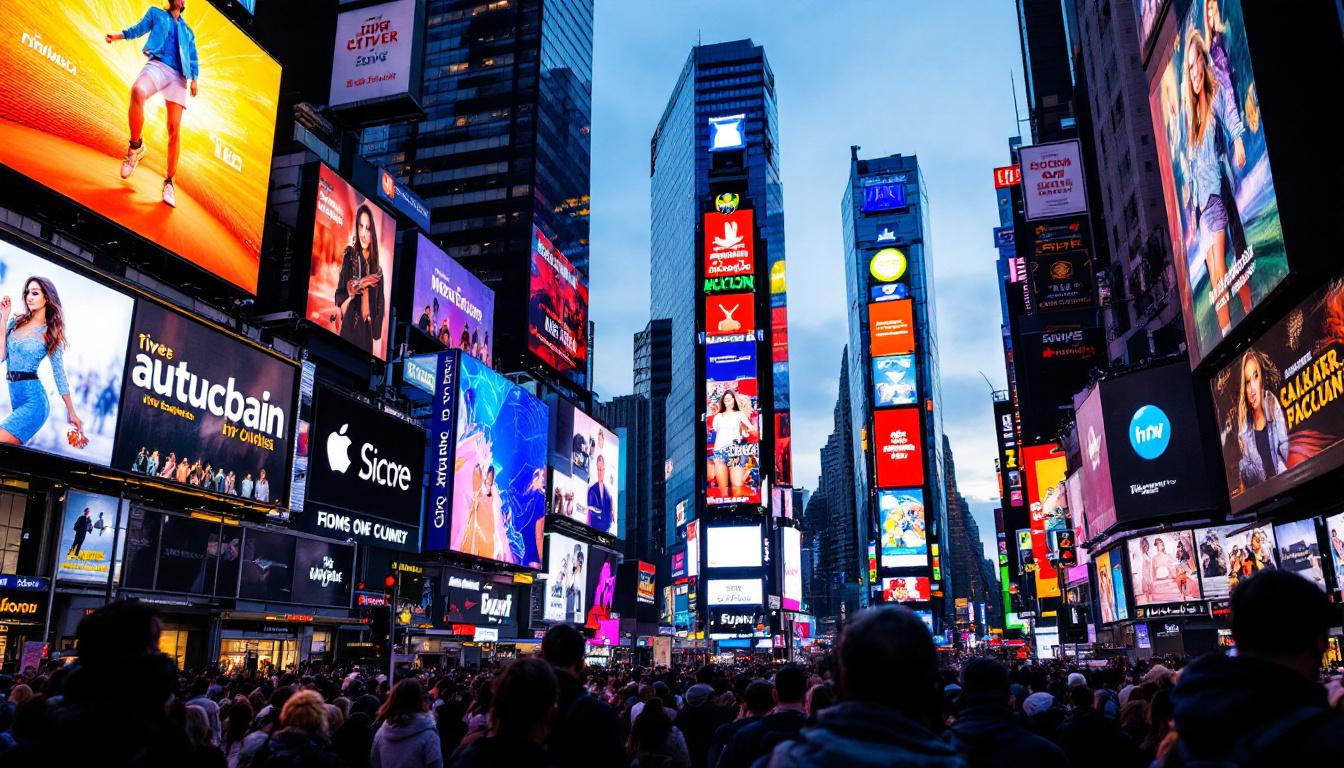
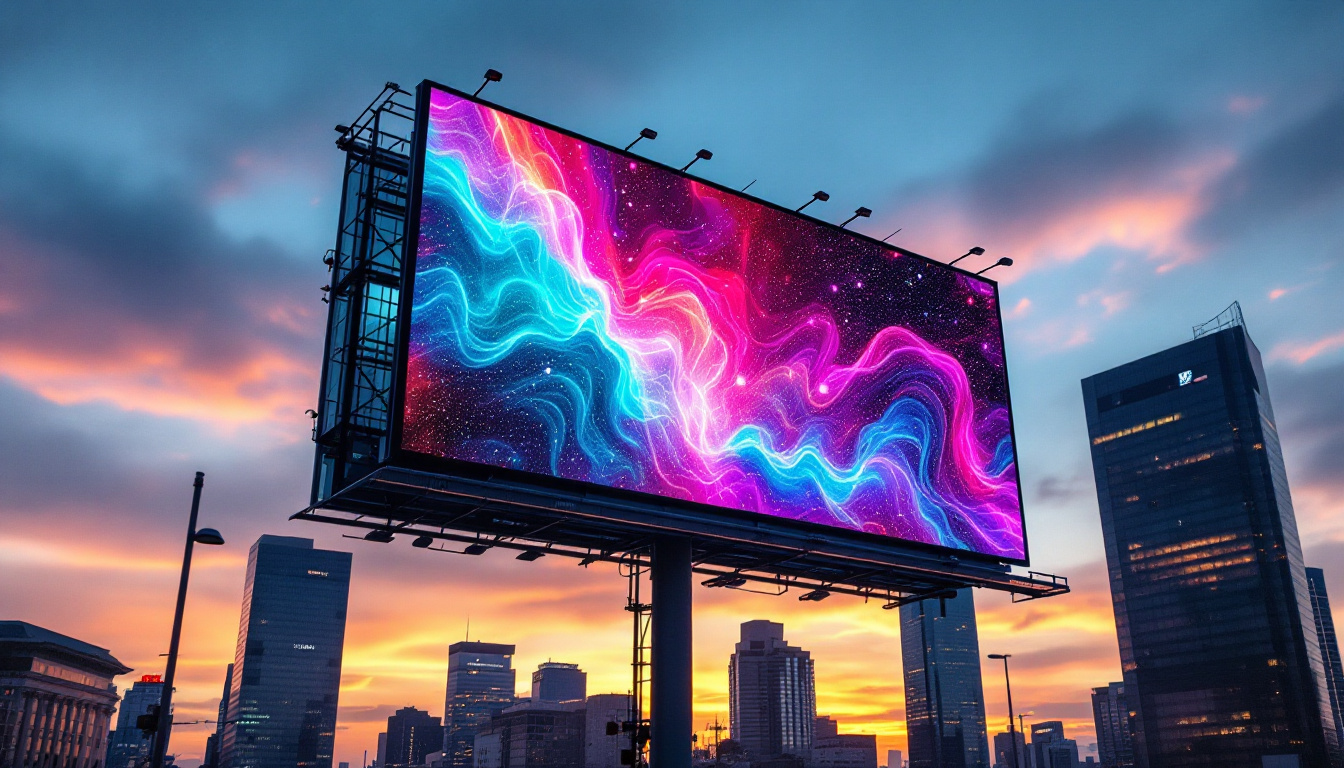
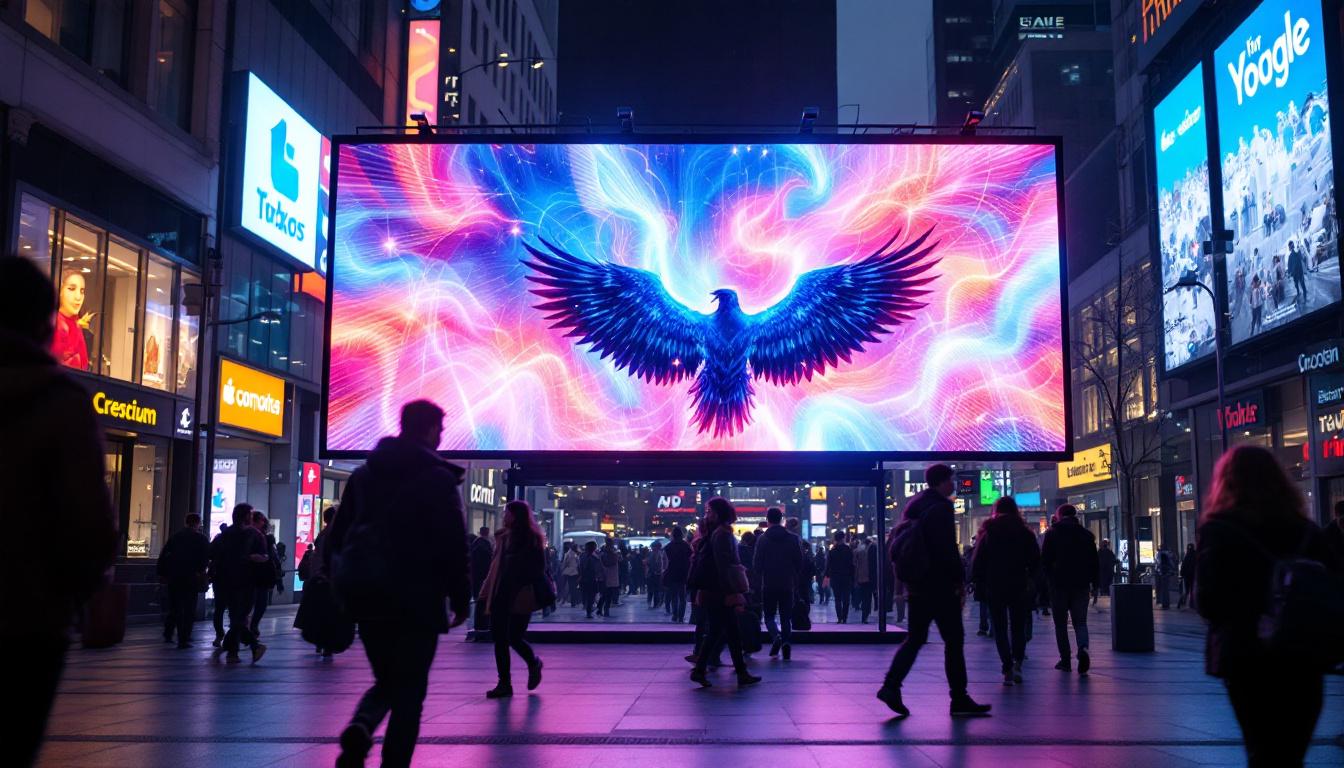
Outdoor LED billboards have revolutionized advertising by allowing brands to update messages instantly and display vibrant visuals that stand out in urban landscapes. According to a 2023 report by the Digital Signage Federation, LED-based digital signage has increased customer engagement rates by up to 30% compared to static signs.
Sports and Entertainment
In stadiums and arenas, LED displays provide fans with live game footage, replays, and interactive content, enhancing the overall event experience. The ability to deliver bright, large-scale visuals ensures that spectators, regardless of their seating, can enjoy clear and engaging content.
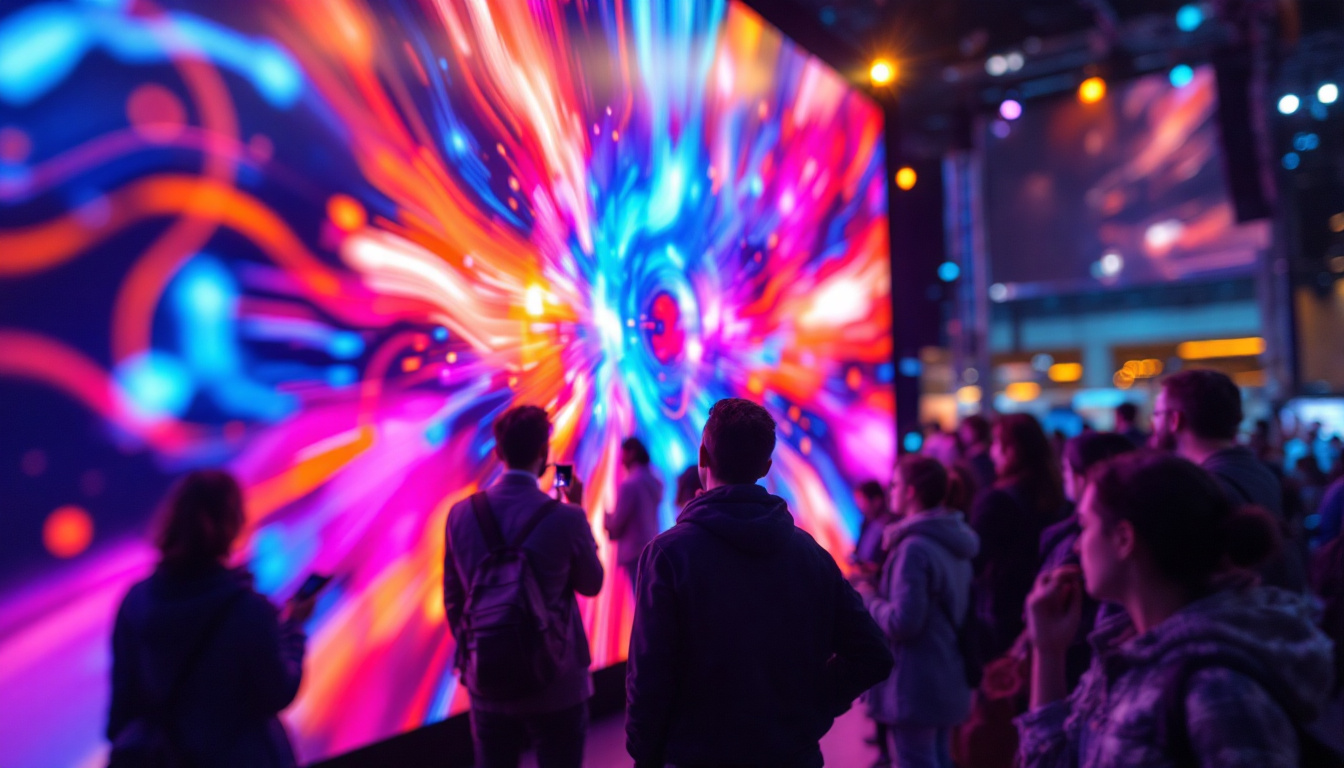
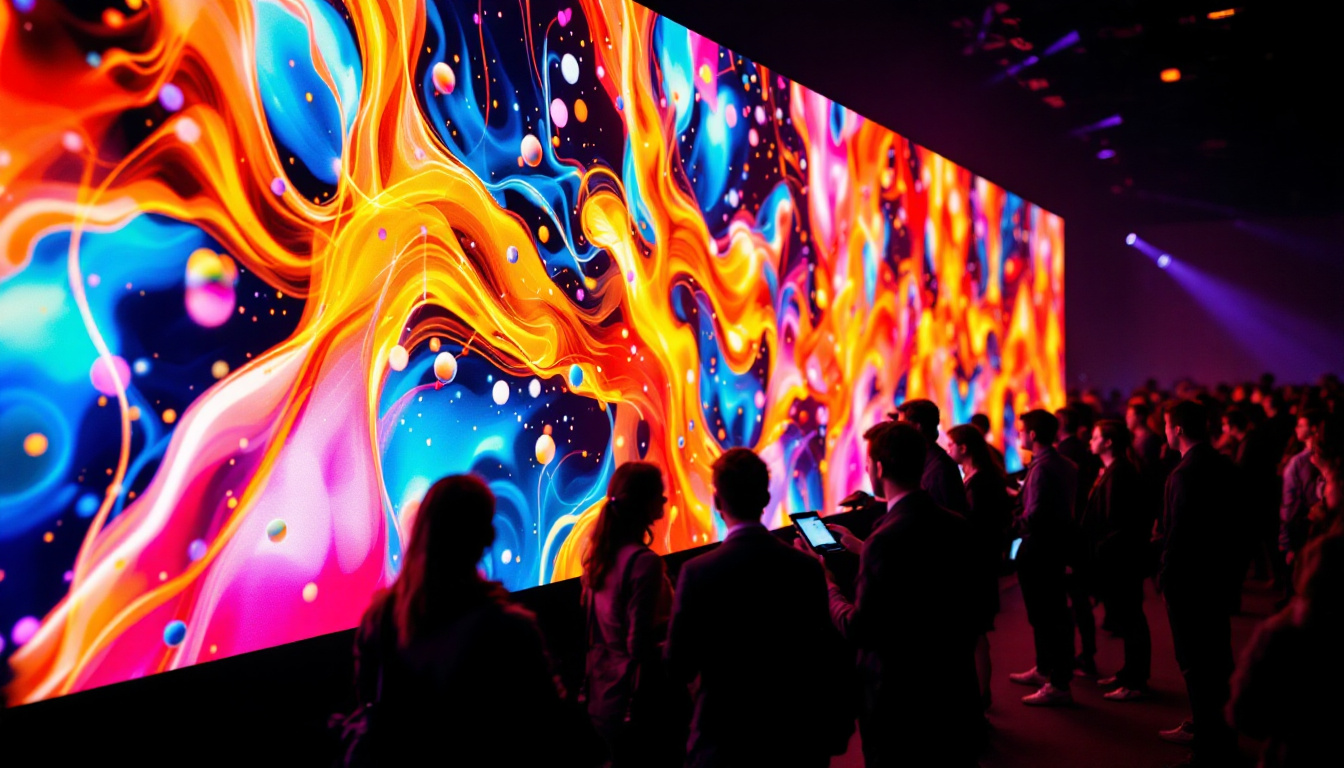
Concerts and festivals also utilize flexible LED screens to create stunning stage backdrops and immersive environments. The versatility of LED technology allows for creative stage designs that captivate audiences and elevate performances.
Corporate and Education Environments
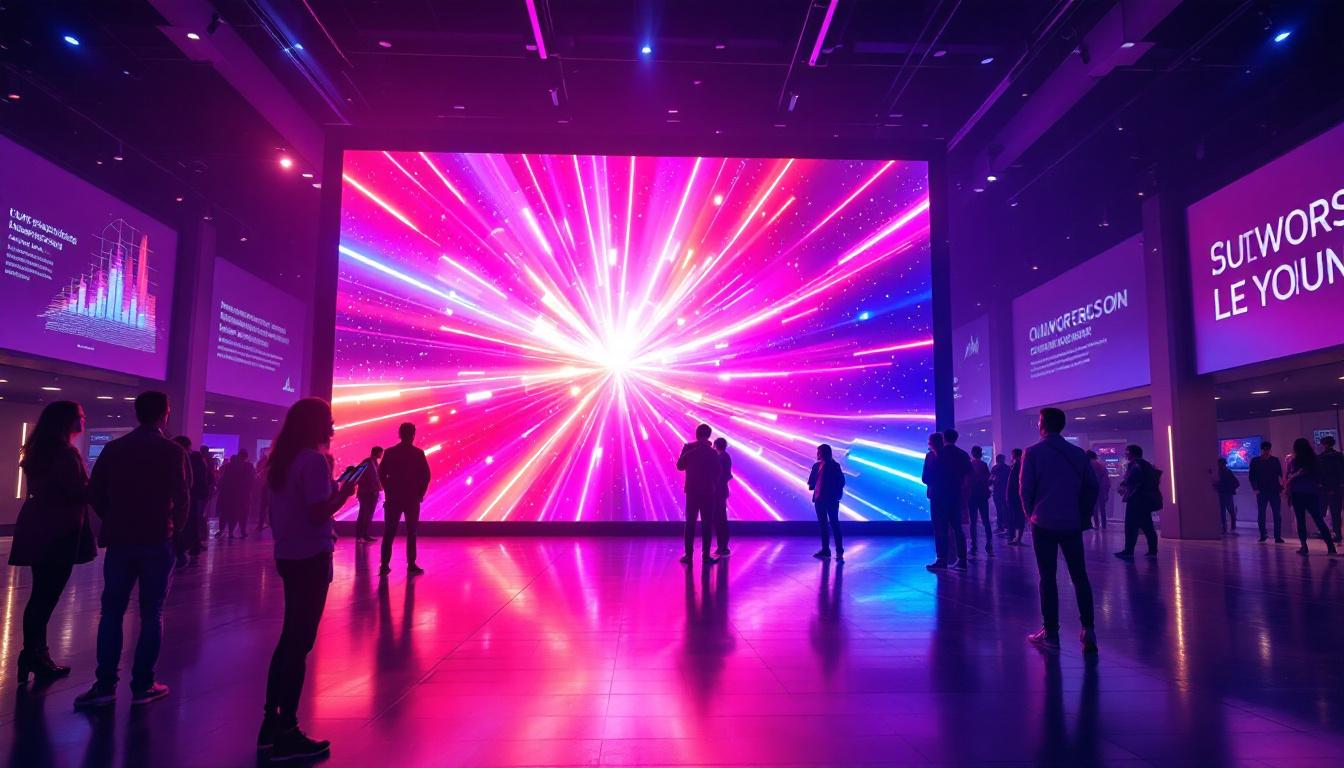
Businesses use LED displays for presentations, video conferencing, and digital wayfinding within office spaces. These displays facilitate effective communication and collaboration, especially in large meeting rooms and auditoriums.
Educational institutions benefit from LED technology by creating interactive learning environments. Large LED screens can display detailed visuals, videos, and real-time data, supporting diverse teaching methods and improving student engagement.
Transportation and Public Spaces
LED displays are widely used in airports, train stations, and bus terminals to provide travelers with real-time information such as schedules, delays, and directions. Their high visibility and reliability make them essential tools for managing large crowds and ensuring smooth operations.
Public spaces also employ LED screens for community announcements, emergency alerts, and cultural events. Their ability to deliver clear messages quickly and effectively enhances public safety and awareness.
Choosing the Right LED Display Solution
Assessing Your Needs
Before investing in an LED display, it is crucial to evaluate the specific requirements of the intended application. Factors to consider include viewing distance, ambient lighting conditions, content type, and installation environment. For example, a retail window display demands a different pixel pitch and brightness level than a large outdoor billboard.
Understanding these parameters helps ensure that the selected LED solution delivers optimal performance and meets budget constraints.
Pixel Pitch and Resolution
Pixel pitch refers to the distance between individual LED pixels on the display, measured in millimeters. A smaller pixel pitch means higher resolution and sharper images, suitable for close-up viewing. Conversely, larger pixel pitches are acceptable for displays viewed from greater distances.
Choosing the appropriate pixel pitch is essential for balancing image quality and cost. For instance, indoor LED displays often feature pixel pitches ranging from 1.2mm to 4mm, while outdoor displays typically range from 6mm to 20mm or more.
Installation and Maintenance Considerations
Proper installation is key to maximizing the lifespan and performance of an LED display. This includes ensuring adequate ventilation, secure mounting, and protection from environmental factors such as moisture and dust. Working with experienced AV professionals can help avoid common pitfalls and ensure compliance with safety standards.
Maintenance plans should also be established, including regular cleaning and inspections. Many LED displays feature modular designs that simplify repairs and minimize downtime, which is especially important for mission-critical applications.
The Future of LED Display Technology
Advancements in Mini-LED and Micro-LED
Emerging technologies like Mini-LED and Micro-LED are pushing the boundaries of LED display performance. Mini-LED uses smaller diodes to achieve even higher resolution and contrast, while Micro-LED offers self-emissive pixels with exceptional brightness and color accuracy.
These innovations promise thinner, lighter, and more energy-efficient displays with superior image quality, opening new possibilities for consumer electronics, automotive displays, and large-scale installations.
Integration with Smart Technologies
LED displays are increasingly integrated with IoT (Internet of Things) and AI-driven content management systems. This integration enables automated content updates based on real-time data, audience analytics, and environmental conditions, making displays more responsive and personalized.
For example, digital signage in retail can adjust promotions based on customer demographics or weather, while transportation hubs can dynamically update information to improve passenger flow.
Sustainability and Environmental Impact
As sustainability becomes a priority, LED manufacturers are focusing on eco-friendly materials and energy-saving designs. Advances in recycling and reduced hazardous substances contribute to lowering the environmental footprint of LED displays.
Choosing energy-efficient LED solutions not only reduces operational costs but also supports corporate social responsibility initiatives, aligning with growing consumer demand for sustainable business practices.
Conclusion
LED displays represent a versatile and powerful tool for communication across diverse industries. Their superior brightness, energy efficiency, and adaptability make them an ideal choice for businesses seeking to enhance visual engagement and operational effectiveness.
By understanding the technology, applications, and future trends, organizations can make informed decisions when selecting LED display solutions that align with their goals and environments. As LED technology continues to evolve, it will undoubtedly play an even greater role in shaping the way we experience visual content in both public and private spaces.
Discover LumenMatrix’s Innovative LED Display Solutions
Ready to elevate your visual communication strategy with the latest in LED display technology? Look no further than LumenMatrix, a pioneer in crafting LED display modules that not only enhance brand visibility but also create immersive visual experiences. Whether you need an Indoor LED Wall Display for your retail space, an Outdoor LED Wall Display for impactful advertising, or any of our specialized solutions like Vehicle LED Displays, LED Sports Displays, or Custom LED Displays, LumenMatrix has the expertise to bring your vision to life. Embrace the future of digital signage with our All-in-One LED Display or LED Transparent Display and make a lasting impression on your audience. Check out LumenMatrix LED Display Solutions today and start transforming your communication with clarity and impact.