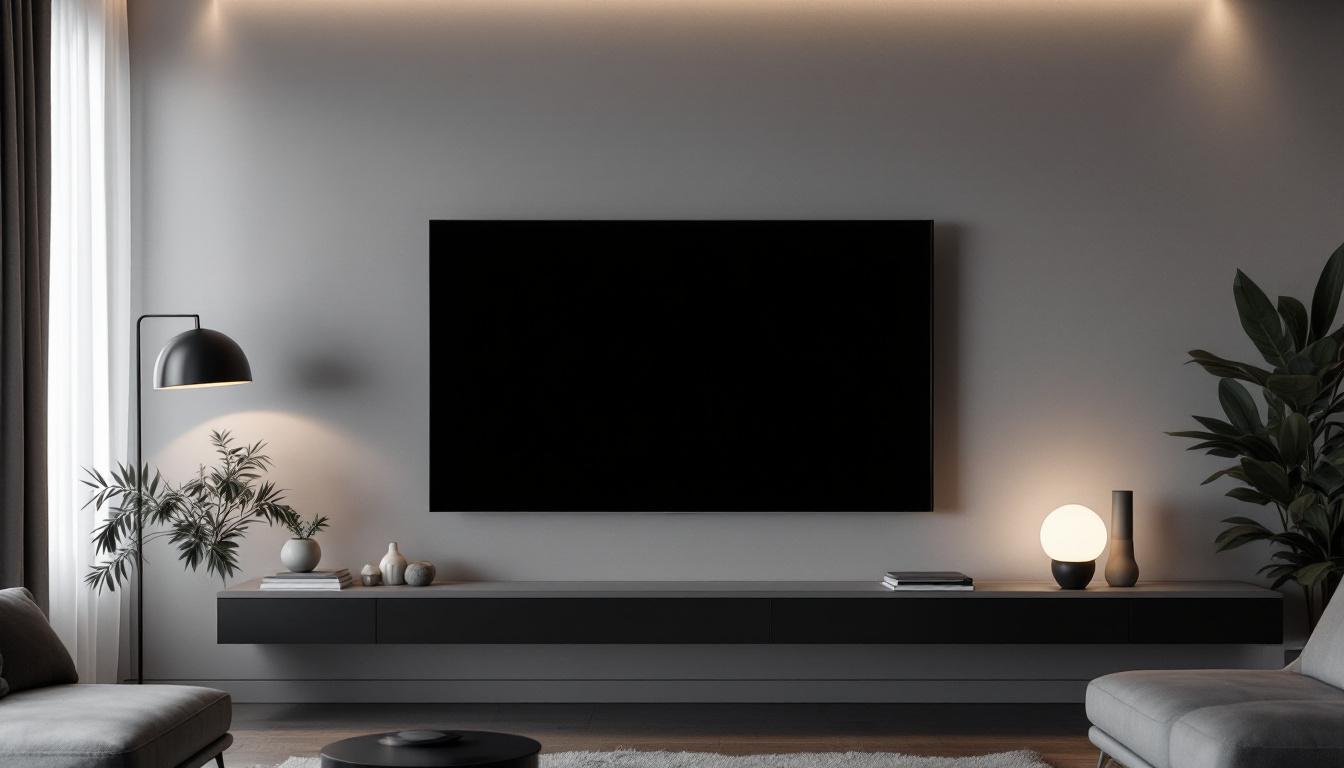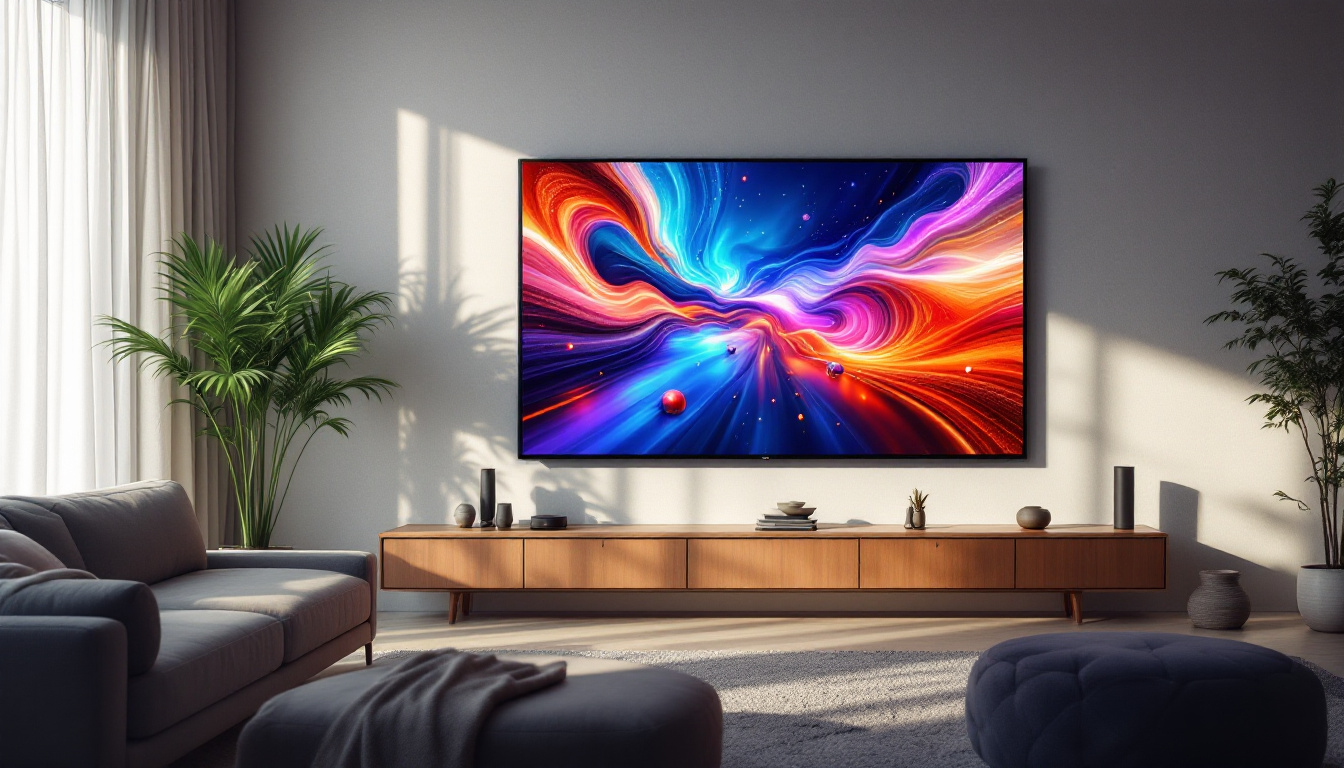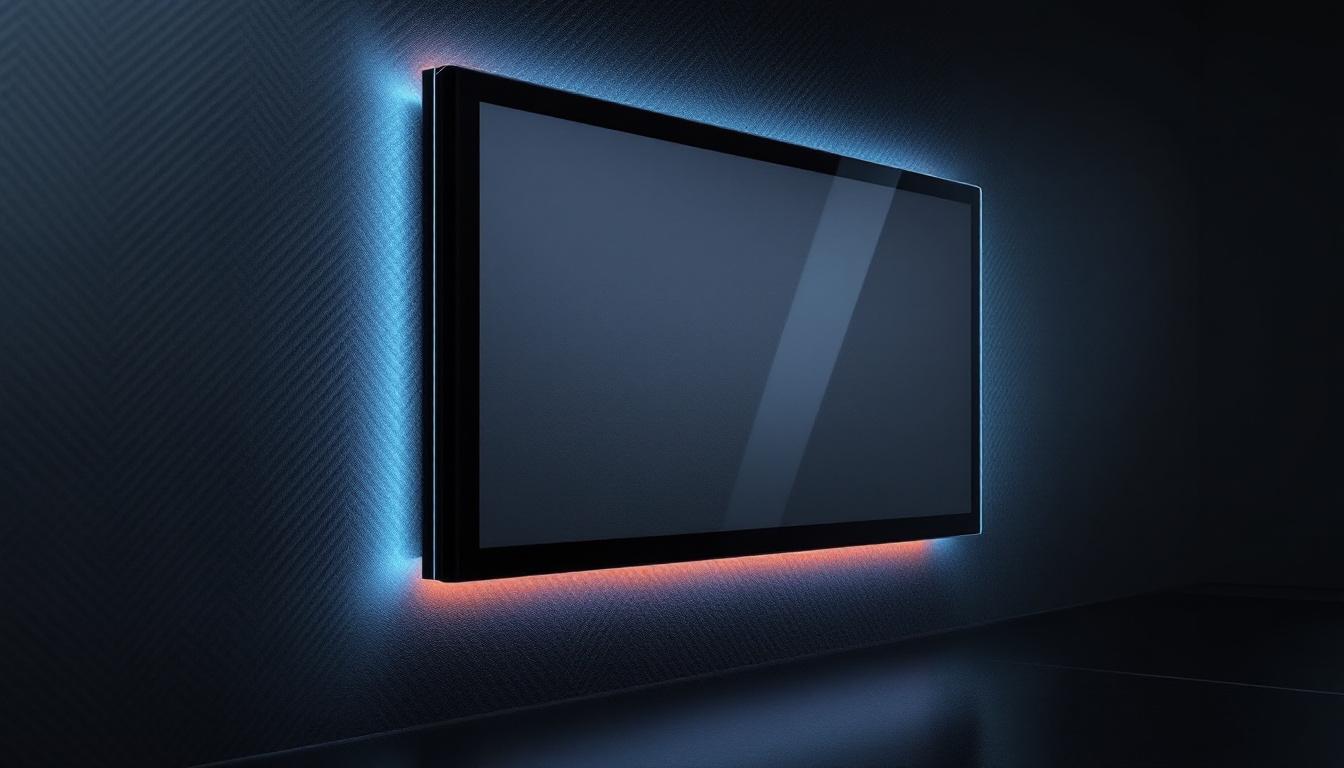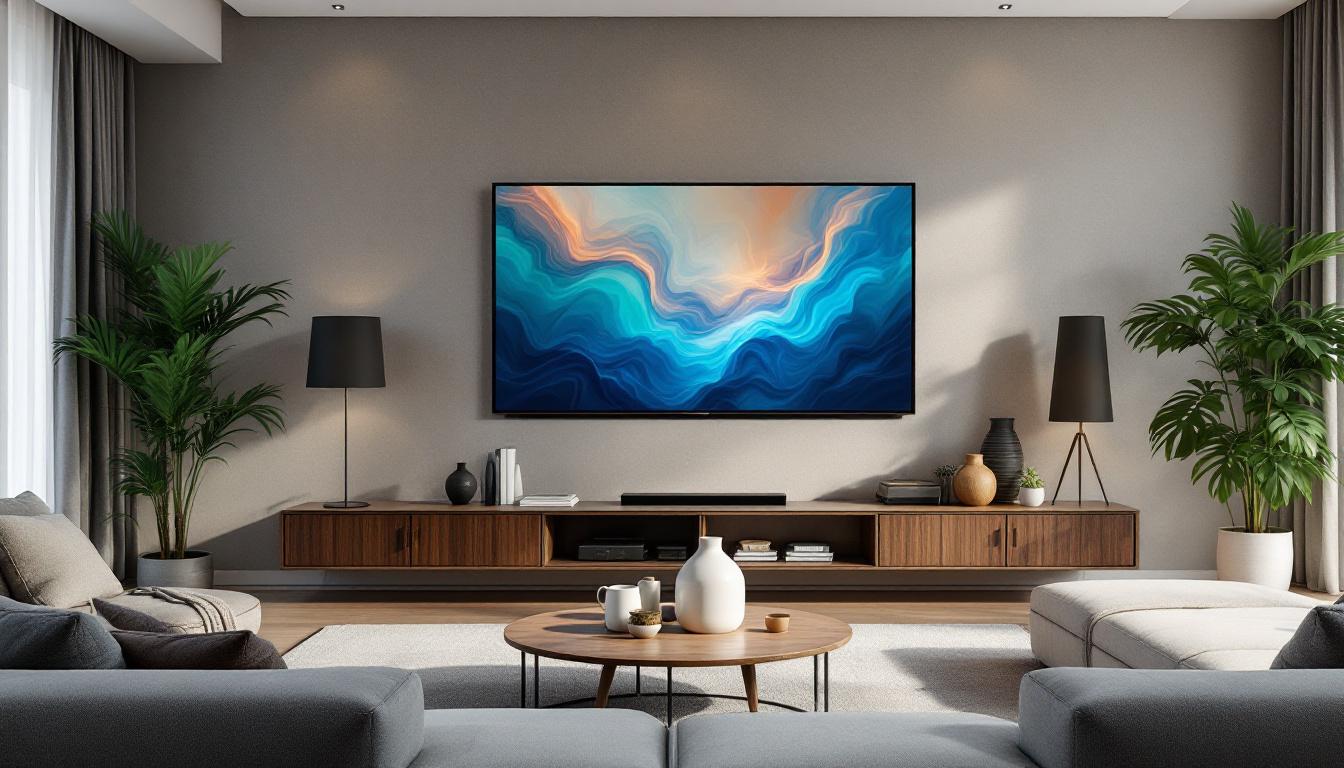
Mounting a 65-inch TV on the wall has become a popular choice for many homeowners seeking a sleek, modern entertainment setup. With advancements in LED technology, these large-screen TVs offer stunning visuals and immersive viewing experiences. However, understanding the nuances of LED displays and the practicalities of wall mounting can help users make informed decisions that maximize both aesthetics and performance.
Understanding LED Display Technology
LED, or Light Emitting Diode, technology has revolutionized the television industry over the past decade. Unlike older LCD TVs that rely on fluorescent backlighting, LED TVs use tiny light-emitting diodes to illuminate the screen. This shift has resulted in thinner panels, better energy efficiency, and improved picture quality.
In a 65-inch LED TV, millions of these diodes work together to produce vibrant colors and deep contrasts. The LED backlighting can be arranged in different ways, such as edge-lit or full-array, each affecting the display quality and price point.
Edge-Lit vs. Full-Array LED
Edge-lit LED TVs position the diodes along the edges of the screen, allowing for slimmer designs and often more affordable prices. However, this can sometimes lead to uneven brightness, especially in scenes with high contrast.
Full-array LED TVs place the diodes directly behind the screen in a grid pattern, enabling more precise local dimming. This results in better contrast ratios and a more uniform picture, especially important for dark scenes where detail matters.
Quantum Dot and Mini-LED Enhancements
Many modern 65-inch LED TVs incorporate quantum dot technology, which uses semiconductor nanocrystals to enhance color accuracy and brightness. This advancement allows for a wider color gamut, making images appear more lifelike.
Mini-LED technology, a newer innovation, employs thousands of smaller LEDs for backlighting. This increases the number of dimming zones, leading to superior contrast and reduced blooming effects around bright objects on dark backgrounds.
In addition to these advancements, the integration of HDR (High Dynamic Range) capabilities has further elevated the viewing experience. HDR allows for a greater range of brightness levels, enabling TVs to display details in both the darkest shadows and the brightest highlights. This technology not only enhances the overall picture quality but also provides a more immersive experience, making movies and games more engaging.
Moreover, as smart TV technology continues to evolve, many LED displays now come equipped with built-in streaming services and voice control features. This integration allows users to access a vast array of content without the need for additional devices, streamlining the entertainment experience. With the rise of 8K resolution displays on the horizon, the future of LED technology promises even more stunning visuals and enhanced user interactivity, pushing the boundaries of what we can expect from our home entertainment systems.
Benefits of Mounting a 65-Inch TV on the Wall
A 65-inch TV is a substantial piece of hardware, and wall mounting it offers several advantages over placing it on a stand or cabinet. These benefits extend beyond aesthetics and include practical considerations for viewing comfort and space utilization.
Space Optimization and Room Aesthetics
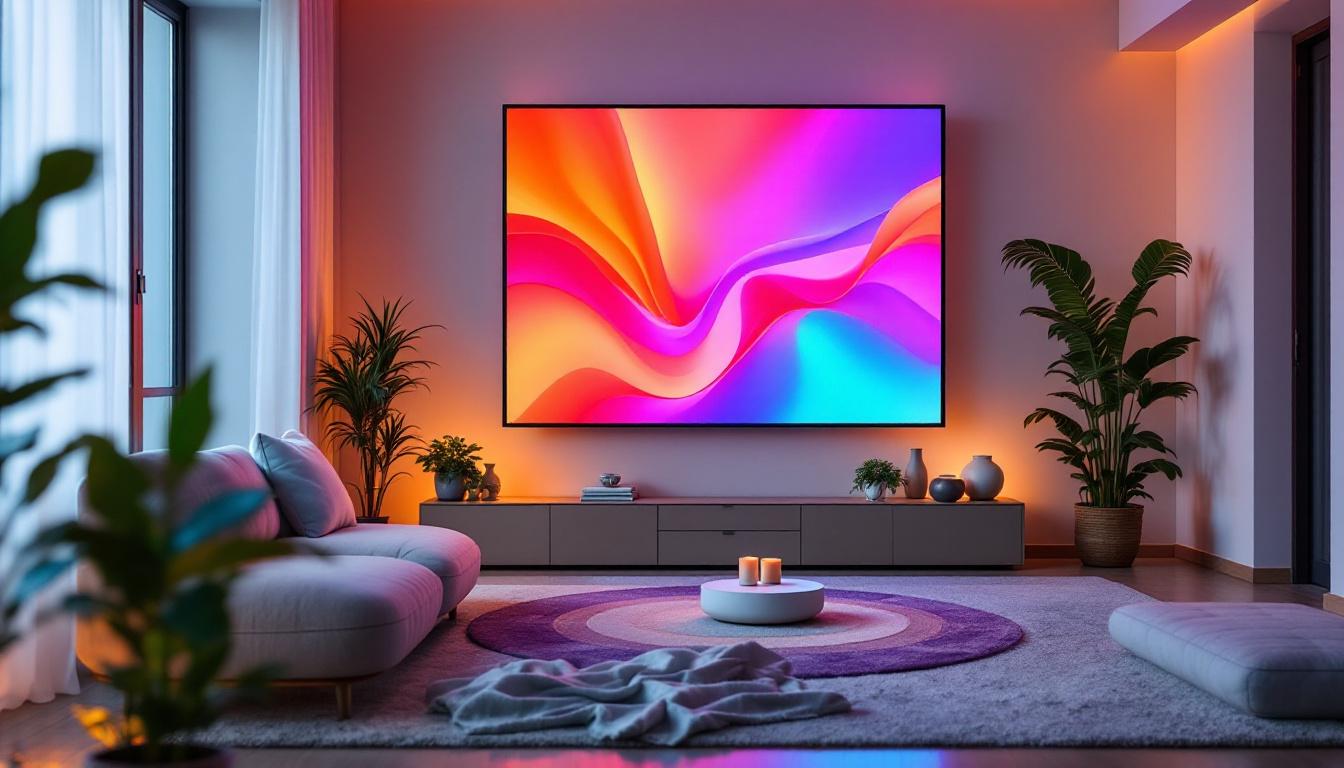
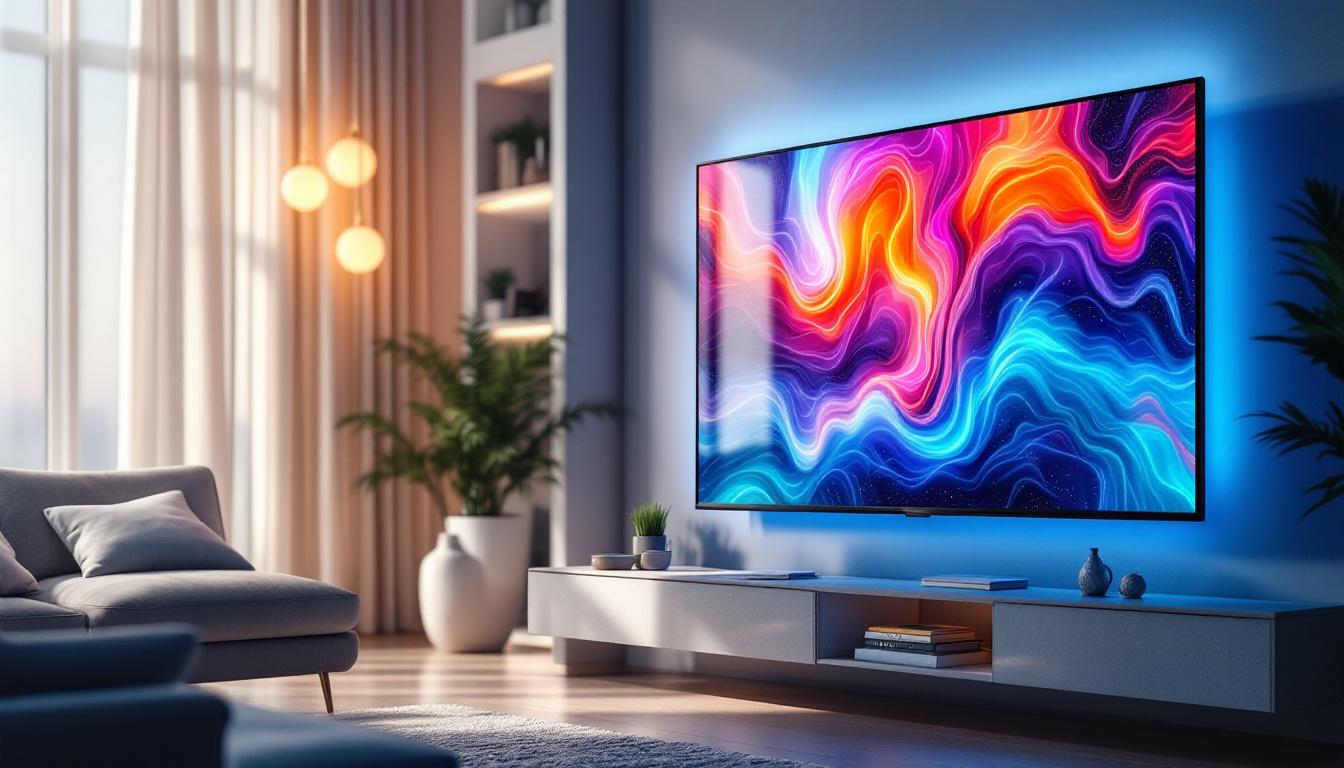
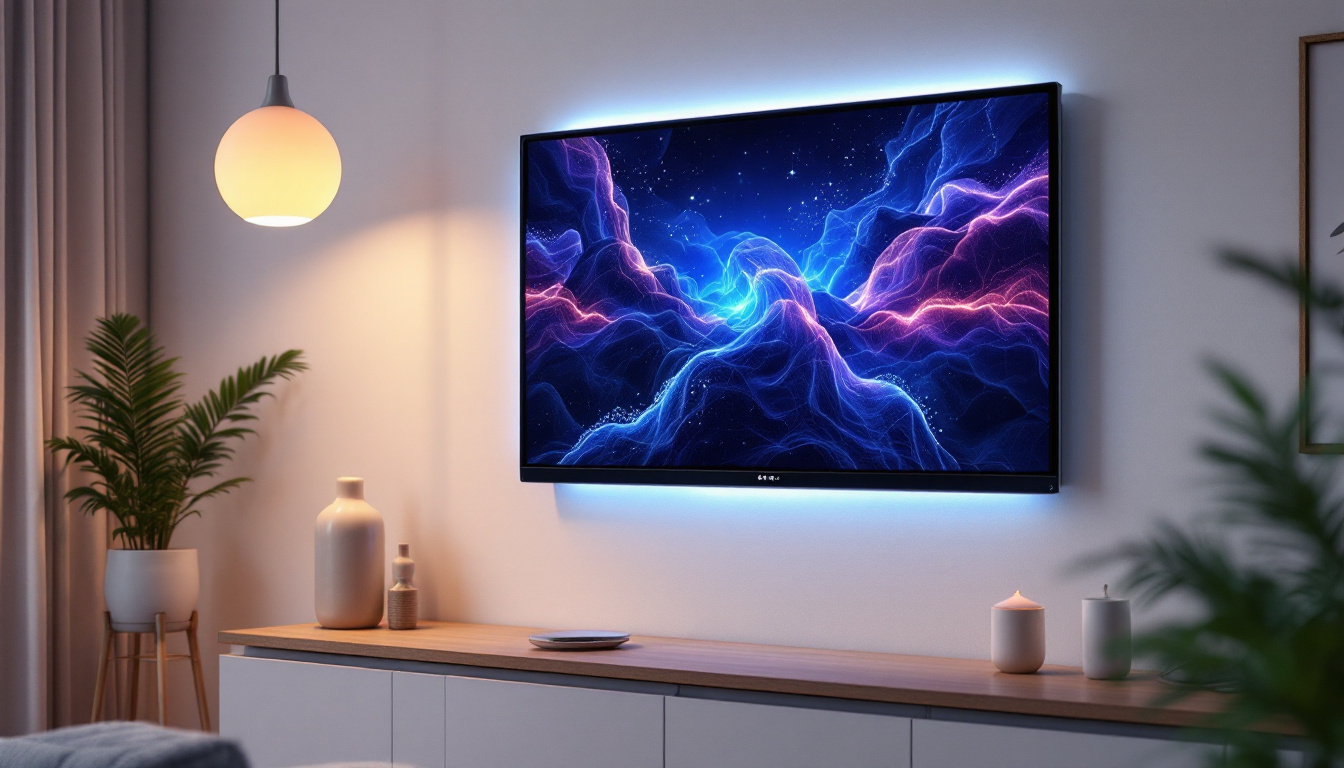
Wall mounting a large TV frees up floor and furniture space, creating a cleaner and more open room layout. This is particularly valuable in smaller living rooms or apartments where space is at a premium.
Additionally, a wall-mounted TV can become a focal point of the room, contributing to a minimalist and modern aesthetic. Cable management systems can be integrated to hide wires, maintaining a tidy appearance. This not only enhances the visual appeal but also allows for greater flexibility in furniture arrangement, enabling homeowners to experiment with different layouts without the constraints of bulky furniture. Furthermore, wall-mounted TVs can be paired with decorative elements such as artwork or shelving, allowing for a personalized touch that complements the overall design of the space.
Improved Viewing Angles and Comfort
Mounting the TV at eye level when seated ensures optimal viewing comfort and reduces neck strain. Adjustable wall mounts allow users to tilt or swivel the screen to minimize glare and accommodate different seating arrangements.
Positioning the TV correctly also enhances the viewing experience by reducing reflections from windows or lights, which can be more challenging with TVs placed on stands. Moreover, this strategic placement can lead to a more immersive experience, especially when watching movies or playing video games, as it allows for a more cinematic feel. By creating a dedicated viewing area, families can enjoy their favorite shows together without the distractions often found when a TV is placed on a stand, such as clutter or the need to rearrange furniture for optimal sightlines.
Safety Considerations
Securing a large 65-inch TV to the wall reduces the risk of accidental tipping, which is especially important in households with children or pets. Proper installation using the correct wall anchors and mounts designed for the TV’s weight is crucial to ensure safety.
Additionally, wall mounting can prevent potential accidents that may arise from curious toddlers or playful pets knocking over a TV stand, which can lead to costly damages or injuries. By choosing a wall mount that includes safety features, such as locking mechanisms or anti-tip straps, homeowners can further enhance the security of their setup. This peace of mind allows families to enjoy their entertainment space without constant worry, creating a more relaxed environment where everyone can feel at ease while enjoying their favorite programs.
Choosing the Right Wall Mount for a 65-Inch LED TV
Selecting an appropriate wall mount is essential to support the size and weight of a 65-inch LED TV safely while providing the desired range of motion and aesthetic appeal.
Types of Wall Mounts
There are three primary types of wall mounts to consider:
- Fixed Mounts: These hold the TV flat against the wall with no movement. They are ideal for setups where the viewing angle is consistent and glare is minimal.
- Tilting Mounts: These allow the TV to tilt vertically, which helps reduce glare and improve viewing angles when mounted higher on the wall.
- Full-Motion (Articulating) Mounts: These offer the most flexibility, enabling the TV to tilt, swivel, and extend away from the wall. They are perfect for rooms with multiple seating areas or where the TV needs to be adjusted frequently.
Weight Capacity and VESA Compatibility
When choosing a mount, it is critical to verify that it can support the TV’s weight. A typical 65-inch LED TV weighs between 40 to 60 pounds (18 to 27 kilograms), but this varies by model and manufacturer.
Additionally, the mount must be compatible with the TV’s VESA (Video Electronics Standards Association) pattern, which refers to the standardized hole spacing on the back of the TV for mounting. Common VESA patterns for 65-inch TVs include 400×400 mm and 600×400 mm.
Wall Type and Installation Considerations
The type of wall—drywall, concrete, brick, or wood studs—affects the installation process and hardware required. For drywall installations, it is essential to anchor the mount into studs to support the TV’s weight safely.
In cases where studs are not available or the wall is made of concrete or brick, specialized anchors and tools are necessary. Professional installation is recommended for those unfamiliar with mounting large TVs to ensure safety and stability.
Optimizing Your Viewing Experience with a 65-Inch LED TV
Beyond mounting and hardware, several factors influence the overall enjoyment of a 65-inch LED TV. These include room lighting, seating distance, and calibration settings.
Ideal Viewing Distance and Angle
For a 65-inch TV, the recommended viewing distance ranges from approximately 8 to 13 feet (2.5 to 4 meters). Sitting too close can cause eye strain, while sitting too far diminishes the immersive effect.
The viewing angle should ideally be within 30 degrees from the center of the screen to maintain picture quality and color accuracy. Adjustable mounts help achieve this by allowing users to fine-tune the TV’s position.
Room Lighting and Glare Reduction
Ambient lighting plays a significant role in perceived picture quality. Excessive light or direct sunlight can cause reflections on the screen, reducing contrast and clarity.
Using curtains, blinds, or anti-glare screen protectors can mitigate these issues. Additionally, positioning the TV perpendicular to windows or light sources helps minimize glare.
Calibration and Picture Settings
Out of the box, many LED TVs are set to vivid or dynamic modes that prioritize brightness over color accuracy. To experience the full potential of a 65-inch LED display, users should calibrate the TV’s picture settings.
Adjusting parameters such as brightness, contrast, color temperature, and sharpness can significantly enhance image quality. Many manufacturers provide built-in calibration tools or recommend professional calibration services for optimal results.
Energy Efficiency and Environmental Considerations
LED TVs are generally more energy-efficient compared to older technologies like plasma or CCFL-backlit LCDs. This efficiency translates to lower electricity bills and a reduced environmental footprint.
Power Consumption of 65-Inch LED TVs
On average, a 65-inch LED TV consumes between 80 to 150 watts during operation, depending on the model and brightness settings. Features like automatic brightness control and energy-saving modes help minimize power usage.
Consumers looking to reduce energy consumption further should look for TVs with ENERGY STAR certification, which indicates compliance with energy efficiency guidelines.
Recycling and Disposal
When upgrading or replacing a 65-inch LED TV, responsible disposal is crucial. Many components contain materials that can be harmful to the environment if not properly recycled.
Many manufacturers and retailers offer take-back or recycling programs. Local electronic waste facilities can also ensure that old TVs are dismantled and recycled safely.
Conclusion
Mounting a 65-inch LED TV on the wall combines modern technology with practical design choices to create an impressive home entertainment experience. Understanding the intricacies of LED display technology, selecting the right wall mount, and optimizing the viewing environment all contribute to maximizing the benefits of this sizable screen.
By considering factors such as display type, mounting hardware, viewing distance, and energy consumption, users can enjoy a visually stunning and comfortable setup that enhances their living space. Whether for movie nights, gaming, or streaming, a well-mounted 65-inch LED TV is a centerpiece that elevates home entertainment to new heights.
Explore the Future of Home Entertainment with LumenMatrix
Ready to elevate your home cinema experience? Discover the innovative world of LumenMatrix, where cutting-edge LED display technology meets captivating design. LumenMatrix offers a wide range of solutions, from Indoor LED Wall Displays to Custom and All-in-One LED Displays, designed to bring your entertainment and visual communication to life. Experience the difference in clarity, color, and impact with our state-of-the-art displays. Check out LumenMatrix LED Display Solutions and transform your space into a hub of engagement and modernity.