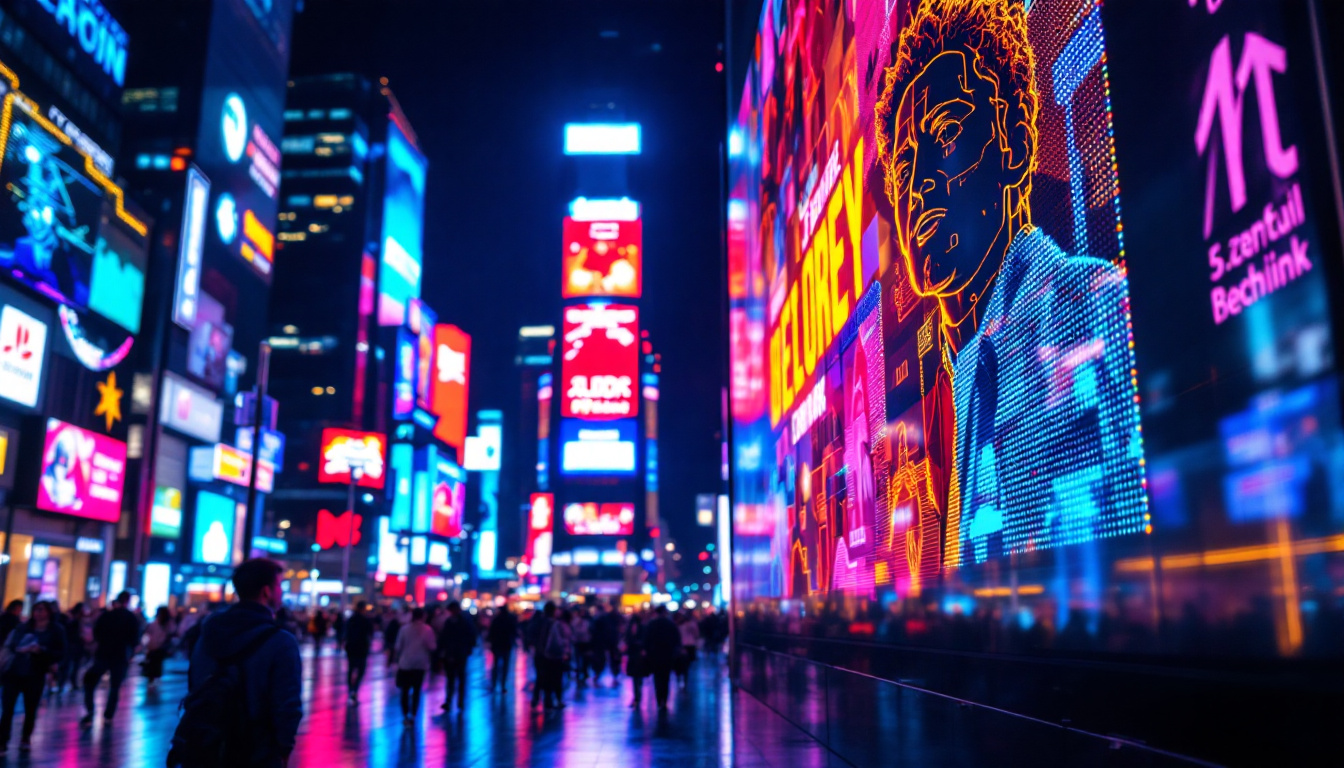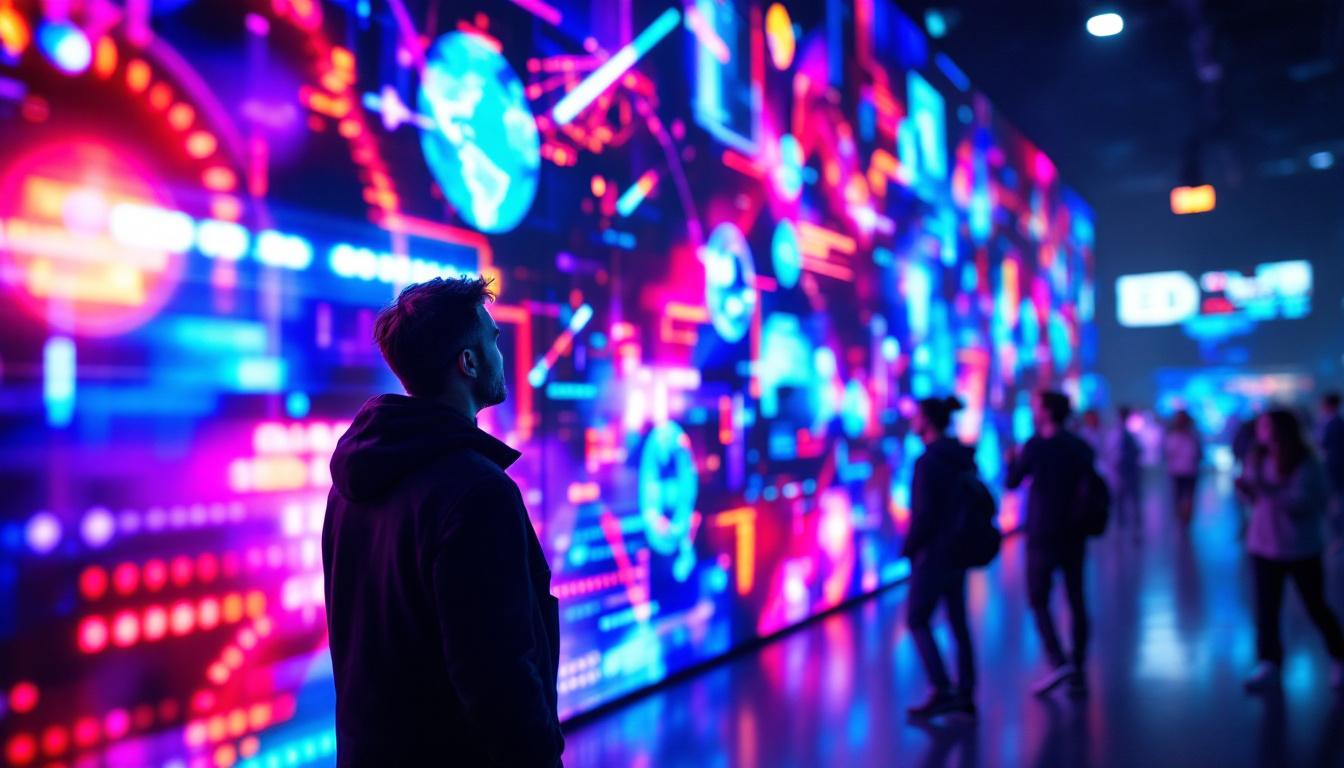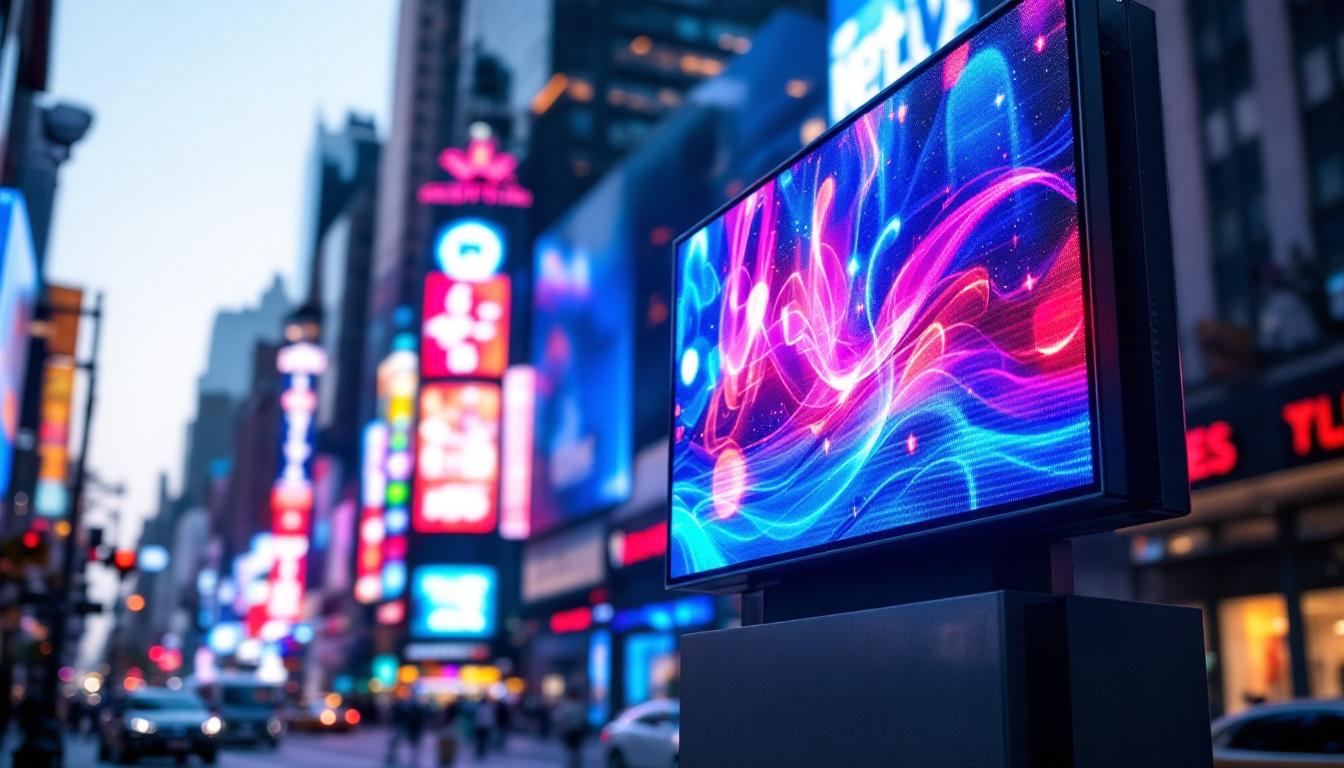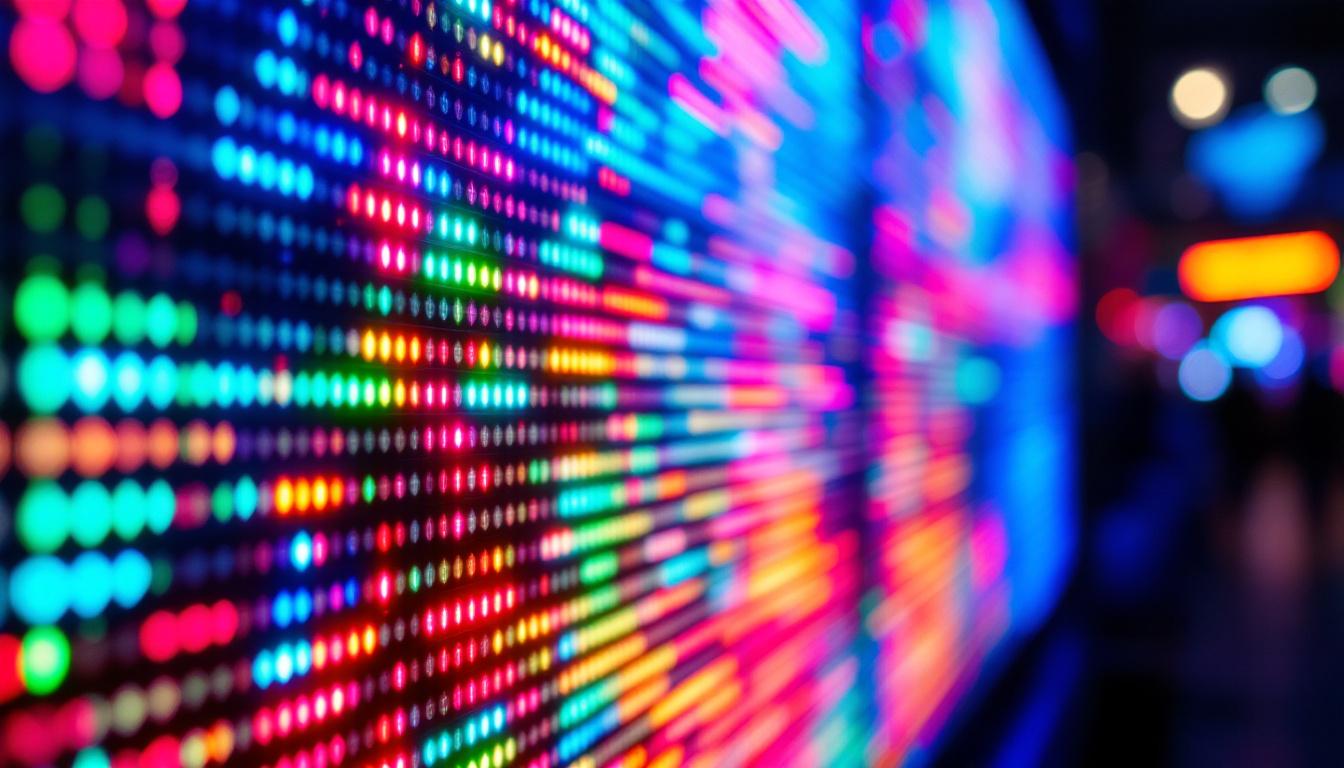
In today’s digital world, LED matrix screens have become a cornerstone of visual communication. From vibrant billboards in Times Square to dynamic scoreboards in stadiums, these displays captivate audiences with their brightness, clarity, and versatility. But what exactly are matrix screens, how do they work, and why have they become the preferred choice for large-scale digital displays? This article dives deep into the technology behind LED matrix screens, their applications, and the innovations shaping their future.
Understanding LED Matrix Screens
What is an LED Matrix Screen?
An LED matrix screen is a type of display that consists of an array of light-emitting diodes (LEDs) arranged in a grid or matrix pattern. Each LED acts as a pixel, and by controlling the brightness and color of each diode, the screen can produce images, videos, and text. These screens vary in size from small handheld devices to massive outdoor billboards spanning hundreds of square meters.
The matrix configuration allows for precise control over each pixel, enabling high-resolution displays that can be viewed clearly even from great distances. The term “matrix” refers to the two-dimensional arrangement of LEDs in rows and columns, which simplifies the wiring and control mechanisms.
How Do LED Matrix Screens Work?
At the core of an LED matrix screen is the principle of multiplexing. Instead of controlling each LED individually, the screen’s controller activates entire rows and columns in rapid succession. By switching these rows and columns on and off at high speeds, the controller can create the illusion that multiple LEDs are lit simultaneously.
This multiplexing technique reduces the complexity of wiring and the number of control circuits needed. Modern LED matrix screens use sophisticated driver ICs (integrated circuits) and microcontrollers that handle the timing and color mixing, allowing for smooth animations and vivid color reproduction.
Types of LED Matrix Screens
Monochrome vs. Full-Color Displays
LED matrix screens can be broadly categorized into monochrome and full-color displays. Monochrome displays use LEDs of a single color, often red or green, and are typically used for simpler applications like text scrolling or basic graphics. They are cost-effective and consume less power, making them suitable for indoor signage or industrial use.
Full-color LED matrix screens, on the other hand, use red, green, and blue (RGB) LEDs combined in each pixel. By adjusting the intensity of each color, these displays can produce millions of colors, enabling rich, dynamic visuals. Full-color screens are the standard for advertising, entertainment, and public information systems.
Indoor vs. Outdoor LED Matrix Screens
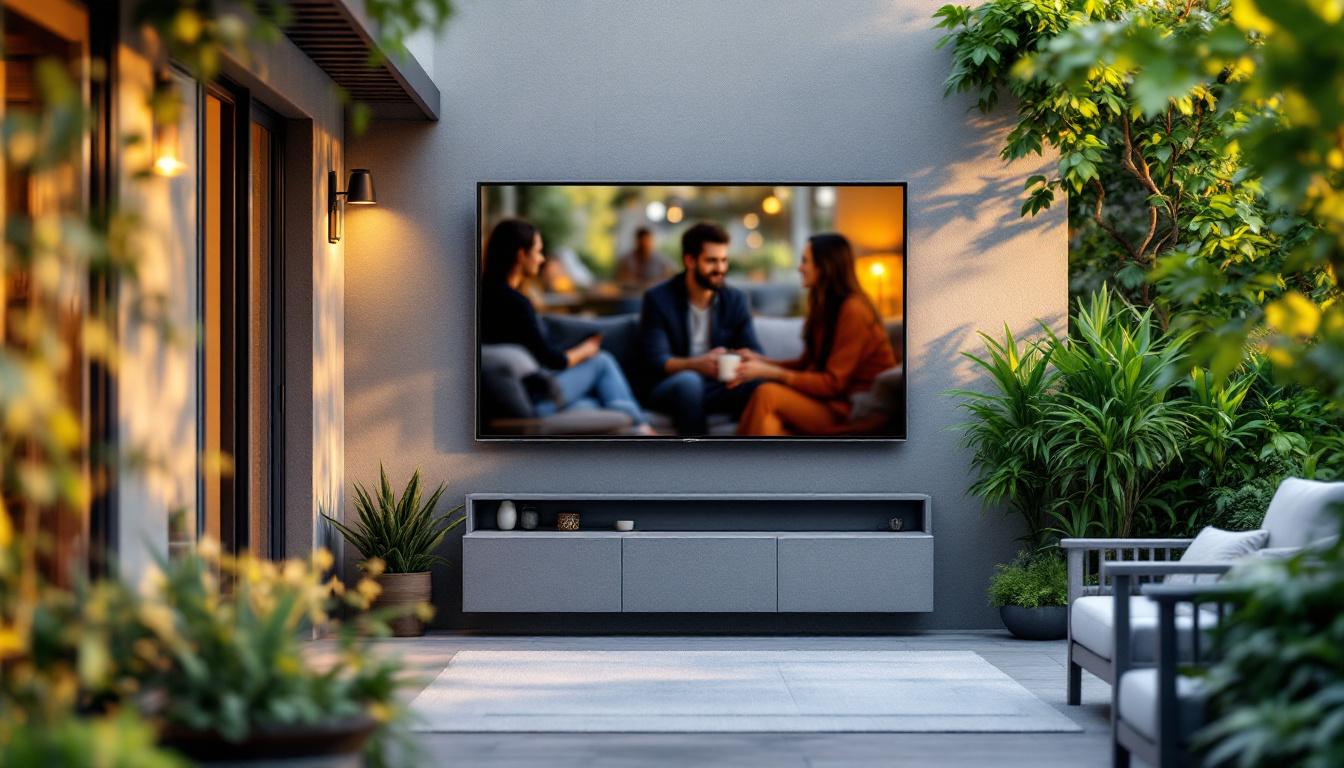
Another important distinction is between indoor and outdoor LED matrix screens. Outdoor screens are designed to withstand harsh environmental conditions such as rain, wind, dust, and extreme temperatures. They feature higher brightness levels—often exceeding 5,000 nits—to remain visible under direct sunlight, and are built with weatherproof enclosures.
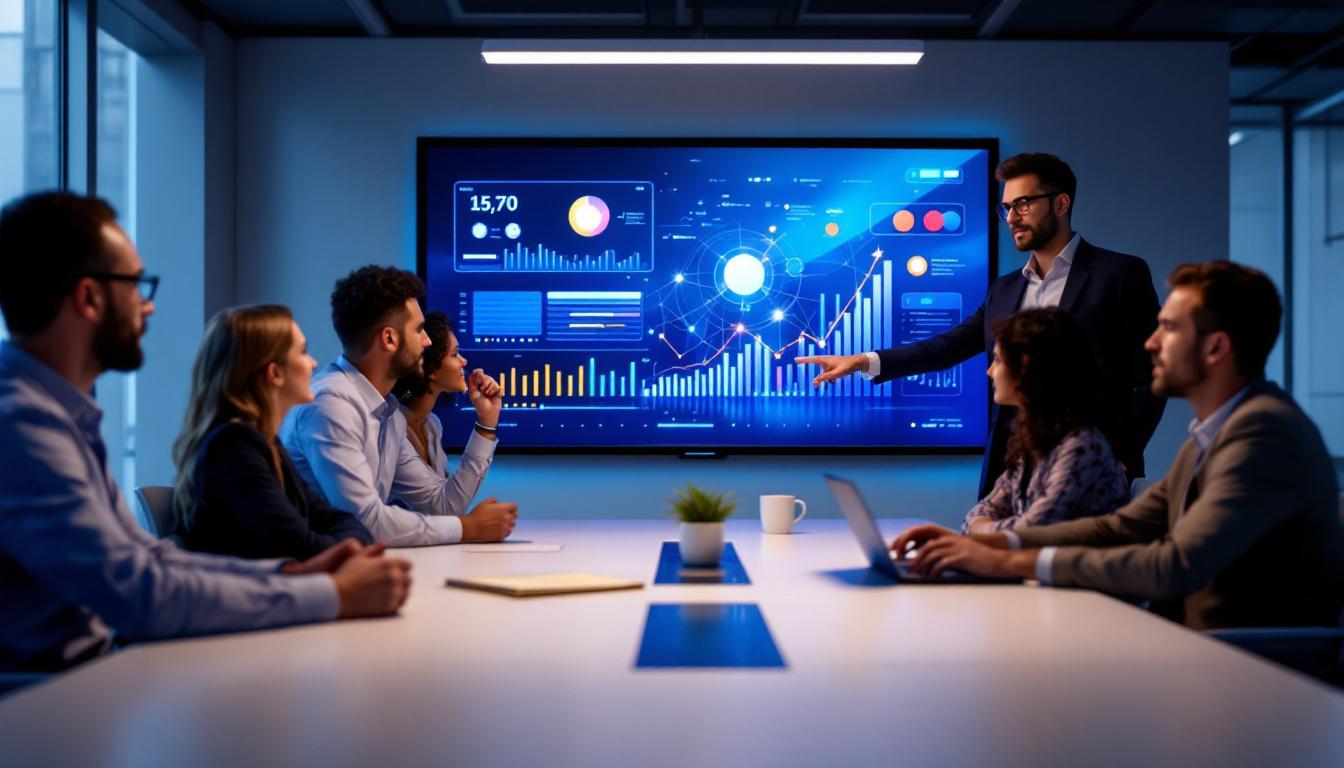
Indoor LED matrix screens prioritize resolution and pixel density because they are viewed from shorter distances. Their brightness levels are lower (typically around 800 to 1,500 nits), but they offer finer detail and color accuracy, making them ideal for retail displays, conference rooms, and event stages.
Key Specifications and Metrics
Pixel Pitch and Resolution
Pixel pitch is one of the most critical specifications for LED matrix screens. It refers to the distance between the centers of two adjacent pixels, usually measured in millimeters. Smaller pixel pitch means higher pixel density, which translates to sharper images and better resolution.
For example, a screen with a 1.5mm pixel pitch offers excellent clarity for close-up viewing, while a 10mm pitch is suitable for large outdoor displays viewed from a distance. Selecting the right pixel pitch depends on the intended viewing distance and application.
Brightness and Contrast Ratio
Brightness is measured in nits (candelas per square meter) and determines how visible the screen is under various lighting conditions. Outdoor LED matrix screens typically require brightness levels above 5,000 nits to remain legible in sunlight, whereas indoor screens operate effectively at lower brightness.
Contrast ratio—the difference between the darkest black and the brightest white—is also essential for image quality. High contrast ratios improve readability and make colors appear more vivid. Advances in LED technology and screen design continue to enhance these metrics, delivering better visual experiences.
Refresh Rate and Viewing Angle
The refresh rate indicates how many times per second the screen updates its image, measured in Hertz (Hz). Higher refresh rates reduce flicker and motion blur, which is particularly important for video playback and live broadcasts. Most modern LED matrix screens operate at refresh rates of 1,000 Hz or higher, ensuring smooth visuals even when captured by cameras.
Viewing angle defines the maximum angle from which the screen can be viewed without significant color distortion or brightness loss. Wide viewing angles are crucial for public displays where audiences may be spread over a broad area. Typical viewing angles range from 120 to 160 degrees horizontally and vertically.
Applications of LED Matrix Screens
Advertising and Digital Billboards
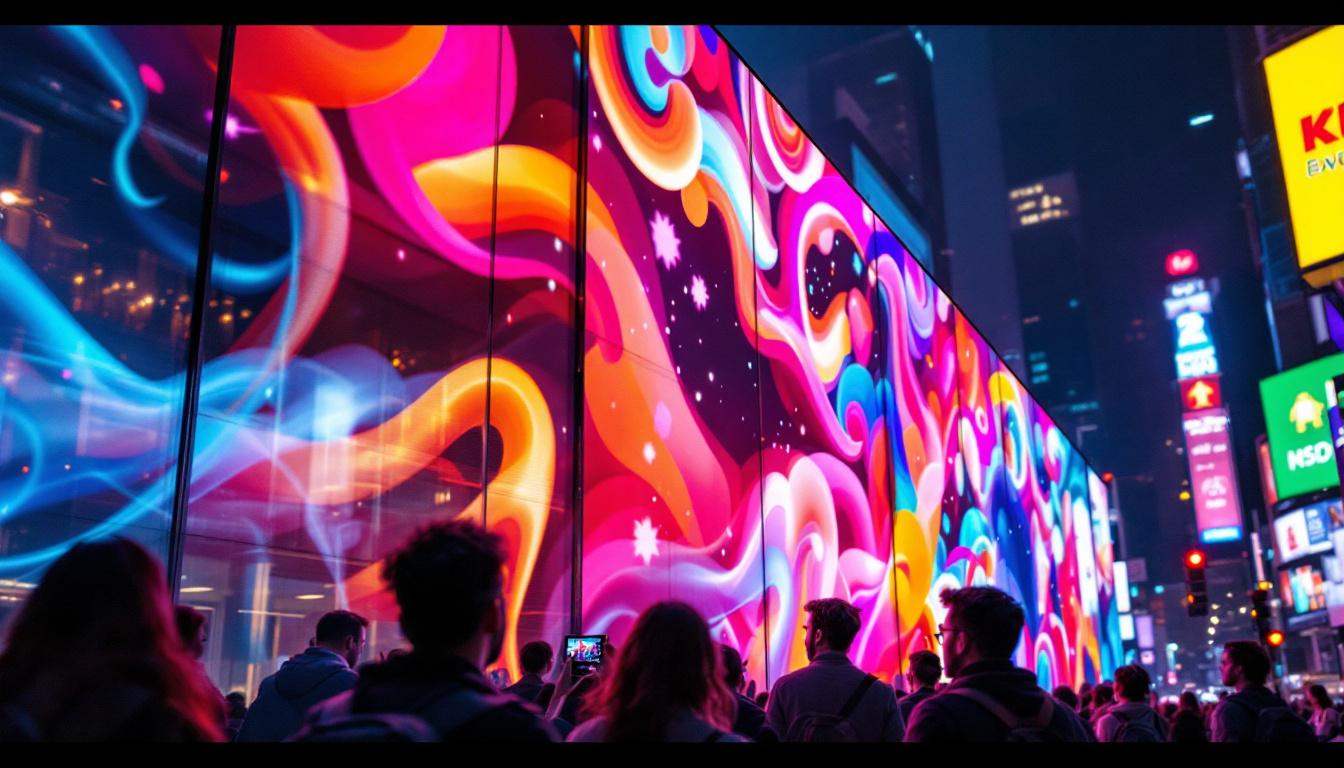
One of the most visible uses of LED matrix screens is in advertising. Digital billboards leverage their brightness, size, and dynamic content capabilities to attract attention and deliver targeted messages. According to industry reports, the global digital signage market is expected to grow at a CAGR of over 8% through 2028, driven largely by LED display adoption.
Brands use these screens to showcase high-resolution videos, animations, and interactive content that can be updated remotely in real-time. This flexibility allows for timely promotions, event announcements, and even weather updates, enhancing consumer engagement.
Sports Arenas and Event Venues
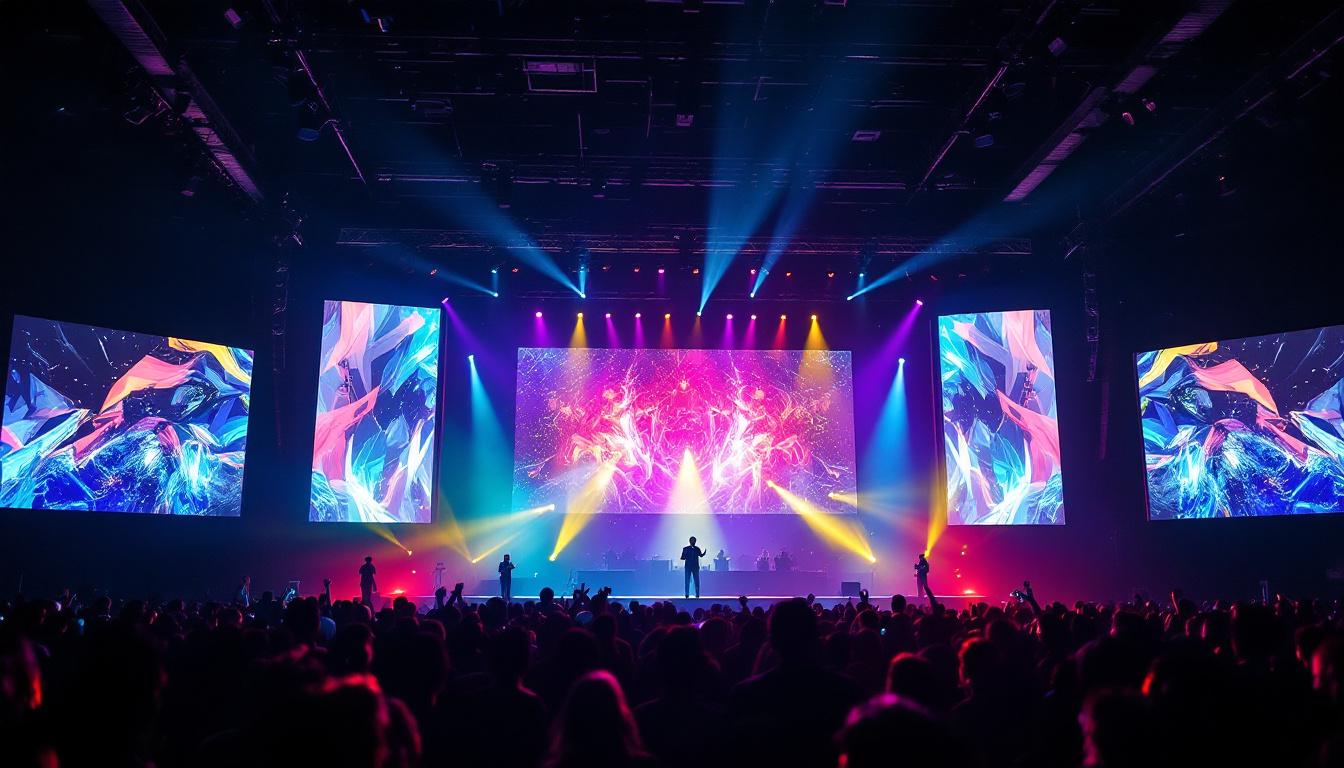
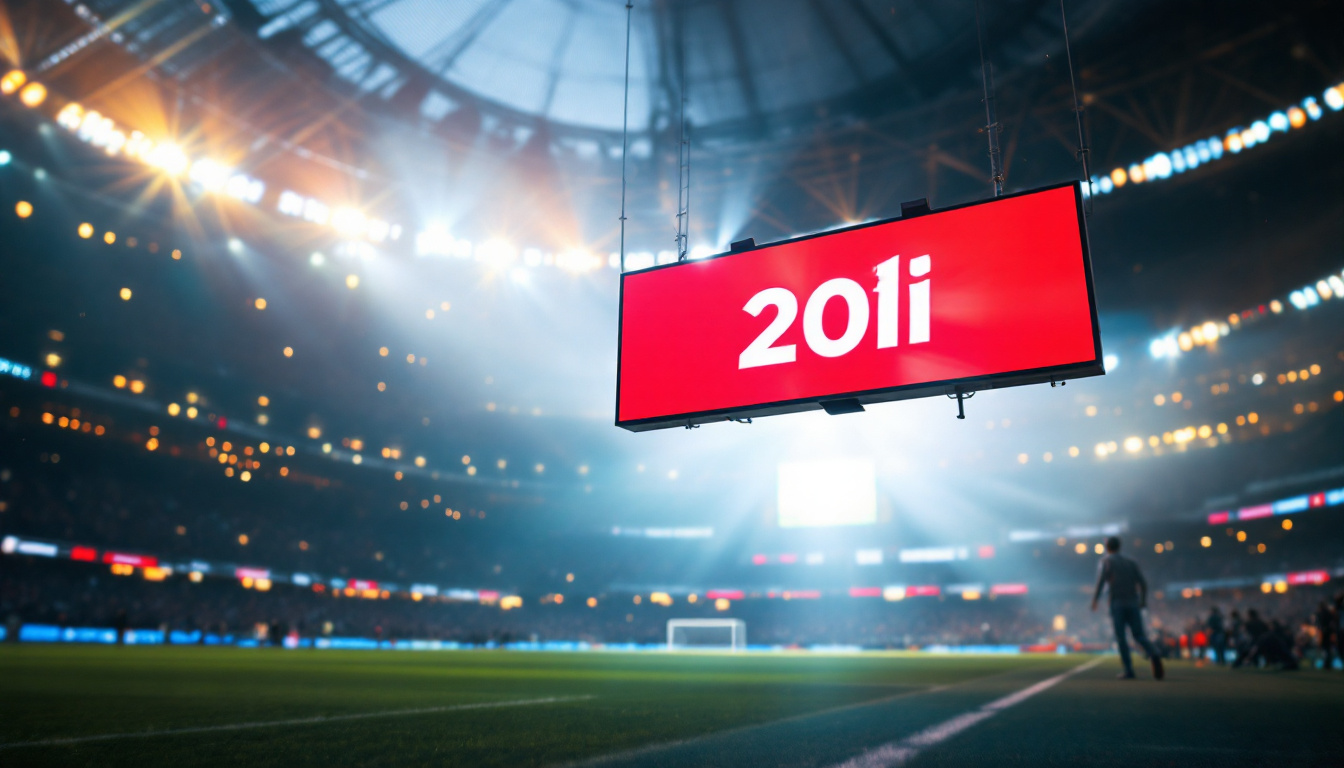
LED matrix screens have revolutionized the way audiences experience live events. Scoreboards, video walls, and perimeter advertising boards provide real-time statistics, instant replays, and immersive visuals that enhance spectator enjoyment. For example, the AT&T Stadium in Dallas features a colossal 160 feet wide by 72 feet tall LED screen, one of the largest in the world.
These displays must meet stringent requirements for brightness, durability, and refresh rate to perform flawlessly in demanding environments. Their modular design also allows for customization and scalability, adapting to different venue sizes and configurations.
Transportation and Public Information Systems
In transportation hubs such as airports, train stations, and bus terminals, LED matrix screens serve as vital tools for disseminating real-time information. Flight arrivals, departure times, delays, and gate changes are displayed clearly to assist travelers. Their high visibility and reliability make them indispensable in these fast-paced settings.
Similarly, LED matrix displays are used in traffic management systems to provide drivers with alerts, speed limits, and road conditions. Their ability to display variable messages quickly and clearly improves safety and traffic flow.
Technological Innovations and Trends
Mini-LED and Micro-LED Technologies
Recent advancements in LED technology have introduced mini-LED and micro-LED displays, which push the boundaries of pixel density and image quality. Mini-LEDs are smaller than traditional LEDs, allowing for more precise backlighting and improved contrast in LCD screens. Micro-LEDs go even further, enabling self-emissive pixels that rival OLED in color accuracy and brightness but with greater durability and lifespan.
While still emerging, micro-LED matrix screens promise to revolutionize digital signage by offering ultra-high resolution, lower power consumption, and seamless scalability. Companies are investing heavily in research to bring these technologies into mainstream commercial use.
Energy Efficiency and Sustainability
Energy consumption is a significant consideration for large LED matrix installations. Advances in LED chip design and driver electronics have led to more energy-efficient displays, reducing operational costs and environmental impact. Additionally, many manufacturers are adopting sustainable materials and recycling programs to minimize waste.
Smart control systems also contribute to efficiency by adjusting brightness based on ambient light and usage patterns. This not only conserves energy but also extends the lifespan of the display components.
Interactive and Smart Displays
The integration of sensors, cameras, and AI technologies is transforming LED matrix screens into interactive platforms. Touch-sensitive surfaces, facial recognition, and gesture controls enable personalized experiences in retail, museums, and public spaces. Smart displays can adapt content dynamically based on audience demographics, weather conditions, or time of day.
These innovations open new possibilities for engagement and data collection, allowing advertisers and operators to optimize their messaging strategies effectively.
Choosing the Right LED Matrix Screen
Assessing Your Needs and Environment
Selecting the ideal LED matrix screen requires a thorough understanding of the intended application, viewing distance, ambient lighting, and installation environment. For example, a retail store may prioritize high resolution and color accuracy for close-up viewing, while a highway billboard demands extreme brightness and weather resistance.
Consulting with experienced manufacturers and installers can help identify the best pixel pitch, brightness level, and screen size to meet your goals and budget.
Installation and Maintenance Considerations
Proper installation is critical to ensure optimal performance and longevity. LED matrix screens often come in modular panels that can be assembled on-site, allowing for flexible sizing and easier repairs. Maintenance routines should include regular cleaning, firmware updates, and inspections to prevent issues such as dead pixels or color inconsistencies.
Many modern screens feature remote monitoring capabilities, enabling operators to detect and address problems proactively, minimizing downtime and service costs.
Conclusion
LED matrix screens represent a powerful and versatile technology that continues to shape the landscape of digital displays. Their ability to deliver bright, high-resolution content in various environments makes them indispensable across industries—from advertising and entertainment to transportation and public information.
As innovations like micro-LEDs, energy-efficient designs, and interactive features evolve, these displays will become even more immersive and sustainable. Understanding the fundamentals of LED matrix technology, key specifications, and application requirements is essential for making informed decisions and maximizing the impact of your digital signage investments.
Whether you’re planning a large outdoor billboard or an indoor video wall, LED matrix screens offer unparalleled flexibility and performance that can transform how you communicate with your audience.
Illuminate Your Message with LumenMatrix
Ready to elevate your visual communication with cutting-edge LED display technology? Discover the transformative power of LumenMatrix’s innovative solutions. From captivating Indoor and Outdoor LED Wall Displays to dynamic Vehicle and Sports LED Displays, our extensive range of products, including specialized options like LED Poster, Floor, Custom, All-in-One, and Transparent Displays, is designed to make your brand shine. Embrace the future of digital signage with LumenMatrix and create unforgettable visual experiences. Check out LumenMatrix LED Display Solutions today and let your message resonate with brilliance and clarity.