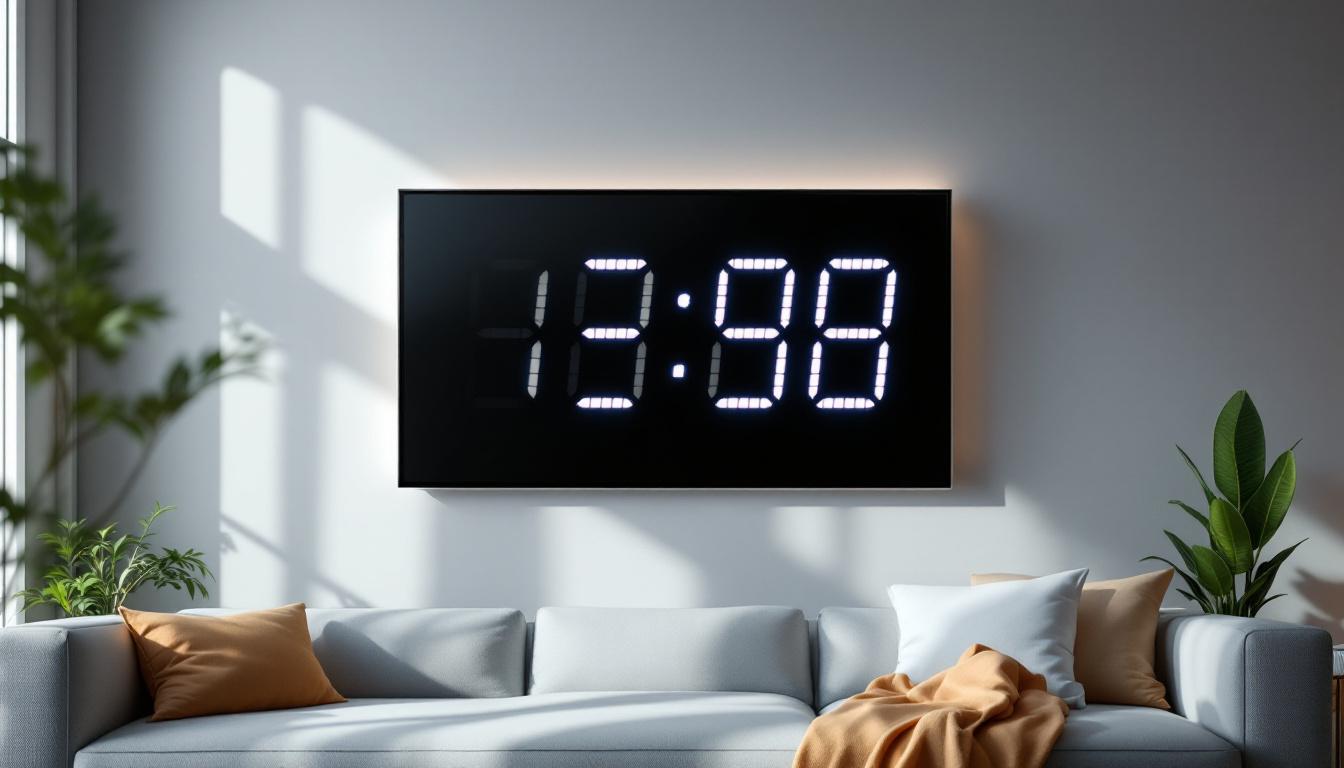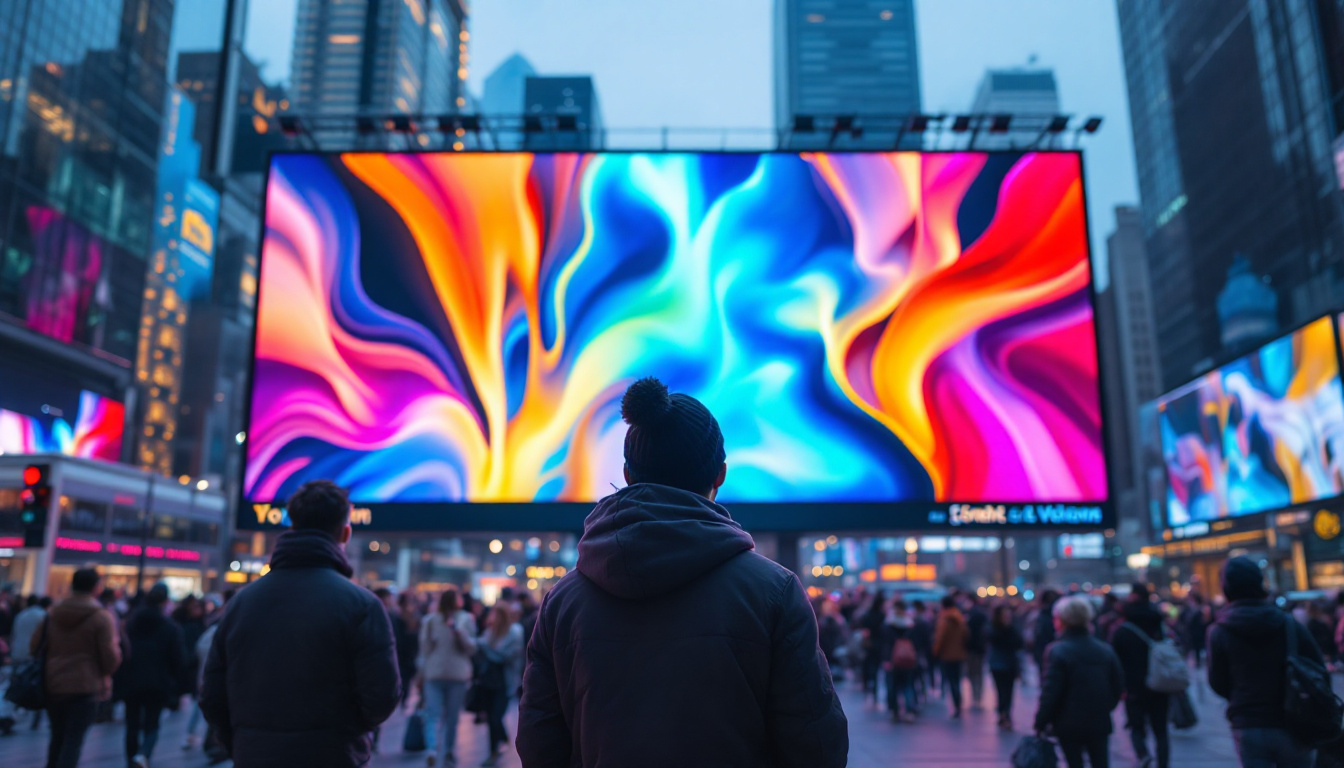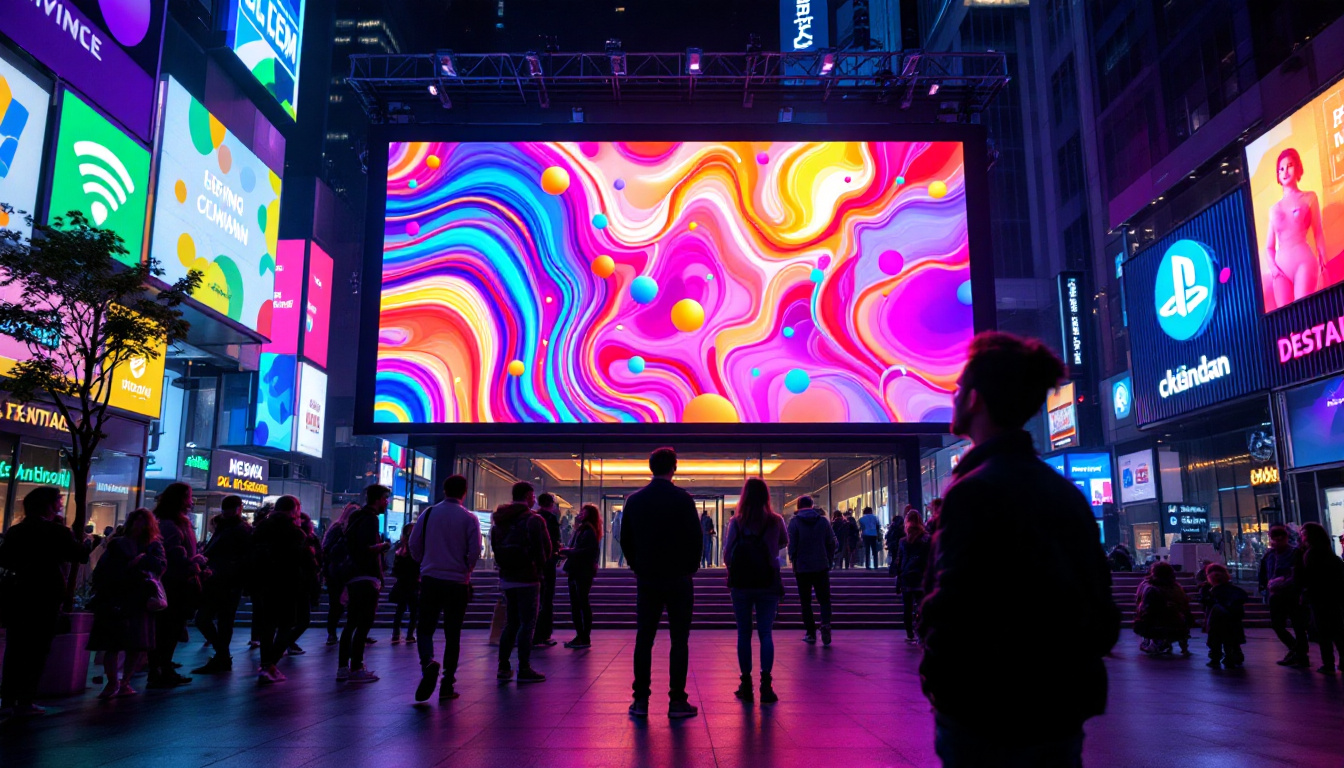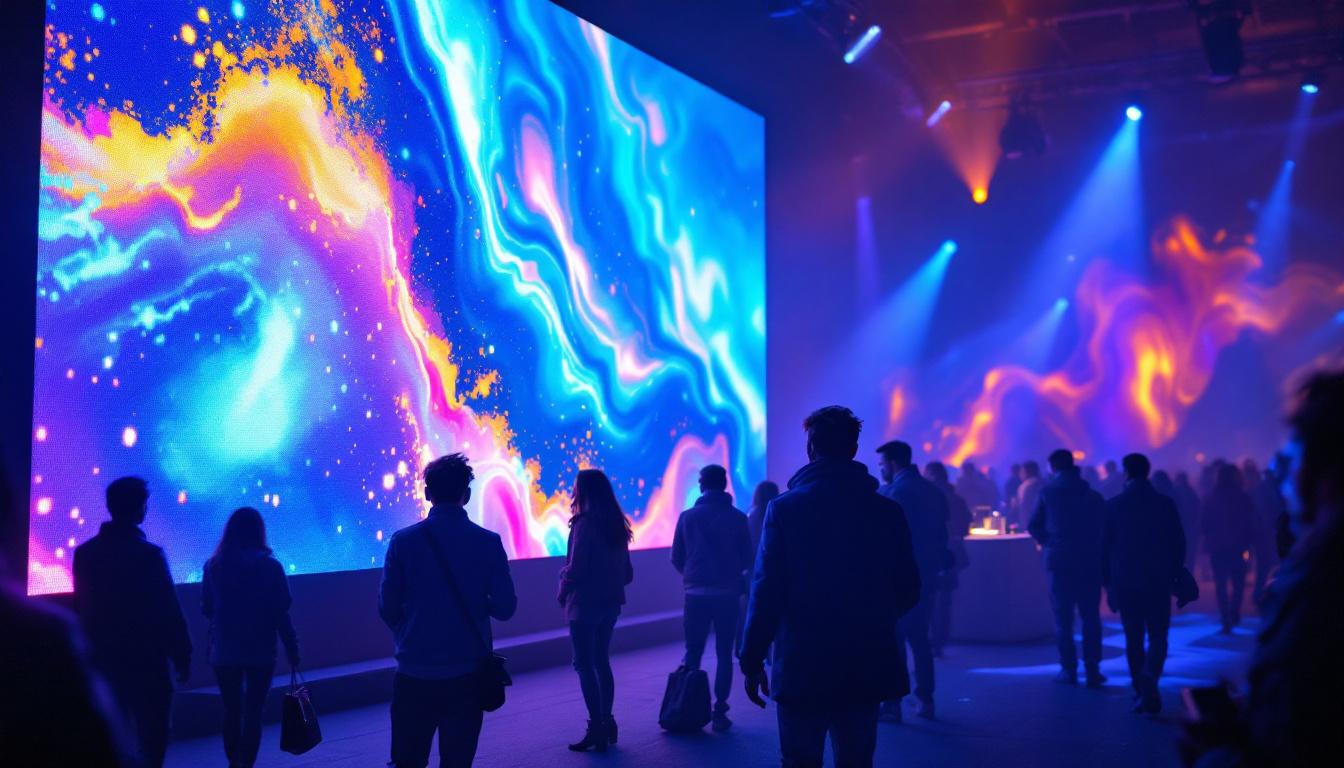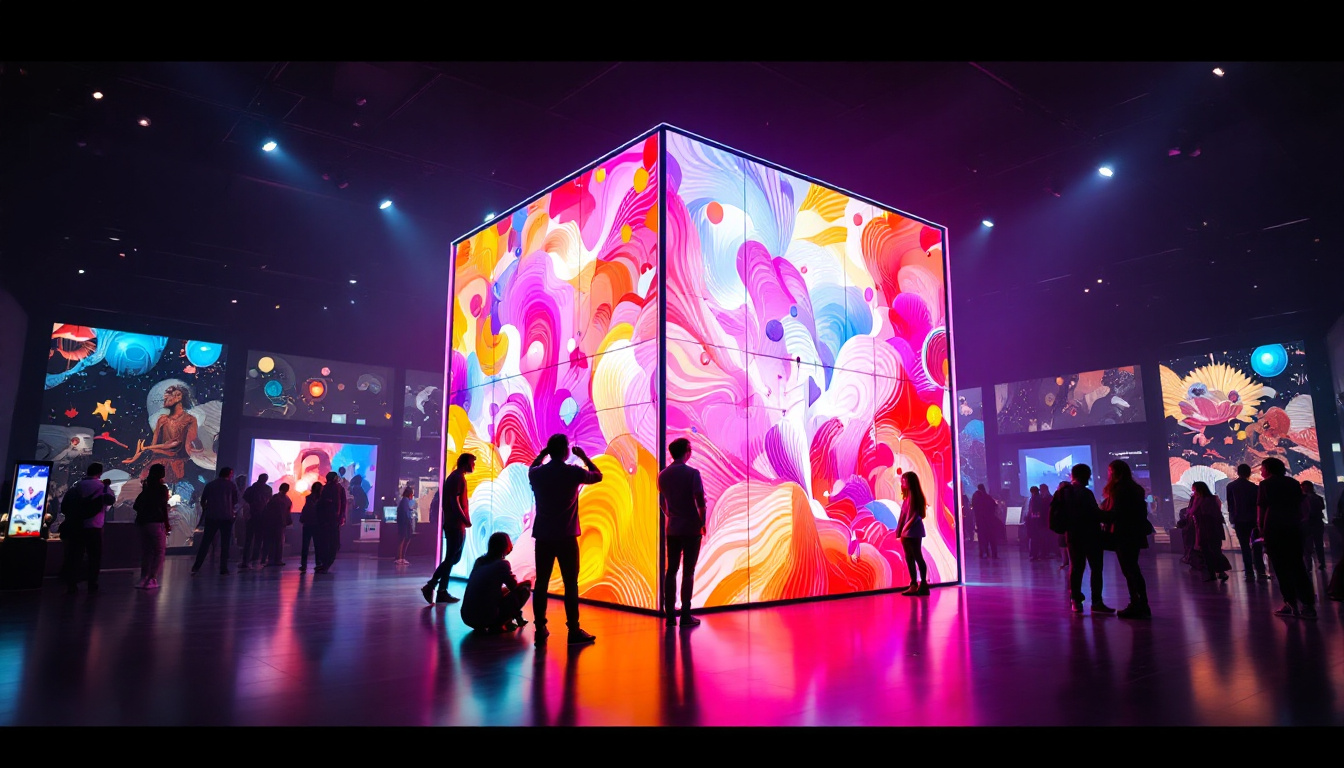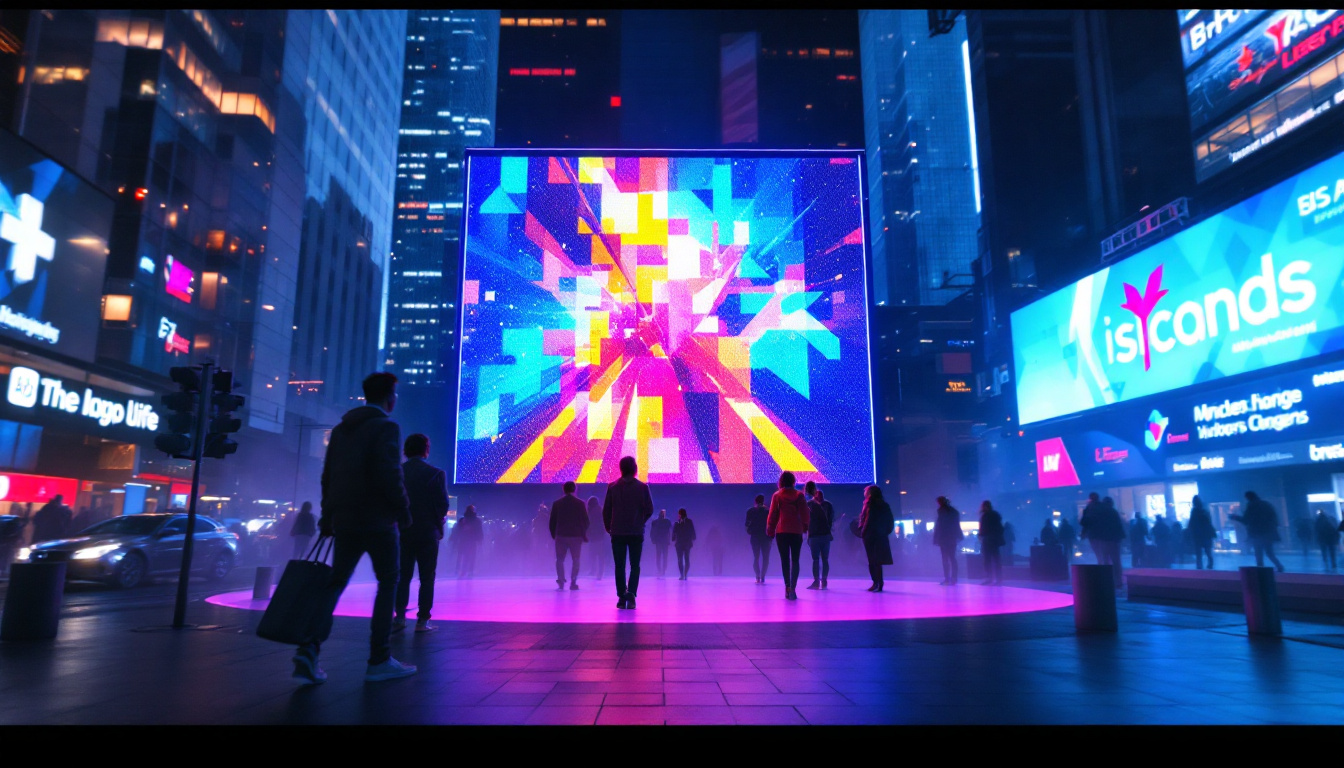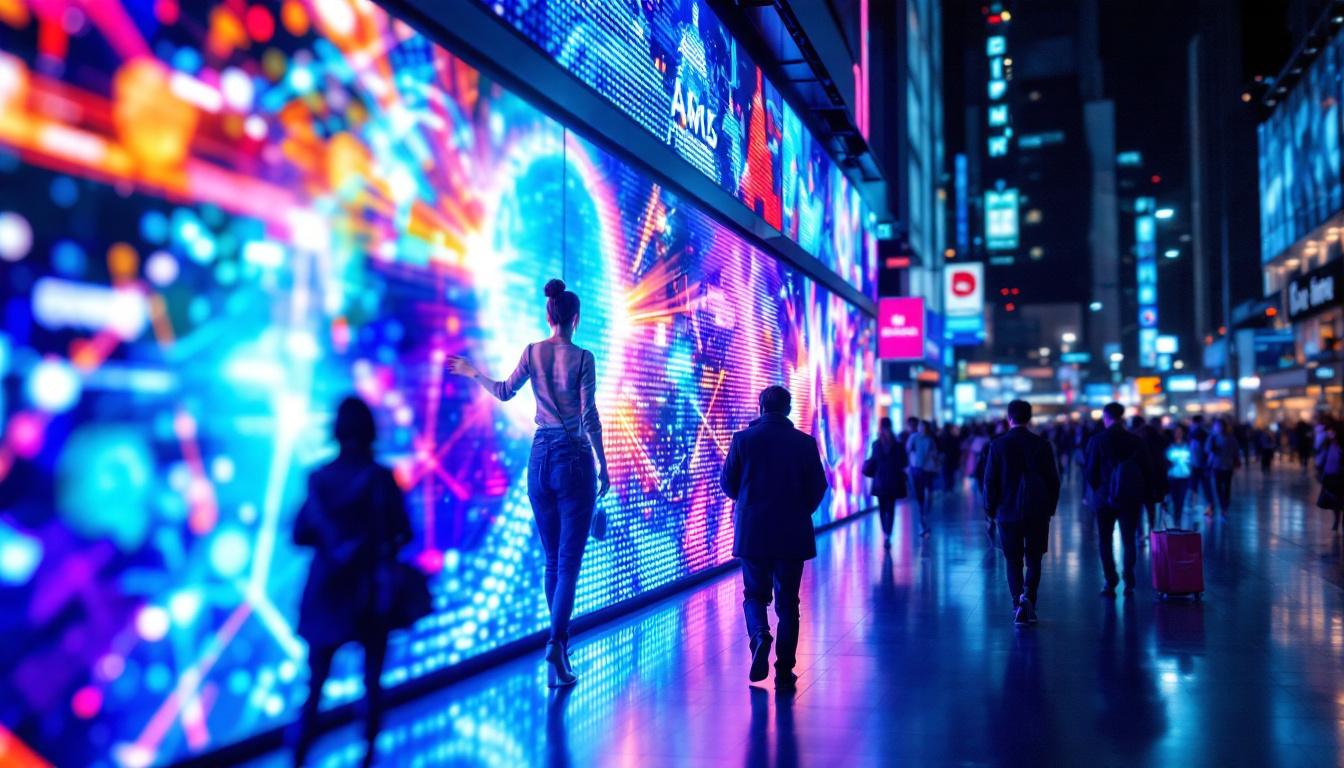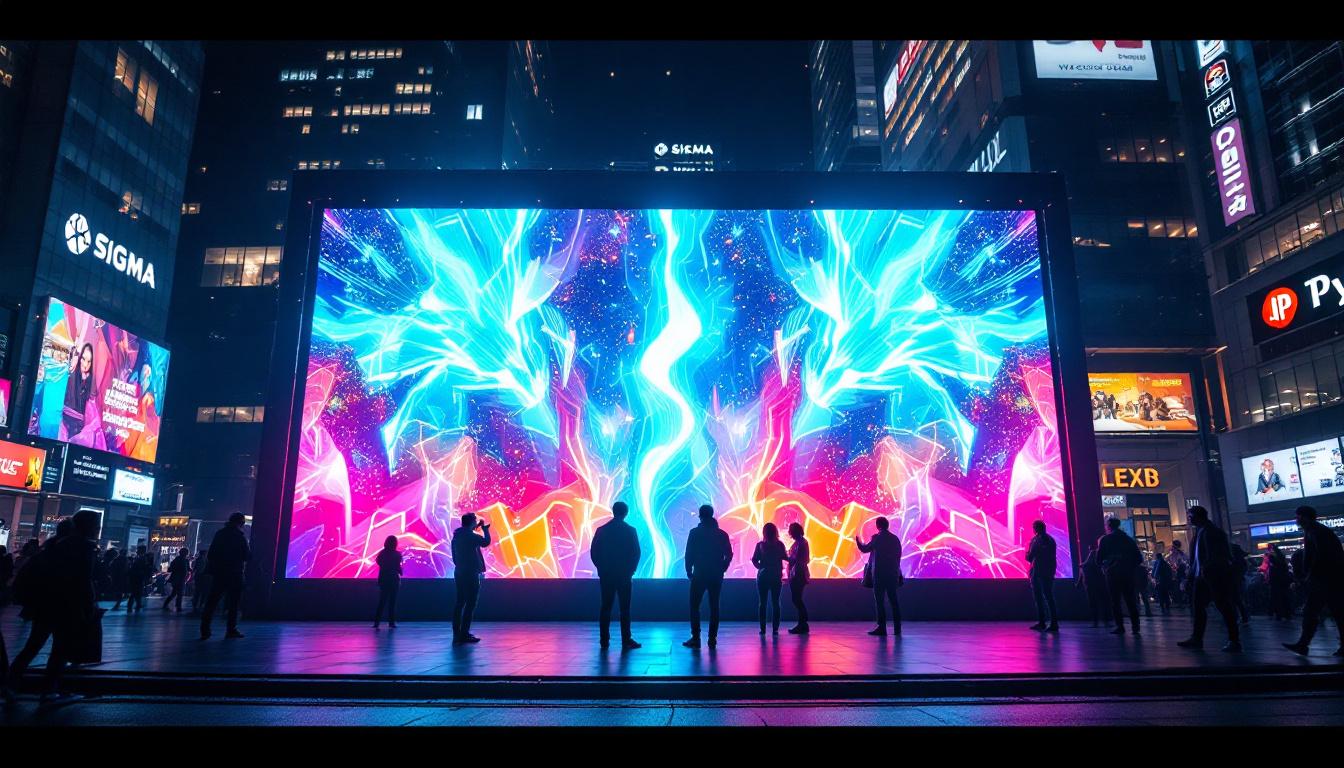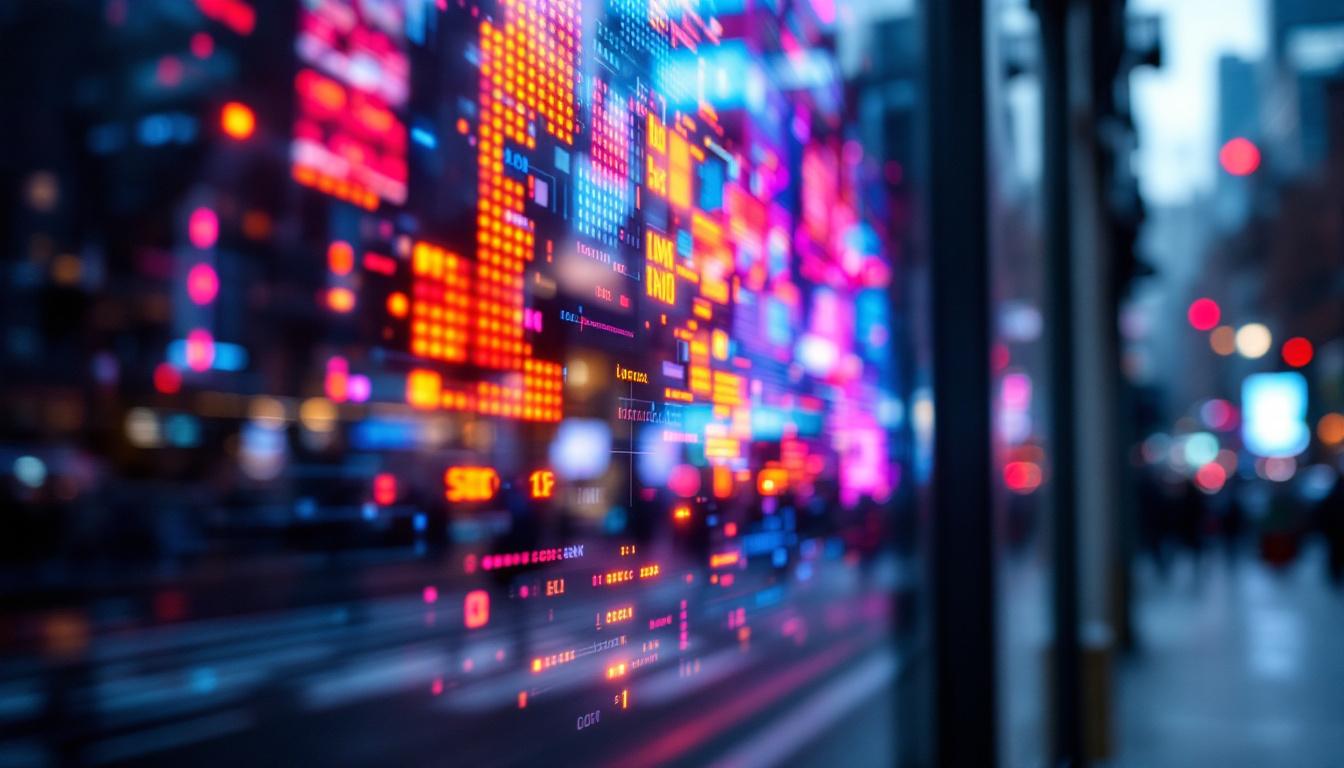
In today’s fast-evolving digital landscape, the integration of LED technology into architectural elements is transforming the way businesses and cities communicate visually. One of the most innovative applications is the use of assembled window screens embedded with LED displays. These dynamic screens offer a seamless blend of functionality and aesthetics, turning ordinary windows into vibrant digital canvases. This article delves into the technology behind assembled window screens, their applications, benefits, and considerations for implementation.
Understanding Assembled Window Screens with LED Displays
Assembled window screens with LED displays refer to modular panels that are installed on or within window frames, incorporating light-emitting diodes (LEDs) to create bright, high-resolution images and videos. Unlike traditional static window displays, these screens can change content dynamically, offering unparalleled flexibility in messaging and design.
The term “assembled” typically denotes that these screens are constructed from multiple LED modules or panels that fit together seamlessly to cover the window area. This modular design allows for customization in size and shape, making it suitable for various architectural styles and window dimensions. Businesses can tailor the display to fit their specific branding needs, ensuring that the screen not only serves a functional purpose but also enhances the overall aesthetic of the building.
The Technology Behind LED Window Screens
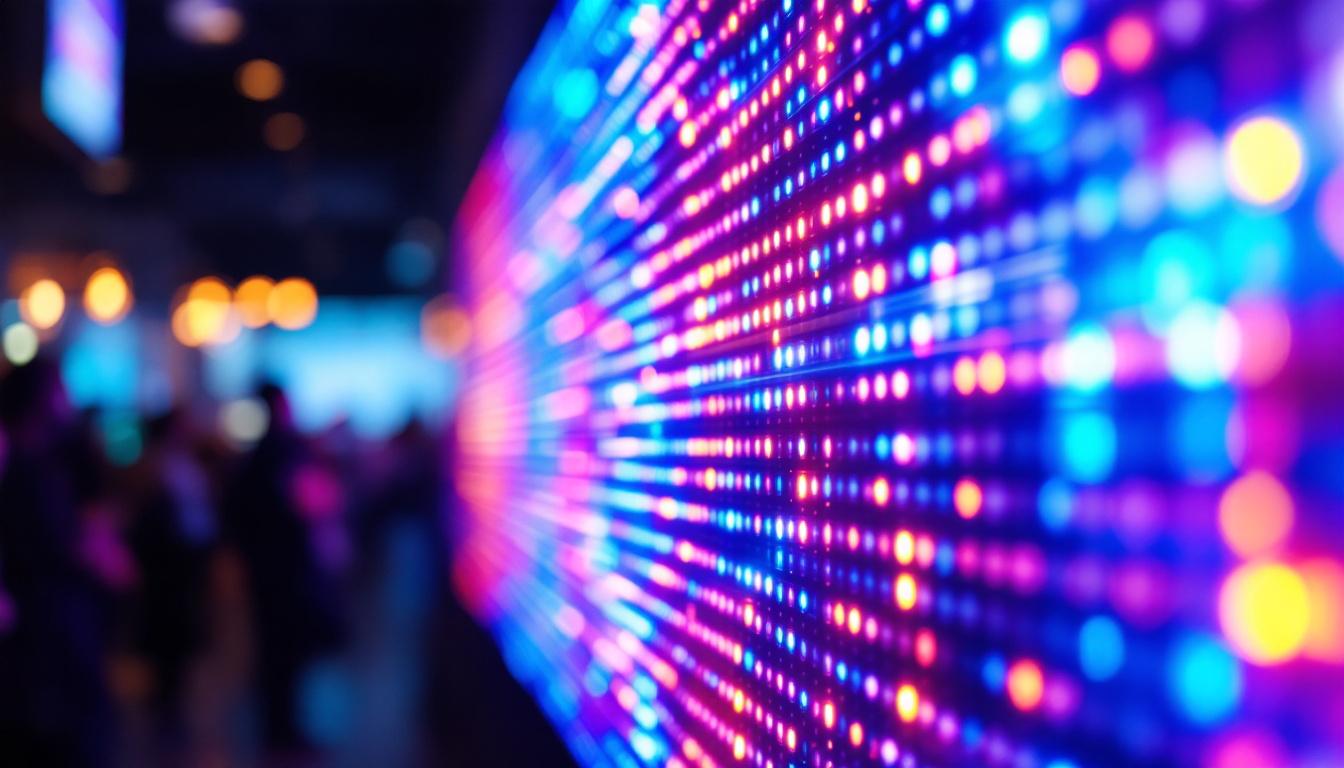
LED displays operate by illuminating tiny diodes that emit light when an electric current passes through them. These diodes are arranged in a grid to form pixels, which collectively display images or videos. For window screens, the LED modules are designed to be ultra-thin and lightweight, ensuring they do not obstruct the view or add excessive weight to the window structure. This lightweight nature also facilitates easier installation and maintenance, allowing for quick updates or repairs without extensive downtime.
One of the key innovations in assembled window screens is the use of transparent or semi-transparent LED panels. These panels allow natural light to pass through while still displaying vibrant visuals. This transparency is achieved by spacing the LEDs apart and using clear substrates, which maintain the window’s original function as a source of daylight and visibility. This feature not only enhances the user experience but also contributes to energy efficiency by reducing the need for artificial lighting during the day.
Types of LED Window Screens
There are several types of LED window screens available, each suited to different applications:
- Transparent LED Screens: These screens offer high transparency levels, typically between 40% to 80%, allowing for clear visibility both inside and outside. They are ideal for retail storefronts and office buildings where maintaining natural light is essential. Their ability to display promotional content without sacrificing the view makes them a popular choice among brands looking to attract foot traffic.
- Mesh LED Screens: Featuring a grid-like structure, mesh LED screens provide excellent airflow and transparency, making them suitable for large-scale outdoor installations. These screens are often used for concerts and events, where they can display dynamic content to large crowds while allowing wind to pass through, reducing the risk of damage during adverse weather conditions.
- Fine Pitch LED Screens: With a smaller distance between LEDs (pitch), these screens deliver higher resolution and image clarity, perfect for close-up viewing environments. They are commonly utilized in high-end retail settings and trade shows, where detailed visuals can captivate audiences and enhance brand storytelling.
In addition to their aesthetic appeal, assembled window screens with LED displays also offer significant advantages in terms of functionality. For instance, they can be programmed to display real-time information, such as weather updates, news headlines, or social media feeds, creating an engaging experience for passersby. Furthermore, these screens can be integrated with smart building technologies, allowing for automated content changes based on time of day or audience demographics, thereby optimizing marketing efforts and enhancing customer interaction.
Moreover, the environmental impact of LED technology cannot be overlooked. LED displays are known for their energy efficiency, consuming significantly less power compared to traditional lighting solutions. This not only reduces operational costs for businesses but also aligns with growing sustainability initiatives, as companies seek to minimize their carbon footprint. The longevity of LED technology further contributes to its eco-friendliness, as these displays typically last much longer than conventional lighting options, reducing the frequency of replacements and waste.
Applications of Assembled LED Window Screens
The versatility of assembled LED window screens has led to widespread adoption across various industries. Their ability to transform windows into dynamic digital displays opens new avenues for marketing, communication, and architectural design.
Retail and Commercial Spaces
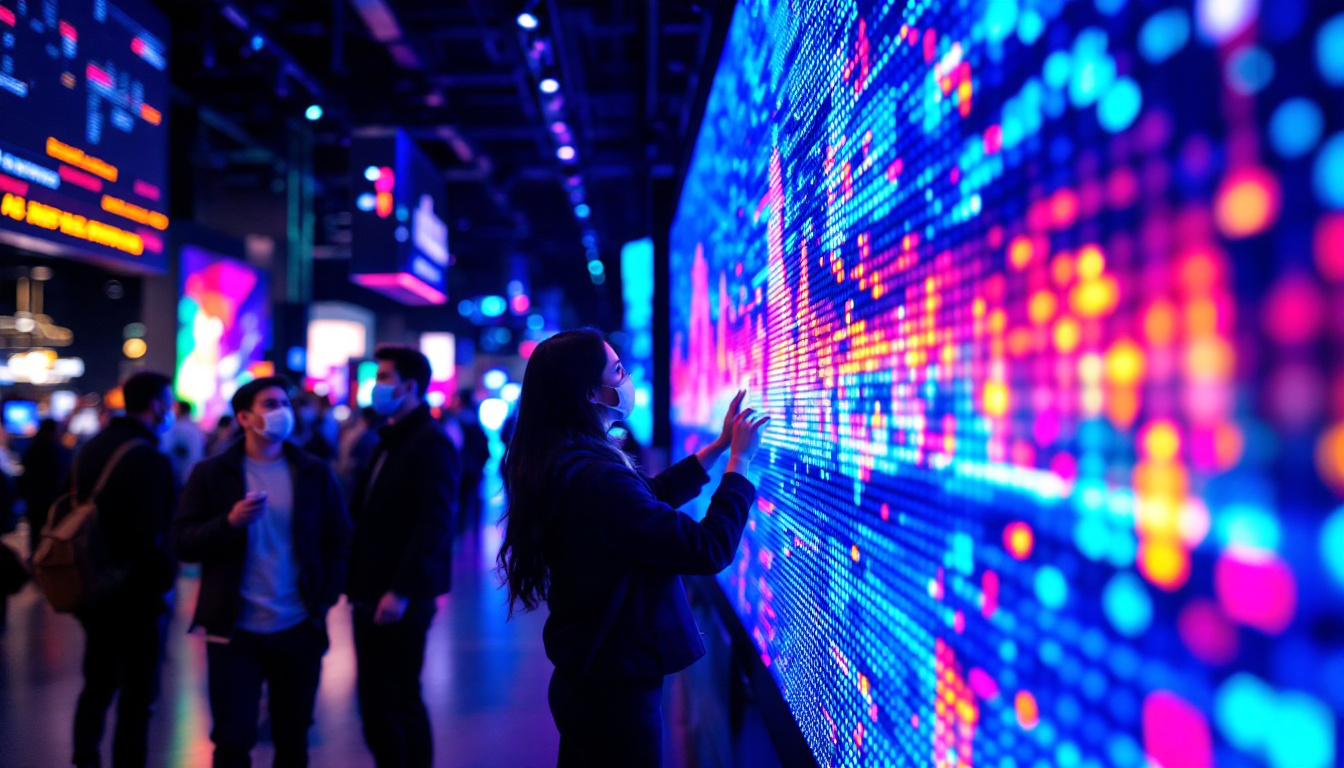
Retailers are increasingly leveraging LED window screens to attract customers and enhance brand visibility. These screens can showcase promotional content, new product launches, or interactive advertisements that capture attention even from a distance. According to a 2023 study by the Digital Signage Federation, stores utilizing LED window displays reported a 25% increase in foot traffic on average.
Moreover, LED window screens allow for real-time content updates, enabling businesses to tailor messages based on time of day, weather, or special events. This adaptability maximizes marketing impact and customer engagement.
Corporate and Office Buildings
In corporate environments, LED window screens serve both aesthetic and functional purposes. They can display company branding, corporate messages, or event information while maintaining a professional appearance. The semi-transparent nature of these screens ensures that office occupants still benefit from natural light and outdoor views.
Additionally, some organizations use these displays for internal communication or to showcase sustainability initiatives, enhancing corporate social responsibility profiles.
Urban and Public Spaces
City planners and public institutions are embracing LED window screens as part of smart city initiatives. These screens can provide real-time information such as weather updates, public transit schedules, or emergency alerts. Their integration into building facades contributes to a more interactive and connected urban environment.
For example, a recent installation in a metropolitan transit hub incorporated assembled LED window screens to display multilingual announcements and advertisements, improving passenger experience and accessibility.
Benefits of Using Assembled LED Window Screens
The adoption of assembled LED window screens offers numerous advantages, making them an attractive option for businesses and architects alike.
Enhanced Visual Impact and Engagement
LED displays are known for their brightness, color vibrancy, and motion capabilities, which significantly enhance visual impact compared to static signage. This dynamic quality captures attention more effectively, increasing message retention and customer interaction.
Energy Efficiency and Sustainability
Modern LED technology is highly energy-efficient, consuming significantly less power than traditional lighting and display methods. Many assembled window screens incorporate low-power LEDs and intelligent brightness controls that adjust output based on ambient light, further reducing energy consumption.
Additionally, the ability to update content digitally eliminates the need for printed materials, reducing waste and supporting sustainability goals.
Flexibility and Customization
The modular nature of assembled window screens allows for tailored solutions that fit specific window sizes and shapes. Content can be changed instantly, enabling businesses to respond quickly to market trends or seasonal campaigns without additional installation costs.
Maintaining Natural Light and Visibility
Unlike opaque displays, transparent or semi-transparent LED window screens preserve natural light flow and outward visibility. This feature is crucial for maintaining occupant comfort and complying with building codes related to daylight access.
Considerations for Implementation
While assembled LED window screens offer many benefits, successful implementation requires careful planning and consideration of several factors.
Technical and Structural Requirements
Installing LED screens on windows involves assessing the structural capacity of the window frames and supporting elements. The added weight and electrical components must be accommodated without compromising safety or integrity.
Furthermore, power supply and data connectivity need to be planned meticulously. Many installations use wireless or fiber-optic connections to minimize visible cabling, preserving aesthetic appeal.
Brightness and Viewing Conditions
To ensure optimal visibility, the LED screen’s brightness must be calibrated according to the environment. For example, screens exposed to direct sunlight require higher brightness levels, which can increase power consumption. Conversely, indoor or shaded installations can operate at lower brightness settings.
Maintenance and Durability
LED window screens are exposed to environmental factors such as temperature fluctuations, humidity, and dust. Selecting screens with appropriate IP ratings (Ingress Protection) and robust materials is essential for longevity.
Regular maintenance, including cleaning and software updates, ensures consistent performance. Many manufacturers offer remote monitoring systems to detect faults and optimize operation proactively.
Cost Considerations
The initial investment for assembled LED window screens can be significant, depending on size, resolution, and customization. However, the long-term benefits in marketing effectiveness, energy savings, and reduced printing costs often justify the expenditure.
It is advisable to conduct a thorough cost-benefit analysis and consider potential revenue increases or brand value enhancements when evaluating the financial feasibility.
Future Trends in Assembled LED Window Screens
The technology behind assembled LED window screens continues to advance rapidly, promising even greater capabilities and applications in the near future.
Higher Transparency and Resolution
Research and development efforts are focused on increasing the transparency of LED panels without sacrificing image quality. Emerging micro-LED and mini-LED technologies are expected to deliver sharper images with finer pixel pitches, enabling high-definition displays that blend seamlessly with glass surfaces.
Interactive and Smart Features
Integration with sensors and IoT (Internet of Things) platforms will allow LED window screens to respond dynamically to environmental cues or user interactions. For instance, screens could adjust content based on pedestrian proximity or integrate with mobile apps for personalized experiences.
Energy Harvesting and Sustainability Innovations
Future designs may incorporate solar cells or energy-harvesting materials to power the LED screens partially or entirely, further reducing environmental impact. Advances in recyclable and biodegradable materials will also contribute to sustainable manufacturing and disposal.
Conclusion
Assembled window screens with LED displays represent a cutting-edge fusion of technology and architecture, offering businesses and cities a powerful tool for communication and engagement. Their ability to deliver vibrant, dynamic content while preserving natural light and visibility makes them a compelling choice for modern window applications.
By understanding the technology, applications, benefits, and implementation considerations outlined in this article, stakeholders can make informed decisions about incorporating assembled LED window screens into their spaces. With ongoing innovations and growing adoption, these displays are poised to redefine the role of windows in the digital age.
Discover LumenMatrix’s Innovative LED Display Solutions
Ready to elevate your space with the vibrant, dynamic capabilities of LED window screens? LumenMatrix, a leader in LED display technology, offers a wide array of solutions tailored to meet your unique needs. From Indoor and Outdoor LED Wall Displays to specialized options like Vehicle, Sports, and Floor LED Displays, our products are designed to maximize brand visibility and create immersive visual experiences. Embrace the future of visual communication with our Transparent and Custom LED Displays, and see how our All-in-One solutions can transform your message into a captivating display. Check out LumenMatrix LED Display Solutions today and start making a lasting impression!