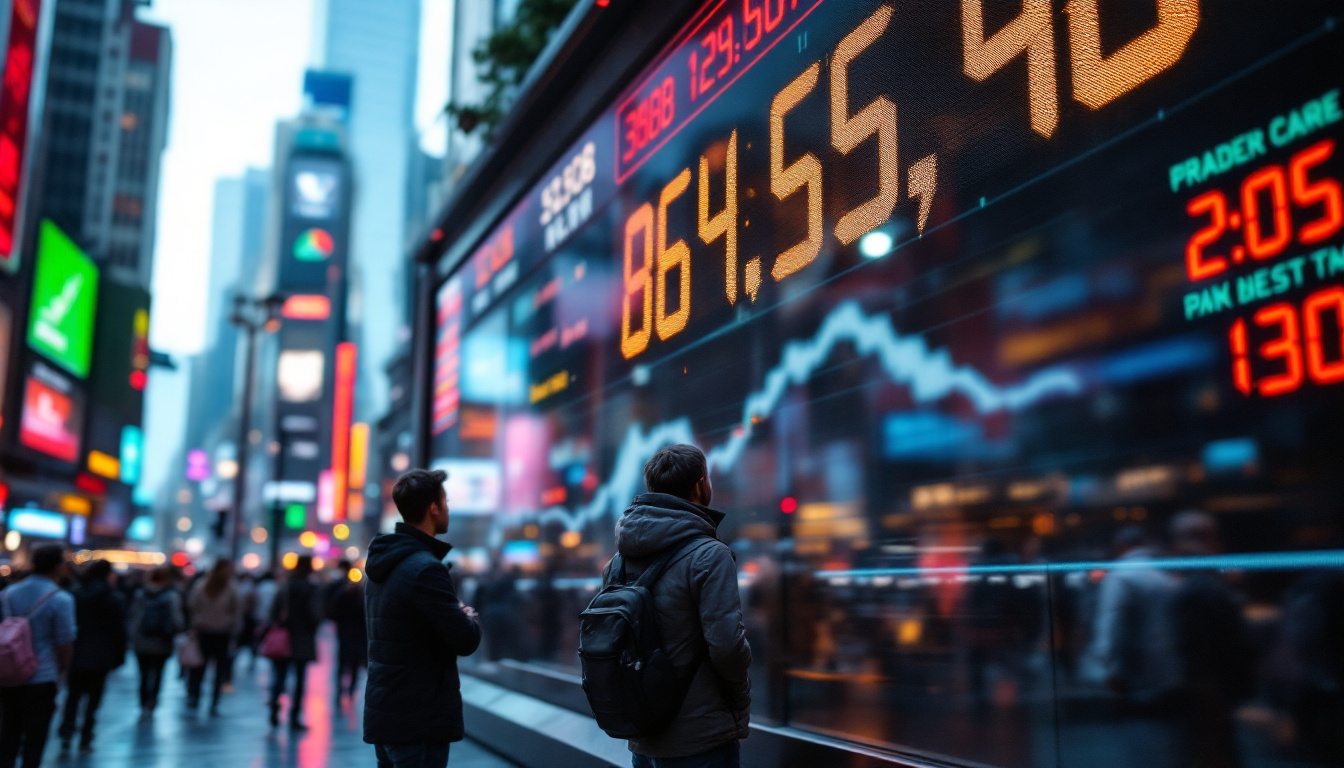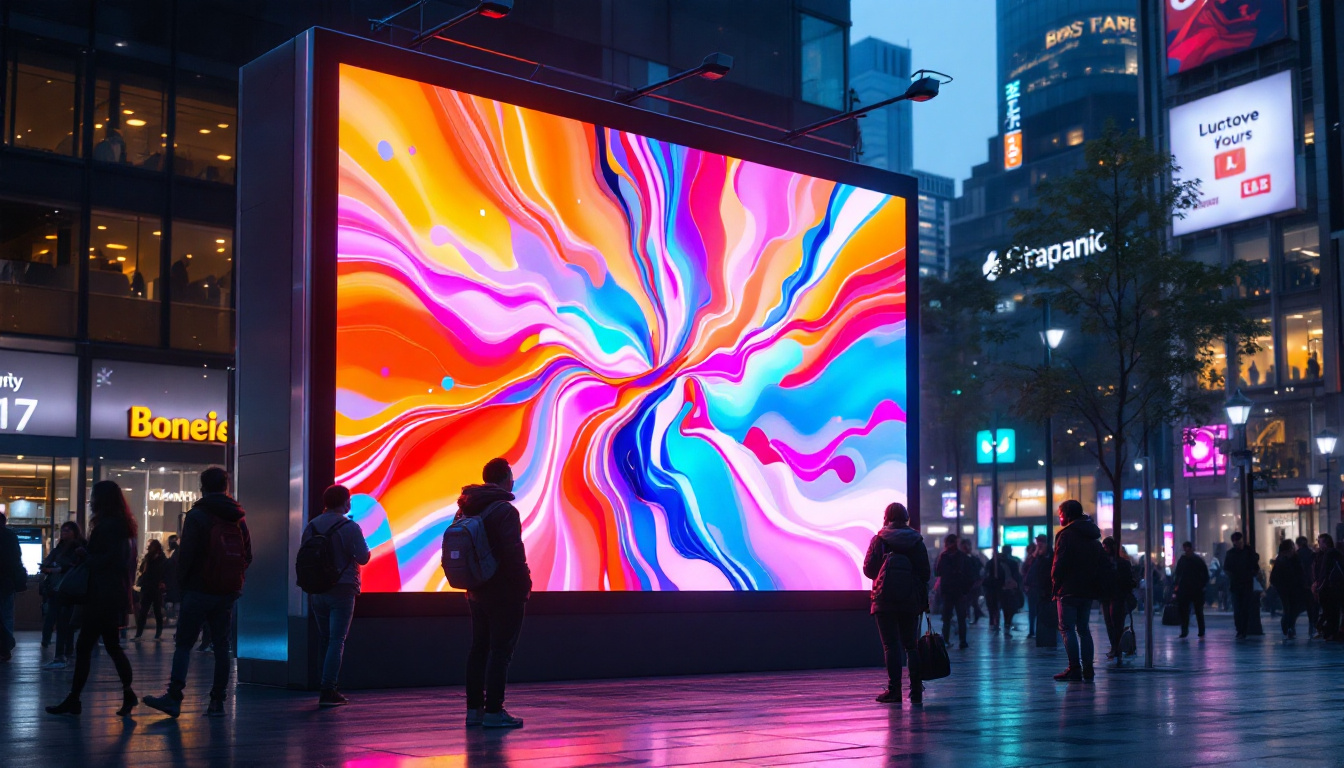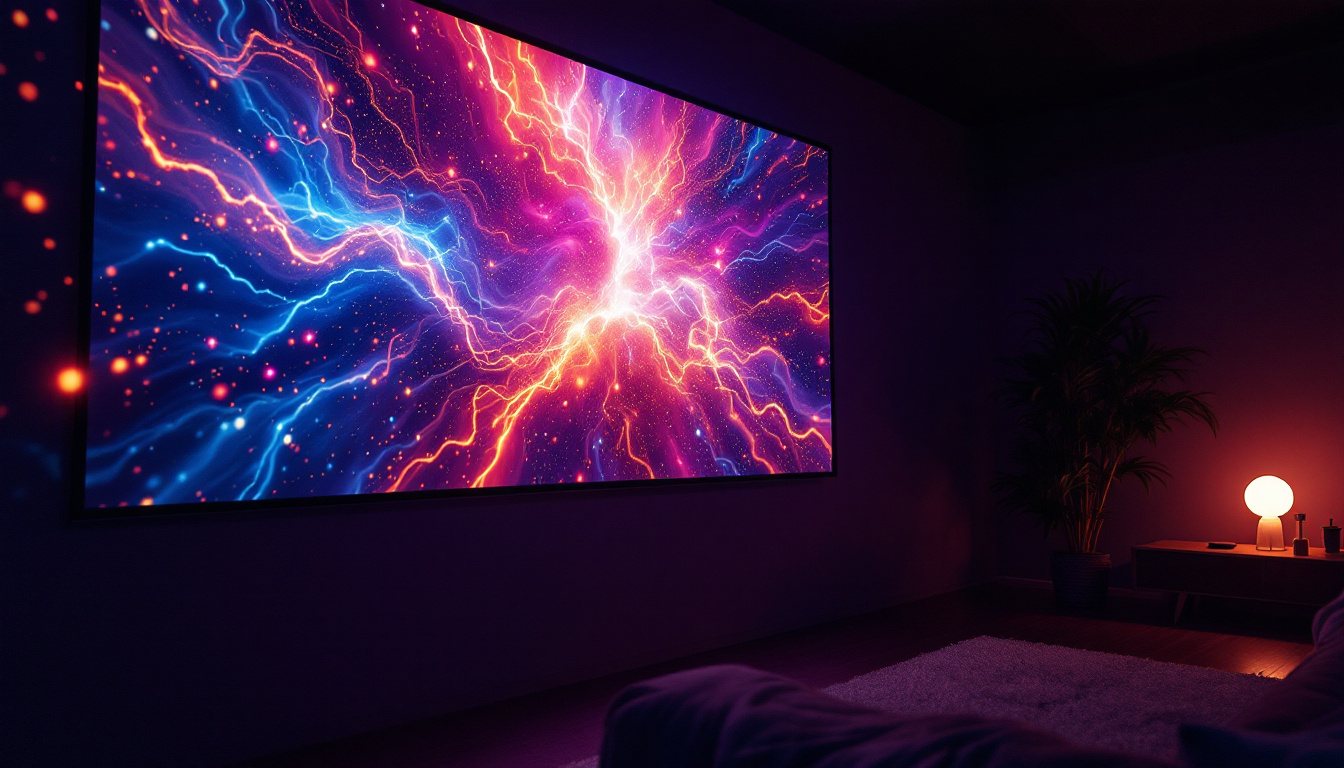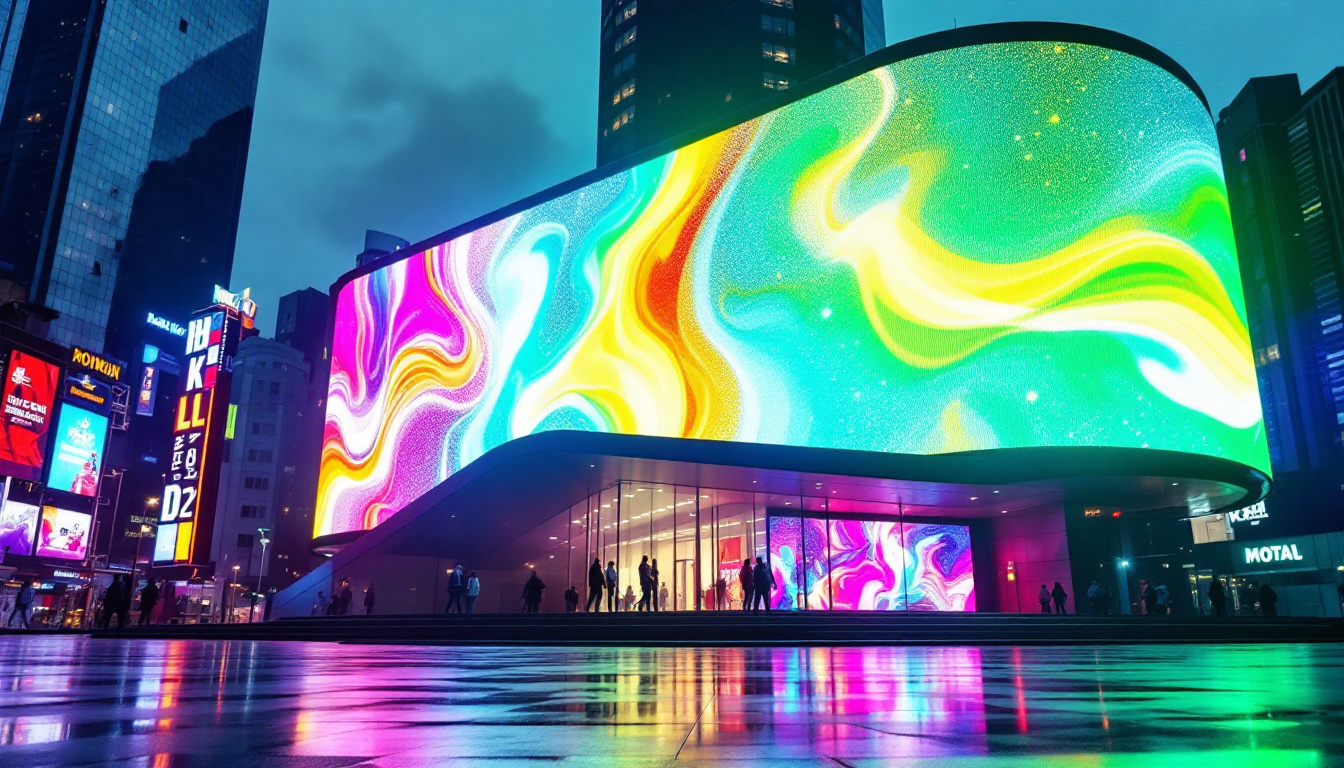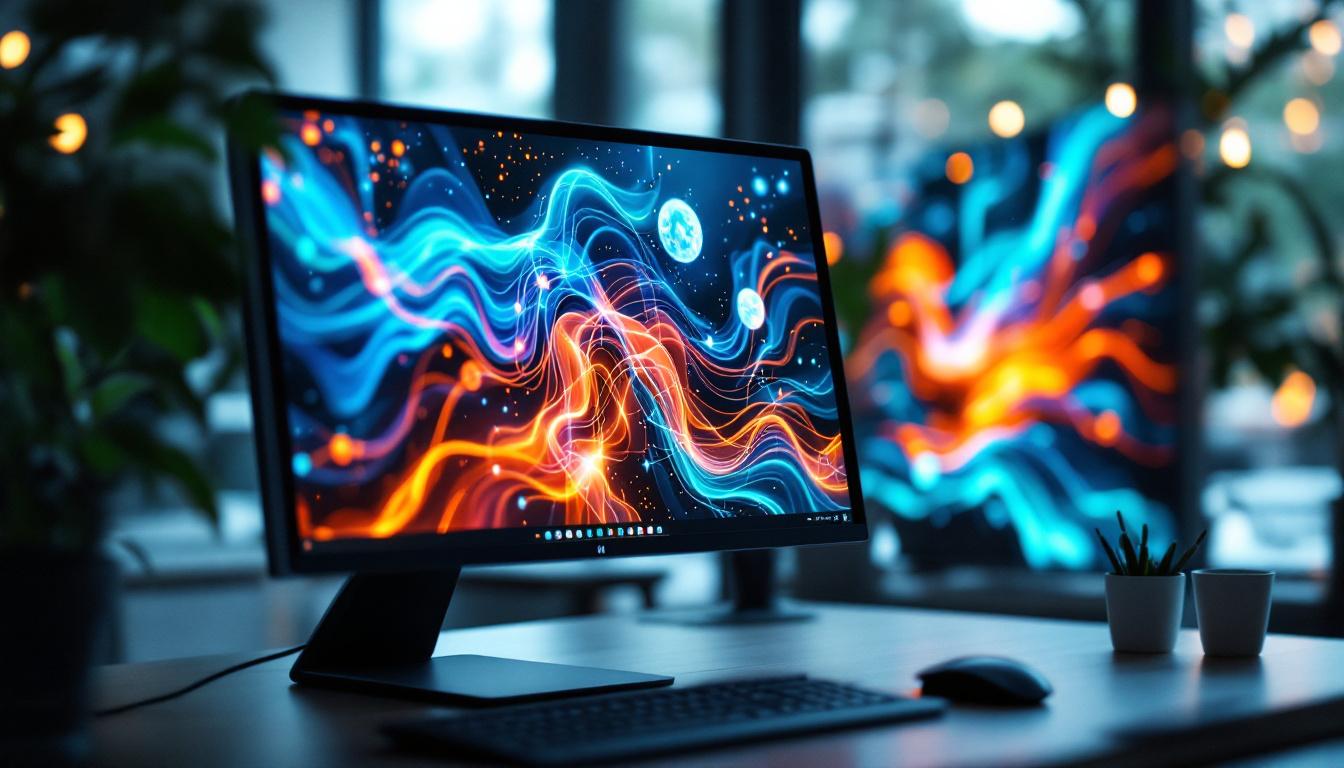
In the evolving world of visual art and digital exhibitions, LED display technology has emerged as a transformative medium for showcasing creativity. From galleries and museums to commercial spaces and public installations, LED art panels offer vibrant, dynamic, and customizable solutions that enhance the viewer’s experience. This article explores the fundamentals of LED displays for art panels, their advantages, technological components, and practical considerations for artists and curators looking to integrate this innovative medium into their displays.
Understanding LED Display Technology
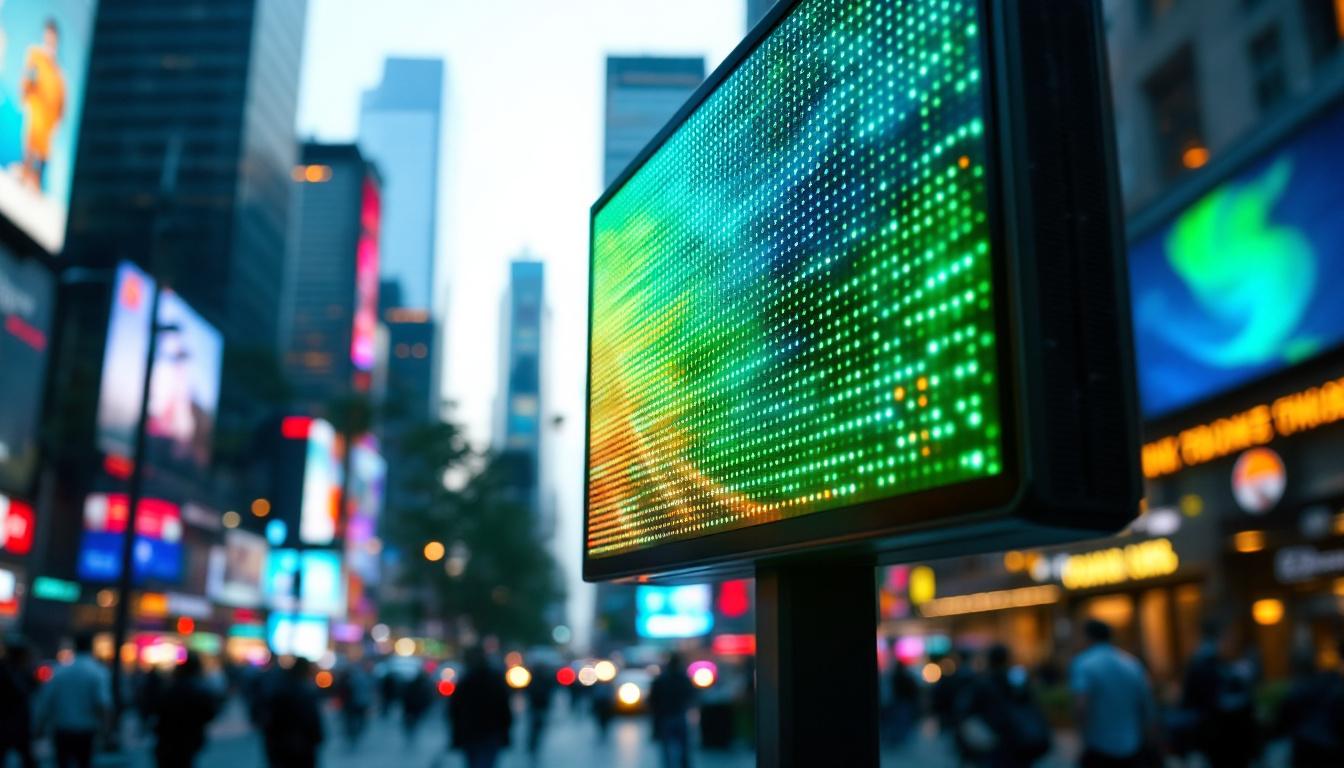
LED, or Light Emitting Diode, technology has revolutionized the way images and videos are presented across various industries. At its core, an LED display consists of numerous tiny diodes that emit light when an electric current passes through them. These diodes are arranged in a matrix to form pixels, which collectively create images or animations visible to the audience.
Unlike traditional screens that rely on backlighting, LED displays are self-illuminating, meaning each pixel emits its own light. This characteristic allows for higher brightness, better contrast, and more vivid colors, making LED panels particularly well-suited for art installations where visual impact is crucial.
Types of LED Panels Used in Art Displays
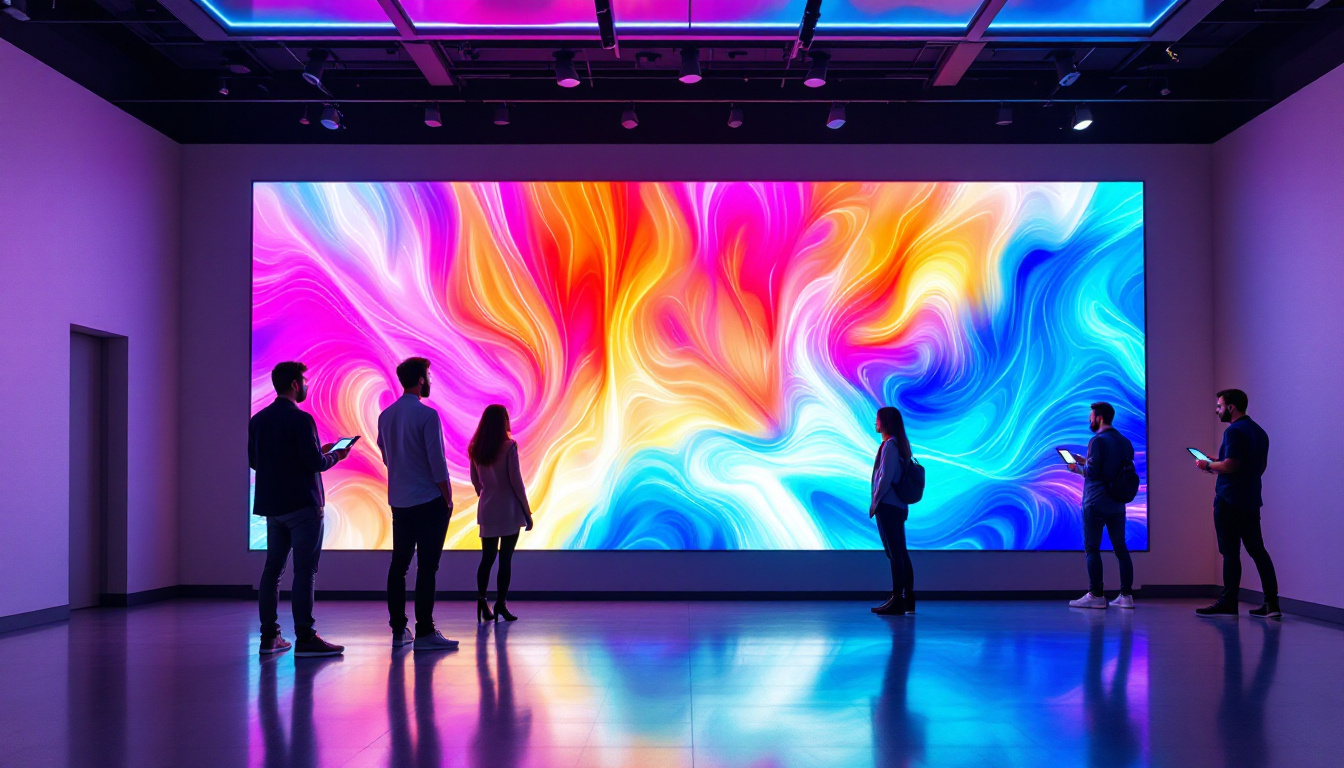
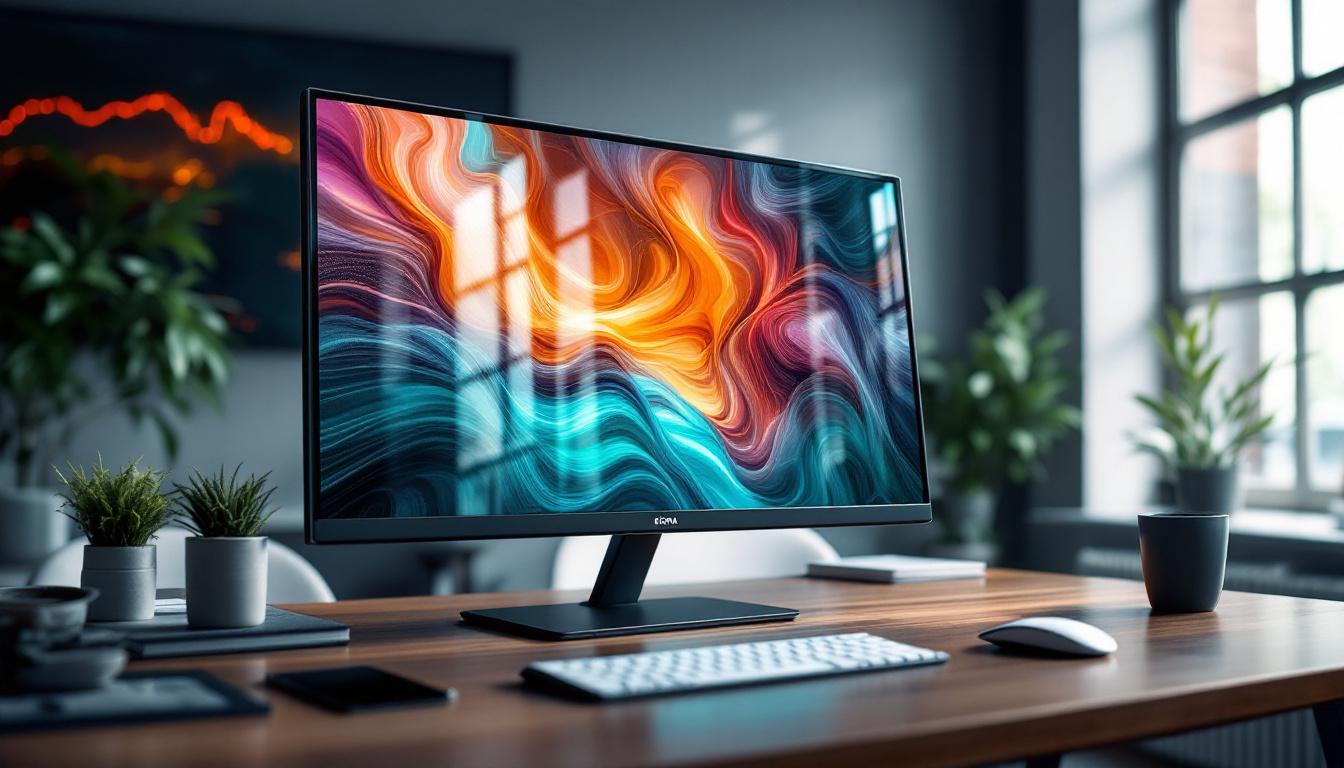
There are primarily two types of LED panels commonly used in art displays: indoor and outdoor panels. Indoor LED panels are designed for controlled lighting environments such as galleries or museums. They typically have a higher pixel density, which translates to sharper images and finer detail—essential for art that demands close inspection.
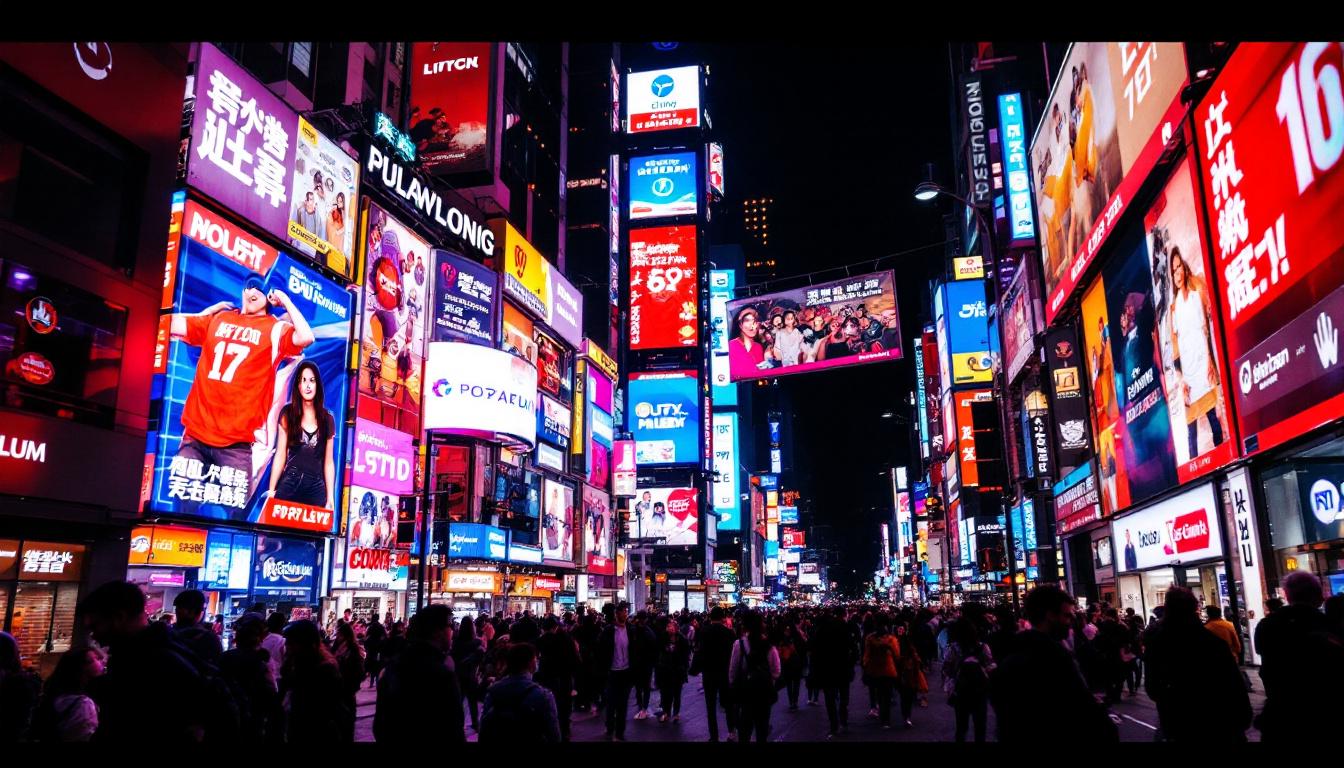
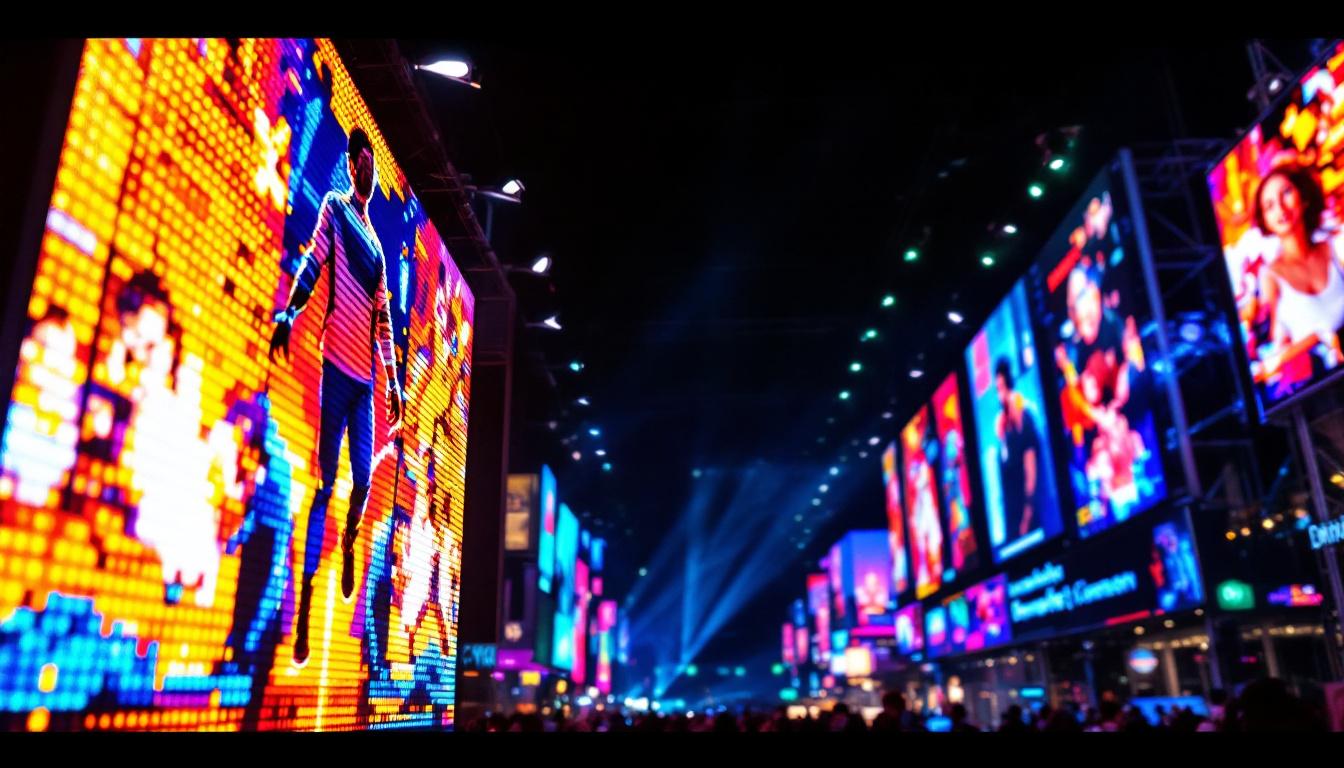
Outdoor LED panels, on the other hand, are built to withstand environmental factors like moisture, dust, and sunlight. They are brighter and more durable but generally have a lower pixel density compared to indoor panels. Artists and curators choosing outdoor LED art panels must balance visibility with resolution based on the installation’s location and viewing distance.
In addition to the basic types, there are also specialized LED panels designed for unique artistic expressions. For instance, flexible LED displays can be bent or shaped into various forms, allowing artists to create immersive installations that challenge traditional perceptions of art. These panels can be integrated into sculptures or architectural elements, providing a dynamic visual experience that evolves with the viewer’s perspective. Moreover, advancements in technology have led to the development of transparent LED displays, which can be used to overlay digital images onto physical objects, blurring the lines between digital and tangible art.
Furthermore, the integration of LED displays in art is not just about aesthetics; it also opens up new avenues for interactivity. Many modern installations incorporate sensors and software that respond to viewer movements or touch, creating a participatory experience that engages the audience on a deeper level. This interactivity can transform a static piece into a living artwork that evolves based on audience interaction, making each viewing unique and personal. As artists continue to explore the possibilities of LED technology, the potential for innovative and transformative art experiences is virtually limitless.
Advantages of LED Art Panels for Display
LED art panels offer several compelling advantages over traditional display methods, making them increasingly popular in contemporary art exhibitions.
Vibrant Color and High Brightness
One of the most notable benefits of LED panels is their ability to produce vibrant colors and high brightness levels. This capability allows artworks to stand out even in brightly lit environments or outdoor settings. The wide color gamut and precise color control enable artists to present their work exactly as intended, preserving subtle hues and gradients.
Dynamic and Interactive Capabilities
Unlike static paintings or prints, LED panels can display dynamic content, including animations, video loops, and interactive elements. This interactivity opens new avenues for artistic expression, allowing creators to engage audiences in immersive experiences. For example, some installations use motion sensors or touch interfaces to alter the displayed art in real-time based on viewer interaction.
Customization and Scalability
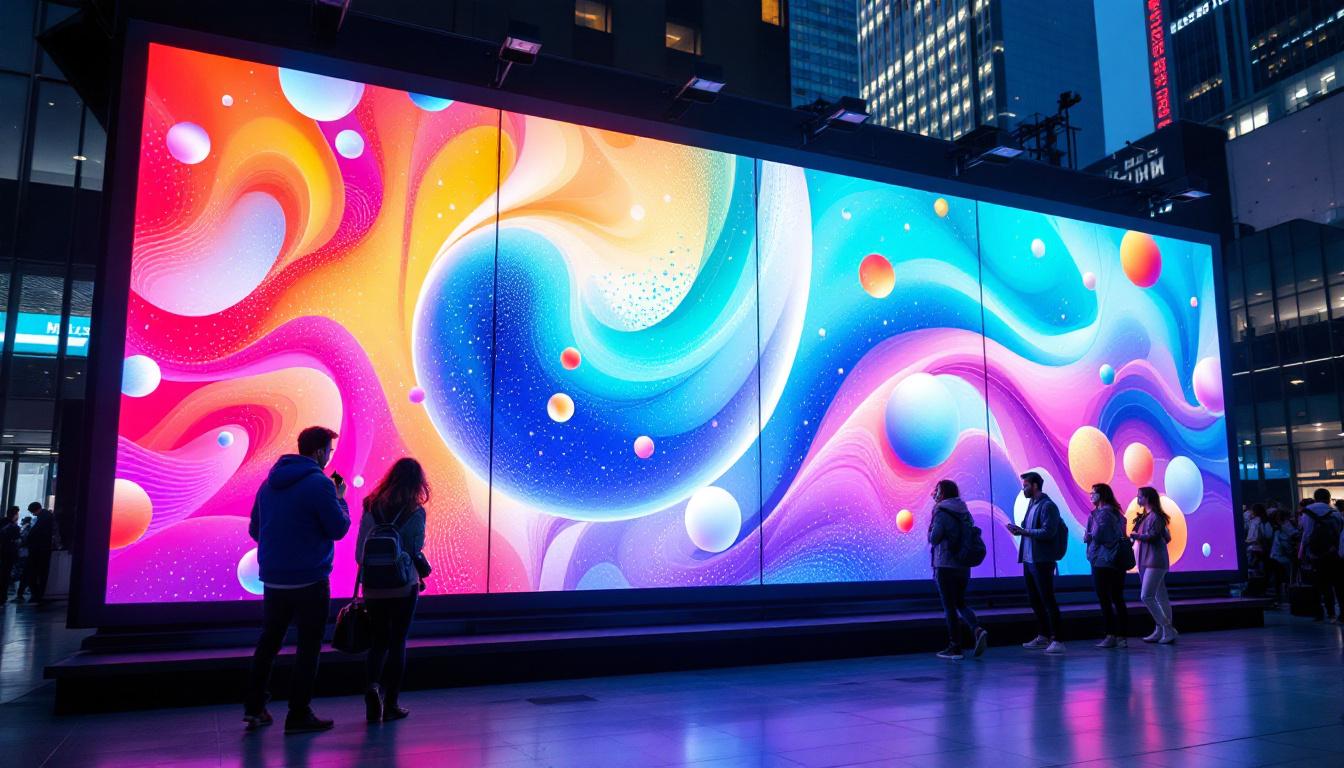
LED panels are highly customizable in terms of size, shape, and resolution. Modular designs enable artists and exhibition designers to create large-scale murals or unconventional shapes that fit specific spatial requirements. This scalability is particularly advantageous for public art projects or commercial displays where flexibility is essential.
Energy Efficiency and Longevity
Modern LED technology is energy-efficient compared to other light sources, reducing operational costs for long-term exhibitions. Additionally, LED panels have a long lifespan, often exceeding 50,000 hours of use, which means less maintenance and replacement over time. This durability makes them a sustainable choice for institutions aiming to minimize environmental impact.
Technical Components of LED Art Panels
To fully appreciate LED art panels, it is helpful to understand their key technical components and how they influence display quality and performance.
Pixel Pitch and Resolution
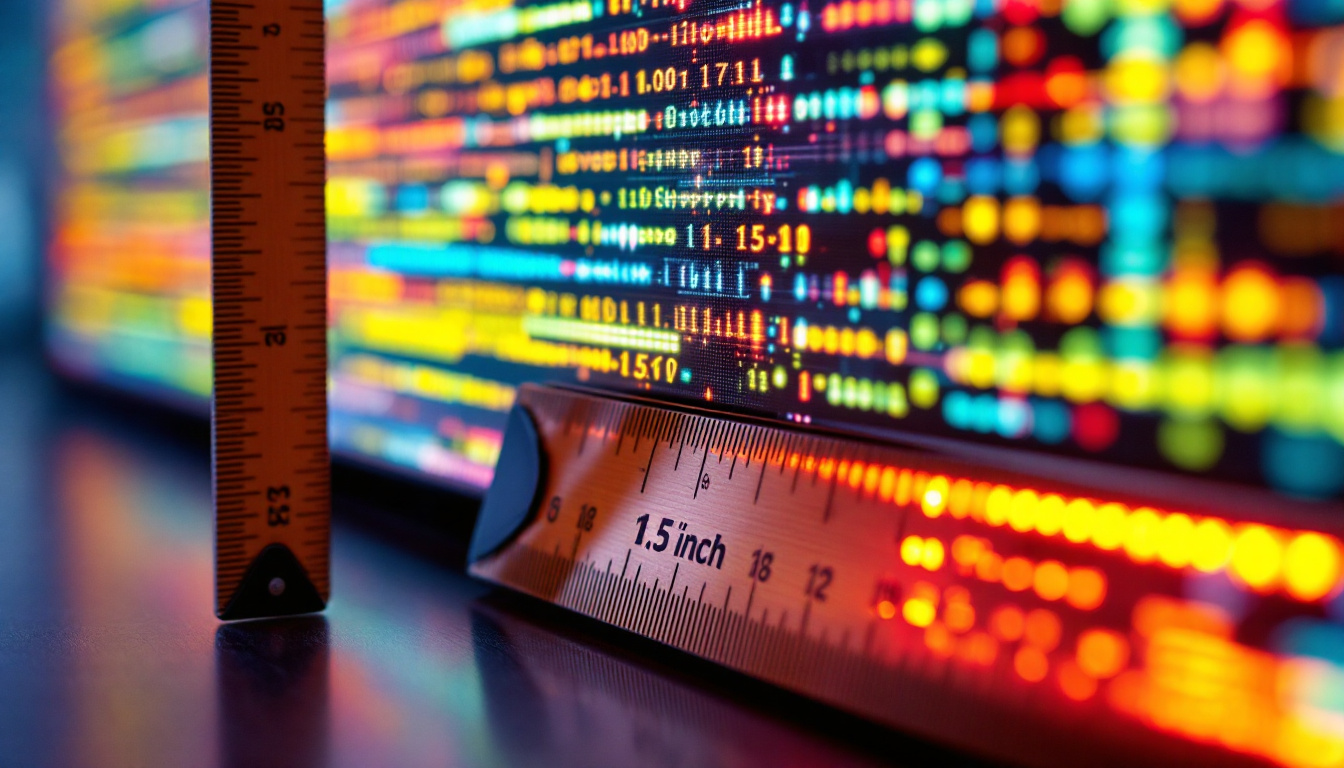
Pixel pitch refers to the distance between the centers of two adjacent pixels, usually measured in millimeters. A smaller pixel pitch means higher pixel density, resulting in sharper images and finer detail. For indoor art displays where viewers may be close to the panel, pixel pitches as small as 1.2mm to 2.5mm are common. For outdoor installations viewed from a distance, pixel pitches range from 4mm to 10mm or more.
Refresh Rate and Frame Rate
The refresh rate indicates how many times per second the screen updates its image, measured in Hertz (Hz). Higher refresh rates reduce flicker and improve the smoothness of animations and video content. For art displays, a refresh rate of at least 60Hz is recommended to ensure comfortable viewing without eye strain.
Brightness and Contrast Ratio
Brightness, measured in nits (cd/m²), determines how well the display performs under various lighting conditions. Indoor LED panels typically have brightness levels between 800 and 1,500 nits, while outdoor panels can reach 5,000 nits or higher to combat sunlight glare. Contrast ratio, the difference between the darkest black and brightest white, is crucial for depth and realism in the displayed art.
Control Systems and Software
The control system manages the content displayed on LED panels. Advanced software solutions allow artists and curators to upload, schedule, and manipulate content remotely. Some platforms support real-time content updates and interactive programming, enabling dynamic exhibitions that evolve over time or respond to audience engagement.
Practical Considerations for Artists and Curators
Integrating LED art panels into exhibitions involves more than just selecting the right technology. Several practical factors must be considered to ensure the success of the display.
Budget and Cost Factors
LED art panels can vary significantly in price depending on resolution, size, and additional features. While the initial investment may be higher than traditional framing or printing, the long-term benefits such as durability, energy savings, and dynamic capabilities often justify the cost. Budget planning should also account for installation, maintenance, and content creation expenses.
Installation and Space Requirements
Proper installation is critical for safety and optimal visual impact. LED panels require stable mounting structures and adequate ventilation to prevent overheating. The physical space must accommodate the panel’s size and viewing distance, ensuring that the audience can appreciate the artwork comfortably without distortion or pixelation.
Content Creation and Adaptation
Artists working with LED panels may need to adapt their work to suit digital formats and the specific characteristics of LED displays. This adaptation might involve rethinking color schemes, animation sequences, or interactivity. Collaborating with digital designers or technicians can help translate traditional art concepts into compelling LED presentations.
Environmental and Accessibility Considerations
For outdoor installations, environmental factors such as weather resistance and glare reduction are essential. Additionally, curators should consider accessibility features, including adjustable brightness for viewers with light sensitivity and audio descriptions or tactile elements for inclusive experiences.
Case Studies: LED Art Panels in Contemporary Exhibitions
Examining real-world examples highlights the versatility and impact of LED art panels in modern exhibitions.
The Digital Murals of TeamLab
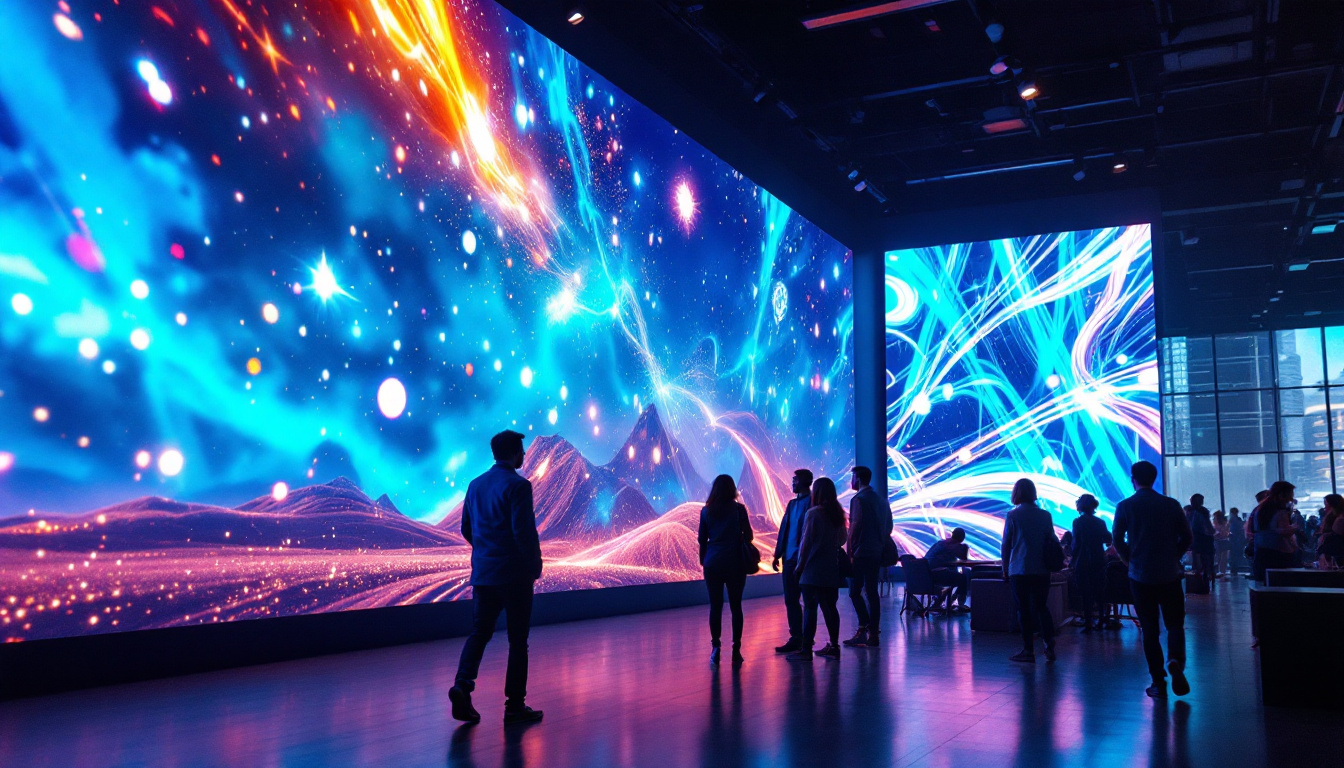
TeamLab, a renowned digital art collective, utilizes large-scale LED panels to create immersive environments that blend art, technology, and nature. Their exhibitions feature interactive LED walls that respond to visitor movements, transforming static art into living experiences. These installations demonstrate how LED panels can redefine spatial storytelling and audience engagement.
Public Art in Urban Spaces
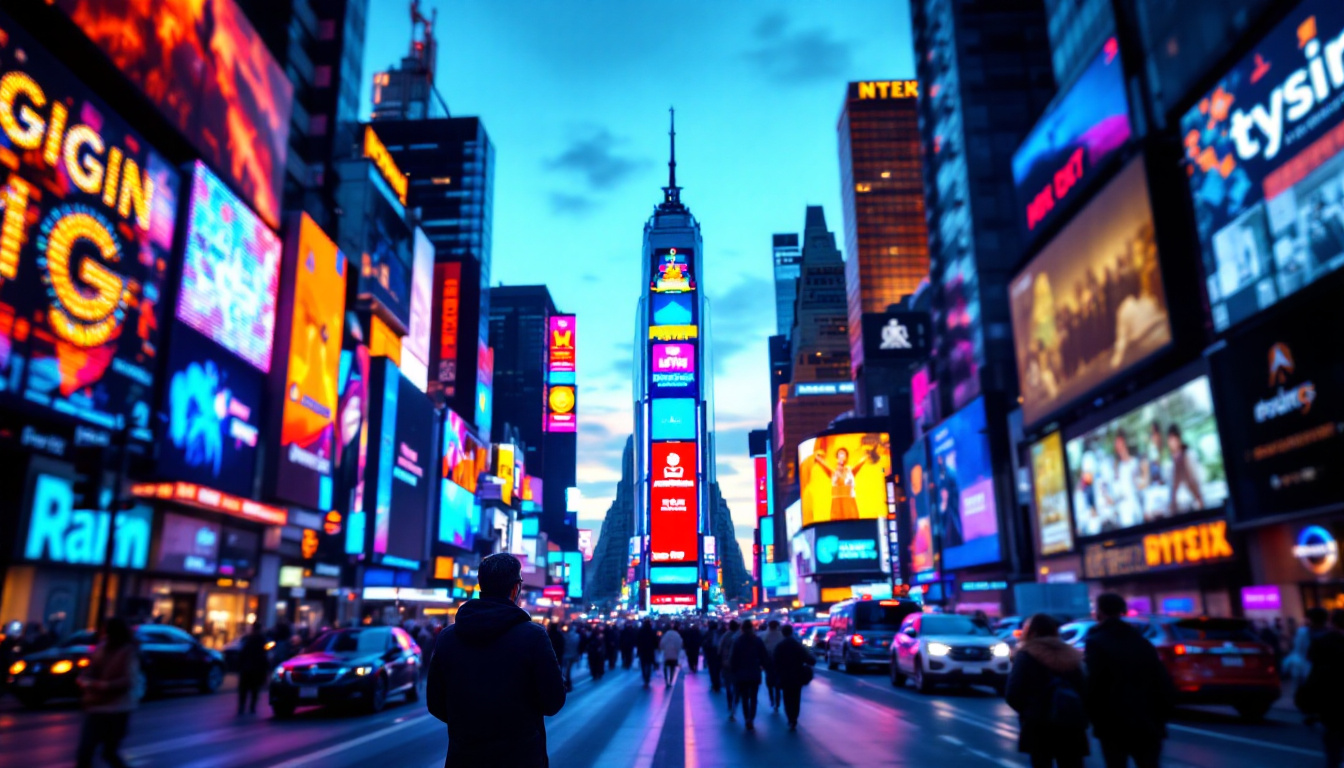
Cities worldwide are adopting LED panels for public art displays that enliven urban environments. For instance, LED murals in subway stations or building facades provide dynamic canvases for local artists, enhancing community identity and cultural expression. These projects often incorporate real-time data or social media feeds, making art a living part of the city’s pulse.
Commercial Galleries and LED Integration
Contemporary galleries increasingly incorporate LED art panels to complement traditional exhibitions or host digital art shows. This integration allows for hybrid exhibitions where physical and digital media coexist, expanding the possibilities for artistic innovation and audience reach.
Future Trends in LED Art Display
The future of LED art panels is poised for exciting developments driven by advancements in technology and creative experimentation.
Higher Resolutions and Flexible Panels
Emerging LED technologies promise even higher resolutions with ultra-fine pixel pitches, enabling displays indistinguishable from printed art at close range. Flexible and transparent LED panels are also gaining traction, allowing for new forms of installation on curved surfaces or windows, further expanding artistic possibilities.
Integration with Augmented Reality (AR) and Artificial Intelligence (AI)
Combining LED displays with AR and AI technologies will enable more personalized and adaptive art experiences. AI can analyze audience reactions and modify displayed content in real-time, while AR overlays can enrich LED panels with additional layers of information or interaction.
Sustainability and Eco-Friendly Innovations
As environmental concerns grow, manufacturers are developing LED panels with recyclable materials and lower energy consumption. Sustainable production and operation will become key factors in choosing LED art panels, aligning with the broader movement toward eco-conscious art practices.
Conclusion
LED art panels represent a powerful convergence of art and technology, offering vibrant, dynamic, and versatile display options that redefine how art is experienced. Their ability to produce vivid colors, support interactivity, and adapt to various environments makes them invaluable tools for contemporary artists and curators. As technology advances, LED displays will continue to open new horizons for creative expression, transforming galleries, public spaces, and commercial venues into immersive visual landscapes.
For artists and institutions considering LED panels, understanding the technology’s capabilities and practical requirements is essential to harnessing its full potential. With careful planning and creative vision, LED art panels can elevate exhibitions and captivate audiences in unprecedented ways.
Discover the Future of Art Displays with LumenMatrix
Ready to transform your art exhibitions with the vibrant, dynamic capabilities of LED technology? LumenMatrix is at the forefront of LED display innovation, offering a wide array of solutions from Indoor and Outdoor LED Wall Displays to specialized formats like Vehicle, Sports, and Floor LED Displays. Embrace the future of visual art with our Custom, All-in-One, and Transparent LED Displays, designed to captivate and engage audiences like never before. Check out LumenMatrix LED Display Solutions today and bring your creative vision to life with unparalleled clarity and impact.