Flexible LCD Display: LED Display Explained
In today’s rapidly evolving digital landscape, display technology has become a cornerstone of innovation, influencing everything from consumer electronics to large-scale advertising. Among the various display technologies, flexible LCD and LED displays stand out for their versatility and growing applications. This article explores the fundamentals of flexible LCD and LED displays, their differences, advantages, and the future potential they hold in transforming how we interact with digital content.
Understanding Flexible LCD Displays
What is a Flexible LCD Display?
Flexible LCD (Liquid Crystal Display) technology refers to displays that can bend, curve, or twist without compromising image quality or functionality. Unlike traditional rigid LCDs, flexible LCDs use substrates made from plastic or other bendable materials instead of glass. This flexibility allows for innovative form factors, such as curved screens, foldable devices, and wearable technology.
The core principle behind LCD technology involves manipulating liquid crystals to modulate light and produce images. In flexible LCDs, the liquid crystal layer remains the same, but the supporting layers and backlight are engineered to maintain performance while allowing physical flexibility.
Key Components of Flexible LCDs
Flexible LCDs typically consist of several layers: a flexible substrate, liquid crystal layer, color filters, electrodes, and a backlight system. The most critical innovation lies in replacing traditional glass substrates with plastic films like polyimide, which can endure bending stresses without cracking.
Additionally, the backlighting system, often using LEDs, must be adapted to maintain uniform illumination across a curved or flexible surface. Advances in thin-film encapsulation and flexible electronics have made it possible to produce displays that are both flexible and durable.
Applications of Flexible LCD Displays
Flexible LCDs have found applications in various sectors. In consumer electronics, they enable foldable smartphones and tablets, offering larger screen sizes in compact forms. Wearables such as smartwatches benefit from curved displays that conform to the wrist’s shape, improving comfort and aesthetics.
Beyond personal devices, flexible LCDs are used in automotive dashboards, where curved displays enhance visibility and design integration. Medical devices also leverage flexible displays for portable and ergonomic monitoring equipment.
Demystifying LED Displays
What is an LED Display?
LED (Light Emitting Diode) displays utilize an array of light-emitting diodes as pixels to create images. Unlike LCDs, which rely on backlighting, LED displays generate their own light, resulting in higher brightness, better contrast, and often superior color accuracy.
LED displays come in various forms, including traditional LED panels, OLED (Organic LED), and microLED. Each type offers unique benefits and challenges, but the common factor is the use of LEDs as the fundamental light source.
Types of LED Displays
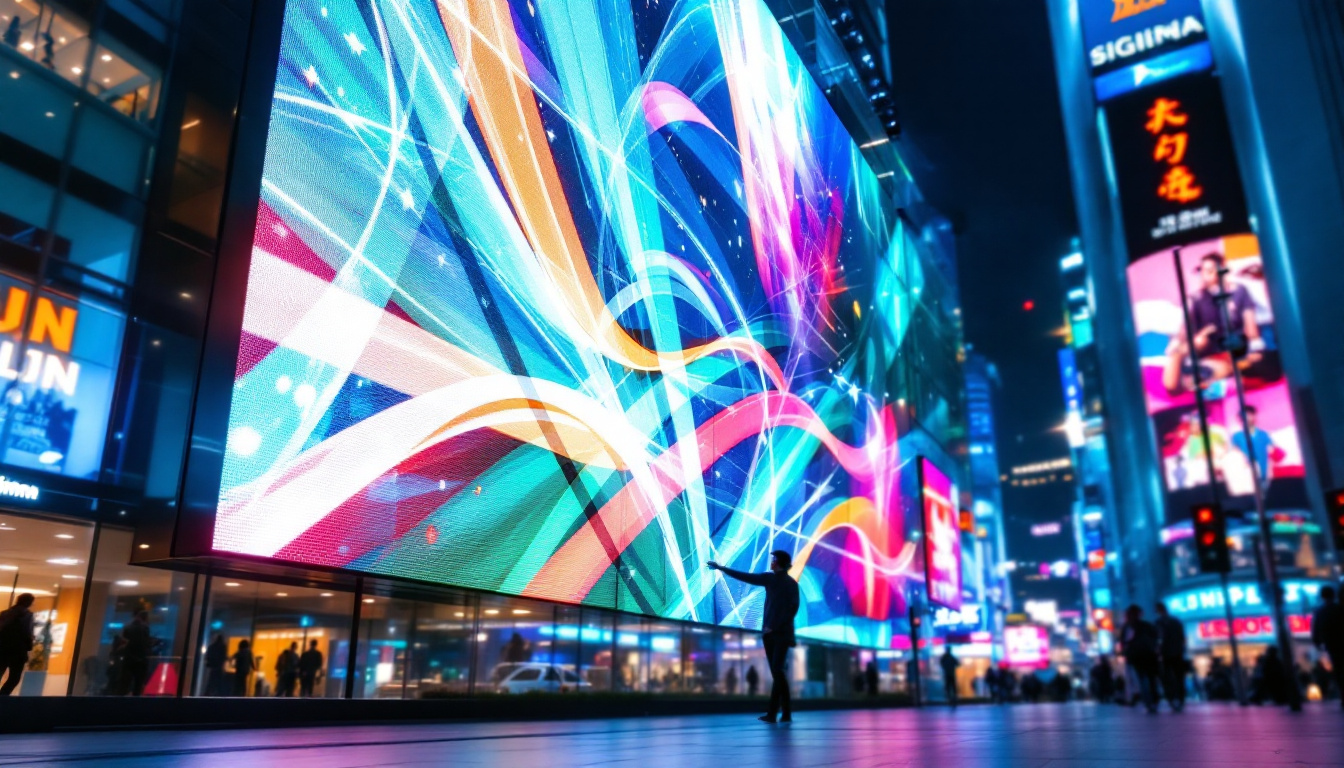
1. Traditional LED Displays: These are often used in large-scale applications such as billboards and stadium screens. They consist of individual LEDs arranged in a grid, capable of producing bright and vivid images visible from great distances.
2. OLED Displays: OLED technology uses organic compounds that emit light when an electric current passes through. This allows for extremely thin, flexible, and energy-efficient displays with excellent color reproduction and contrast ratios.
3. MicroLED Displays: MicroLED is an emerging technology that uses microscopic LEDs to form pixels. It combines the brightness and durability of traditional LEDs with the thinness and flexibility of OLEDs, promising a new era of high-performance displays.
Advantages of LED Displays
LED displays offer several advantages over traditional LCDs. Their self-emissive nature means they do not require backlighting, enabling deeper blacks and higher contrast ratios. They also tend to have faster response times, making them ideal for dynamic content like video and gaming.
Moreover, LED displays are generally more energy-efficient and have longer lifespans, particularly OLED and microLED variants. Their ability to be manufactured on flexible substrates is driving innovation in foldable and rollable screens.
Comparing Flexible LCD and LED Displays
Display Quality and Performance
When comparing flexible LCDs and LED displays, one of the primary considerations is image quality. Flexible LCDs rely on backlighting, which can limit contrast and black levels compared to LED displays, especially OLEDs that can turn off individual pixels completely.
LED displays typically provide superior brightness and color vibrancy. However, flexible LCDs have improved significantly, with advancements such as quantum dot enhancement films boosting color accuracy and brightness.
Flexibility and Durability
Both flexible LCD and LED technologies have made strides in flexibility. Flexible LCDs use plastic substrates to allow bending, while OLED and microLED displays can be fabricated on flexible materials, enabling rollable and foldable designs.
In terms of durability, LEDs generally have an edge due to their robust nature and resistance to burn-in, a common issue with OLEDs. Flexible LCDs are also durable but may be more susceptible to damage from repeated bending if not engineered carefully.
Power Consumption and Efficiency
LED displays, particularly OLED and microLED, tend to be more energy-efficient than flexible LCDs because they do not require a backlight. This efficiency translates to longer battery life in portable devices and reduced power consumption in large displays.
Flexible LCDs consume more power due to their backlighting systems, although recent developments in LED backlights and power management have narrowed the gap.
Current Market Trends and Innovations
Growth in Flexible Display Market
The flexible display market is experiencing rapid growth, driven by consumer demand for innovative form factors. According to a 2023 report by MarketsandMarkets, the global flexible display market is projected to reach $40 billion by 2028, growing at a compound annual growth rate (CAGR) of over 20%.
Smartphones and wearable devices are the primary drivers, with companies investing heavily in R&D to improve durability, reduce costs, and enhance display performance.
Breakthroughs in Materials and Manufacturing
Recent breakthroughs in materials science, such as the development of ultra-thin glass and flexible polymers, have enabled more reliable and higher-quality flexible displays. Innovations in printing technologies and thin-film transistors have also contributed to improved manufacturing efficiency.
MicroLED technology, in particular, is poised to revolutionize the display industry with its potential for high brightness, flexibility, and energy efficiency. Although still in the early stages of commercialization, microLED displays are expected to become mainstream within the next five years.
Emerging Applications
Beyond consumer electronics, flexible LCD and LED displays are finding applications in new domains. In automotive, flexible displays are integrated into curved dashboards and heads-up displays (HUDs), enhancing user experience and safety.
Healthcare is another promising field, where flexible displays enable wearable health monitors and diagnostic devices that conform to the body’s contours. Additionally, flexible displays are being used in smart textiles, digital signage, and even foldable laptops.
Challenges and Considerations
Cost and Manufacturing Complexity
One of the significant challenges facing flexible LCD and LED displays is the high cost of production. Flexible substrates and advanced manufacturing processes require substantial investment, which can translate to higher prices for end consumers.
Moreover, yield rates during manufacturing can be lower for flexible displays due to the complexity of handling bendable materials, which increases costs further.
Longevity and Reliability
While flexible displays have improved in durability, concerns remain regarding their long-term reliability, especially under repeated bending and environmental exposure. OLED displays, for instance, can suffer from burn-in and degradation over time.
Manufacturers continue to work on enhancing the lifespan of flexible displays through material improvements and protective coatings, but these remain important considerations for buyers.
Technical Limitations
Flexible LCDs still face limitations in terms of viewing angles and contrast compared to LED displays. The need for backlighting can also impose thickness constraints, limiting how thin and flexible the display can be.
For LED displays, particularly microLED, challenges include mass production scalability and cost reduction, which are critical for widespread adoption.
The Future of Flexible Display Technology
Integration with Emerging Technologies
The future of flexible displays lies in their integration with other emerging technologies such as 5G, artificial intelligence (AI), and the Internet of Things (IoT). Flexible displays are expected to become more interactive, responsive, and context-aware, adapting dynamically to user needs and environments.
For example, foldable smartphones with flexible OLED screens are already incorporating AI to optimize display settings and battery usage based on usage patterns.
Environmental Impact and Sustainability
As the demand for flexible displays grows, so does the importance of sustainable manufacturing practices. Researchers are exploring eco-friendly materials and recycling methods to reduce the environmental footprint of flexible display production.
Flexible displays also contribute to sustainability by enabling lighter, more energy-efficient devices that require fewer raw materials and generate less electronic waste.
Predictions and Industry Outlook
Industry analysts predict that flexible displays will become ubiquitous within the next decade, transforming not only consumer electronics but also sectors like healthcare, automotive, and smart infrastructure. The convergence of flexible LCD and LED technologies with advancements in materials science and electronics will unlock new possibilities for design and functionality.
Ultimately, flexible displays are poised to redefine the way people interact with digital content, making technology more adaptable, immersive, and integrated into everyday life.
Conclusion
Flexible LCD and LED display technologies represent a significant leap forward in the evolution of digital screens. Each technology offers unique benefits and challenges, with flexible LCDs excelling in certain applications and LED displays, particularly OLED and microLED, pushing the boundaries of image quality and design flexibility.
As innovation continues, these flexible displays will become increasingly prevalent, enabling new device form factors and applications that enhance user experience across industries. Understanding the distinctions and capabilities of flexible LCD and LED displays is essential for manufacturers, designers, and consumers alike to make informed decisions in this dynamic field.
With ongoing advancements and growing market demand, the future of flexible display technology looks bright, promising a world where screens are not just flat panels but dynamic, adaptable surfaces that seamlessly integrate into our lives.
Discover the Future of Visual Experience with LumenMatrix
As you envision a world transformed by the dynamic capabilities of flexible LCD and LED displays, LumenMatrix stands at the forefront of this technological revolution. Embrace the opportunity to elevate your brand’s presence and captivate your audience with our comprehensive range of LED display solutions. From Indoor and Outdoor LED Walls to innovative Vehicle and Sports Displays, our offerings are designed to create immersive visual experiences. Explore the possibilities with LumenMatrix and let us help you communicate your message with unparalleled impact. Check out LumenMatrix LED Display Solutions today and step into the future of digital engagement.