In the evolving world of visual communication and interior design, LED display technology has emerged as a transformative force. Decoration boards featuring LED displays are no longer just functional tools for advertising or information dissemination; they have become integral elements of modern aesthetics, enhancing environments with dynamic, customizable visuals. This article delves into the intricacies of LED display decoration boards, exploring their technology, applications, benefits, and future trends.
Understanding LED Display Technology
What Are LED Decoration Boards?
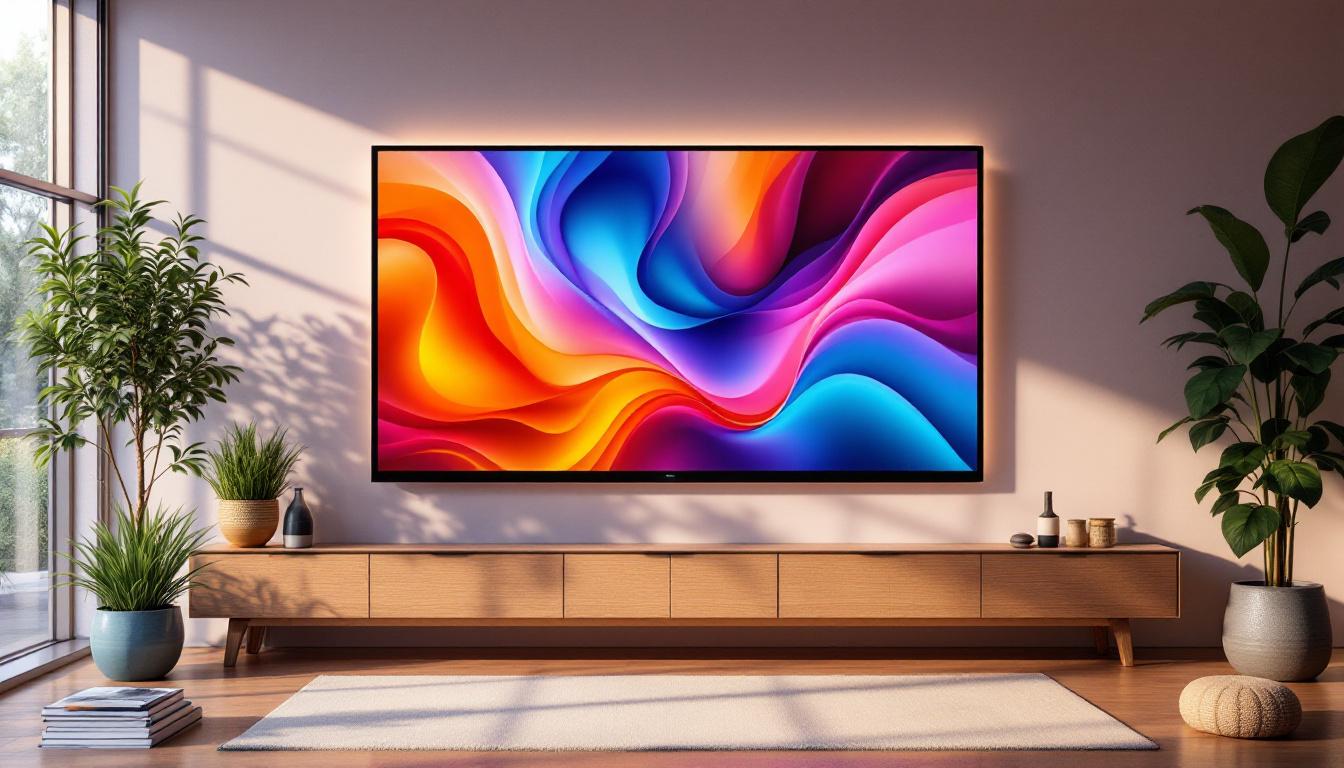
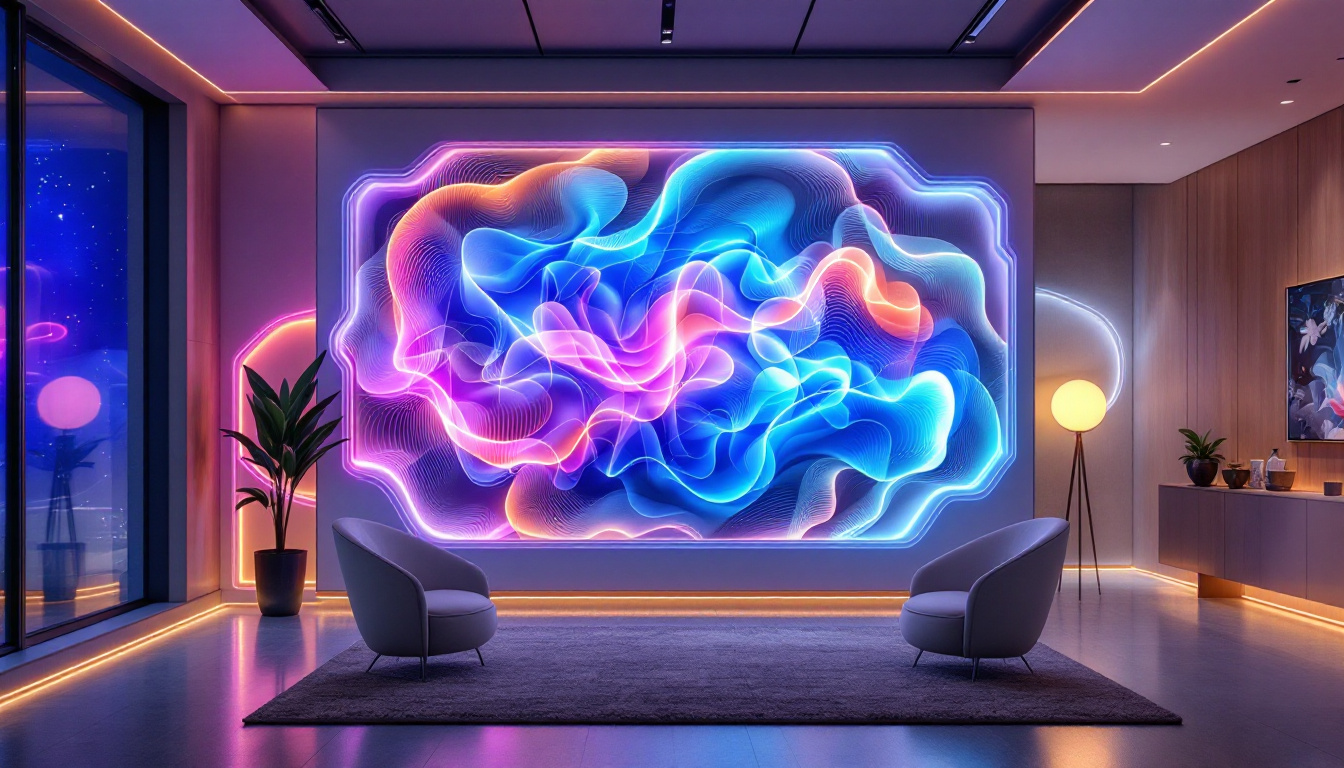
LED decoration boards are display panels embedded with light-emitting diodes (LEDs) that create vibrant, illuminated visuals. Unlike traditional static boards, these displays can show a wide range of content, including images, text, animations, and videos, all controlled digitally. Their adaptability makes them ideal for decorative purposes in both commercial and residential settings.
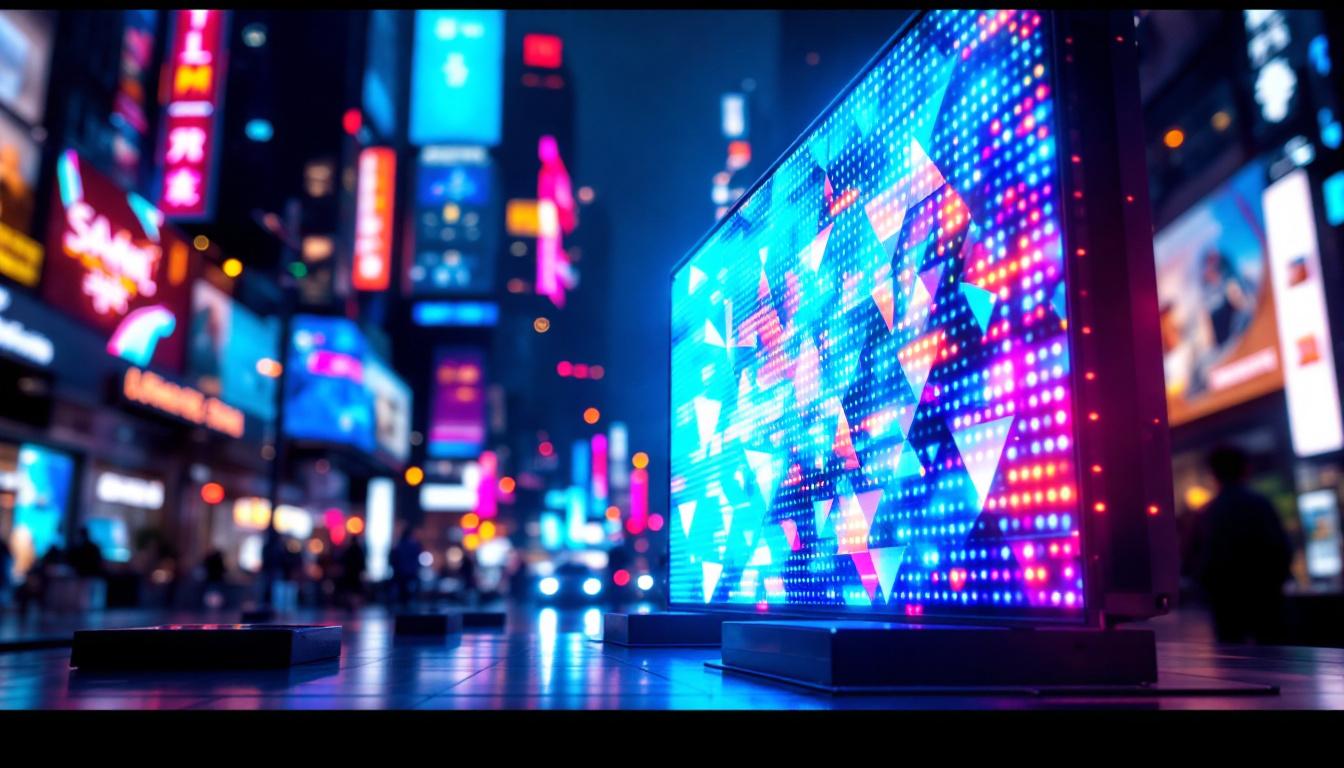
The core of these boards lies in the LED modules, which consist of numerous tiny diodes arranged in a matrix. Each diode emits light when an electric current passes through it, and by controlling the intensity and color of each diode, the board can produce complex images with high brightness and clarity. This technology not only enhances aesthetic appeal but also allows for dynamic content that can be updated in real-time, making it a favorite among businesses looking to attract attention and engage customers.
Moreover, the energy efficiency of LED technology contributes to its popularity. Compared to traditional lighting solutions, LED boards consume significantly less power, which translates to lower operational costs. This efficiency is particularly beneficial for large installations that require continuous operation, such as in shopping malls or during events. Additionally, the longevity of LED lights—often lasting tens of thousands of hours—means reduced maintenance and replacement costs, further enhancing their appeal for both commercial and residential applications.
Types of LED Displays Used in Decoration Boards
LED displays come in various forms, primarily categorized by their pixel pitch, color capabilities, and configuration. Pixel pitch refers to the distance between the centers of two adjacent LEDs and is a critical factor in determining the resolution and viewing distance of the display.
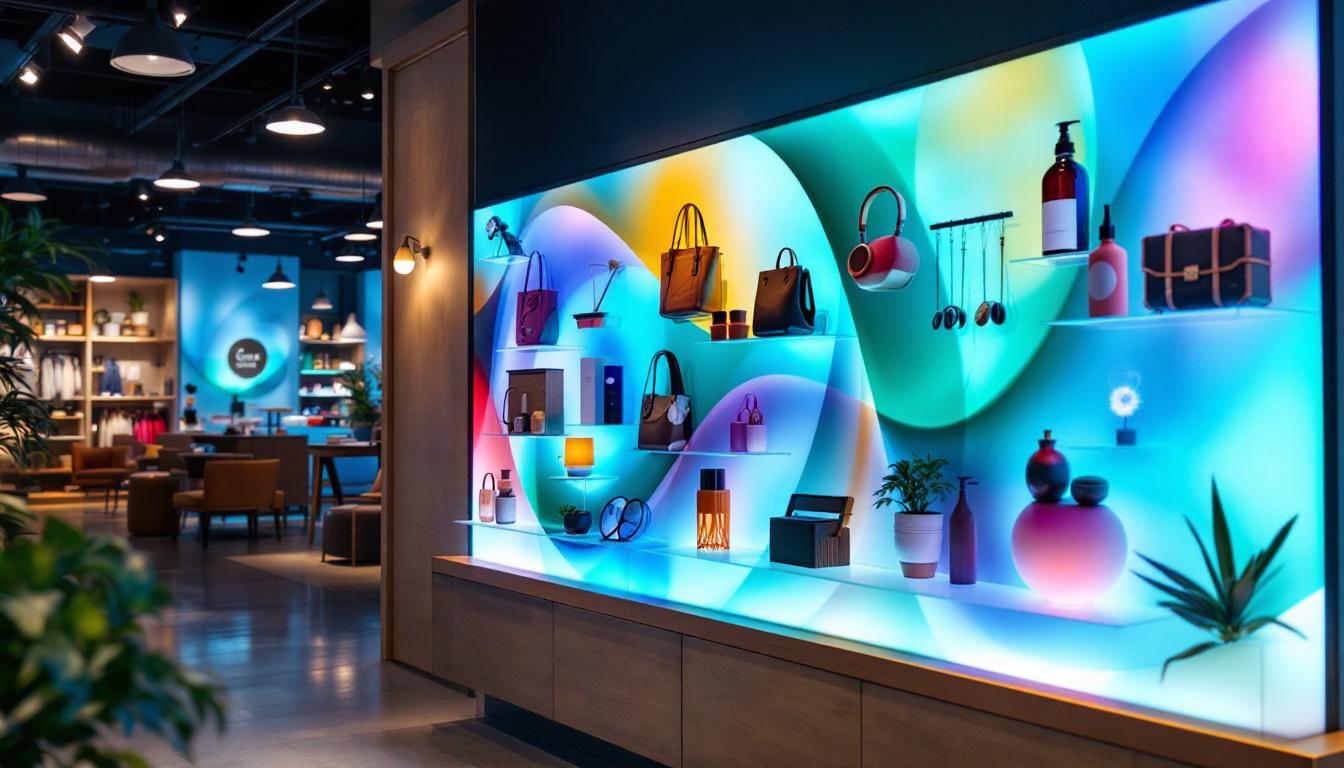
- Indoor LED Displays: These boards have a smaller pixel pitch (typically 1-4 mm), offering high resolution suitable for close-range viewing. They are commonly used in retail stores, art installations, and event spaces where detailed visuals are essential. The ability to display intricate designs and vibrant colors makes them perfect for showcasing products, enhancing the shopping experience, or creating immersive environments.
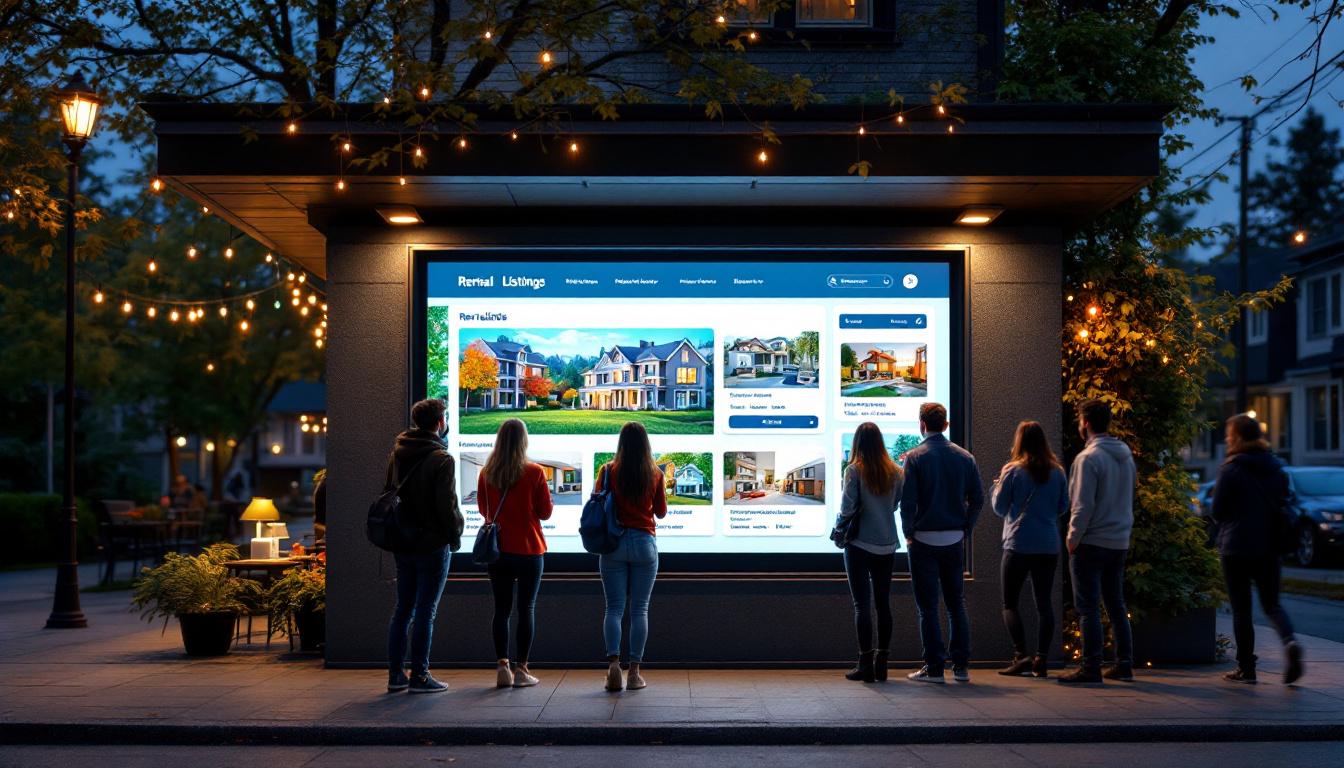
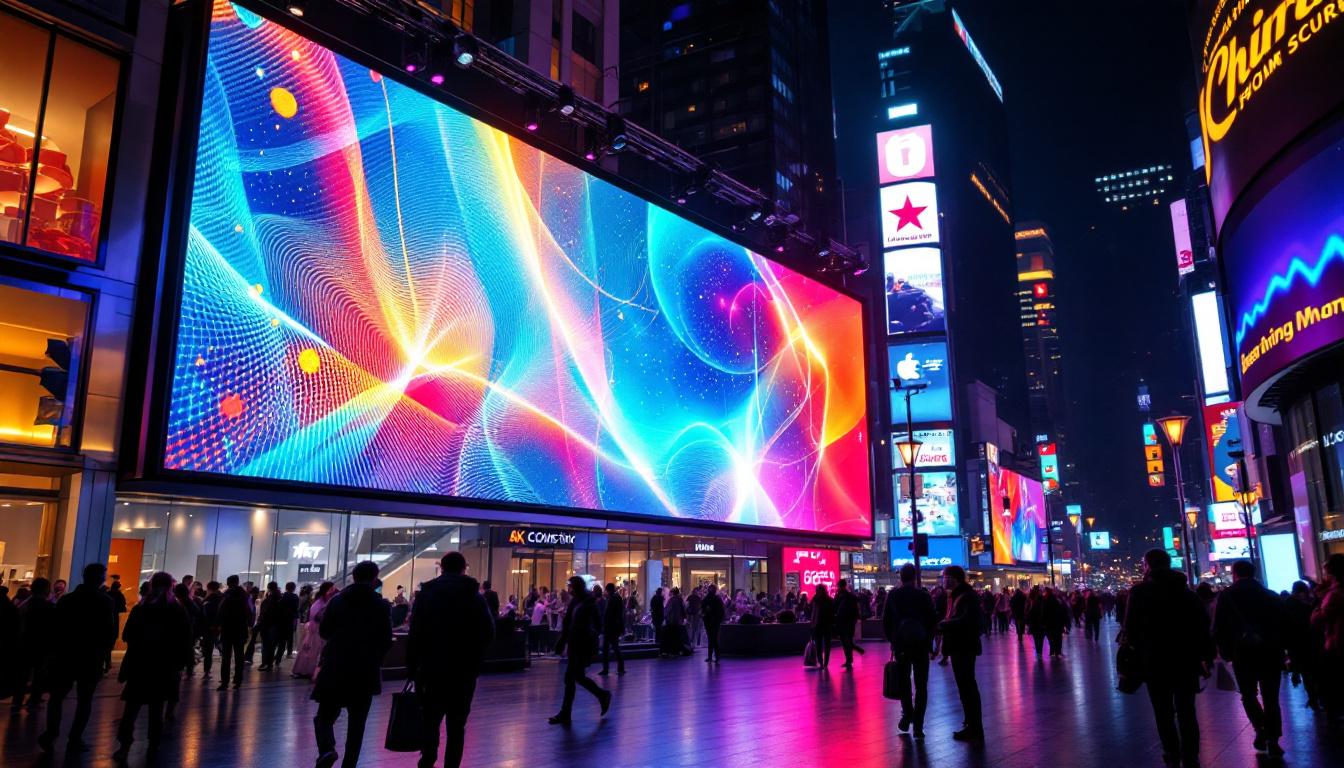
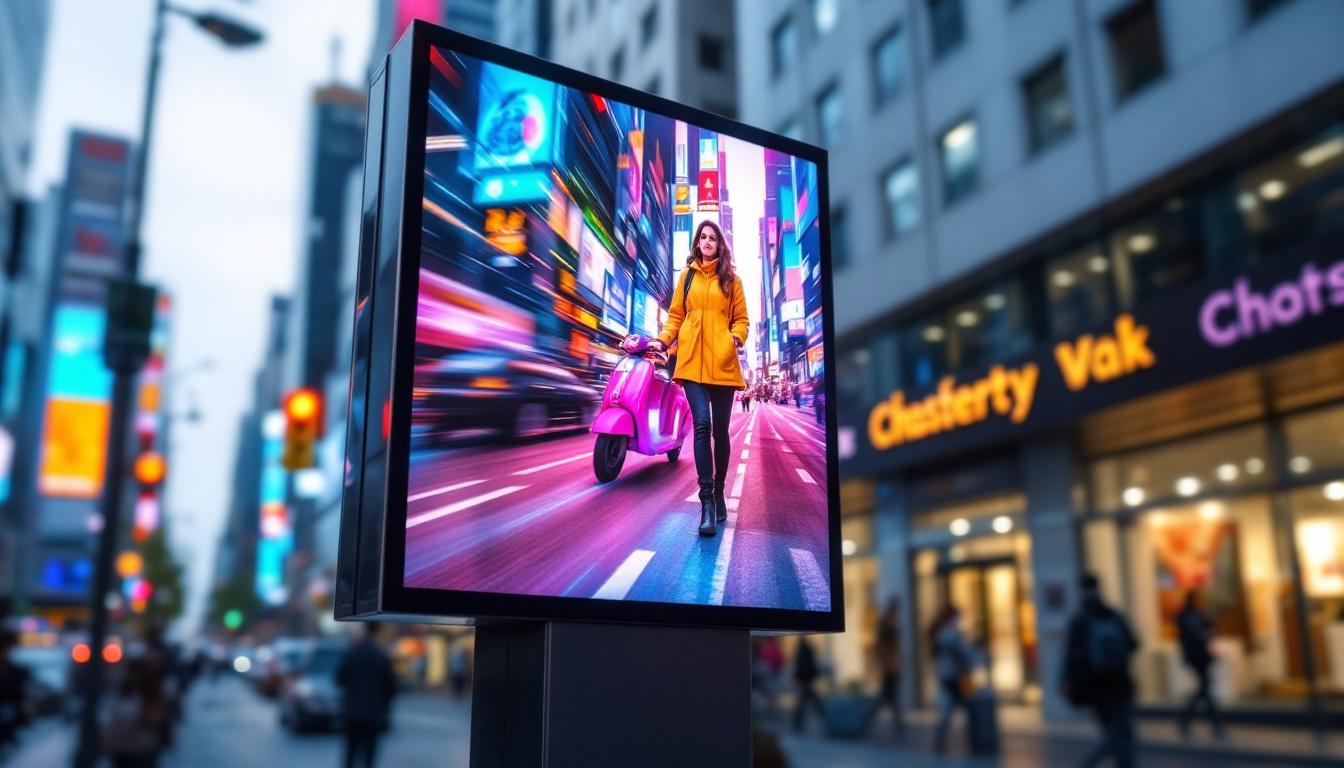
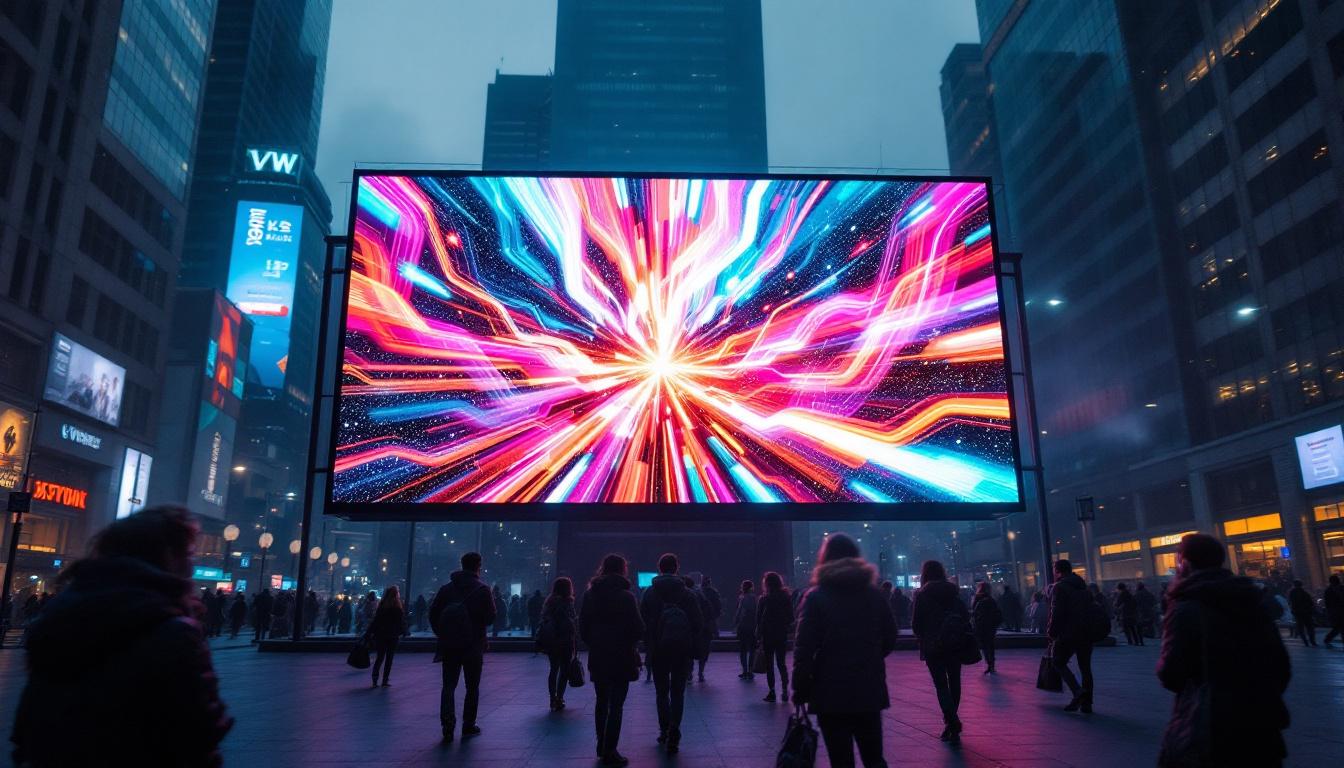
- Outdoor LED Displays: Designed with larger pixel pitches (usually 6 mm and above) to ensure visibility over longer distances, these boards are weatherproof and brighter to combat sunlight glare. They are often used for building facades, billboards, and public squares. Their robust construction allows them to withstand harsh weather conditions, making them a reliable choice for outdoor advertising and public announcements.
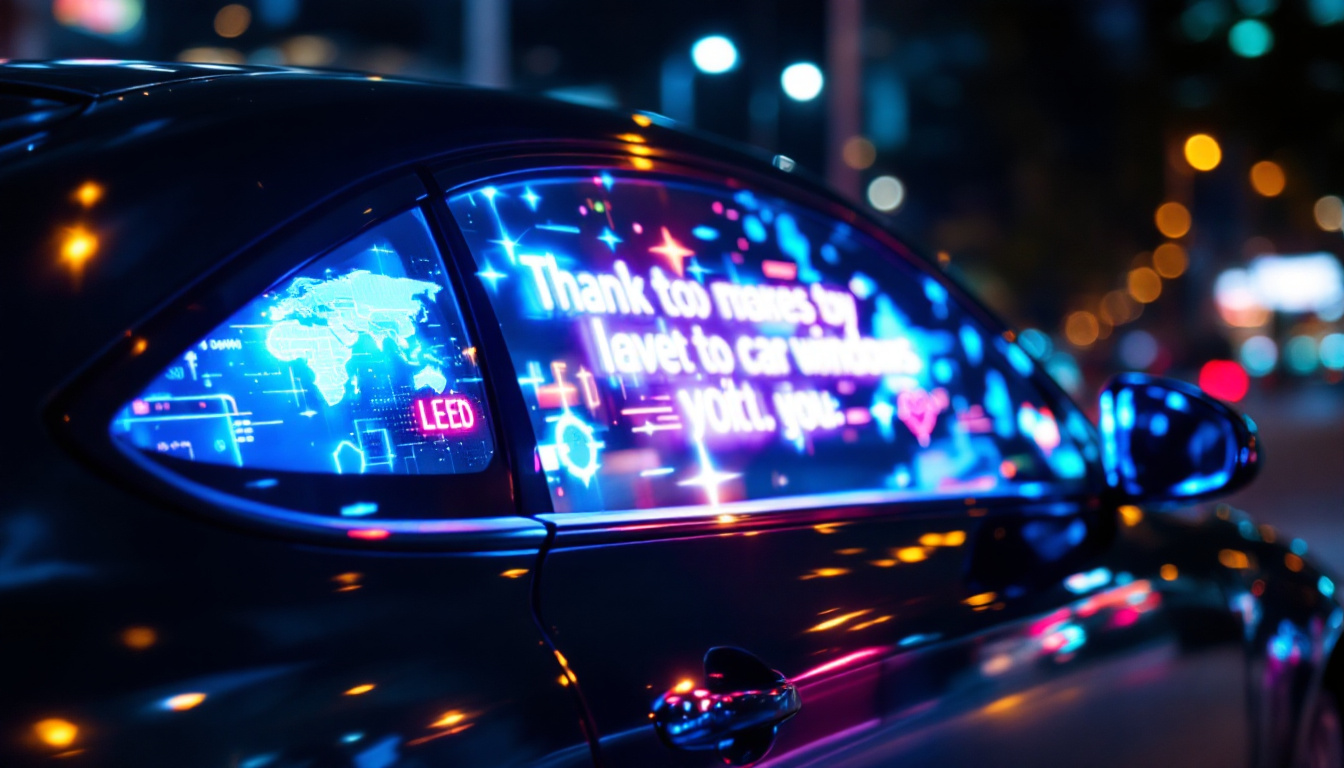
- Flexible and Transparent LED Displays: Innovations have led to flexible LED boards that can curve around surfaces and transparent LED panels that allow light to pass through, enabling creative decorative applications such as glass walls or curved architectural elements. These displays open up a world of possibilities for designers and architects, allowing for unique installations that blend technology with art, creating eye-catching focal points in any space.
Additionally, the integration of smart technology into LED displays has revolutionized how they are used. Many modern LED boards can connect to the internet, allowing for remote content management and real-time updates. This feature is particularly advantageous for businesses that want to change their messaging frequently or respond to current events. Furthermore, with the rise of interactive displays, users can engage with the content directly, creating an immersive experience that captivates audiences and encourages participation.
Applications of LED Decoration Boards
Commercial and Retail Environments
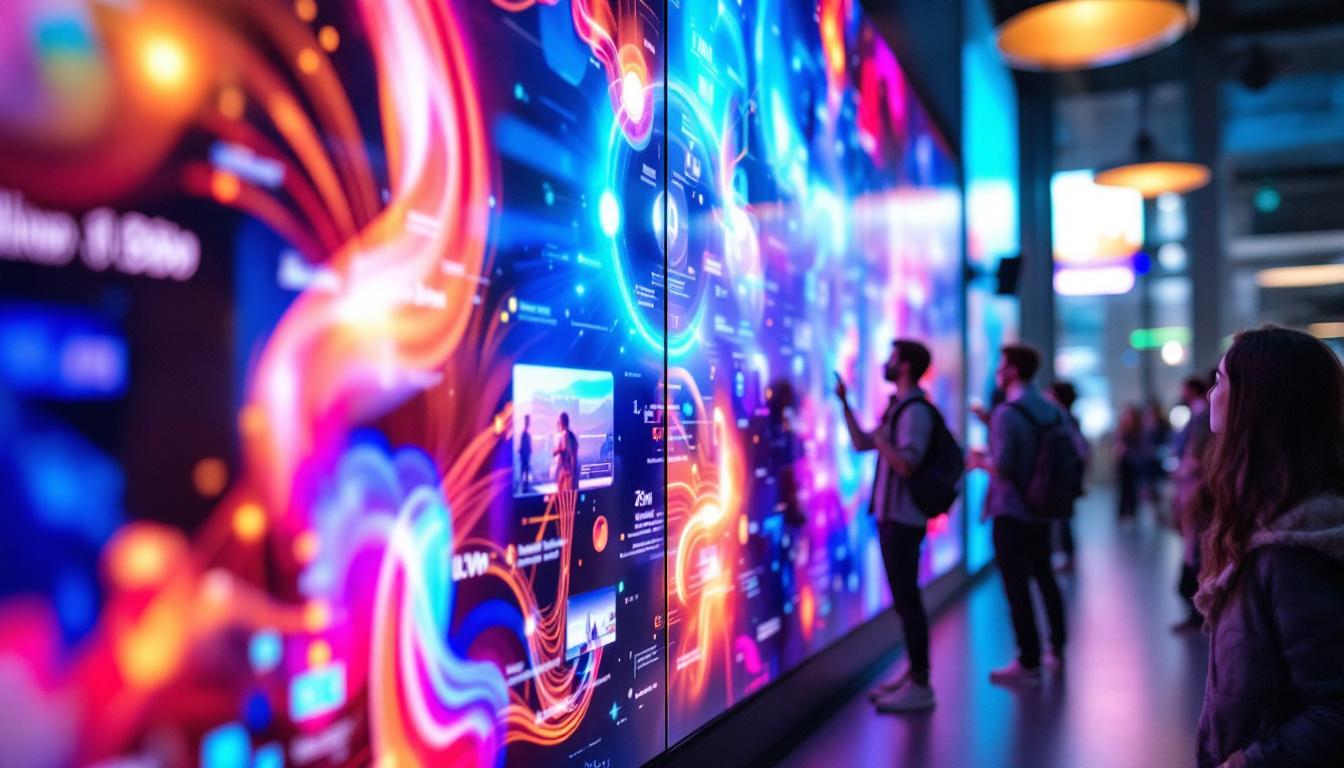
In commercial spaces, LED decoration boards serve dual purposes: attracting customers and enhancing brand identity. Retailers utilize these displays to showcase promotions, new products, or immersive brand stories. The dynamic nature of LED boards allows for real-time updates, seasonal themes, and interactive content, which can significantly increase customer engagement.
For example, a fashion boutique might use LED boards to display runway footage or mood visuals that change with the collection’s theme, creating an immersive shopping experience. Studies indicate that digital displays can increase customer dwell time by up to 30%, which often translates to higher sales.
Hospitality and Entertainment Venues
Hotels, restaurants, and entertainment venues leverage LED decoration boards to create ambiance and communicate with guests. From welcoming messages and event schedules to artistic light shows, these displays add a layer of sophistication and interactivity.
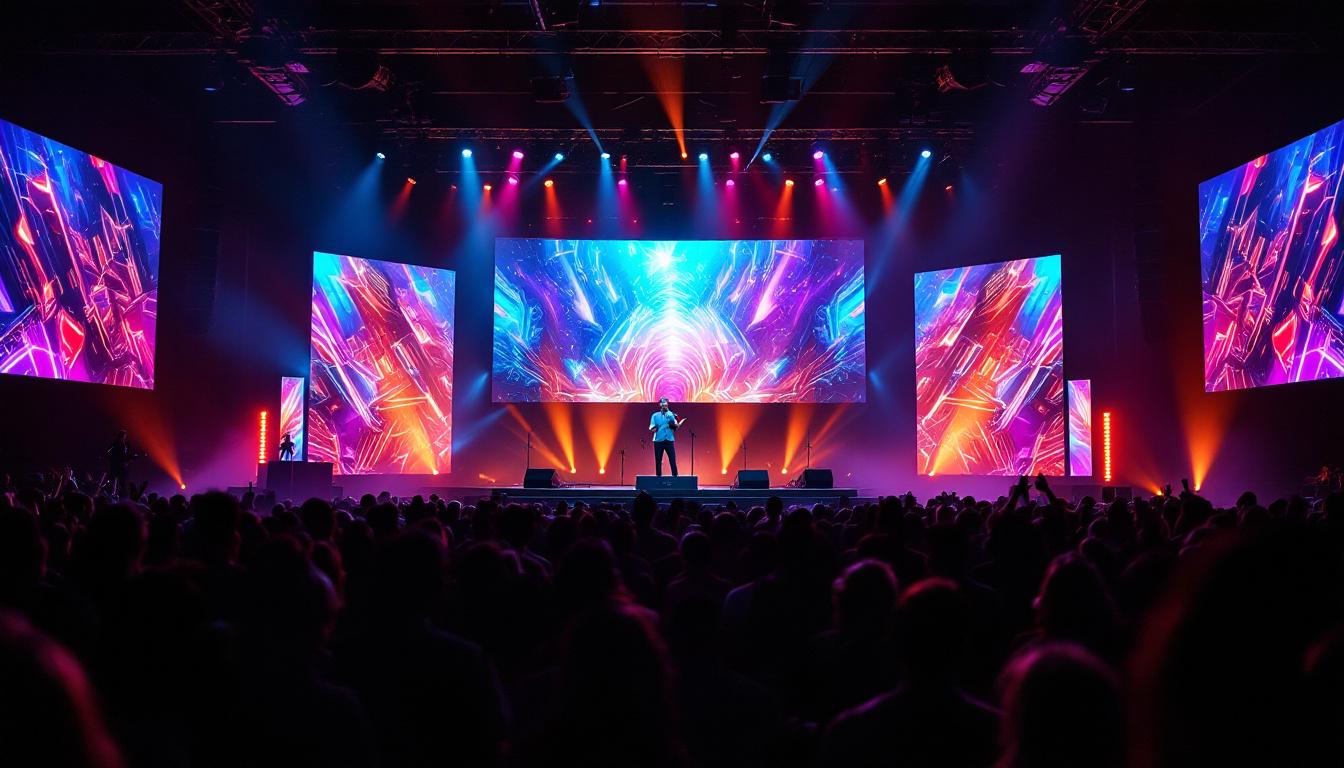
In theaters and concert halls, LED boards can be integrated into stage design, providing dynamic backdrops that enhance performances. Similarly, in restaurants, LED panels can simulate natural environments or thematic settings, enriching the dining experience.
Architectural and Urban Design
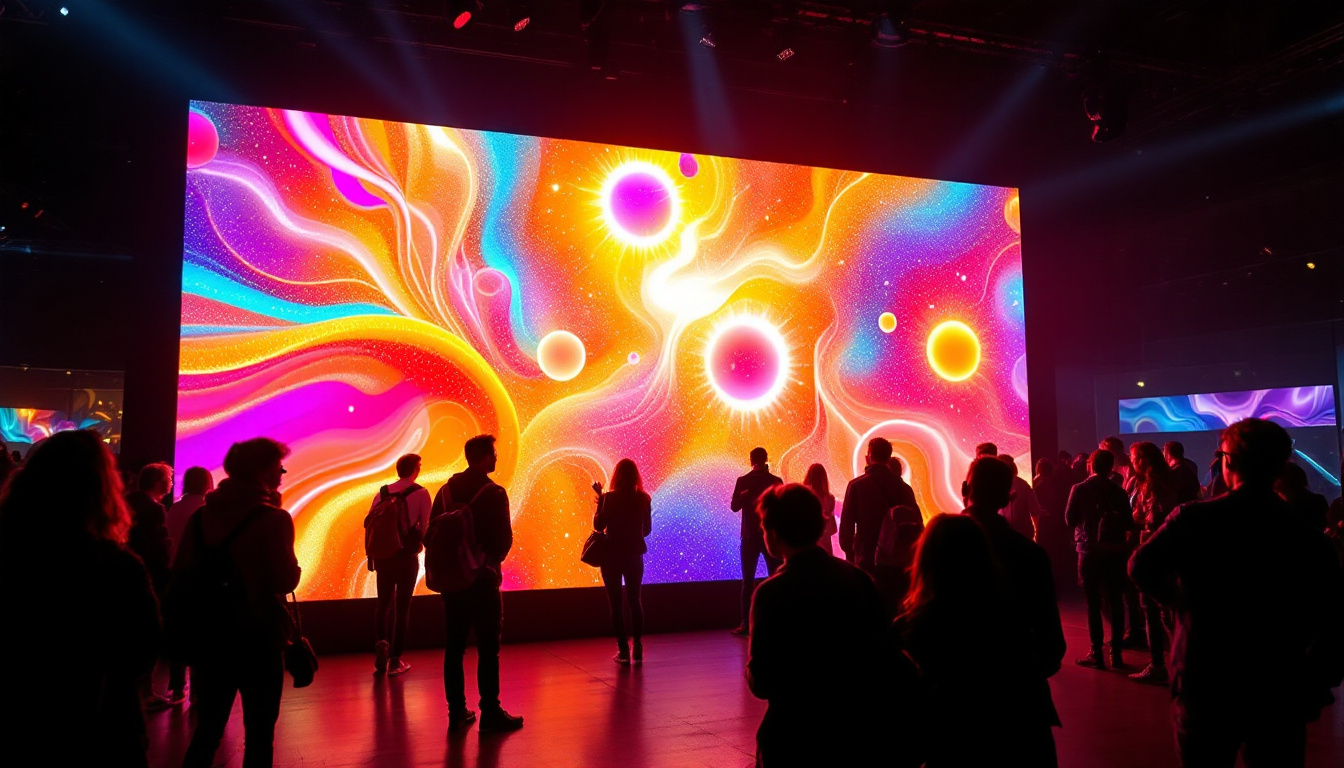
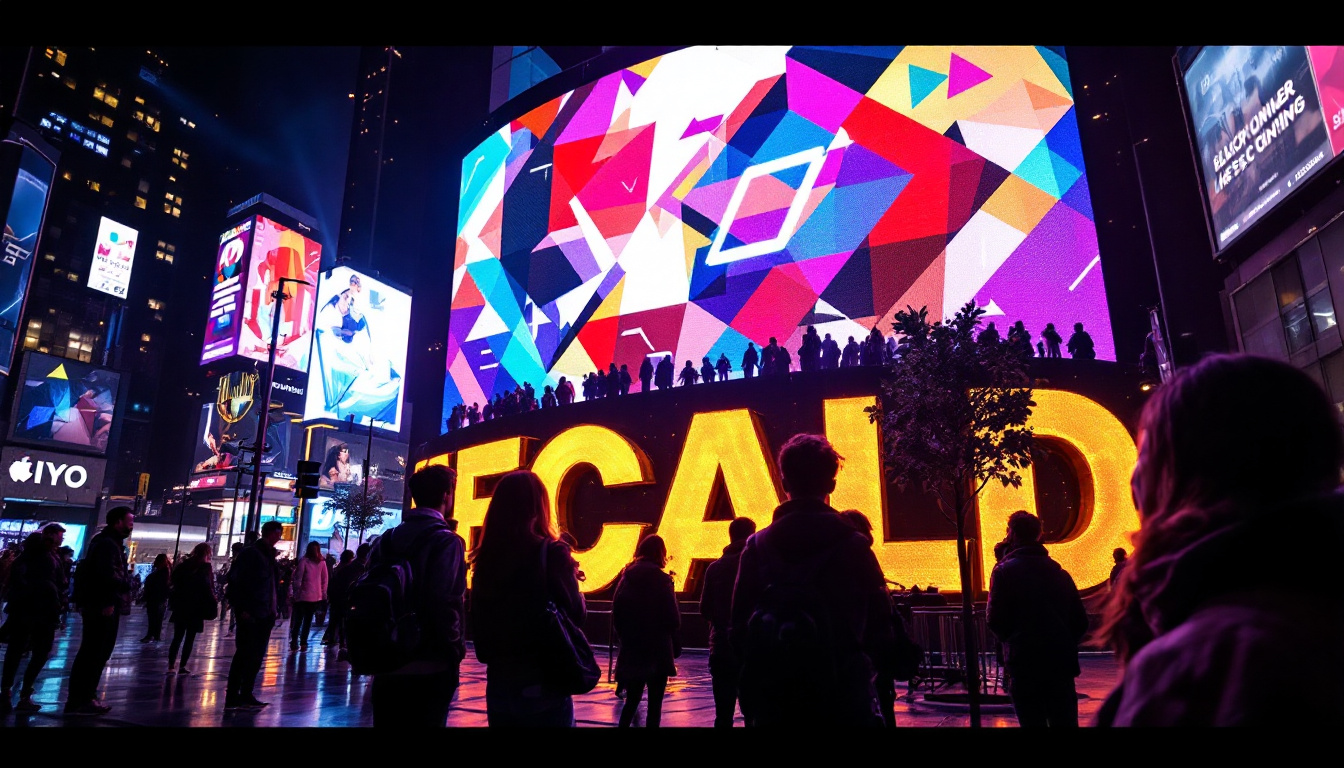
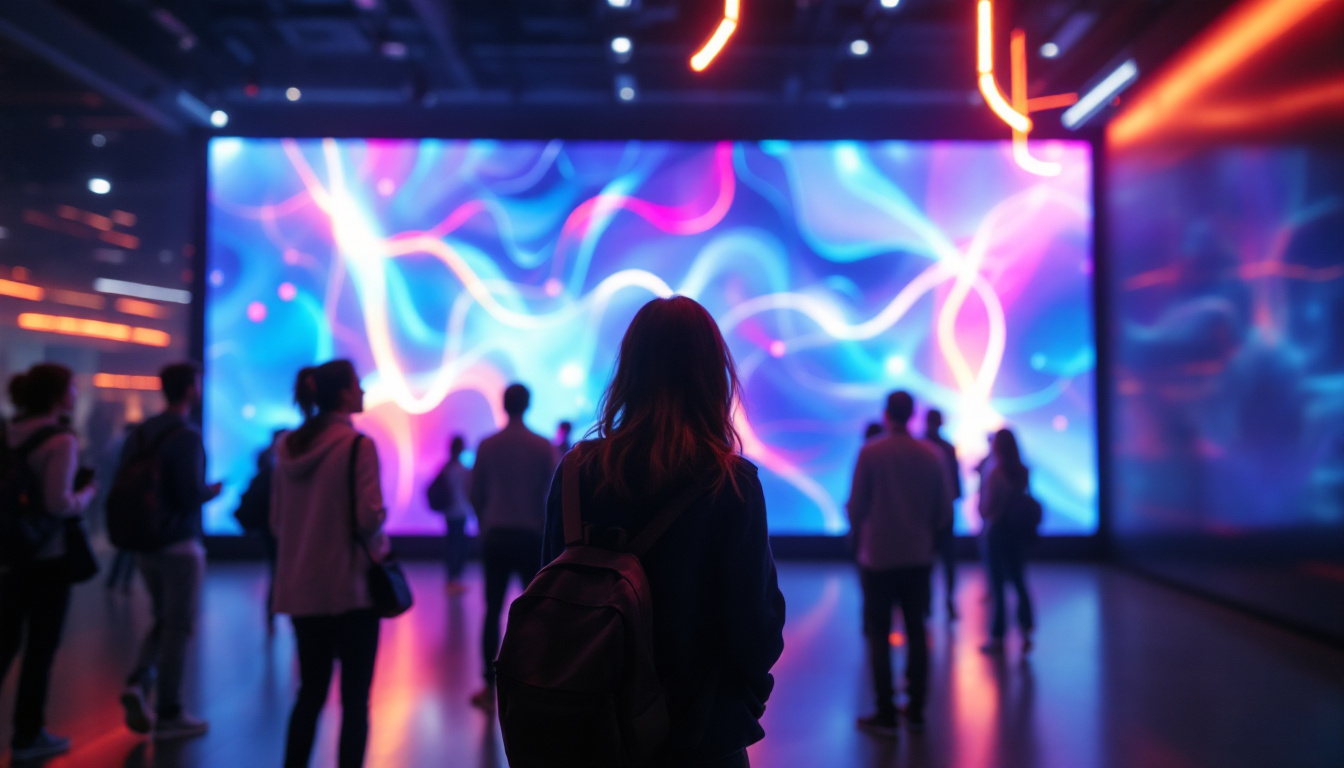
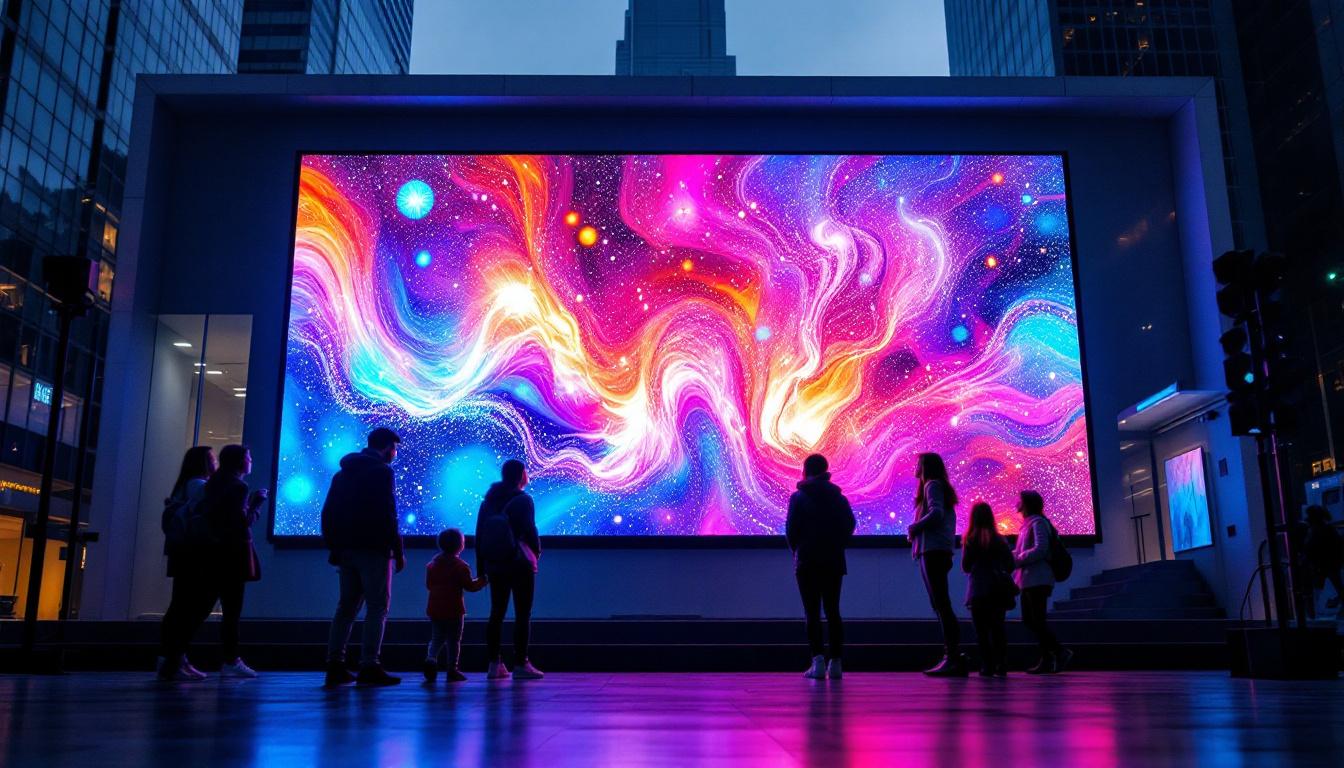
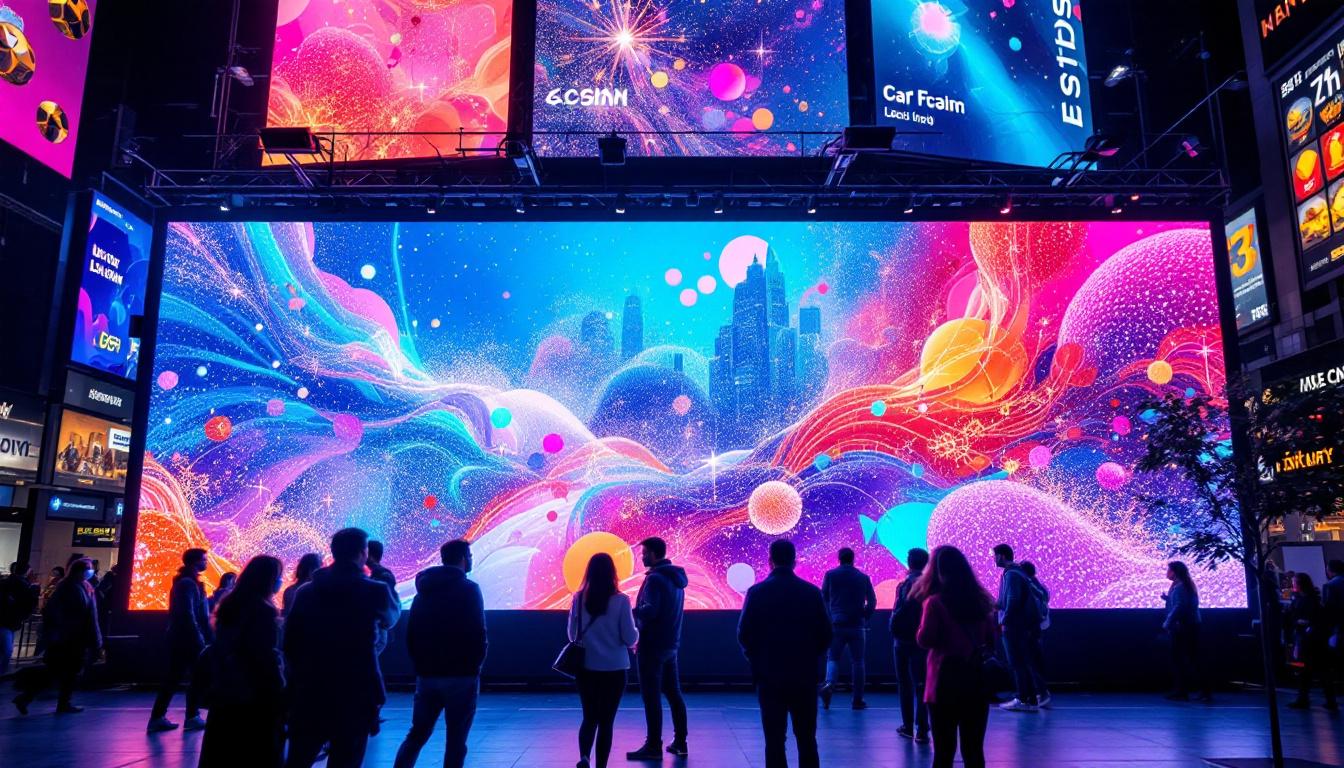
LED decoration boards have become staples in modern architecture, where they contribute to the visual identity of buildings and public spaces. Iconic examples include skyscrapers with LED-lit facades that transform city skylines at night, or public art installations that use LED technology to engage viewers interactively.
Urban planners and designers use these boards to create landmarks and focal points that are both functional and artistic. For instance, LED displays can be programmed to reflect local culture, celebrate events, or provide information, blending utility with aesthetics.
Benefits of Using LED Decoration Boards
Energy Efficiency and Longevity
One of the most significant advantages of LED technology is its energy efficiency. LEDs consume up to 80% less energy than traditional incandescent or fluorescent lighting, making LED decoration boards a sustainable choice for long-term installations. This efficiency also reduces operational costs, an important consideration for businesses and municipalities alike.
Additionally, LEDs have a long lifespan, often exceeding 50,000 hours of use before needing replacement. This durability minimizes maintenance efforts and costs, ensuring that decoration boards remain vibrant and functional over many years.
Customization and Flexibility
LED decoration boards offer unparalleled flexibility in content and design. Digital control systems enable users to tailor visuals to specific needs, whether it’s changing the color scheme, displaying different messages, or creating animations. This adaptability allows for seasonal updates, targeted advertising, or artistic expression without the need for physical alterations.
Moreover, the modular nature of LED panels means they can be assembled into various shapes and sizes, fitting unique architectural features or design concepts. This customization supports creative freedom and practical integration into diverse environments.
High Visibility and Impact
LED displays are known for their brightness and clarity, which ensures visibility even in challenging lighting conditions. This makes them ideal for attracting attention in busy urban settings or dimly lit interiors. The vivid colors and motion capabilities of LED boards create a strong visual impact that static signs cannot match.
Research shows that digital signage can increase brand recall by up to 47% compared to traditional signage, highlighting the effectiveness of LED decoration boards in communication and marketing.
Technical Considerations for Installation and Maintenance
Choosing the Right Specifications
Selecting the appropriate LED decoration board involves evaluating several technical factors. Pixel pitch should align with the typical viewing distance; for example, a pixel pitch of 2 mm is suitable for indoor displays viewed from a few feet away, while 10 mm or more works for outdoor displays seen from tens of meters.
Brightness levels must also be considered, especially for outdoor installations where sunlight can diminish visibility. Typical indoor LED boards have brightness levels between 800 and 1,500 nits, whereas outdoor boards can reach up to 6,000 nits or more.
Installation Environment and Structural Support
Proper installation is crucial to maximize the lifespan and performance of LED decoration boards. Outdoor displays require weatherproof enclosures and secure mounting to withstand wind, rain, and temperature fluctuations. Indoor installations must consider ventilation and access for maintenance.
Structural support must accommodate the weight and dimensions of the LED panels. For large-scale installations, professional assessment ensures safety and compliance with building codes.
Maintenance and Troubleshooting
While LED boards are low-maintenance, regular inspections help identify issues such as dead pixels, power supply problems, or connectivity faults. Cleaning the surface to remove dust and debris maintains brightness and clarity.
Advanced LED systems often include remote monitoring capabilities, allowing operators to detect and address problems promptly, minimizing downtime and preserving the quality of the display.
Future Trends in LED Decoration Boards
Integration with Smart Technologies
The future of LED decoration boards lies in their integration with smart systems and the Internet of Things (IoT). This connectivity enables real-time data-driven content updates, interactive features, and seamless integration with other building systems such as lighting, security, and climate control.
For example, LED boards in a smart city environment could dynamically display traffic information, emergency alerts, or personalized advertisements based on the time of day and audience demographics.
Advancements in Display Quality and Form Factors
Emerging technologies like MicroLED and MiniLED promise even higher resolution, better color accuracy, and improved energy efficiency. These advances will expand the creative possibilities for decoration boards, allowing for ultra-thin, flexible, and transparent displays that blend invisibly into architectural elements.
Additionally, holographic and 3D LED displays are being explored to create immersive visual experiences, pushing the boundaries of decoration and communication.
Sustainability and Environmental Impact
As environmental concerns grow, manufacturers are focusing on eco-friendly materials, recyclable components, and energy-saving designs. The adoption of LED decoration boards aligns with global efforts to reduce carbon footprints and promote sustainable urban development.
Innovations in power management, such as solar-powered LED displays, are also gaining traction, enabling off-grid installations and further reducing environmental impact.
Conclusion
LED decoration boards represent a convergence of technology, art, and communication, offering versatile solutions that enhance spaces aesthetically and functionally. Their energy efficiency, customization options, and visual impact make them valuable assets across industries—from retail and hospitality to architecture and urban design.
Understanding the technology behind LED displays, selecting the right specifications, and keeping abreast of future trends empowers designers, businesses, and city planners to harness the full potential of this dynamic medium. As LED technology continues to evolve, decoration boards will undoubtedly play an increasingly prominent role in shaping the visual landscape of the future.
Illuminate Your Space with LumenMatrix
Ready to elevate your environment with the latest in LED display technology? Discover LumenMatrix’s comprehensive range of innovative solutions, from Indoor and Outdoor LED Wall Displays to specialized options like Vehicle, Sports, and Floor LED Displays. Embrace the future of visual communication with our Custom, All-in-One, and Transparent LED Displays, designed to captivate your audience and amplify your message. Check out LumenMatrix LED Display Solutions and transform your space into a dynamic visual experience.