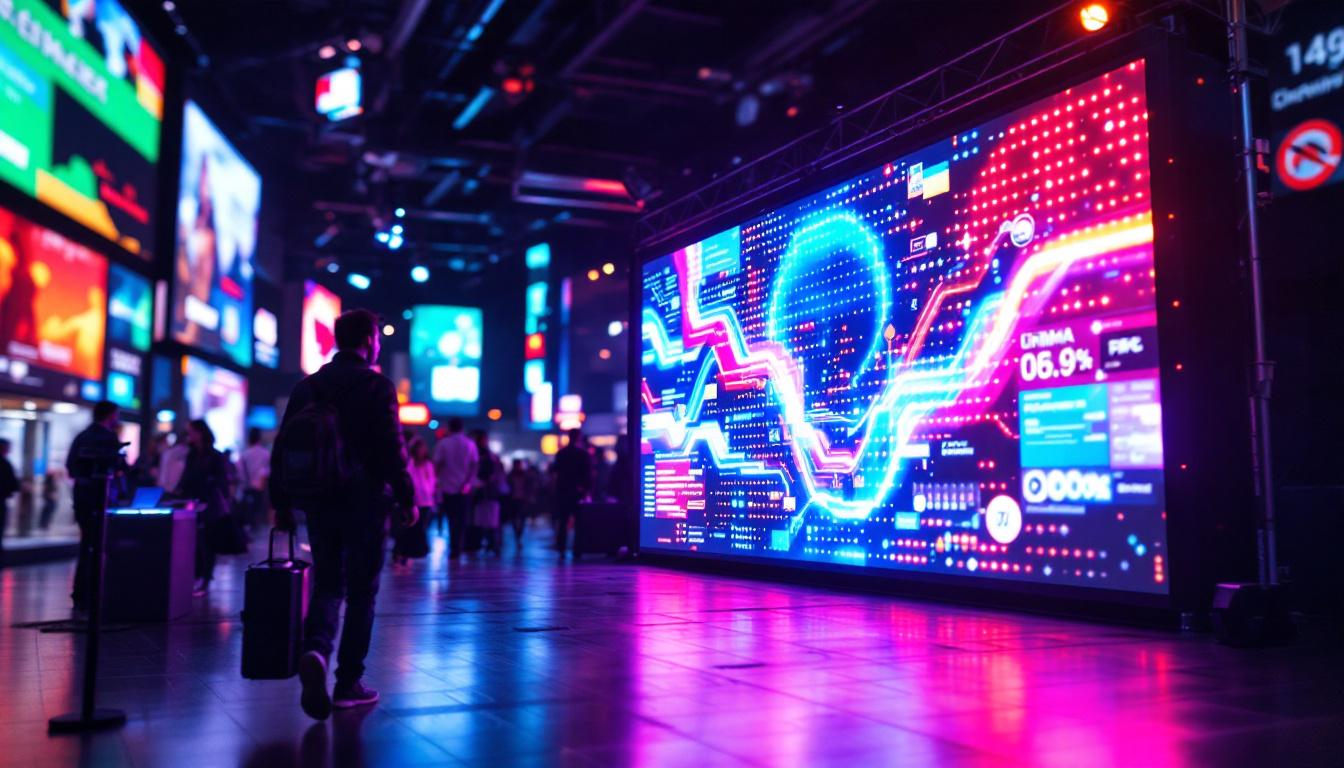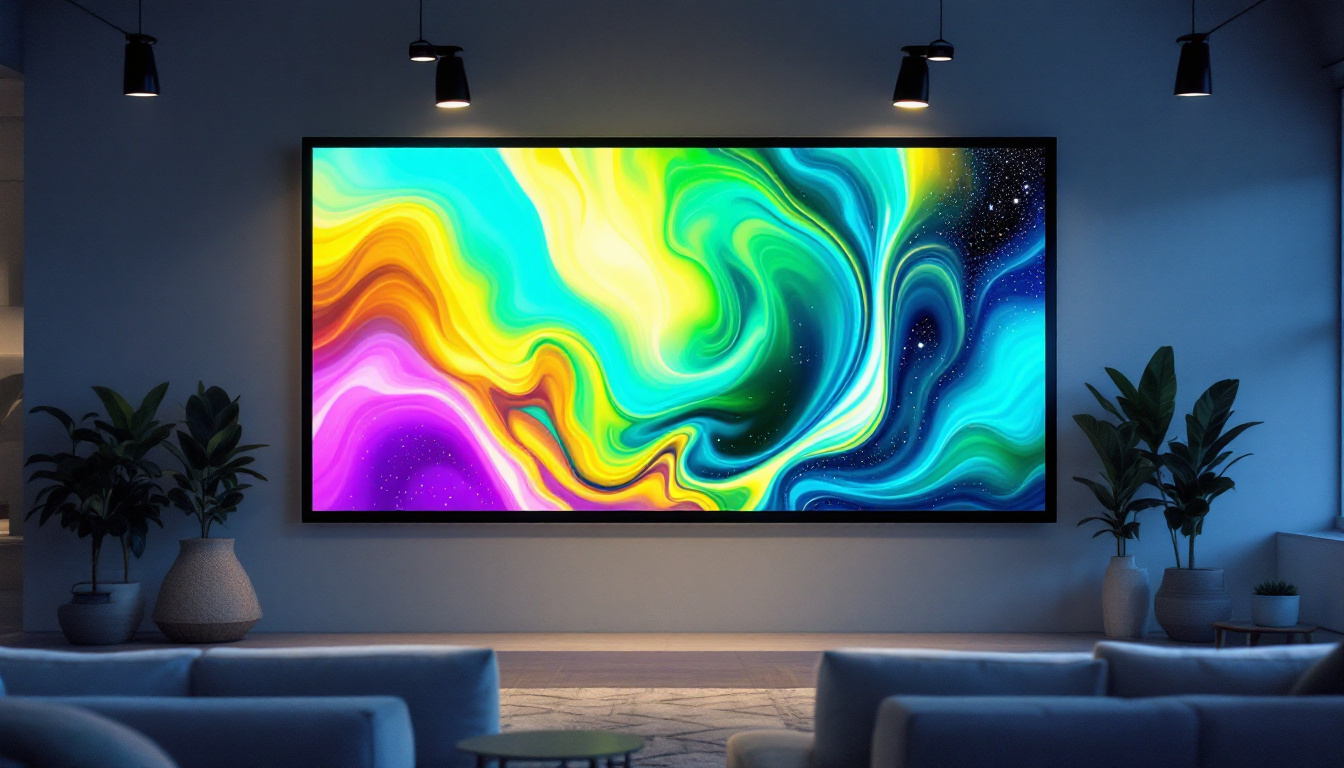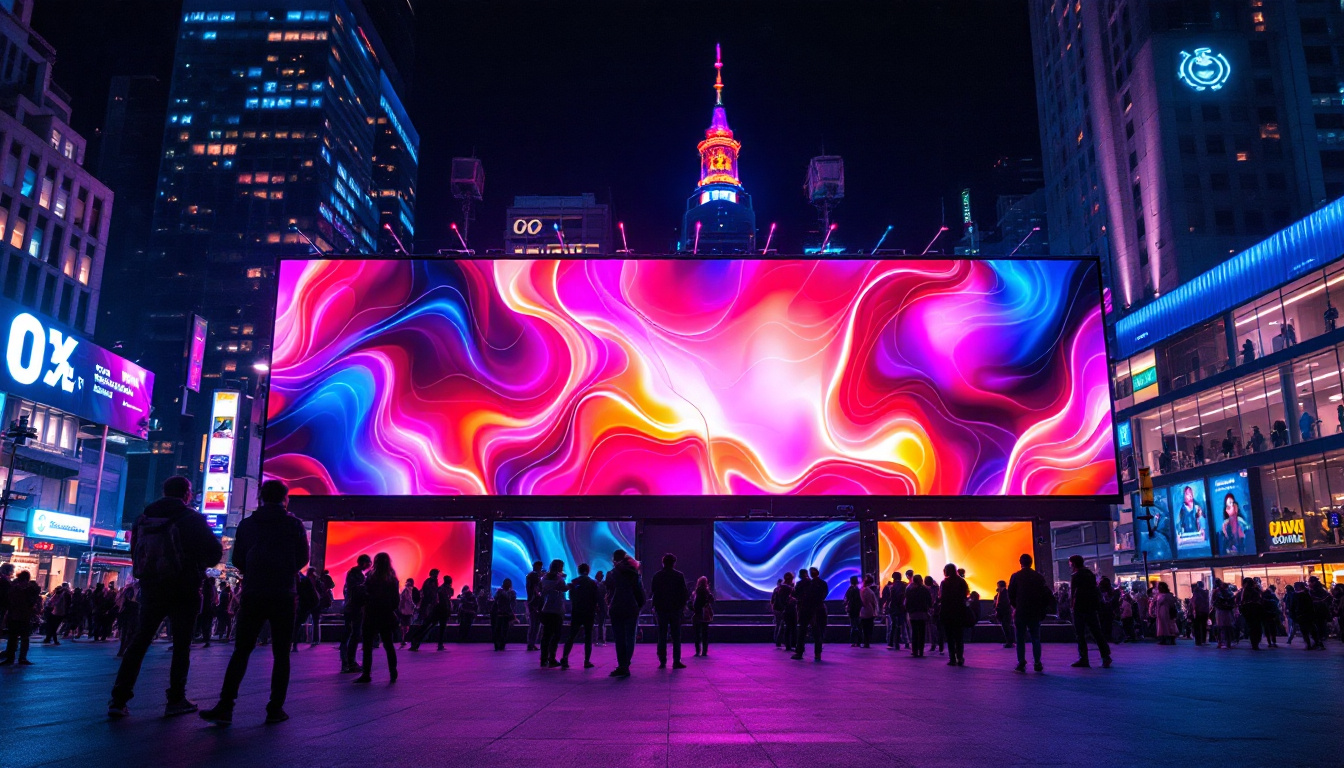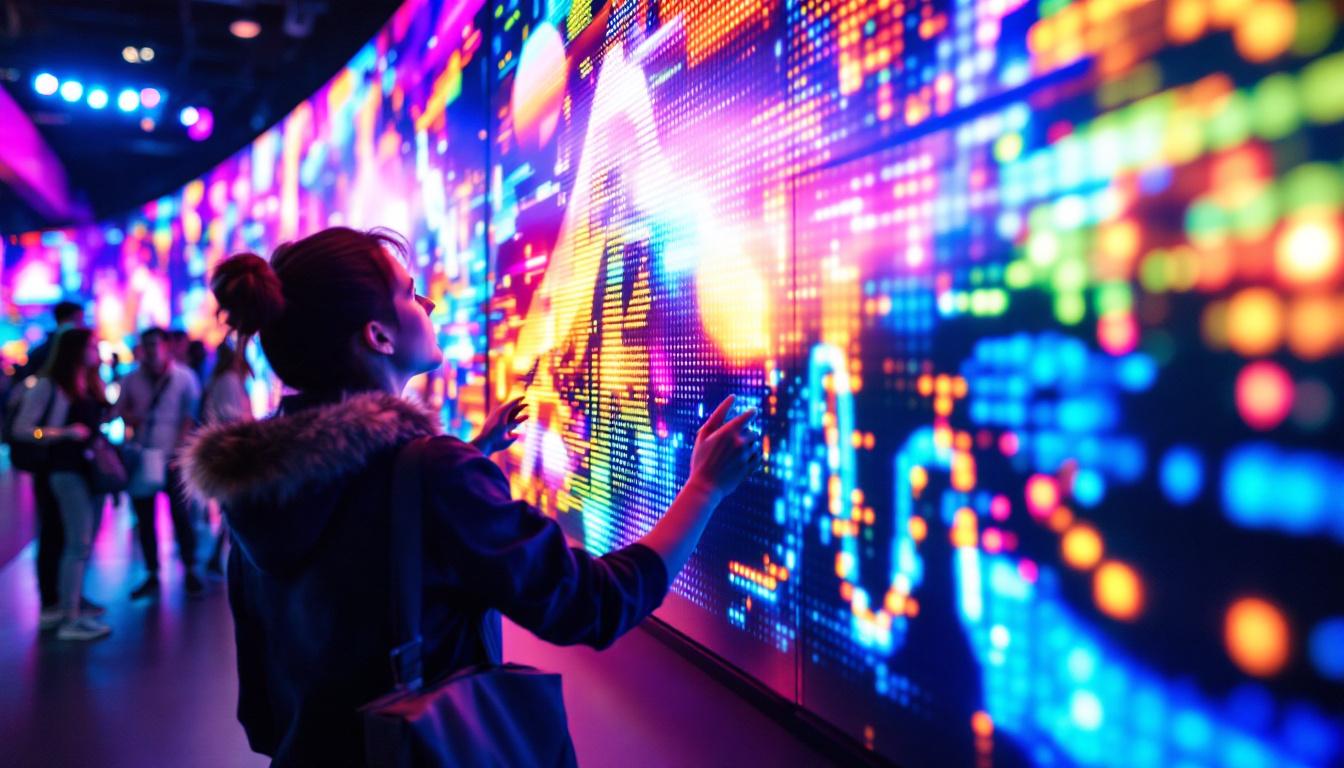
In recent years, LED wall designs have revolutionized the way visual content is displayed across various industries. From advertising billboards to immersive event backdrops and corporate presentations, LED displays have become a staple technology, offering vibrant visuals, scalability, and versatility. This comprehensive article explores the fundamentals of LED wall design, the technology behind LED displays, their applications, and best practices for creating impactful LED installations.
Understanding LED Display Technology
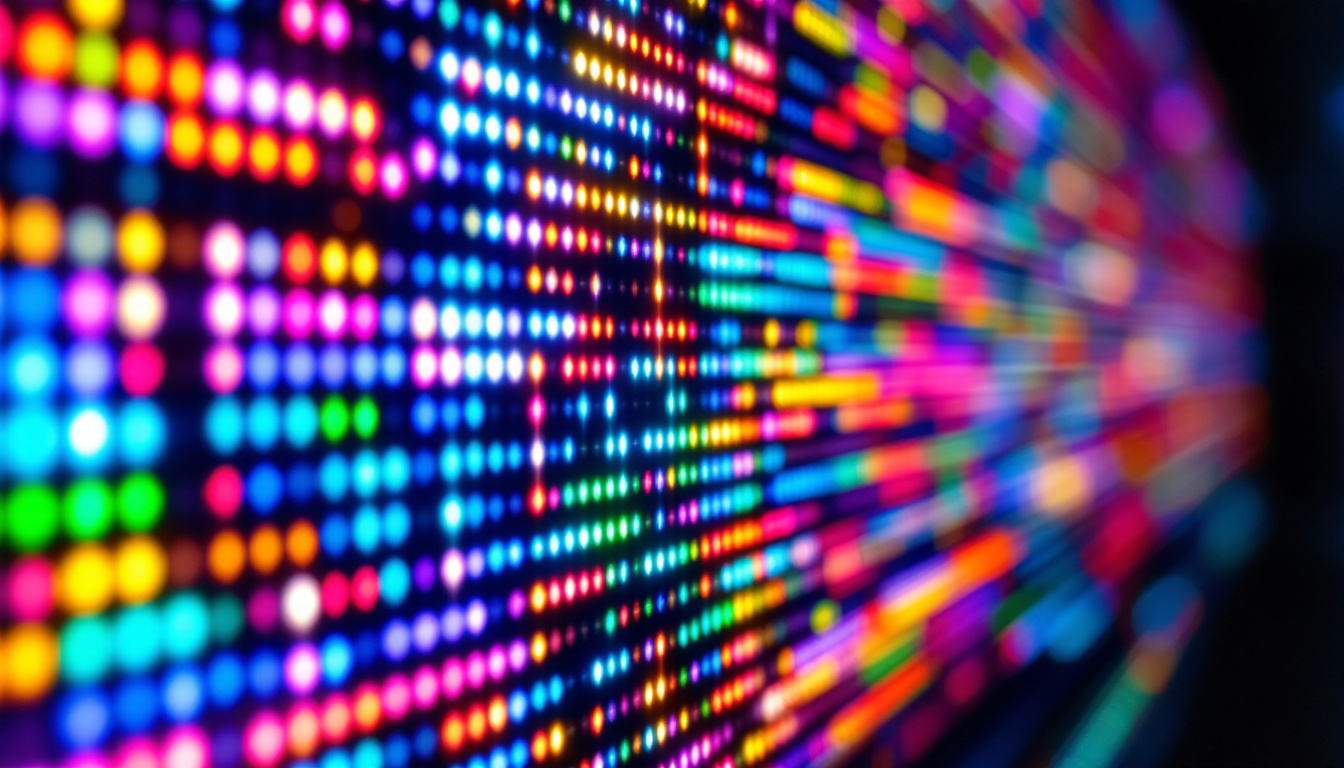
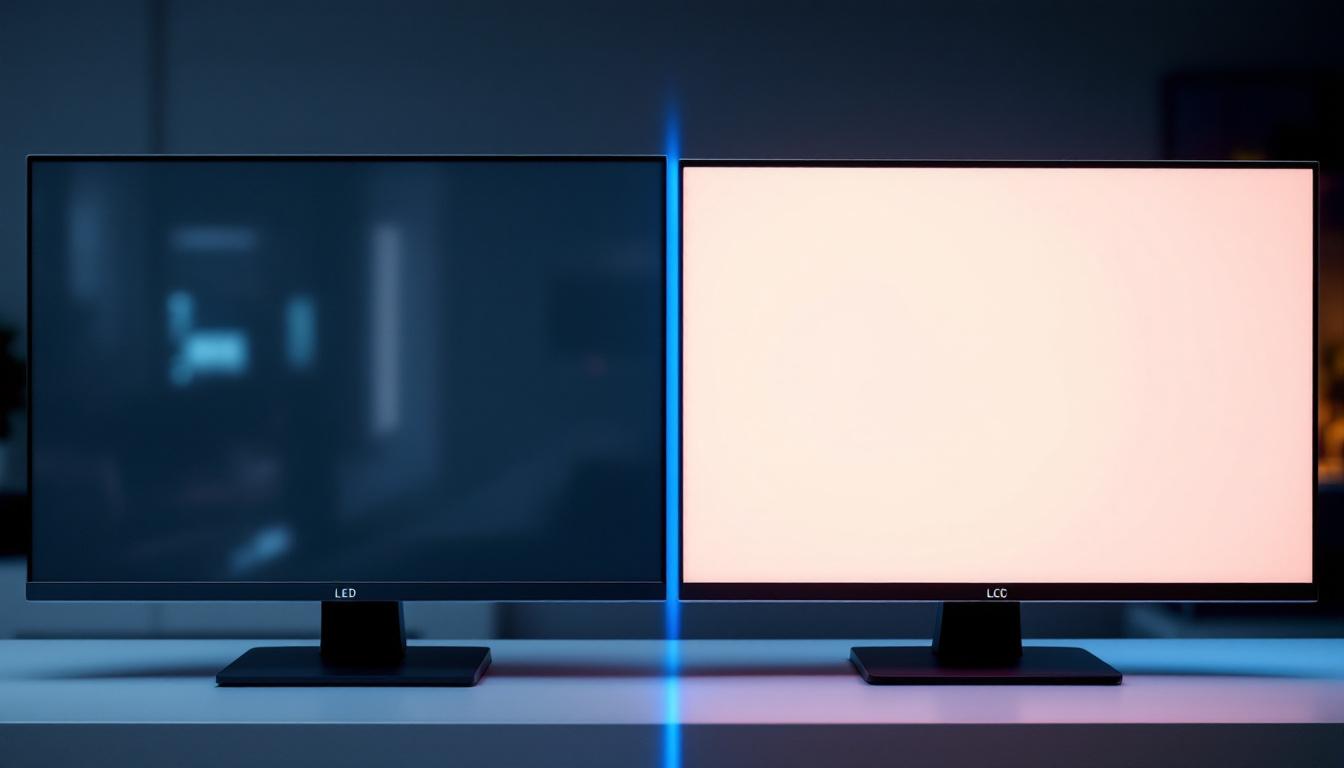
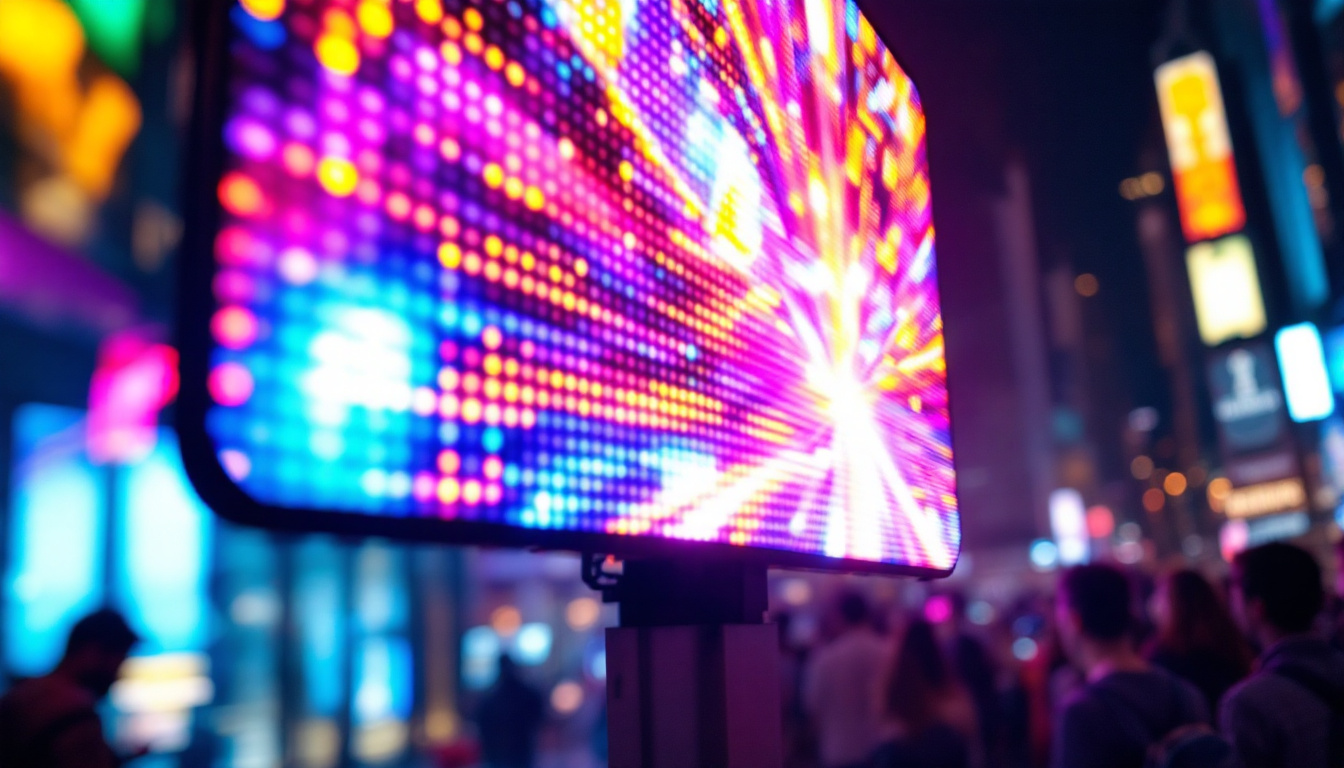
At its core, an LED display is a flat panel that uses light-emitting diodes (LEDs) as pixels to create images and videos. Unlike traditional LCD or projection screens, LED walls consist of thousands of tiny LEDs that emit their own light, resulting in brighter and more vivid images. This self-illuminating property allows LED displays to perform exceptionally well in various lighting conditions, making them a preferred choice for both indoor and outdoor applications.
LED displays are typically composed of multiple modules or panels that can be seamlessly connected to form large-scale screens of virtually any size and shape. This modularity allows for tremendous flexibility in design and installation. Whether it’s a massive billboard in a bustling city or a sleek video wall in a corporate lobby, the adaptability of LED technology enables creative solutions that can cater to diverse environments and aesthetic preferences.
How LEDs Work in Displays
Each pixel in an LED display is made up of red, green, and blue diodes. By varying the intensity of these three colors, the display can produce a full spectrum of colors. This RGB color mixing is fundamental to creating sharp and vibrant images. Additionally, advanced color calibration techniques are often employed to ensure that colors remain consistent across the entire display, enhancing the viewing experience.
Modern LED displays often use surface-mounted device (SMD) LEDs, which integrate all three colors into a single package. This design improves pixel density and viewing angles, making SMD LED walls ideal for indoor environments where viewers are close to the screen. Furthermore, the compact nature of SMD technology allows for thinner and lighter display panels, which can be a significant advantage in applications where space and weight are critical considerations.
Key Specifications: Pixel Pitch and Resolution
One of the most important factors in LED wall design is pixel pitch, which refers to the distance between the centers of two adjacent pixels, measured in millimeters. A smaller pixel pitch means higher pixel density, resulting in sharper images and finer detail. This is particularly crucial for applications such as digital signage, where clarity and visual impact can significantly influence audience engagement.
For example, an indoor LED wall might have a pixel pitch as low as 1.2mm, suitable for close viewing distances, while outdoor LED walls typically have larger pixel pitches (e.g., 6mm to 20mm) to ensure visibility from further away. Understanding the relationship between pixel pitch, viewing distance, and resolution is critical for designing an effective LED display. Additionally, advancements in technology have led to the development of ultra-high-definition (UHD) LED displays, which provide even greater resolution and image quality, making them ideal for high-stakes environments like control rooms and broadcast studios.
Types of LED Walls and Their Applications
LED walls come in various types, each optimized for specific environments and use cases. Choosing the right type depends on factors such as location, ambient lighting, viewing distance, and content requirements.
Indoor LED Walls
Indoor LED walls are designed for controlled lighting environments such as conference rooms, retail stores, museums, and broadcast studios. These displays feature high resolution and fine pixel pitch, ensuring crisp images even when viewed up close.
They are often used for digital signage, interactive displays, and immersive experiences. For instance, museums use indoor LED walls to create dynamic exhibits that engage visitors with vivid visuals and animations. Additionally, in retail settings, these displays can be programmed to showcase promotional content that changes frequently, capturing the attention of shoppers and enhancing the overall shopping experience. The ability to integrate touch technology allows for interactive experiences, where customers can learn more about products or services through engaging visual content.
Outdoor LED Walls
Outdoor LED walls are built to withstand harsh weather conditions, including rain, dust, and extreme temperatures. They have higher brightness levels, often exceeding 5,000 nits, to remain visible under direct sunlight.
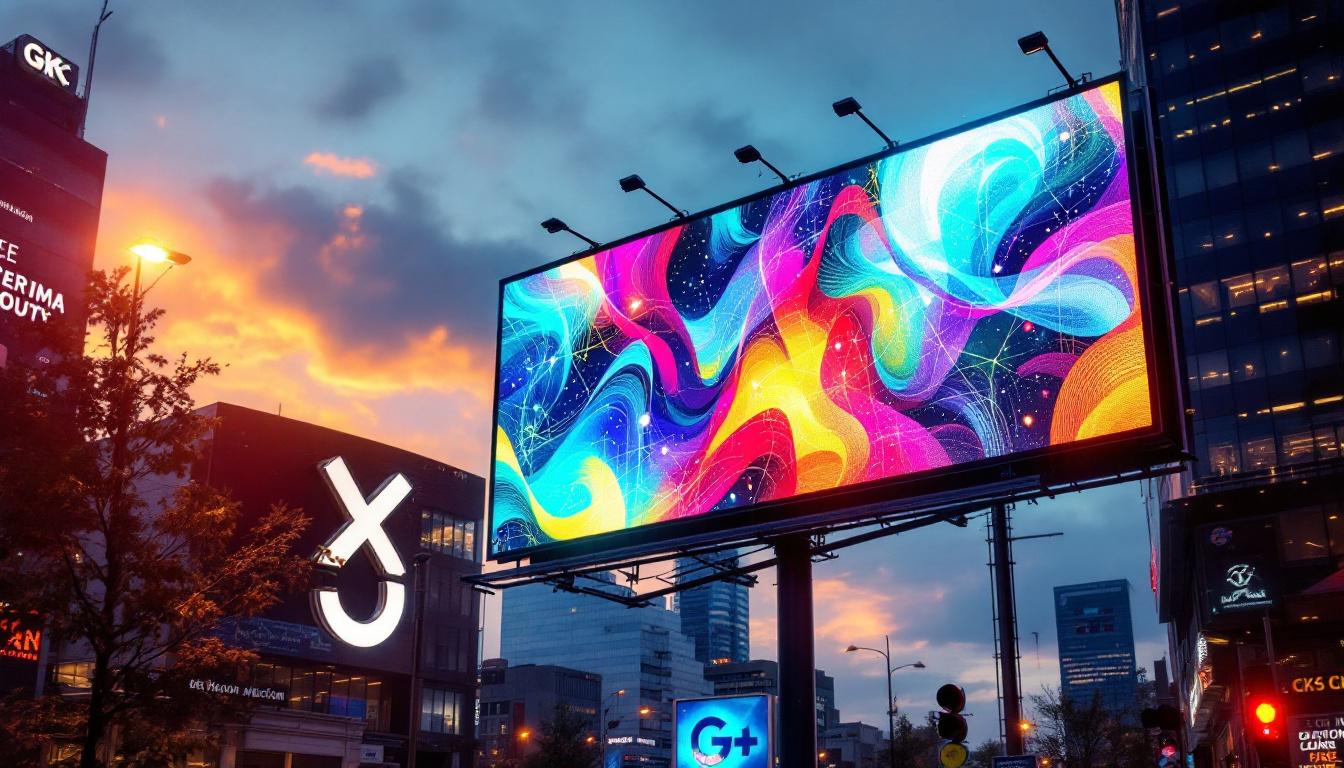
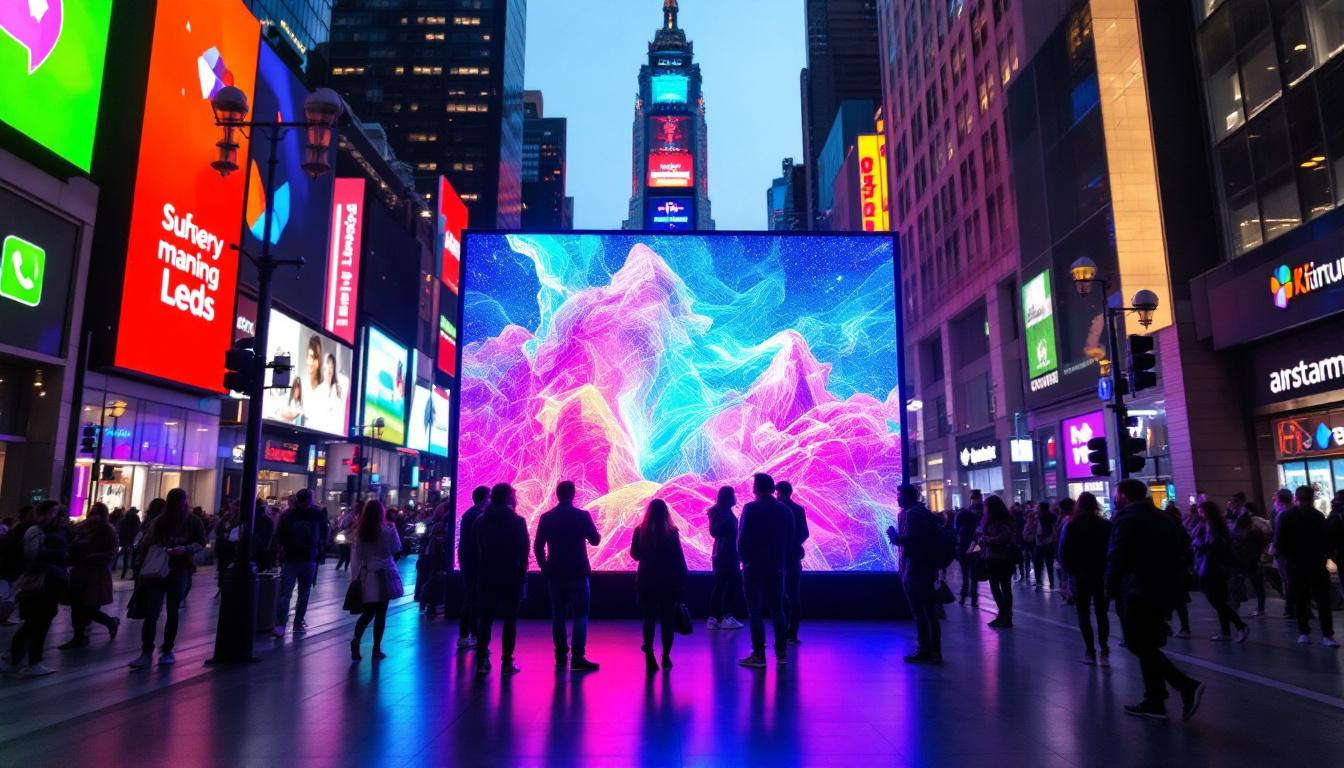
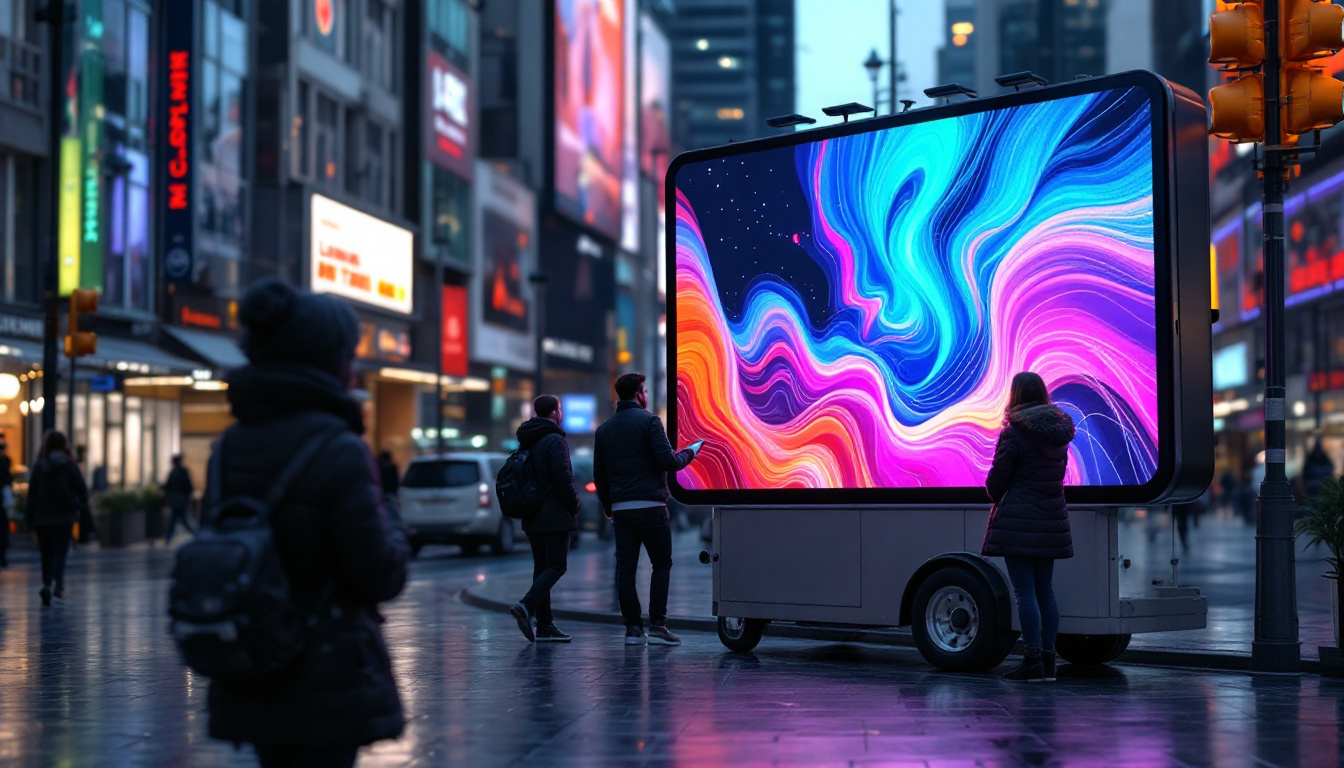
Common applications include advertising billboards, sports stadium screens, and public event displays. The larger pixel pitch accommodates longer viewing distances, ensuring content is legible from hundreds of feet away. Furthermore, outdoor LED walls can be equipped with advanced features such as real-time data integration, allowing for dynamic content updates based on live events, weather conditions, or social media feeds. This adaptability makes them a powerful tool for advertisers and event organizers, as they can instantly modify messages to resonate with the audience or respond to current trends.
Transparent and Flexible LED Walls
Innovations in LED technology have led to the development of transparent and flexible LED walls. Transparent LED displays are often installed on glass surfaces, allowing natural light to pass through while displaying digital content. This technology is popular in retail storefronts and architectural installations.
Flexible LED walls, on the other hand, can curve or bend to fit unique structural designs. This capability enables creative applications in art installations, stage design, and immersive environments. For example, in concert venues, flexible LED walls can be shaped to create stunning visual backdrops that enhance the performance, while also allowing for seamless transitions between different scenes. Additionally, these displays can be used in innovative advertising campaigns where brands wish to create a striking visual impact without obstructing the view of their physical products. The versatility of transparent and flexible LED walls opens up new avenues for creativity, allowing designers and marketers to push the boundaries of traditional display technology.
Design Considerations for Effective LED Walls
Creating an impactful LED wall requires careful planning and consideration of several design elements. These factors influence the overall visual quality, durability, and user experience.
Viewing Distance and Pixel Pitch Optimization
Determining the optimal pixel pitch begins with understanding the typical viewing distance. A general rule of thumb is that the minimum viewing distance (in meters) should be approximately equal to the pixel pitch (in millimeters) multiplied by 1.5 to 2.
For example, a 3mm pixel pitch LED wall is best viewed from at least 4.5 to 6 meters away. Designing with this in mind prevents viewers from perceiving individual pixels, resulting in a smoother image.
Brightness and Contrast Ratio
Brightness is measured in nits (cd/m²) and is crucial for ensuring visibility under various lighting conditions. Indoor LED walls typically require brightness levels between 800 and 1,200 nits, while outdoor walls need much higher brightness to combat sunlight glare.
Contrast ratio, the difference between the brightest and darkest parts of an image, affects image depth and color vibrancy. High contrast ratios enhance the visual impact, especially for video content and detailed graphics.
Color Accuracy and Calibration
Color accuracy is vital for branding, advertising, and content fidelity. LED walls must be calibrated regularly to maintain consistent color reproduction across all modules. Professional calibration tools and software help adjust brightness, color temperature, and gamma settings.
Installation and Maintenance
LED wall installation involves structural support, power supply management, and data connectivity. Modular design simplifies assembly and allows for easier maintenance. Many LED displays feature front-access panels, enabling quick repairs without dismantling the entire wall.
Regular maintenance, including cleaning and software updates, ensures longevity and optimal performance. Environmental factors, such as humidity and temperature, should be monitored to prevent damage.
Applications of LED Walls Across Industries
LED walls have become indispensable tools in numerous sectors, enhancing communication, entertainment, and marketing strategies.
Advertising and Marketing
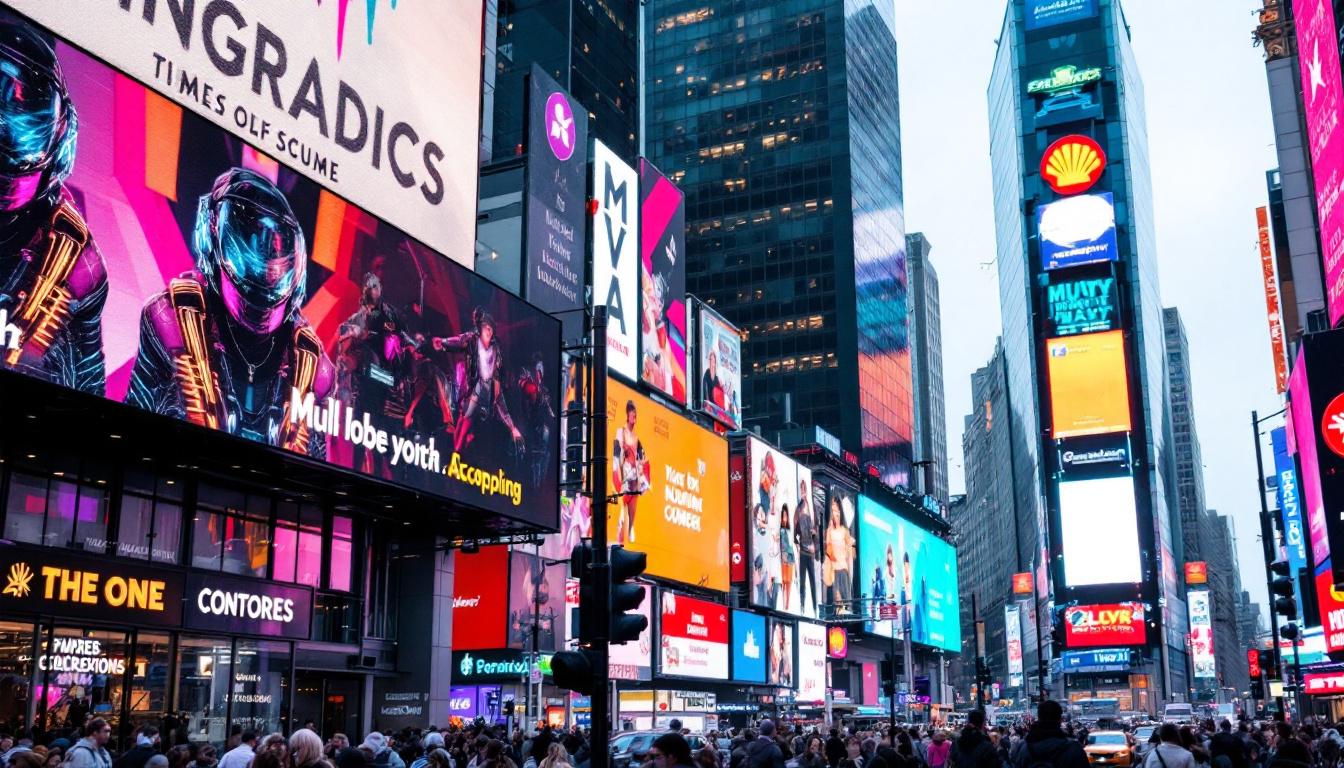
Outdoor LED billboards are among the most visible applications, capturing the attention of passersby with dynamic, eye-catching content. Digital signage allows for real-time updates, targeted messaging, and interactive campaigns, increasing engagement and ROI.
Indoor LED walls in retail environments create immersive brand experiences, showcasing products and promotions with high-impact visuals.
Events and Entertainment
Concerts, festivals, and theatrical productions utilize LED walls to create immersive backdrops and visual effects. The ability to display high-resolution video content synchronized with live performances enhances audience engagement.
Sports venues employ massive LED screens to display scores, replays, and advertisements, enriching the spectator experience.
Corporate and Educational Use
Corporate environments use LED walls for presentations, video conferencing, and digital collaboration. Large LED displays in auditoriums and meeting rooms improve visibility and communication.
Educational institutions leverage LED walls for interactive learning, virtual classrooms, and informational displays, fostering a more engaging environment for students.
Future Trends in LED Wall Design
The LED display industry continues to evolve rapidly, driven by technological advancements and changing user demands.
MicroLED and MiniLED Technologies
MicroLED and MiniLED represent the next generation of LED technology, offering even higher resolution, improved brightness, and better energy efficiency. MicroLED displays consist of microscopic LEDs that enable ultra-fine pixel pitch, rivaling OLED displays in image quality.
Integration with AI and Interactive Technologies
Artificial intelligence is being integrated into LED wall systems to enable adaptive content delivery, facial recognition, and personalized advertising. Interactive LED walls with touch and gesture controls are becoming more prevalent, enhancing user engagement in retail and public spaces.
Sustainability and Energy Efficiency
As environmental concerns grow, manufacturers are focusing on reducing the energy consumption of LED walls through advanced power management and eco-friendly materials. Sustainable design practices are becoming a priority in large-scale installations.
Conclusion
LED wall design is a dynamic and multifaceted field that combines cutting-edge technology with creative vision. Understanding the technical aspects of LED displays—such as pixel pitch, brightness, and color accuracy—is essential for designing effective and impactful installations.
Whether for advertising, entertainment, corporate communication, or educational purposes, LED walls offer unparalleled flexibility and visual performance. Keeping abreast of emerging trends like MicroLED technology and AI integration will ensure that LED wall designs remain innovative and relevant in the years to come.
Discover LumenMatrix’s Innovative LED Display Solutions
Ready to elevate your visual displays with the latest in LED technology? LumenMatrix is at the forefront of creating immersive and dynamic LED experiences. From captivating Indoor and Outdoor LED Wall Displays to versatile solutions like Vehicle, Poster, Sports, Floor, and Custom LED Displays, we have everything you need to transform your space. Our All-in-One and Transparent LED Displays are designed to push the boundaries of visual communication. Experience the difference with LumenMatrix and let us help you make a lasting impression. Check out LumenMatrix LED Display Solutions today and start your journey towards unparalleled visual engagement.