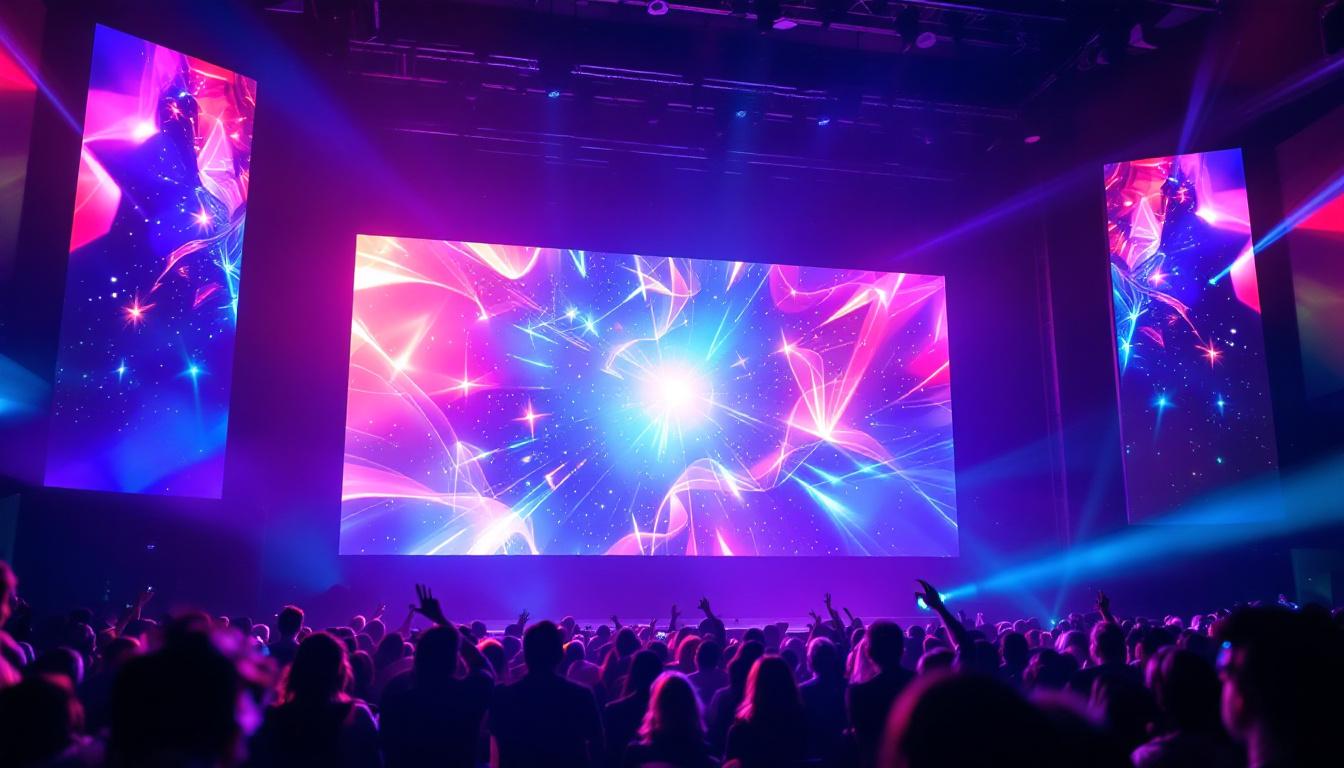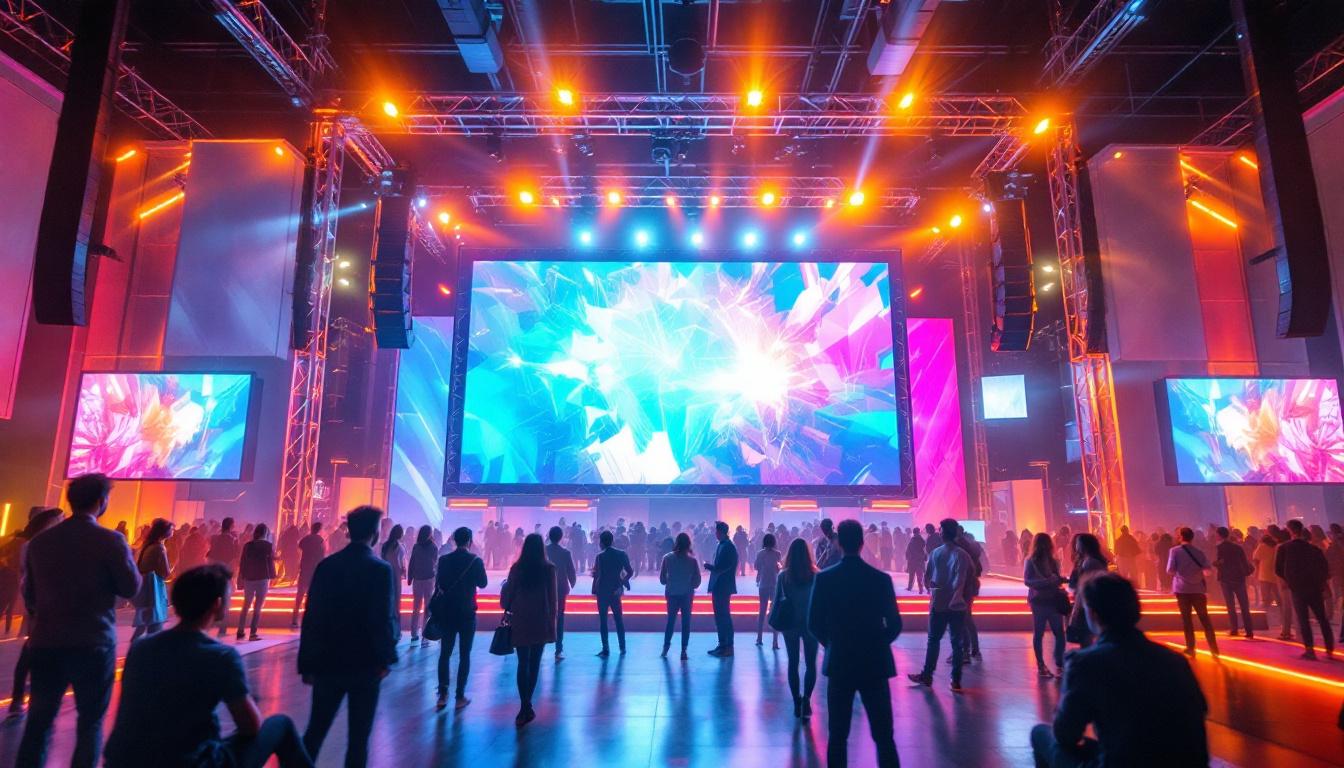
In the world of live events, concerts, exhibitions, and corporate presentations, visual impact is paramount. One of the most effective ways to captivate an audience is through the use of LED displays mounted on truss stands. These structures not only support the LED panels but also contribute to the overall aesthetics and safety of the setup. This article delves into the essentials of truss stands for LED displays, exploring their design, functionality, and importance in modern event production.
Understanding Truss Stands and Their Role in LED Displays
Truss stands are structural frameworks made from interconnected metal components, typically aluminum or steel, designed to support lighting, audio equipment, and LED screens. When it comes to LED displays, truss stands serve as the backbone that holds the panels securely in place, ensuring stability and optimal viewing angles.
The use of truss stands in conjunction with LED displays has become increasingly popular due to their versatility and strength. Unlike traditional mounting methods, truss systems allow for modular construction, enabling event organizers to customize the size and shape of the display according to the venue and audience requirements. This adaptability is particularly beneficial for events that take place in diverse settings, such as outdoor festivals, corporate events, and concerts, where the layout can vary significantly.
What Makes Truss Stands Ideal for LED Displays?
Several factors contribute to the suitability of truss stands for LED display installations:
- Strength and Durability: Truss stands are engineered to bear significant weight, which is essential when supporting large LED panels that can weigh hundreds of pounds.
- Modularity: The ability to connect multiple truss sections allows for scalable display sizes, from small screens to massive video walls.
- Ease of Assembly: Designed for quick setup and teardown, truss stands reduce labor costs and minimize downtime during events.
- Safety: Properly designed truss systems comply with industry safety standards, protecting both the equipment and the audience.
Moreover, truss stands offer a unique aesthetic appeal that can enhance the overall visual experience of an event. With their sleek lines and industrial design, they can complement the high-tech look of LED displays, creating a cohesive and modern atmosphere. Additionally, many truss systems come in various finishes and colors, allowing event planners to match the equipment with the theme of the event. This attention to detail can significantly elevate the production value and leave a lasting impression on attendees.
Another advantage of using truss stands is their compatibility with various rigging accessories, such as clamps, safety cables, and lighting fixtures. This integration allows for a comprehensive setup where lighting can be strategically positioned to enhance the LED display, creating dynamic visual effects that engage the audience. Furthermore, the ability to integrate sound equipment within the truss structure can streamline the overall production, reducing the need for additional stands and optimizing space on the event floor. As technology continues to evolve, the innovation in truss designs also progresses, with new materials and engineering techniques that further enhance their functionality and performance in live events.
Types of Truss Stands Used for LED Displays
Truss stands come in various configurations, each tailored to specific event needs and environments. Understanding these types helps in selecting the right system for a given LED display project.
Ground-Supported Truss Stands
These are freestanding truss structures placed directly on the ground. They are commonly used for outdoor events, festivals, and exhibitions where permanent mounting points are unavailable. Ground-supported truss stands can support large LED walls and often include ballast weights or anchoring systems to ensure stability against wind and other environmental factors. Additionally, they can be customized with various accessories such as side panels, banners, or lighting fixtures, enhancing the overall aesthetic and functionality of the display. This versatility makes them a popular choice for event organizers looking to create an engaging atmosphere.
Hanging Truss Systems
In indoor venues such as theaters, arenas, and convention centers, truss stands are frequently suspended from the ceiling or rigging points. Hanging truss systems save floor space and provide elevated viewing angles. They require precise engineering to handle the weight of LED panels and comply with venue load limits. Furthermore, these systems often allow for dynamic configurations, enabling event planners to adjust the height and angle of the displays to suit different performances or presentations. This adaptability is crucial in environments where audience sightlines and acoustics play a significant role in the overall experience.
Hybrid Truss Configurations
Some setups combine ground-supported and hanging truss elements to maximize flexibility. For example, a large LED display might be supported by ground trusses on either side with overhead trusses providing additional support or lighting integration. These hybrid systems are popular in complex stage designs and high-profile events. They not only enhance the visual impact of the LED displays but also allow for the integration of other multimedia elements, such as projectors or live video feeds, creating a more immersive experience for the audience. The ability to mix and match components in hybrid configurations also means that event organizers can tailor their setups to meet specific technical requirements and aesthetic preferences, ensuring that each event is unique and memorable.
Key Considerations When Choosing Truss Stands for LED Displays
Selecting the appropriate truss stand system involves several critical factors that impact the success and safety of the installation.
Load Capacity and Weight Distribution
LED panels vary in size and weight, so understanding the load capacity of the truss stand is essential. Overloading a truss can lead to structural failure, posing risks to both equipment and attendees. Manufacturers typically provide detailed specifications on maximum load limits, and professional engineers should verify that the chosen truss can safely support the combined weight of the LED display and any additional equipment.
Environmental Conditions
Outdoor events introduce challenges such as wind, rain, and temperature extremes. Truss stands for outdoor LED displays must be weather-resistant and often require additional anchoring or ballast to prevent tipping. Indoor environments, while more controlled, still require consideration of ceiling height, rigging points, and fire safety regulations.
Portability and Setup Time
For touring events or temporary installations, the ease of transportation and rapid assembly are crucial. Lightweight aluminum truss systems are favored for their portability without sacrificing strength. Quick-lock mechanisms and standardized components streamline setup, allowing crews to focus on fine-tuning the LED display rather than wrestling with cumbersome hardware.
Aesthetic Integration
Truss stands do more than just hold LED panels; they contribute to the visual presentation. Black powder-coated trusses are standard for blending into the background, but custom finishes and lighting integration can enhance the overall stage design. Some productions incorporate truss stands as part of the artistic concept, using them to frame the LED display or create dynamic shapes.
Installation Best Practices for Truss-Mounted LED Displays
Proper installation is vital to ensure safety, performance, and longevity of the LED display setup. Following industry best practices helps avoid common pitfalls and maximizes the impact of the visual presentation.
Pre-Installation Planning and Site Survey
Before assembling the truss stands and LED panels, a thorough site survey should be conducted. This includes measuring available space, assessing rigging points, checking floor load capacities, and evaluating environmental factors. Planning software and 3D modeling tools can simulate the installation, helping to identify potential issues and optimize the design.
Structural Integrity Checks
Each truss component should be inspected for damage or wear before use. Connections must be secure, and load-bearing elements should be reinforced as necessary. When suspending trusses, certified riggers must verify that all hardware meets safety standards and that weight distribution is balanced.
Electrical and Signal Management
LED displays require power and data connections that must be carefully routed to avoid hazards and signal interference. Cable management solutions integrated into the truss design help maintain a clean appearance and reduce the risk of tripping or damage. Additionally, backup power options and surge protection are recommended to prevent disruptions during critical moments.
Testing and Calibration
Once the LED panels are mounted on the truss stands, thorough testing is necessary to ensure proper alignment, brightness uniformity, and color accuracy. Calibration tools and software assist in fine-tuning the display, while safety inspections confirm that the structure remains stable under operational conditions.
Future Trends in Truss Stands and LED Display Technology
The rapid evolution of LED technology and event production techniques continues to influence the design and use of truss stands. Staying informed about emerging trends helps event professionals deliver cutting-edge experiences.
Lighter and Stronger Materials
Advancements in materials science are leading to truss systems that are both lighter and stronger. Carbon fiber composites and high-strength aluminum alloys are becoming more accessible, allowing for easier transport and quicker assembly without compromising safety.
Integrated Smart Systems
Smart truss stands equipped with sensors can monitor structural integrity in real time, alerting crews to potential issues before they become critical. Integration with LED display control systems enables synchronized lighting and effects, enhancing the immersive experience for audiences.
Eco-Friendly and Sustainable Designs
Environmental considerations are increasingly important in event production. Manufacturers are developing truss stands with recyclable materials and energy-efficient coatings. Modular designs that reduce waste and allow for reuse across multiple events contribute to greener operations.
Conclusion
Truss stands are an indispensable component in the deployment of LED displays for events of all sizes. Their strength, flexibility, and safety features make them the preferred choice for mounting LED panels, ensuring that visual content is delivered with maximum impact and reliability. By understanding the different types of truss stands, key selection criteria, and best installation practices, event professionals can create stunning and secure LED display setups that captivate audiences and elevate the overall experience.
As technology advances, truss stands will continue to evolve, offering lighter materials, smarter integration, and sustainable solutions. Staying current with these developments is essential for anyone involved in event production, AV installation, or stage design.
Discover LumenMatrix LED Display Solutions
Ready to elevate your event with the ultimate visual experience? LumenMatrix is at the forefront of LED display innovation, offering a diverse range of solutions tailored to your unique needs. From mesmerizing Indoor LED Walls to dynamic Outdoor LED Displays, and from mobile Vehicle LED Displays to interactive Floor LED Displays, our technology is designed to captivate and engage. Embrace the future of visual communication with our Custom, All-in-One, and Transparent LED Displays. Check out LumenMatrix LED Display Solutions today and transform your event into an unforgettable spectacle.