In the rapidly evolving world of digital technology, LED displays have become an integral part of how information and visuals are presented. From vibrant advertising billboards to high-definition television screens, LED displays are everywhere, offering bright, energy-efficient, and versatile solutions for visual communication. This article delves into the fundamentals of LED display lights, exploring their technology, applications, advantages, and future trends to provide a comprehensive understanding of this essential modern technology.
Understanding LED Display Technology
What is an LED Display?
LED stands for Light Emitting Diode, a semiconductor light source that emits light when an electric current passes through it. An LED display is a flat panel display that uses an array of LEDs as pixels to create images, videos, and text. These displays can be configured in various sizes and resolutions, making them suitable for a wide range of applications, from small indicator lights to massive outdoor video walls.
The core principle behind LED displays is the precise control of individual LEDs to produce different colors and brightness levels. By combining red, green, and blue LEDs at each pixel, the display can render a full spectrum of colors through additive color mixing. This technology allows for high contrast ratios and vibrant colors that are visible even in bright daylight conditions. Additionally, LED displays are known for their longevity and durability, often outlasting traditional display technologies, which makes them a cost-effective choice in the long run.
Types of LED Displays
LED displays come in several forms, primarily categorized by their structure and usage:
- Direct View LED Displays: These are composed of LEDs arranged directly on the display surface, commonly used for large outdoor screens like stadium scoreboards and digital billboards.
- LED-backlit LCD Displays: These use LEDs as a backlight source for liquid crystal displays, enhancing brightness and energy efficiency in devices such as televisions, monitors, and smartphones.
- MicroLED Displays: An emerging technology that uses microscopic LEDs to create displays with superior brightness, contrast, and energy efficiency, potentially revolutionizing future display technology.
Another notable type is the Flexible LED Displays, which can bend and curve to fit various shapes and surfaces. These displays are increasingly popular in creative advertising, allowing for unique installations that capture attention in innovative ways. They can be used in everything from retail environments to art installations, showcasing the versatility of LED technology. Furthermore, advancements in LED technology have led to the development of Transparent LED Displays, which allow for visibility through the screen while still displaying images or information. This opens up new possibilities for architectural design and advertising, merging functionality with aesthetic appeal.
As the technology continues to evolve, we are also seeing the rise of Smart LED Displays, which integrate connectivity features that allow for real-time content updates and interactivity. These displays can be controlled remotely, making them ideal for dynamic advertising campaigns and information dissemination in public spaces. The integration of sensors and AI can further enhance user experience, enabling personalized content based on viewer demographics or behavior. With such advancements, LED display technology is not only transforming how we communicate visually but also how we engage with our surroundings.
How LED Displays Work
Pixel Composition and Color Generation
Each pixel on an LED display is typically made up of three sub-pixels: red, green, and blue. By adjusting the intensity of each sub-pixel, the display can produce millions of colors. This RGB (Red, Green, Blue) model is the foundation of color representation in LED displays.
In direct view LED displays, each sub-pixel is a tiny LED that emits light directly. The brightness of each LED is controlled by varying the electrical current, enabling precise color and brightness control. This direct emission of light is what gives LED displays their characteristic brightness and vividness compared to other display technologies.
Resolution and Pixel Pitch
Resolution refers to the number of pixels displayed on the screen, which directly impacts image clarity. Pixel pitch, on the other hand, is the distance between the centers of two adjacent pixels, measured in millimeters. A smaller pixel pitch means higher pixel density, resulting in sharper images.
For example, indoor LED displays often have a pixel pitch of 1-3 mm, suitable for close viewing distances, whereas outdoor displays might have a pixel pitch of 10 mm or more, optimized for visibility from afar. Choosing the right pixel pitch is crucial for ensuring the display meets the visual requirements of its intended environment.
Applications of LED Display Lights
Advertising and Digital Signage
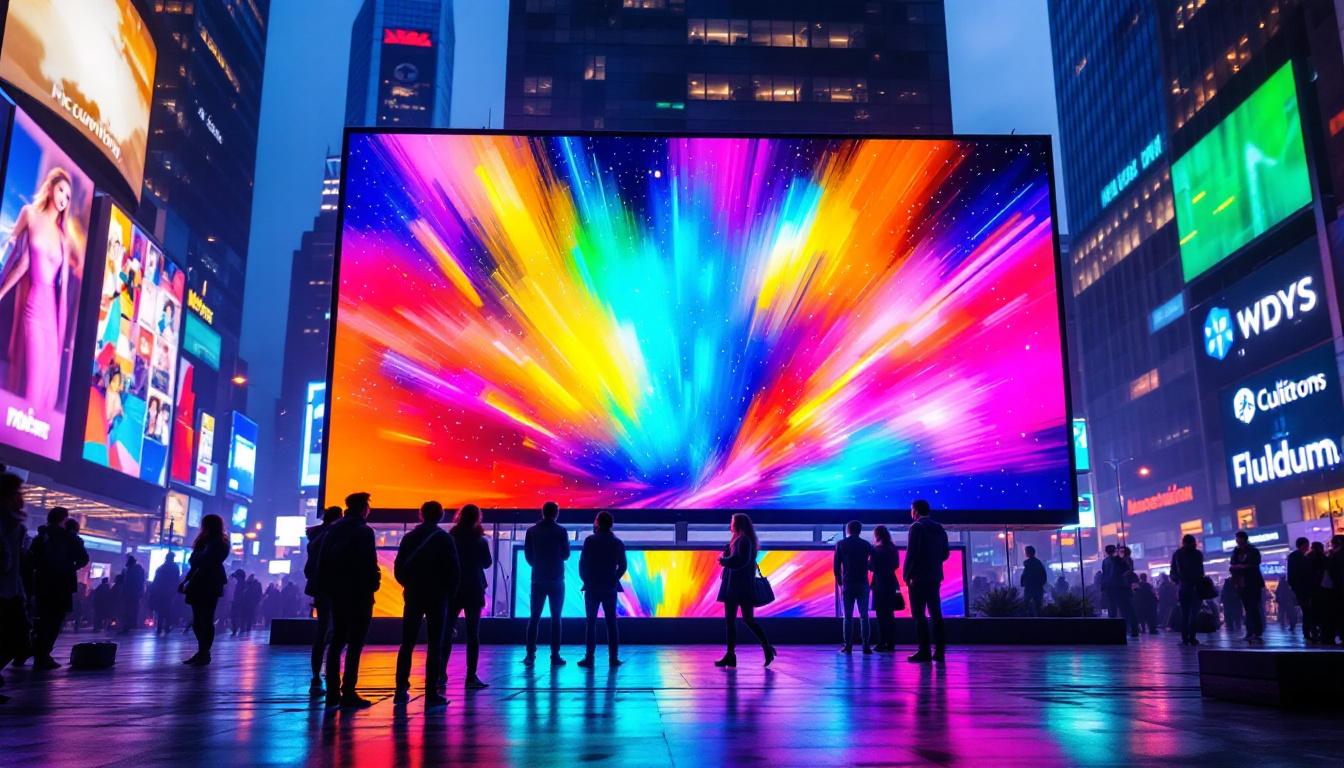
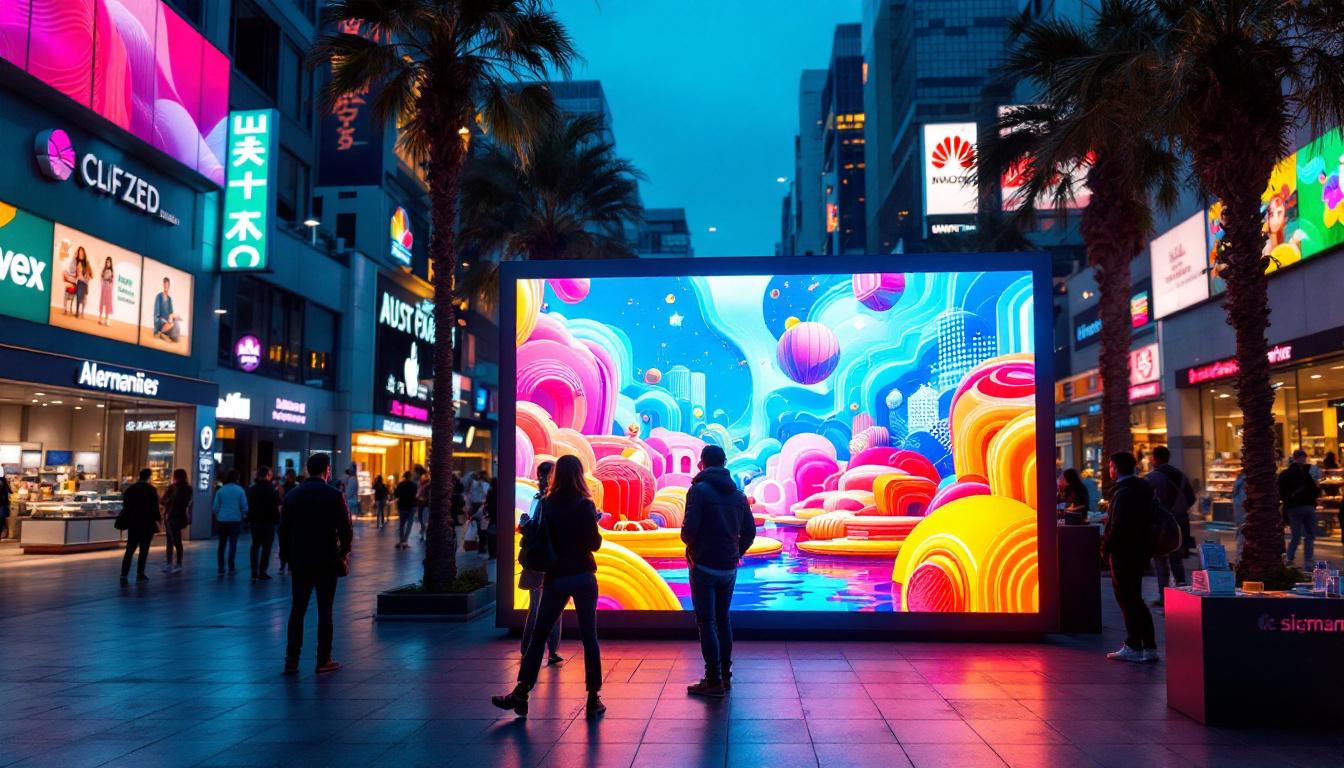
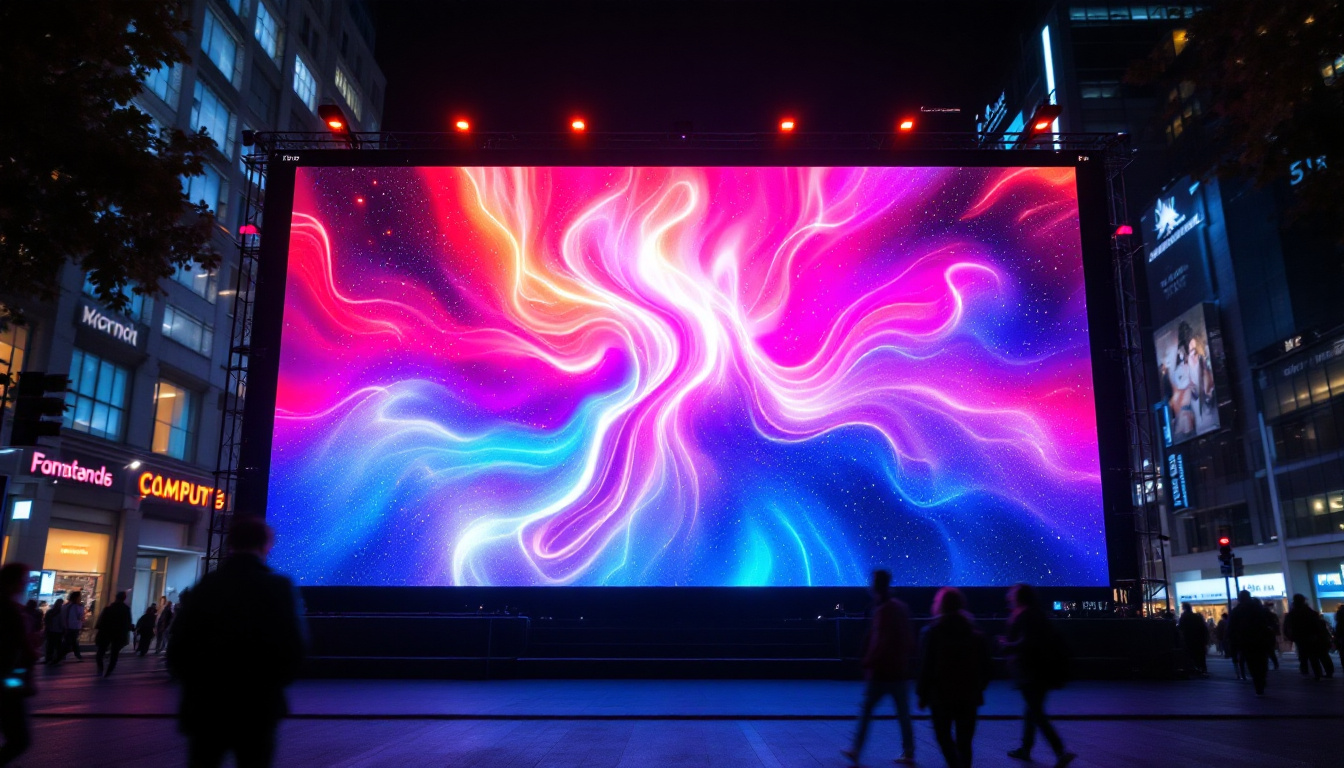
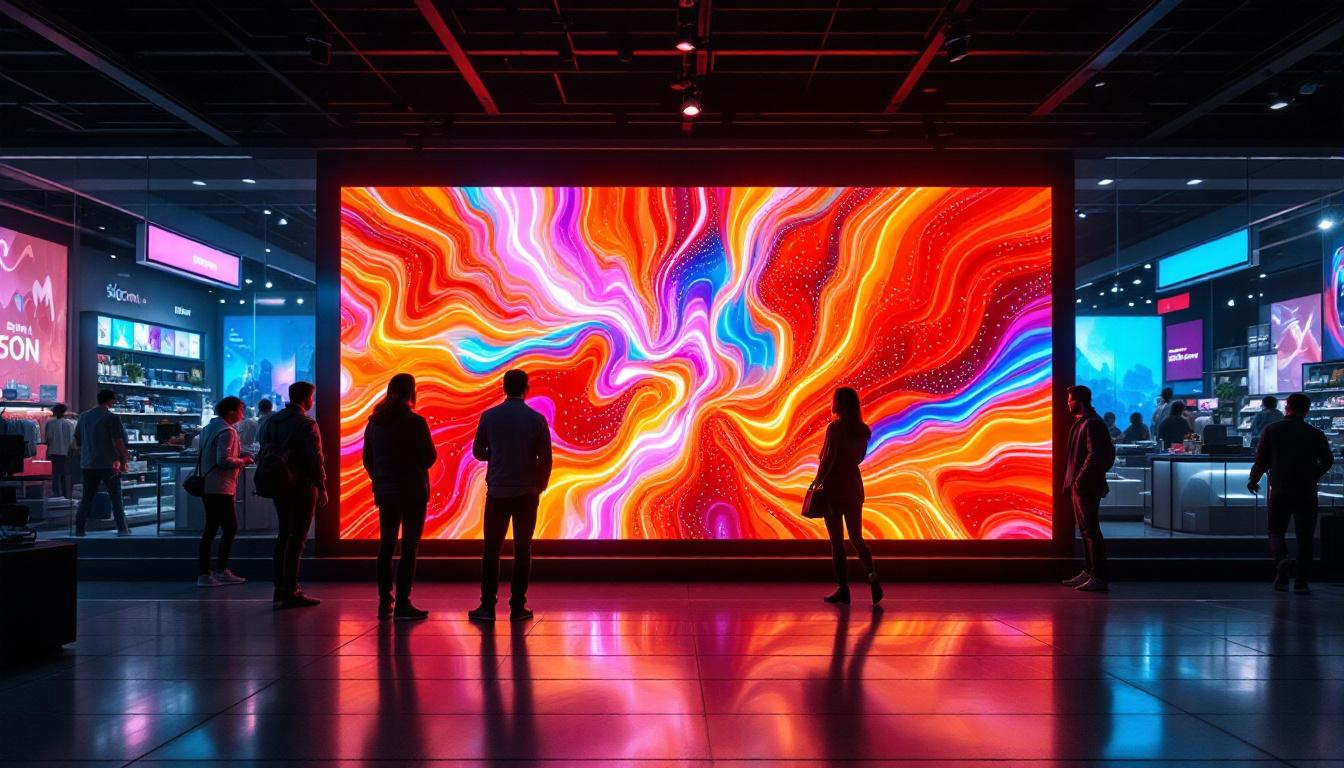
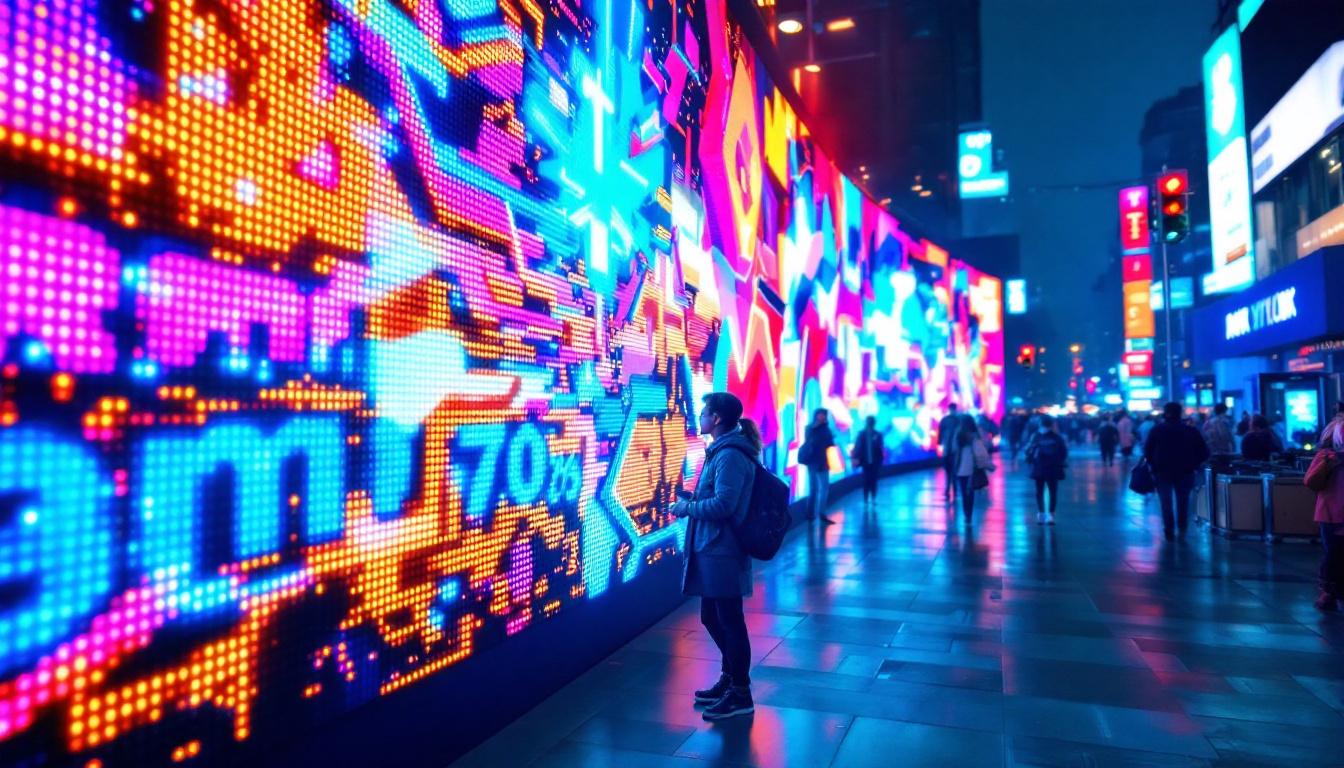
One of the most prevalent uses of LED displays is in advertising and digital signage. According to recent market research, the global digital signage market is expected to reach over $30 billion by 2027, driven largely by the adoption of LED technology. LED displays offer advertisers the flexibility to present dynamic content that can be updated in real-time, attracting more attention than static billboards.
High brightness and weather resistance make LED displays ideal for outdoor advertising, where visibility under direct sunlight is essential. Additionally, their energy efficiency reduces operational costs, making them a sustainable choice for businesses.
Entertainment and Sports Venues
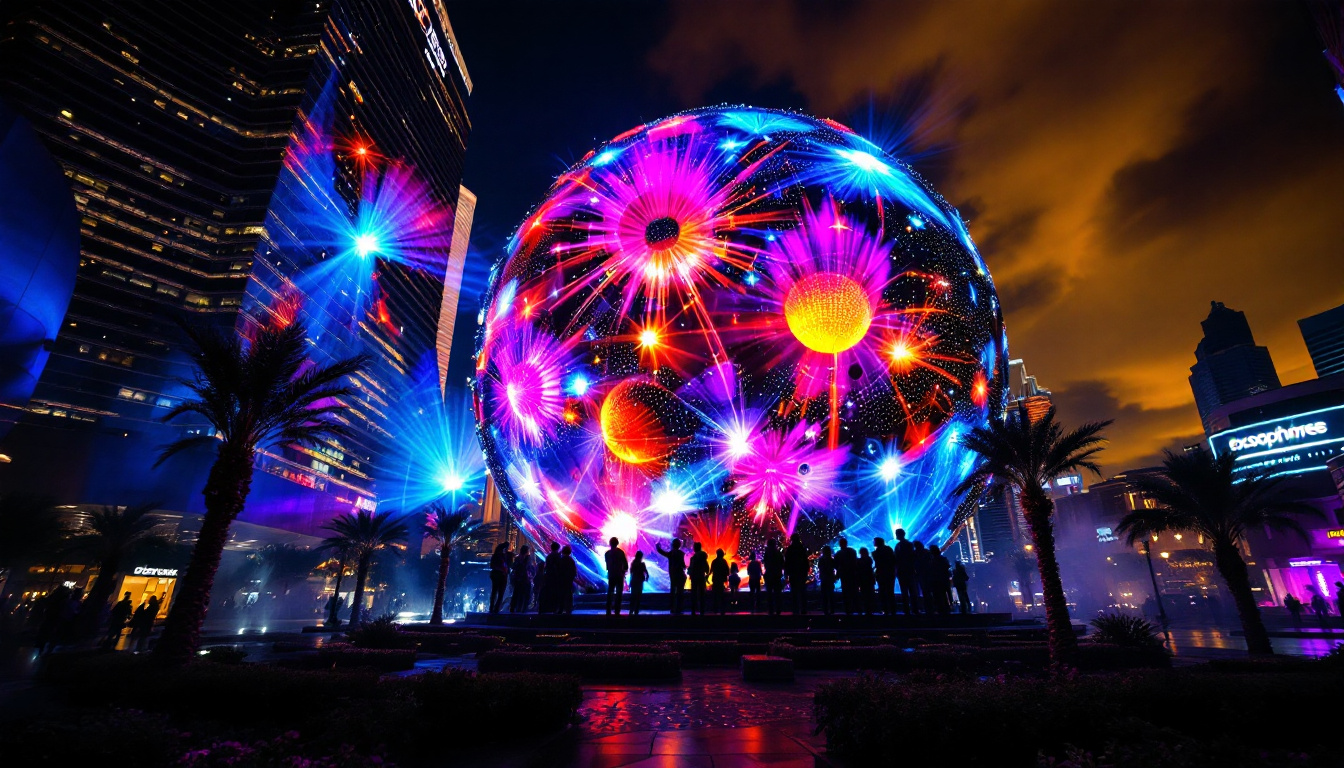
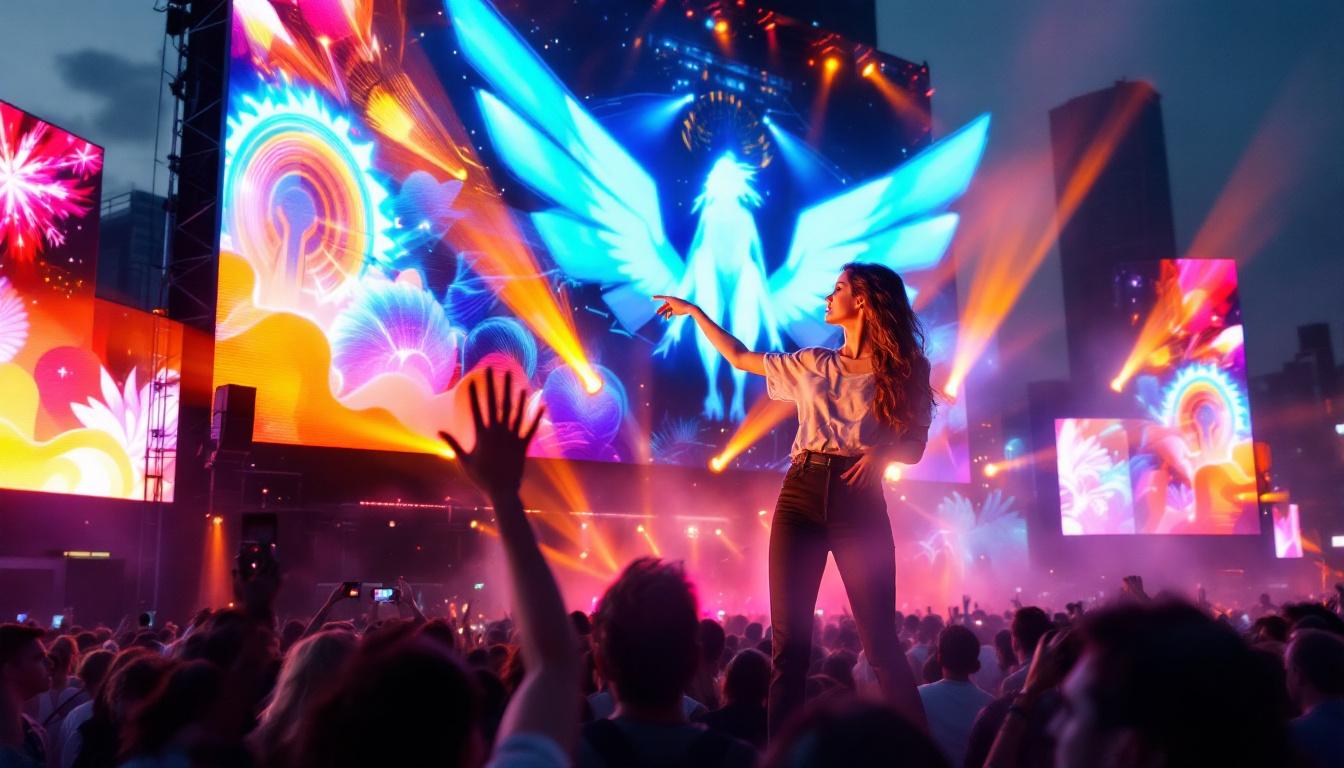
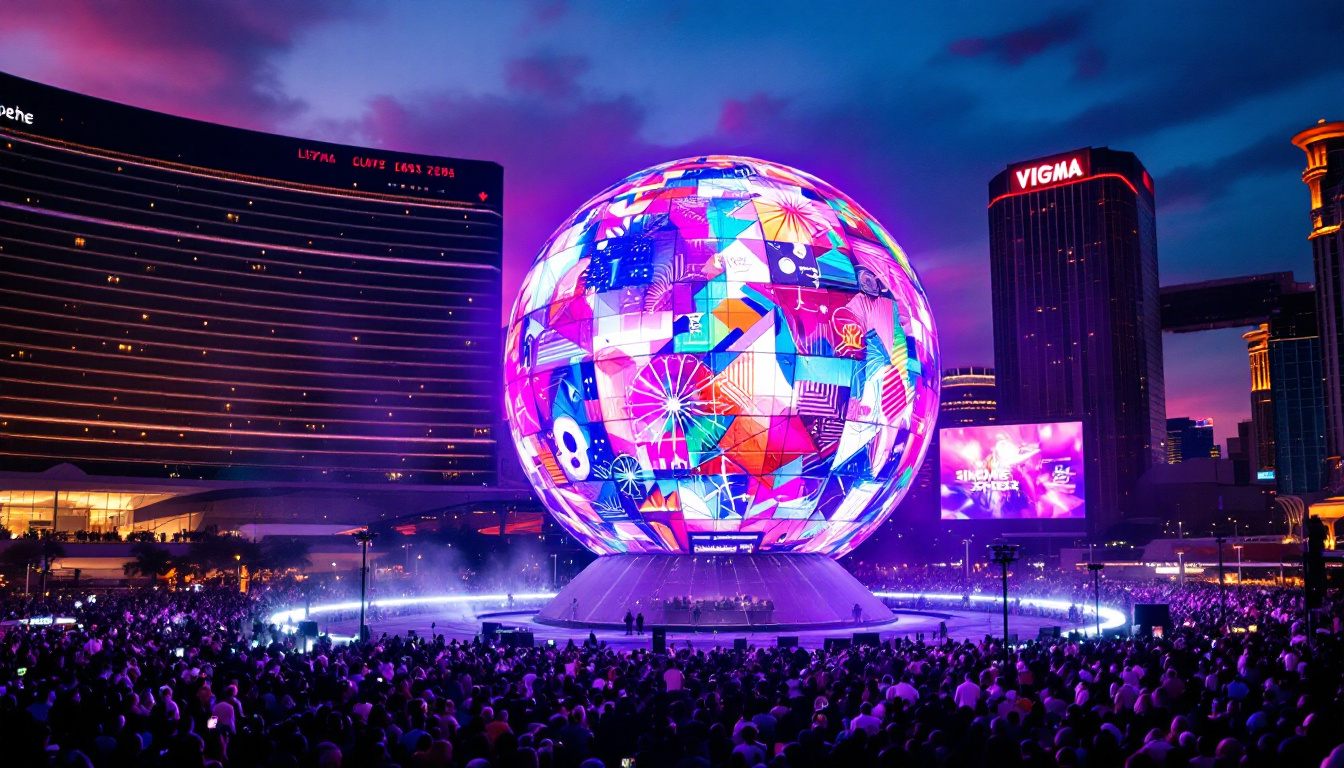
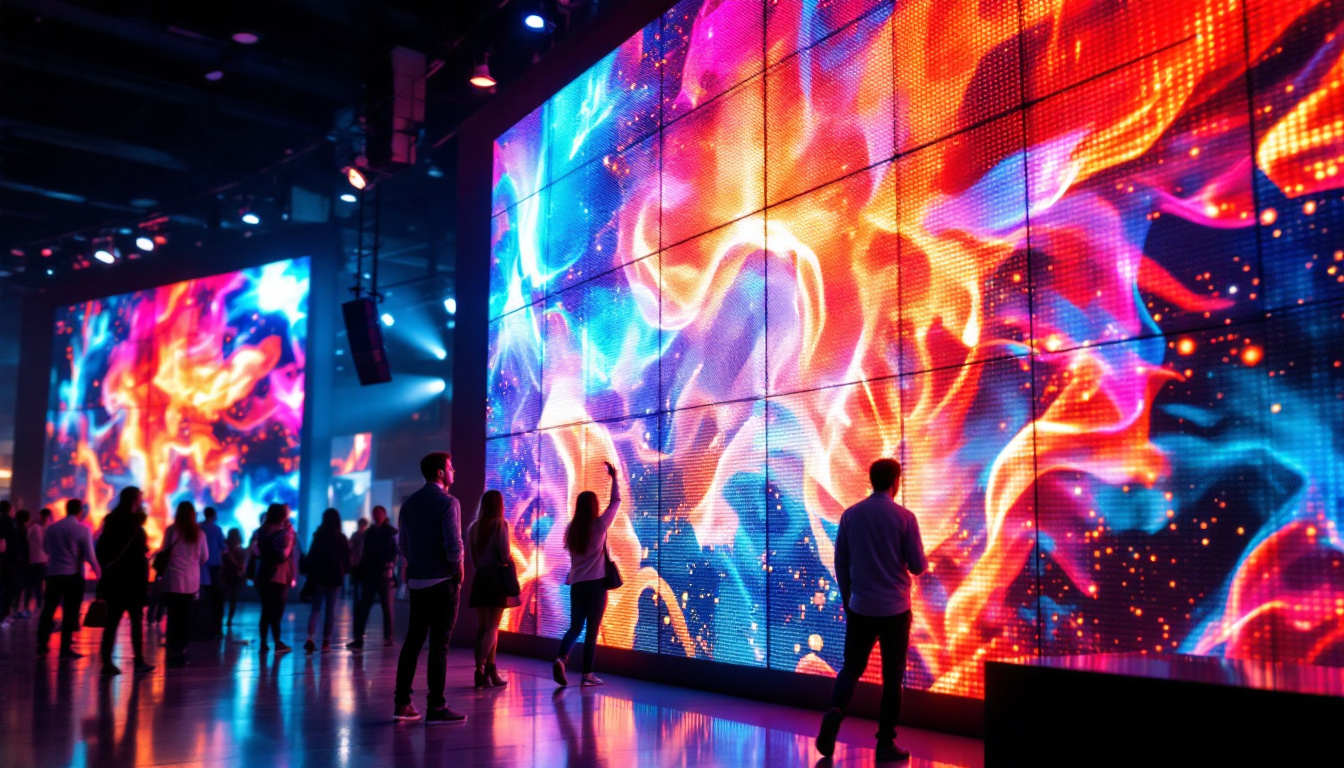
LED displays are a staple in entertainment venues such as concert halls, theaters, and sports stadiums. They provide large-scale, high-definition visuals that enhance the audience experience. For instance, many modern stadiums use massive LED video walls to display live action, replays, and interactive content, engaging fans and creating immersive environments.
Moreover, the flexibility of LED panels allows for creative installations, including curved and flexible screens, adding to the visual spectacle at events.
Transportation and Public Information
In transportation hubs like airports, train stations, and bus terminals, LED displays are essential for conveying real-time information such as schedules, delays, and safety messages. Their high visibility and reliability ensure that passengers receive timely updates, improving overall operational efficiency.
LED displays are also used in traffic management systems, including variable message signs on highways that provide drivers with important alerts and directions.
Advantages of LED Display Lights
Energy Efficiency and Longevity
Compared to traditional display technologies such as incandescent or fluorescent lighting, LEDs consume significantly less power. This energy efficiency translates into lower operational costs and reduced environmental impact. For example, LED displays can use up to 75% less energy than neon or fluorescent signage.
Additionally, LEDs have a longer lifespan, often exceeding 50,000 hours of operation. This durability reduces maintenance frequency and costs, making LED displays a cost-effective investment over time.
Brightness and Visibility
LED displays are renowned for their exceptional brightness, which can reach up to 5,000 nits or more in outdoor models. This high luminance ensures clear visibility even under direct sunlight, a critical factor for outdoor advertising and public information displays.
The ability to adjust brightness dynamically also helps reduce glare and power consumption during nighttime or low-light conditions.
Design Flexibility and Scalability
LED technology allows for a wide range of design possibilities. Displays can be built in virtually any size and shape, from small indoor panels to massive outdoor video walls covering entire building facades. Modules can be seamlessly connected to create large, high-resolution displays tailored to specific needs.
This scalability and modularity make LED displays suitable for diverse applications, enabling creative and impactful visual presentations.
Challenges and Considerations
Initial Cost and Installation
While LED displays offer long-term savings, the initial investment can be substantial, especially for high-resolution or large-scale installations. Costs include not only the display panels but also supporting infrastructure such as mounting systems, power supplies, and control hardware.
Installation requires careful planning to ensure proper alignment, ventilation, and accessibility for maintenance. Engaging experienced professionals is essential to maximize the display’s performance and longevity.
Environmental Impact and Disposal
Although LEDs are more environmentally friendly than many alternatives, the production and disposal of LED displays involve materials that require responsible handling. For example, some LEDs contain small amounts of heavy metals, and electronic waste management protocols must be followed to minimize environmental harm.
Recycling programs and advances in sustainable manufacturing are helping to address these concerns, but users should remain aware of the environmental footprint associated with LED display technology.
The Future of LED Display Technology
MicroLED and Beyond
MicroLED technology represents the next frontier in LED displays, offering even greater brightness, contrast, and energy efficiency than current LEDs. By using microscopic LEDs that function as individual pixels, MicroLED displays can achieve stunning image quality with faster response times and improved durability.
Although still in the early stages of commercial adoption, MicroLED displays are expected to revolutionize consumer electronics, including televisions, smartphones, and wearable devices, over the coming years.
Integration with Smart Technologies
LED displays are increasingly integrated with smart technologies such as IoT (Internet of Things), AI (Artificial Intelligence), and cloud computing. These integrations enable dynamic content management, real-time data analytics, and interactive user experiences.
For example, smart LED signage can adapt content based on audience demographics, weather conditions, or traffic patterns, optimizing engagement and effectiveness. This convergence of LED technology and digital intelligence is shaping the future of visual communication.
Conclusion
LED display lights have transformed the way information and visuals are communicated across various industries. Their superior brightness, energy efficiency, and versatility make them an indispensable tool for advertising, entertainment, transportation, and beyond. As technology advances, innovations like MicroLED and smart integration promise to further enhance the capabilities and applications of LED displays.
Understanding the fundamentals of LED display technology, its benefits, and challenges equips businesses and consumers to make informed decisions about adopting this powerful visual medium. With ongoing developments, LED displays will continue to illuminate the future of digital communication.
Discover LumenMatrix LED Display Solutions
Ready to elevate your visual communication with the latest in LED display technology? Look no further than LumenMatrix, where innovation meets excellence. Our comprehensive range of LED display modules, from Indoor and Outdoor LED Wall Displays to specialized solutions like Vehicle LED Displays and LED Sports Displays, is designed to capture your audience’s attention and bring your vision to life. Whether you’re looking to create immersive environments with Floor LED Displays or make a bold statement with Custom LED Displays, LumenMatrix has the cutting-edge technology to make it happen. Experience the future of digital signage with our All-in-One and LED Transparent Displays. Check out LumenMatrix LED Display Solutions today and transform the way you share your message.