In today’s digital age, LED displays have become an integral part of our visual environment, from advertising billboards and stadium screens to indoor signage and even wearable technology. But what exactly is an LED display, and why has it become the preferred choice for so many applications? This article delves into the technology behind LED light screens, exploring their design, advantages, and diverse uses.
Understanding LED Display Technology
What is an LED Display?
An LED display, often referred to as an LED light screen, is a flat panel display that uses light-emitting diodes (LEDs) as pixels to create images, videos, or text. Unlike traditional LCD or plasma screens, which rely on backlights or gas plasma cells, LED displays generate their own light, making them brighter and more energy-efficient.
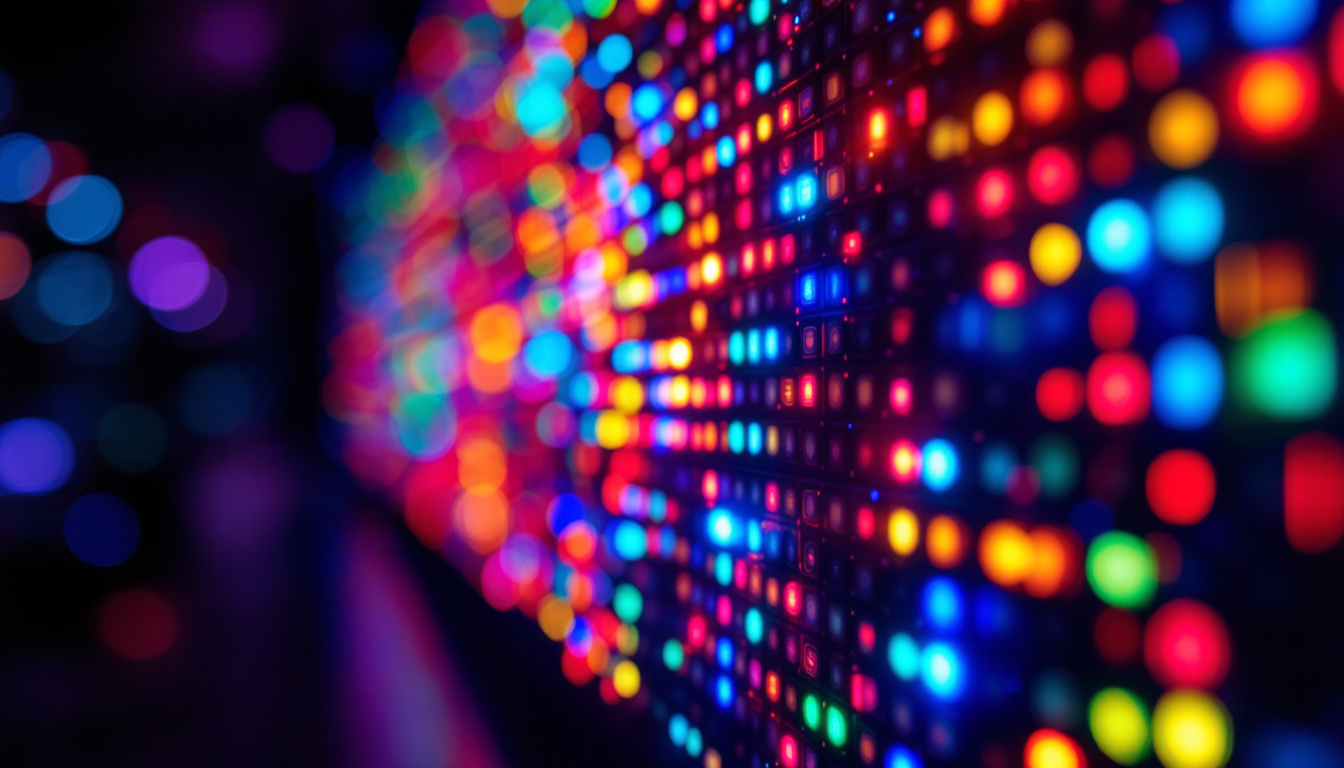
The basic unit of an LED display is the pixel, which consists of one or more tiny LEDs. These LEDs emit light in red, green, and blue (RGB) colors, which combine to form a full spectrum of colors visible to the human eye. By adjusting the intensity of each LED within a pixel, the display can produce detailed and vibrant images.
Types of LED Displays
LED displays come in various forms, each tailored to specific applications and environments. The two primary categories are:
- Direct View LED Displays: These displays use LEDs as the actual pixels visible to the viewer. They are commonly used in large outdoor screens, such as stadium scoreboards and billboards, due to their high brightness and visibility from great distances.
- LED-Backlit LCD Displays: In this type, LEDs are used as a backlight behind an LCD panel. This technology improves brightness and contrast compared to traditional fluorescent backlighting and is widely used in televisions, monitors, and smartphones.
Direct view LED displays are often modular, composed of multiple panels or “modules” that can be combined to create screens of virtually any size. This scalability is one of the reasons for their popularity in large-format installations.
How LED Screens Work: The Science Behind the Glow
The Role of LEDs in Display Technology
Light-emitting diodes are semiconductor devices that emit light when an electric current passes through them. The color of the light depends on the materials used in the diode’s construction. In LED displays, the three primary colors—red, green, and blue—are combined in varying intensities to produce millions of colors.
Each pixel on an LED display typically contains three sub-pixels (one red, one green, and one blue LED). By varying the brightness of each sub-pixel, the display can render a wide range of colors and shades. This method is known as additive color mixing.
Pixel Pitch and Resolution
One of the key technical specifications for LED displays is the pixel pitch, which refers to the distance between the centers of two adjacent pixels, usually measured in millimeters. A smaller pixel pitch means higher pixel density, resulting in sharper images and finer detail.
For example, an LED display with a 1.5mm pixel pitch is typically used for indoor applications where viewers are close to the screen, such as in conference rooms or retail stores. Conversely, outdoor billboards often have pixel pitches ranging from 10mm to 20mm because viewers are farther away, and the larger pitch helps maintain visibility and brightness.
Brightness and Contrast Advantages
LED displays are renowned for their exceptional brightness levels. Outdoor LED screens can achieve brightness levels exceeding 5,000 nits, making them clearly visible even under direct sunlight. This is a significant advantage over LCD and OLED displays, which often struggle in bright environments.
Additionally, LEDs can be turned off completely to produce true blacks, resulting in high contrast ratios that enhance image quality and viewing experience. This feature is particularly beneficial for video content and dynamic advertising.
Applications of LED Light Screens
Outdoor Advertising and Digital Billboards
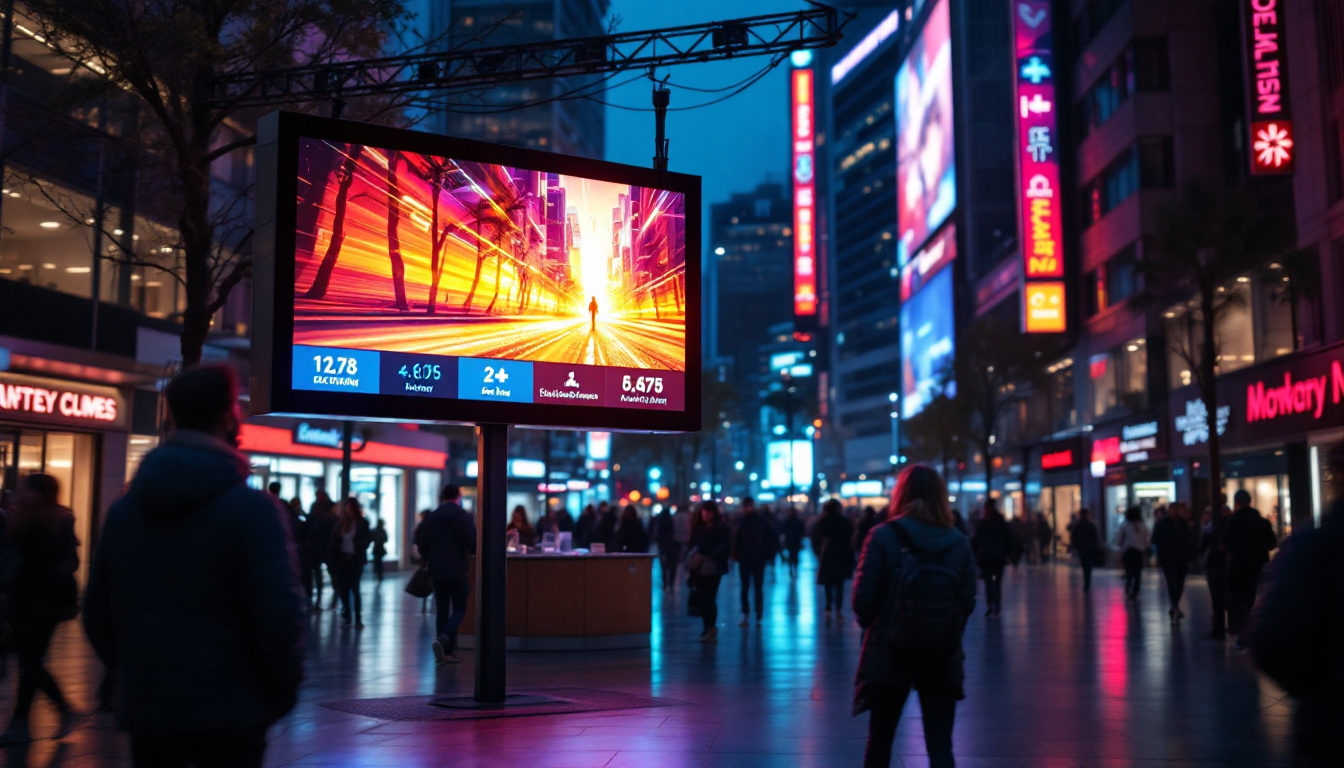
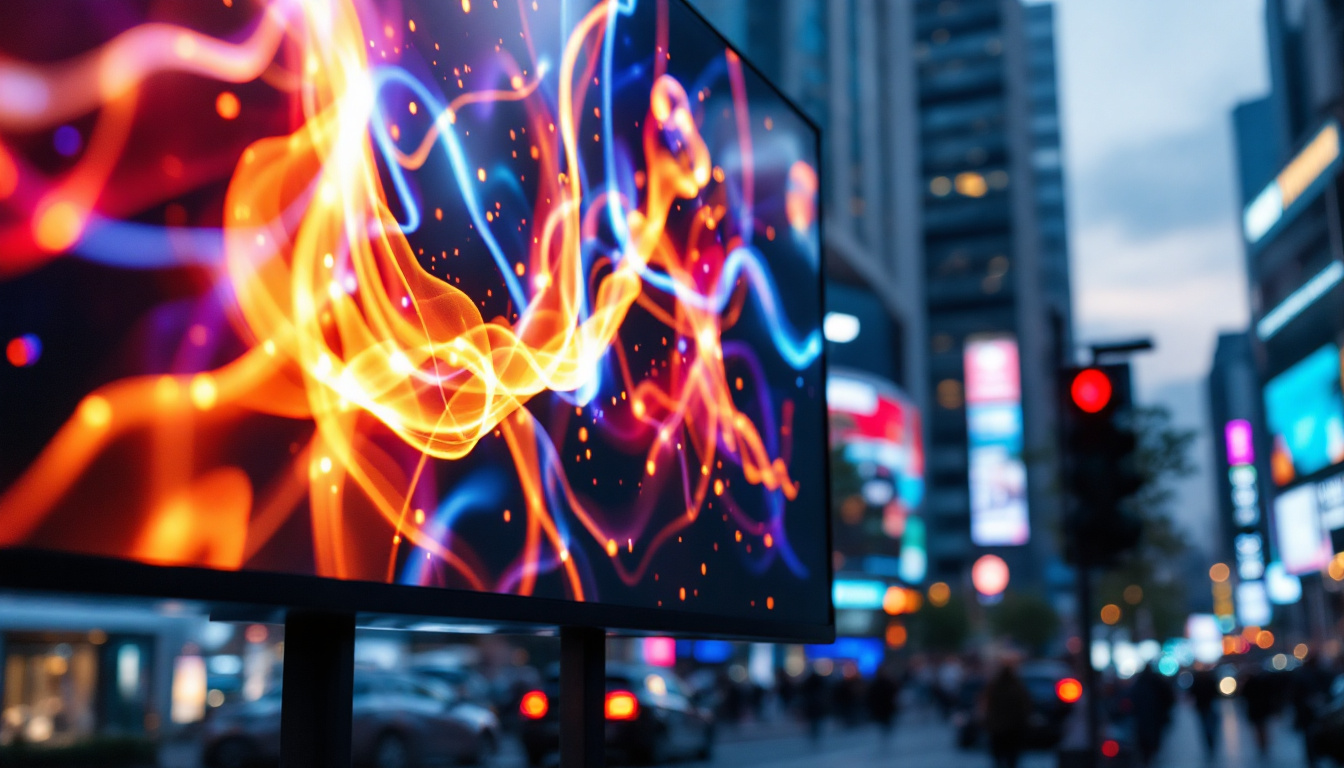
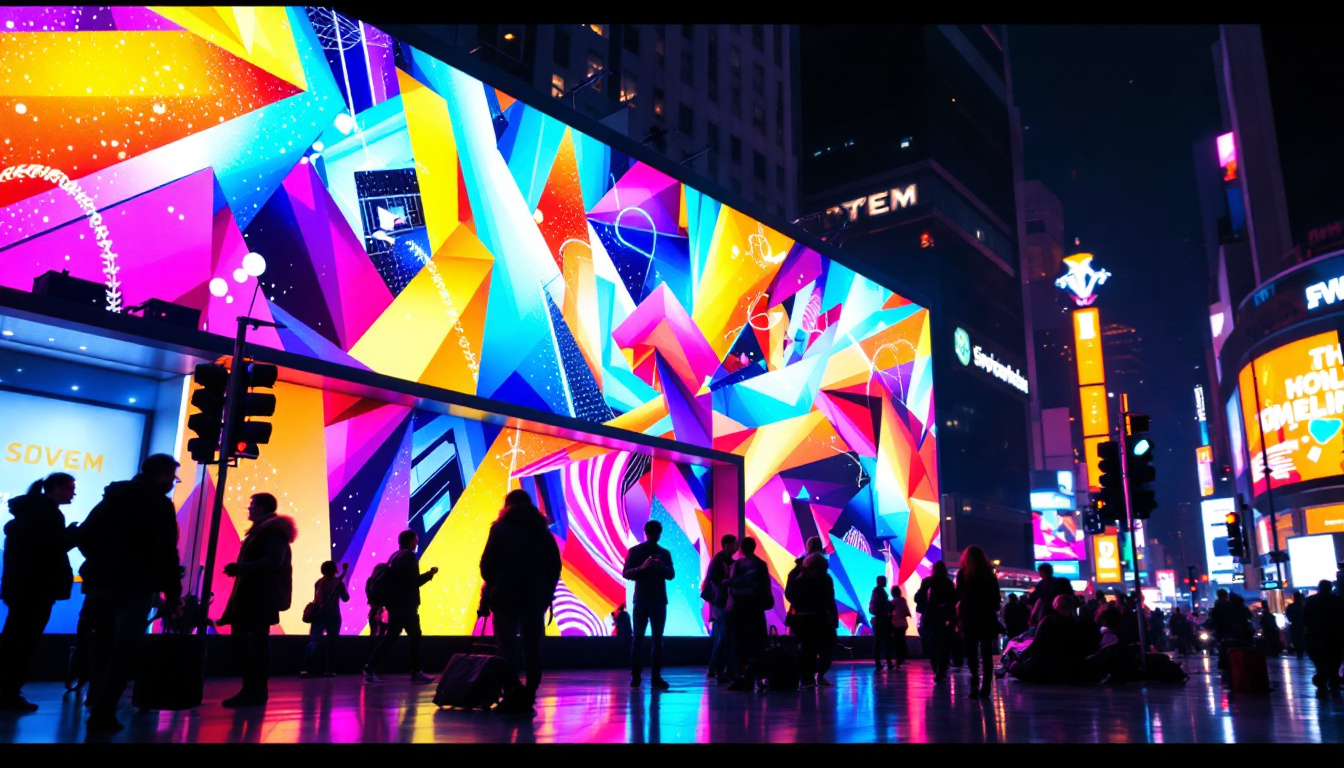
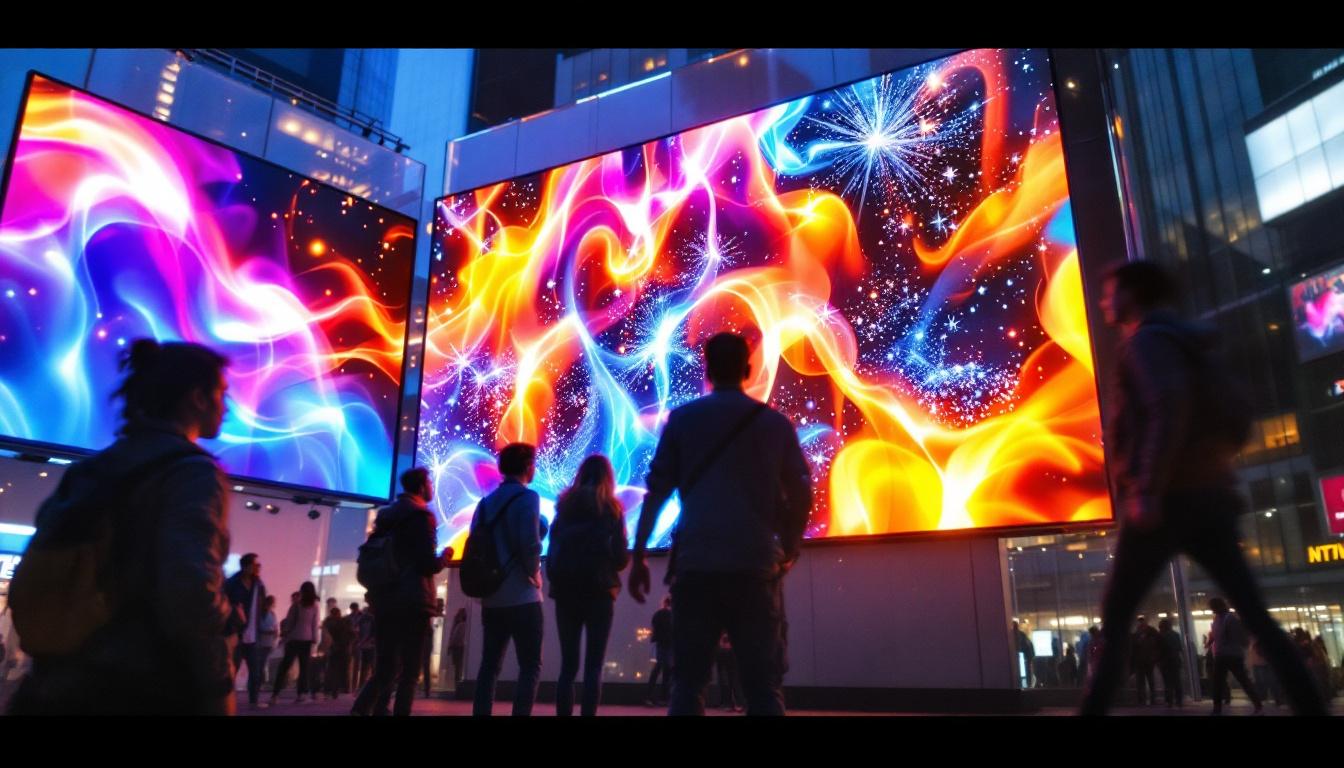
One of the most visible uses of LED displays is in outdoor advertising. Digital billboards equipped with LED screens allow advertisers to display dynamic content that can be updated remotely and in real time. This flexibility enables targeted marketing campaigns and timely messaging, such as weather alerts or event promotions.
According to recent industry reports, the global digital out-of-home (DOOH) advertising market, which heavily relies on LED displays, is projected to grow at a compound annual growth rate (CAGR) of over 10% through 2028. This growth underscores the increasing demand for vibrant, eye-catching digital signage.
Sports and Entertainment Venues
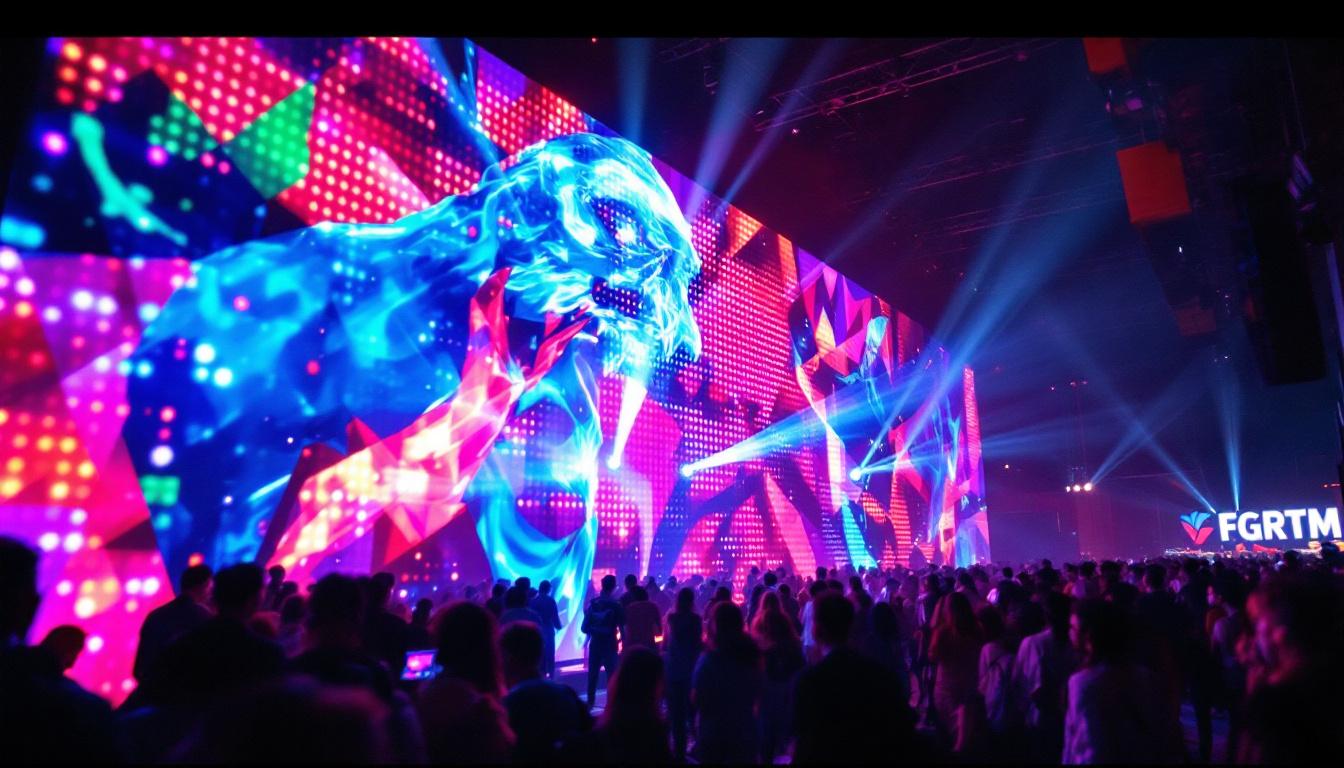
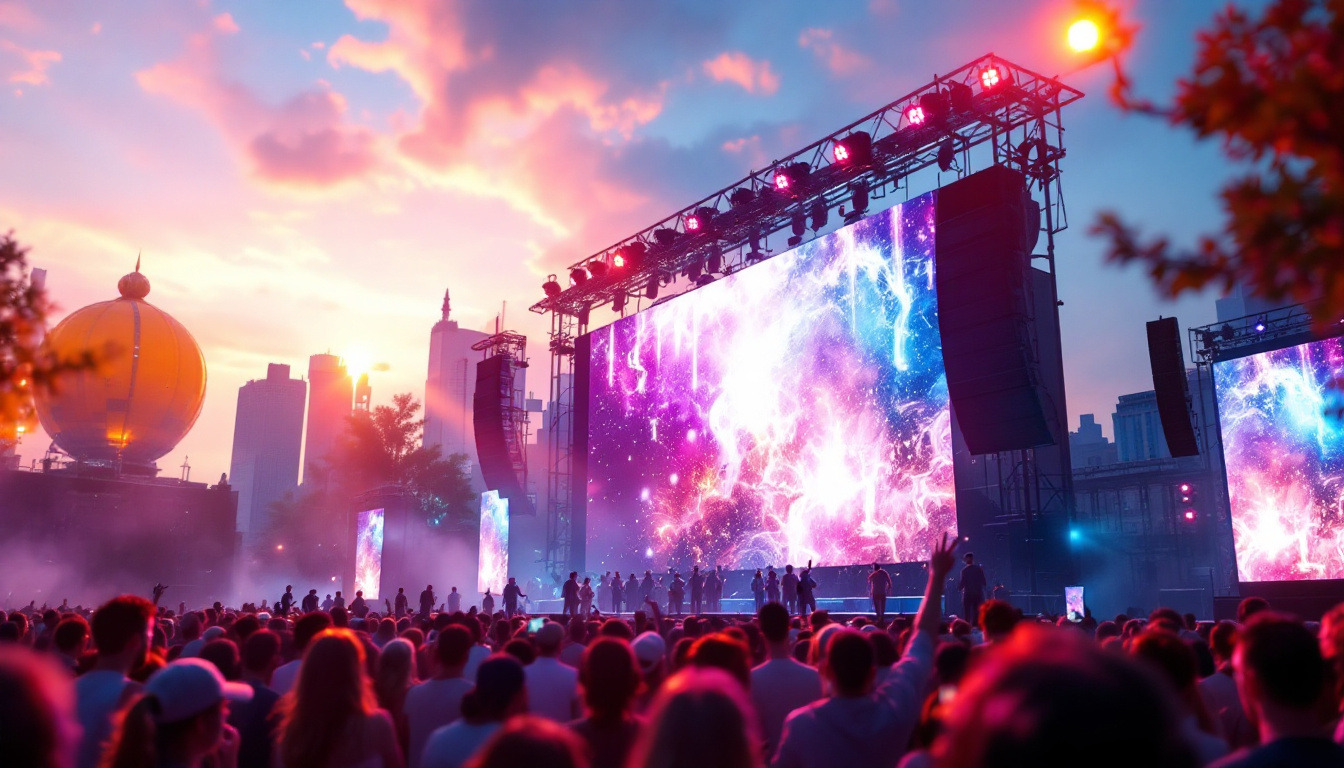
Stadiums and arenas utilize large LED screens to enhance the spectator experience. These screens display live game footage, replays, scores, and advertisements. The high brightness and wide viewing angles of LED displays ensure that even spectators seated far from the action can clearly see the content.
Modern LED screens in sports venues often incorporate advanced features such as high refresh rates and HDR (High Dynamic Range) support, delivering smooth and vivid visuals that keep fans engaged.
Retail and Corporate Use
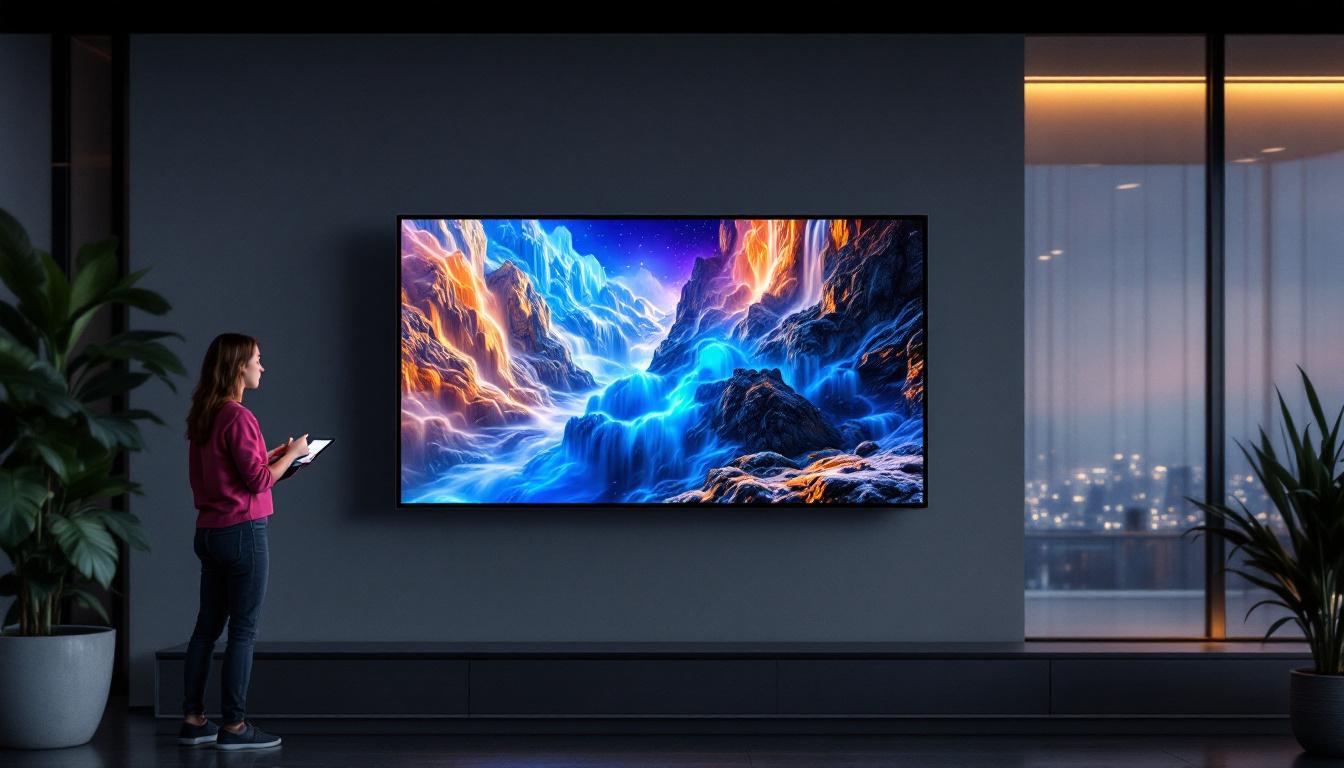
Indoor LED displays are increasingly popular in retail environments for digital signage, promotions, and interactive kiosks. Their slim profiles and customizable sizes make them ideal for store windows, product showcases, and trade show booths.
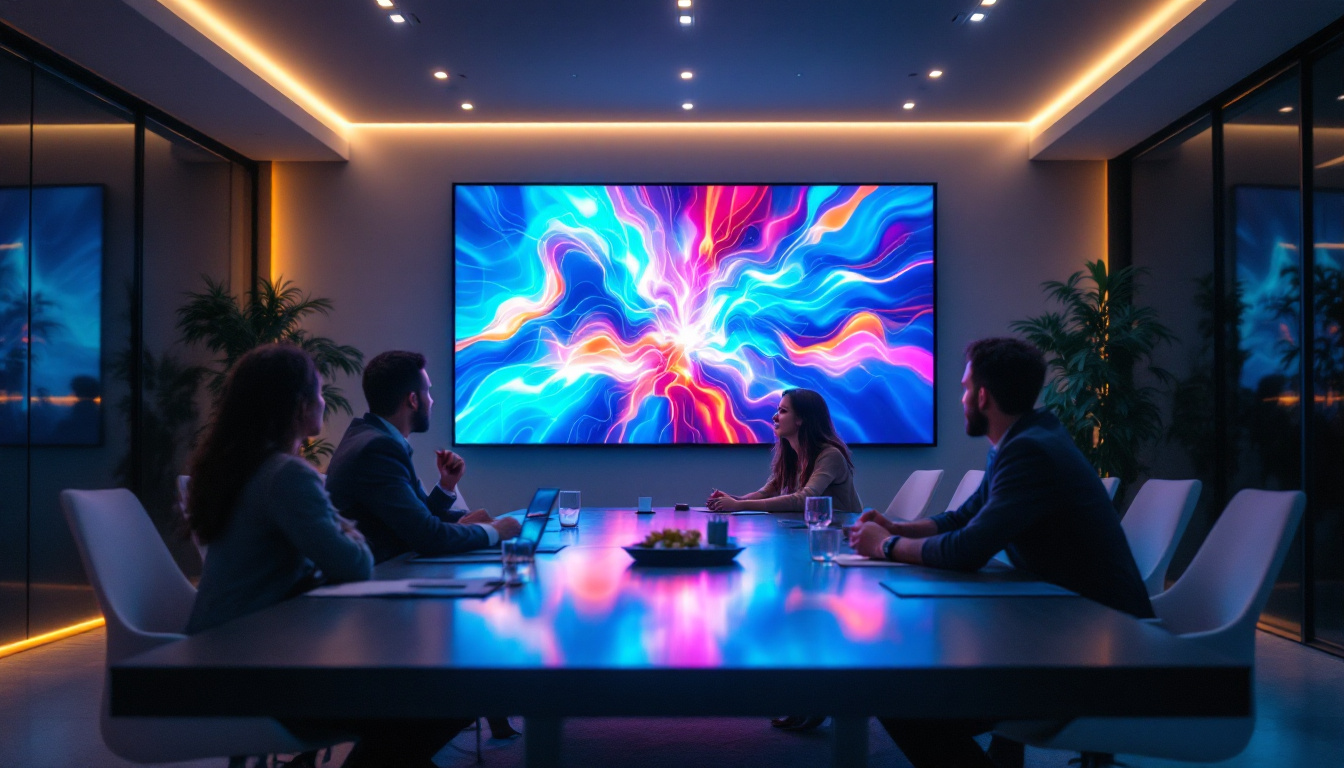
In corporate settings, LED video walls are used in conference rooms, lobbies, and control centers to present information clearly and professionally. The ability to create seamless large-format displays helps businesses communicate effectively with clients and employees.
Transportation and Public Information
LED screens are widely used in airports, train stations, and bus terminals to provide real-time information such as arrival and departure times, gate changes, and emergency alerts. Their high visibility and reliability make them essential for managing large crowds and ensuring smooth operations.
Advantages of LED Displays Over Other Technologies
Energy Efficiency and Longevity
LED displays consume significantly less power than traditional lighting and display technologies. This energy efficiency translates into lower operating costs, especially for large installations that run continuously.
Moreover, LEDs have a longer lifespan, often exceeding 100,000 hours of operation. This durability reduces maintenance costs and downtime, making LED displays a cost-effective solution over time.
Flexibility and Customization
LED technology offers unparalleled flexibility in terms of size, shape, and resolution. Modular designs allow for custom configurations, including curved and irregularly shaped screens, which are difficult to achieve with other display types.
Additionally, LED displays support a wide range of content formats and can be integrated with advanced control systems for dynamic content management, interactivity, and synchronization across multiple screens.
Environmental Impact
Compared to older display technologies, LEDs are more environmentally friendly. They contain no hazardous materials like mercury, which is found in some fluorescent backlights, and their lower energy consumption contributes to reduced carbon emissions.
Many manufacturers are also focusing on recyclable components and sustainable production methods, further enhancing the eco-friendliness of LED displays.
Challenges and Considerations When Choosing an LED Display
Initial Investment and Installation
While LED displays offer long-term savings, the initial purchase and installation costs can be high, especially for large or high-resolution screens. It is important for buyers to consider their budget and the expected return on investment when selecting an LED display.
Installation requires careful planning regarding structural support, power supply, and ventilation. Professional installation is recommended to ensure optimal performance and safety.
Pixel Pitch and Viewing Distance
Choosing the right pixel pitch is critical to achieving the desired image quality. A pixel pitch that is too large for close viewing distances will result in a pixelated image, while an unnecessarily small pixel pitch for distant viewing can increase costs without noticeable benefits.
Understanding the typical viewing distance and environment helps in selecting the appropriate LED display specifications.
Maintenance and Environmental Factors
Outdoor LED displays must be designed to withstand weather conditions such as rain, wind, and temperature fluctuations. IP ratings (Ingress Protection) indicate the level of protection against dust and water and should be considered when purchasing outdoor screens.
Regular maintenance, including cleaning and inspection, is essential to maintain brightness and prevent pixel failures. Many modern LED displays include diagnostic tools to monitor performance and detect issues early.
The Future of LED Display Technology
MicroLED and MiniLED Innovations
Recent advancements in LED technology have led to the development of MicroLED and MiniLED displays. MicroLEDs are tiny LEDs that can be used to create ultra-high-resolution displays with superior brightness and contrast, rivaling OLED technology without its drawbacks such as burn-in.
MiniLEDs, on the other hand, are used primarily as backlighting for LCD panels, offering improved contrast and brightness compared to traditional LED backlights. These technologies are expected to revolutionize consumer electronics, including televisions, smartphones, and wearable devices.
Integration with Smart Technologies
As the Internet of Things (IoT) expands, LED displays are becoming smarter and more connected. Integration with sensors, cameras, and AI-driven content management systems allows for personalized and context-aware displays, enhancing user engagement and operational efficiency.
For example, retail stores can use facial recognition and demographic analysis to tailor advertisements in real time, while smart city initiatives employ LED screens to provide dynamic public information and emergency alerts.
Sustainability and Energy Harvesting
Future LED displays are also expected to incorporate energy-harvesting technologies, such as solar panels or kinetic energy converters, to further reduce their environmental footprint. Advances in materials science may lead to even more efficient LEDs with longer lifespans and lower production impacts.
Conclusion
LED light screens have transformed the way information and entertainment are delivered across multiple industries. Their brightness, energy efficiency, flexibility, and durability make them a superior choice for a wide range of applications, from massive outdoor billboards to intimate indoor displays.
Understanding the underlying technology, advantages, and considerations of LED displays enables businesses and consumers to make informed decisions that maximize the benefits of this versatile technology. As innovations like MicroLED and smart integration continue to evolve, the future of LED displays promises even greater visual experiences and sustainable solutions.
Discover the Future of Visual Communication with LumenMatrix
As you consider the vast potential of LED displays to revolutionize your visual messaging, LumenMatrix stands at the forefront of this innovative technology. With a diverse range of solutions including Indoor and Outdoor LED Wall Displays, Vehicle LED Displays, and specialized options like LED Sports and Floor Displays, LumenMatrix is committed to enhancing your brand’s presence. Whether you’re looking to captivate your audience with a Custom LED Display or seeking the versatility of an All-in-One LED Display, our mission is to empower your communication with clarity and impact. Ready to create unforgettable visual experiences? Check out LumenMatrix LED Display Solutions and join the revolution in digital signage.