Trade shows remain one of the most effective marketing platforms for businesses to showcase their products, connect with potential clients, and build brand awareness. In an increasingly competitive environment, the quality and impact of your trade show display can make or break your success at these events. Among the many options available, LED displays have emerged as a powerful tool for exhibitors aiming to captivate audiences with dynamic, high-quality visuals.
This article delves into the world of LED displays for trade shows, explaining what they are, how they work, their benefits, and practical considerations for businesses looking to invest in this technology.
Understanding LED Displays: What Are They?
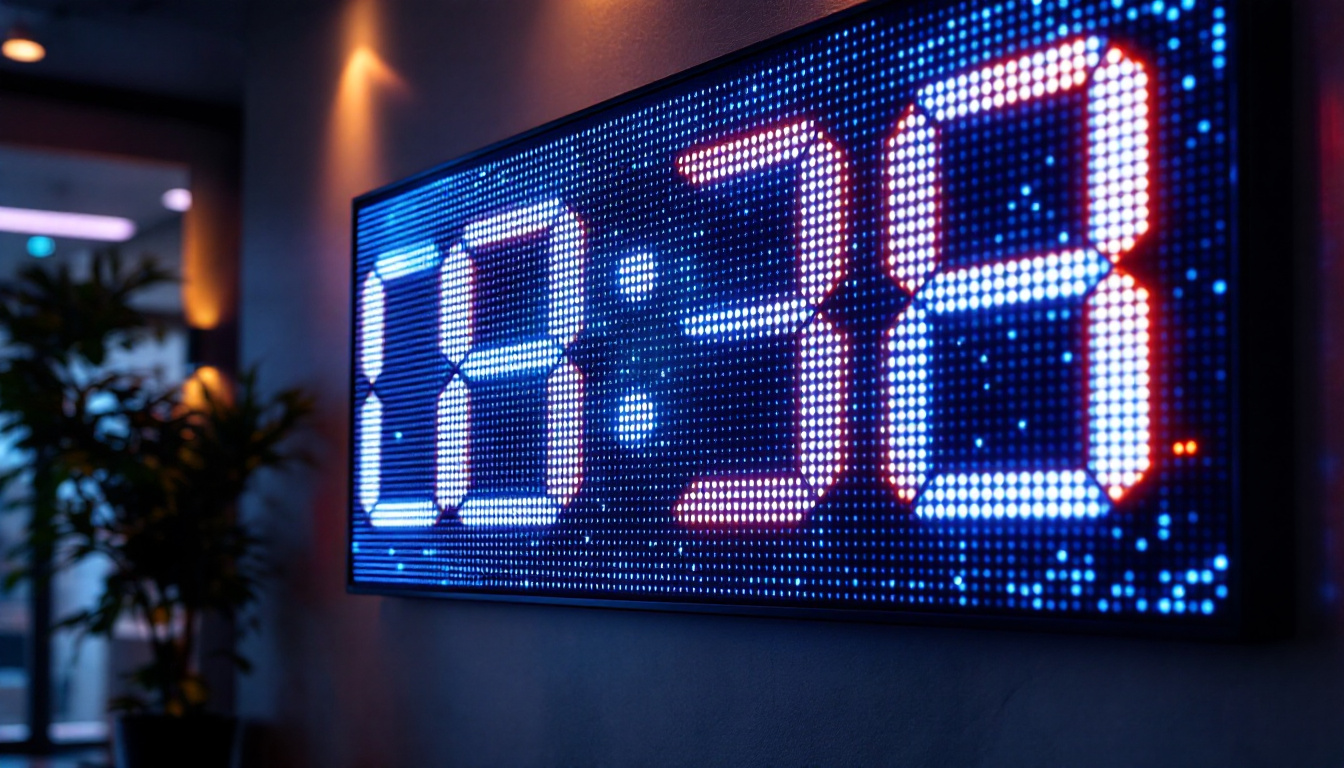
LED stands for Light Emitting Diode, a semiconductor device that emits light when an electric current passes through it. LED displays are screens made up of thousands of these tiny diodes, which work together to produce bright, vivid images and videos.
Unlike traditional LCD or projection screens, LED displays are self-illuminating, meaning each diode emits its own light. This characteristic allows for superior brightness, contrast, and color accuracy, making LED displays particularly well-suited for environments with varying lighting conditions, such as trade show floors.
Types of LED Displays Used in Trade Shows
Trade show LED displays come in several forms, each tailored to different needs and booth sizes:
- Indoor LED Displays: Designed for well-lit indoor environments, these displays feature smaller pixel pitches (the distance between individual LEDs) to deliver crisp, high-resolution images at close viewing distances.
- Outdoor LED Displays: Built to withstand weather and sunlight, these are typically brighter and more rugged but less common at indoor trade shows.
- Flexible and Curved LED Displays: These innovative displays allow for creative booth designs, wrapping around structures or creating eye-catching shapes to attract visitors.
- Transparent LED Displays: These allow light to pass through the screen, enabling unique visual effects and maintaining booth openness while displaying dynamic content.
Why Choose LED Displays for Trade Show Booths?
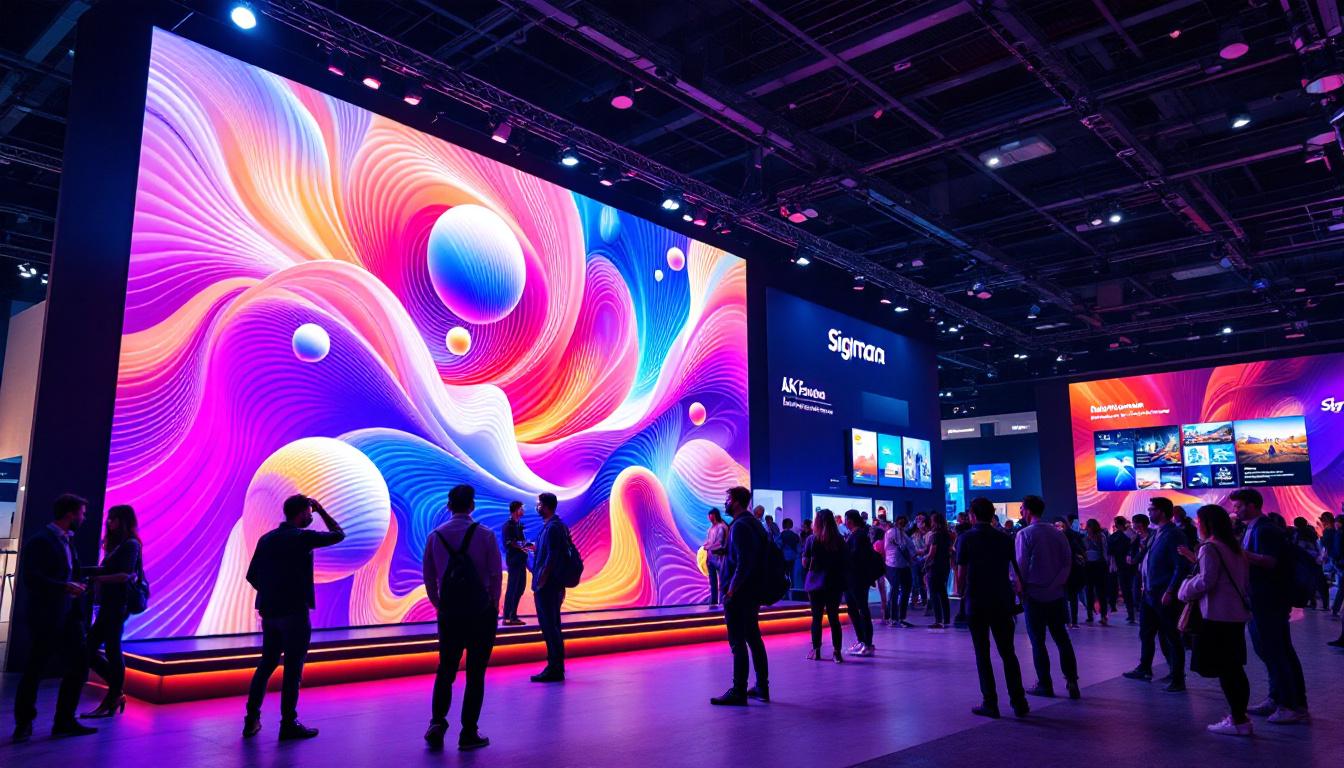
Trade shows are crowded, noisy, and competitive spaces. Exhibitors must find ways to stand out and communicate their message quickly and effectively. LED displays offer several advantages that make them an ideal choice for this purpose.
Exceptional Visual Impact
LED displays deliver bright, vibrant images that are visible from considerable distances. This visual impact helps draw attendees’ attention even in a sea of competing booths. The high contrast ratio and wide color gamut mean that videos, animations, and graphics appear sharp and engaging, enhancing brand storytelling and product demonstrations.
Flexibility in Content Presentation
One of the greatest strengths of LED displays is their ability to showcase a wide range of content formats. From static images and slideshows to full-motion videos and live feeds, LED screens can handle it all seamlessly. This flexibility allows exhibitors to tailor their messaging dynamically throughout the event, keeping their booth fresh and interesting.
Durability and Reliability
Trade shows often involve frequent setup and teardown, transportation, and extended hours of operation. LED displays are designed to be robust and reliable under these conditions. Many models feature modular construction, making them easy to assemble, disassemble, and repair if necessary.
Energy Efficiency
Compared to traditional lighting and projection systems, LED displays consume less power while delivering superior brightness. This efficiency reduces operational costs and aligns with the growing emphasis on sustainability in corporate events.
Enhanced Engagement Through Interactivity
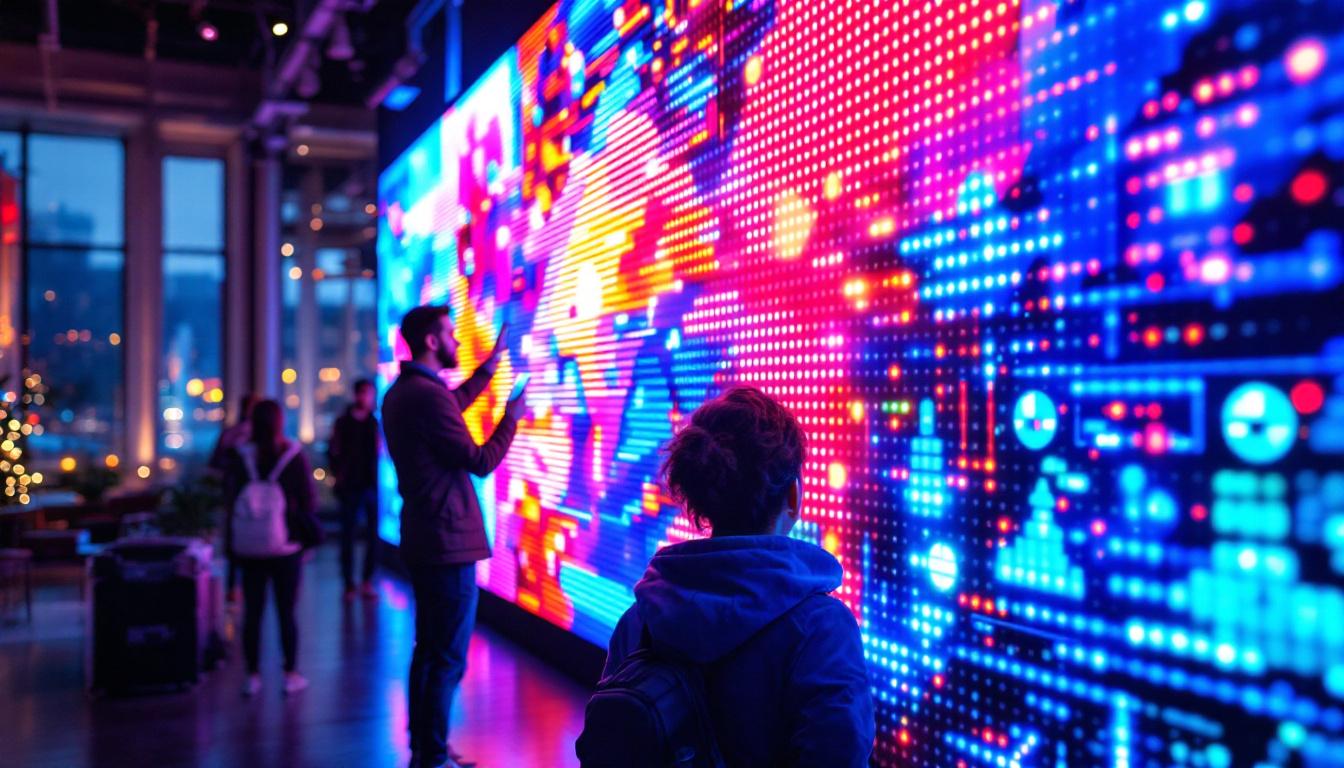
Modern LED displays can be integrated with touchscreens, motion sensors, or augmented reality features, creating interactive experiences that engage visitors more deeply. Interactive displays can increase dwell time at booths and improve lead generation metrics.
Key Technical Considerations When Selecting LED Displays
Choosing the right LED display for a trade show involves understanding several technical factors that influence performance and suitability.
Pixel Pitch and Resolution
Pixel pitch, measured in millimeters, refers to the distance between the centers of two adjacent LEDs. A smaller pixel pitch means higher resolution and sharper images, which is crucial for close-up viewing typical at trade shows. For indoor trade shows, pixel pitches between 1.5mm and 4mm are common, delivering excellent clarity at typical booth viewing distances.
Brightness and Contrast Ratio
Brightness is measured in nits (candelas per square meter). Trade show LED displays typically range from 800 to 1500 nits, ensuring visibility even under bright exhibition hall lighting. A high contrast ratio enhances image depth, making colors pop and text easier to read.
Viewing Angle
LED displays offer wide viewing angles, often up to 160 degrees horizontally and vertically. This ensures that booth visitors can see the content clearly from various positions around the booth, maximizing exposure.
Size and Aspect Ratio
The physical size of the LED display should align with booth dimensions and layout. Larger displays attract more attention but require more space and budget. Aspect ratios commonly used include 16:9 for widescreen video content, but custom configurations are possible to fit unique booth designs.
Refresh Rate
The refresh rate, measured in Hertz (Hz), indicates how often the image on the screen updates per second. Higher refresh rates (above 120Hz) reduce flicker and motion blur, especially important for video playback and live feeds.
Connectivity and Content Management
Modern LED displays support various input sources such as HDMI, DisplayPort, and wireless connections. Additionally, integrated content management systems allow exhibitors to schedule and update content remotely, streamlining booth operations.
Practical Tips for Using LED Displays at Trade Shows
Investing in an LED display is only part of the equation. To maximize its effectiveness, exhibitors should consider best practices for content creation, booth design, and logistics.
Create Compelling Content
Content is king when it comes to digital displays. High-quality visuals that communicate your brand message clearly and quickly are essential. Use bold colors, concise text, and engaging animations to capture attention. Incorporate calls to action and contact information to encourage follow-up.
Optimize for Viewing Distance
Design content with the expected viewing distance in mind. Text should be large enough to read from several feet away, and videos should be paced to hold attention without overwhelming viewers. Consider the flow of foot traffic around your booth to position the display strategically.
Integrate with Booth Design
LED displays should complement the overall booth aesthetic and layout. Use them as focal points or background elements depending on your marketing strategy. Lighting, furniture, and signage should harmonize with the screen to create a cohesive and inviting environment.
Plan for Setup and Maintenance
Ensure that your team is trained on assembling, operating, and troubleshooting the LED display. Allocate time for setup and testing before the show opens. Have backup plans for technical issues, such as spare cables or on-site technical support.
Leverage Interactivity
If budget allows, incorporate interactive features such as touchscreens or QR codes displayed on the LED screen to engage visitors and collect leads. Interactive elements can differentiate your booth and create memorable experiences.
Case Studies: Successful Use of LED Displays at Trade Shows
Several companies have demonstrated how LED displays can transform trade show experiences and deliver measurable results.
Technology Company Boosts Engagement by 40%
A leading technology firm invested in a large, curved indoor LED display to showcase product demos at a major industry expo. The dynamic visuals and immersive content attracted more visitors, increasing booth engagement by 40% compared to previous years. The company also integrated live social media feeds, encouraging attendees to interact online and offline.
Retail Brand Enhances Visual Merchandising
A retail brand used transparent LED displays to create a futuristic storefront within their trade show booth. This innovative approach allowed passersby to glimpse products behind the screen while simultaneously viewing promotional videos. The result was a 25% increase in booth traffic and positive media coverage.
Automotive Manufacturer Creates Immersive Experience
An automotive manufacturer employed a combination of high-resolution LED walls and interactive touchscreens to simulate driving experiences and highlight vehicle features. This multi-sensory approach led to longer visitor dwell times and a significant boost in qualified leads.
Future Trends in LED Displays for Trade Shows
The LED display industry continues to evolve rapidly, driven by technological advances and changing exhibitor needs.
MicroLED and MiniLED Technologies
Emerging MicroLED and MiniLED technologies promise even higher resolution, improved brightness, and better energy efficiency. These advancements will enable more compact and versatile displays suitable for smaller booths or wearable applications.
Integration with Augmented Reality (AR)
Combining LED displays with AR can create immersive, interactive experiences that blur the line between digital and physical worlds. Exhibitors can provide personalized product demonstrations or virtual try-ons, enhancing visitor engagement.
AI-Driven Content Personalization
Artificial intelligence will enable real-time content adaptation based on audience demographics, behavior, or preferences. This personalization can increase relevance and impact, making trade show interactions more meaningful.
Sustainability and Eco-Friendly Designs
As environmental concerns grow, manufacturers are developing LED displays with recyclable materials, lower power consumption, and longer lifespans. Exhibitors can align their trade show presence with corporate social responsibility goals by choosing sustainable display options.
Conclusion
LED displays have revolutionized the way businesses present themselves at trade shows. Their brightness, versatility, and durability make them an indispensable tool for capturing attention and conveying compelling messages in a crowded exhibition environment. By understanding the technical aspects, selecting the right type of display, and crafting engaging content, exhibitors can maximize their return on investment and create memorable experiences for attendees.
As technology continues to advance, LED displays will offer even more innovative opportunities to connect with audiences and stand out on the trade show floor. For companies serious about trade show success, embracing LED display technology is not just an option—it’s becoming a necessity.
Discover LumenMatrix LED Display Solutions
Ready to elevate your trade show presence with cutting-edge LED technology? LumenMatrix offers a comprehensive range of LED display solutions tailored to your unique needs. From captivating Indoor LED Wall Displays to versatile Outdoor LED Wall Displays, and from dynamic Vehicle LED Displays to innovative Transparent LED Displays, our products are designed to make your brand shine. Experience the future of visual communication with LumenMatrix and create an unforgettable impact at your next trade show event. Check out LumenMatrix LED Display Solutions today and transform how you connect with your audience.