In today’s digital age, LED displays have become an integral part of our daily lives, from smartphones and televisions to billboards and home automation systems. The term “LED home screen” often arises when discussing the vibrant, energy-efficient screens that form the interface of many modern devices. But what exactly is an LED display, how does it work, and why is it so prevalent in home technology? This comprehensive article explores the fundamentals of LED displays, their technology, applications, and the future trends shaping their evolution.
Understanding LED Technology
What is an LED?
LED stands for Light Emitting Diode, a semiconductor device that emits light when an electric current passes through it. Unlike traditional incandescent bulbs that generate light by heating a filament, LEDs produce light through electroluminescence, which is more energy-efficient and longer-lasting. Invented in the early 1960s, LEDs have evolved from simple indicator lights to complex display technologies powering everything from home screens to massive outdoor billboards. The transition from incandescent to LED lighting has not only reduced energy consumption but also significantly lowered maintenance costs, as LEDs can last up to 25 times longer than their incandescent counterparts.
Moreover, the environmental impact of LED technology is noteworthy. With a longer lifespan and lower energy usage, LEDs contribute to reduced carbon emissions and less waste in landfills. As more industries adopt LED technology, the push for sustainable practices continues to grow, making LEDs a cornerstone of modern energy-efficient design. Their versatility allows them to be used in various applications, from residential lighting to automotive headlights, showcasing their adaptability in meeting the demands of contemporary society.
How Do LED Displays Work?
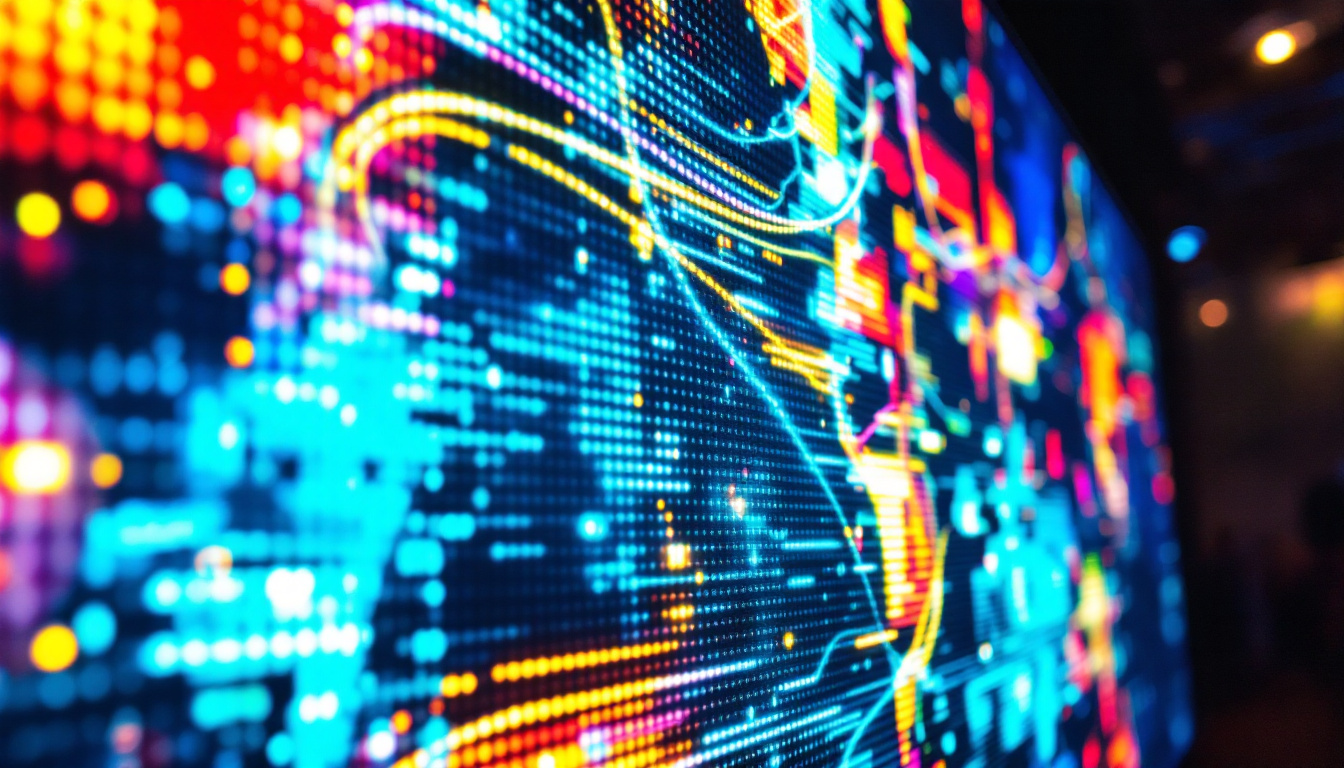
LED displays are composed of numerous tiny LEDs arranged in a matrix to form pixels. Each pixel can emit light in different colors, typically red, green, and blue (RGB), which combine to produce a full spectrum of colors visible on the screen. By controlling the brightness and color of each pixel, LED displays create images, videos, and user interfaces with remarkable clarity and vibrancy. The precision in color mixing and brightness control allows for high-definition visuals, making LED displays a popular choice for everything from televisions to large-scale advertising screens.
Two main types of LED displays are commonly used:
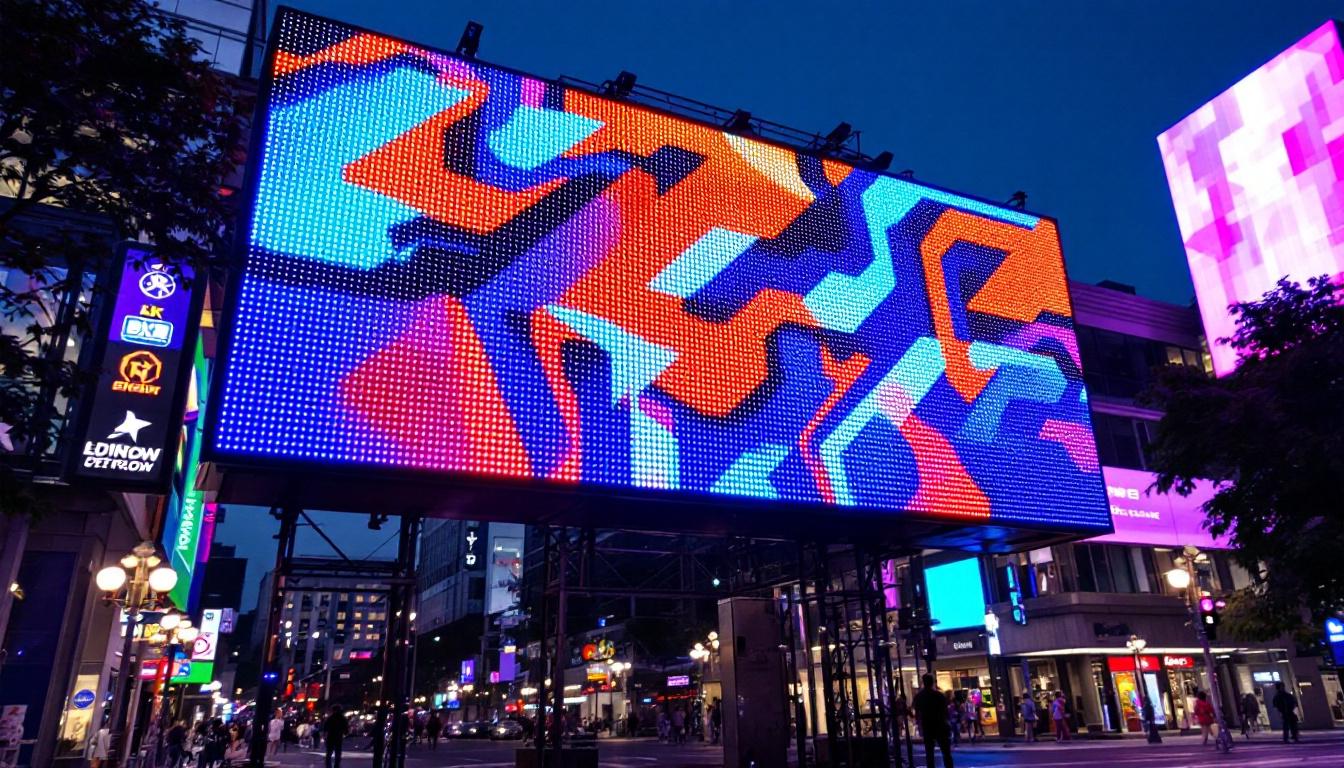
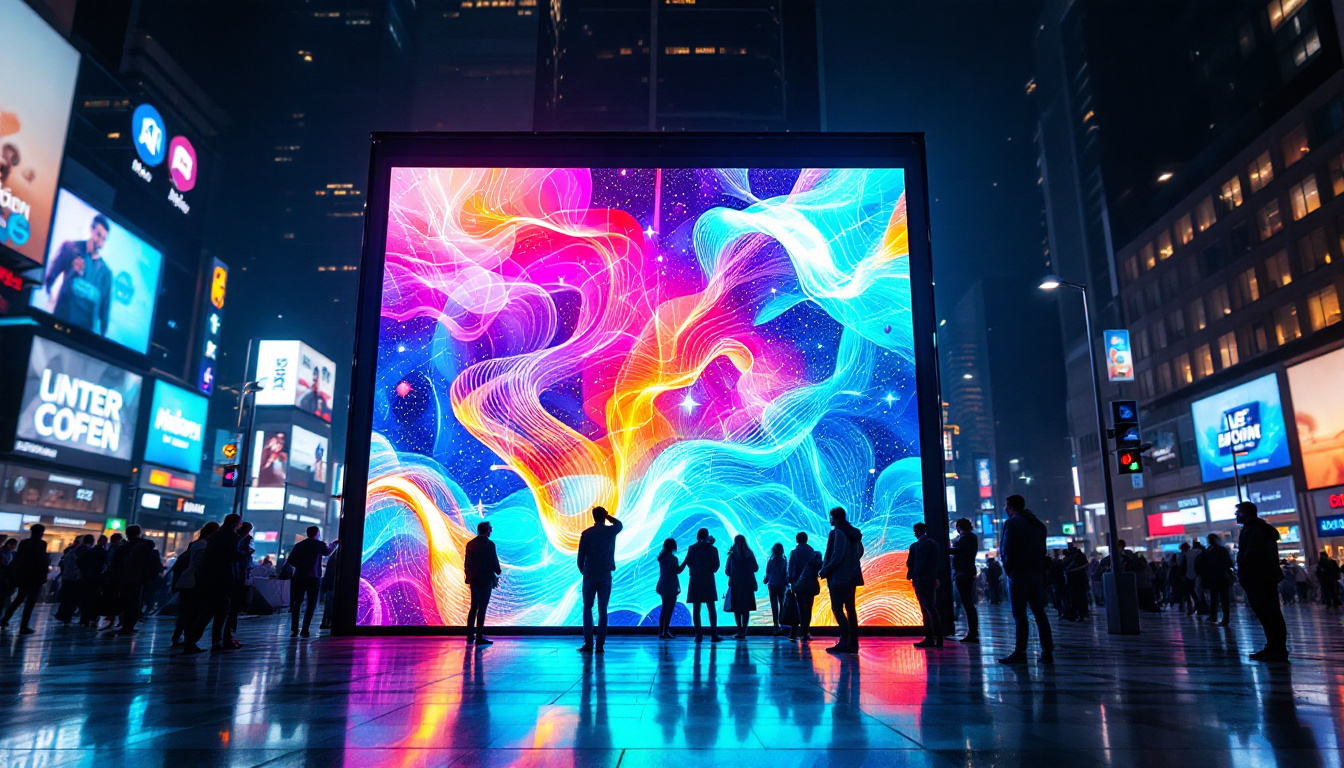
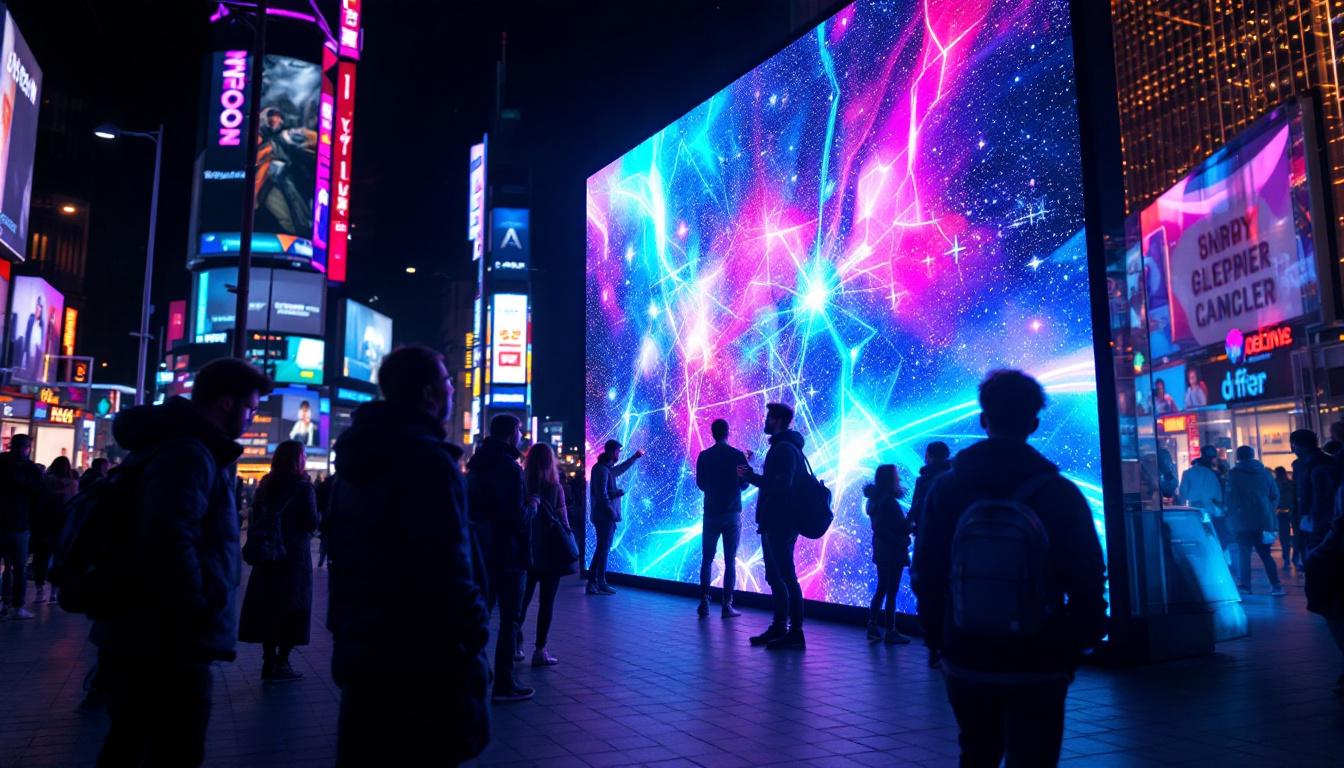
- Direct View LED (DV-LED): This type uses individual LEDs as pixels. It is often used in large-scale displays such as stadium screens or outdoor signage. The ability to create massive displays with high brightness levels ensures visibility even in direct sunlight, making them ideal for outdoor environments.
- LED-backlit LCD: Most consumer devices, including smartphones and televisions, use LCD panels illuminated by LED backlights. The LEDs do not form the image directly but provide the light source behind the LCD screen. This technology allows for thinner screens and improved color accuracy, enhancing the overall viewing experience.
In addition to these types, advancements in LED technology have led to the development of organic LEDs (OLEDs), which offer even greater flexibility and color range. OLEDs are made from organic compounds that emit light when an electric current is applied, allowing for thinner panels and more vibrant colors. They are increasingly used in high-end televisions and smartphones, providing deeper blacks and a wider viewing angle compared to traditional LED displays. As the technology continues to evolve, the possibilities for LED applications seem limitless, paving the way for innovative designs and improved user experiences across various industries.
LED Home Screens: Where and Why They Matter
LED in Consumer Electronics
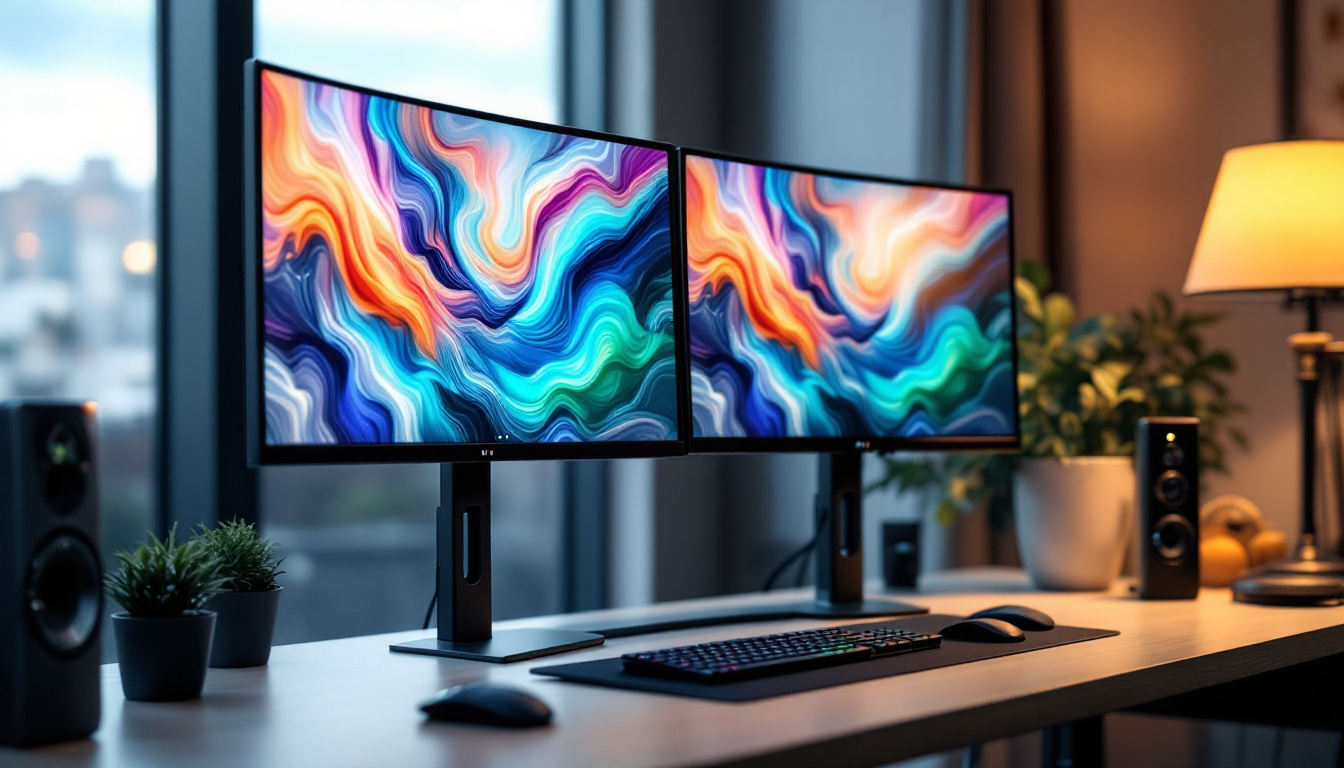
When referring to an “LED home screen,” many people are talking about the display technology used in their devices’ main interface—such as smartphones, tablets, laptops, and smart TVs. These screens are typically LED-backlit LCDs or OLEDs (Organic LEDs), which are a variation of LED technology offering even higher contrast and color accuracy.
LED-backlit LCDs have become the industry standard due to their balance of cost, brightness, and energy efficiency. For example, the average smartphone display today uses LED backlighting to ensure vivid colors and sharp images while maintaining battery life. In smart TVs, LED screens allow for larger, thinner panels with better energy consumption compared to older plasma or CCFL-backlit LCDs.
Energy Efficiency and Environmental Impact
One of the most significant advantages of LED displays in home screens is their energy efficiency. LEDs consume up to 75% less energy than traditional lighting technologies, which translates into lower electricity bills and reduced environmental impact. This efficiency is particularly important in devices that are used extensively, such as televisions and computer monitors.
Moreover, LEDs have a longer lifespan—often exceeding 50,000 hours—meaning devices equipped with LED displays require less frequent replacement, reducing electronic waste. This longevity and efficiency make LED technology a sustainable choice for consumers and manufacturers alike.
Key Features of LED Displays on Home Screens
Brightness and Contrast
Brightness is a critical factor in display quality, especially for home screens that are used in various lighting conditions. LED displays can achieve high brightness levels, often exceeding 500 nits in consumer devices, enabling clear visibility even in well-lit rooms. This is essential for user comfort and usability, preventing eye strain during prolonged use.
Contrast ratio, the difference between the darkest black and the brightest white a screen can display, is another important metric. LED technology, particularly OLED variants, offers excellent contrast ratios by allowing individual pixels to turn off completely, resulting in true blacks and vibrant colors. This enhances the viewing experience, making images and text appear sharper and more lifelike.
Color Accuracy and Resolution
Modern LED displays support a wide color gamut, often covering 90-100% of the DCI-P3 color space, which is the standard for digital cinema. This capability ensures that colors on home screens are rich, accurate, and consistent, which is especially important for content creators, gamers, and anyone who values visual fidelity.
Resolution is another key feature, with many LED-backlit LCDs and OLED screens offering Full HD (1920×1080 pixels), Quad HD (2560×1440 pixels), or even 4K Ultra HD (3840×2160 pixels) resolutions. Higher resolution means more pixels per inch (PPI), resulting in sharper images and smoother text, enhancing the overall user interface experience on home screens.
Applications of LED Displays in Home Environments
Smartphones and Tablets
The majority of smartphones and tablets today use LED-backlit LCD or OLED displays for their home screens. These displays provide the perfect balance of brightness, color accuracy, and energy efficiency needed for mobile devices. OLED screens, in particular, have gained popularity in premium devices due to their superior contrast and thinner form factor.
Manufacturers continuously innovate with LED technology to offer features such as high refresh rates (90Hz, 120Hz, or higher), which make animations and scrolling smoother, enhancing the user interface responsiveness on home screens.
Smart TVs and Streaming Devices
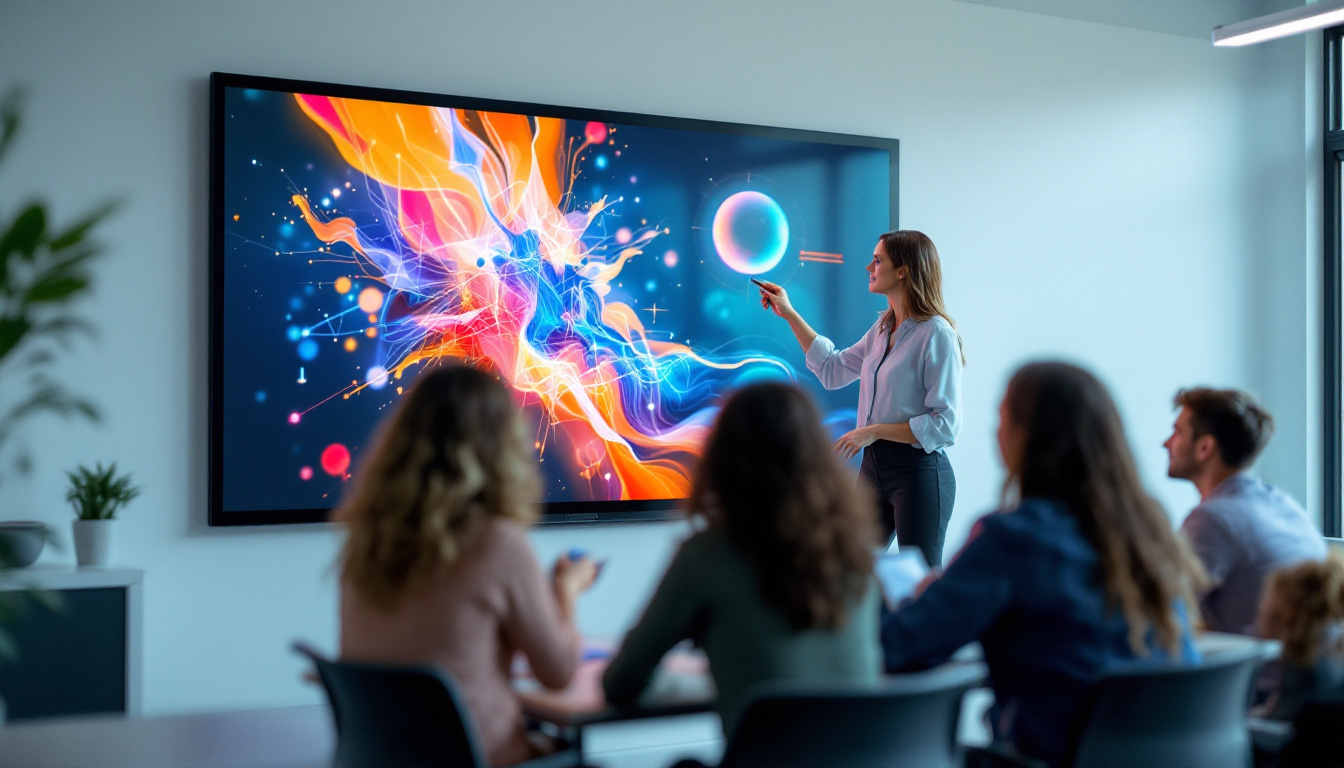
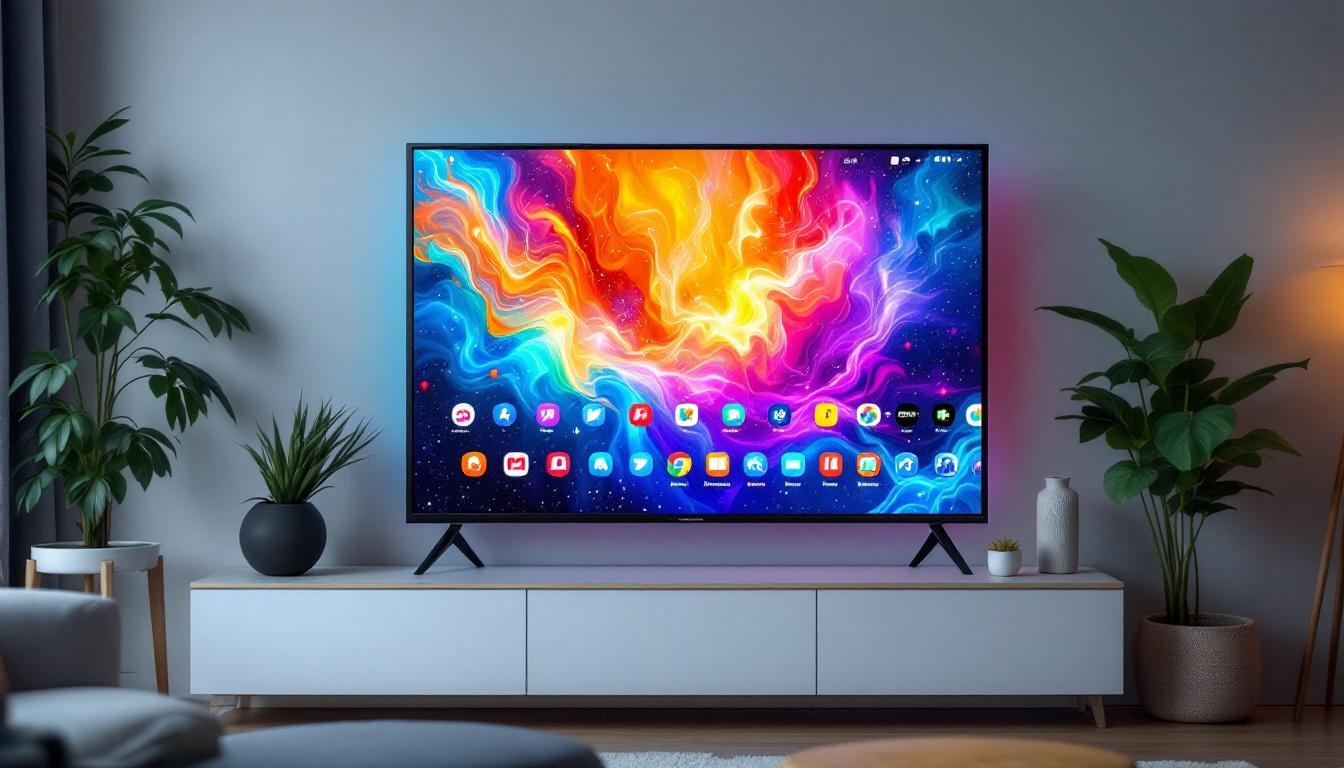
LED technology dominates the smart TV market. LED-backlit LCD TVs are widely available at various price points, while OLED TVs, although more expensive, provide a premium viewing experience with better contrast and color depth. The home screen of smart TVs—where users navigate apps, streaming services, and settings—relies heavily on the display’s quality for an intuitive and enjoyable user experience.
Home Automation and Smart Displays
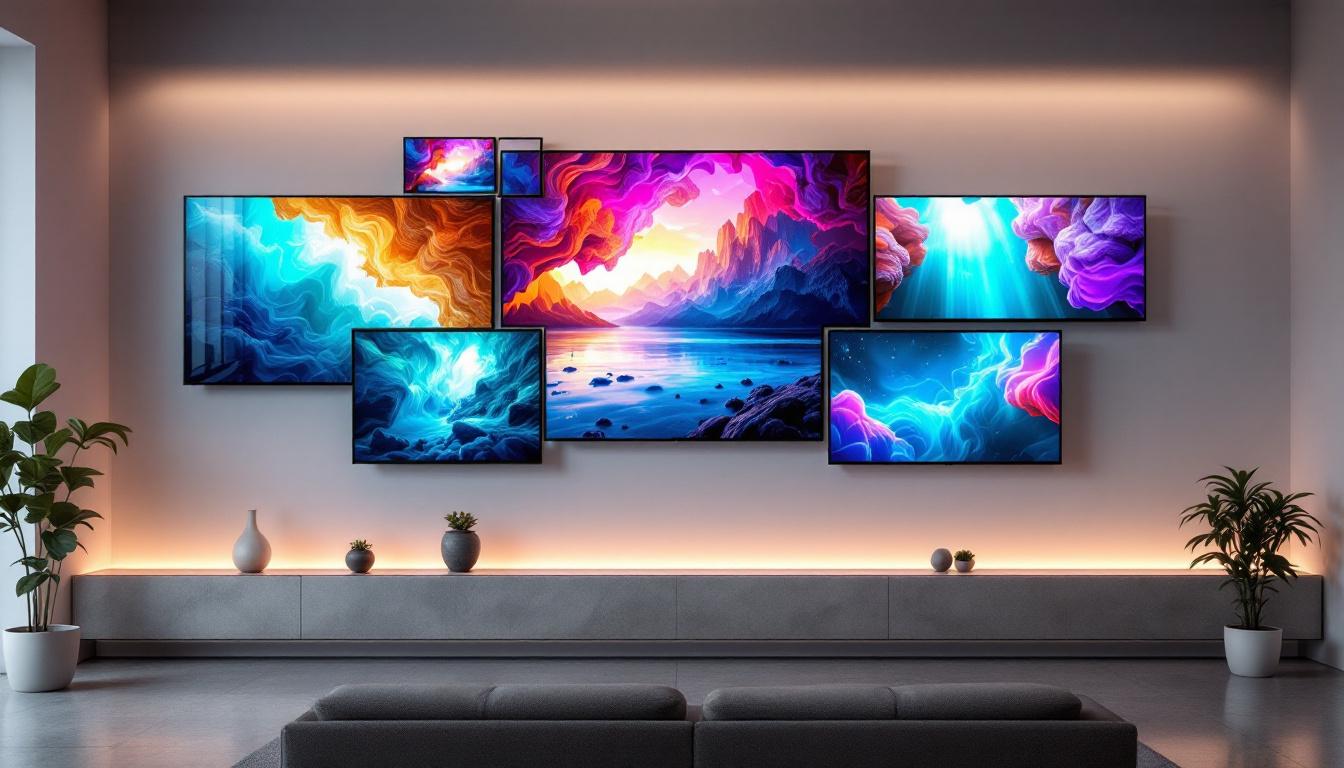
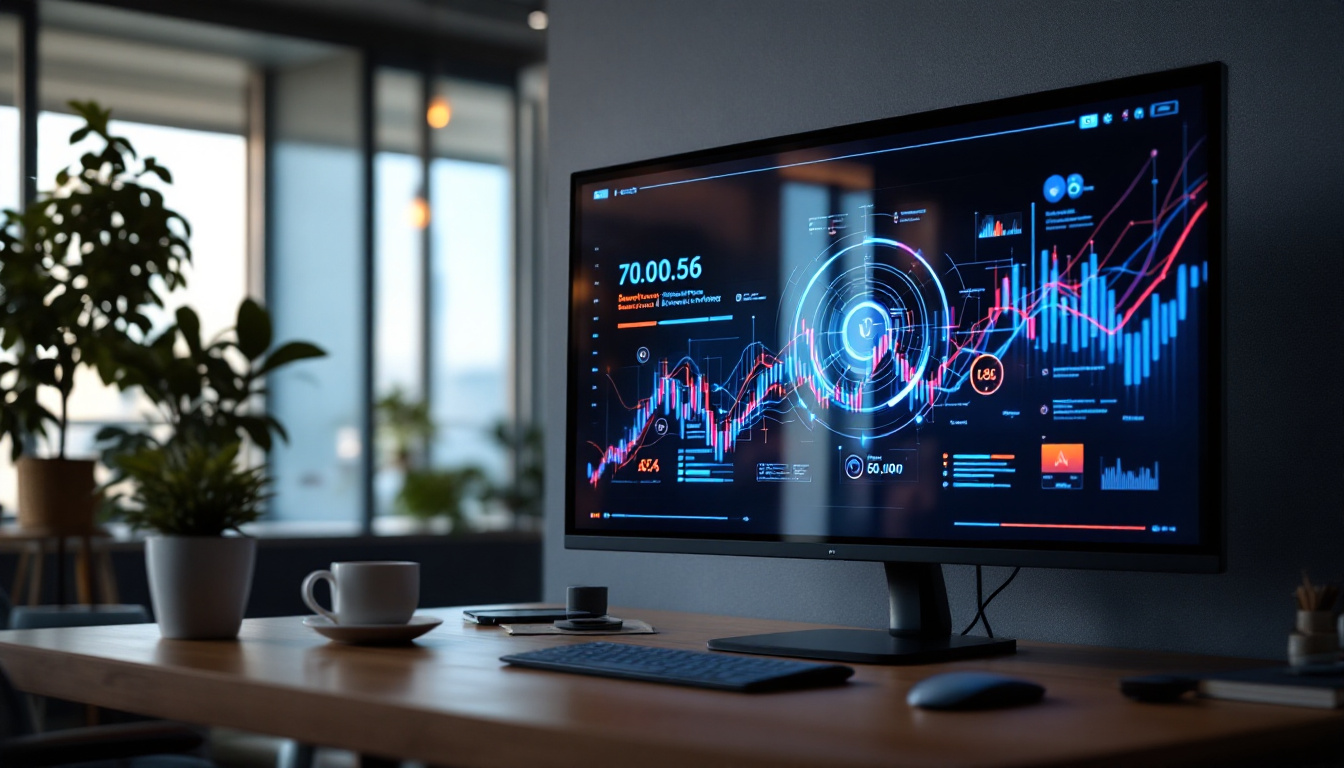
LED displays are also at the heart of home automation devices such as smart thermostats, security panels, and smart speakers with screens. These devices feature LED screens that display information, alerts, and controls, making home management easier and more interactive.
For example, smart home hubs often use LED displays to show weather updates, calendar events, and security camera feeds. The clarity and responsiveness of the LED screen directly impact how effectively users interact with their smart home ecosystem.
Future Trends in LED Home Screen Technology
MicroLED and MiniLED Innovations
Emerging technologies like MicroLED and MiniLED promise to revolutionize LED displays further. MicroLED uses microscopic LEDs to form each pixel, combining the best features of OLED (perfect blacks, high contrast) with the durability and brightness of traditional LEDs. This technology is expected to deliver unparalleled image quality and energy efficiency for home screens in the coming years.
MiniLED, on the other hand, involves using thousands of tiny LEDs as backlighting for LCD panels, allowing for finer control of brightness zones and improved contrast. This technology is already being integrated into high-end monitors and TVs, offering a middle ground between traditional LED-backlit LCDs and OLEDs.
Flexible and Transparent LED Displays
Another exciting development is the advent of flexible and transparent LED displays. These innovations open up new possibilities for home screens, such as foldable smartphones with seamless displays or smart windows that double as interactive screens. While still in the early stages, these technologies could redefine how users interact with their home environments.
Energy Efficiency and Sustainability
As environmental concerns grow, manufacturers are focusing on making LED displays even more energy-efficient and sustainable. Advances in materials science and manufacturing processes aim to reduce power consumption and extend the lifespan of LED components, aligning with global efforts to minimize electronic waste and carbon footprints.
Conclusion
LED displays have transformed the way users interact with their home screens, offering vibrant colors, high brightness, and energy efficiency that enhance everyday digital experiences. From smartphones and smart TVs to home automation devices, LED technology continues to evolve, bringing new features and improved performance to consumers worldwide.
Understanding the fundamentals of LED displays, their advantages, and emerging trends can help consumers make informed decisions when choosing devices and appreciating the technology behind the screens they use daily. As innovations like MicroLED and flexible displays become mainstream, the future of LED home screens looks brighter than ever.
Discover the Future of Visual Experience with LumenMatrix
As you embrace the vibrant and energy-efficient world of LED home screens, take your visual experience to the next level with LumenMatrix. Our commitment to innovation ensures that you have access to the most advanced LED display modules, whether you’re looking to enhance your brand’s visibility or create immersive visual experiences. From Indoor and Outdoor LED Wall Displays to specialized solutions like Vehicle and Sports Displays, LumenMatrix offers a wide range of products designed to captivate and engage. Experience the revolution in visual communication and empower your business with our cutting-edge digital signage and LED display solutions. Check out LumenMatrix LED Display Solutions today and see how we can help you share your message with the world.