In the realm of woodworking and manufacturing, precision and efficiency are paramount. One tool that has revolutionized the way craftsmen and professionals achieve accurate measurements and smooth finishes is the planer equipped with an LED display. This modern innovation integrates digital technology with traditional woodworking tools, enhancing usability and accuracy. This article delves into the details of planers with LED displays, explaining their features, benefits, and why they are becoming indispensable in workshops worldwide.
Understanding the Planer and Its Traditional Role
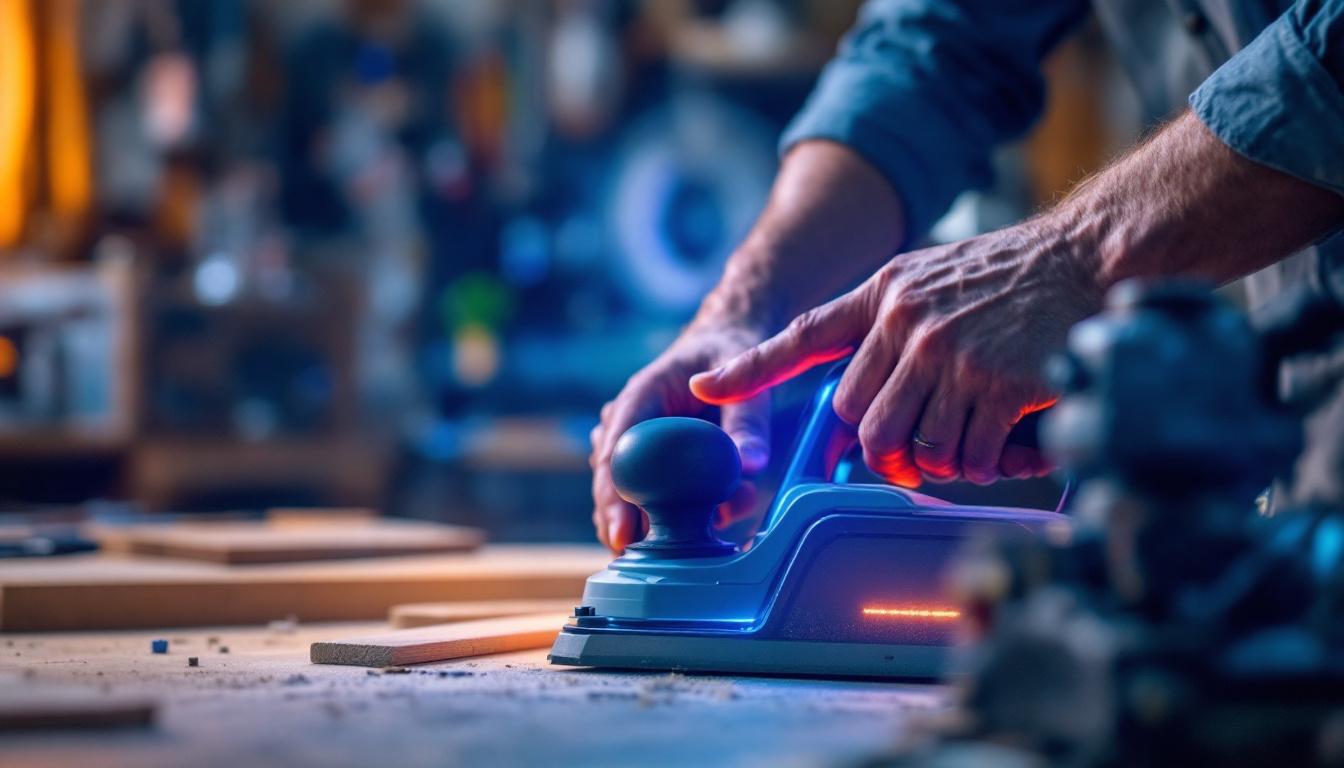
A planer, also known as a thickness planer, is a woodworking machine used to trim boards to a consistent thickness and create flat surfaces. Traditionally, planers rely on manual adjustments and analog gauges to set the cutting depth. While effective, these methods can sometimes lead to inaccuracies and require a skilled hand to achieve optimal results.
Woodworkers have long depended on their experience and eye for detail when using planers. However, the manual nature of depth adjustment means that even small errors can result in uneven boards, wasted material, and increased project time. This is where the integration of LED displays comes into play, offering a digital solution to a traditionally analog process.
In addition to improving accuracy, modern planers equipped with digital displays often feature programmable settings that allow users to save specific thickness measurements for repeated tasks. This innovation not only enhances efficiency but also minimizes the risk of human error, making it easier for both novice and experienced woodworkers to achieve professional results. Furthermore, many contemporary planers come with built-in safety features, such as automatic shut-off mechanisms and blade guards, which provide an added layer of protection during operation.
The evolution of the planer has also seen the introduction of advanced materials and construction techniques, resulting in machines that are lighter yet more robust. Manufacturers are now utilizing high-quality aluminum and composite materials that reduce the overall weight of the planer while maintaining structural integrity. This shift not only makes the machines easier to transport and maneuver in a workshop setting but also contributes to their longevity, ensuring that woodworkers can rely on their planers for years to come. As technology continues to advance, the future of planers looks promising, with innovations that are likely to further enhance their functionality and user-friendliness.
The Evolution of Planers: From Analog to Digital
Over the past decade, the woodworking industry has embraced digital technology to improve tool precision and ease of use. The LED display on planers represents a significant step forward, providing real-time, accurate measurements of the board’s thickness and the cutting depth. This innovation allows users to make precise adjustments quickly and with confidence.
Manufacturers such as DeWalt, Makita, and Bosch have introduced planers featuring LED displays that show exact thickness measurements, often down to fractions of a millimeter. This level of precision was previously difficult to achieve without extensive manual calibration and repeated test runs.
Additionally, the LED display often includes user-friendly interfaces, such as touch buttons or rotary controls, to fine-tune settings. This digital control reduces the learning curve for beginners while offering seasoned professionals enhanced control over their work.
Key Features of Planers with LED Displays
1. Precise Thickness Measurement
The primary advantage of an LED display on a planer is the ability to see the exact thickness of the wood as it passes through the machine. This eliminates guesswork and the need for external measuring tools, streamlining the workflow.
Many models provide measurements in both metric and imperial units, catering to a global user base. This versatility is especially useful in professional environments where specifications can vary widely.
2. Digital Depth Adjustment
Traditional planers require manual turning of a knob or lever to adjust the cutting depth. With an LED display, users can input the desired thickness digitally, and the planer adjusts accordingly. This feature ensures repeatability and consistency across multiple boards.
3. Real-Time Feedback and Alerts
Some advanced planers incorporate sensors that monitor the thickness continuously and provide real-time feedback on the LED display. This can include alerts if the wood is feeding incorrectly or if the thickness deviates from the set parameters, helping to prevent mistakes before they happen.
4. Memory Settings and Presets
For professionals working on repetitive tasks, the ability to save preset thickness settings is invaluable. Many LED-equipped planers allow users to store multiple thickness presets, speeding up the setup process and reducing downtime.
Benefits of Using a Planer with an LED Display
Enhanced Accuracy and Consistency
One of the most significant benefits is the improved accuracy in thicknessing boards. The LED display provides precise measurements, reducing human error and ensuring that every piece meets exact specifications. This consistency is crucial in cabinetry, furniture making, and other precision woodworking applications.
Increased Efficiency and Productivity
By minimizing the need for manual measurements and repeated adjustments, planers with LED displays help users complete projects faster. The digital interface simplifies setup, allowing for quicker transitions between different thickness requirements and reducing material waste.
Improved User Experience
For both novices and experienced woodworkers, the LED display makes the planer more intuitive and easier to operate. Clear, visible measurements reduce frustration and help users gain confidence in their work.
Cost Savings Over Time
While planers with LED displays may have a higher upfront cost compared to traditional models, the reduction in material waste, rework, and time spent on adjustments can lead to significant savings in the long run. For professional shops, this translates into higher profitability and better resource management.
Applications and Industries Benefiting from LED Display Planers
The integration of LED displays in planers is not limited to hobbyists or small workshops. Various industries have found these tools invaluable for their precision and efficiency.
Furniture Manufacturing
In furniture production, uniform thickness and smooth surfaces are essential for quality and aesthetics. LED display planers enable manufacturers to maintain tight tolerances and produce consistent components, improving assembly and finish quality.
Cabinet Making
Cabinet makers rely heavily on precise measurements to ensure doors, drawers, and panels fit perfectly. The digital accuracy of LED display planers helps reduce errors and speeds up production cycles.
Flooring and Millwork
Planers with LED displays are also popular in flooring and millwork, where consistent board thickness is critical for installation and durability. The ability to quickly adjust and verify thickness improves workflow and reduces installation issues.
Custom Woodworking and Prototyping
For custom projects and prototypes, flexibility and precision are key. LED display planers allow craftsmen to experiment with different thicknesses easily, ensuring that the final product meets design specifications.
Choosing the Right Planer with LED Display
Selecting the ideal planer depends on several factors, including the type of work, budget, and desired features. Here are some considerations to keep in mind:
Cutting Width and Depth Capacity
Planers come in various sizes, with cutting widths ranging from 6 inches to over 13 inches. Consider the typical size of the boards you work with to choose a planer that can accommodate your needs.
Display Quality and Usability
The clarity and responsiveness of the LED display are important for ease of use. Look for models with bright, easy-to-read screens and intuitive controls that suit your workflow.
Build Quality and Durability
A planer is a significant investment, so selecting a model built with high-quality materials and components ensures longevity and consistent performance.
Additional Features
Some planers offer extras such as dust collection ports, reversible blades, or integrated scales. Evaluate which features are essential for your work to maximize value.
Brand Reputation and Support
Choosing a reputable manufacturer with good customer support and warranty coverage can save time and money in the event of issues or maintenance needs.
Maintenance Tips for Planers with LED Displays
To keep a planer with an LED display operating smoothly, regular maintenance is essential. Here are some best practices:
Keep the Display Clean
Dust and debris can obscure the LED screen or interfere with buttons. Wipe the display regularly with a soft, dry cloth to maintain visibility and functionality.
Inspect and Replace Blades
Dull blades affect the quality of cuts and can strain the motor. Check blade sharpness frequently and replace or sharpen blades as needed.
Check Calibration
Although LED displays provide digital accuracy, periodic calibration ensures the readings remain precise. Follow the manufacturer’s instructions for calibration procedures.
Maintain Dust Collection Systems
Efficient dust extraction prolongs the life of the planer and keeps the workspace clean. Empty dust bags or containers regularly and inspect hoses for blockages.
The Future of Planers: Integrating Smart Technology
As digital technology continues to advance, planers with LED displays are expected to incorporate even smarter features. Integration with mobile apps, cloud-based data storage, and automated adjustments based on wood type and moisture content are on the horizon.
Some manufacturers are already experimenting with IoT (Internet of Things) capabilities, allowing users to monitor tool performance remotely and receive maintenance alerts. These innovations promise to further enhance productivity and precision in woodworking.
Conclusion
The planer equipped with an LED display represents a significant advancement in woodworking technology. By combining traditional craftsmanship with digital precision, these tools offer enhanced accuracy, efficiency, and ease of use. Whether in professional manufacturing or personal workshops, planers with LED displays provide tangible benefits that justify their investment.
As the woodworking industry continues to evolve, embracing such innovations will be key to maintaining competitive quality and productivity. For anyone serious about woodworking, understanding and utilizing LED display planers is a step toward achieving superior results with confidence and consistency.
Discover the Future of Woodworking with LumenMatrix
Embrace the cutting-edge of woodworking technology with LumenMatrix’s innovative LED display solutions. As a leader in LED display technology, LumenMatrix is committed to enhancing your craft with displays that offer unparalleled precision and clarity. Whether you’re looking to elevate your workshop or captivate your audience with dynamic visual experiences, our range of products, from Indoor LED Walls to Custom LED Displays, is designed to meet your every need. Check out LumenMatrix LED Display Solutions today and transform the way you work with wood.