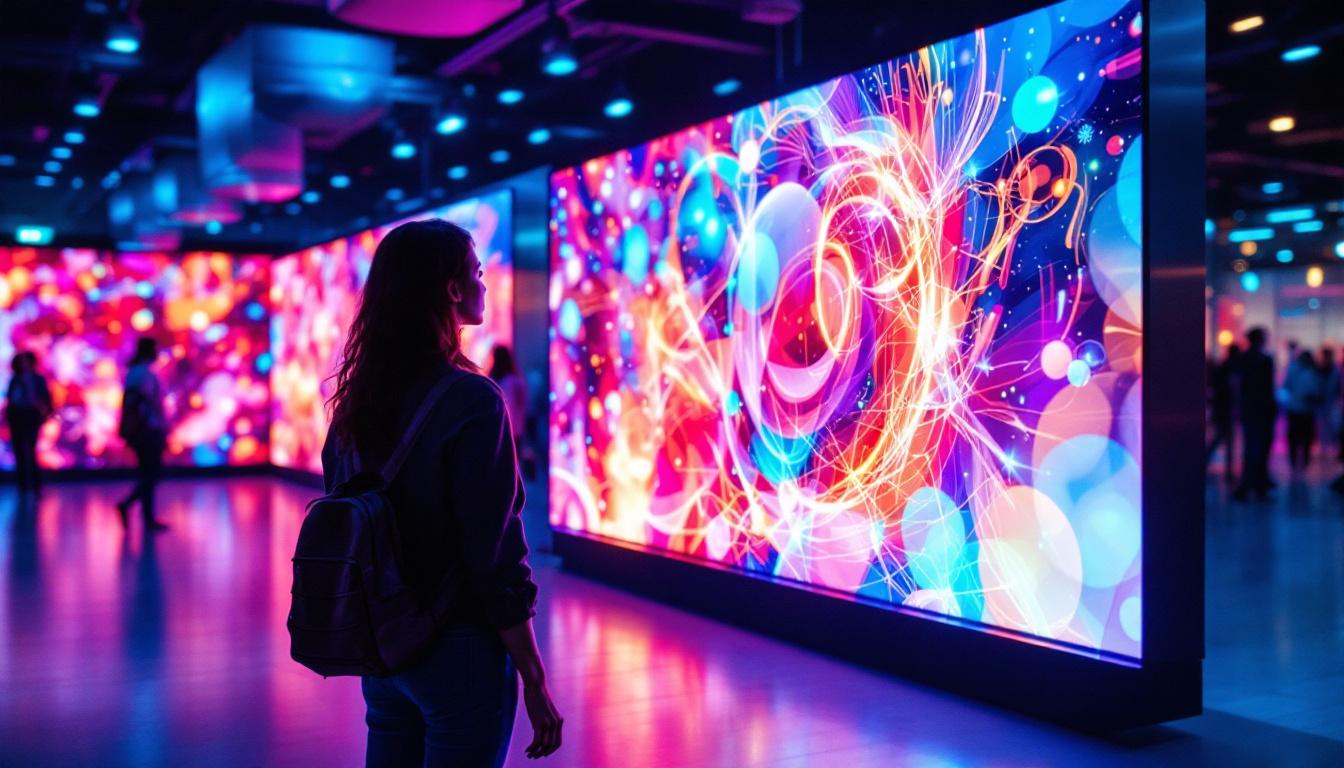
In the rapidly evolving world of digital signage and display technology, see-through LED screens have emerged as a groundbreaking innovation. Combining transparency with vibrant LED illumination, these displays are transforming how businesses, advertisers, and architects integrate digital content into physical spaces. This article explores the technology behind see-through LED screens, their applications, advantages, and considerations for deployment.
What Is a See-Through LED Screen?
A see-through LED screen, also known as a transparent LED display, is a type of digital screen that allows light to pass through it, making it partially transparent while still displaying bright, high-resolution images and video content. Unlike traditional LED displays, which are opaque and block the view behind them, see-through LED screens maintain visibility of the background environment. This innovative technology has found its way into various industries, transforming the way information is presented in public spaces, retail environments, and even architectural designs.
These screens are constructed using a grid of LED modules arranged with significant spacing between pixels. This spacing, often referred to as pixel pitch, allows for transparency. The LEDs illuminate to form images, while the gaps enable viewers to see through the display. This unique combination of transparency and digital display capability makes see-through LED screens particularly suited for applications where maintaining natural light or visibility is essential. For example, in retail settings, these screens can be used to showcase products while still allowing customers to see the store layout, thereby enhancing the shopping experience without compromising the aesthetic appeal of the space.
How Does the Technology Work?
At the core, see-through LED screens use surface-mounted LEDs (SMD) or chip-on-board (COB) LEDs arranged on transparent substrates like glass or acrylic panels. The pixel pitch varies depending on the desired balance between image clarity and transparency. A smaller pixel pitch means higher resolution but less transparency, while a larger pitch increases transparency at the cost of image detail. This flexibility allows designers to tailor the display to specific needs, whether it be for advertising, information dissemination, or artistic installations.
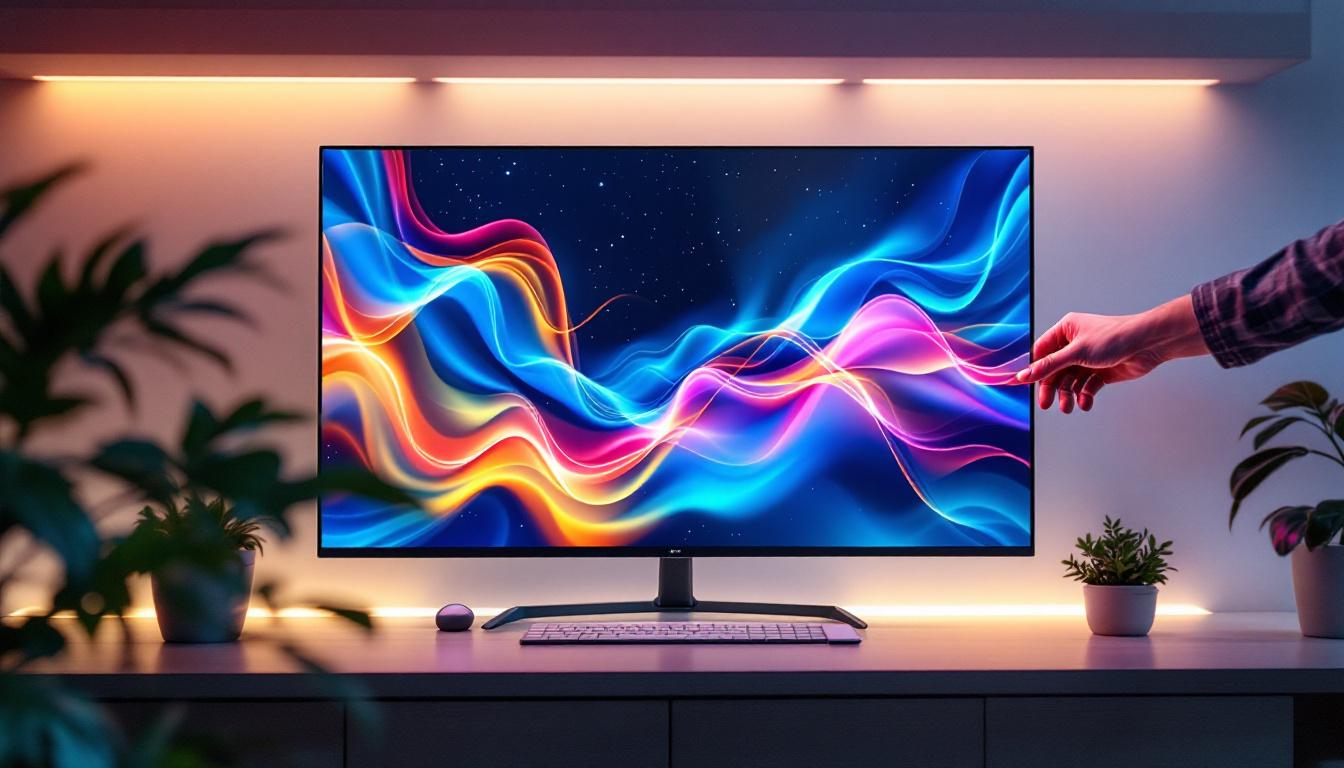
Advanced driving circuits control the LEDs to display dynamic content, including videos, animations, and static images. The transparency is achieved by leaving spaces between the LED clusters, allowing ambient light and background visuals to pass through. Some screens also incorporate anti-reflective coatings to enhance visibility and reduce glare. Furthermore, these screens can be integrated with sensors and interactive technologies, enabling touch capabilities or responsive displays that react to viewer movements. This interactivity not only captivates audiences but also creates a more engaging and immersive experience, making see-through LED screens a cutting-edge solution for modern digital communication.
Applications of See-Through LED Screens
The versatility of see-through LED screens has led to their adoption across various industries. Their ability to blend digital content with physical environments opens up creative possibilities for marketing, architecture, retail, and events.
Retail and Storefront Displays
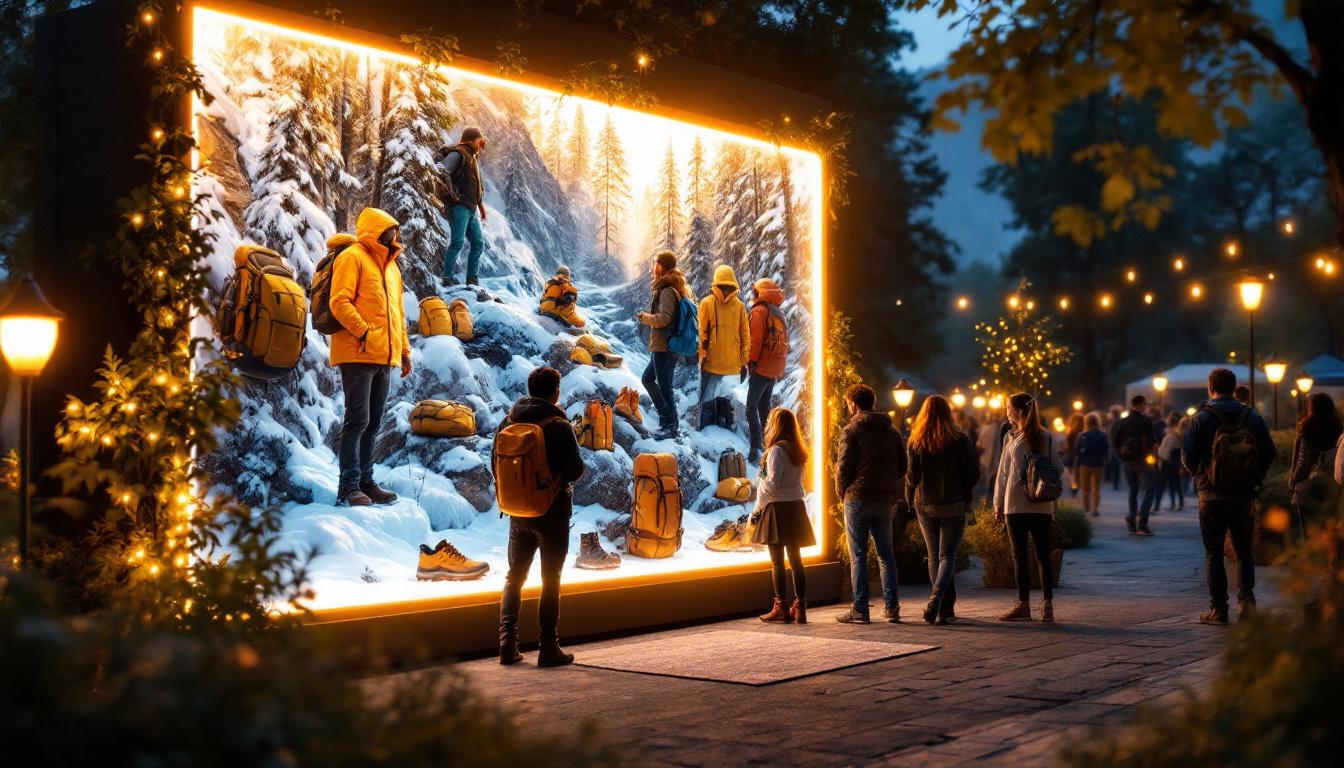
Retailers use see-through LED screens on storefront windows to attract customers without obstructing the view inside the store. This approach allows for dynamic advertising and promotional content while maintaining a welcoming and open storefront appearance. For example, luxury brands in high-end shopping districts often utilize transparent LED displays to showcase new collections or seasonal campaigns without compromising store aesthetics.
Moreover, these displays can be programmed to change content based on time of day or special events, enhancing customer engagement. The ability to maintain natural daylight inside the store also contributes to a better shopping experience. Retailers can also leverage data analytics to tailor their messaging to specific demographics, ensuring that the content displayed resonates with the target audience. This strategic use of technology not only drives foot traffic but also fosters a deeper connection between the brand and its customers, ultimately leading to increased sales and customer loyalty.
Architectural Integration
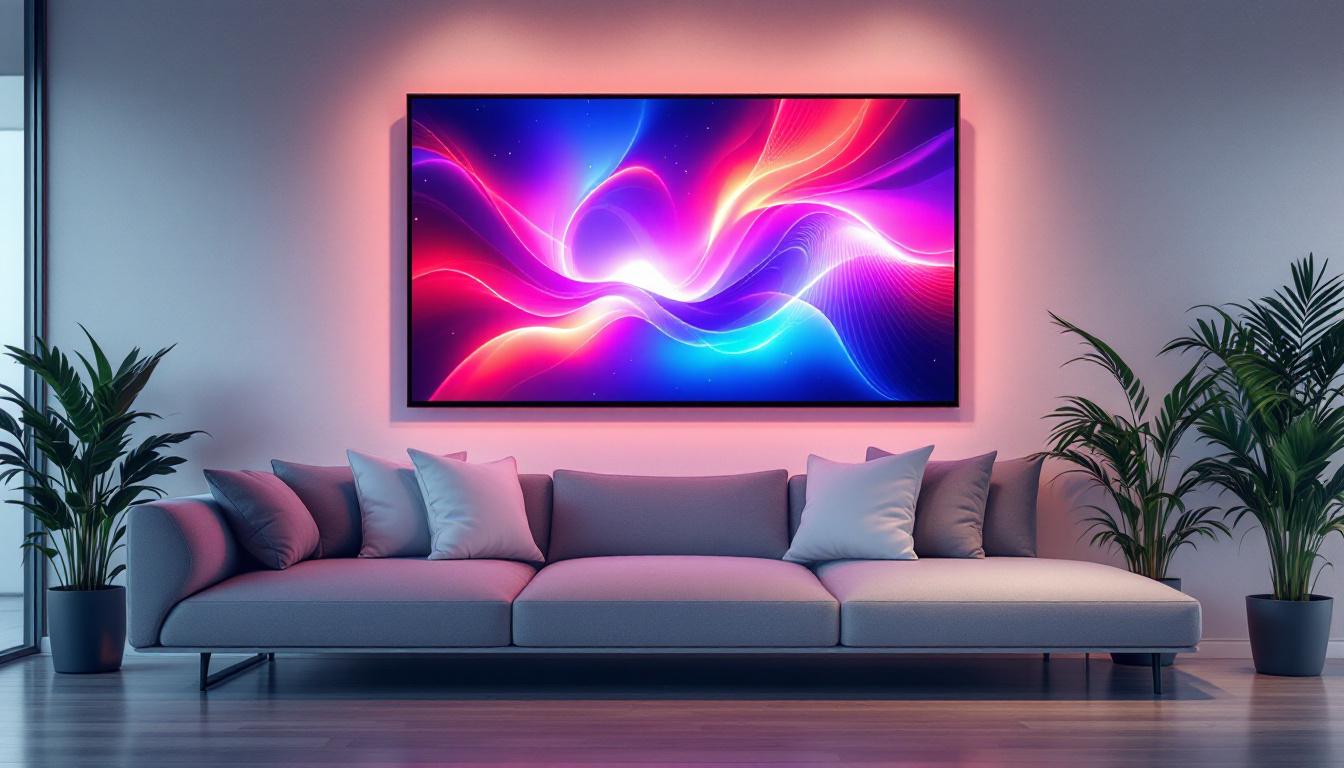
Architects and designers incorporate see-through LED screens into building facades, atriums, and interior partitions. This integration enables buildings to become interactive canvases that communicate messages, display art, or provide information without sacrificing structural transparency.
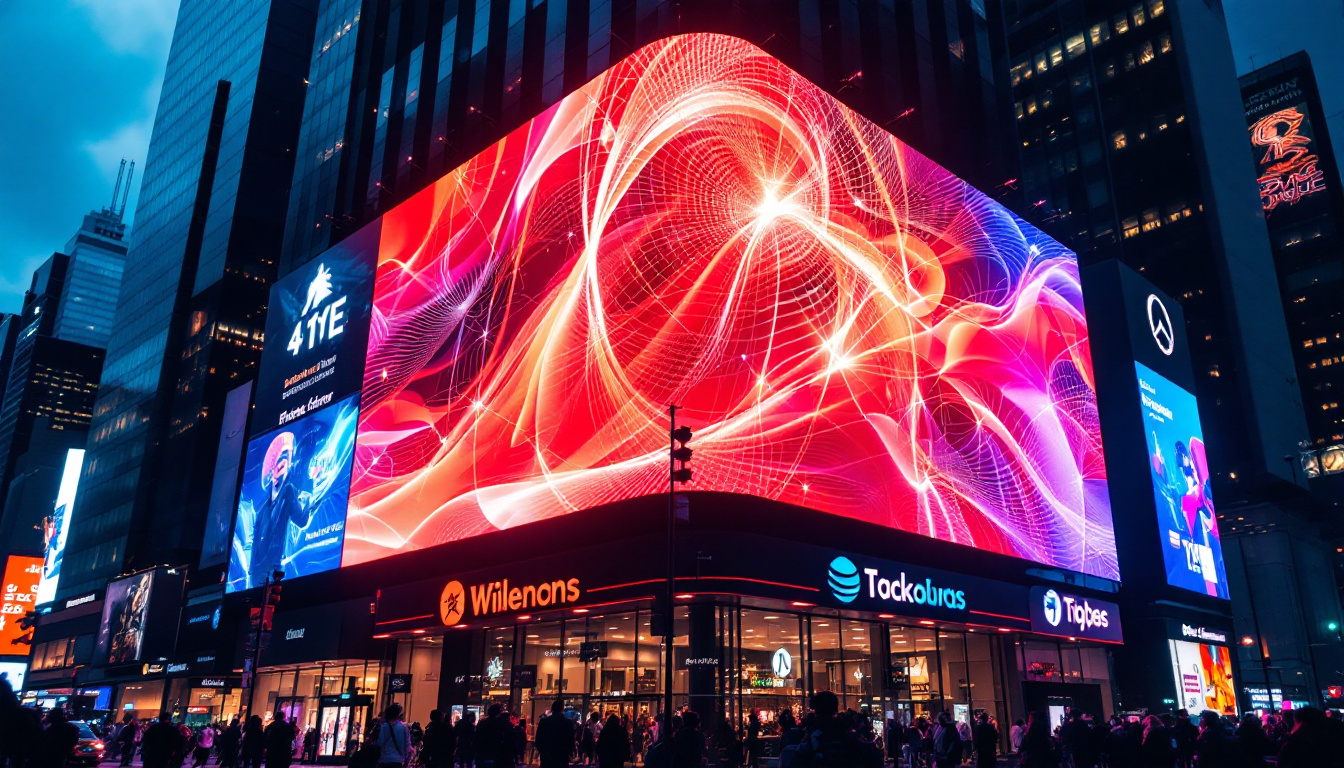
For instance, skyscrapers in major cities like New York and Shanghai have adopted transparent LED technology to create eye-catching exterior displays that are visible both day and night. These installations contribute to urban aesthetics while serving functional purposes such as branding or public announcements. Furthermore, the use of these screens can enhance energy efficiency by allowing natural light to penetrate deeper into the building, reducing the need for artificial lighting during the day. As cities continue to evolve, the incorporation of see-through LED technology in architecture represents a forward-thinking approach to urban design, merging functionality with artistic expression.
Event and Exhibition Spaces
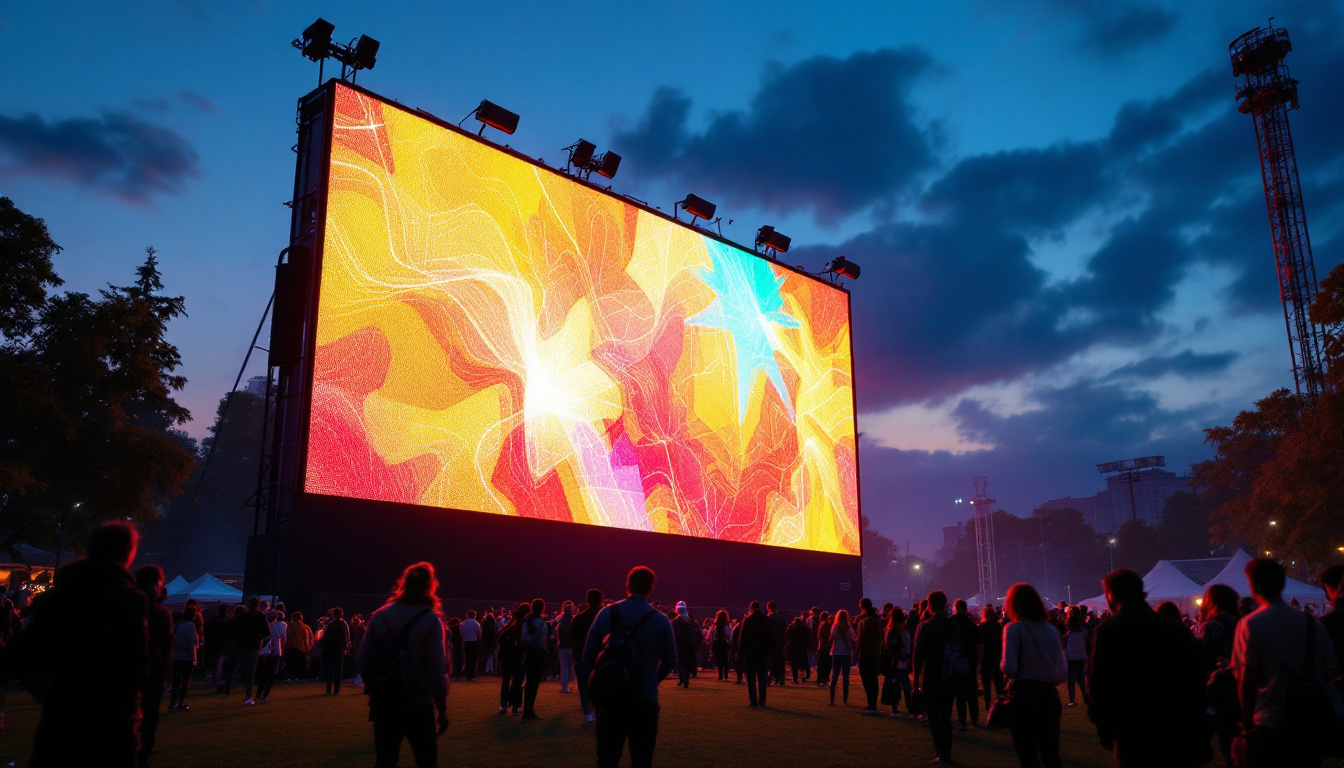
In the events industry, see-through LED screens offer flexible solutions for staging, exhibitions, and trade shows. Their lightweight design and transparency allow event organizers to create immersive environments without blocking sightlines or natural lighting.
Exhibitors can showcase product information, videos, or interactive content while maintaining an open feel for their booths. Additionally, these screens can be curved or shaped to fit unique design requirements, providing creative freedom for event production teams. The adaptability of see-through LED screens also means they can be used in various formats, from large-scale installations to smaller, intimate settings, making them suitable for everything from corporate conferences to art exhibitions. As technology continues to advance, the potential for integrating augmented reality with these displays opens up even more innovative possibilities, allowing event attendees to engage with content in ways that were previously unimaginable. This convergence of technology and creativity is transforming the landscape of events, making them more engaging and memorable for participants.
Advantages of See-Through LED Screens
See-through LED screens offer several benefits that make them an attractive choice for various applications. Understanding these advantages helps businesses and designers evaluate their suitability for specific projects.
Enhanced Transparency and Natural Light
One of the primary benefits is the ability to maintain transparency, allowing natural light to pass through the display. This feature is especially valuable in retail and architectural contexts, where preserving daylight and exterior views is important for ambiance and energy efficiency.
Energy Efficiency
Compared to traditional LED displays, see-through LED screens often consume less power due to the reduced number of LEDs per unit area. The open structure allows for better airflow, which can reduce cooling requirements. This energy efficiency aligns with sustainability goals and can lower operational costs over time.
Lightweight and Slim Design
These screens are typically lighter and thinner than conventional LED panels because of their open framework and transparent substrates. This makes installation easier and expands the range of possible mounting locations, including glass walls and windows that cannot support heavy equipment.
High Brightness and Visibility
Modern see-through LED screens achieve high brightness levels, often exceeding 3,000 nits, ensuring visibility even in direct sunlight. This brightness capability is critical for outdoor or brightly lit indoor environments where traditional displays might struggle.
Considerations and Challenges
While see-through LED screens offer exciting possibilities, there are important factors to consider before deployment. Understanding these challenges helps ensure successful implementation and maximizes return on investment.
Resolution and Pixel Pitch Trade-Off
The balance between transparency and image resolution is a key consideration. Increasing transparency requires larger gaps between LEDs, which reduces pixel density and can affect image sharpness. For applications demanding detailed visuals, this trade-off must be carefully managed.
Cost Factors
Transparent LED technology tends to be more expensive than traditional LED screens due to specialized materials and manufacturing processes. Additionally, installation and maintenance may require expertise to handle delicate glass substrates and ensure optimal performance.
Environmental Durability
For outdoor applications, see-through LED screens must be weatherproof and resistant to dust, moisture, and temperature fluctuations. While many manufacturers offer robust solutions, verifying the screen’s IP rating and durability specifications is essential.
Content Design and Management
Designing content for transparent displays requires a different approach compared to opaque screens. Content creators must consider the background environment and how it interacts visually with the displayed images. This often involves using high-contrast graphics, bold colors, and strategic placement of text and visuals to maintain readability and impact.
Future Trends in See-Through LED Technology
The transparent LED display market is poised for significant growth, driven by advancements in materials, manufacturing, and digital content capabilities. Industry forecasts predict a compound annual growth rate (CAGR) of over 15% through 2027, reflecting increasing adoption across sectors.
Improved Resolution and Transparency
Emerging technologies aim to reduce pixel pitch further without sacrificing transparency, enabling ultra-high-definition transparent displays. Innovations in micro-LEDs and quantum dot LEDs are expected to enhance brightness, color accuracy, and energy efficiency.
Integration with Smart Building Systems
See-through LED screens are increasingly being integrated with smart building management systems, allowing dynamic control based on environmental conditions, occupancy, and user preferences. This integration supports energy savings, personalized messaging, and adaptive lighting.
Interactive and Augmented Reality Features
Future transparent LED displays may incorporate touch sensitivity and augmented reality (AR) capabilities, creating interactive experiences for users. This evolution could revolutionize retail environments, museums, and public spaces by blending digital and physical interactions seamlessly.
Conclusion
See-through LED screens represent a fusion of technology and design that opens new horizons for digital communication and architectural expression. Their unique ability to combine transparency with vivid digital content makes them ideal for applications where visibility, aesthetics, and engagement are paramount.
As the technology matures and costs decrease, transparent LED displays are set to become a staple in retail, architecture, events, and beyond. Careful consideration of pixel pitch, environmental factors, and content design will ensure that these innovative screens deliver maximum impact and value.
For businesses and designers seeking to create visually compelling, light-enhancing, and interactive environments, see-through LED screens offer a powerful solution that bridges the gap between digital and physical worlds.
Discover the Future of Visual Engagement with LumenMatrix
Ready to elevate your space with the cutting-edge technology of see-through LED screens? LumenMatrix is at the forefront of LED display innovation, offering a wide range of solutions that transform environments and captivate audiences. Whether you’re looking to enhance your retail space, integrate digital art into architecture, or create dynamic event displays, our LED Transparent Display and other tailored solutions are designed to bring your vision to life. Check out LumenMatrix LED Display Solutions and join the revolution in visual communication.