Theatre production has always been a blend of creativity and technology, where storytelling is enhanced by the visual and sensory experience offered to the audience. In recent years, LED display technology has revolutionized stage design, offering unprecedented flexibility, vibrancy, and dynamism to theatrical sets. This article explores how LED displays are transforming set building for theatre, their benefits, technical considerations, and practical applications.
The Evolution of Theatre Set Design
Theatre set design has evolved dramatically over the centuries, from simple painted backdrops to intricate, multi-dimensional constructions. Traditionally, scenic designers relied on static elements such as painted flats, physical props, and lighting to create atmosphere and context. While these methods remain foundational, advancements in digital technology have opened new avenues for immersive storytelling.
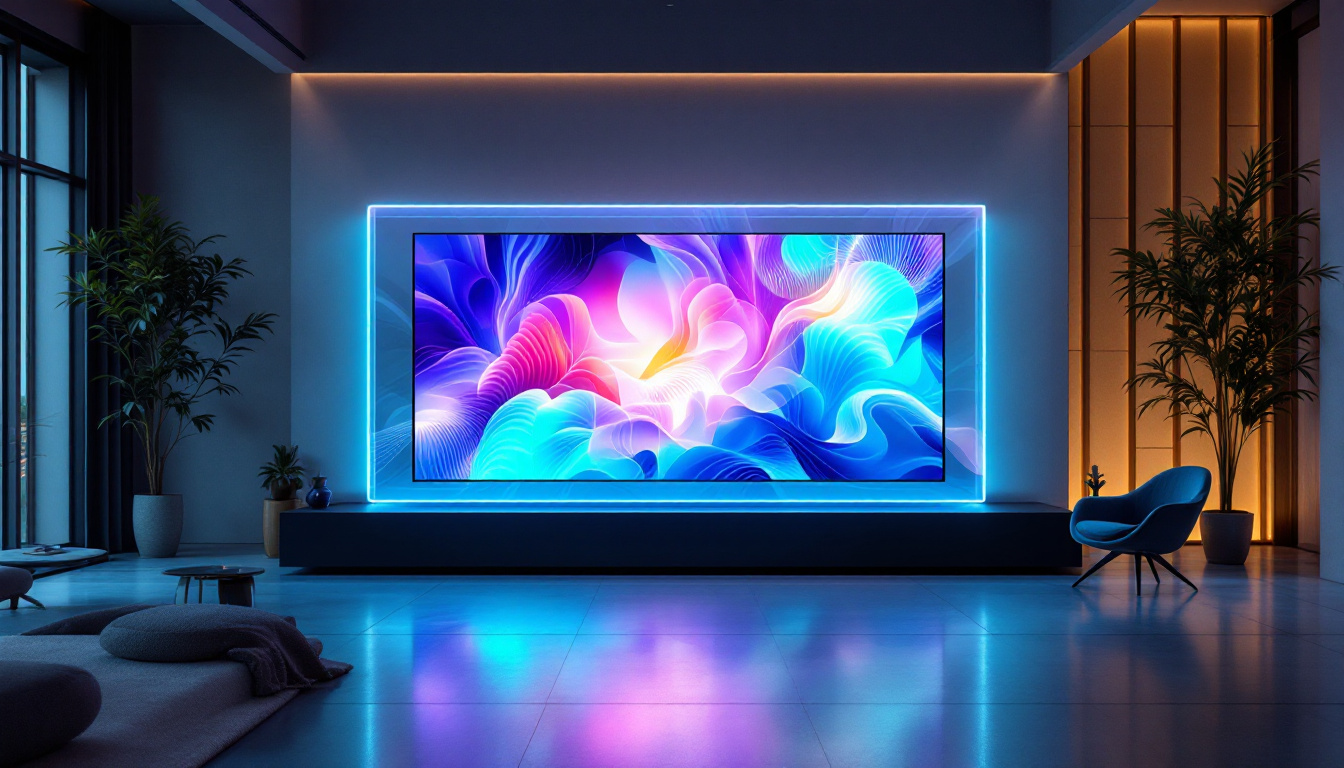
LED displays, in particular, have emerged as a powerful tool in modern set building. Unlike traditional projection systems, LED panels provide bright, high-resolution images that are visible even under intense stage lighting. This capability allows designers to integrate dynamic visuals seamlessly into the physical environment of the stage.
Moreover, the integration of augmented reality (AR) into theatre set design is reshaping the audience’s experience. With the use of AR technology, designers can create interactive elements that respond to the actors’ movements or the storyline’s progression. This not only enhances the visual appeal but also invites the audience to engage with the performance on a deeper level. For instance, in some contemporary productions, viewers can use their smartphones or AR glasses to see additional layers of scenery or effects that are not physically present on stage, creating a unique blend of reality and imagination.
Furthermore, sustainability has become a crucial consideration in modern set design. As environmental awareness grows, many designers are opting for eco-friendly materials and practices. Reusable set pieces, digital backdrops, and recyclable props are becoming standard, allowing productions to minimize waste while still delivering visually stunning experiences. This shift not only reflects a commitment to the planet but also challenges designers to innovate within these new constraints, often leading to more creative and resourceful solutions in the design process.
What Are LED Displays and How Do They Work?
Understanding the Basics
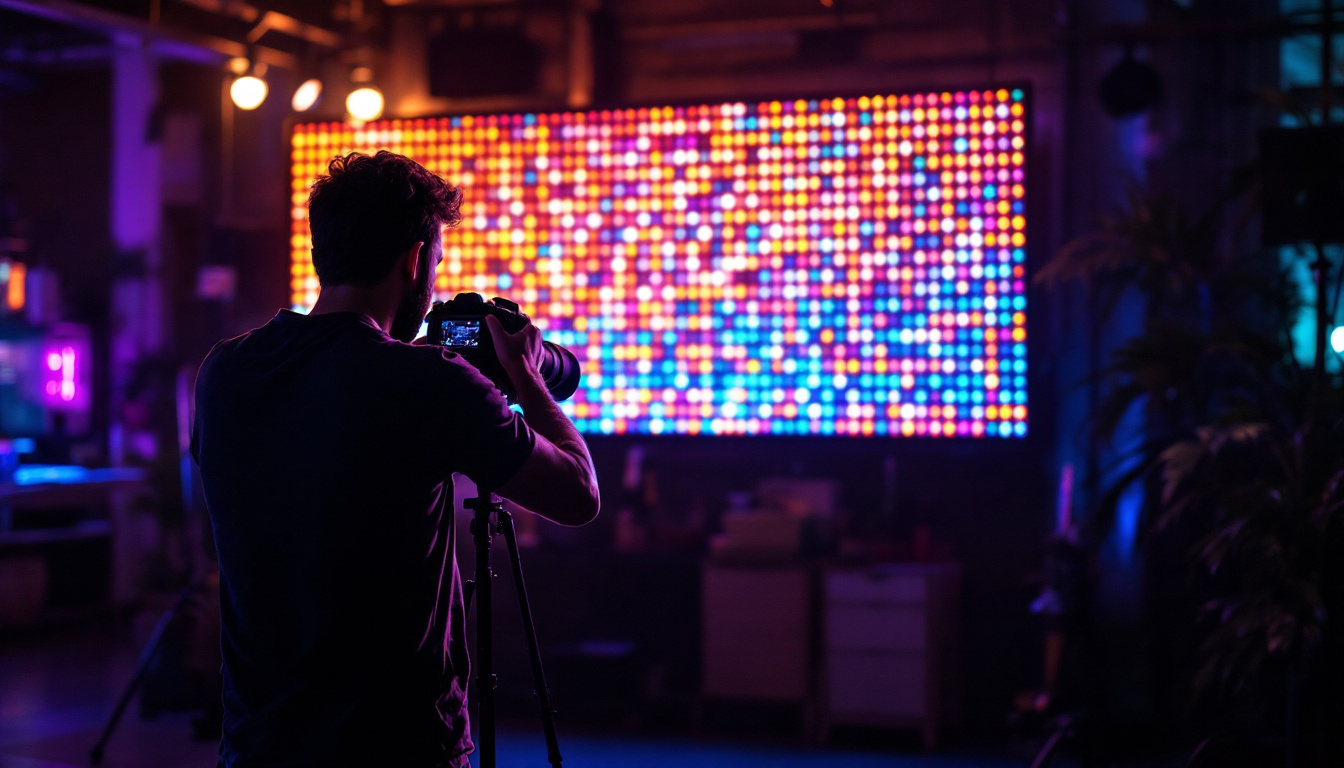
LED stands for Light Emitting Diode, a semiconductor device that emits light when an electric current passes through it. LED displays consist of multiple tiny LEDs arranged in a grid, which can be individually controlled to produce images, videos, or animations. The resolution and size of an LED display depend on the density of these LEDs, known as pixel pitch, and the overall dimensions of the panel.
In theatre, LED displays are often modular, allowing designers to assemble panels into custom shapes and sizes. This modularity is essential for adapting the technology to various stage configurations and creative visions. The flexibility of LED displays enables theatre productions to create dynamic backdrops that can change in real-time, enhancing the storytelling experience. For instance, a single performance may transition from a serene forest scene to a bustling cityscape, all facilitated by the seamless integration of LED technology.
Types of LED Displays Used in Theatre
There are mainly two types of LED displays commonly used in theatrical set design:
- Indoor LED Panels: Designed for close viewing distances with high pixel density, these panels offer crisp, detailed images suitable for front-of-house displays or smaller stage elements. Their ability to render vibrant colors and sharp contrasts makes them ideal for intimate performances where every detail matters.
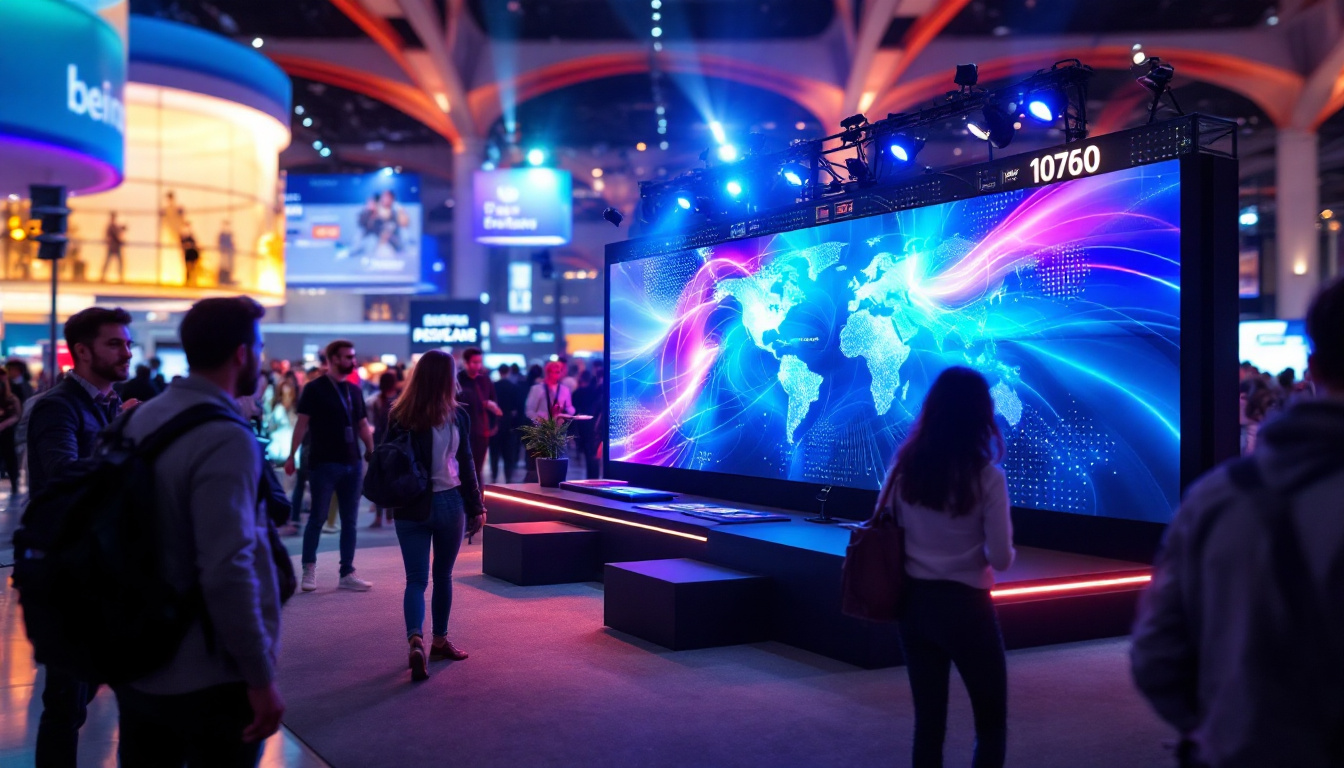
- Outdoor LED Panels: Typically larger and brighter to withstand ambient light, these can be used for large-scale productions or outdoor theatre festivals where visibility is crucial. These panels are engineered to endure various weather conditions while maintaining high performance, ensuring that audiences can enjoy the show regardless of the environment.
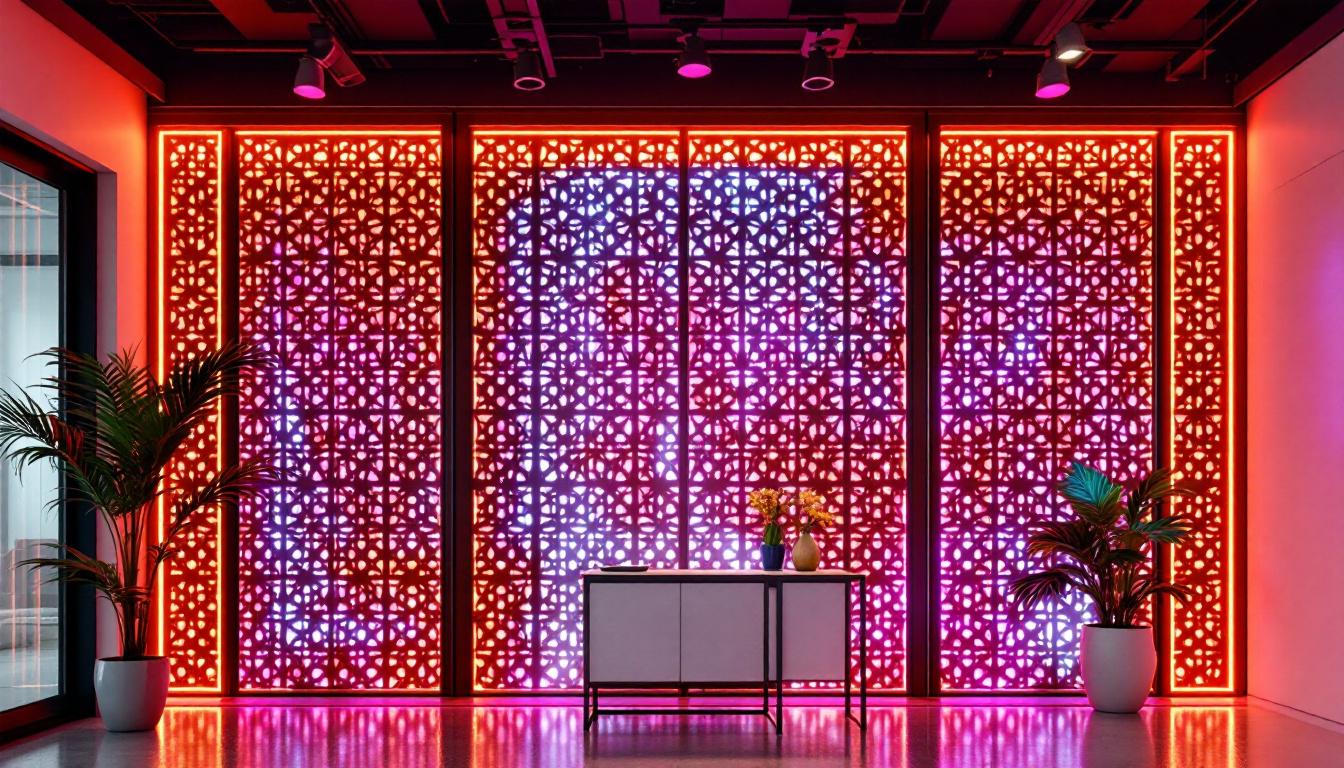
In addition to these primary types, there are also specialized LED displays designed for specific theatrical needs, such as transparent LED screens that allow for creative layering of visuals without obstructing the view of the stage. These innovative displays can create stunning visual effects, making them a popular choice for modern productions looking to push the boundaries of traditional stage design. Furthermore, advancements in LED technology continue to evolve, with features like high dynamic range (HDR) and enhanced color accuracy, which further enrich the visual experience for audiences and performers alike.
Benefits of Using LED Displays in Theatre Set Building
Dynamic and Versatile Visuals
LED displays enable designers to incorporate moving images, changing backgrounds, and interactive elements into the set. This versatility allows for rapid scene changes without the need for physical set alterations, saving time and labor during performances and rehearsals.
For example, a single LED backdrop can transform from a city skyline to a forest landscape within seconds, enhancing the narrative flow and audience immersion.
Enhanced Lighting Integration
Unlike traditional backdrops that can be washed out by stage lighting, LED displays maintain brightness and color integrity under various lighting conditions. This allows lighting designers to experiment with complex lighting schemes without compromising the visibility of scenic elements.
Space Efficiency and Portability
Modular LED panels are lightweight and can be assembled or dismantled quickly. This is particularly beneficial for touring productions or theatres with limited storage space. The ability to reconfigure the display also supports creative flexibility, enabling unique set designs that adapt to different venues.
Energy Efficiency and Longevity
Modern LED technology is energy-efficient compared to traditional lighting and projection systems, reducing operational costs. Additionally, LEDs have a long lifespan, minimizing maintenance and replacement expenses over time.
Technical Considerations for Implementing LED Displays in Theatre
Resolution and Pixel Pitch
The resolution of an LED display is critical in achieving clear and detailed images. Pixel pitch, measured in millimeters, indicates the distance between individual LEDs. A smaller pixel pitch means higher resolution and sharper images, which is essential for close viewing distances typical in theatre.
Set designers must balance resolution with budget and physical constraints, as higher resolution panels tend to be more expensive.
Brightness and Color Accuracy
Brightness levels are measured in nits; theatre LED displays typically require a brightness range of 800 to 1500 nits to stand out under stage lighting. Color accuracy is equally important to maintain the intended mood and aesthetic of the production. Calibration tools and professional installation ensure optimal color reproduction.
Control Systems and Content Management
LED displays require specialized control systems to manage content playback, synchronization, and effects. Software platforms designed for live events allow designers and technicians to schedule scene changes, integrate live video feeds, and synchronize visuals with lighting and sound cues.
Structural and Safety Aspects
Mounting LED panels securely is essential to ensure performer safety and prevent equipment damage. The set structure must support the weight of the panels and allow for ventilation to prevent overheating. Additionally, cabling and power supply considerations must comply with theatre safety regulations.
Practical Applications of LED Displays in Theatre Productions
Creating Immersive Environments
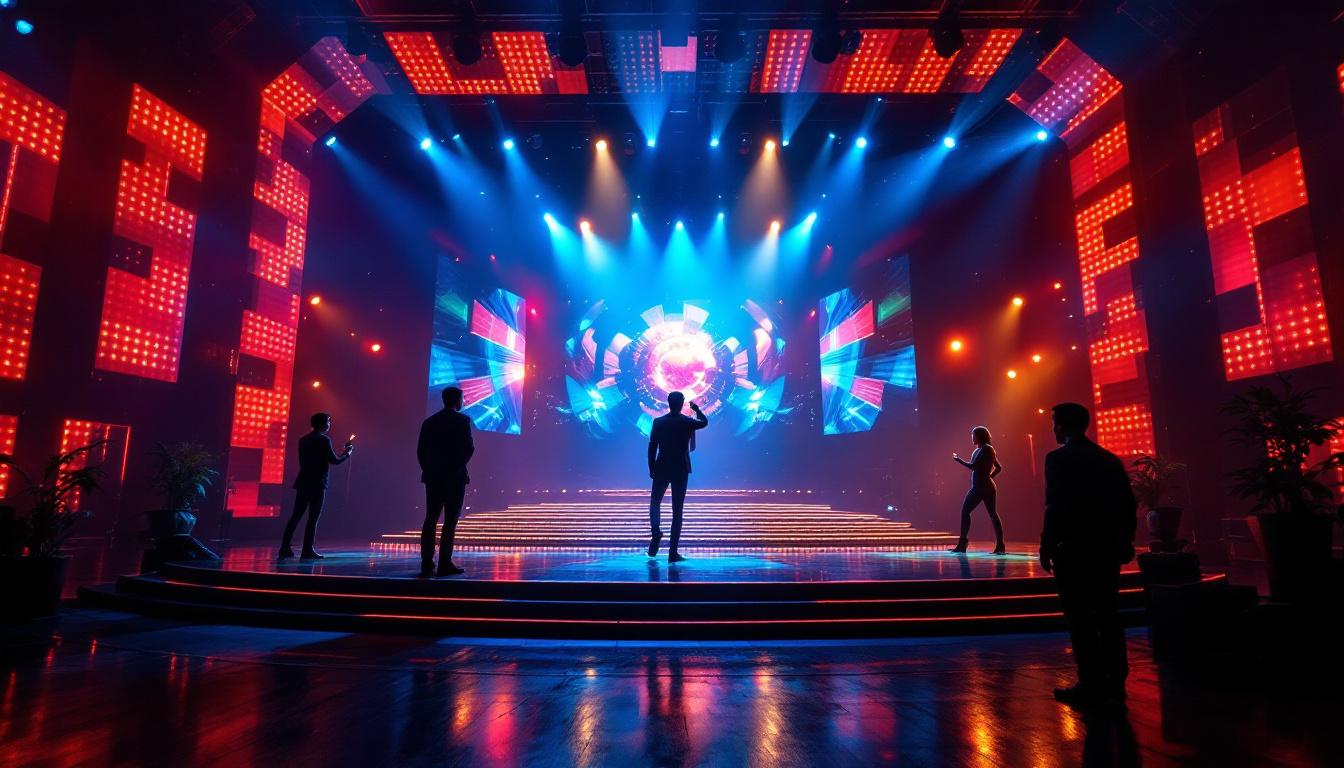
LED displays enable the creation of immersive environments that transport audiences to different worlds. For example, productions like “The Lion King” and “Harry Potter and the Cursed Child” have incorporated LED technology to enhance magical and fantastical settings.
By combining LED visuals with physical set pieces and lighting, designers craft multi-sensory experiences that deepen audience engagement.
Interactive and Responsive Sets
Some productions use LED displays as interactive elements, responding to performers’ movements or audience participation. Motion sensors and real-time content manipulation can create dynamic storytelling moments that blur the line between stage and spectator.
Augmenting Traditional Scenic Elements
LED displays do not replace traditional set pieces but complement them. For instance, a physical prop may be enhanced with LED panels to display changing textures or patterns, adding depth and complexity without additional construction.
Challenges and Limitations
Cost and Budget Constraints
While LED technology has become more affordable, high-quality panels and control systems still represent a significant investment. Smaller theatre companies may find initial costs prohibitive, necessitating careful budgeting and potential rental options.
Technical Expertise and Training
Operating LED displays requires technical knowledge in hardware setup, software programming, and maintenance. Theatres must invest in training or hire specialized technicians to ensure smooth operation during performances.
Potential Distraction Risks
Overuse or improper integration of LED visuals can distract from the narrative or overwhelm the actors. Designers must strike a balance between technological spectacle and storytelling clarity.
Future Trends in LED Display Technology for Theatre
As LED technology continues to advance, several trends are poised to influence theatre set building:
- Flexible and Transparent LED Panels: These allow for innovative set designs where screens can curve or blend into the environment, creating more organic and fluid visuals.
- Higher Resolutions and Miniaturization: Increasing pixel density will enable even sharper images, suitable for intimate theatre spaces.
- Augmented Reality Integration: Combining LED displays with AR technology could create hybrid experiences that merge physical and digital elements seamlessly.
- Eco-Friendly Innovations: Advances in energy efficiency and recyclable materials will make LED displays more sustainable, aligning with growing environmental concerns in the arts community.
Conclusion
LED displays have become an indispensable tool in contemporary theatre set building, offering designers a versatile medium to enhance storytelling through vivid, dynamic visuals. While there are challenges related to cost and technical demands, the benefits of flexibility, visual impact, and integration with other stage elements make LED technology a compelling choice for productions of all scales.
As the technology evolves, theatres that embrace LED displays will continue to push the boundaries of creative expression, crafting immersive experiences that captivate audiences and redefine the art of stagecraft.
Discover the Future of Theatre Set Design with LumenMatrix
Ready to elevate your theatre production with the vibrant, dynamic visuals of LED display technology? LumenMatrix is at the forefront of this revolution, offering a diverse range of LED display solutions tailored to the unique demands of theatrical storytelling. From Indoor and Outdoor LED Wall Displays to innovative Transparent and Custom LED Displays, our products are designed to captivate your audience and bring your creative vision to life. Check out LumenMatrix LED Display Solutions and join the ranks of productions that are redefining the art of stagecraft with cutting-edge technology.