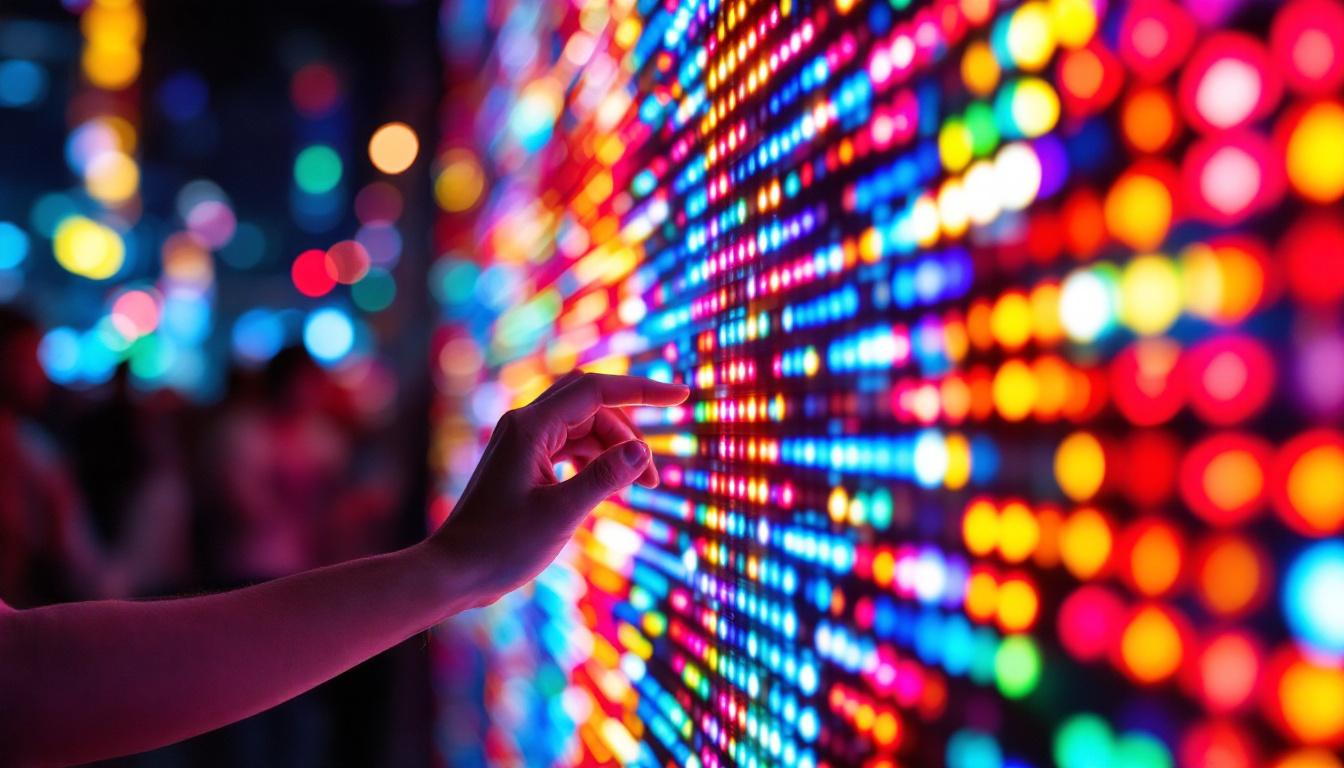
In today’s fast-paced digital world, LED display technology has transformed the way information is presented in public spaces, events, retail environments, and corporate settings. From massive outdoor billboards to sleek indoor video walls, LED displays offer unparalleled brightness, flexibility, and visual impact. For professionals and businesses looking to harness the power of LED walls, understanding the technology behind these displays is essential. This comprehensive guide will explore the fundamentals of LED displays, their types, key specifications, applications, and best practices for LED wall training.
Understanding LED Display Technology
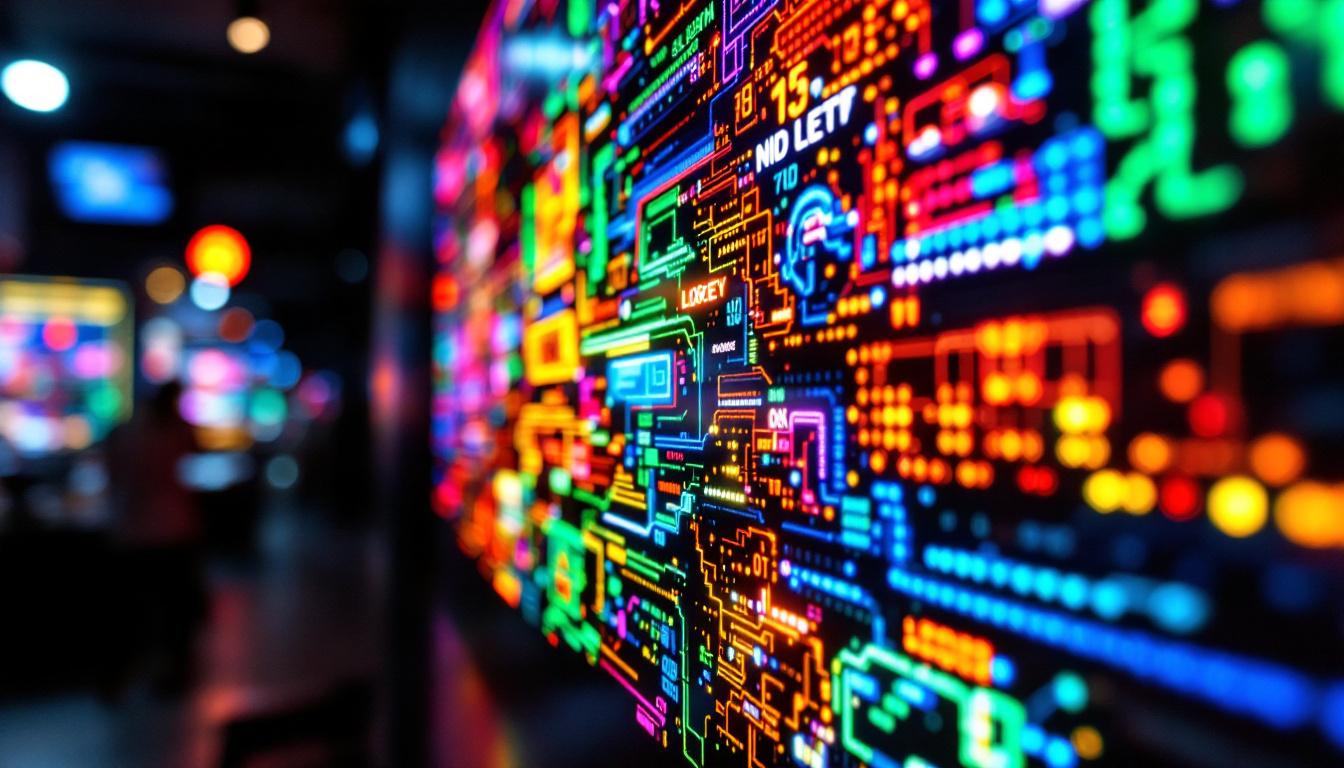
At its core, an LED (Light Emitting Diode) display is a flat panel that uses an array of tiny light-emitting diodes to create images and videos. Unlike traditional LCD or projection screens, LED displays emit their own light, which results in higher brightness and better contrast ratios. This makes them ideal for environments with high ambient light, such as outdoor advertising or brightly lit indoor venues.
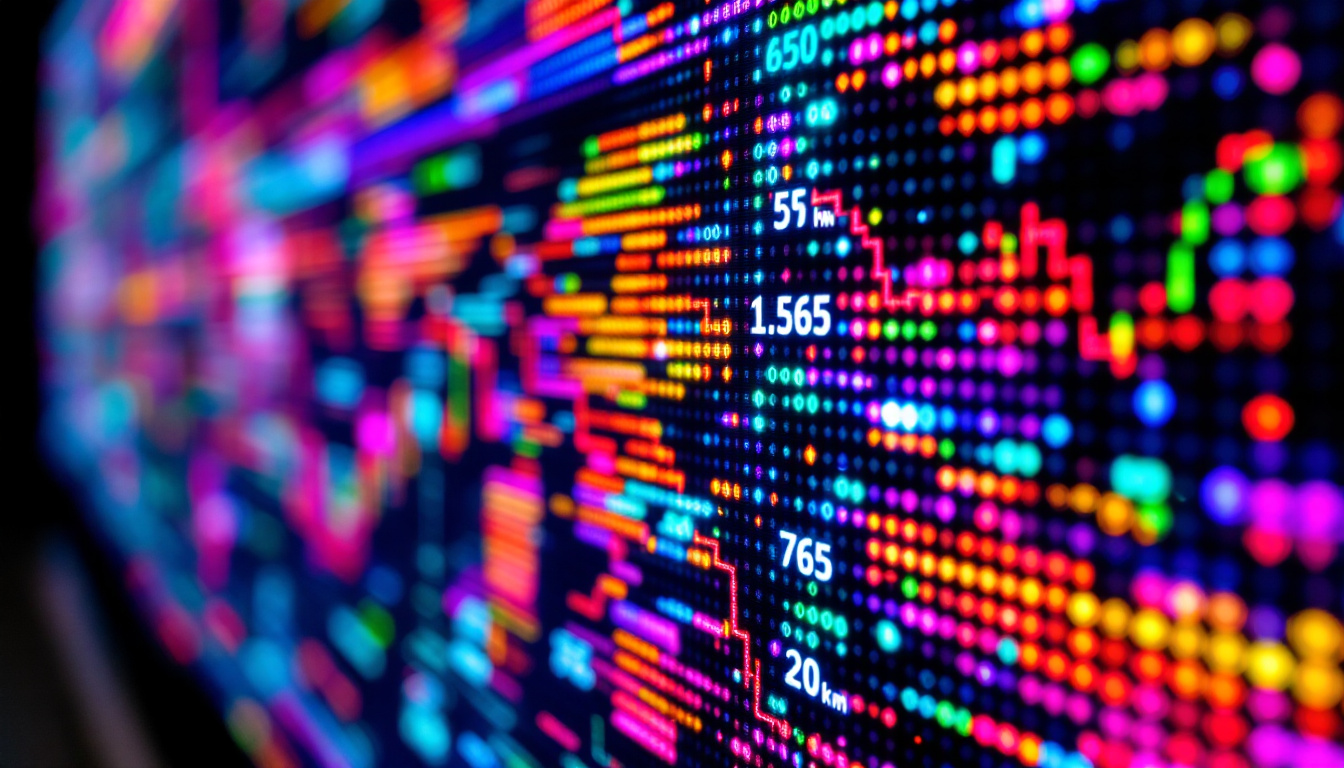
LED displays are composed of thousands to millions of individual LEDs arranged in a grid pattern. Each LED acts as a pixel or part of a pixel, illuminating in different colors to form the overall image. The technology behind these tiny diodes has evolved significantly over the past decade, enabling larger, more detailed, and energy-efficient screens. Innovations such as organic LEDs (OLEDs) and microLEDs are pushing the boundaries even further, offering even greater flexibility in design and improved performance characteristics, such as wider viewing angles and faster refresh rates.
How LEDs Work
LEDs produce light through electroluminescence, a process where an electric current passes through a semiconductor material, causing it to emit photons. These photons generate visible light without the need for backlighting, unlike LCD screens. This direct emission of light allows LED displays to achieve vibrant colors and deep blacks, enhancing image quality and viewer experience. Additionally, advancements in color calibration and processing technology have allowed manufacturers to create displays that can reproduce a wider color gamut, making them suitable for applications ranging from digital art exhibitions to high-end cinema screenings.
Pixel Pitch and Resolution
One of the most critical specifications in LED displays is the pixel pitch, which refers to the distance between the centers of two adjacent pixels. Pixel pitch is usually measured in millimeters and directly impacts the display’s resolution and viewing distance. A smaller pixel pitch means higher pixel density, resulting in sharper images and finer detail, especially at close range.
For example, an LED wall with a 1.5mm pixel pitch is ideal for indoor applications where viewers are close to the screen, such as control rooms or retail displays. Conversely, outdoor LED walls often have pixel pitches ranging from 6mm to 20mm, as they are viewed from greater distances. Moreover, the choice of pixel pitch can significantly influence the overall cost of the display, with smaller pitches generally commanding higher prices due to the increased complexity of manufacturing and assembly. As a result, businesses must carefully evaluate their specific needs and viewing conditions to select the most appropriate display solution that balances quality and budget.
Types of LED Displays
LED displays come in various forms, each designed for specific use cases and environments. Understanding these types helps businesses and professionals select the right solution for their needs.
Indoor LED Displays
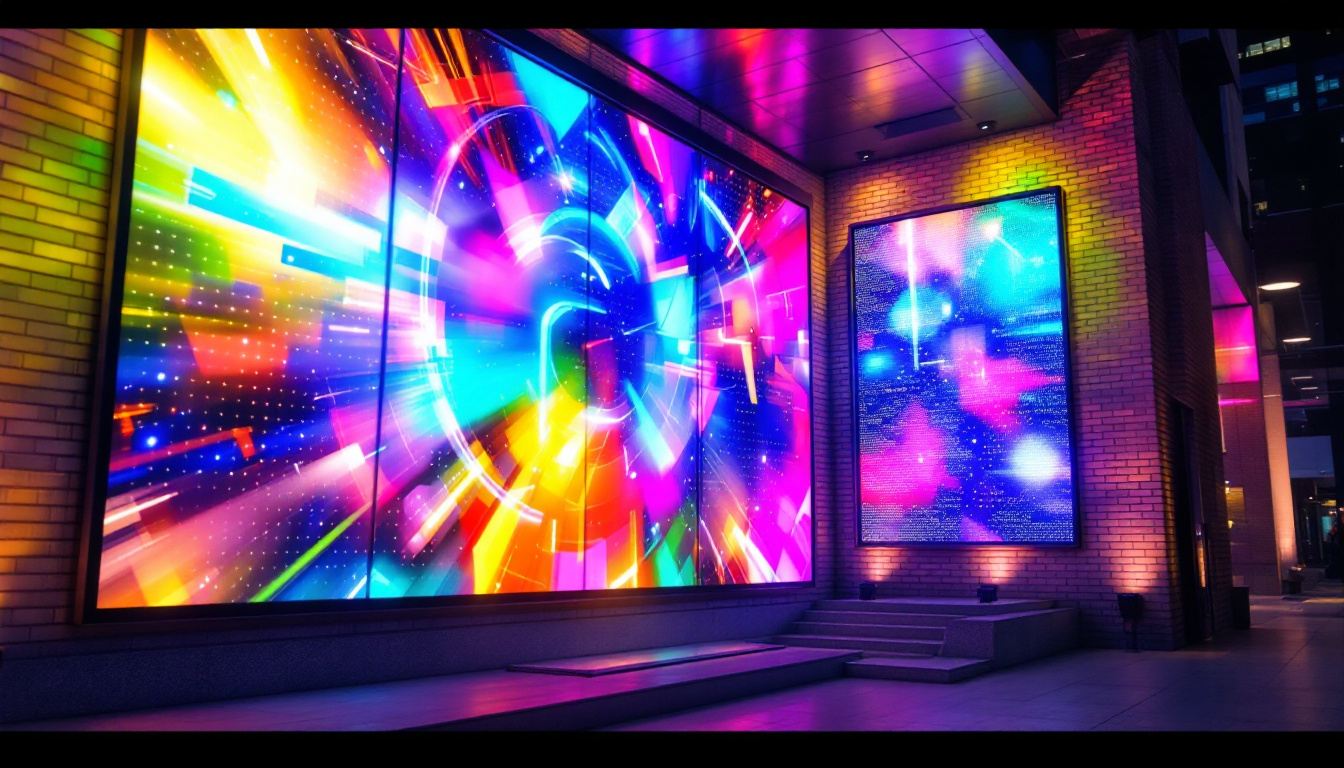
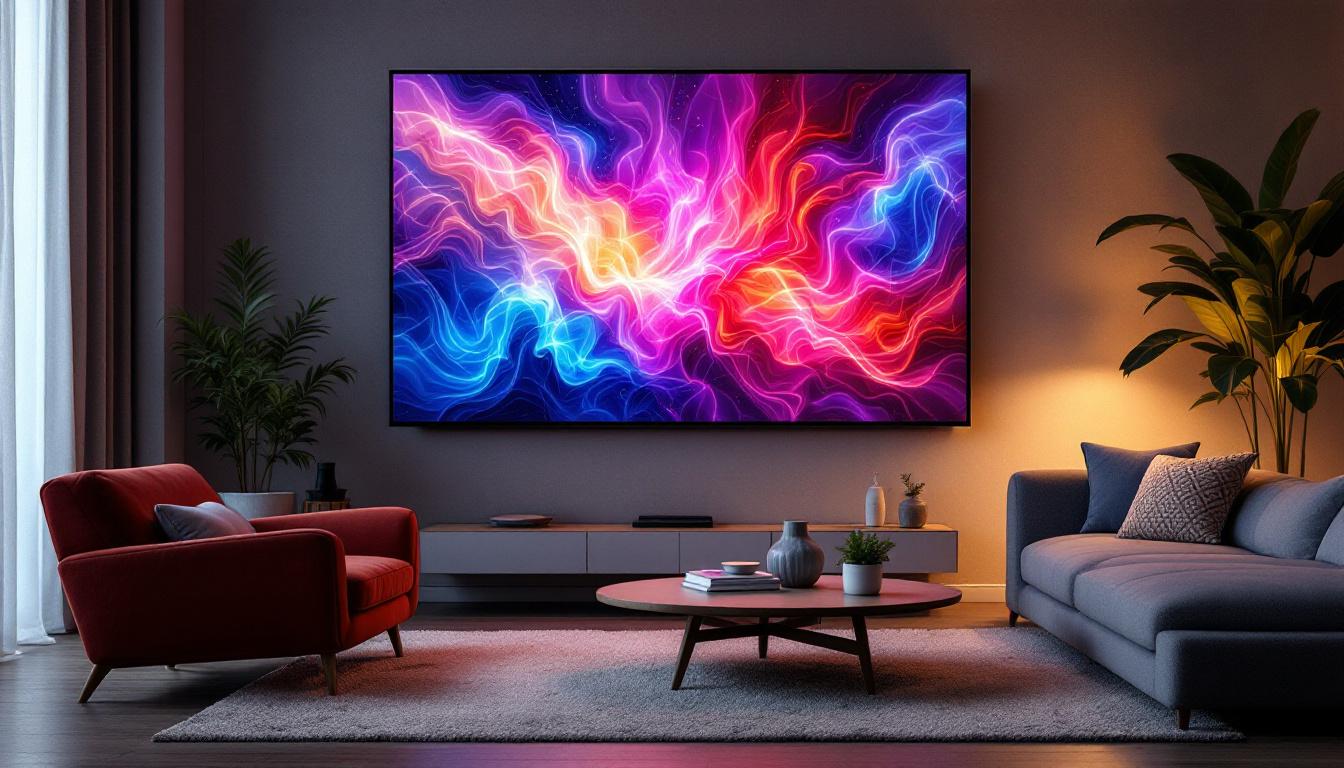
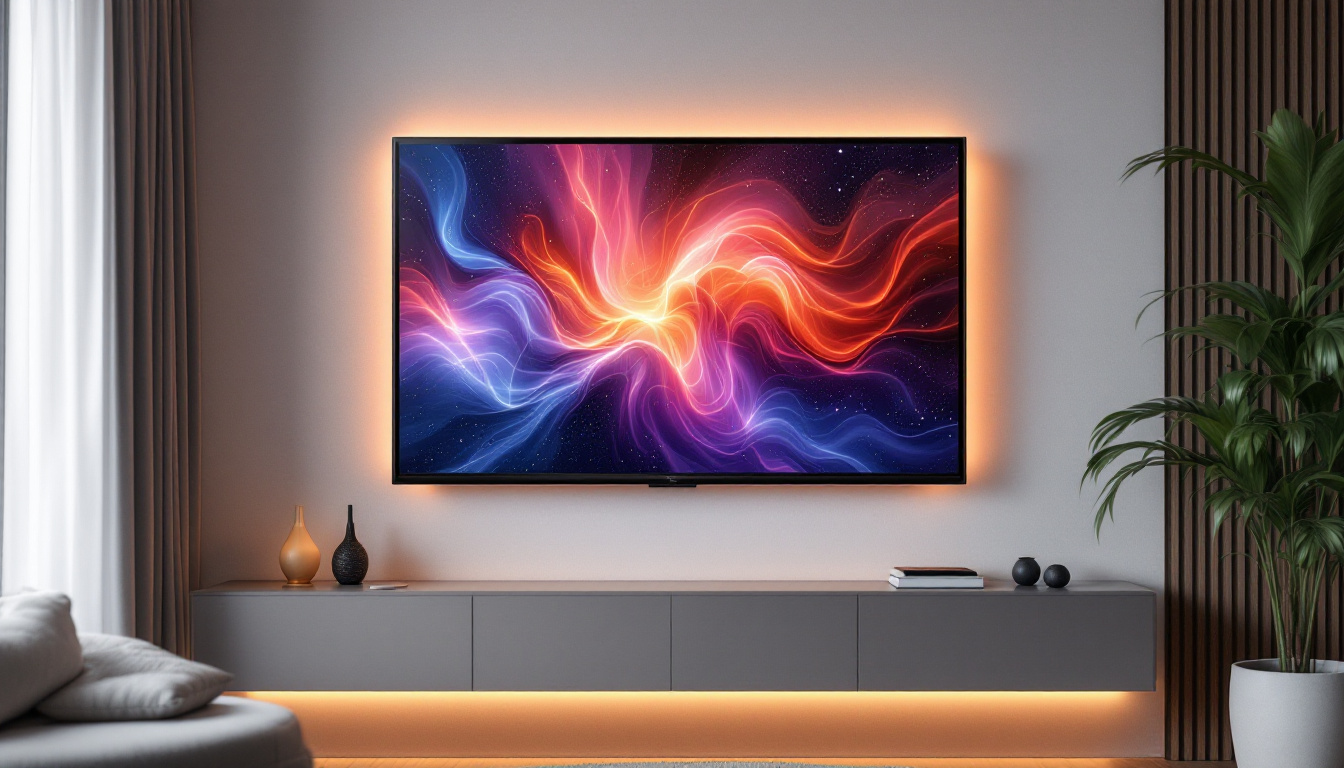
Indoor LED walls are designed for controlled environments with limited exposure to weather and ambient light. They typically feature smaller pixel pitches (1.2mm to 4mm) to deliver high-resolution images suitable for close viewing distances. Common applications include corporate lobbies, broadcast studios, retail stores, and exhibitions.
Indoor LED displays prioritize color accuracy, brightness levels around 800 to 1500 nits, and seamless panel integration to create visually stunning video walls. These displays often incorporate advanced technologies such as HDR (High Dynamic Range) and color calibration systems, ensuring that the visuals are not only vibrant but also true to life. Additionally, many indoor displays support interactive features, allowing users to engage with content through touch or gesture recognition, making them ideal for modern retail environments and trade shows.
Outdoor LED Displays
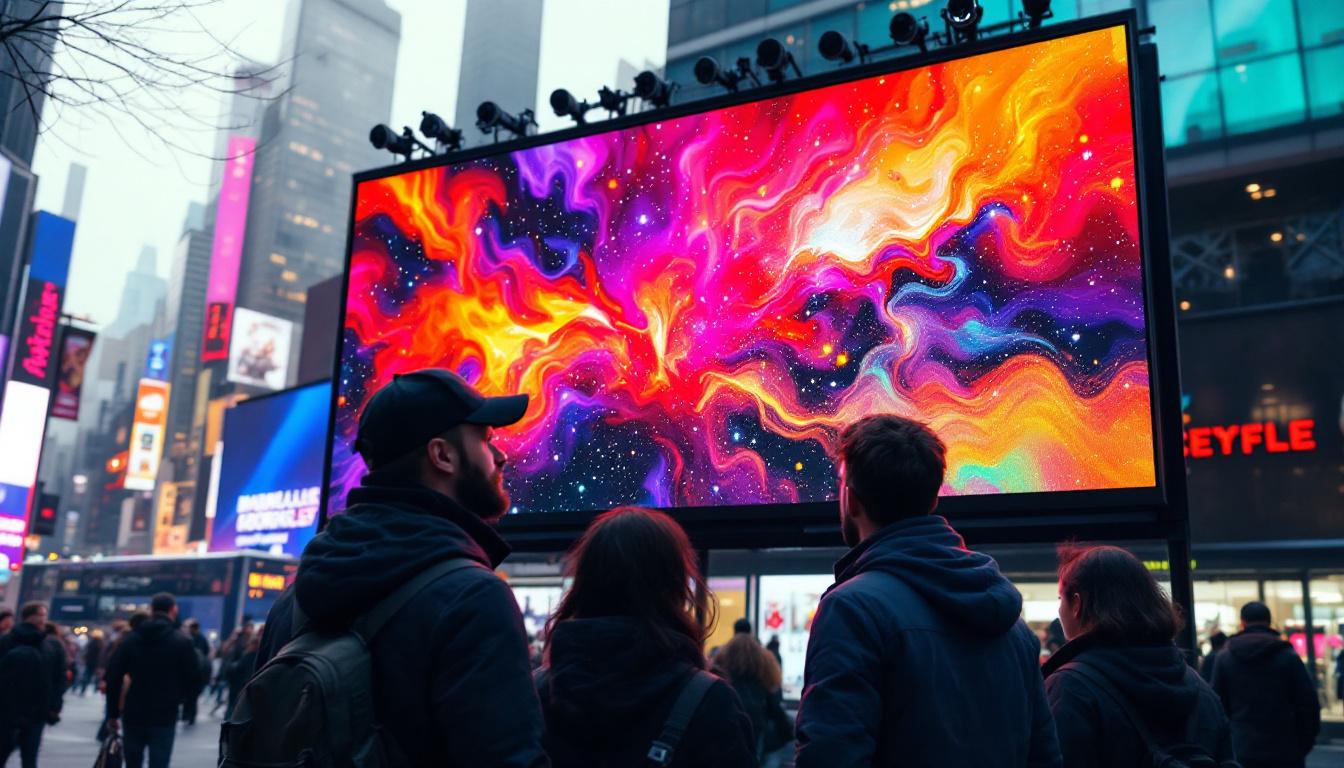
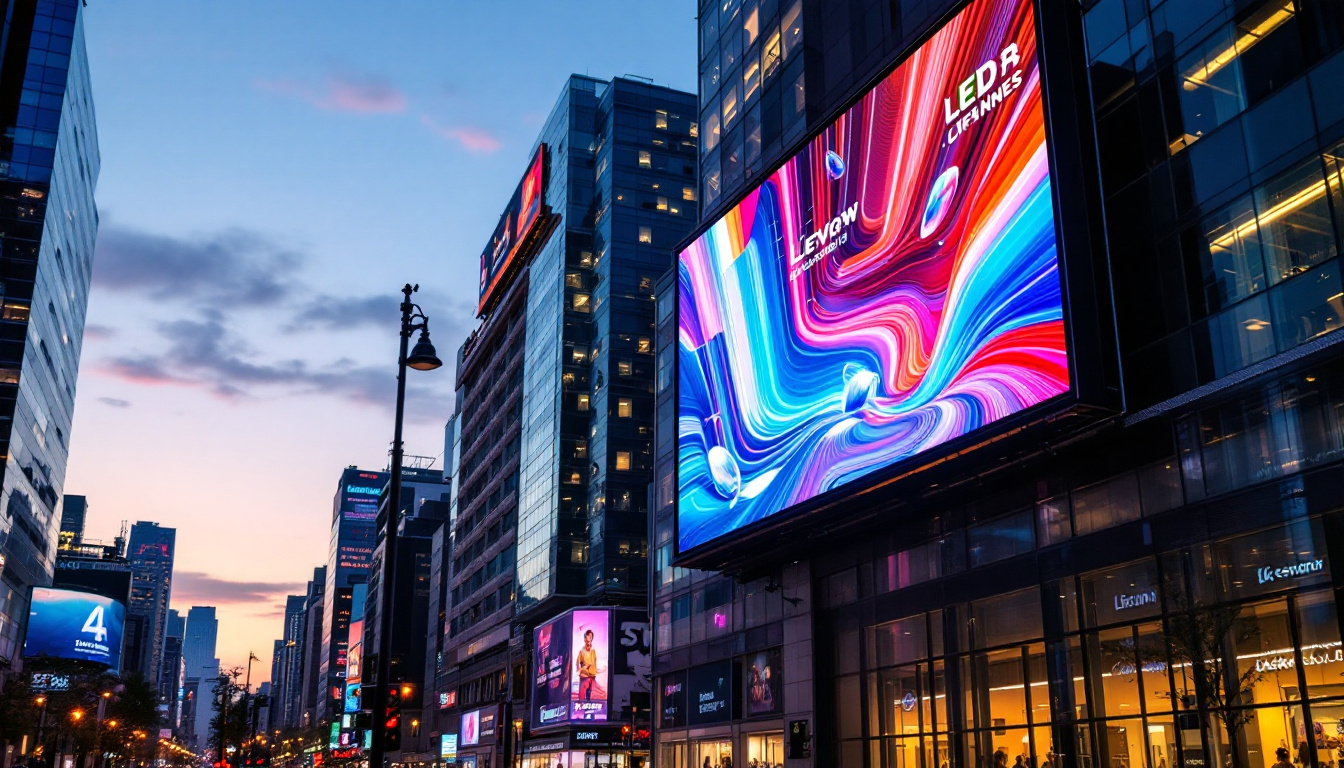
Outdoor LED walls are built to withstand harsh weather conditions, including rain, wind, dust, and extreme temperatures. These displays have higher brightness levels (up to 10,000 nits or more) to remain visible even in direct sunlight. Pixel pitches for outdoor screens are generally larger, ranging from 6mm to 20mm, to accommodate longer viewing distances.
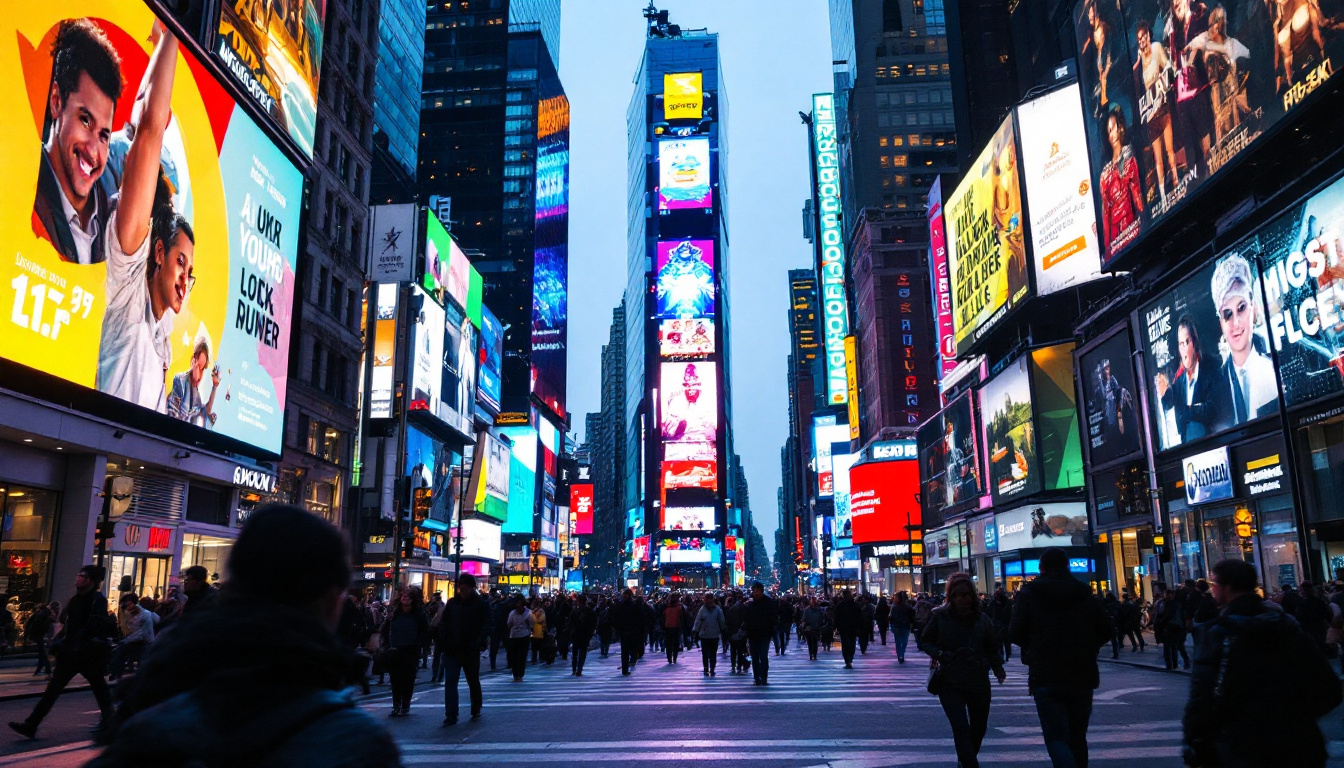
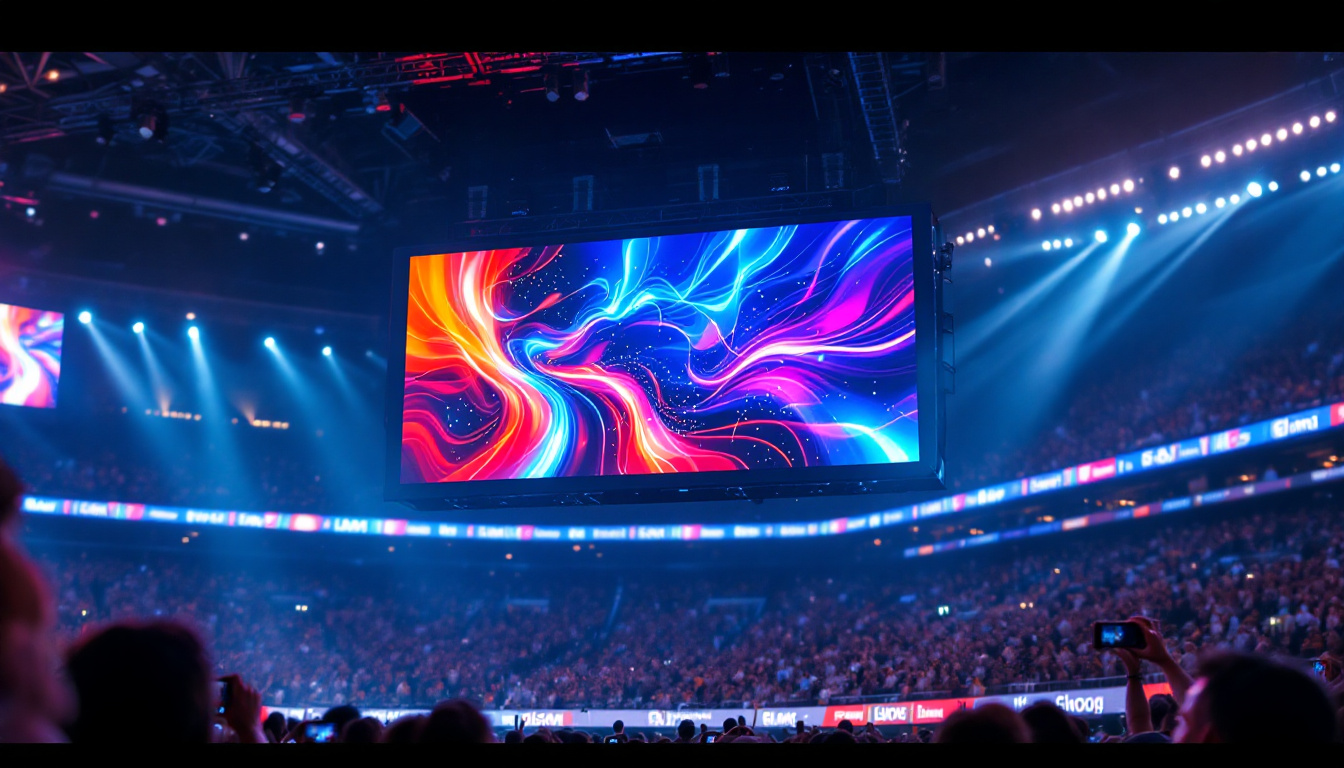
Applications include digital billboards, sports stadium screens, transportation hubs, and public event displays. Outdoor LED walls often feature ruggedized enclosures and advanced cooling systems to ensure durability and consistent performance. Furthermore, many outdoor displays are equipped with intelligent brightness sensors that automatically adjust the screen’s brightness based on ambient light conditions, optimizing visibility while conserving energy. This adaptability not only enhances user experience but also extends the lifespan of the display by preventing overheating.
Transparent and Flexible LED Displays
Innovations in LED technology have led to the development of transparent and flexible LED displays. Transparent LED panels allow light to pass through, making them ideal for glass storefronts or architectural installations where maintaining natural light is important. Flexible LED displays can be curved or bent, opening new possibilities for creative designs and immersive environments.
These cutting-edge displays are revolutionizing the way brands interact with consumers by blending digital content with physical spaces. For instance, transparent displays can be used in retail settings to showcase promotional videos while still allowing customers to see the products behind the screen. Flexible displays, on the other hand, can be integrated into unconventional shapes, such as columns or even vehicles, creating a dynamic advertising medium that captures attention from multiple angles. As technology continues to evolve, we can expect even more innovative applications that push the boundaries of traditional display formats, enhancing both aesthetics and functionality in various environments.
Key Specifications and Performance Metrics
When evaluating LED displays, several technical specifications determine the quality and suitability of the product for a given application.
Brightness and Contrast Ratio
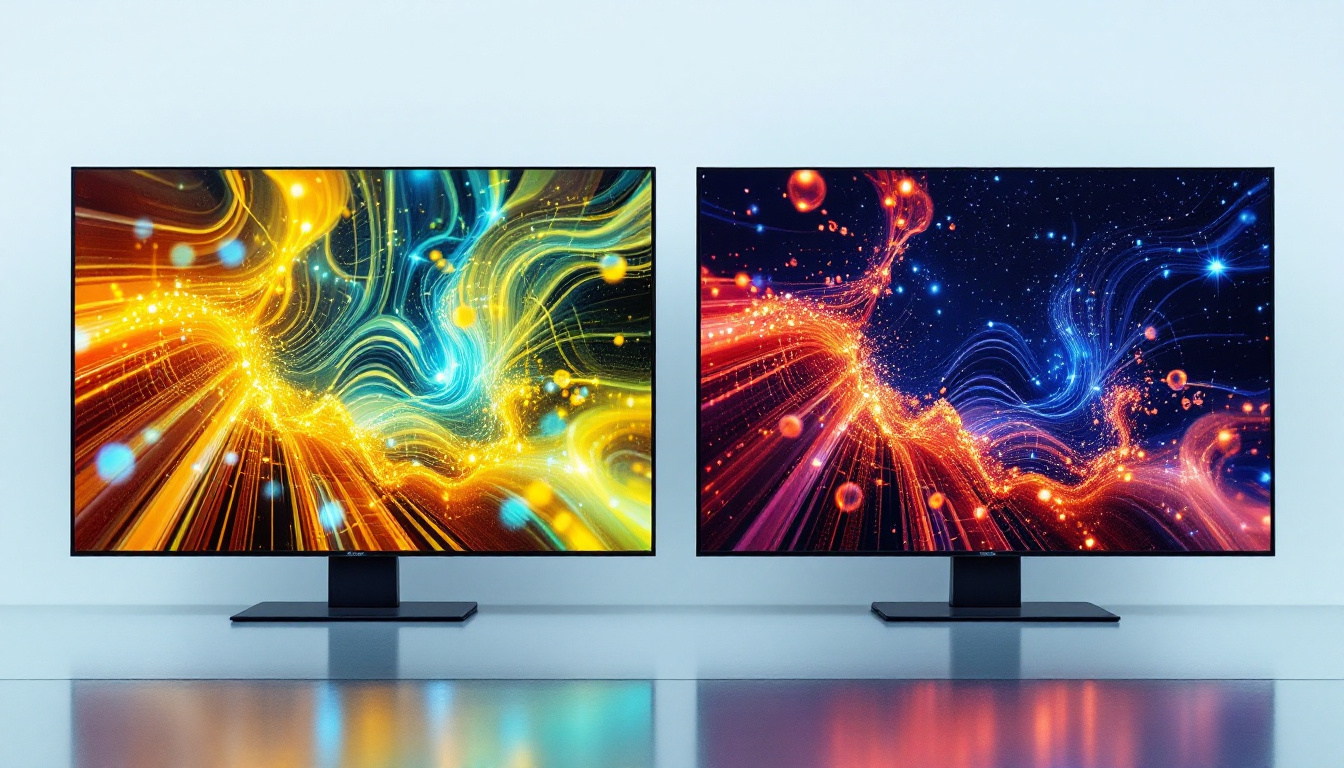
Brightness is measured in nits (cd/m²) and indicates how luminous the display is. Higher brightness is crucial for outdoor visibility and environments with high ambient light. Contrast ratio refers to the difference between the brightest white and the darkest black the display can produce, which affects image depth and realism. LED displays generally offer superior contrast compared to LCDs due to their emissive nature.
Color Accuracy and Calibration
Color accuracy ensures that the display reproduces colors faithfully, which is vital for branding, advertising, and broadcast applications. Modern LED walls support wide color gamuts and can be calibrated using specialized software and hardware tools to maintain consistent color output across multiple panels.
Viewing Angle
The viewing angle defines the maximum angle at which the display can be viewed without significant color or brightness degradation. LED walls typically offer wide viewing angles (up to 160 degrees or more), making them suitable for large audiences and public spaces.
Applications of LED Walls
LED walls are versatile tools that serve a wide range of industries and purposes. Their adaptability and visual impact make them an increasingly popular choice for communication and entertainment.
Corporate and Event Use
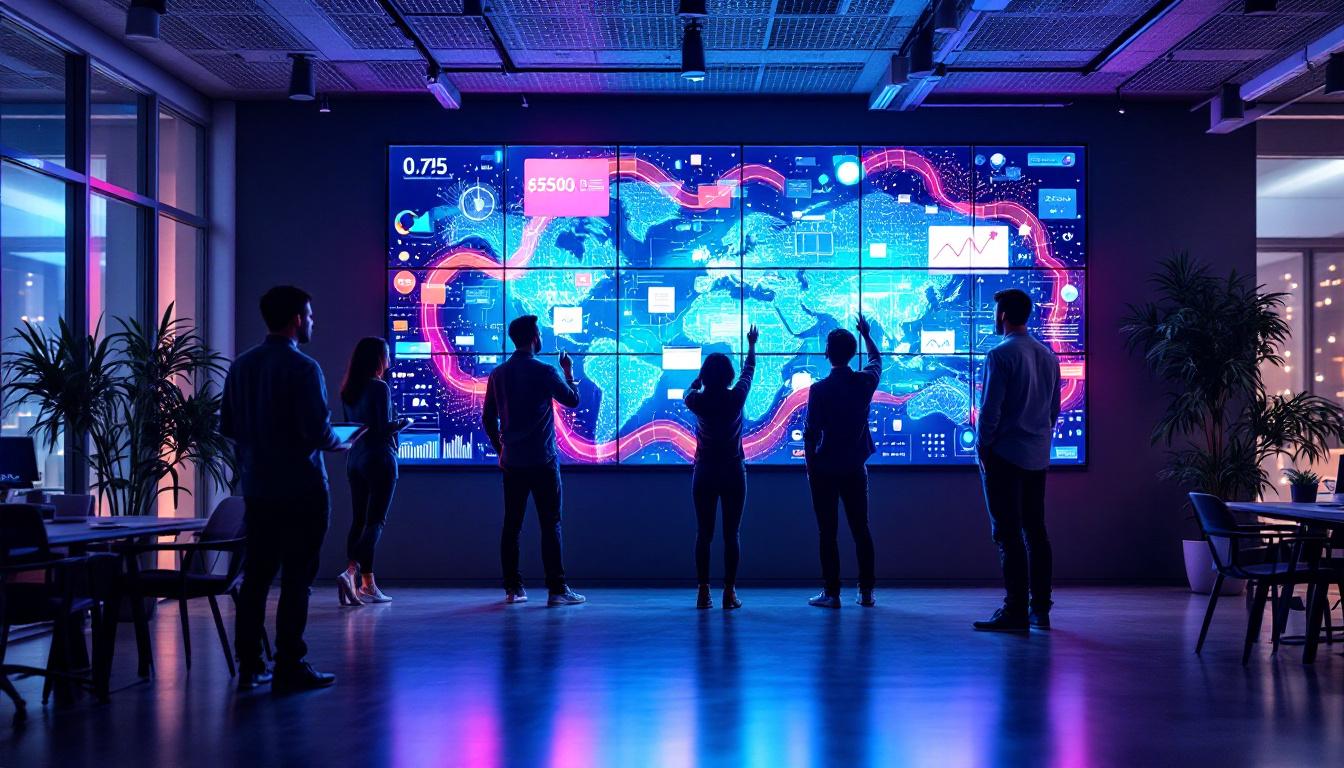
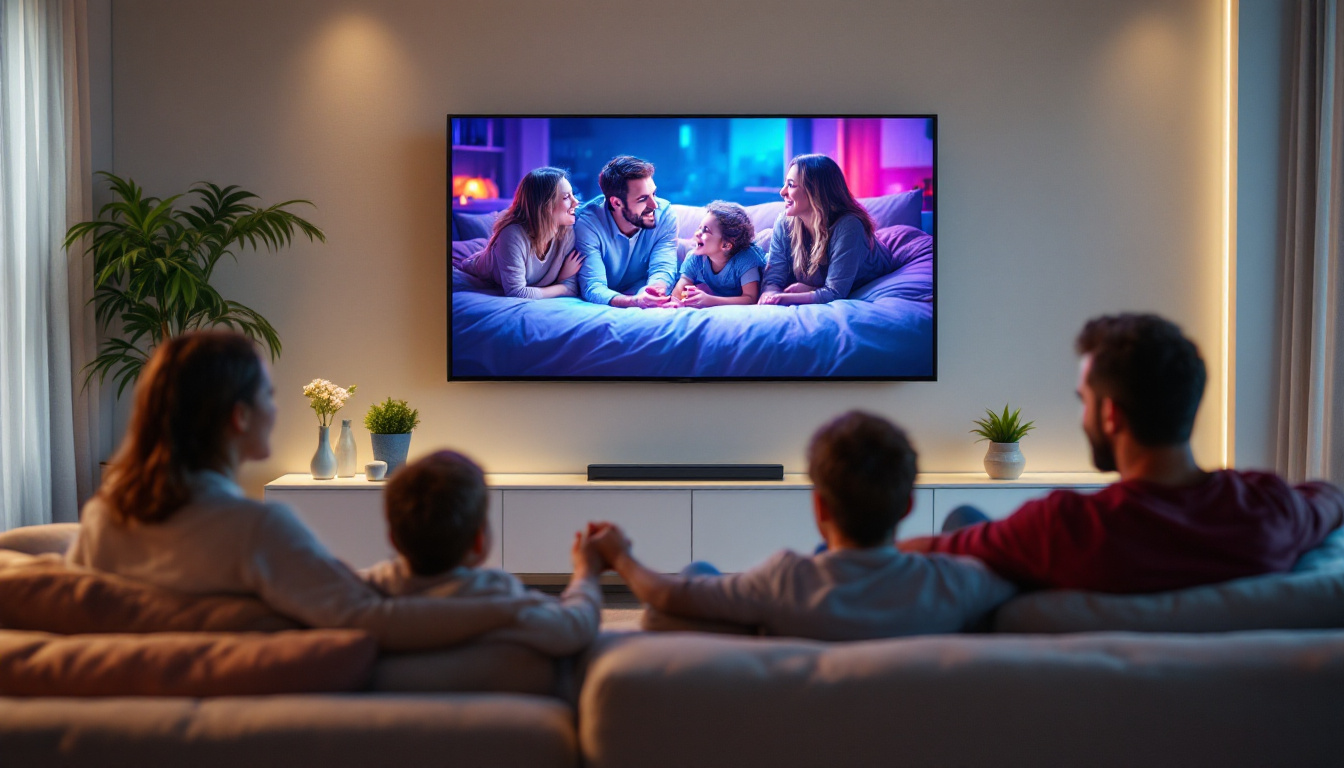
In corporate environments, LED walls are used for presentations, digital signage, and immersive meeting rooms. They enable dynamic content display, real-time data visualization, and interactive experiences. At events and conferences, LED walls provide large-scale backdrops, live video feeds, and engaging multimedia content that capture audience attention.
Advertising and Retail
Retailers leverage LED walls for eye-catching window displays, promotional campaigns, and in-store digital signage. Outdoor LED billboards have revolutionized advertising by enabling dynamic, targeted messaging that can be updated instantly. According to recent market research, the global digital signage market is expected to reach $31 billion by 2027, driven largely by LED display adoption.
Broadcast and Entertainment
LED walls are integral to modern broadcast studios, providing versatile backgrounds and virtual sets. In entertainment venues such as concert halls and theaters, LED displays enhance stage design and audience engagement through vivid visuals and synchronized lighting effects.
Best Practices for LED Wall Training
Proper training is essential to maximize the benefits of LED wall technology. Whether for installation, operation, or content creation, understanding the nuances of LED displays ensures optimal performance and longevity.
Installation and Maintenance
Training should cover the physical installation of LED panels, including alignment, mounting, and cabling. Technicians must be familiar with environmental considerations, such as ventilation and weatherproofing for outdoor setups. Routine maintenance, including cleaning, firmware updates, and troubleshooting common issues, is critical to prevent downtime.
Content Creation and Management
Creating content tailored to LED walls involves understanding resolution, aspect ratios, and pixel pitch to ensure crisp visuals. Training on content management systems (CMS) enables users to schedule, update, and monitor content remotely, increasing operational efficiency.
Calibration and Quality Control
Regular calibration maintains color consistency and brightness uniformity across the display. Training on calibration tools and software helps operators detect and correct anomalies, preserving the visual integrity of the LED wall over time.
The Future of LED Display Technology
LED display technology continues to advance rapidly, driven by innovations in miniaturization, energy efficiency, and smart integration. MicroLED technology, which uses microscopic LEDs, promises even higher resolution and lower power consumption, potentially disrupting the market for traditional LED and OLED displays.
Furthermore, the integration of AI and IoT with LED walls is enabling smarter content delivery and interactive experiences. For example, AI-driven analytics can tailor advertising content based on audience demographics and behavior in real time, enhancing engagement and ROI.
As these technologies evolve, professionals equipped with comprehensive LED wall training will be well-positioned to leverage new capabilities and deliver cutting-edge visual solutions.
Conclusion
LED walls represent a powerful medium for communication, advertising, and entertainment, offering unmatched brightness, flexibility, and visual quality. Understanding the underlying technology, types of displays, key specifications, and practical applications is essential for anyone involved in deploying or managing LED display systems.
Effective LED wall training encompasses technical installation, content management, and ongoing maintenance, ensuring that these dynamic displays perform optimally and deliver maximum impact. As the technology continues to evolve, staying informed and skilled will be critical to unlocking the full potential of LED display solutions.
Discover LumenMatrix’s Advanced LED Display Solutions
Ready to elevate your visual communication with the latest in LED technology? Look no further than LumenMatrix, where innovation meets excellence in creating immersive visual experiences. From vibrant Indoor and Outdoor LED Wall Displays to dynamic Vehicle and Sports LED Displays, our extensive range of products is designed to captivate and engage your audience. Whether you’re looking to make a statement with a Custom LED Display or seeking the convenience of an All-in-One LED solution, LumenMatrix has you covered. Embrace the future of digital signage with our LED Transparent and Floor Displays, and let your brand shine like never before. Check out LumenMatrix LED Display Solutions today and transform your space into a visual masterpiece.