The fusion of technology and artistry has transformed theatrical stage design in profound ways. Among the most revolutionary advancements is the integration of LED displays, which have redefined how stories are visually told on stage. This article delves into the role of LED displays in theatrical stage design, exploring their technology, applications, benefits, and considerations for production teams aiming to elevate their performances.
Understanding LED Display Technology in Theatre
What is an LED Display?
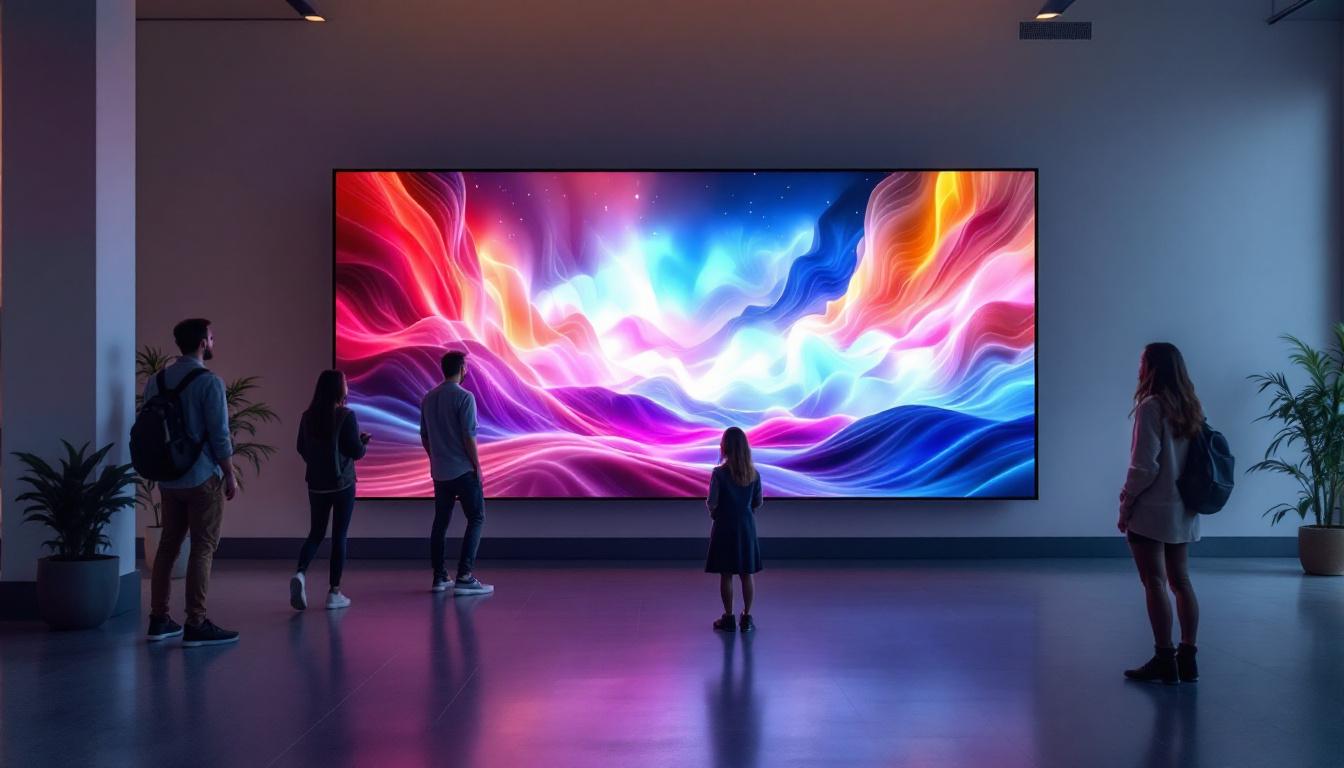
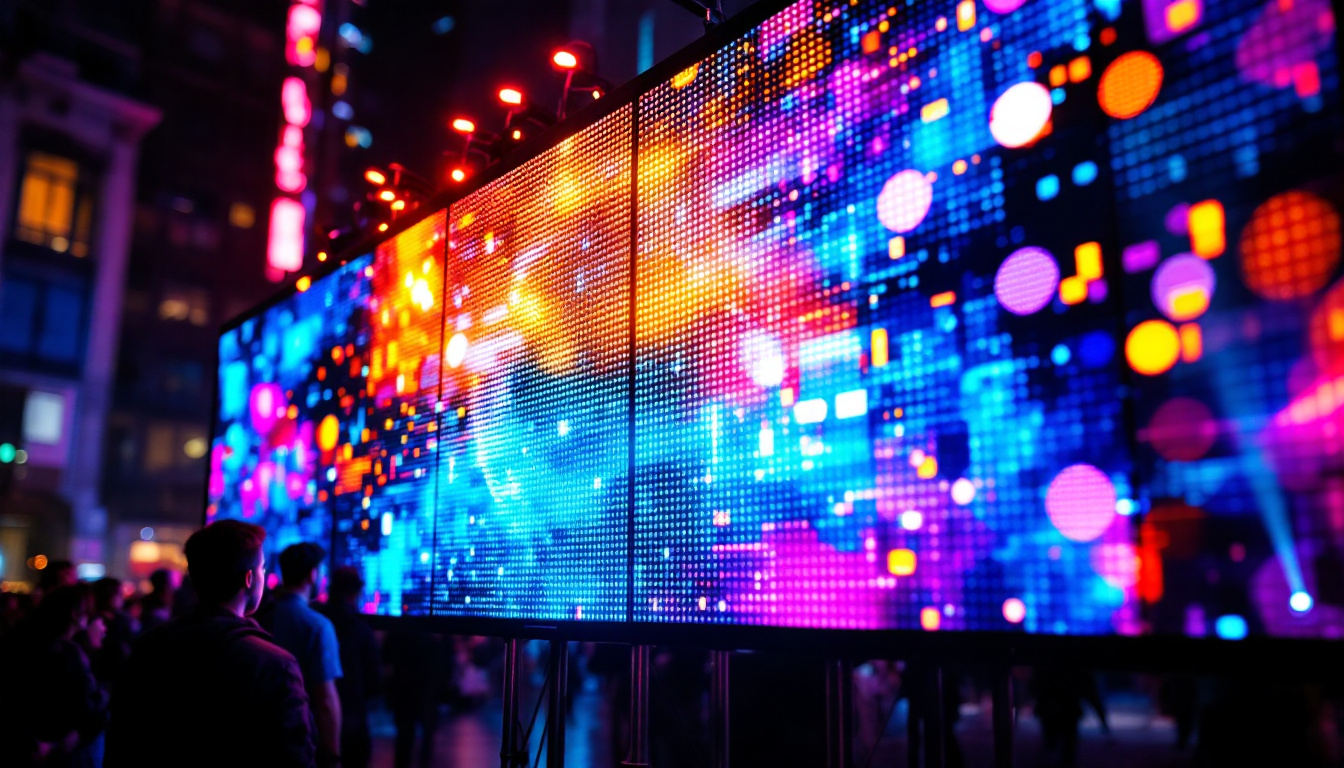
LED, or Light Emitting Diode, displays consist of numerous tiny diodes that emit light when an electric current passes through them. These diodes are arranged in panels or modules to form large screens capable of displaying vibrant images, videos, and dynamic lighting effects. Unlike traditional projection systems, LED displays generate their own light, resulting in brighter and more vivid visuals even in well-lit environments.
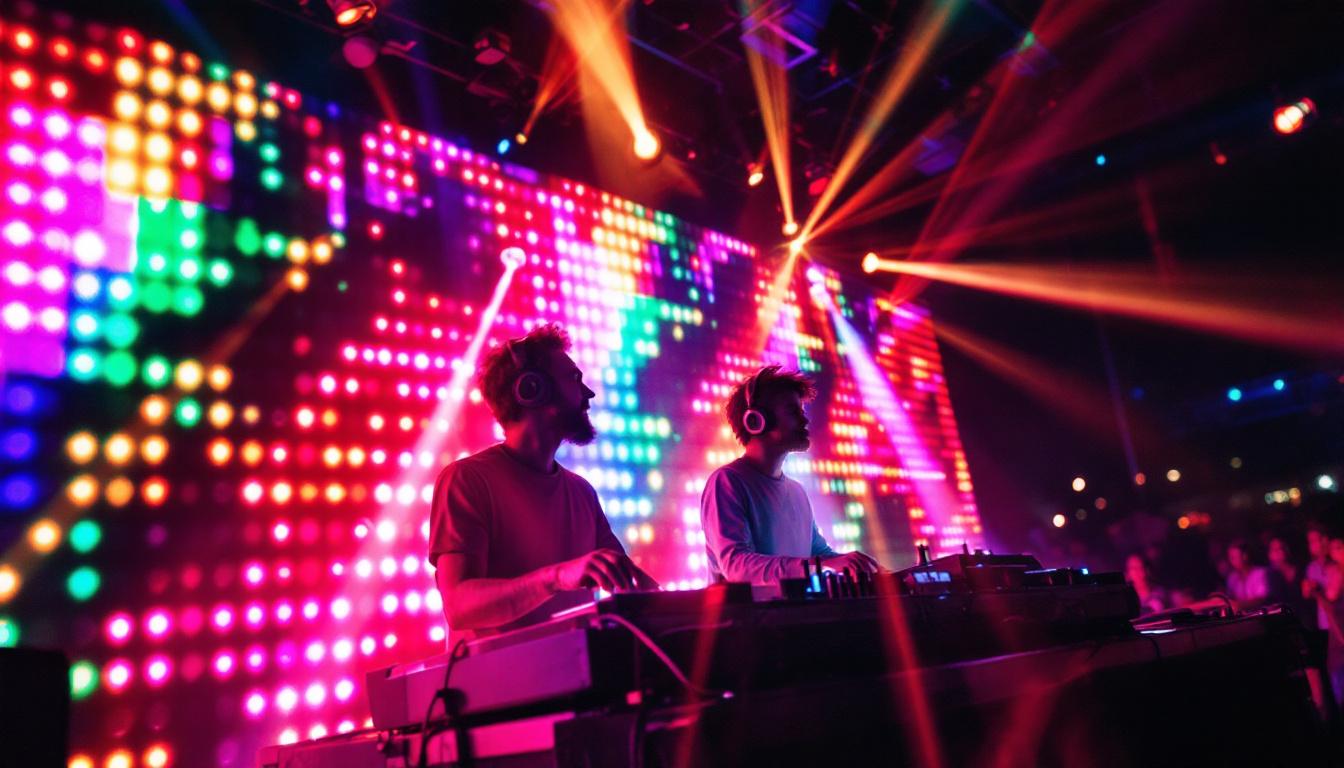
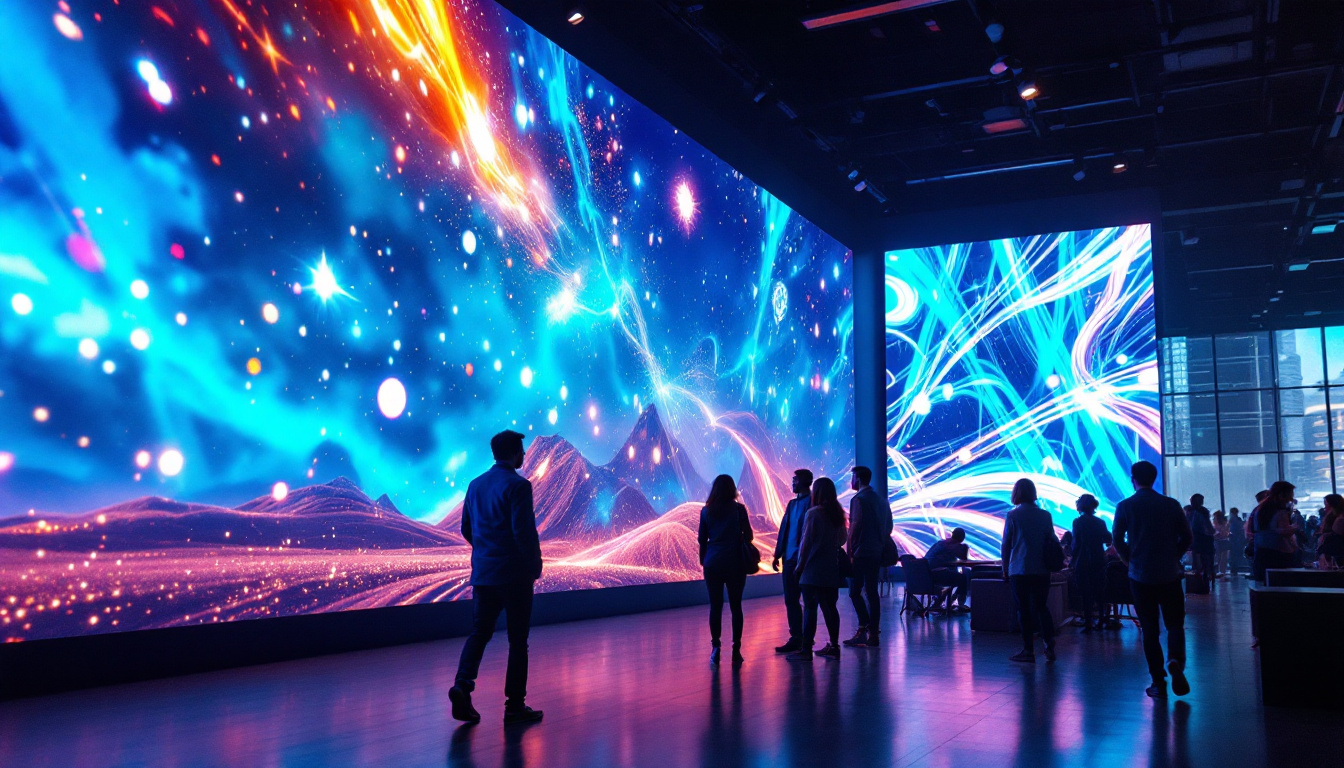
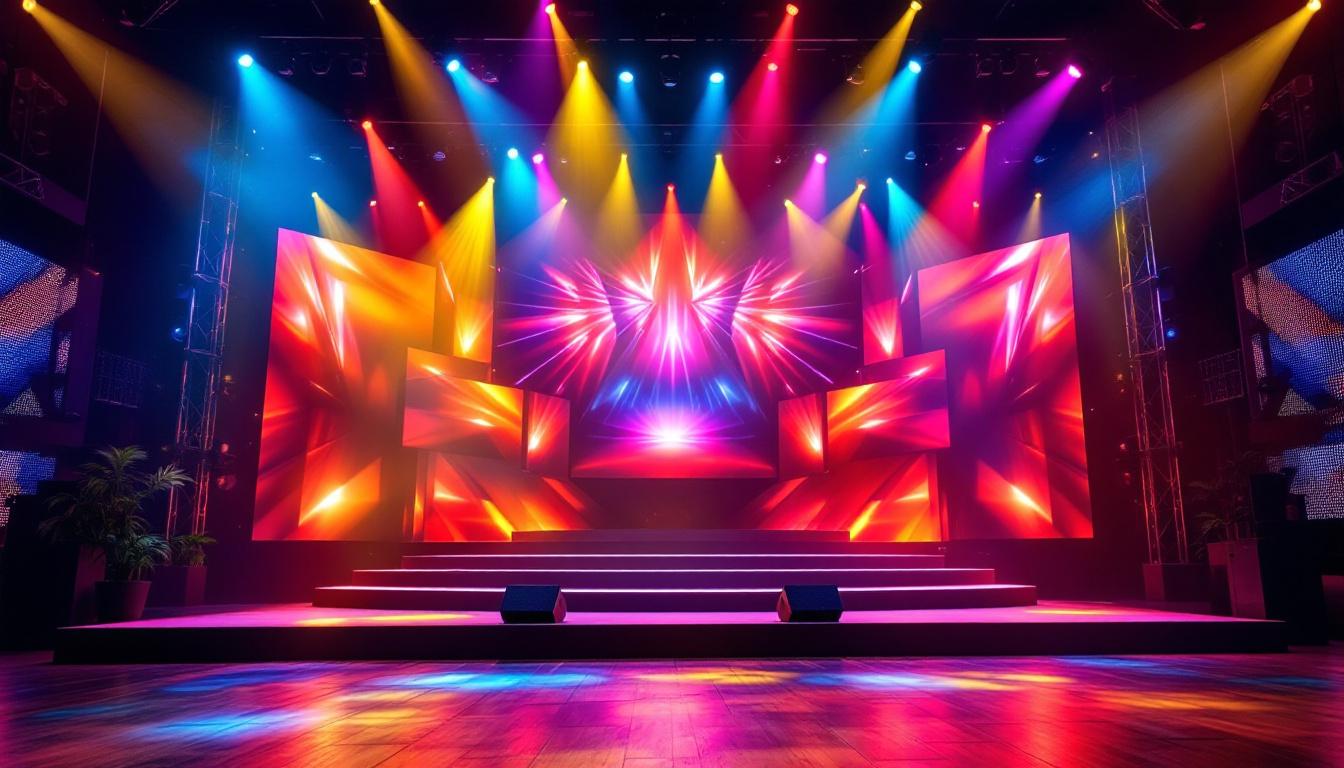
In theatrical contexts, LED displays can range from small backdrop panels to massive stage-wide screens. Their modular nature allows designers to customize shapes and sizes, creating immersive environments tailored to the narrative and spatial constraints of a production. The ability to manipulate these displays in real-time adds a dynamic element to performances, allowing for seamless transitions between scenes and enhancing the storytelling experience. With the integration of advanced software, directors can synchronize visuals with sound and lighting, creating a cohesive and captivating atmosphere that engages the audience on multiple sensory levels.
Types of LED Displays Used in Theatre
There are several types of LED displays commonly employed in stage design, each with unique characteristics:
- Indoor LED Panels: Designed for controlled lighting environments, these panels offer high resolution and fine pixel pitch, making them ideal for close audience proximity.
- Outdoor LED Screens: Built to withstand weather conditions, these displays are brighter and more robust, often used in open-air theatrical events or festivals.
- Flexible and Transparent LED Screens: These innovative displays can curve, wrap around structures, or even be see-through, enabling creative stage configurations and layering effects.
In addition to these types, there are also specialized LED solutions such as pixel-mapped displays, which allow for intricate designs and animations that can be choreographed to the performance. This technology enables designers to create stunning visual narratives that complement the actors’ movements and enhance the overall production value. Furthermore, advancements in LED technology have led to the development of energy-efficient options, which not only reduce operational costs but also minimize the environmental impact of theatrical productions. As sustainability becomes increasingly important in the arts, the use of LED displays represents a forward-thinking approach that aligns with eco-friendly practices.
Moreover, the integration of LED displays into theatrical productions has opened up new avenues for creative expression. Artists and designers can experiment with augmented reality (AR) and virtual reality (VR) elements, blurring the lines between the physical and digital worlds. This convergence of technologies allows for innovative storytelling techniques, where audiences can experience a multi-dimensional narrative that transcends traditional stage boundaries. As the technology continues to evolve, the possibilities for incorporating LED displays into theatre are virtually limitless, promising an exciting future for both performers and spectators alike.
Applications of LED Displays in Theatrical Productions
Dynamic Backdrops and Scenic Elements
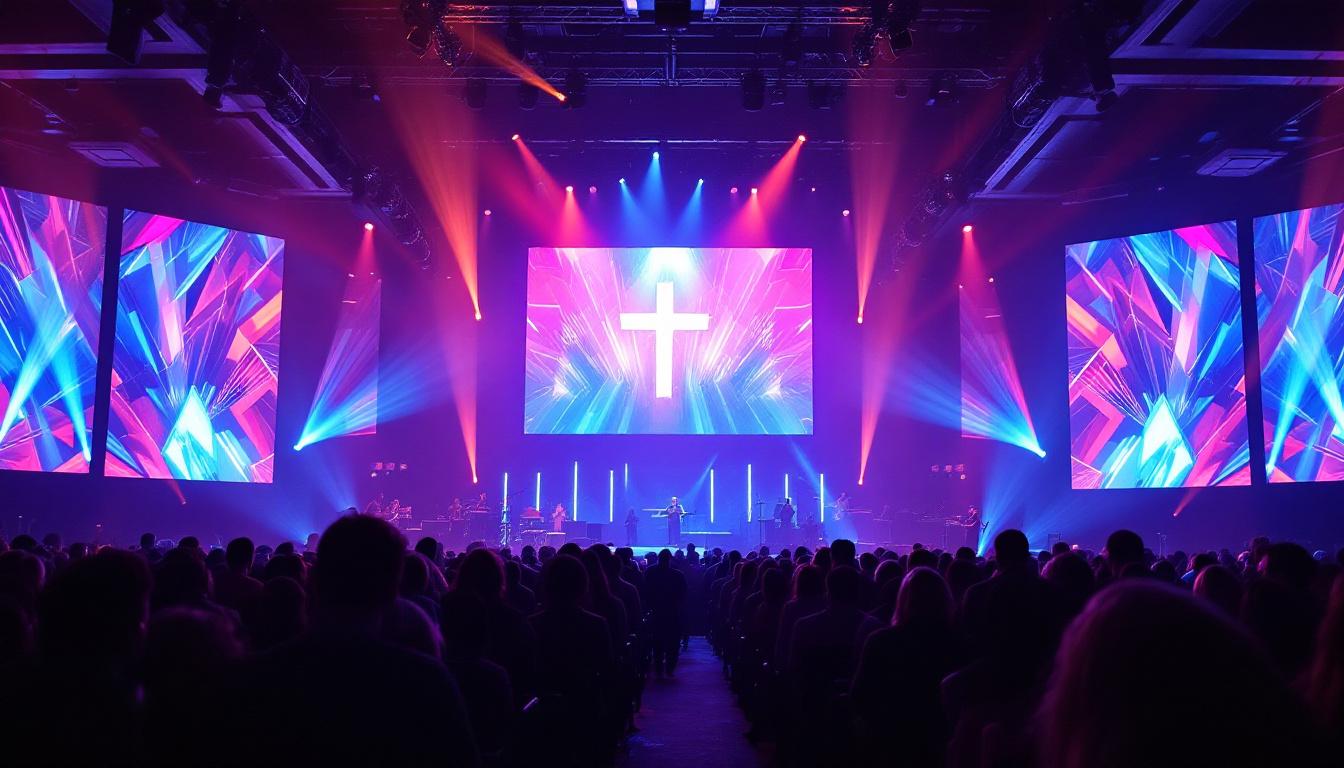
LED displays have revolutionized scenic design by replacing static backdrops with dynamic, changeable visuals. This flexibility allows productions to shift settings instantaneously—from a bustling cityscape to a tranquil forest—without physical set changes. For example, the Broadway production of “Dear Evan Hansen” uses LED screens to create immersive environments that evolve with the storyline, enhancing emotional engagement.
Moreover, LED backdrops can incorporate interactive elements, responding to actors’ movements or cues, which adds layers of depth and realism to the performance. This adaptability not only enriches the audience’s experience but also reduces the logistical complexity and costs associated with traditional set changes. The ability to quickly alter the backdrop can also facilitate more fluid storytelling, allowing directors to experiment with pacing and transitions that would be cumbersome with traditional scenery. This innovation encourages a more dynamic approach to narrative structure, where the visual elements can reflect the characters’ emotional states or thematic shifts in real-time.
Lighting and Special Effects Integration
Beyond serving as visual canvases, LED displays contribute to stage lighting and special effects. Their ability to emit intense, controllable light allows designers to synchronize screen content with stage lighting, creating cohesive atmospheres. For instance, a thunderstorm scene can be augmented with flashing LED visuals synchronized with sound effects and physical lighting, producing a multi-sensory experience.
Additionally, LED screens can simulate textures and materials—such as water, fire, or fabric—without the need for physical props. This capability expands creative possibilities while maintaining safety and ease of setup. The integration of LED technology can also lead to innovative storytelling techniques, where the visuals can evolve alongside the narrative arc, enhancing the emotional resonance of key moments. For example, a character’s journey through a turbulent emotional landscape can be mirrored by shifting visuals on the LED backdrop, creating a seamless connection between the character’s internal struggles and the external world presented on stage.
Enhancing Audience Engagement and Accessibility
LED displays also play a role in improving accessibility. By projecting subtitles, sign language interpreters, or descriptive visuals, productions can cater to diverse audiences. This inclusivity is increasingly important as theatres strive to reach wider demographics. The use of LED technology ensures that everyone, regardless of their hearing or visual capabilities, can engage with the performance fully. In addition, the bright and clear visuals can help those with hearing impairments follow along with the dialogue and emotional nuances of the story.
Furthermore, LED screens can be used to display real-time social media feeds or audience interactions during immersive or experimental theatre performances, fostering a sense of community and participation. This interactive element not only enhances the overall experience but also allows audiences to feel like active participants in the performance, blurring the lines between spectators and performers. The ability to integrate audience feedback or reactions into the show can create a unique atmosphere that changes from one performance to another, making each experience distinct and memorable. This innovative approach to audience engagement is reshaping the way theatrical productions connect with their viewers, ensuring that performances resonate on a personal level.
Benefits of Using LED Displays in Stage Design
Visual Impact and Versatility
The most apparent advantage of LED displays is their striking visual impact. Their brightness, color accuracy, and resolution allow for stunning imagery that captivates audiences. Unlike projections, LEDs remain vivid regardless of ambient light, ensuring consistent quality throughout performances.
Versatility is another key benefit. LED modules can be assembled into virtually any shape or size, enabling designers to create unconventional stage elements such as curved walls, ceilings, or even floor panels. This adaptability supports innovative storytelling techniques and unique aesthetic experiences.
Cost Efficiency Over Time
While the initial investment in LED technology can be substantial, the long-term cost savings are significant. Traditional scenic elements often require extensive materials, labor, and storage space. LED screens reduce the need for physical props and sets, lowering production and transportation expenses.
Moreover, LED displays have long lifespans and relatively low maintenance costs. Their reusability across multiple productions or tours further enhances their economic value.
Environmental Sustainability
Theatre productions are increasingly conscious of their environmental footprint. LED displays contribute to sustainability efforts by minimizing waste associated with disposable set pieces and printed backdrops. Additionally, LEDs are energy-efficient compared to many traditional lighting sources, reducing overall power consumption during performances.
Challenges and Considerations in Implementing LED Displays
Technical Requirements and Expertise
Integrating LED displays into theatrical productions demands specialized technical knowledge. Production teams must understand screen resolution, pixel pitch, refresh rates, and color calibration to achieve optimal visual quality. Additionally, managing content creation and synchronization with lighting and sound systems requires skilled designers and technicians.
Training and collaboration between creative and technical departments are essential to fully leverage LED technology’s potential while avoiding common pitfalls such as image distortion or latency issues.
Budget and Resource Allocation
Despite long-term savings, the upfront costs for LED hardware, control systems, and content production can be significant. Smaller theatres or independent productions may find these expenses prohibitive without external funding or partnerships.
Careful budgeting and phased implementation strategies—such as renting LED panels or starting with smaller installations—can help mitigate financial barriers while building experience with the technology.
Design Limitations and Audience Sightlines
LED displays, particularly large-scale installations, must be thoughtfully integrated into stage design to avoid obstructing sightlines or overwhelming performers. Balancing screen placement with actor movement and audience perspective is critical to maintaining theatrical integrity.
Additionally, pixel pitch and viewing distance influence image clarity. Designers must select appropriate LED modules to ensure visuals appear sharp and immersive from all audience seats.
Future Trends in LED Stage Design
Advancements in Micro-LED and OLED Technologies
Emerging display technologies like Micro-LED and OLED promise even greater flexibility and image quality. Micro-LEDs offer higher brightness and energy efficiency with smaller pixel sizes, enabling ultra-high-resolution screens that can be seamlessly integrated into complex stage elements.
OLED displays, known for their deep blacks and vibrant colors, provide new opportunities for transparent or flexible screens that blend seamlessly with physical sets. These innovations will expand creative horizons and further blur the lines between digital and physical stagecraft.
Interactive and Immersive Experiences
As audience expectations evolve, theatrical productions are increasingly adopting interactive LED elements. Motion sensors, augmented reality (AR), and real-time content manipulation allow performers and spectators to influence visual environments dynamically.
This interactivity fosters immersive storytelling, transforming passive viewing into participatory experiences. LED displays will continue to be central to these developments, offering responsive and adaptable visual platforms.
Integration with Virtual Production Techniques
Virtual production, which combines live action with real-time CGI backgrounds, is gaining traction in theatre alongside film and television. LED walls serve as immersive digital backdrops, enabling live performers to interact with virtual environments without green screens.
This technique enhances realism and reduces post-production workflows. As virtual production tools become more accessible, LED displays will be integral in bridging physical and virtual stage elements.
Conclusion
LED displays have become indispensable tools in contemporary theatrical stage design. Their ability to deliver vibrant, flexible, and dynamic visuals enriches storytelling and audience engagement. While technical and financial challenges exist, the benefits in artistic expression, cost efficiency, and sustainability are compelling.
Looking ahead, advancements in display technologies and integration with emerging production methods will continue to push the boundaries of what is possible on stage. For theatre professionals, embracing LED displays offers a pathway to innovative, immersive, and memorable performances that resonate with modern audiences.
Illuminate Your Stage with LumenMatrix
Ready to take your theatrical productions to the next level? Discover LumenMatrix’s cutting-edge LED display solutions, designed to captivate your audience and bring your creative vision to life. From indoor and outdoor displays to custom configurations and interactive LED experiences, LumenMatrix is your partner in creating unforgettable visual narratives. Check out LumenMatrix LED Display Solutions today and transform the way you tell stories on stage.