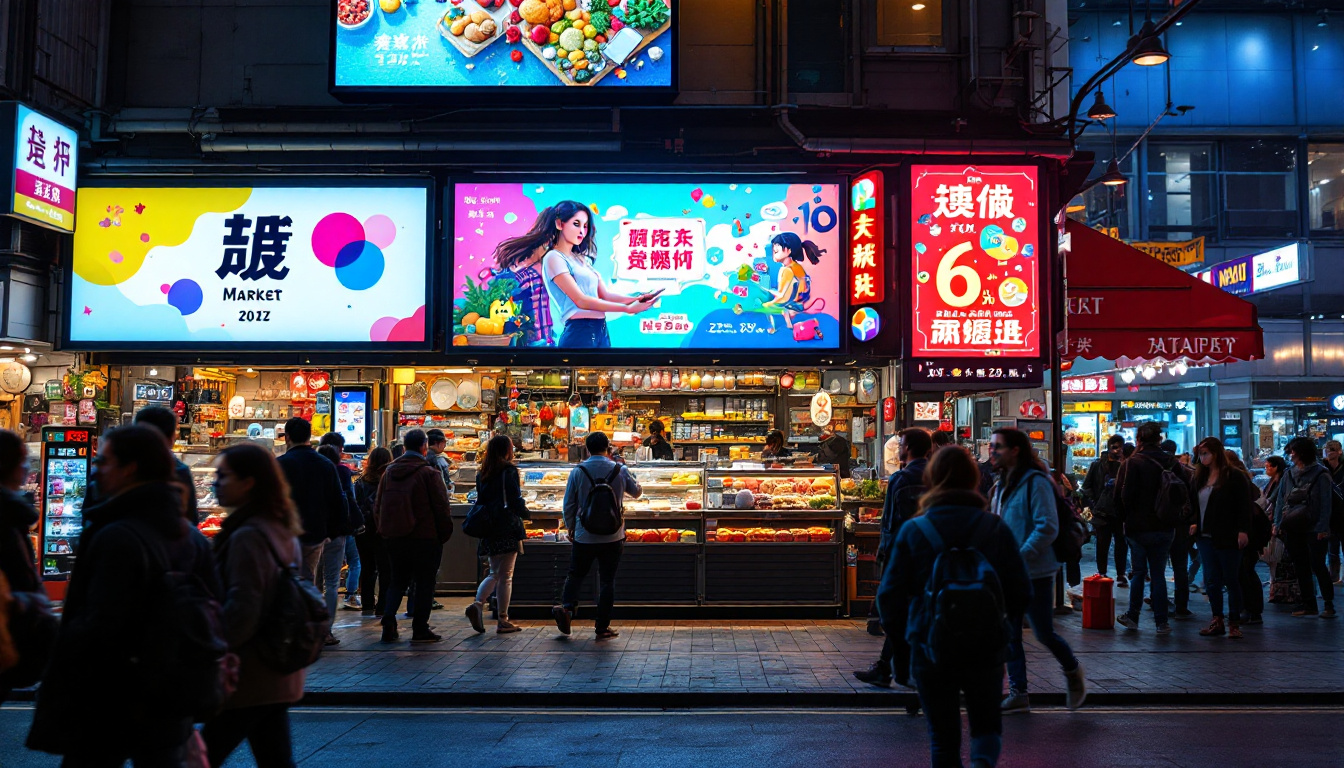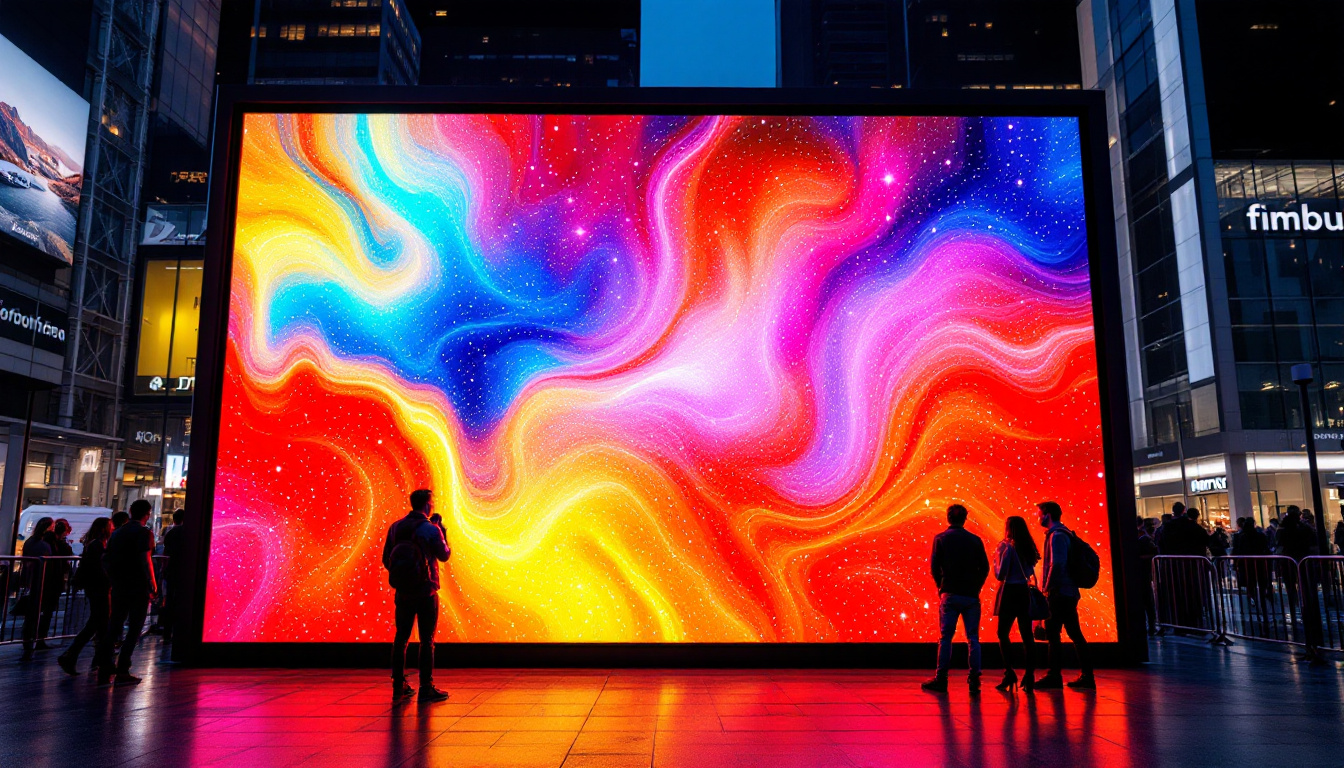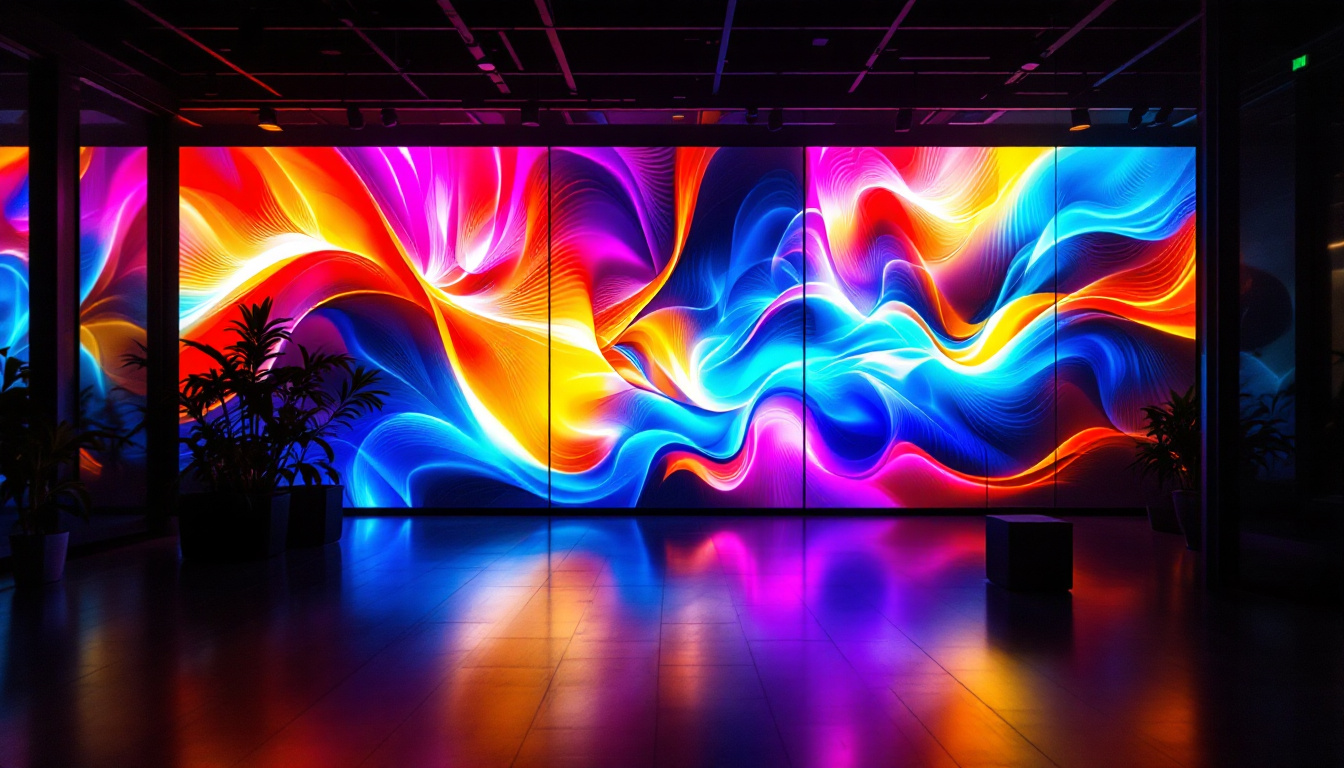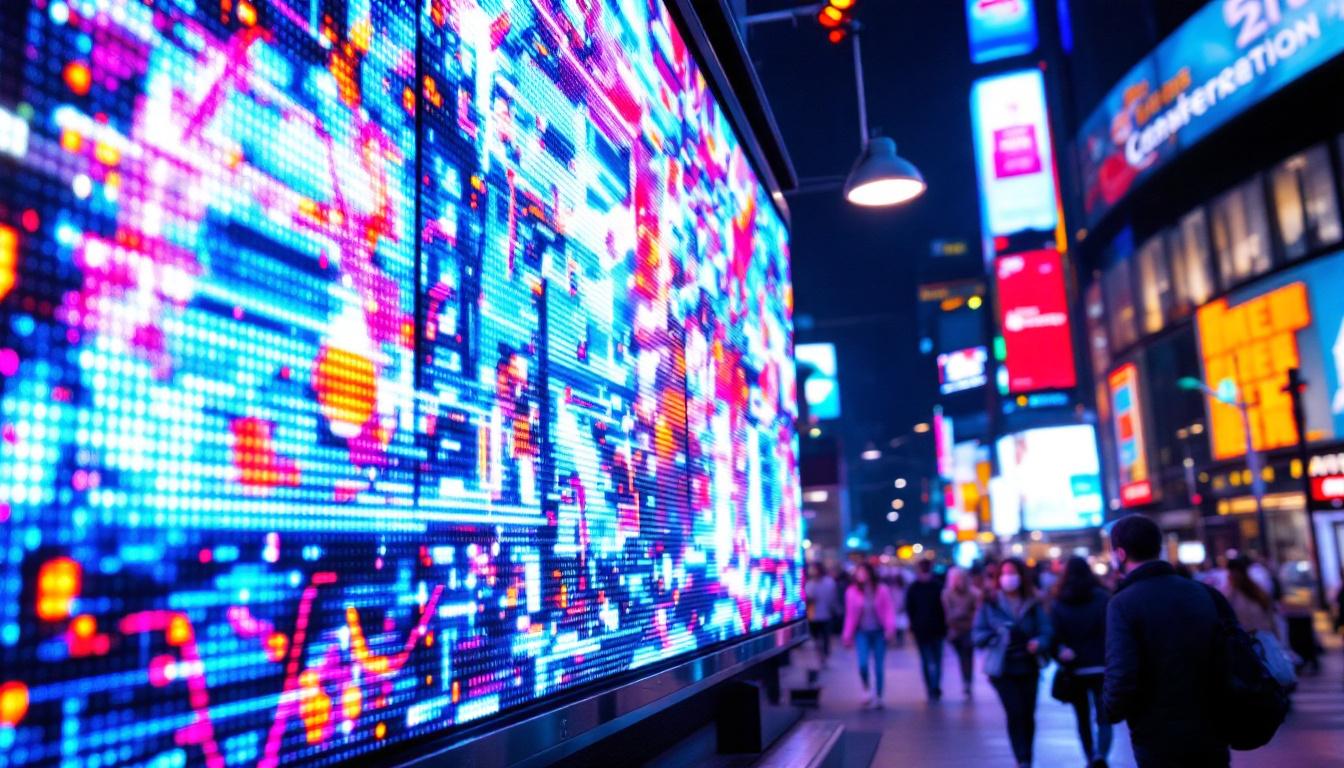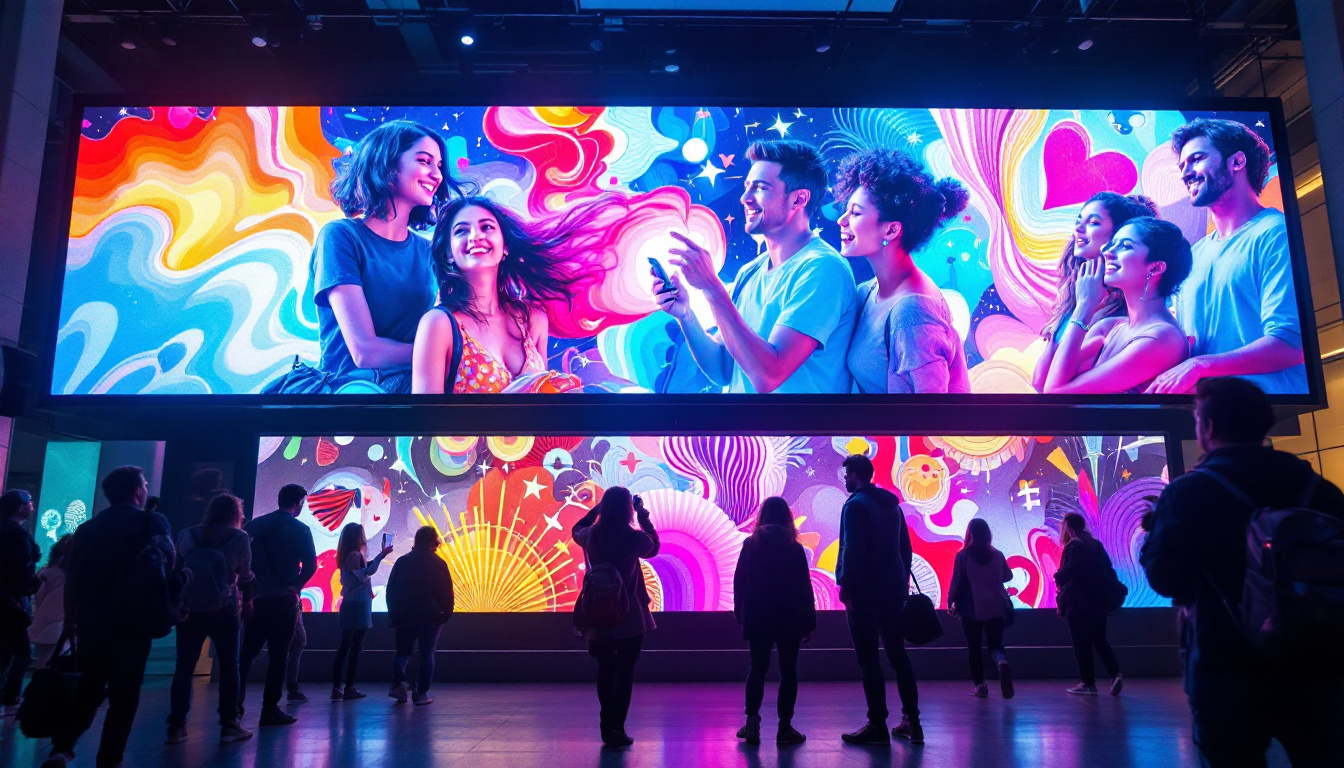
In today’s fast-paced digital world, capturing consumer attention is more challenging than ever. Traditional advertising methods are evolving, and among the most dynamic and effective tools available are LED screen ads. These vibrant, high-impact displays have transformed the way brands communicate with audiences, offering unparalleled visibility and engagement. This article delves deep into the world of LED display technology, exploring how LED screen ads work, their advantages, and why they are becoming indispensable in modern advertising strategies.
What Are LED Screen Ads?
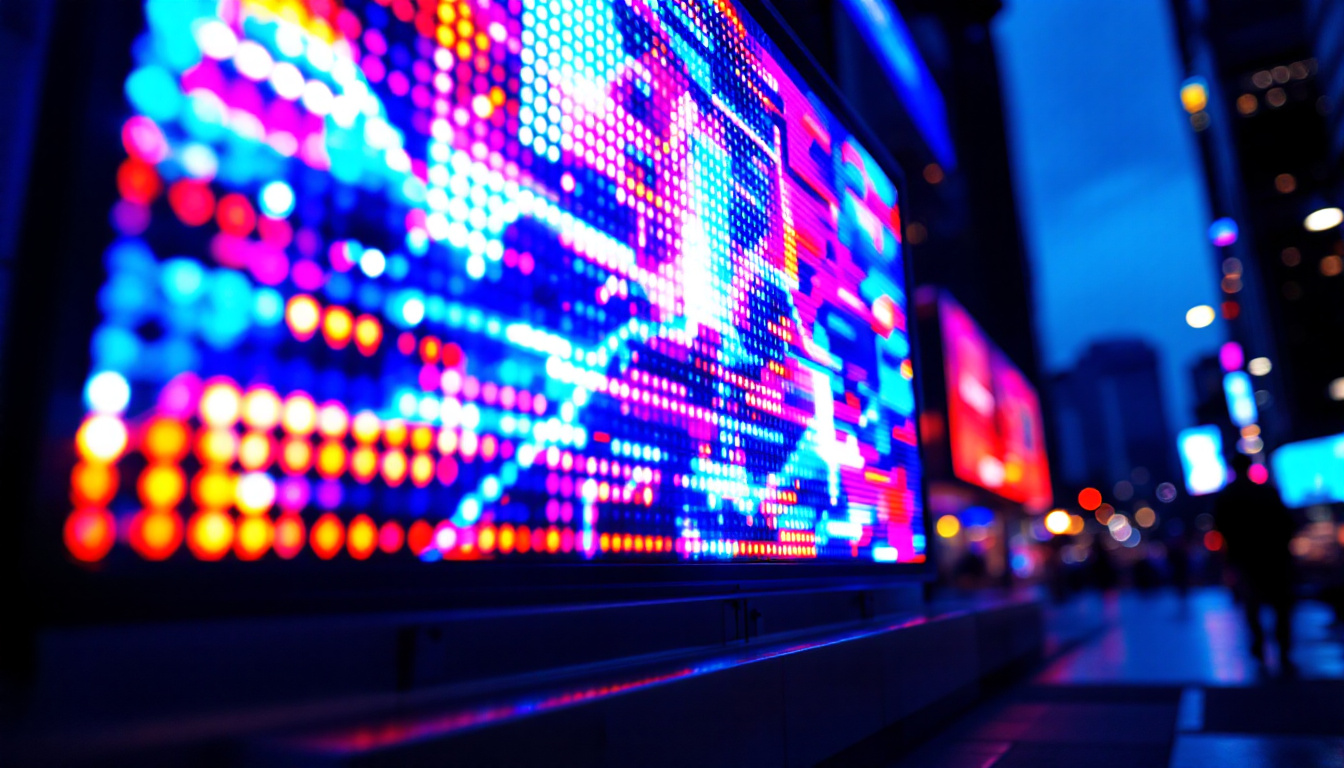
LED screen ads refer to advertisements displayed on Light Emitting Diode (LED) screens, which are electronic displays composed of tiny light-emitting diodes. These screens can showcase high-resolution images, videos, and animations, making them ideal for dynamic advertising content. Unlike static billboards or posters, LED screens can change content quickly and remotely, allowing advertisers to tailor messages based on time, audience, or event.
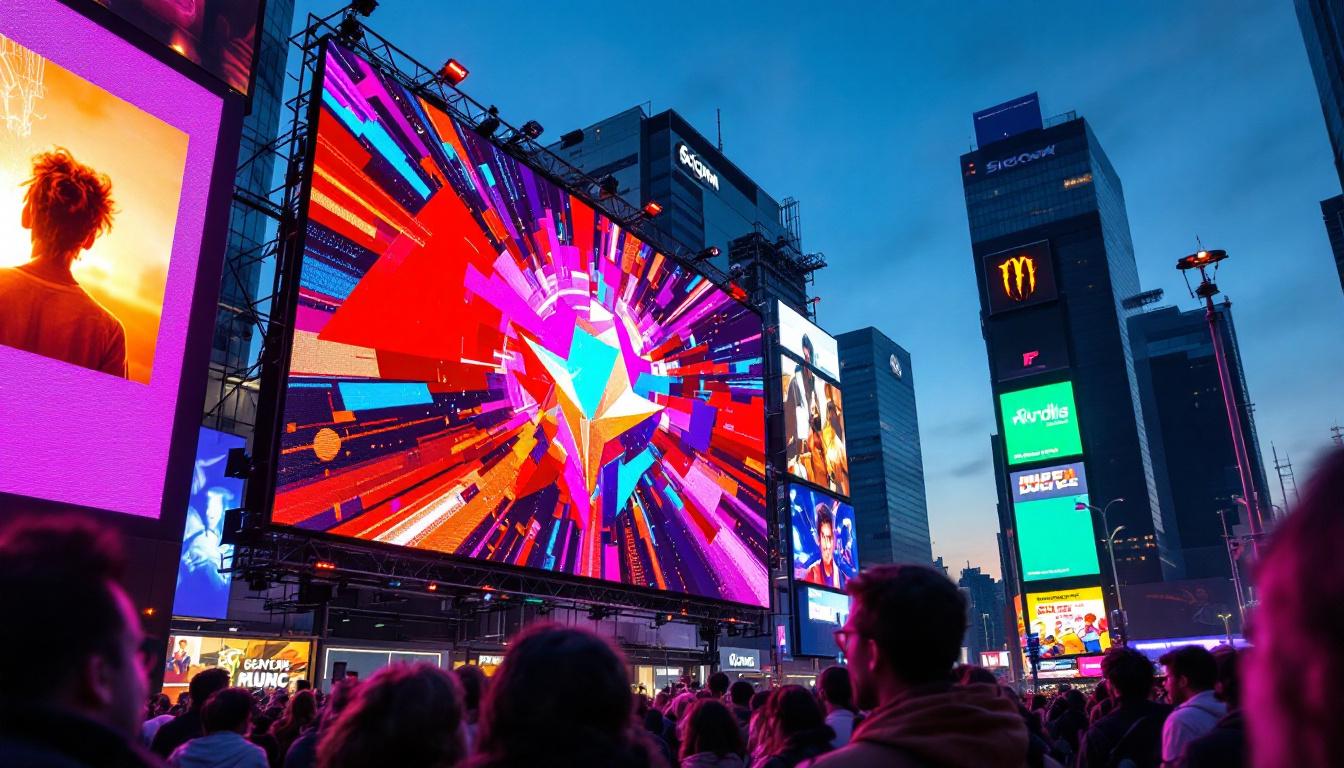
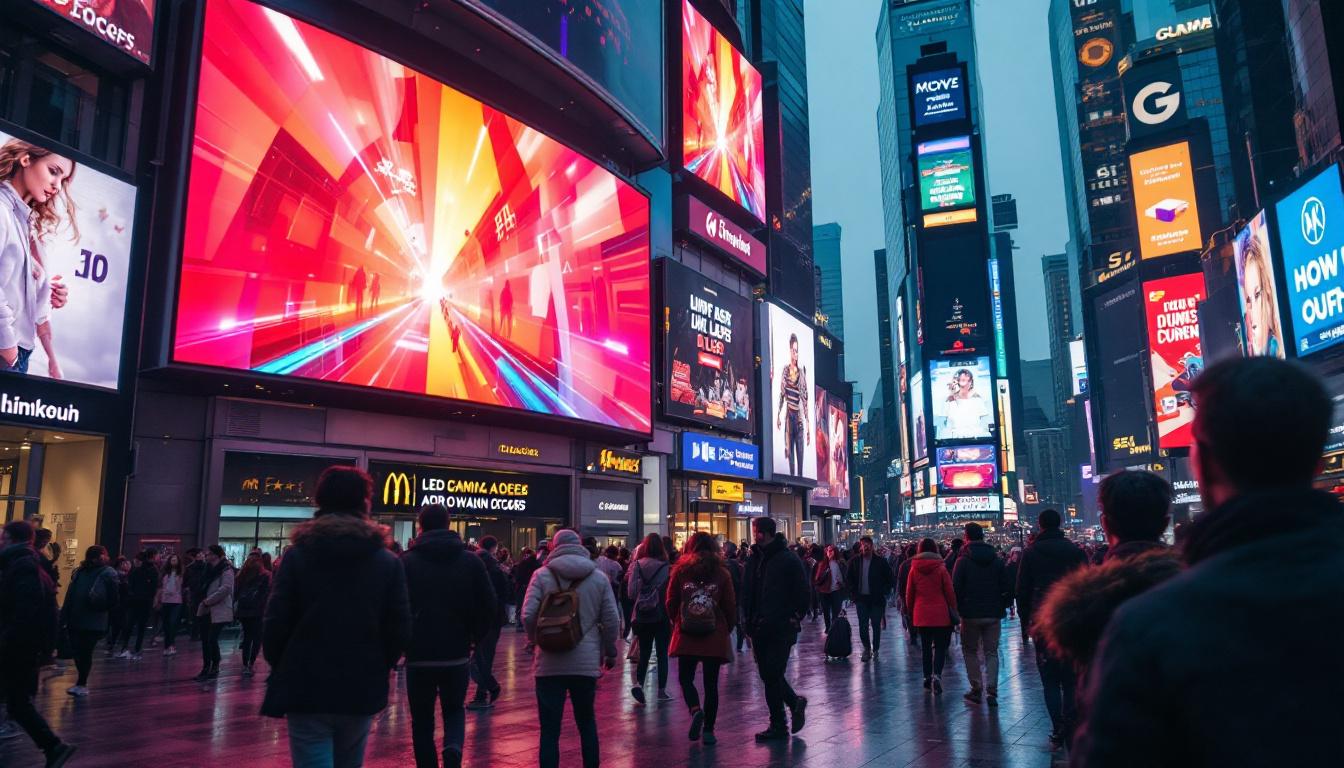
The technology behind LED displays has advanced significantly over the past decade. Modern LED screens offer exceptional brightness, color accuracy, and energy efficiency, making them suitable for both indoor and outdoor environments. From Times Square in New York to shopping malls and stadiums worldwide, LED screen ads have become a staple in high-traffic areas. The ability to display vibrant visuals and captivating animations has transformed the advertising landscape, allowing brands to engage consumers in a more interactive and memorable way. This evolution in advertising technology has not only enhanced brand visibility but also increased consumer retention of the advertised messages.
Types of LED Displays Used in Advertising
Understanding the different types of LED displays helps clarify why they are so versatile in advertising:
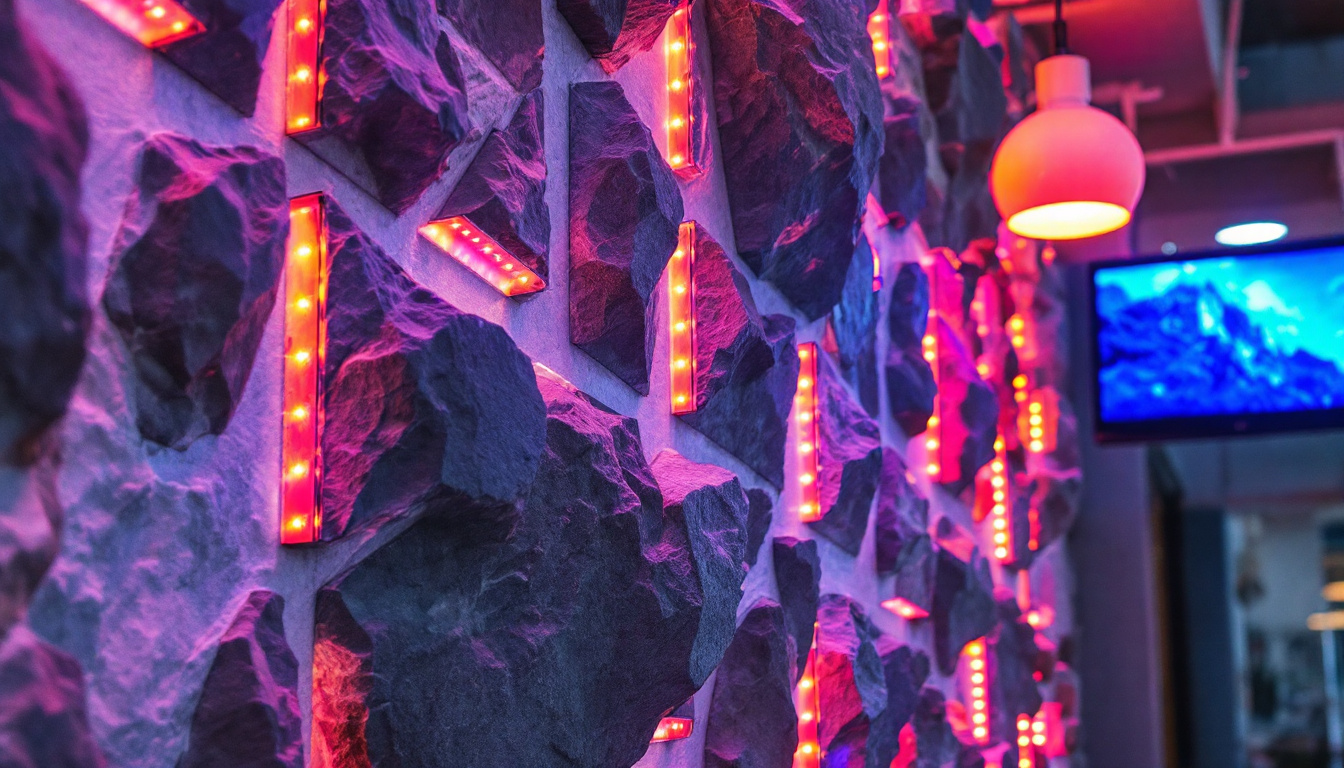
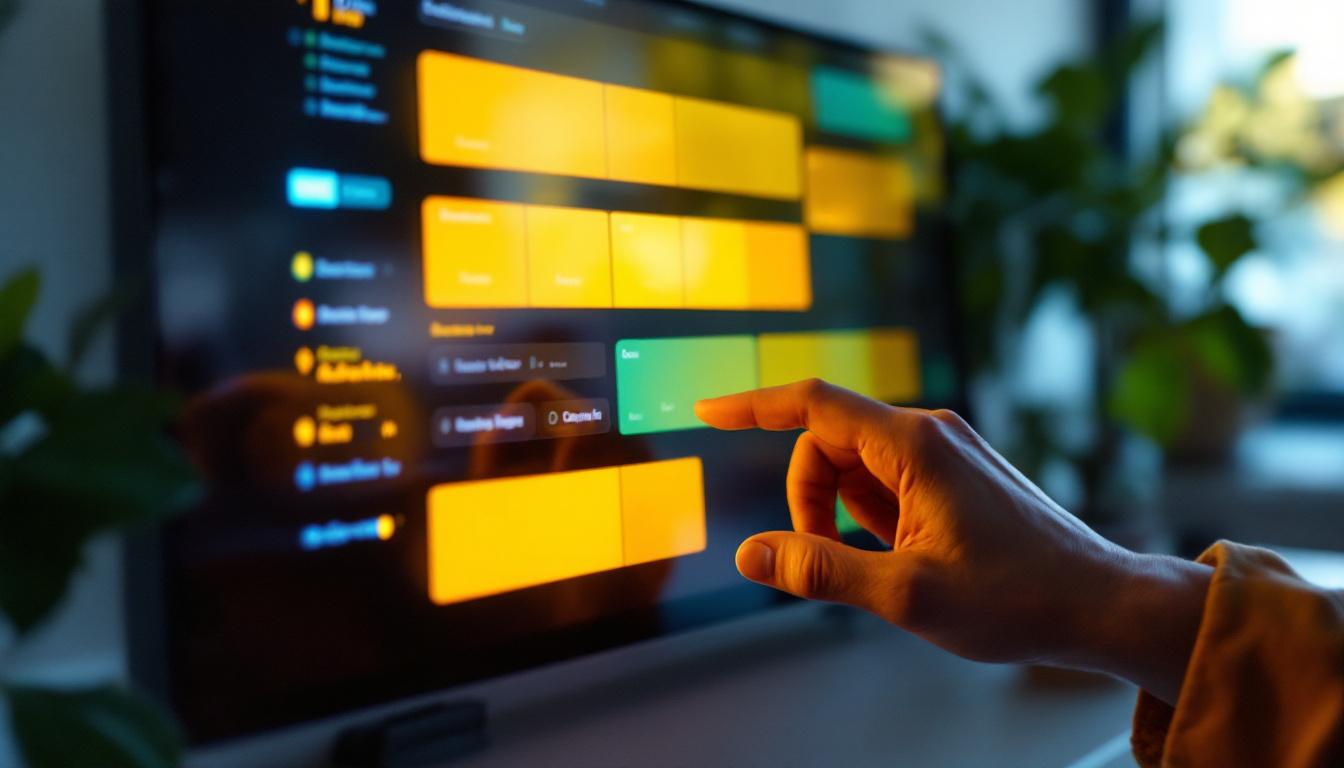
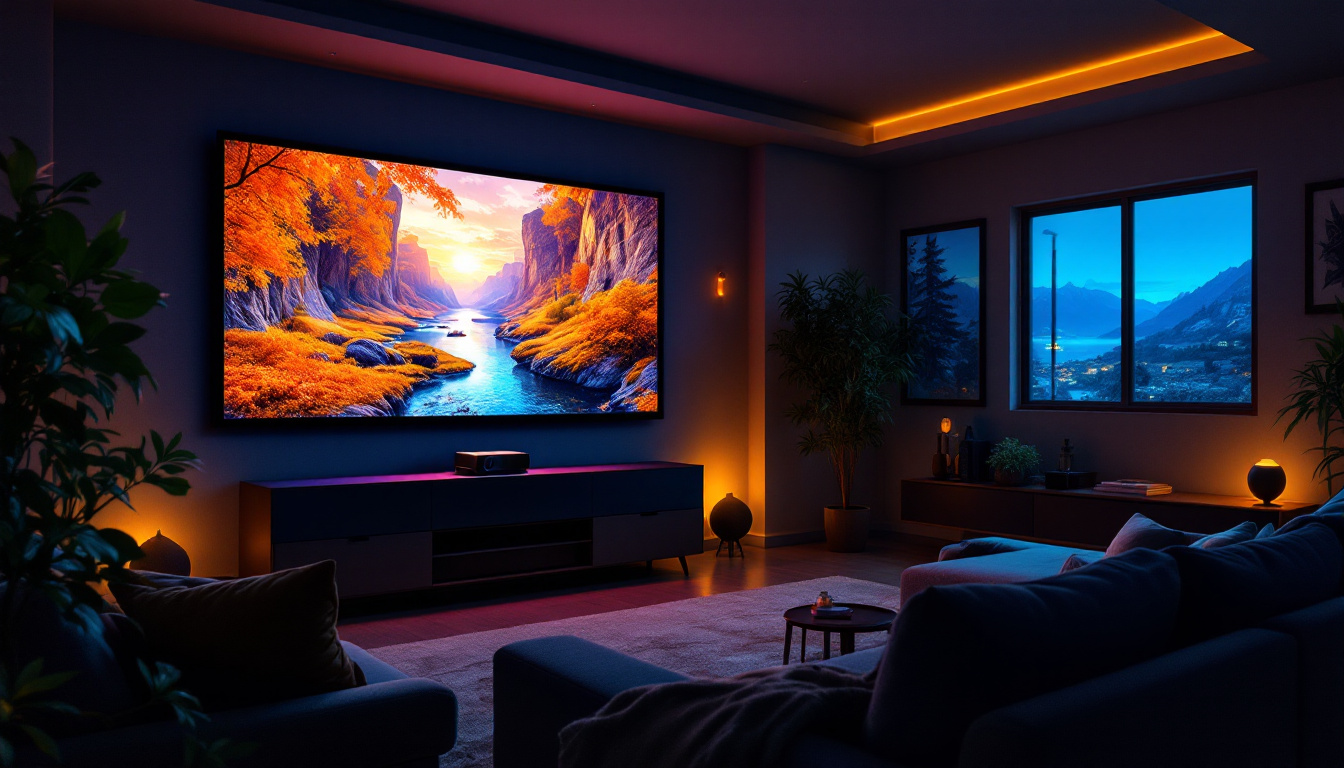
- Indoor LED Displays: These are designed for environments like retail stores, airports, and conference halls. They typically have a higher pixel density, providing sharper images at close viewing distances. Indoor displays often incorporate advanced features such as touch interactivity, enabling customers to engage directly with the content, which can lead to increased foot traffic and sales.
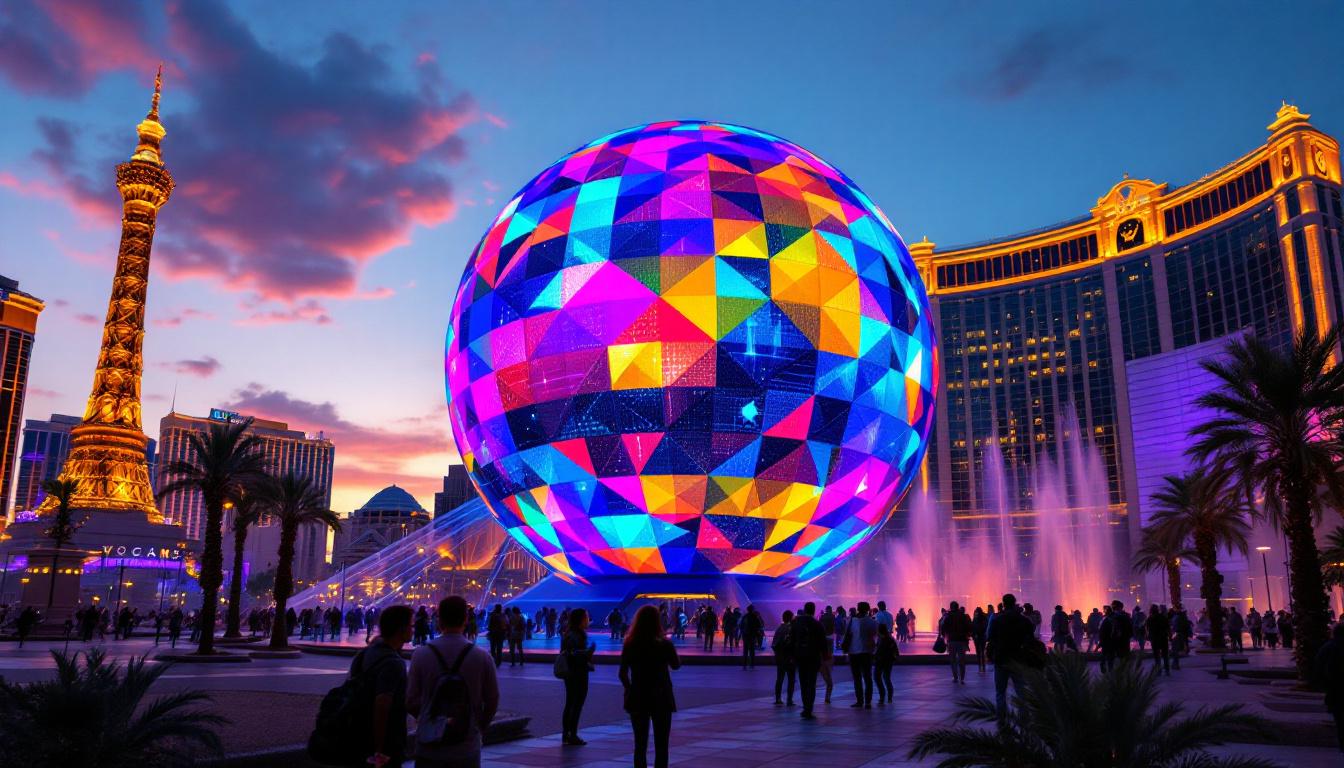
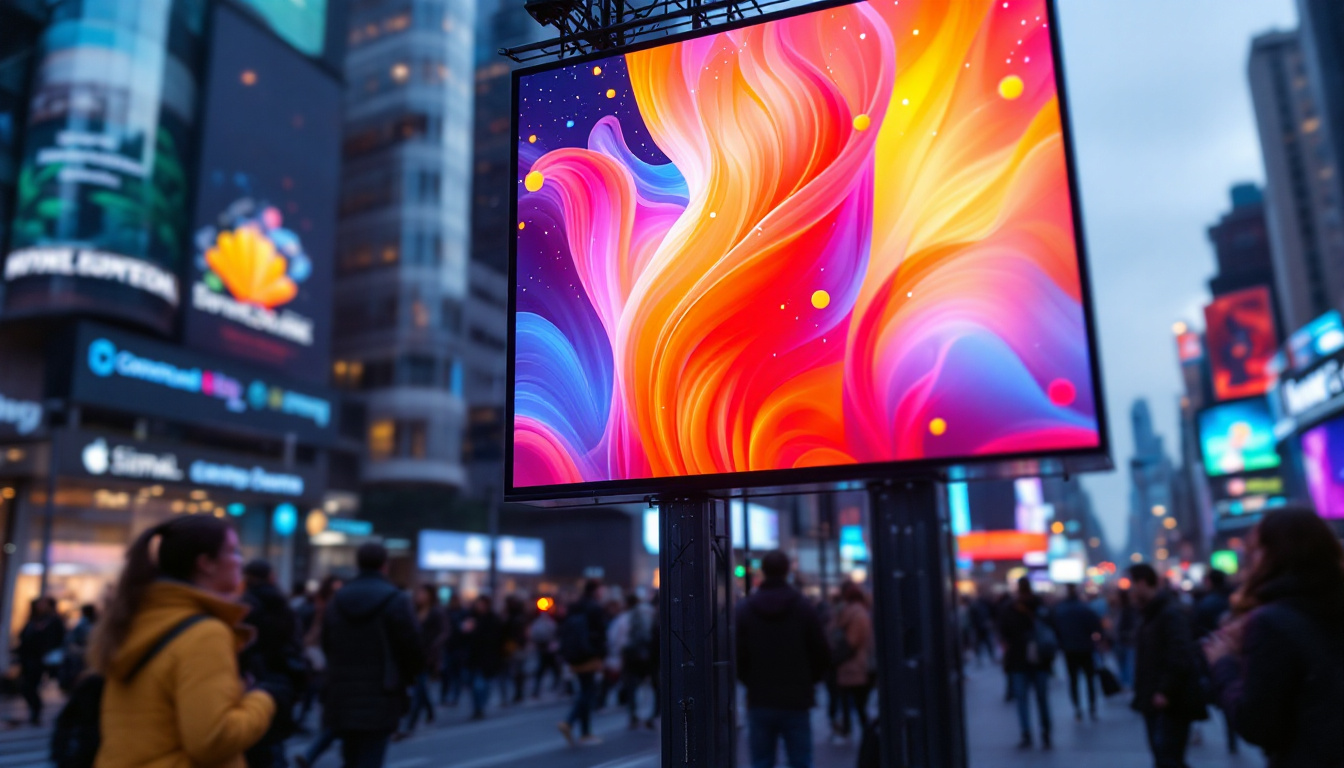
- Outdoor LED Displays: Built to withstand weather conditions, these screens are brighter to combat sunlight glare and are used on billboards, building facades, and sports arenas. Outdoor displays are often strategically placed in high-visibility locations, ensuring that advertisements reach a broad audience, even from a distance. Their resilience against the elements means they can operate continuously, maximizing exposure for brands.
- Transparent LED Screens: These innovative displays allow light to pass through, making them perfect for storefront windows without obstructing views. This feature not only maintains the aesthetic of the space but also creates an immersive shopping experience, as customers can see products while being drawn in by engaging advertisements.
- Flexible and Curved LED Screens: These can be shaped to fit unique spaces, offering creative possibilities for advertisers. Their adaptability allows for stunning visual presentations that can wrap around columns or fit into unconventional architectural designs, making them a favorite for experiential marketing campaigns.
As the demand for captivating advertising continues to rise, LED screen ads are becoming increasingly sophisticated. Innovations such as augmented reality (AR) integration and real-time data display are enhancing the effectiveness of these ads, allowing brands to connect with consumers in more personalized ways. For instance, some LED screens can change their content based on the demographics of the audience in front of them, utilizing facial recognition technology to tailor messages to specific age groups or interests. This level of customization not only improves engagement but also drives higher conversion rates, making LED screen ads a powerful tool in modern marketing strategies.
How LED Screen Ads Work
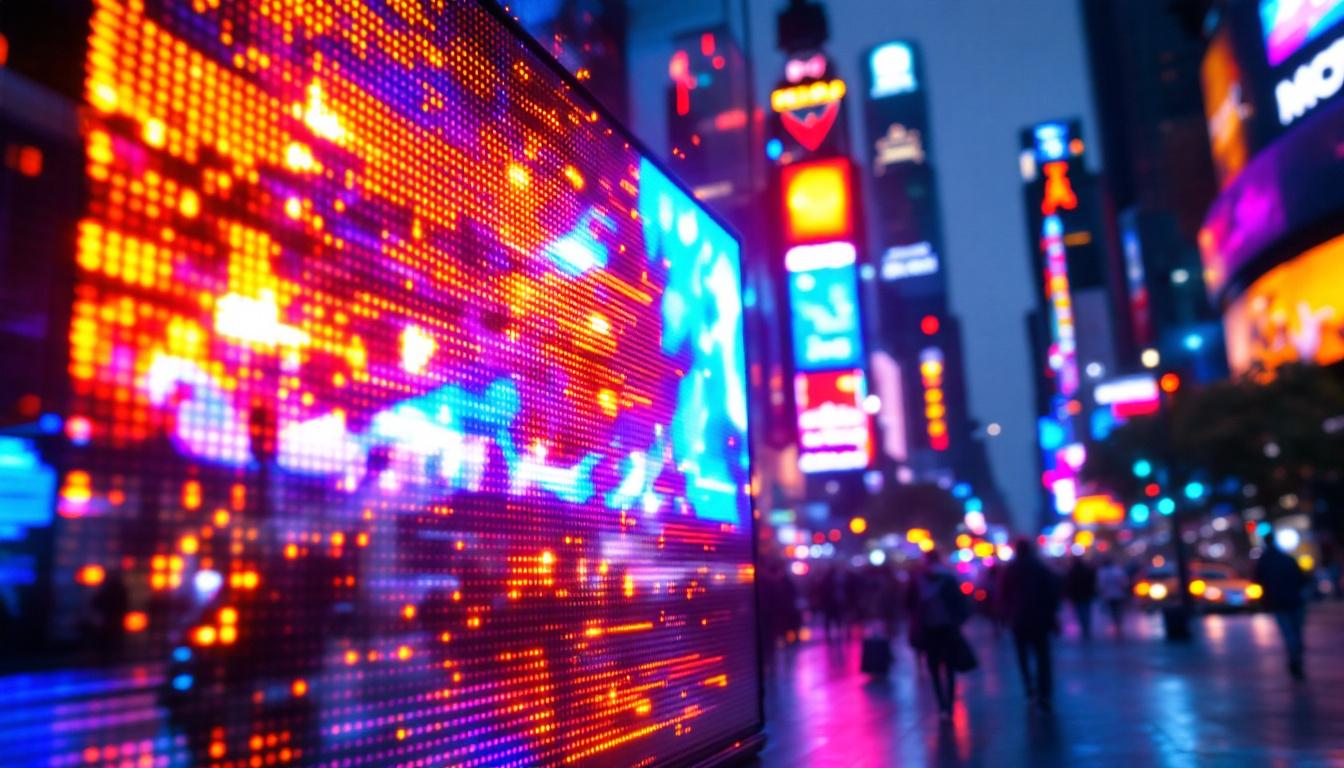
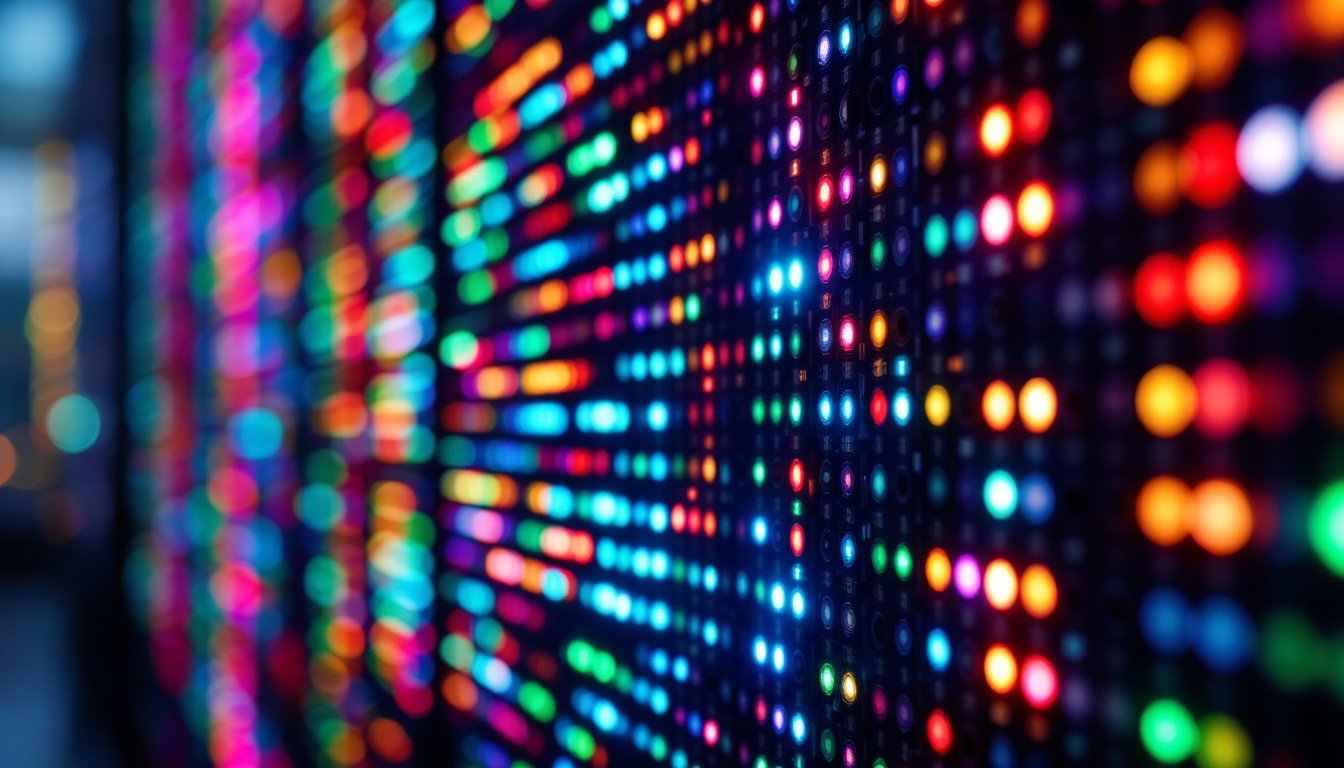
The core technology behind LED screen ads involves thousands of tiny LEDs arranged in a grid. Each LED acts as a pixel, emitting light in red, green, and blue (RGB) colors. By varying the intensity of these colors, the screen can produce a full spectrum of colors and display vivid images and videos.
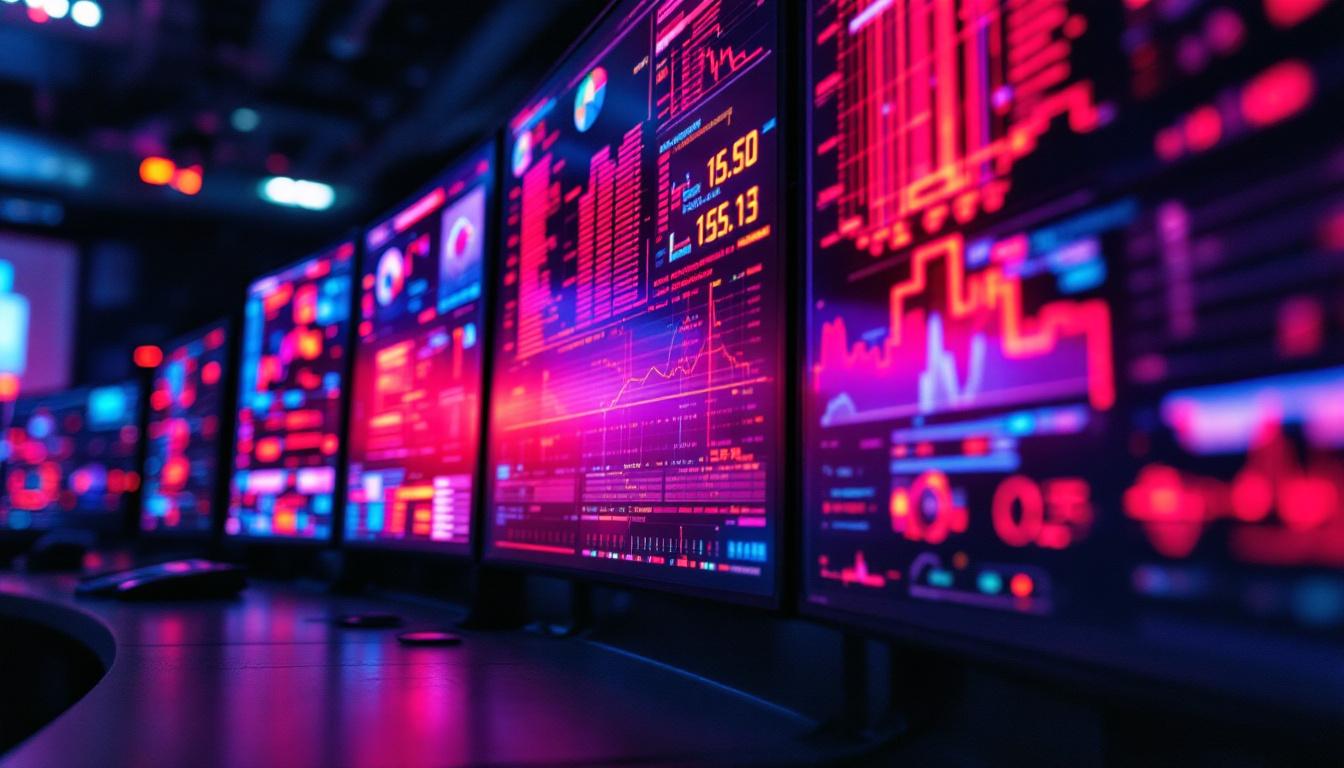
Modern LED screens are controlled by sophisticated software systems that manage content scheduling, brightness adjustment, and real-time updates. Advertisers can remotely change the displayed content, enabling dynamic campaigns that respond to audience demographics, weather conditions, or special promotions.
Pixel Pitch and Resolution
A critical factor in LED display quality is the pixel pitch, which refers to the distance between the centers of two adjacent LEDs. The smaller the pixel pitch, the higher the resolution and the sharper the image. Indoor screens typically have pixel pitches as low as 1.2mm, while outdoor screens have larger pitches ranging from 4mm to 20mm due to the longer viewing distances.
High resolution is essential for detailed graphics and text clarity, especially in environments where viewers are close to the screen. Conversely, outdoor screens prioritize brightness and size over ultra-high resolution, as they are viewed from farther away.
Brightness and Visibility
One of the greatest advantages of LED screens is their brightness. Outdoor LED displays can reach brightness levels of 5,000 to 8,000 nits, making them visible even in direct sunlight. Indoor screens typically operate at 800 to 1,200 nits, sufficient for well-lit environments.
Additionally, LED screens often incorporate sensors that adjust brightness automatically based on ambient light conditions, ensuring optimal visibility without causing discomfort to viewers.
Benefits of Using LED Screen Ads
LED screen ads offer numerous advantages over traditional advertising mediums, making them a preferred choice for brands and marketers worldwide.
High Impact and Engagement
LED displays are visually striking and can capture attention more effectively than static ads. Their ability to show moving images, animations, and video content creates a dynamic experience that resonates with viewers. Studies have shown that digital signage, including LED screens, can increase brand recall by up to 47% compared to traditional billboards.
Moreover, LED ads can be interactive, integrating technologies like touchscreens or QR codes to encourage direct consumer engagement, further enhancing campaign effectiveness.
Flexibility and Real-Time Updates
Unlike printed advertisements, LED screen content can be updated instantly. This flexibility allows advertisers to run multiple campaigns on the same screen throughout the day or week, targeting different audiences or promoting timely offers. For example, a retail store can display morning promotions and switch to evening sales seamlessly.
Real-time updates also enable advertisers to respond to external factors such as weather, news, or social media trends, making campaigns more relevant and impactful.
Cost-Effectiveness Over Time
While the initial investment in LED screens can be higher than traditional signage, the long-term benefits often outweigh the costs. LED displays reduce the need for printing and installation of new ads, lowering recurring expenses. Additionally, their energy-efficient design minimizes electricity consumption, contributing to sustainability goals and reducing operational costs.
Durability and Longevity
LED screens are built to last. High-quality displays can operate continuously for over 100,000 hours without significant degradation in brightness or color accuracy. Outdoor LED screens are weather-resistant and can withstand rain, wind, and extreme temperatures, ensuring reliable performance in various conditions.
Applications of LED Screen Ads Across Industries
LED screen ads are versatile and have found applications across a broad spectrum of industries. Their adaptability and high visibility make them suitable for diverse marketing objectives.
Retail and Shopping Centers
Retailers use LED screens to attract foot traffic, promote sales, and enhance the shopping experience. Digital signage can highlight new products, flash discounts, or provide interactive directories. The dynamic nature of LED ads helps stores differentiate themselves in competitive markets.
Transportation Hubs
Airports, train stations, and bus terminals utilize LED displays for both advertising and informational purposes. Bright, clear screens can convey travel updates alongside commercial messages, ensuring high viewer engagement in busy transit environments.
Sports and Entertainment Venues
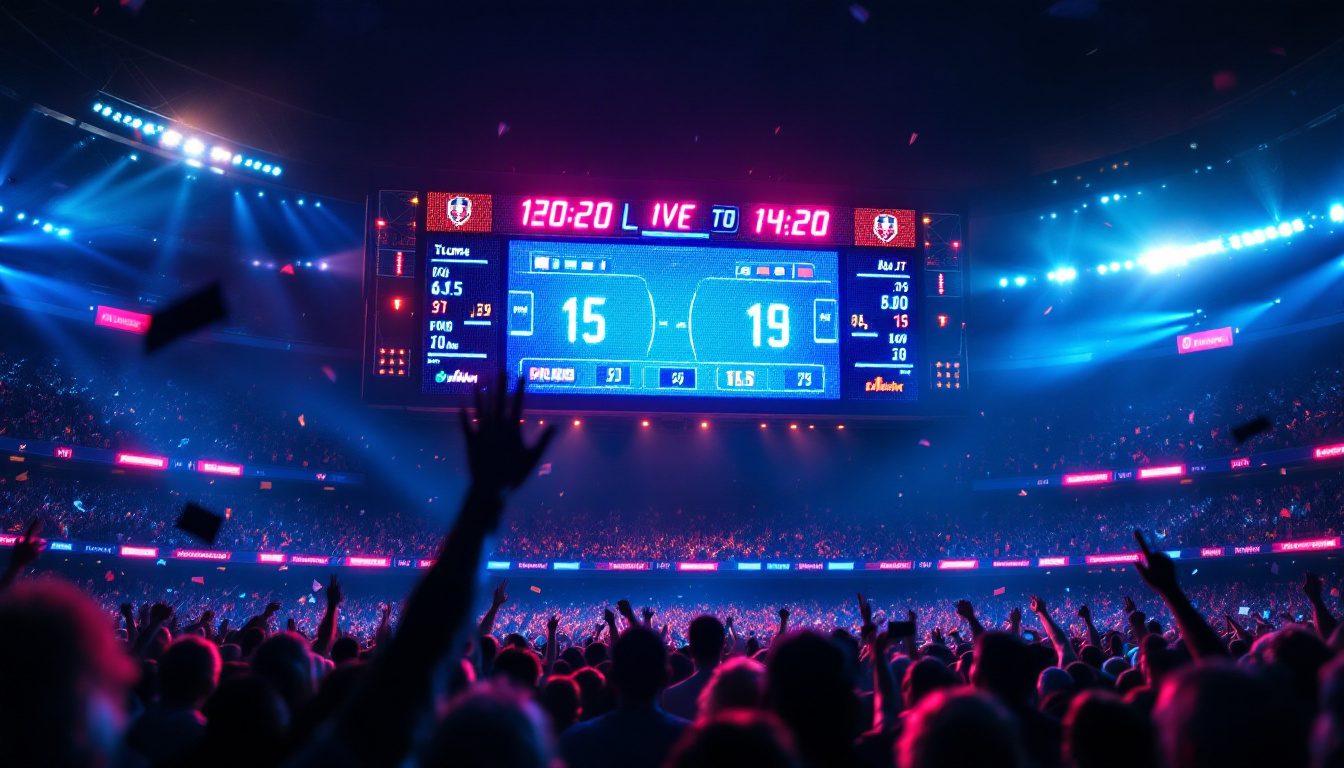
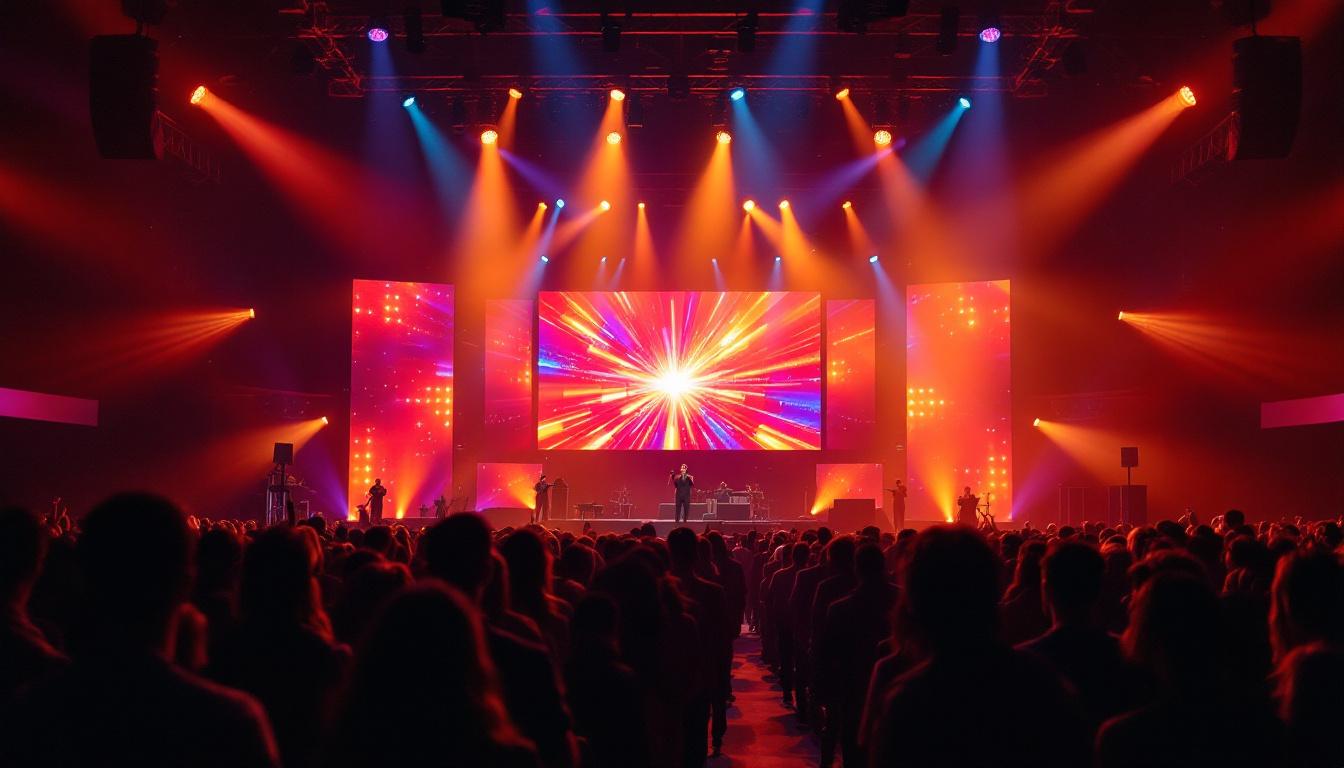
Stadiums and arenas employ large-scale LED screens to display advertisements, live action replays, and event information. These displays enhance the spectator experience while providing valuable advertising space for sponsors.
Corporate and Event Marketing
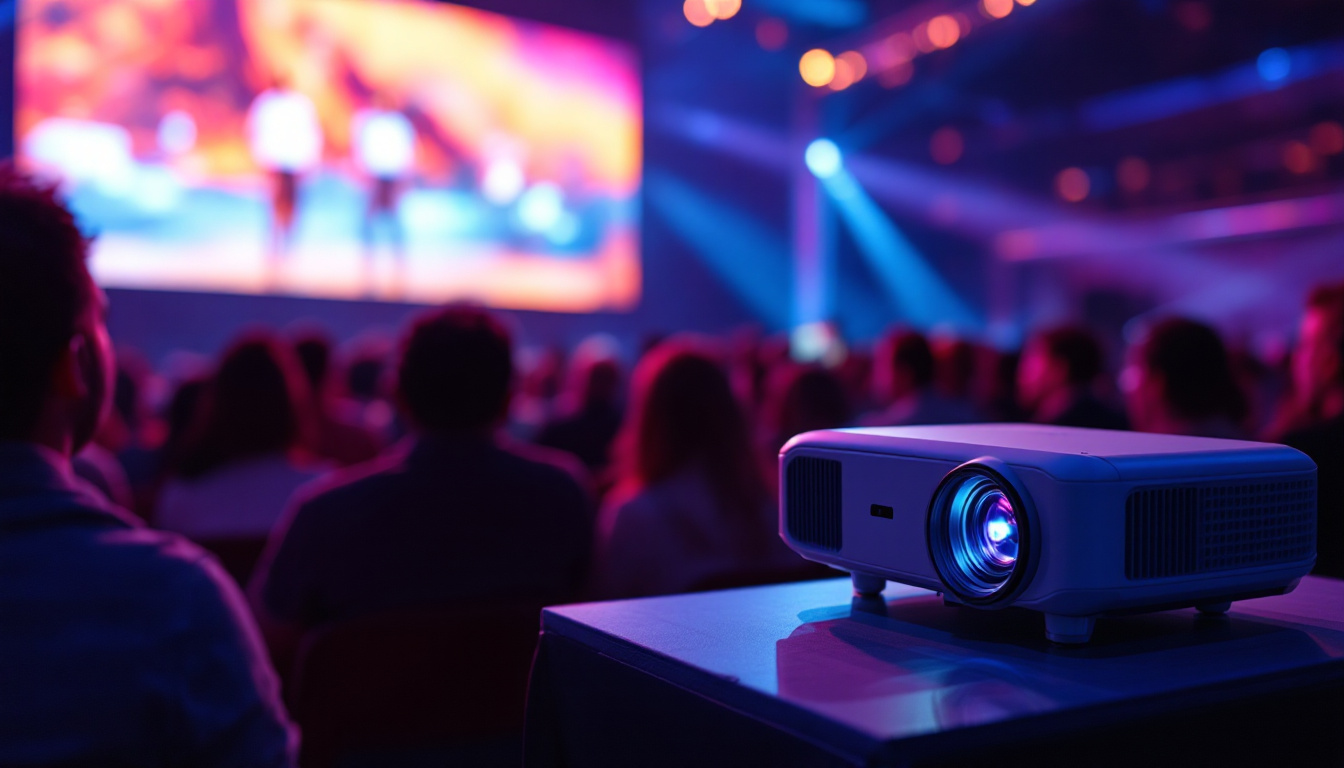
Businesses leverage LED screens during conferences, trade shows, and product launches to showcase branding and key messages. The ability to customize content quickly allows for tailored presentations that resonate with specific audiences.
Future Trends in LED Screen Advertising
The LED screen advertising industry continues to evolve rapidly, driven by technological innovation and changing consumer behaviors. Several trends are shaping the future of this dynamic medium.
Integration with Artificial Intelligence and Data Analytics
AI-powered content management systems are enabling advertisers to deliver hyper-targeted messages based on real-time data such as demographics, weather, and social media activity. This level of personalization increases relevance and effectiveness, maximizing return on investment.
Advancements in MicroLED and MiniLED Technologies
Emerging display technologies like MicroLED and MiniLED promise even higher brightness, better contrast ratios, and improved energy efficiency. These advancements will push the boundaries of LED screen capabilities, offering richer visual experiences.
Greater Interactivity and Immersive Experiences
Future LED screens will increasingly incorporate interactive features such as gesture control, augmented reality (AR), and virtual reality (VR) integrations. These innovations will transform passive viewers into active participants, creating memorable brand interactions.
Conclusion
LED screen ads represent a powerful convergence of technology and marketing, offering brands a compelling way to communicate with audiences in an increasingly crowded media landscape. Their brightness, flexibility, and dynamic capabilities make them ideal for capturing attention and driving engagement across various industries.
As LED technology continues to advance and integrate with AI and interactive platforms, the potential for creative and impactful advertising will only grow. For businesses seeking to elevate their marketing strategies, investing in LED screen advertising is a forward-thinking choice that delivers measurable results and lasting impressions.
Discover LumenMatrix’s Innovative LED Display Solutions
Ready to take your advertising to the next level with the vibrant, flexible, and dynamic capabilities of LED screen ads? LumenMatrix is at the forefront of LED display technology, offering a wide array of solutions that cater to your unique marketing needs. From Indoor and Outdoor LED Wall Displays to specialized options like Vehicle, Sports, and Floor LED Displays, our products are designed to captivate your audience and amplify your message. Experience the future of visual communication with our Custom, All-in-One, and Transparent LED Displays. Don’t miss the opportunity to transform your brand’s visibility. Check out LumenMatrix LED Display Solutions today and make a lasting impression in the digital world.