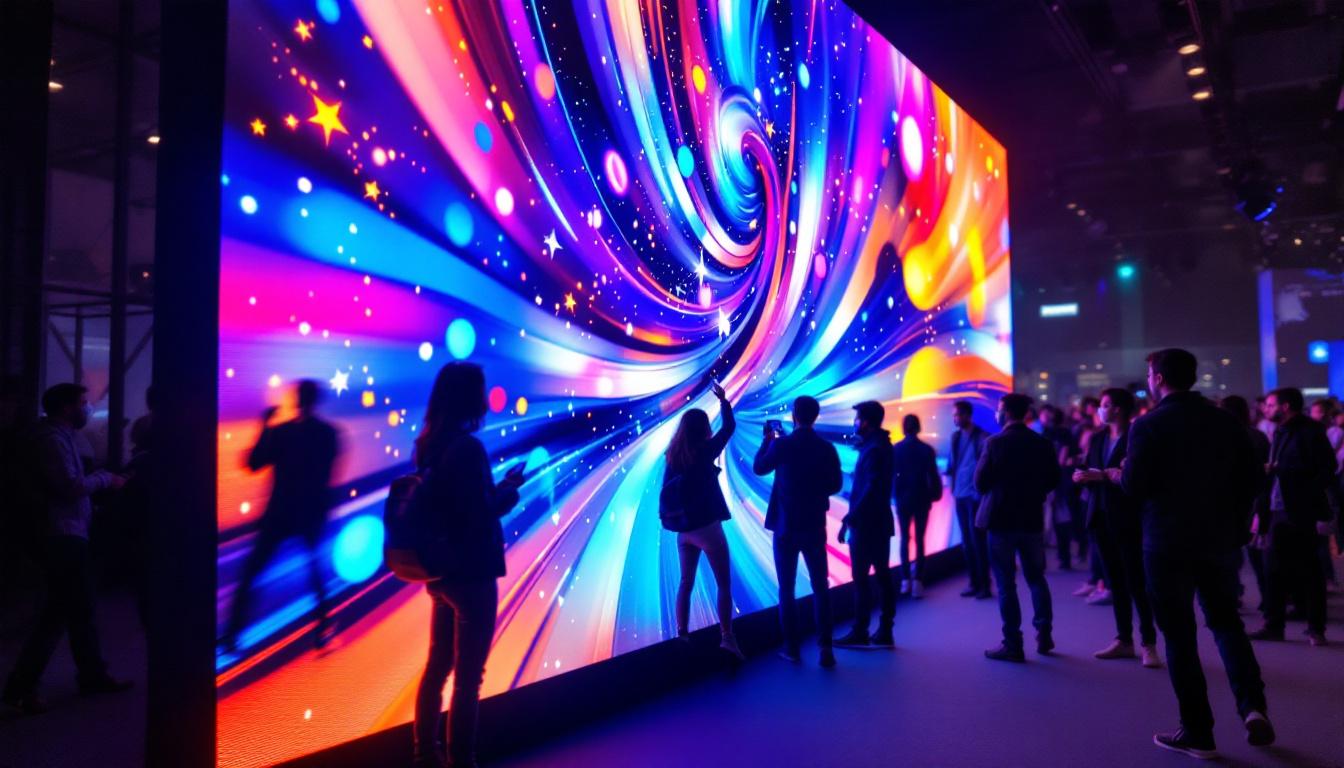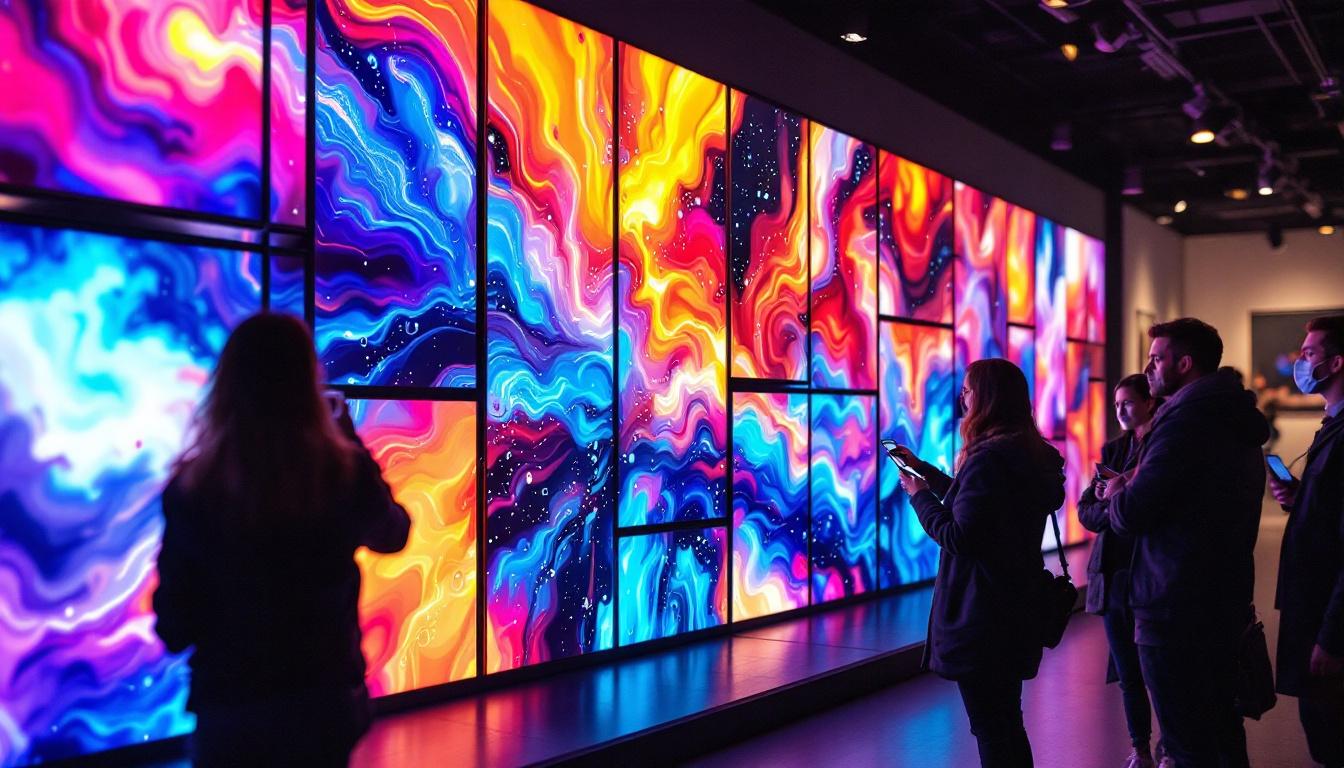
In the evolving world of visual art and digital exhibitions, LED display technology has emerged as a transformative medium for artists and curators alike. Artist display panels, powered by LED technology, offer dynamic, vibrant, and versatile platforms that redefine how art is presented and experienced. This article delves into the nuances of LED display panels tailored for artists, exploring their technology, advantages, applications, and considerations for integrating them into artistic projects.
Understanding LED Display Technology
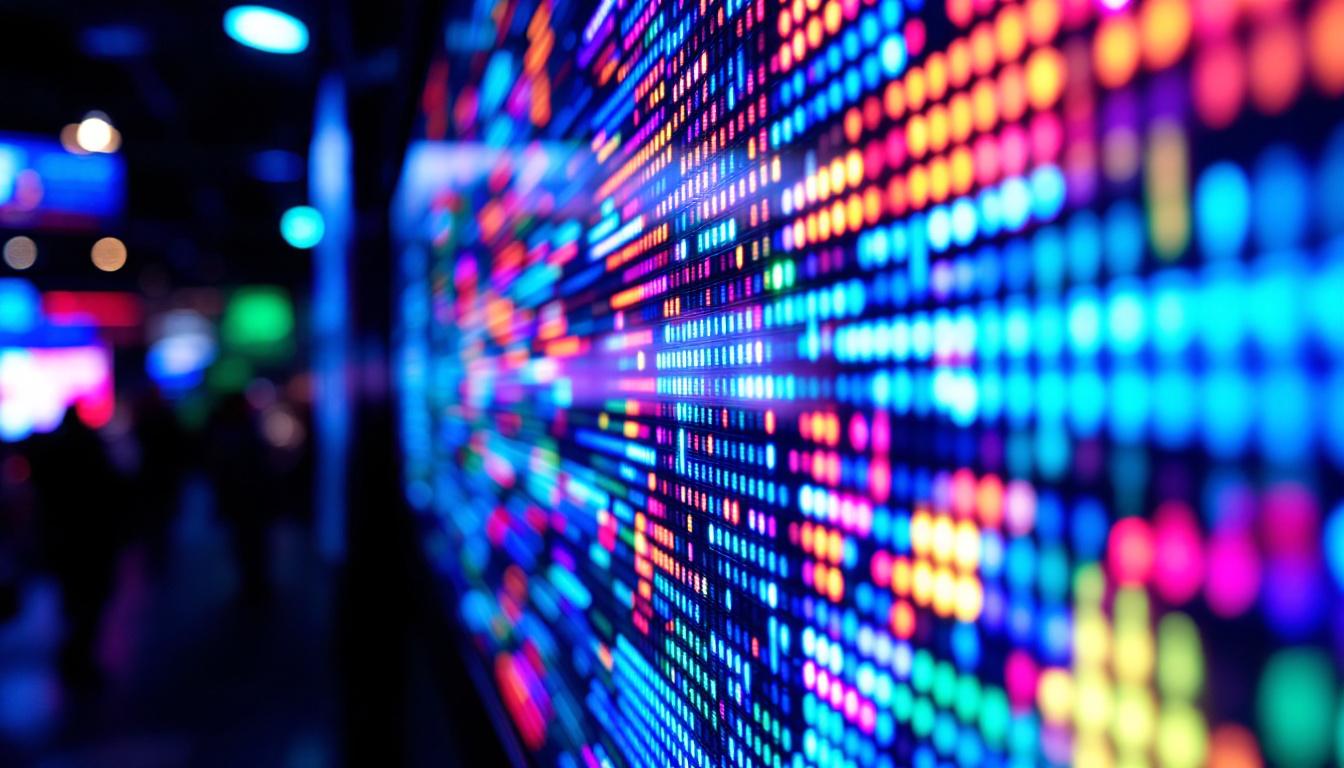
Light Emitting Diode (LED) technology has revolutionized digital displays across numerous industries, from advertising billboards to television screens. At its core, an LED display panel consists of numerous tiny LEDs that emit light when an electric current passes through them. These LEDs are arranged in a grid to form images, videos, or animations with remarkable brightness and color accuracy.
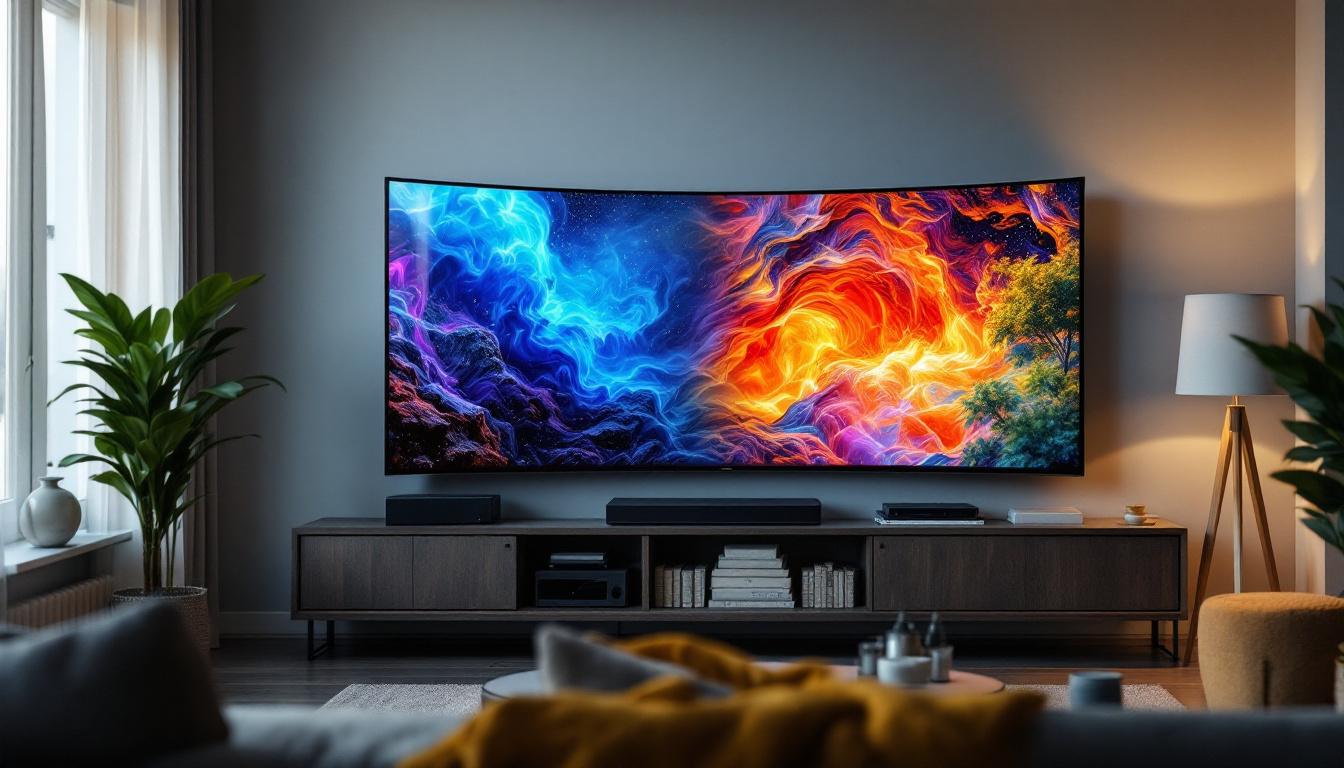
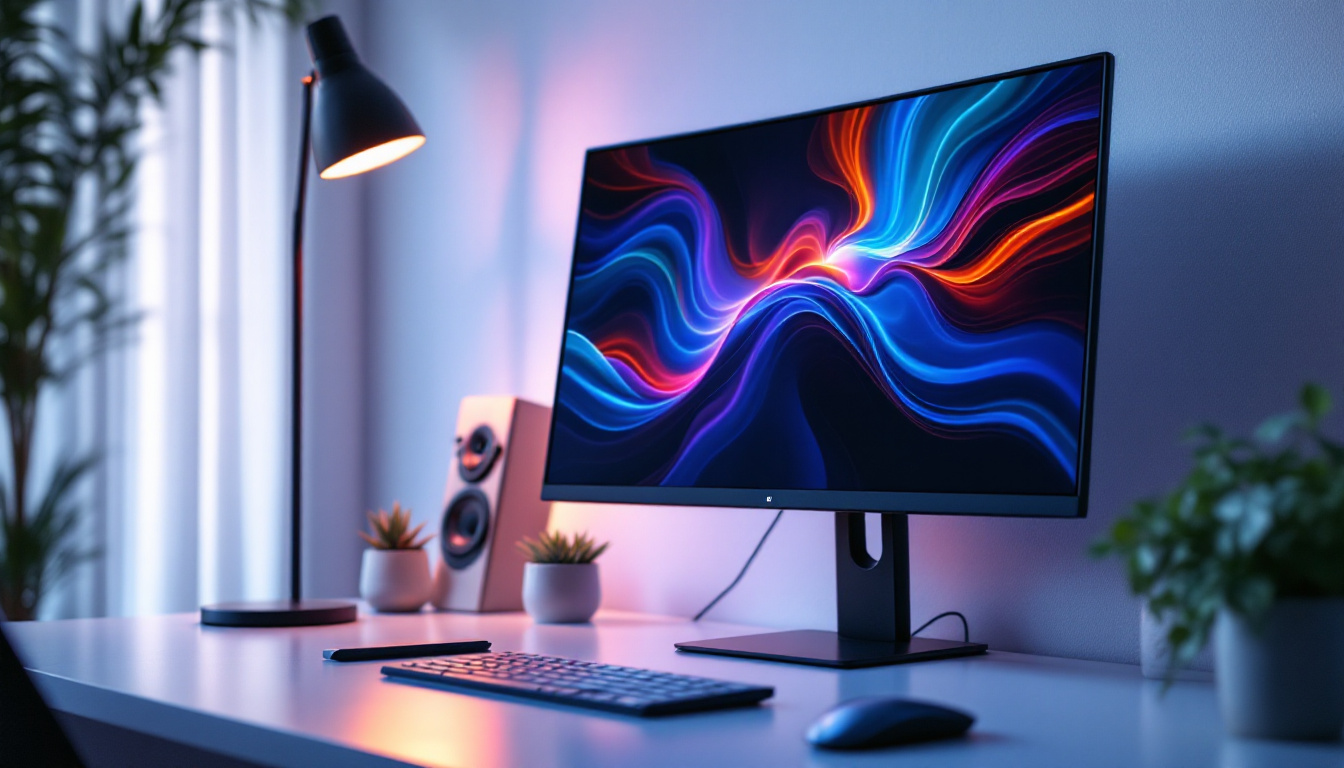
Artist display panels leverage this technology to create visually compelling canvases that can showcase static images, moving visuals, or interactive content. Unlike traditional print or painted artworks, LED panels offer the ability to change content dynamically, allowing artists to experiment with time-based media and responsive installations. This adaptability not only enhances the viewer’s experience but also opens up new avenues for artistic expression, enabling creators to engage audiences in ways that were previously unimaginable.
The Structure of LED Panels
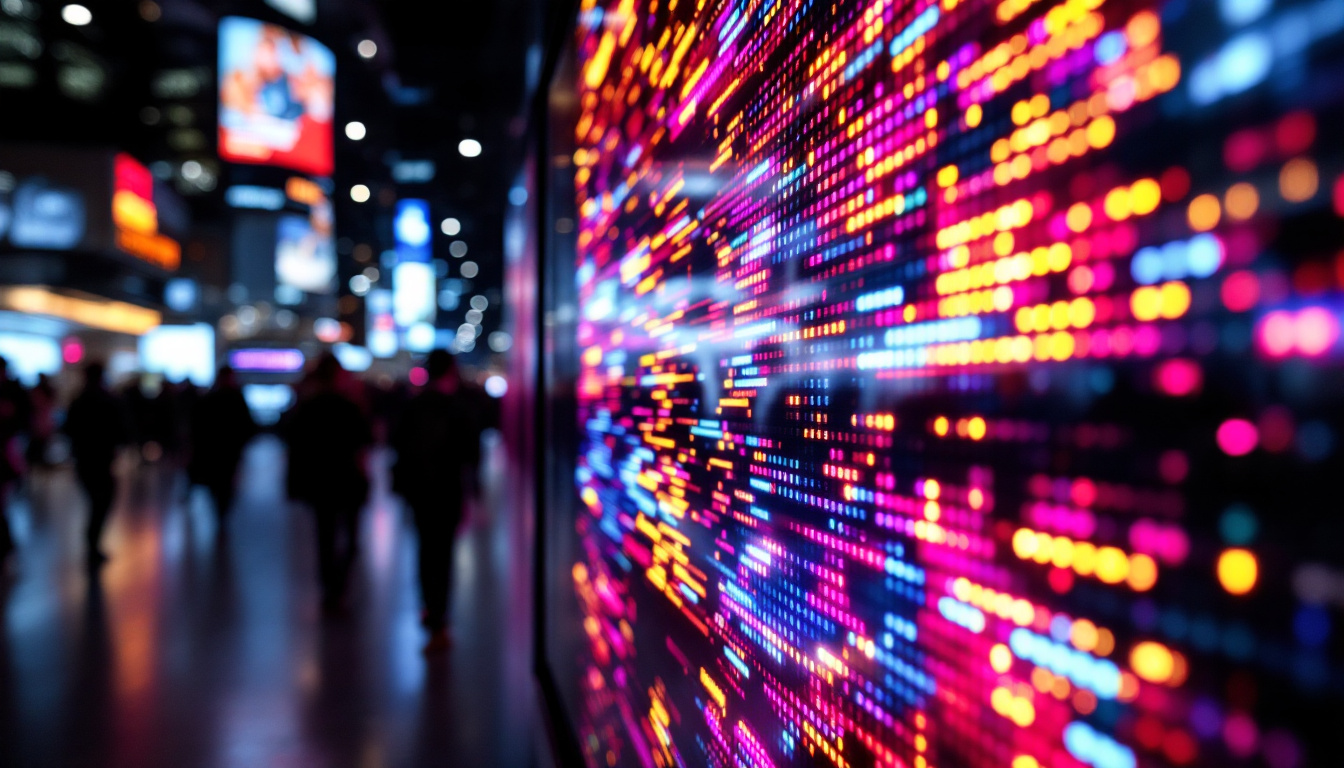
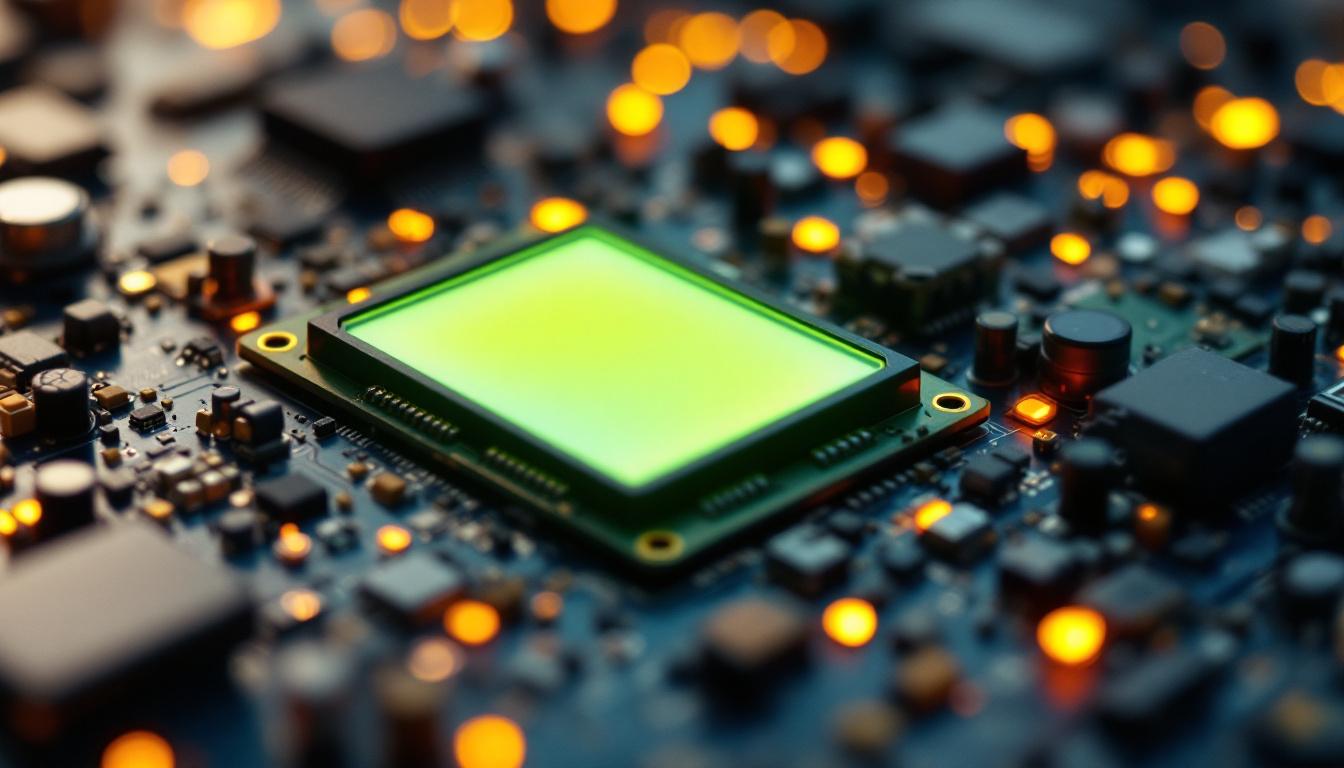
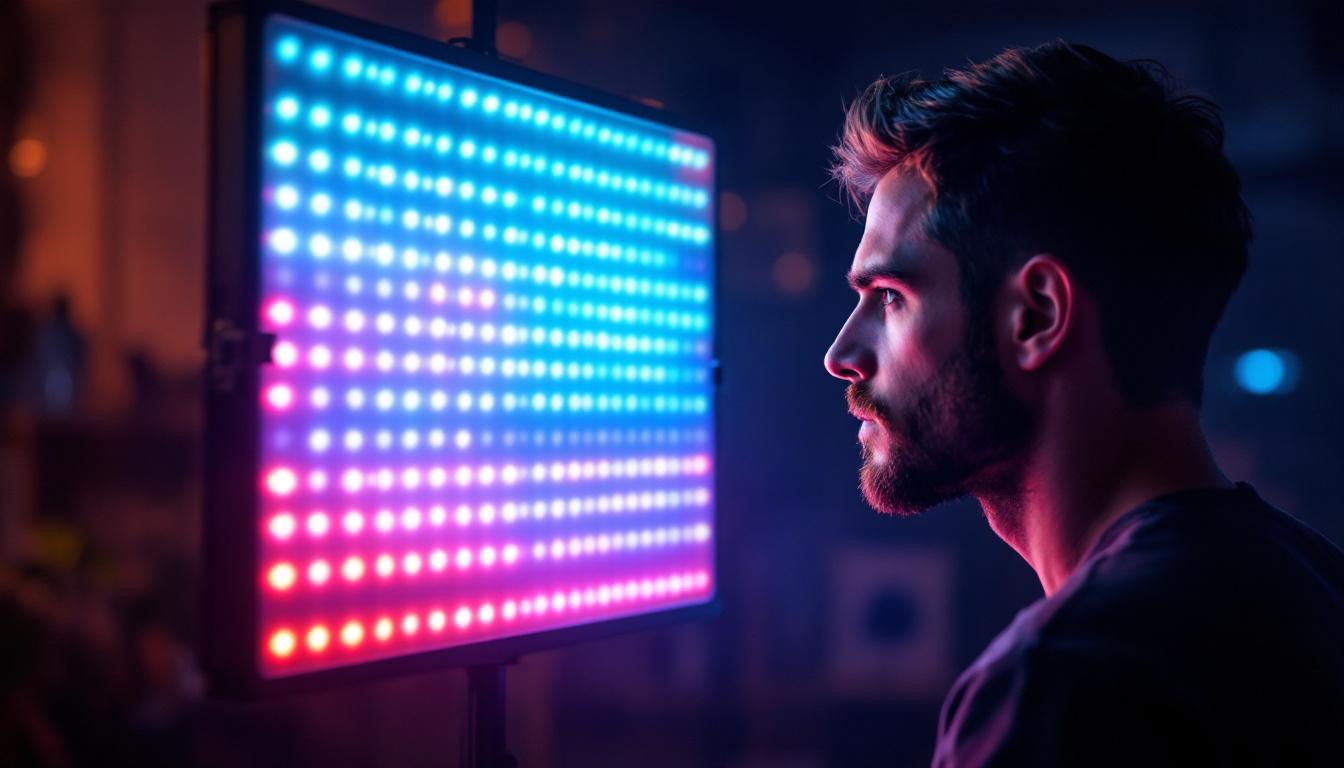
Each LED panel is composed of multiple pixels, with each pixel containing red, green, and blue LEDs. By adjusting the intensity of these LEDs, the panel can produce a wide spectrum of colors. The density of these pixels, known as pixel pitch, directly affects the resolution and clarity of the display. For artist display panels, a finer pixel pitch is often preferred to ensure detailed and sharp imagery, especially when viewed up close.
Modern LED panels also come with advanced features such as high refresh rates, wide viewing angles, and enhanced color gamut, all of which contribute to a superior visual experience that can faithfully reproduce an artist’s vision. Furthermore, many of these panels are designed to be energy-efficient, consuming less power compared to traditional display technologies. This not only reduces operational costs but also aligns with a growing emphasis on sustainability in art and technology. Additionally, the lightweight and slim profile of LED panels allows for versatile installation options, whether mounted on walls, suspended from ceilings, or used in outdoor settings, making them an ideal choice for both permanent and temporary exhibitions.
Why Artists Are Embracing LED Display Panels
The adoption of LED display panels in the art world is driven by several compelling advantages that align with contemporary artistic practices and audience expectations.
Dynamic and Interactive Possibilities
One of the most significant benefits of LED panels is their ability to display changing content. Artists can create works that evolve over time, incorporate motion graphics, or respond to environmental stimuli and viewer interaction. This interactivity opens new avenues for storytelling and engagement, making the artwork not just something to observe but to experience. For instance, an artist might design a piece that reacts to the movement of viewers, altering colors and shapes based on their proximity, thus creating a unique experience for each individual. This level of engagement fosters a deeper connection between the audience and the artwork, inviting them to become active participants in the artistic narrative.
Vivid Color and Brightness
LED displays are known for their exceptional brightness and color vibrancy, which can surpass traditional mediums. This is particularly advantageous in gallery spaces with varying lighting conditions or outdoor installations where sunlight can wash out less luminous displays. The intense colors and contrast achievable with LED panels allow artists to present their work in its most striking form. Moreover, the technology behind LED displays enables a wider color gamut, allowing for more nuanced and intricate color representations. Artists can experiment with gradients and transitions that were previously difficult to achieve, resulting in a more immersive visual experience that captivates viewers and enhances the emotional impact of their work.
Durability and Longevity
Unlike fragile canvases or prints, LED panels are robust and designed for long-term use. They are resistant to environmental factors such as moisture and temperature fluctuations, making them suitable for a wide range of installation environments. This durability ensures that artworks remain intact and visually consistent over extended exhibition periods. Additionally, the low maintenance requirements of LED technology mean that artists can focus more on their creative processes rather than worrying about the upkeep of their installations. The longevity of these displays also allows for the potential of reusing them in different projects, making them a sustainable choice for artists looking to minimize waste while maximizing their artistic expression.
Accessibility and Cost-Effectiveness
Another important factor in the growing popularity of LED display panels is their increasing accessibility and cost-effectiveness. As technology advances, the price of high-quality LED panels has decreased, allowing more artists to incorporate this medium into their work without breaking the bank. This democratization of technology means that emerging artists can experiment with digital art forms that were once limited to those with larger budgets. Furthermore, the ease of installation and portability of LED panels means that artists can showcase their work in diverse settings, from pop-up galleries to public spaces, reaching wider audiences than ever before. The ability to easily transport and set up these displays encourages collaboration and innovation within the art community, fostering a vibrant exchange of ideas and styles.
Applications of LED Display Panels in Art
LED display panels are versatile tools that have found a place in various artistic contexts, from solo exhibitions to large-scale public art projects.
Gallery and Museum Exhibitions
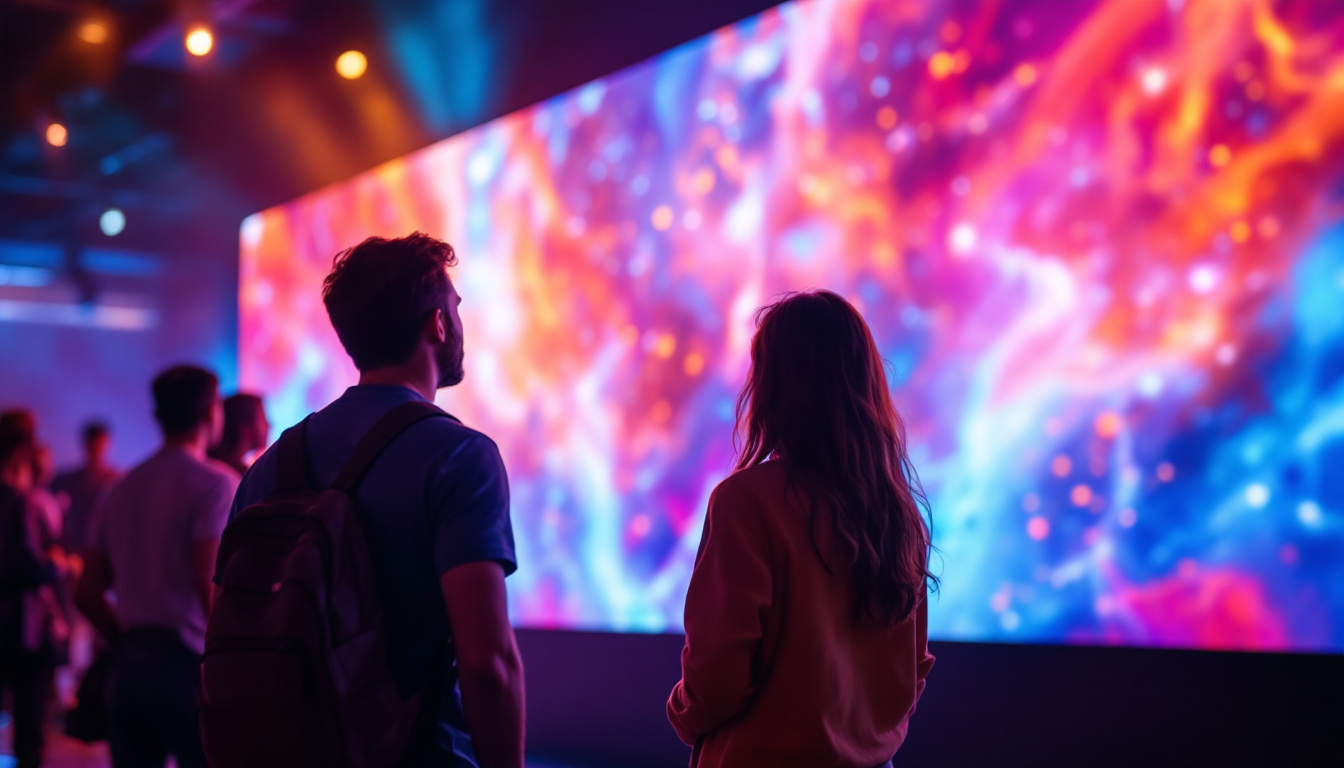
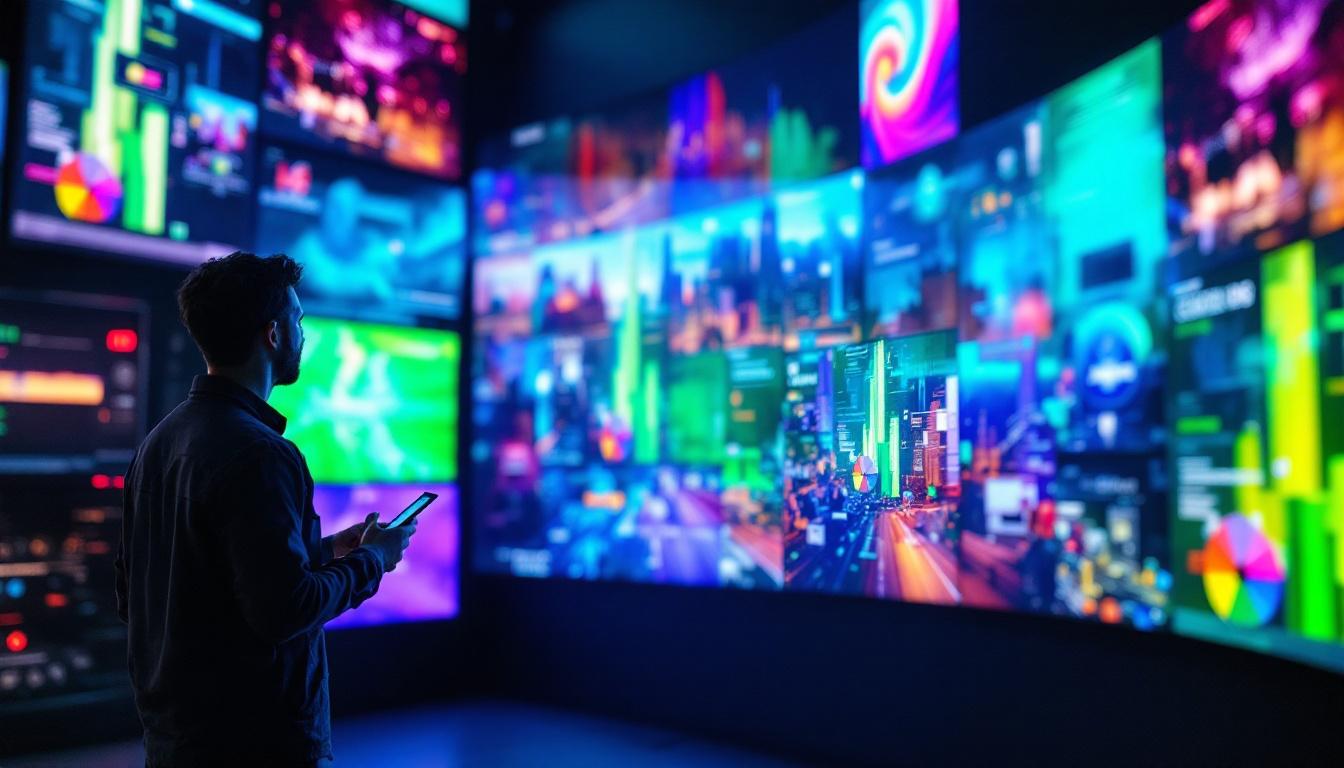
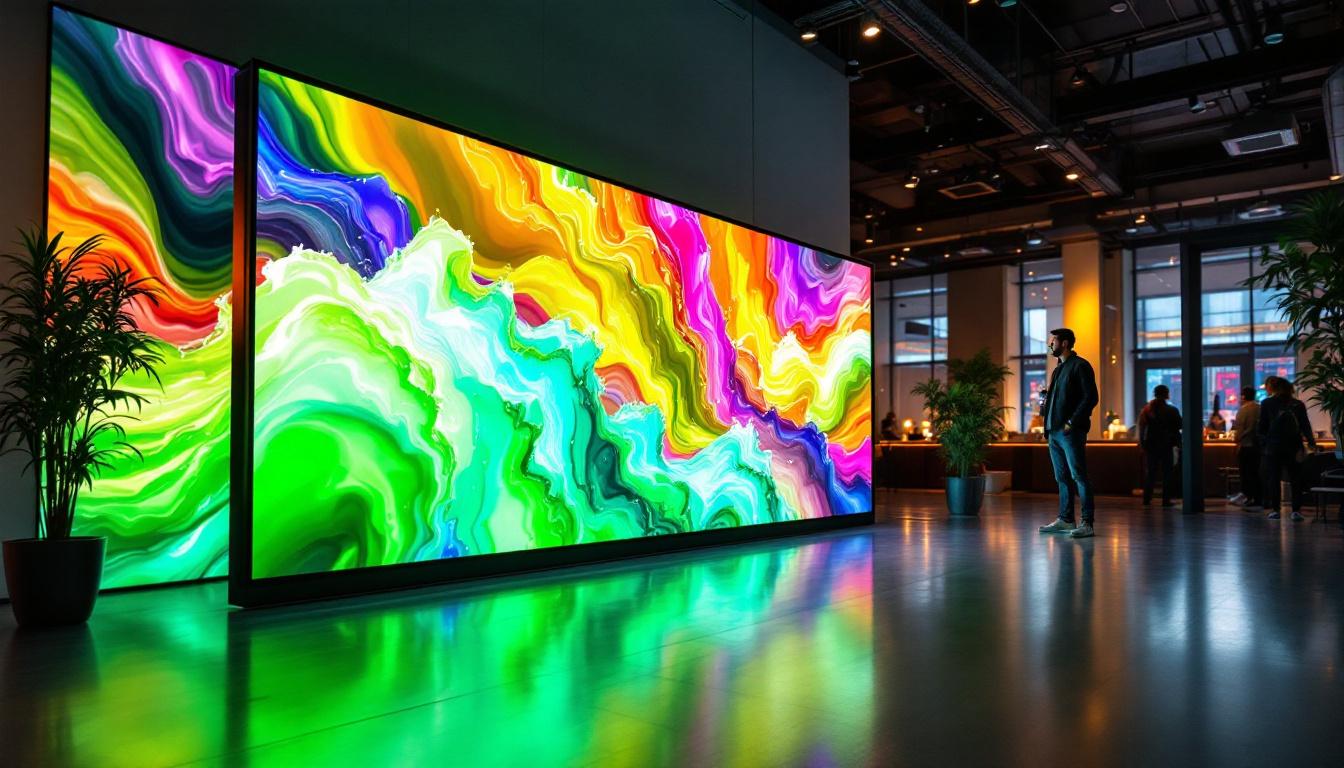
Many contemporary galleries incorporate LED panels to showcase digital art, video installations, and multimedia projects. The ability to seamlessly integrate sound and visuals on a single platform enhances the immersive quality of exhibitions. Museums also use LED displays to provide interactive educational content alongside traditional exhibits, enriching visitor engagement. This technology not only captivates audiences but also allows artists to push the boundaries of their creativity, experimenting with light and motion in ways that static art forms cannot. Additionally, the use of LED panels can facilitate real-time updates to exhibitions, enabling curators to refresh content without the need for physical alterations to the space.
Public Art and Urban Installations
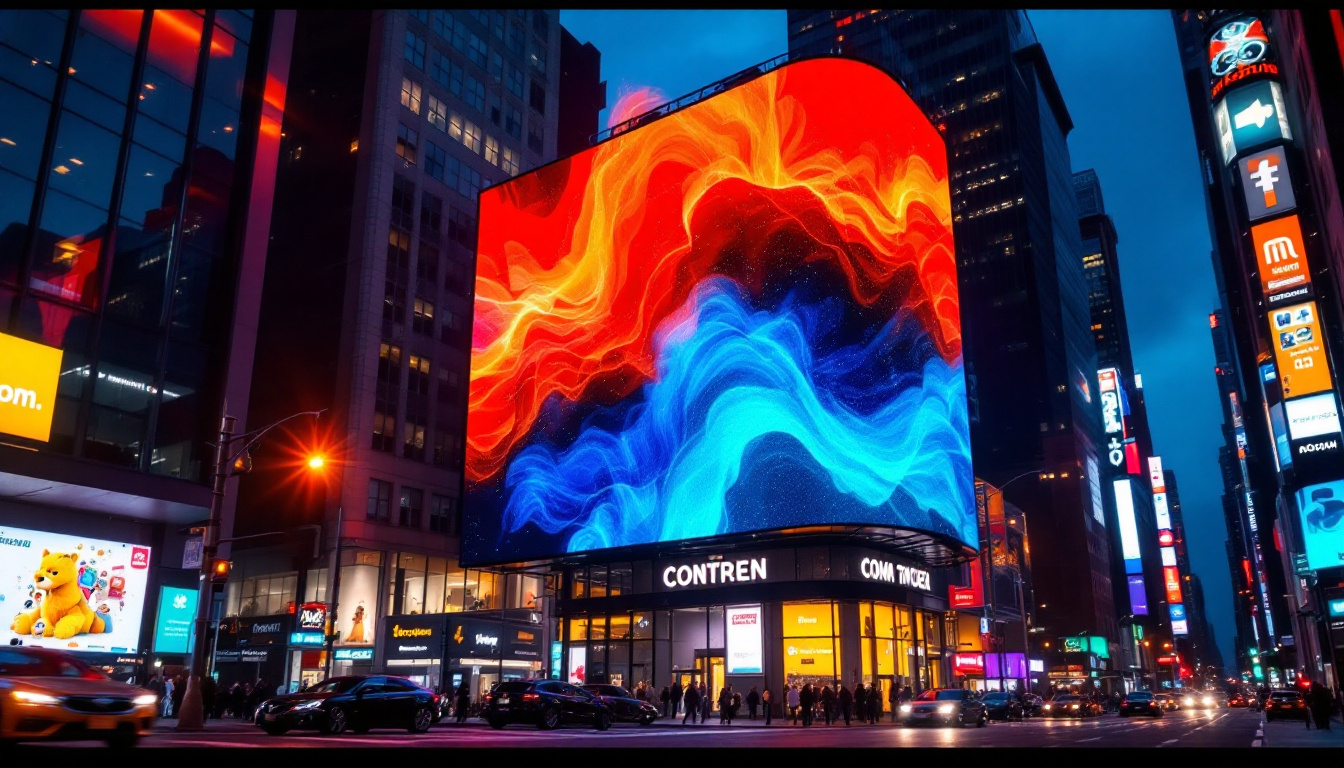
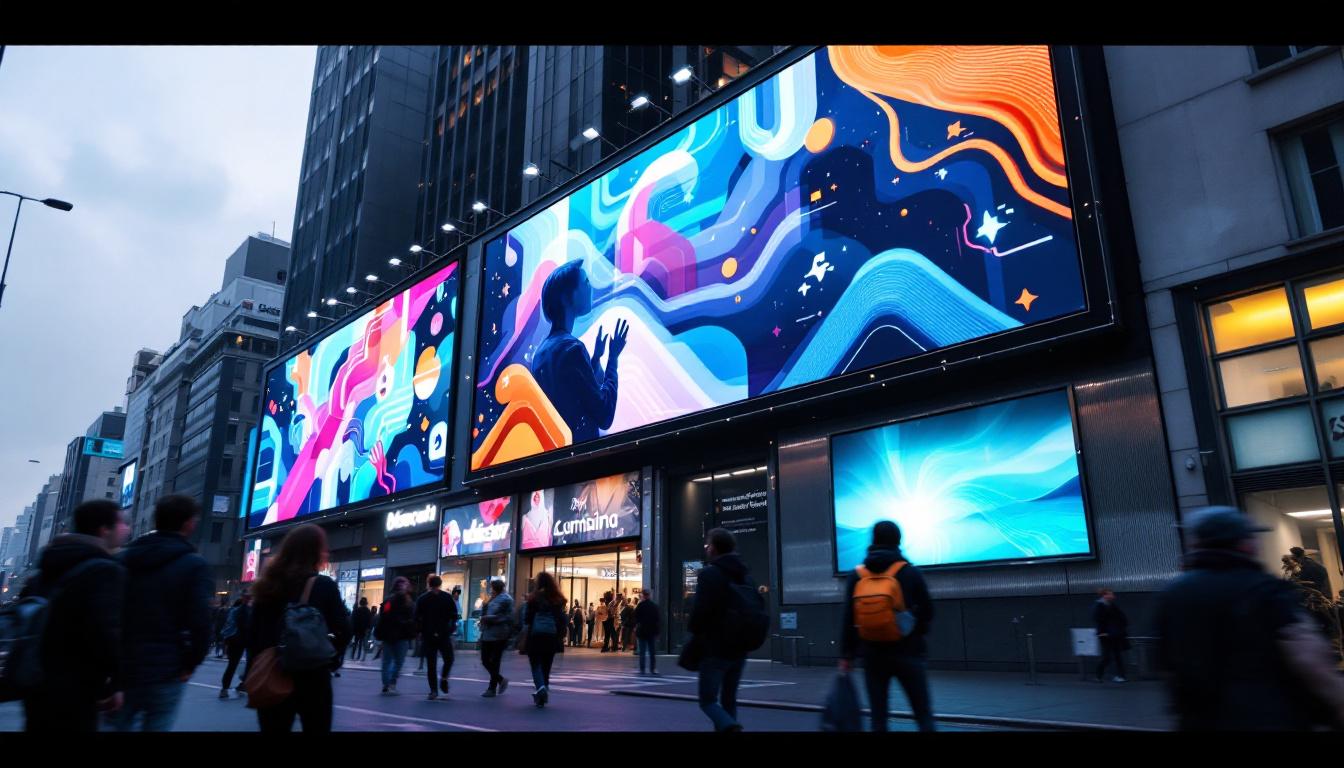
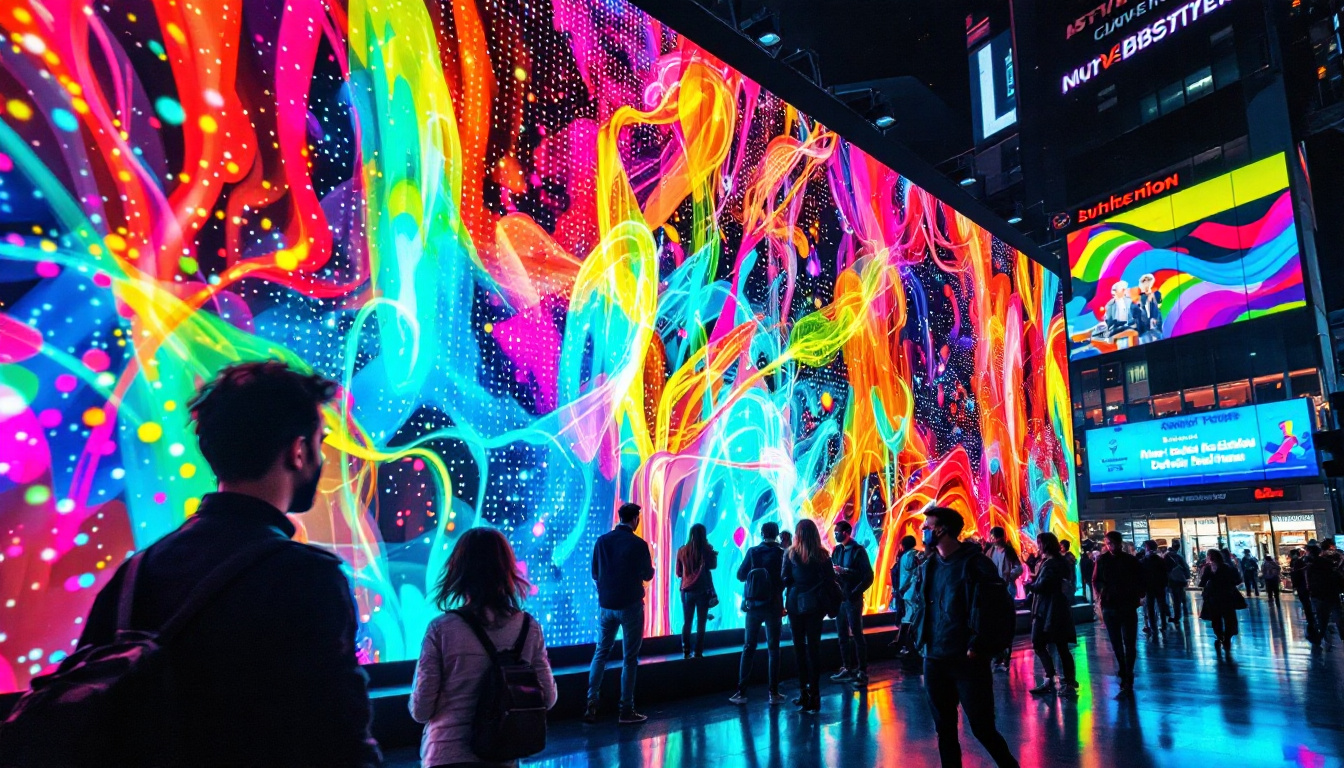
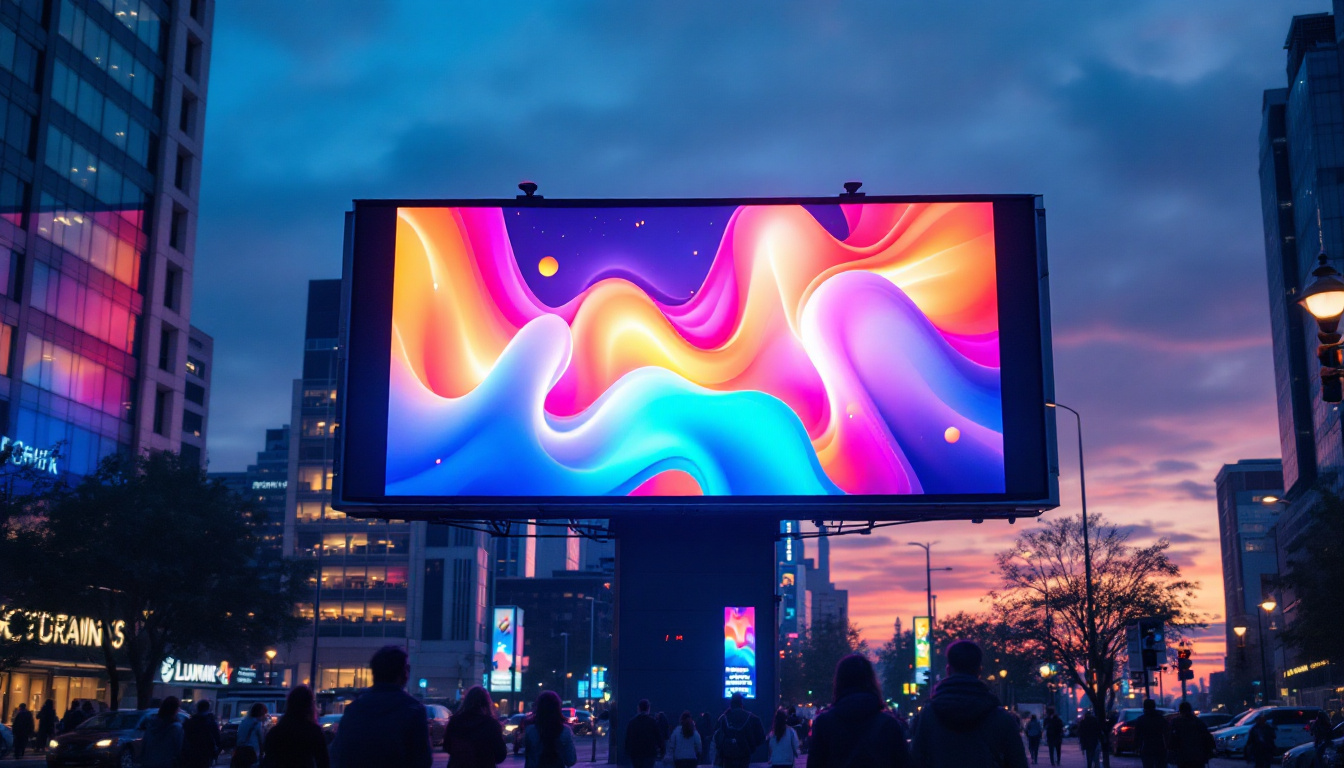
LED panels have become a staple in public art, enabling large-scale, eye-catching installations that transform urban spaces. For example, artists have used LED displays on building facades to create dynamic murals that change with the time of day or respond to social events. These installations invite public interaction and can foster community identity through shared visual experiences. Furthermore, the adaptability of LED technology allows artists to engage with pressing social issues, using their work as a platform for commentary and dialogue. Projects like interactive light installations during festivals or city-wide art walks not only beautify urban environments but also encourage civic participation and cultural exchange.
Performance and Stage Design
In live performances, LED panels serve as dynamic backdrops that can adapt to the mood and narrative of the show. They allow for rapid scene changes and integration of multimedia elements, enhancing the overall production value. Artists collaborating with performers benefit from the flexibility and immediacy that LED technology provides. This synergy between visual art and performance art creates a multisensory experience that captivates audiences. Moreover, the ability to manipulate colors and patterns in real-time can evoke emotional responses and deepen the storytelling aspect of performances, making each show a unique experience. The rise of virtual and augmented reality in conjunction with LED displays also opens new avenues for immersive storytelling, where audiences can become part of the artwork itself, blurring the lines between observer and participant.
Key Considerations for Artists Using LED Panels
While LED display panels offer exciting opportunities, artists must consider several factors to maximize their impact and ensure successful implementation.
Resolution and Viewing Distance
The pixel pitch of an LED panel determines the optimal viewing distance. For artworks intended to be viewed closely, such as in galleries, a high-resolution panel with a small pixel pitch is essential to avoid visible pixelation. Conversely, large public installations can use panels with larger pixel pitches since viewers typically observe them from a distance.
Content Creation and Format
Creating content for LED displays requires understanding the technical specifications, including resolution, aspect ratio, and color profiles. Artists may need to collaborate with digital designers or technicians to adapt their work for LED formats effectively. Additionally, the dynamic nature of LED panels encourages experimentation with video, animation, and interactive media, expanding traditional artistic skill sets.
Installation and Maintenance
LED panels require careful installation to ensure safety, optimal visibility, and integration with the exhibition environment. Power supply, ventilation, and structural support are critical considerations. Maintenance is generally minimal but includes regular checks for dead pixels or connectivity issues to maintain display quality throughout the exhibition.
The Future of LED Display Panels in Art
As LED technology continues to advance, its role in the art world is poised to grow even more significant. Innovations such as flexible and transparent LED panels are opening new creative possibilities, allowing artists to integrate displays into unconventional surfaces and forms.
Moreover, the integration of artificial intelligence and augmented reality with LED displays promises to create immersive and personalized art experiences. These developments will likely push the boundaries of how art is created, presented, and perceived, making LED display panels an indispensable tool for contemporary artists.
Environmental Considerations
With increasing awareness of sustainability, artists and institutions are also focusing on the environmental impact of LED panels. Advances in energy-efficient LEDs and recyclable materials are helping to mitigate ecological footprints, aligning digital art practices with broader environmental goals.
Conclusion
LED display panels represent a powerful convergence of technology and creativity, offering artists unprecedented control over how their work is displayed and experienced. Their dynamic capabilities, vibrant visual quality, and adaptability make them ideal for contemporary artistic expression across diverse settings.
For artists considering LED panels, understanding the technical aspects, potential applications, and practical considerations is crucial to harnessing their full potential. As the technology evolves, LED display panels will undoubtedly continue to shape the future landscape of art, inviting audiences into ever more engaging and innovative visual experiences.
Explore the Future of Art with LumenMatrix
As you contemplate the boundless possibilities LED display panels bring to the art world, consider LumenMatrix as your partner in innovation. Our commitment to pushing the boundaries of LED technology ensures that artists and curators have access to the most advanced and versatile display solutions available. From Indoor and Outdoor LED Wall Displays to Custom and Transparent LED options, LumenMatrix is at the forefront of creating immersive environments that elevate artistic expression. Check out LumenMatrix LED Display Solutions today and join us in revolutionizing the way art is experienced and shared.