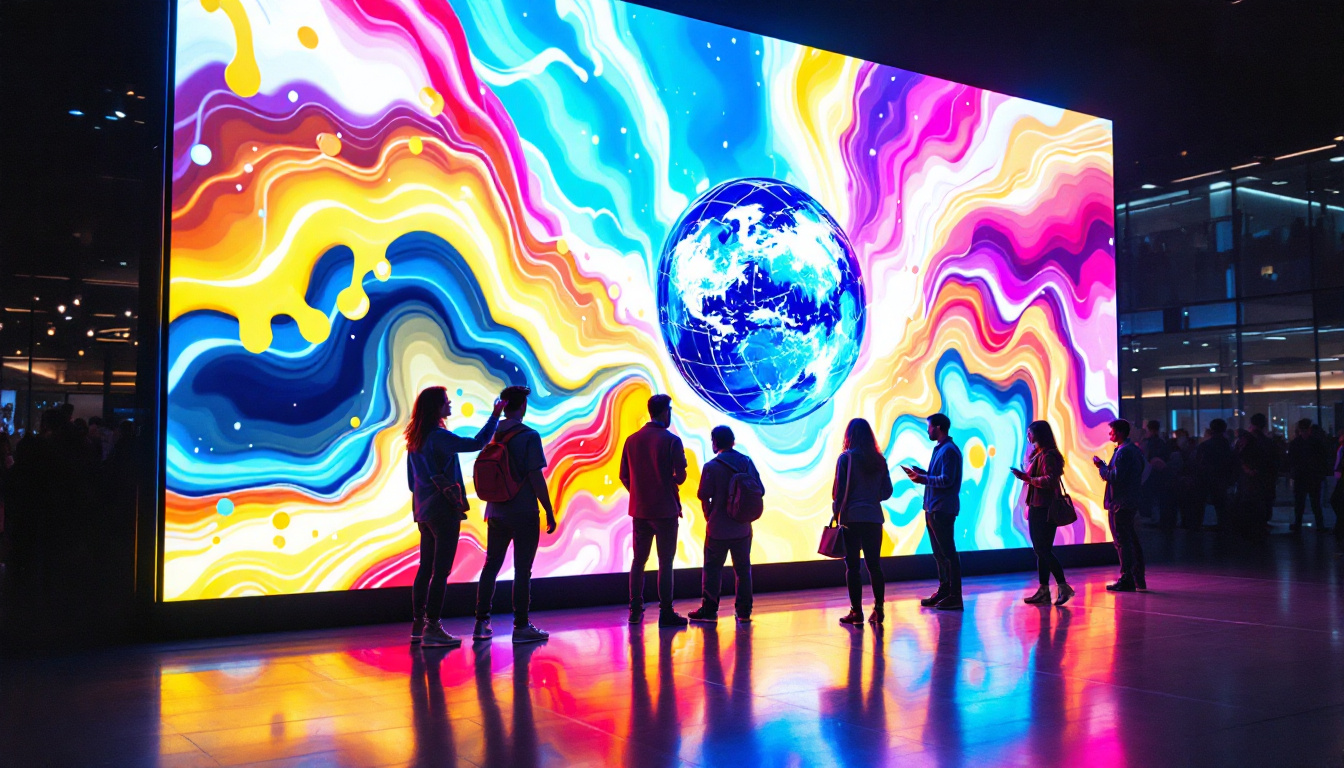
In the world of football, the scoreboard is more than just a device to show the score; it is an essential component that enhances the spectator experience, provides real-time information, and adds to the atmosphere of the game. Over the years, technology has transformed traditional scoreboards into sophisticated LED displays that offer dynamic visuals, clear readability, and versatile functionality. This article delves into the intricacies of LED scoreboards used in football, explaining their technology, benefits, and the latest trends shaping their evolution.
The Evolution of Football Scoreboards
Football scoreboards have come a long way from the simple mechanical boards of the early 20th century. Initially, scoreboards were manually operated with rotating numbers or flip cards, which required human intervention to update scores and time. These were often difficult to read from a distance and lacked the capability to display additional information.
With the advent of electronic scoreboards in the mid-20th century, the game experience improved significantly. Early electronic scoreboards used incandescent bulbs to display numbers and basic information. However, these were limited in brightness and flexibility. The real breakthrough came with the introduction of LED (Light Emitting Diode) technology in the late 20th and early 21st centuries.
LED scoreboards revolutionized the way information is presented during football matches. They offered brighter displays, better visibility under various lighting conditions, and the ability to show more than just scores — including player stats, advertisements, and instant replays. Today, LED scoreboards are standard in professional football stadiums worldwide, combining technology and design to enhance the overall fan experience.
In addition to displaying scores and statistics, modern scoreboards have evolved to incorporate advanced features such as live social media feeds, allowing fans to engage with the game in real-time. This integration of technology not only keeps the audience informed but also creates a sense of community among fans, as they can see their tweets or posts featured on the big screen. Furthermore, some scoreboards now include augmented reality elements, providing an immersive experience that captivates the audience, making them feel like they are part of the action.
Moreover, the design of scoreboards has also become a crucial aspect of stadium architecture. Many teams invest in custom-designed scoreboards that reflect their brand identity and enhance the overall aesthetics of the venue. These large, high-definition screens can be strategically placed to ensure maximum visibility from all angles, ensuring that every fan, regardless of their seat location, can enjoy the game without missing a moment. The evolution of football scoreboards is not just about technology; it’s about creating a richer, more engaging experience for fans both in the stadium and at home.
Understanding LED Technology in Football Scoreboards
What is an LED Display?
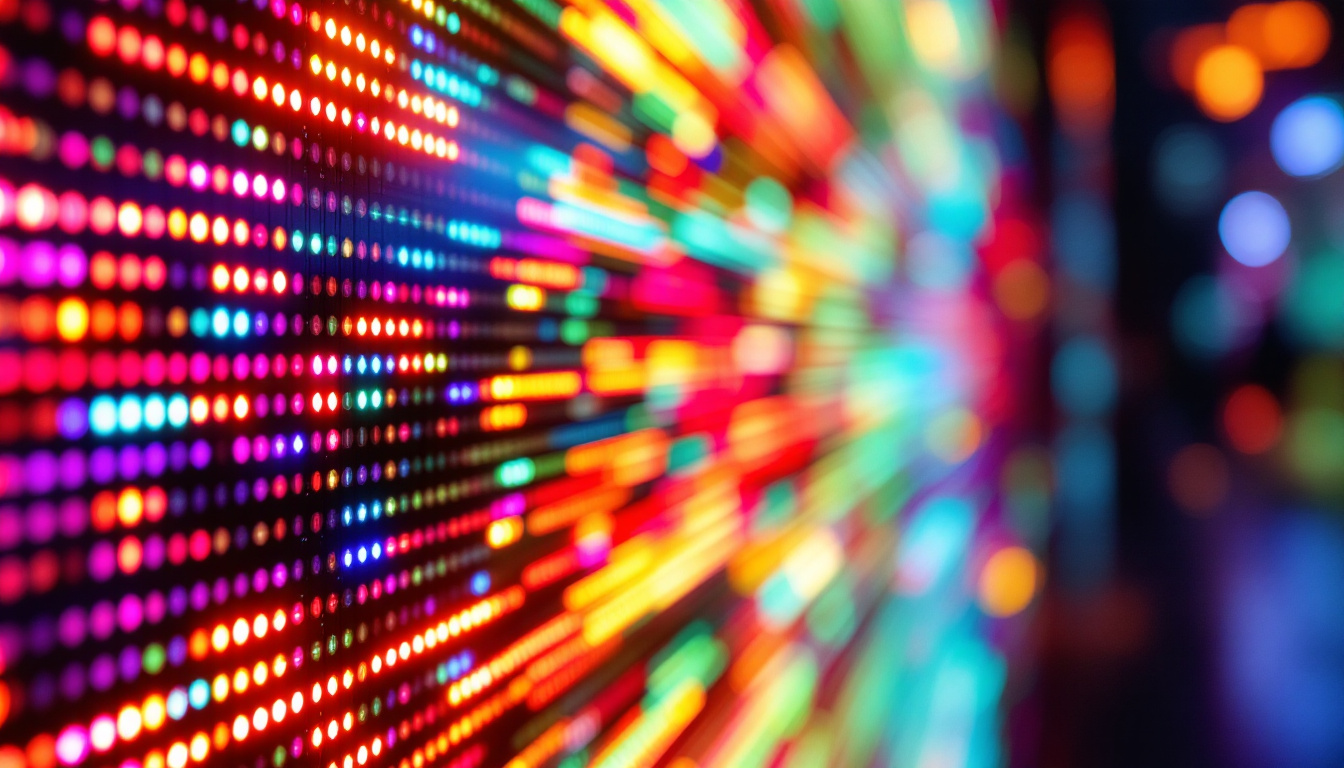
LED stands for Light Emitting Diode, a semiconductor device that emits light when an electric current passes through it. LED displays are made up of thousands of these tiny diodes arranged in a matrix to form numbers, letters, and images. The brightness and color of each diode can be controlled individually, allowing for vibrant and dynamic displays.
In football scoreboards, LED displays are used because of their high brightness, energy efficiency, long lifespan, and ability to operate in various weather conditions. Unlike traditional bulbs, LEDs can produce vivid colors and sharp contrasts, making the scoreboard easily readable even in direct sunlight. This capability is particularly important for outdoor sports venues where lighting conditions can change rapidly due to weather or time of day. Furthermore, the durability of LED technology means that these scoreboards can withstand the rigors of outdoor exposure, including rain, snow, and extreme temperatures, ensuring that they remain functional and visually appealing throughout the seasons.
Types of LED Displays Used in Football Scoreboards
There are several types of LED displays commonly used in football scoreboards, each suited for different purposes:
- Monochrome LED Displays: These use a single color, typically red or amber, to display scores and time. They are cost-effective and still widely used in smaller venues.
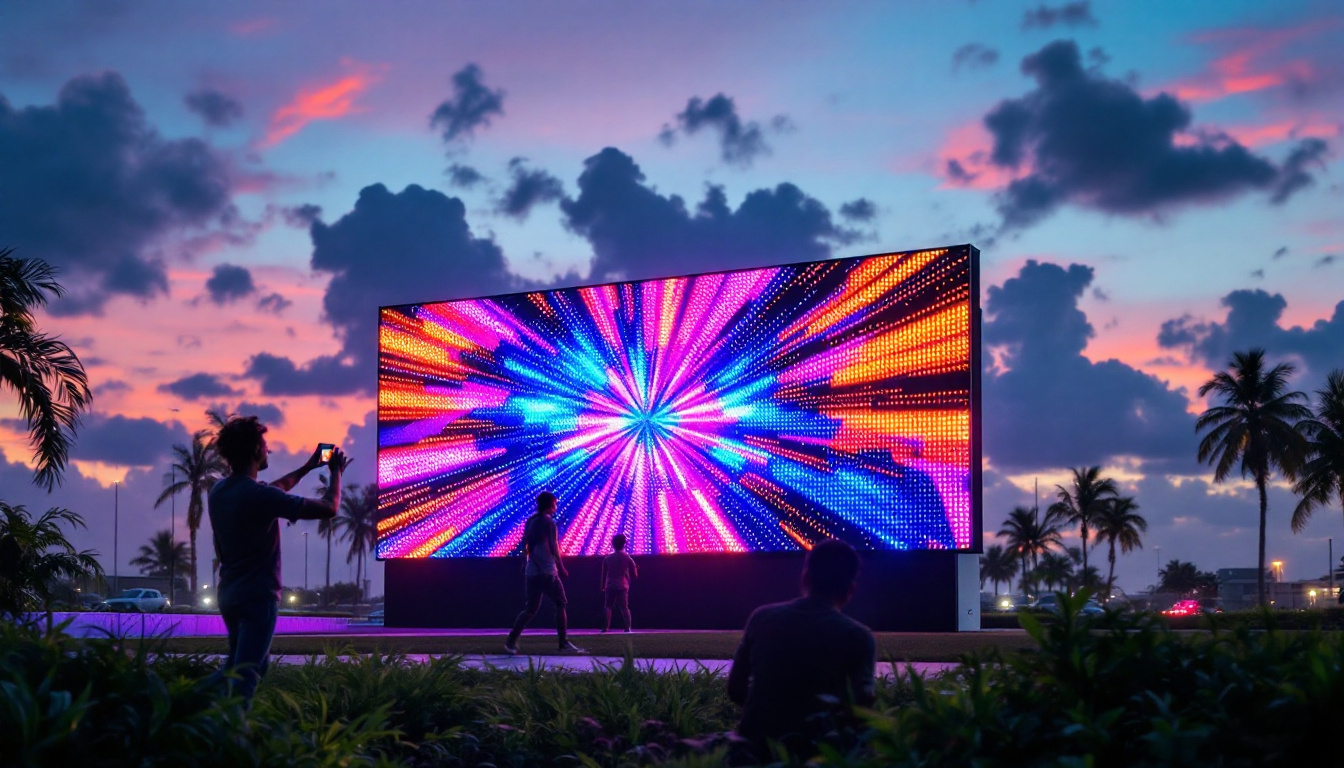
- Full-Color LED Displays: Capable of displaying millions of colors, these are used for high-end scoreboards that show animations, video replays, and advertisements alongside the score.
- Segmented LED Displays: These are designed to show numbers and basic characters using predefined segments, ideal for showing scores and time without complex graphics.
The choice of LED display depends on the stadium’s budget, size, and the level of interactivity desired. Full-color displays, for instance, are not only visually striking but also allow teams to engage fans with real-time highlights and promotional content, enhancing the overall matchday experience. In contrast, monochrome displays, while simpler, serve their purpose effectively in smaller venues or lower leagues where budget constraints may limit options. Additionally, advancements in LED technology have led to the development of flexible displays that can be shaped to fit unique scoreboard designs, providing even more versatility for stadium operators looking to create a distinctive visual identity.
Key Features of Modern LED Football Scoreboards
Brightness and Visibility
One of the most critical features of an LED scoreboard is its brightness. Football matches are often played in broad daylight, and the scoreboard must be visible from all seating areas. Modern LED scoreboards use high-luminance diodes that can achieve brightness levels exceeding 5,000 nits, ensuring clear visibility even under direct sunlight.
Additionally, LED scoreboards are designed with wide viewing angles so that spectators seated at various points in the stadium can see the information clearly without distortion or color shifts.
Real-Time Updates and Control
LED scoreboards are integrated with advanced control systems that allow operators to update scores, time, player statistics, and other data instantly. These systems often feature user-friendly interfaces, sometimes even touchscreen controls, to facilitate quick changes during fast-paced games.
Moreover, many modern scoreboards are connected to the stadium’s central data system, enabling automatic updates from official game statistics providers. This reduces human error and ensures that fans and players receive accurate information in real time.
Multifunctionality and Content Display
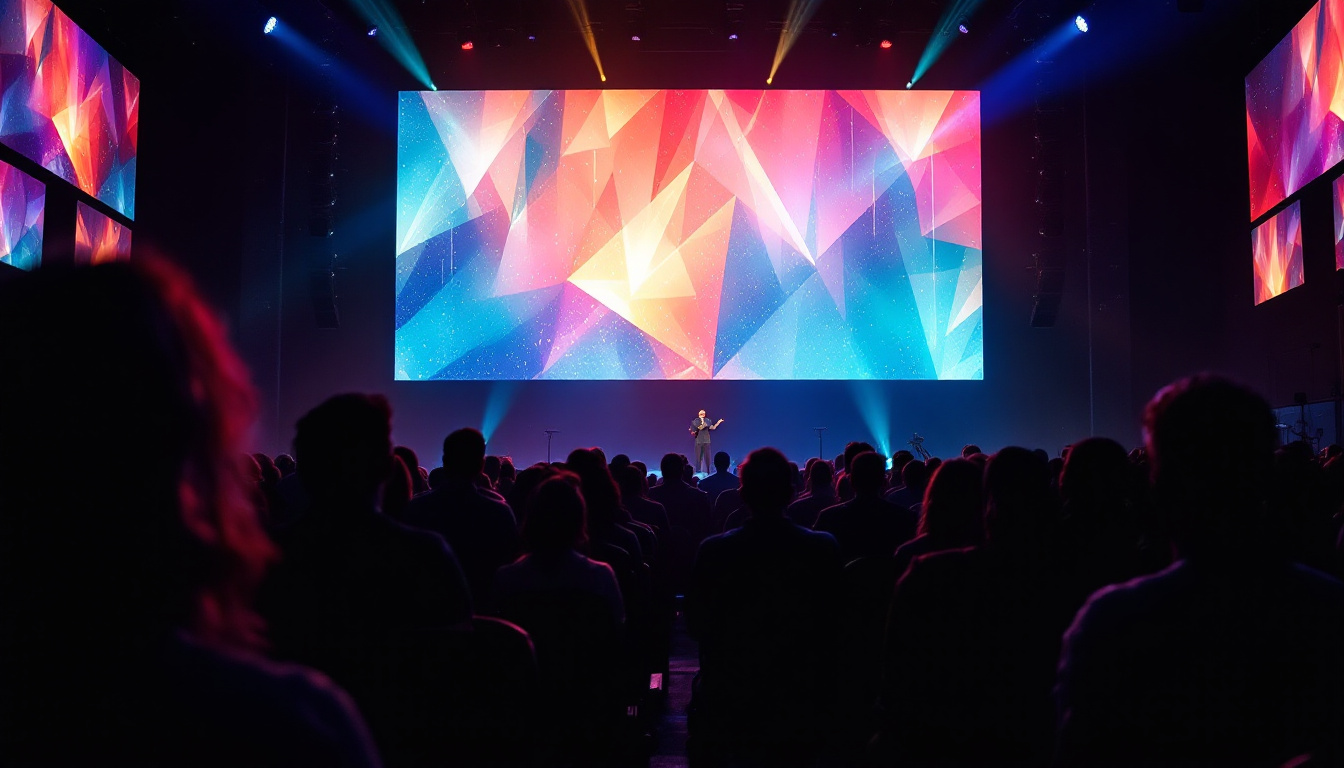
Beyond displaying scores and time, LED scoreboards now serve as multimedia platforms. They can show player profiles, team logos, match statistics, and even live video feeds. This multifunctionality enhances fan engagement and opens up new revenue streams through advertising.
For example, during breaks, the scoreboard can display promotional content or sponsor messages in high-resolution color, attracting more attention than traditional static boards. Some stadiums even use multiple LED screens around the venue to create immersive visual experiences.
Benefits of Using LED Scoreboards in Football
Enhanced Fan Experience
LED scoreboards significantly improve the spectator experience by providing clear, dynamic, and engaging visual information. Fans can follow the game more easily, stay updated with live statistics, and enjoy multimedia content that adds excitement to the event.
High-quality displays also contribute to the atmosphere, making the stadium feel more modern and vibrant. This can increase attendance and fan loyalty over time.
Durability and Cost Efficiency
LED technology is known for its durability and low maintenance requirements. Unlike traditional bulbs, LEDs have a longer lifespan, often exceeding 100,000 hours of operation. This reduces the frequency and cost of replacements.
Additionally, LEDs consume less power, making them more energy-efficient and environmentally friendly. Over the long term, the operational savings and reduced downtime make LED scoreboards a cost-effective investment for stadium operators.
Flexibility and Customization
LED scoreboards offer unparalleled flexibility in terms of design and functionality. Stadiums can customize the size, shape, and resolution of the display to fit their specific needs. Content can be tailored to different events, teams, or sponsors, allowing for a highly personalized experience.
This adaptability is especially valuable for multi-purpose venues that host various sports and events, as the scoreboard can be reprogrammed accordingly.
Installation and Maintenance Considerations
Planning and Installation
Installing an LED scoreboard in a football stadium requires careful planning. Factors such as viewing distance, ambient lighting, mounting structure, and electrical supply must be considered to ensure optimal performance.
Professional installation teams typically conduct site surveys and simulations to determine the best location and configuration. Proper installation ensures safety, durability, and the best possible viewing experience for fans.
Maintenance and Troubleshooting
While LED scoreboards are low-maintenance, regular inspections are necessary to keep them functioning at peak performance. Maintenance includes cleaning the display surface, checking electrical connections, and monitoring software updates.
In case of malfunction, modular LED panels allow for quick replacement of faulty sections without dismantling the entire board, minimizing downtime during the football season.
Latest Trends and Innovations in LED Football Scoreboards
Integration with Smart Technologies
Modern LED scoreboards are increasingly integrated with smart technologies such as IoT (Internet of Things) and AI (Artificial Intelligence). These innovations enable automated content management, predictive maintenance, and enhanced interactivity.
For example, AI-powered systems can analyze game data in real time and automatically update the scoreboard with relevant statistics or highlight key moments, enriching the fan experience.
Augmented Reality and 3D Displays
Some stadiums are experimenting with augmented reality (AR) and 3D LED displays to create immersive viewing experiences. These technologies can project holographic images or interactive graphics that engage fans in new ways.
While still in early stages, such innovations promise to redefine how football scoreboards function in the near future.
Eco-Friendly and Sustainable Designs
Environmental concerns are driving the development of more sustainable LED scoreboards. Manufacturers are focusing on using recyclable materials, reducing power consumption, and designing products that minimize electronic waste.
Stadiums adopting these eco-friendly solutions can reduce their carbon footprint and appeal to environmentally conscious fans and sponsors.
Conclusion
LED scoreboards have become an indispensable part of modern football stadiums, blending technology, design, and functionality to enhance the game-day experience. Their superior brightness, versatility, and durability make them ideal for displaying real-time scores, statistics, and multimedia content that engage fans and support stadium operations.
As technology continues to evolve, LED scoreboards will likely incorporate even more advanced features such as AI integration, augmented reality, and sustainable materials. For football clubs and stadium operators, investing in high-quality LED displays is not only a way to improve spectator satisfaction but also a strategic move to stay competitive in the rapidly changing sports entertainment landscape.
Illuminate Your Stadium with LumenMatrix
Ready to elevate your football stadium’s fan experience with the latest in LED display technology? LumenMatrix is at the forefront of creating immersive environments that captivate and engage audiences. From vibrant LED Sports Displays to customizable solutions that fit your unique needs, our products are designed to bring your venue to life. Don’t let your stadium fall behind in the digital age. Check out LumenMatrix LED Display Solutions today and transform your space into a dynamic visual spectacle.