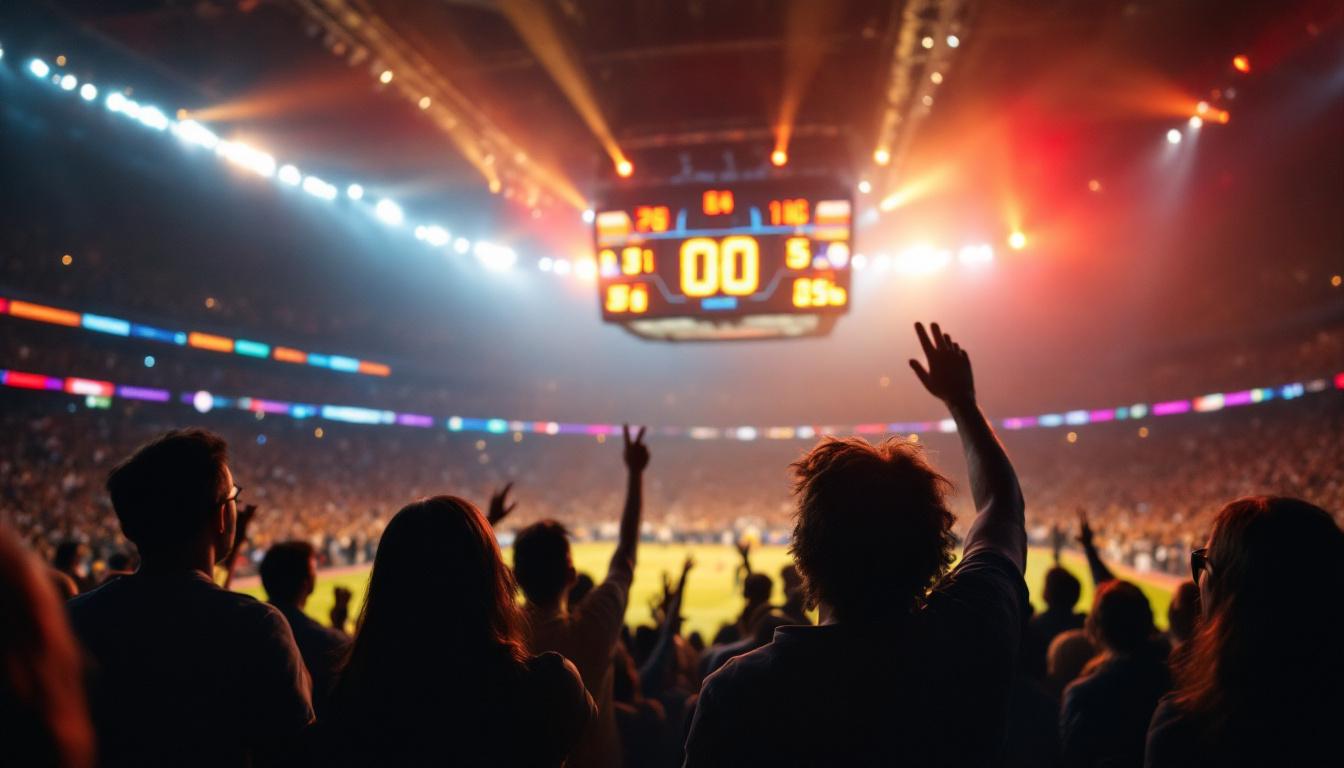
In the fast-paced world of sports and live events, clear and dynamic visual communication is paramount. Ultra scoreboards, equipped with advanced LED display technology, have revolutionized how audiences engage with games, concerts, and public gatherings. This article delves into the intricacies of LED scoreboards, exploring their technology, benefits, and the reasons they have become the preferred choice for venues worldwide.
Understanding LED Technology in Scoreboards
What is an LED Display?
LED stands for Light Emitting Diode, a semiconductor device that emits light when an electric current passes through it. Unlike traditional incandescent bulbs, LEDs are energy-efficient, durable, and capable of producing vibrant colors. In the context of scoreboards, LED displays consist of thousands of tiny diodes arranged in a matrix to create images, numbers, and animations visible from great distances.
The evolution of LED technology has been rapid. Early LED displays were limited in color and resolution, but modern ultra scoreboards utilize full-color, high-definition LED panels that can display complex graphics, video replays, and real-time statistics. This advancement enhances the spectator experience by providing clear, bright, and dynamic content regardless of ambient lighting conditions. Furthermore, the longevity of LED technology means that these displays can operate for tens of thousands of hours, significantly reducing maintenance costs and the need for frequent replacements.
Types of LED Displays Used in Scoreboards
Scoreboards typically employ two main types of LED displays: single-color and full-color. Single-color displays, often red or amber, were common in older scoreboards and are still used for simple numeric information. However, full-color LED displays have become the industry standard for ultra scoreboards due to their versatility and visual impact. These displays are not only used for sports but have also found applications in entertainment venues, advertising, and public information systems, showcasing their adaptability across various fields.
Full-color LED scoreboards use Red, Green, and Blue (RGB) diodes to produce a wide spectrum of colors through color mixing. This capability allows for detailed graphics, animations, and even live video feeds. Additionally, the pixel pitch—the distance between individual LEDs—plays a crucial role in image clarity. Ultra scoreboards usually feature a fine pixel pitch, enabling sharp visuals even when viewed up close. As technology progresses, manufacturers are continually innovating to reduce pixel pitch further, resulting in even higher resolution displays that can captivate audiences with stunning detail. The integration of advanced software also allows for customizable content, enabling teams and venues to tailor their displays for special events, promotions, or fan engagement activities, making the scoreboard an interactive centerpiece of the experience.
Advantages of Ultra LED Scoreboards
Enhanced Visibility and Brightness
One of the most significant advantages of LED scoreboards is their superior brightness. LEDs can achieve luminance levels far beyond traditional display technologies, ensuring visibility in direct sunlight and adverse weather conditions. This brightness is adjustable, allowing venues to optimize display clarity during day and night events without causing glare or discomfort to spectators.
Furthermore, LED scoreboards provide wide viewing angles, meaning that spectators seated at various positions around a stadium or arena can enjoy clear visuals. This feature is critical in large venues where audience members may be far from the display.
Energy Efficiency and Longevity
Energy consumption is a major consideration for venues operating large-scale displays. LED technology is remarkably energy-efficient compared to older incandescent or fluorescent lighting systems. This efficiency translates into lower operational costs and a reduced environmental footprint.
Additionally, LEDs have a long lifespan, often exceeding 100,000 hours of use. This durability reduces maintenance frequency and costs, making ultra scoreboards a cost-effective investment over the long term. Many manufacturers also design LED modules to be easily replaceable, further simplifying upkeep.
Customization and Interactivity
Modern LED scoreboards offer extensive customization options. Venue operators can tailor the display content to suit specific events, including live game statistics, player profiles, advertisements, and interactive fan engagement features. Integration with data feeds and control systems enables real-time updates, enhancing the dynamic nature of the scoreboard.
Some ultra scoreboards incorporate interactive elements such as touchscreens or integration with mobile apps, allowing fans to participate in polls, contests, or social media interactions. This interactivity fosters a deeper connection between the audience and the event, creating memorable experiences that extend beyond the game itself.
Applications of Ultra LED Scoreboards
Sports Arenas and Stadiums
Sports venues are the primary users of ultra LED scoreboards. From professional football stadiums to local basketball courts, these displays provide essential information such as scores, time, player statistics, and instant replays. The ability to showcase high-definition video content elevates the entertainment value, keeping fans engaged throughout the event.
For example, the AT&T Stadium in Arlington, Texas, features one of the largest center-hung LED scoreboards in the world, measuring over 160 feet in length. This massive display not only shows game information but also provides immersive video experiences that captivate tens of thousands of spectators simultaneously.
Concerts and Live Events
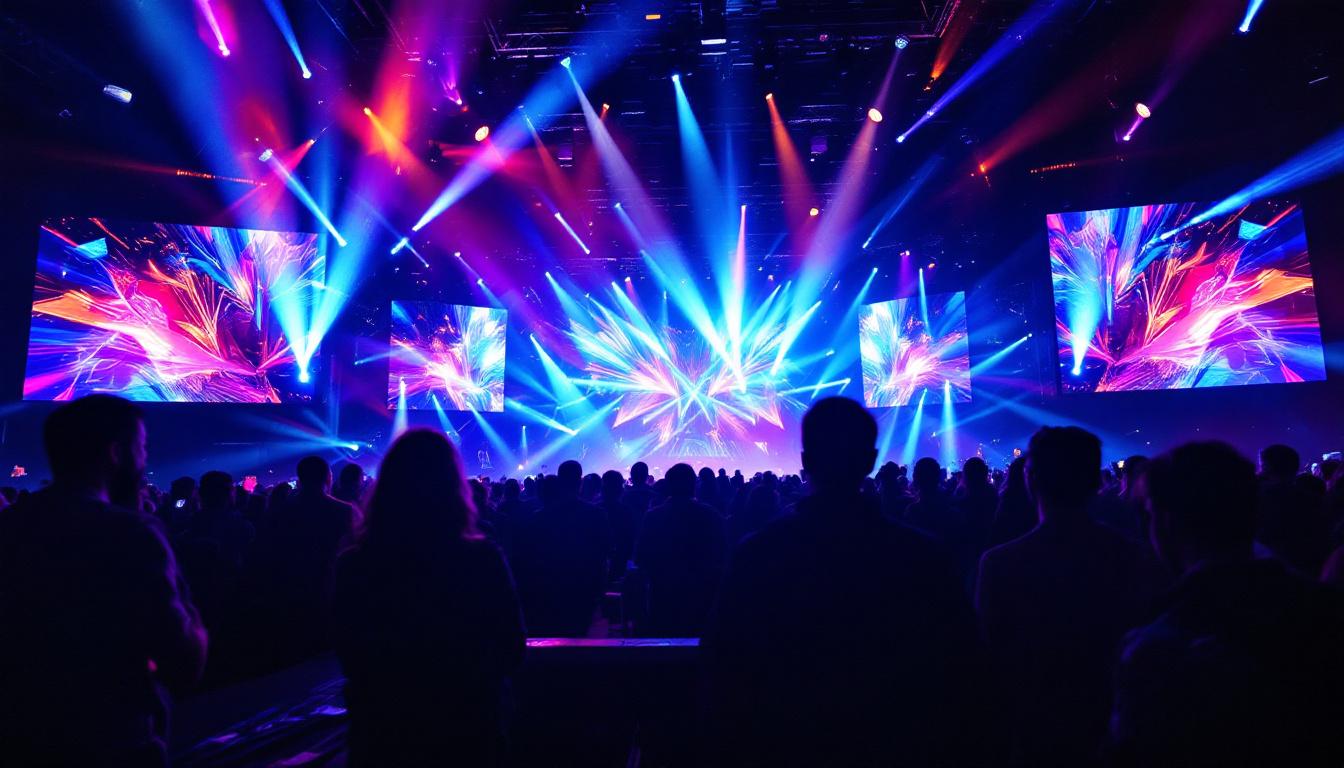
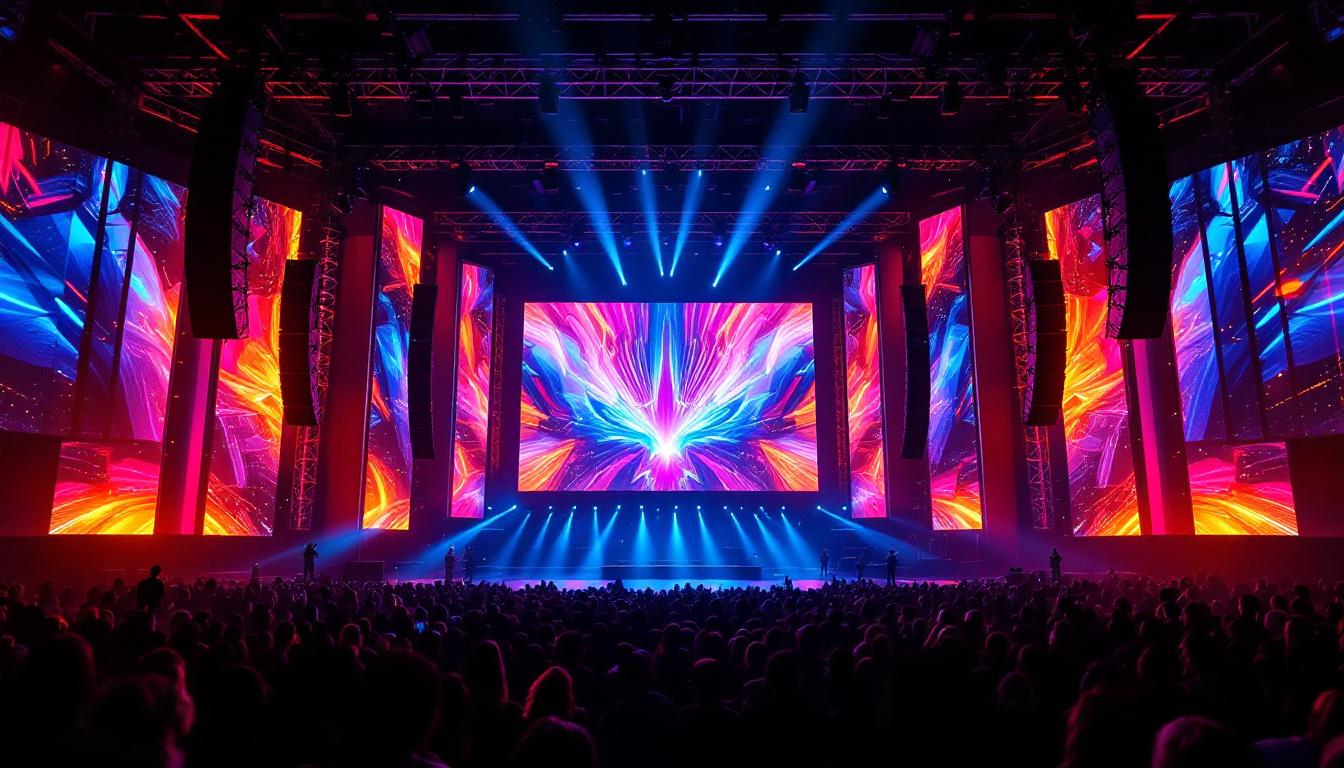
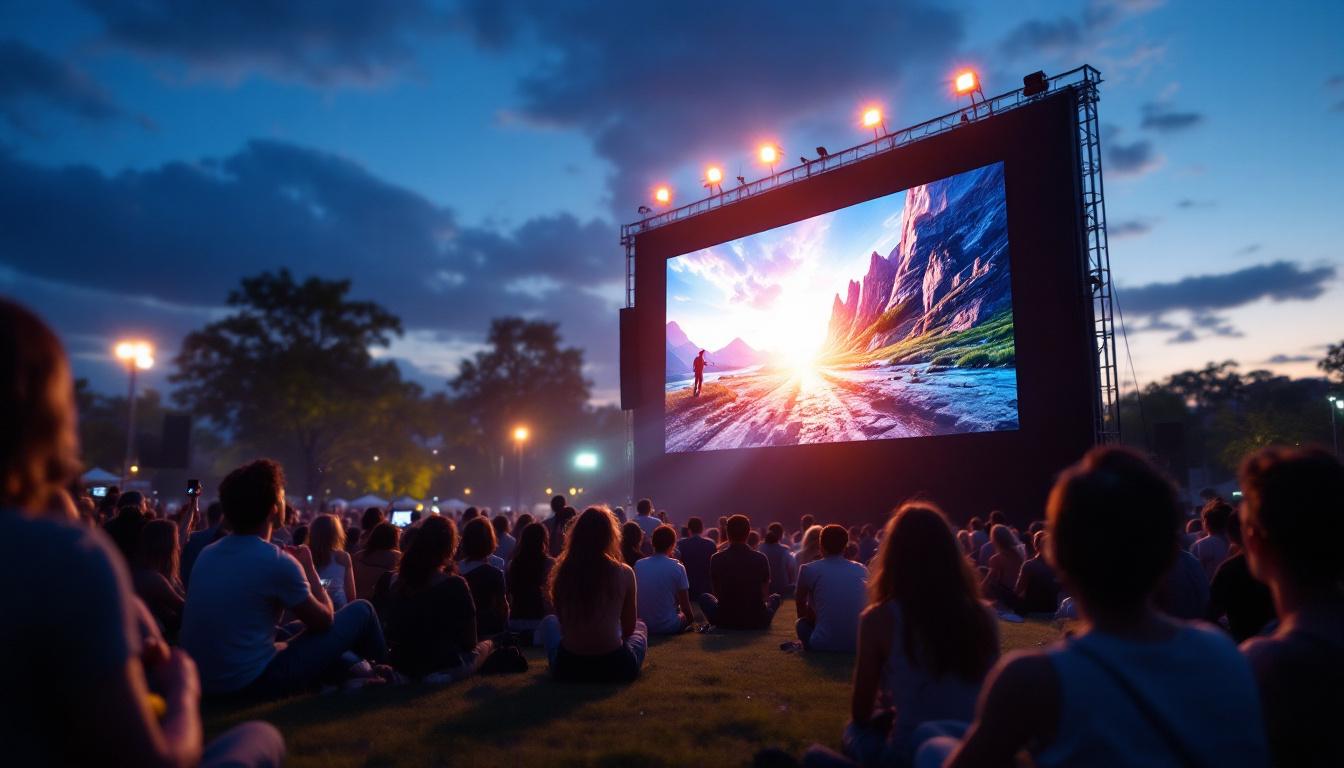
Beyond sports, ultra LED scoreboards have found a place in concerts, festivals, and other live events. Their capacity to display vivid visuals and synchronize with lighting and sound systems makes them invaluable for creating immersive environments. Event organizers use these displays to show live footage, event schedules, sponsor messages, and artistic visuals that complement performances.
In large-scale music festivals, LED scoreboards help manage crowd flow and safety by providing real-time announcements and emergency information. Their adaptability and visibility ensure that vital messages reach attendees promptly and effectively.
Public Spaces and Advertising
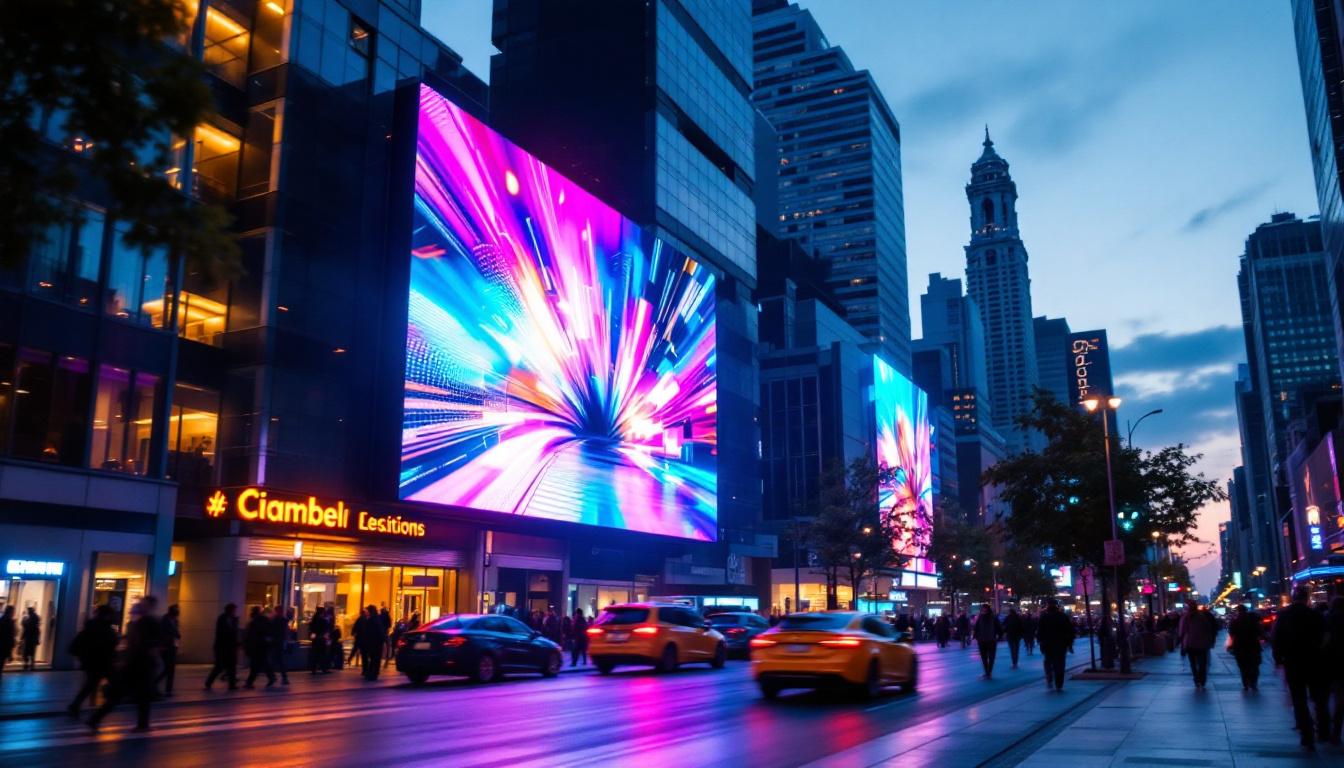
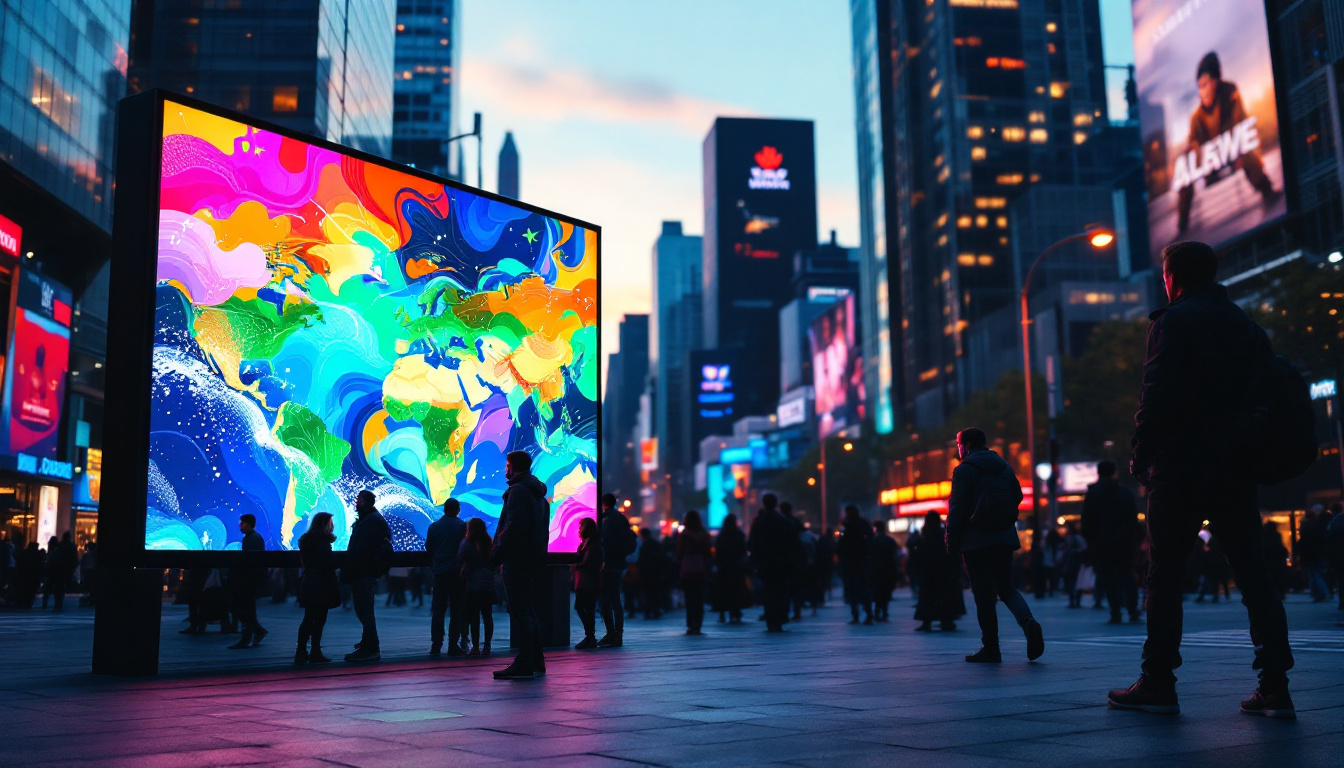
Urban centers and commercial districts utilize ultra LED scoreboards as digital billboards and information hubs. Their brightness and dynamic content capabilities make them ideal for advertising campaigns, public service announcements, and event promotions. Cities like Times Square in New York and Piccadilly Circus in London showcase the power of LED displays in capturing public attention and driving engagement.
Moreover, LED scoreboards in public transit stations and airports provide travelers with timely updates, directions, and alerts, enhancing the overall user experience and operational efficiency.
Key Considerations When Choosing an Ultra LED Scoreboard
Resolution and Pixel Pitch
The resolution of an LED scoreboard directly impacts the clarity and detail of the displayed content. Higher resolution means more pixels per square meter, which is essential for displaying fine text, intricate graphics, and video. Pixel pitch, the distance between individual LEDs, determines how close viewers can be while still perceiving a sharp image. Venues must balance resolution needs with viewing distances and budget constraints when selecting a scoreboard.
Size and Viewing Distance
The physical size of the scoreboard should correspond to the size of the venue and the typical viewing distances. Larger venues require bigger displays to ensure that information is legible from all seating areas. Conversely, smaller venues might prioritize higher resolution over sheer size to maintain image quality up close.
Consulting with display experts and conducting site assessments can help determine the optimal size and placement of an ultra scoreboard to maximize its effectiveness.
Durability and Weather Resistance
Outdoor scoreboards must withstand various environmental conditions, including rain, wind, dust, and temperature fluctuations. High-quality ultra LED scoreboards are designed with robust enclosures, waterproof seals, and corrosion-resistant materials to ensure reliable operation over time. IP ratings (Ingress Protection) provide a standardized measure of a display’s resistance to solids and liquids, with IP65 or higher being common for outdoor applications.
Control Systems and Integration
Modern ultra scoreboards require sophisticated control systems to manage content seamlessly. These systems should support multiple input sources, real-time data integration, and remote operation. Compatibility with existing venue infrastructure, such as timing systems and broadcast equipment, is also crucial for smooth event execution.
Additionally, user-friendly software interfaces enable operators to quickly update content and troubleshoot issues, minimizing downtime and enhancing operational efficiency.
The Future of Ultra LED Scoreboards
Advancements in Display Technology
Emerging technologies such as MicroLED and MiniLED promise to further enhance ultra scoreboard performance. These innovations offer even higher brightness, improved contrast ratios, and finer pixel pitches, enabling more immersive and lifelike visuals. As production costs decrease, these technologies are expected to become more accessible to a wider range of venues.
Integration with Augmented Reality and AI
Future ultra scoreboards may incorporate augmented reality (AR) features, overlaying digital content onto live images to provide enriched information and interactive experiences. Artificial intelligence (AI) can optimize content delivery by analyzing audience behavior and preferences, tailoring displays to maximize engagement.
Such integrations could transform scoreboards from mere information providers into dynamic entertainment hubs that adapt in real-time to the event atmosphere and fan interactions.
Sustainability and Smart Energy Management
As environmental concerns grow, manufacturers are focusing on making ultra LED scoreboards more sustainable. Innovations in energy-efficient components, smart power management systems, and recyclable materials aim to reduce the ecological impact of these large-scale displays. Venues adopting these technologies contribute to greener operations while benefiting from lower energy costs.
Conclusion
Ultra scoreboards with LED displays represent a pinnacle of modern visual communication technology in sports, entertainment, and public spaces. Their combination of brightness, durability, customization, and energy efficiency makes them indispensable tools for engaging audiences and enhancing event experiences. As technology continues to evolve, ultra LED scoreboards will undoubtedly become even more integral to the way information and entertainment are delivered in large venues worldwide.
Understanding the technical aspects, benefits, and applications of these displays empowers venue operators, event organizers, and advertisers to make informed decisions that maximize impact and return on investment. Whether it’s a packed stadium, a bustling concert, or a vibrant city square, ultra LED scoreboards illuminate the moment like never before.
Illuminate Your Venue with LumenMatrix
Ready to elevate your audience’s experience with the pinnacle of LED display technology? LumenMatrix is at the forefront of innovation, offering a diverse range of LED display solutions tailored to your unique needs. From captivating Indoor LED Walls to dynamic Sports Displays and beyond, our mission is to transform your visual communication and engagement. Check out LumenMatrix LED Display Solutions today and bring your venue to life with unparalleled clarity and impact.