In the world of large-scale visual displays, the term “Jumbotron” has become almost synonymous with massive, high-impact screens that captivate audiences in stadiums, public squares, and commercial venues worldwide. But what exactly is a Jumbotron, and how does it relate to LED display technology? This article dives deep into the definition, technology, applications, and future of Jumbotron LED displays, providing a comprehensive understanding for professionals, event organizers, advertisers, and tech enthusiasts alike.
What Is a Jumbotron?
The term “Jumbotron” originally referred to a brand of large video screens developed by Sony in the 1980s. Over time, it has evolved into a generic term used to describe any giant video display screen, especially those used in sports arenas, concerts, and public events. Despite its brand origins, today, “Jumbotron” is often used interchangeably with large LED video walls.
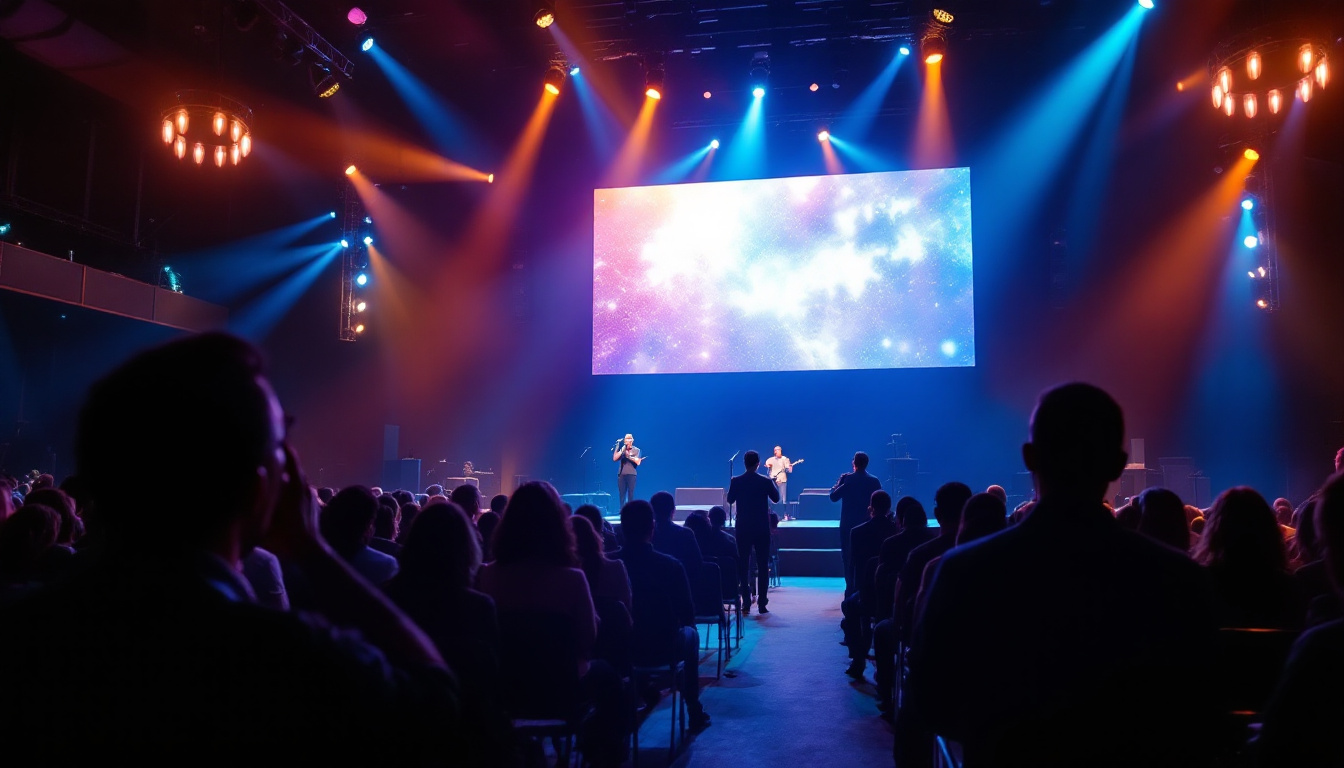
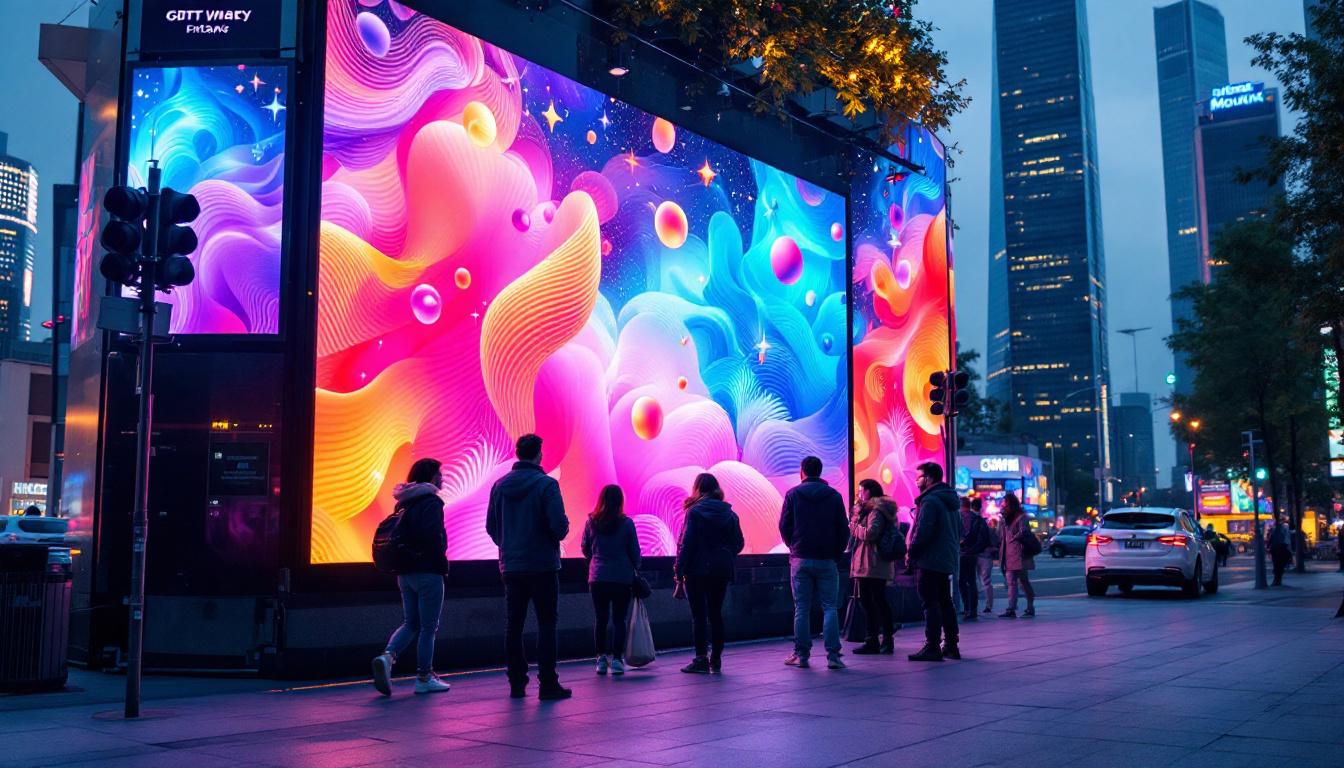
Jumbotrons are designed to deliver vivid, high-resolution images and videos visible from great distances. Their sheer size and brightness make them ideal for environments where thousands of viewers need to see the content clearly, regardless of ambient lighting conditions. These screens not only enhance the viewing experience but also play a crucial role in engaging audiences, providing real-time updates, and broadcasting advertisements, making them an integral part of modern entertainment venues.
The Evolution of the Jumbotron
The first Jumbotron was unveiled at the 1985 World’s Fair in Tsukuba, Japan. At the time, it was a revolutionary innovation, utilizing cathode ray tube (CRT) technology to display images on a massive scale. However, CRT-based Jumbotrons were bulky, power-hungry, and limited in resolution. As technology advanced, the limitations of CRT displays became increasingly apparent, leading to a demand for more efficient and versatile display solutions.
By the late 1990s and early 2000s, the industry shifted toward LED technology, which offered better brightness, energy efficiency, and scalability. Modern Jumbotrons are predominantly LED displays, capable of showing full-motion video with vibrant colors and high contrast ratios. These advancements have allowed for more dynamic content, including interactive features and live feeds, which can significantly enhance the atmosphere of events. Furthermore, the integration of smart technology has enabled Jumbotrons to be synchronized with mobile applications, allowing audiences to engage with the content in real-time, whether through voting, social media interactions, or augmented reality experiences. This evolution has not only transformed how we consume media but also how venues connect with their audiences, creating a more immersive environment that captivates viewers like never before.
Understanding LED Display Technology
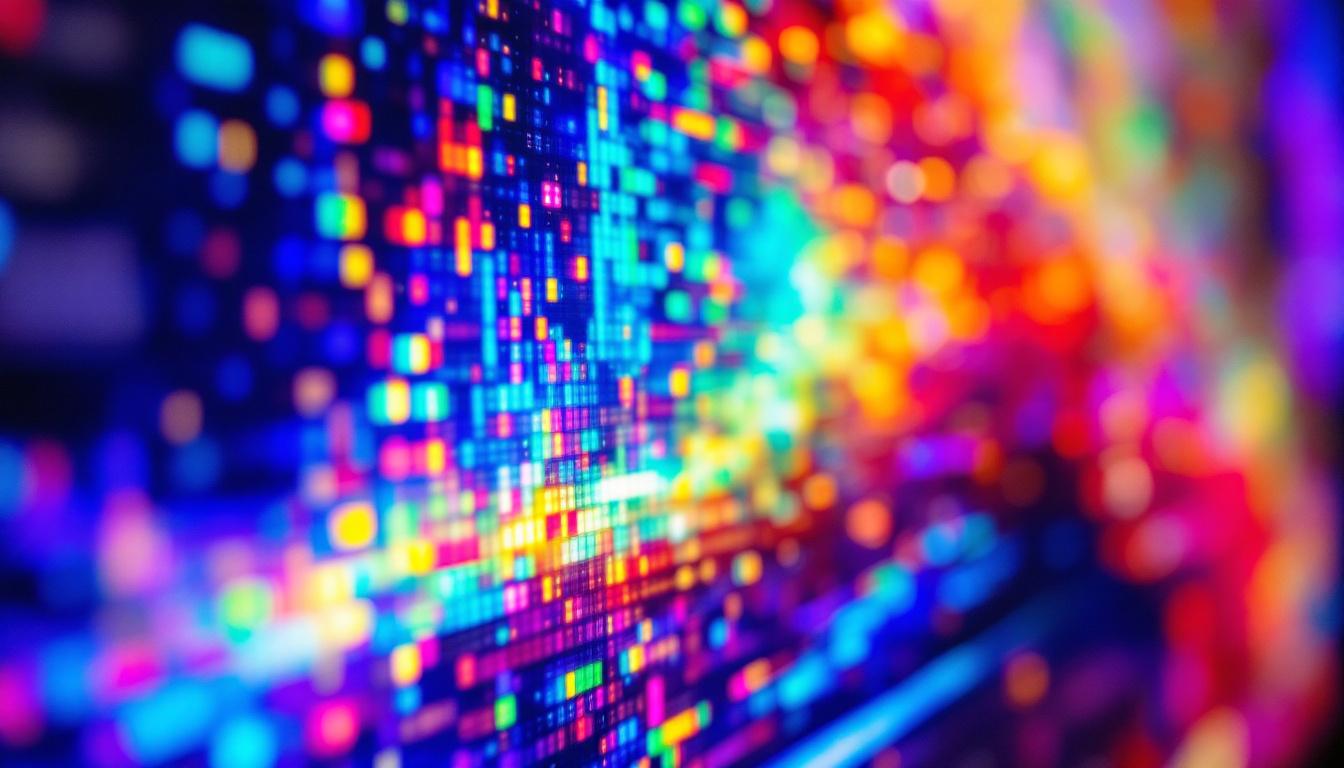
LED stands for Light Emitting Diode, a semiconductor device that emits light when an electric current passes through it. LED displays use thousands to millions of these tiny diodes arranged in a grid to create images and videos. The technology behind LED displays is central to the performance and quality of modern Jumbotrons.
How LED Displays Work
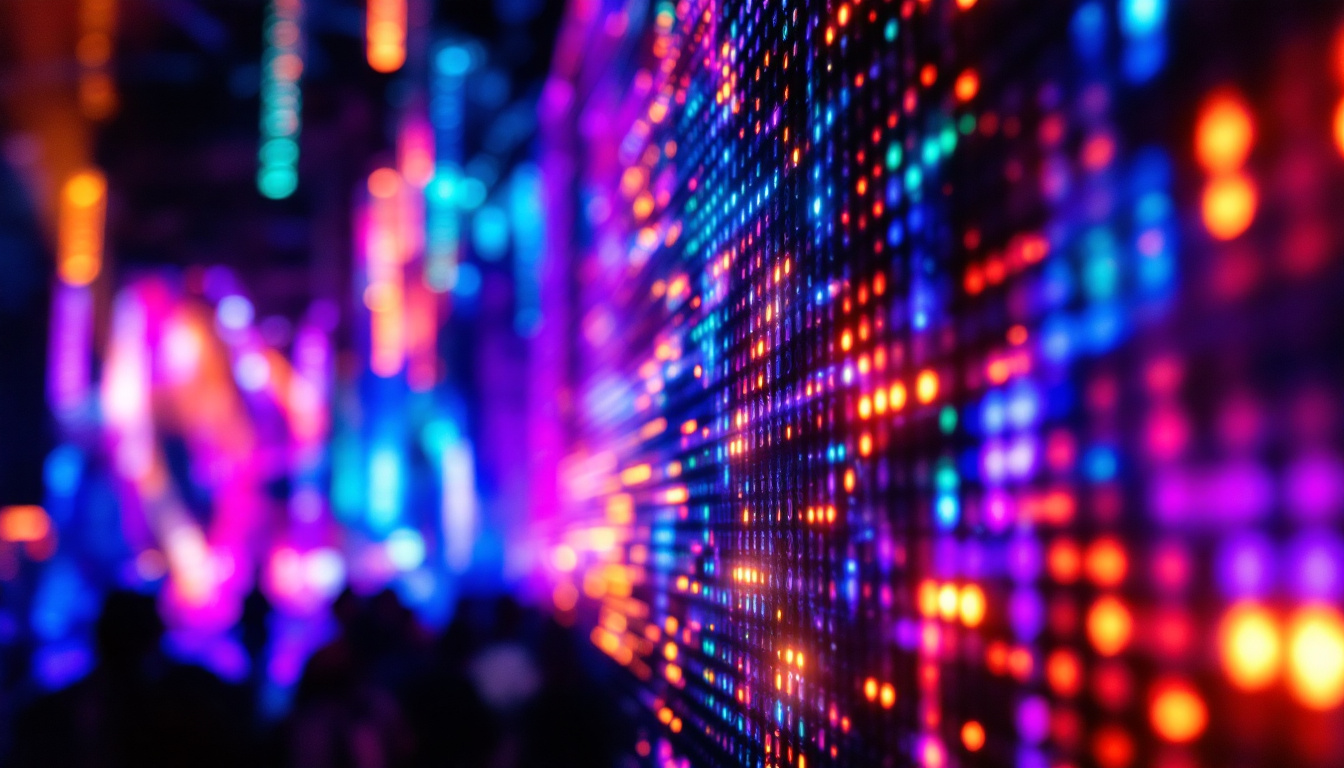
Each pixel on an LED display consists of one or more LEDs, typically red, green, and blue (RGB). By varying the intensity of these three colors, the display can produce a broad spectrum of colors. The LEDs are controlled by a video processor that receives input from cameras, computers, or media players.
Because LEDs emit light directly, LED displays do not require backlighting, unlike LCD screens. This direct emission enables higher brightness levels, making them visible even in direct sunlight — a critical feature for outdoor Jumbotrons.
Types of LED Displays Used in Jumbotrons
There are several types of LED technologies used in large-scale displays, including:
- Surface-Mounted Device (SMD): Small LEDs mounted on the surface of a circuit board, allowing for high pixel density and excellent color blending. SMD is common in indoor and high-resolution outdoor displays.
- Through-Hole LEDs: Traditional LEDs that pass through the circuit board. These are often used in outdoor displays where durability and brightness are prioritized over pixel density.
- Mini-LED and Micro-LED: Emerging technologies that offer even greater brightness, contrast, and energy efficiency, with potential applications in next-generation Jumbotrons.
Key Features of Jumbotron LED Displays
When evaluating or defining a Jumbotron, several technical and functional features stand out. These features determine the display’s effectiveness in various environments and use cases.
Brightness and Visibility
One of the most critical attributes of a Jumbotron is its brightness, measured in nits (cd/m²). Outdoor Jumbotrons typically require brightness levels between 5,000 and 10,000 nits to remain visible under direct sunlight. Indoor displays, by contrast, can operate at lower brightness levels but emphasize color accuracy and contrast.
High brightness ensures that the content remains clear and vibrant regardless of weather or lighting conditions, which is essential for venues like sports stadiums, outdoor concerts, and public advertising spaces.
Resolution and Pixel Pitch
Resolution refers to the number of pixels displayed horizontally and vertically, while pixel pitch is the distance between the centers of two adjacent pixels, measured in millimeters. A smaller pixel pitch means higher resolution and sharper images, especially at close viewing distances.
For example, a Jumbotron with a 4mm pixel pitch is suitable for venues where viewers are relatively close to the screen, such as indoor arenas. Larger pixel pitches (10mm or more) are common for massive outdoor screens viewed from hundreds of meters away.
Durability and Weather Resistance
Outdoor Jumbotrons must withstand harsh environmental conditions, including rain, wind, dust, and temperature extremes. High-quality LED displays are built with weatherproof enclosures, often rated with IP65 or higher, ensuring protection against water ingress and dust.
Durability also extends to impact resistance and UV protection, which help maintain performance and appearance over many years of operation.
Energy Efficiency
Modern LED Jumbotrons are designed to be energy-efficient, consuming significantly less power than older technologies like CRT or plasma displays. Advances in LED chip design, power management, and dynamic brightness adjustment contribute to lower operating costs and reduced environmental impact.
Applications of Jumbotron LED Displays
The versatility and visual impact of Jumbotron LED displays have made them indispensable across a variety of industries and settings.
Sports and Entertainment Venues
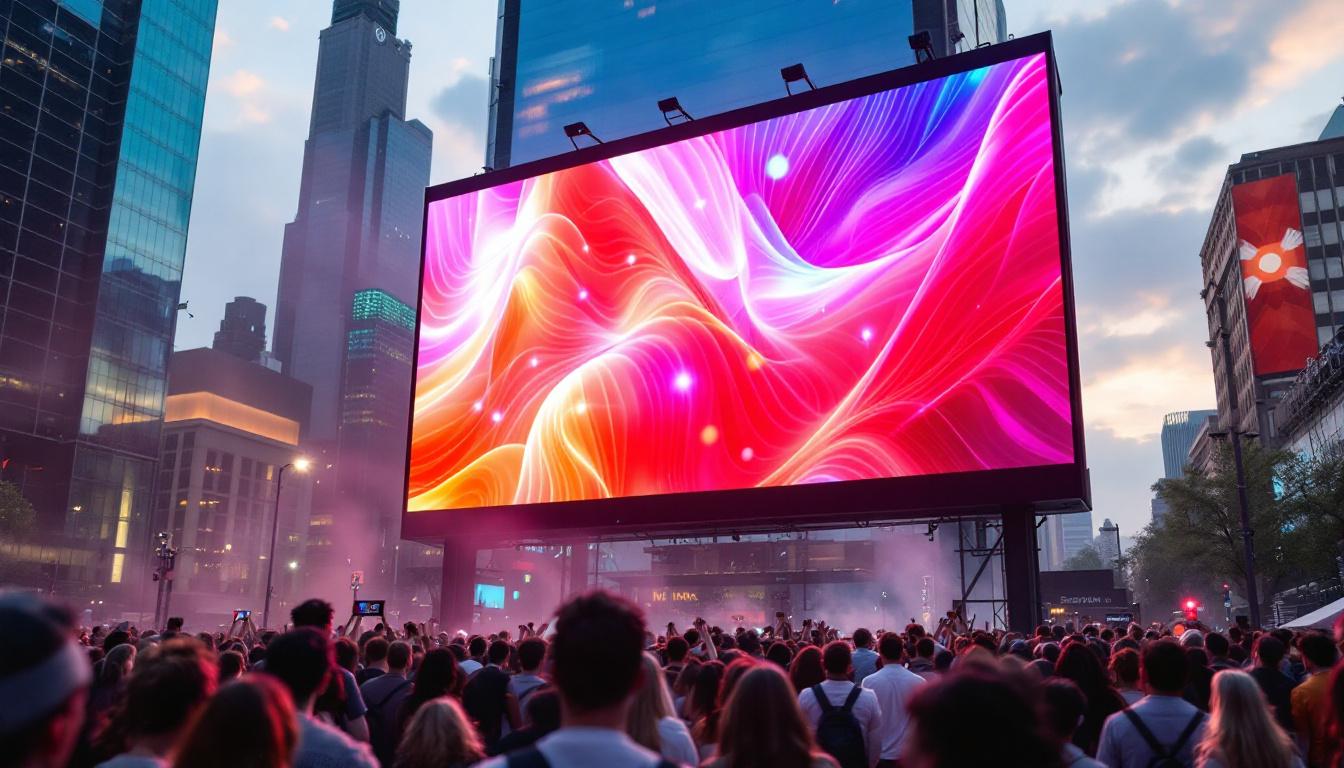
Perhaps the most iconic use of Jumbotrons is in sports stadiums and arenas. These displays enhance the spectator experience by showing live game footage, instant replays, player statistics, and interactive content. For instance, the AT&T Stadium in Texas features one of the largest high-definition LED video boards in the world, measuring approximately 160 feet wide and 72 feet tall.
Concerts and festivals also utilize Jumbotrons to provide close-up views of performers, dynamic visual effects, and sponsor messaging, ensuring that even attendees far from the stage remain engaged.
Advertising and Digital Billboards
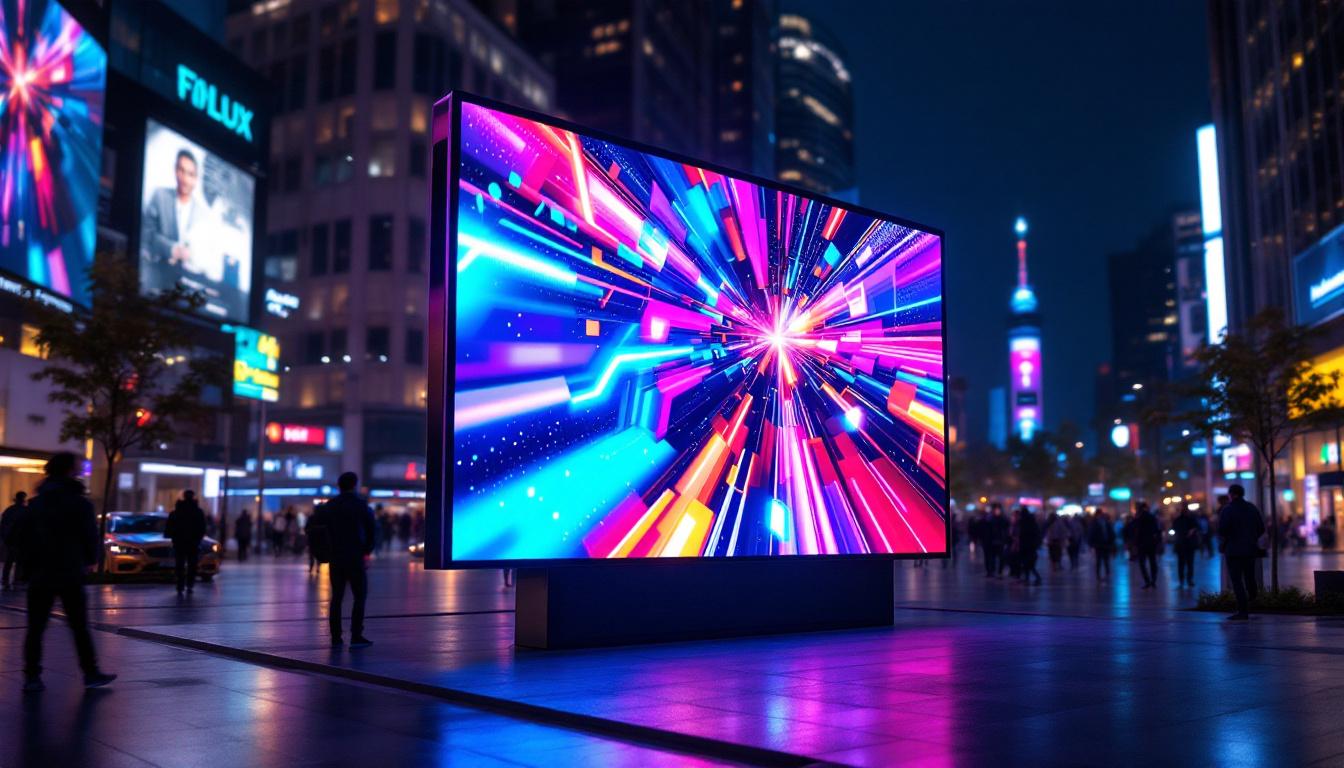
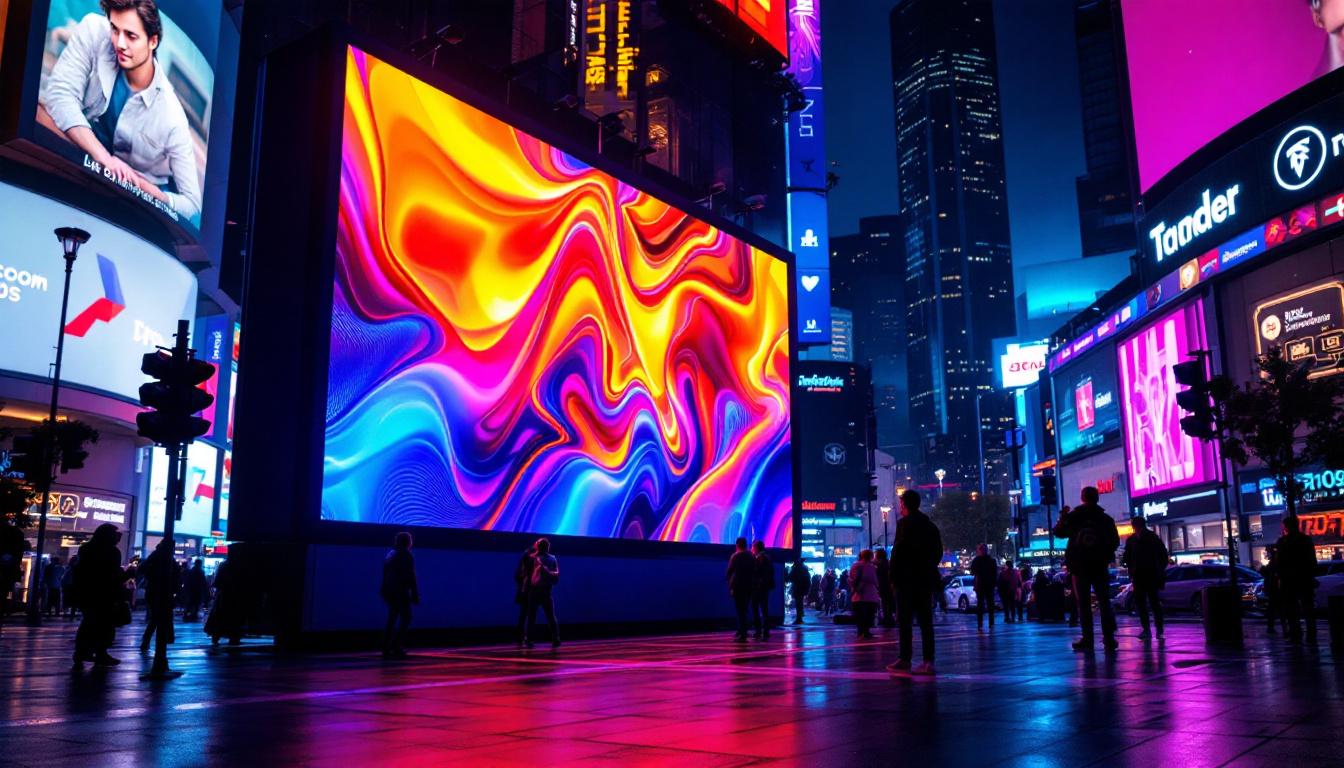
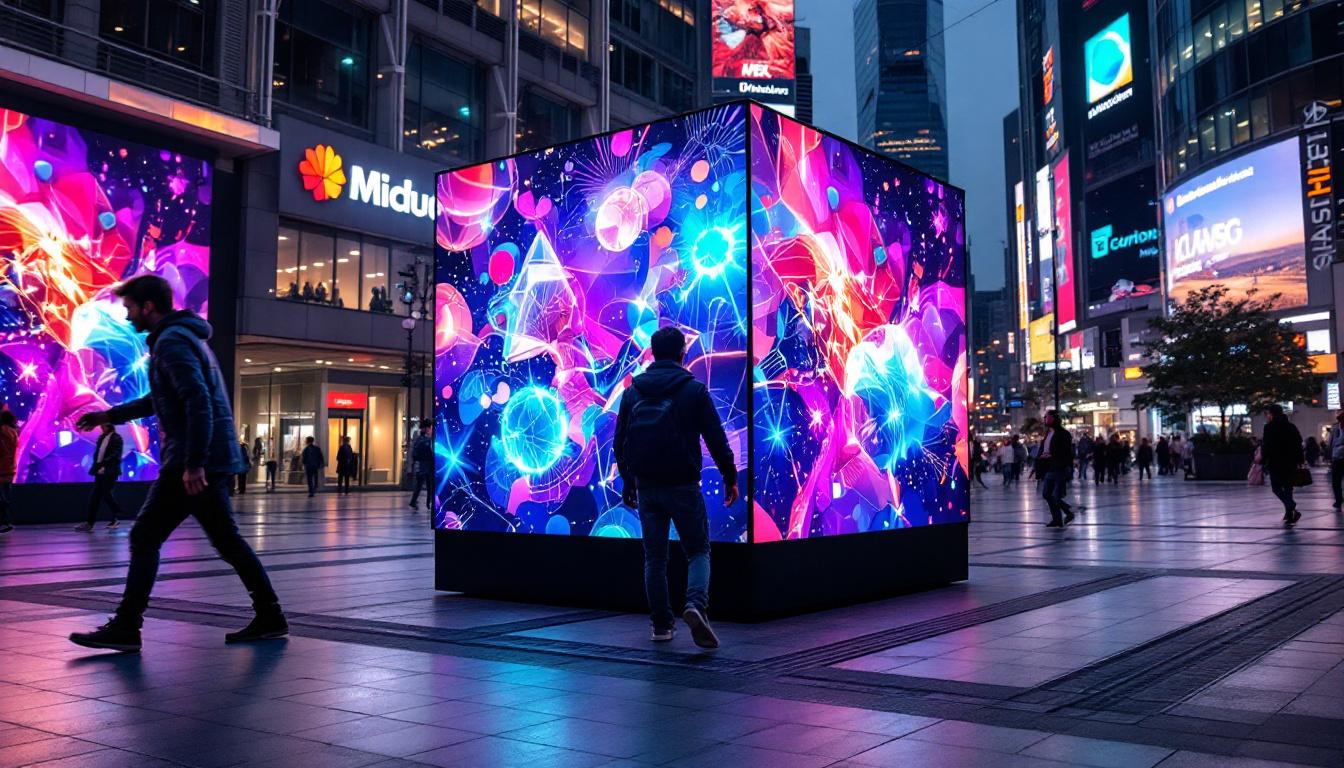
Jumbotrons have revolutionized outdoor advertising by offering dynamic, eye-catching digital billboards. Unlike traditional static billboards, LED Jumbotrons can display multiple ads, video content, and real-time updates, increasing advertiser flexibility and audience engagement.
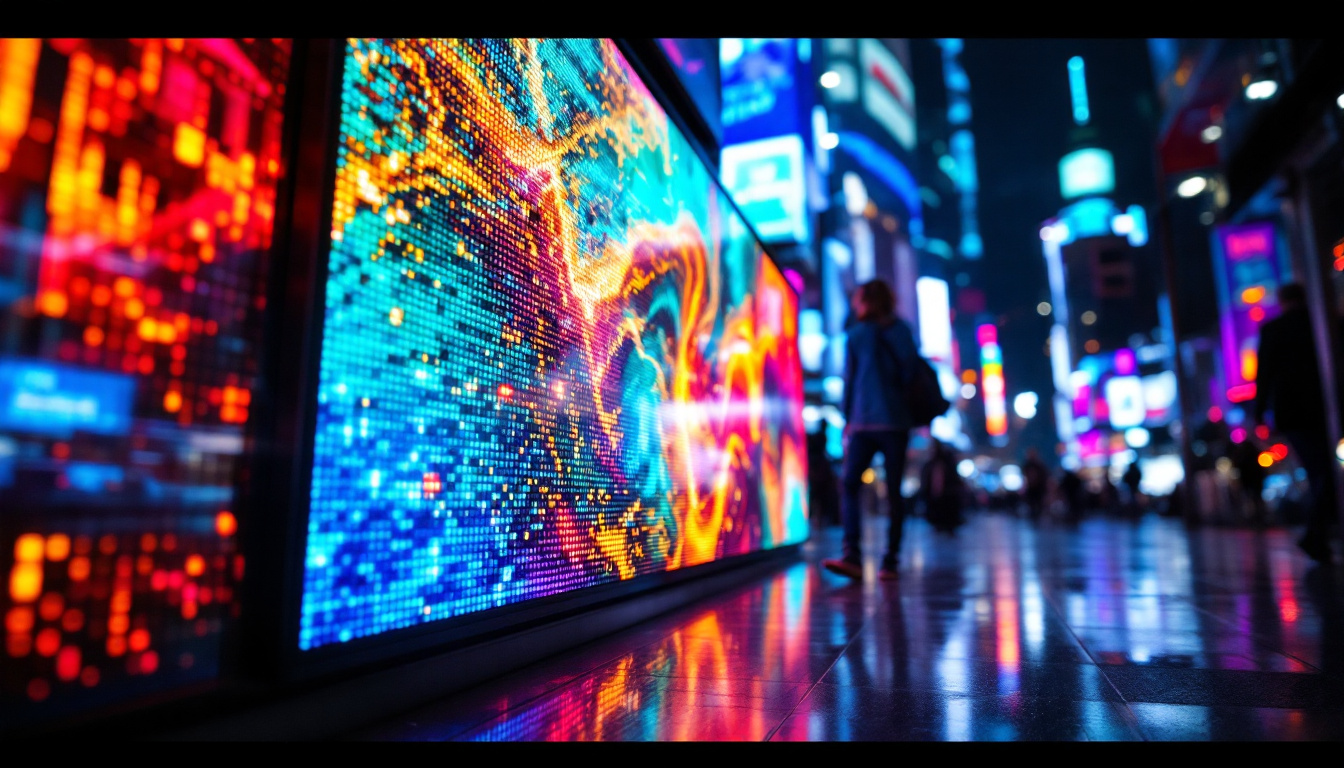
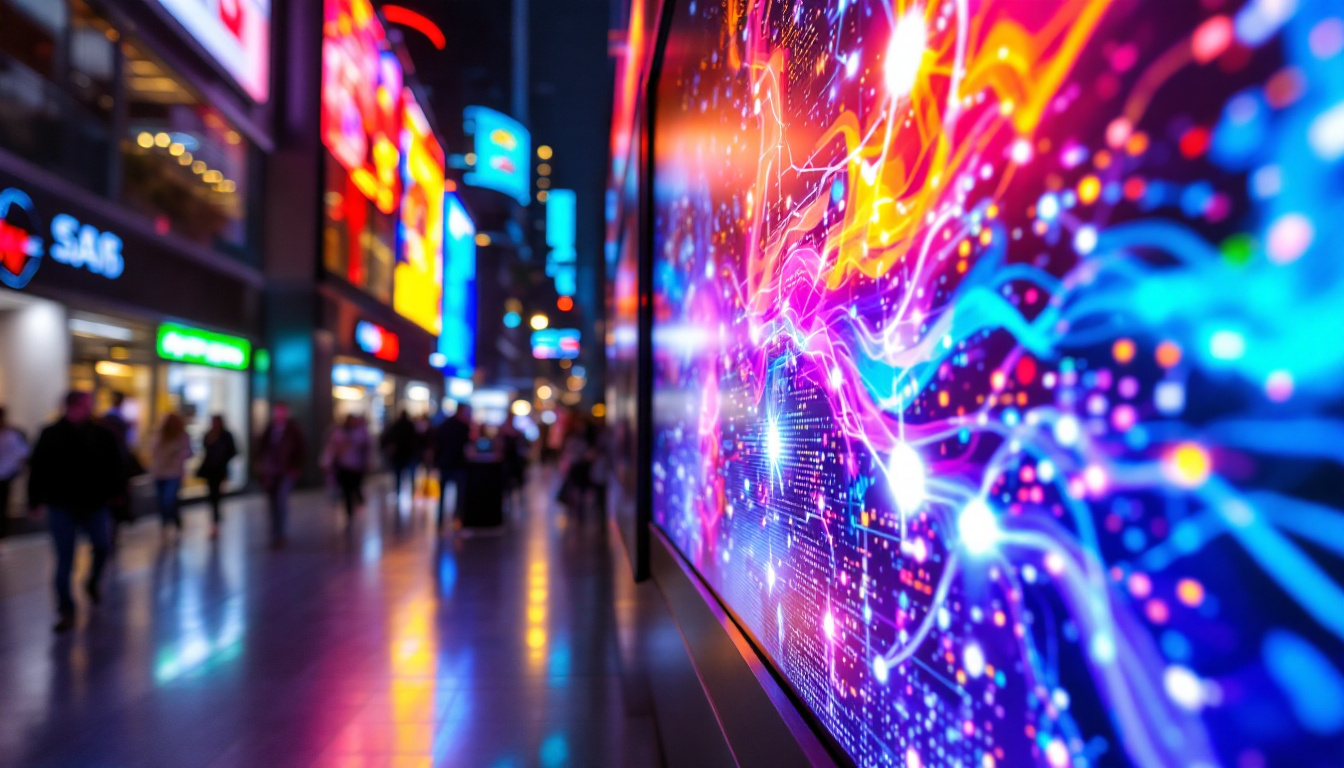
Times Square in New York City is a prime example, with numerous LED screens creating a vibrant, constantly changing advertising landscape that attracts millions of visitors annually.
Public Information and Events
Governments and municipalities use Jumbotron displays to disseminate public information, such as emergency alerts, event schedules, and community announcements. During large public gatherings or festivals, these screens help coordinate activities and ensure safety by providing clear, timely communication.
Corporate and Retail Environments
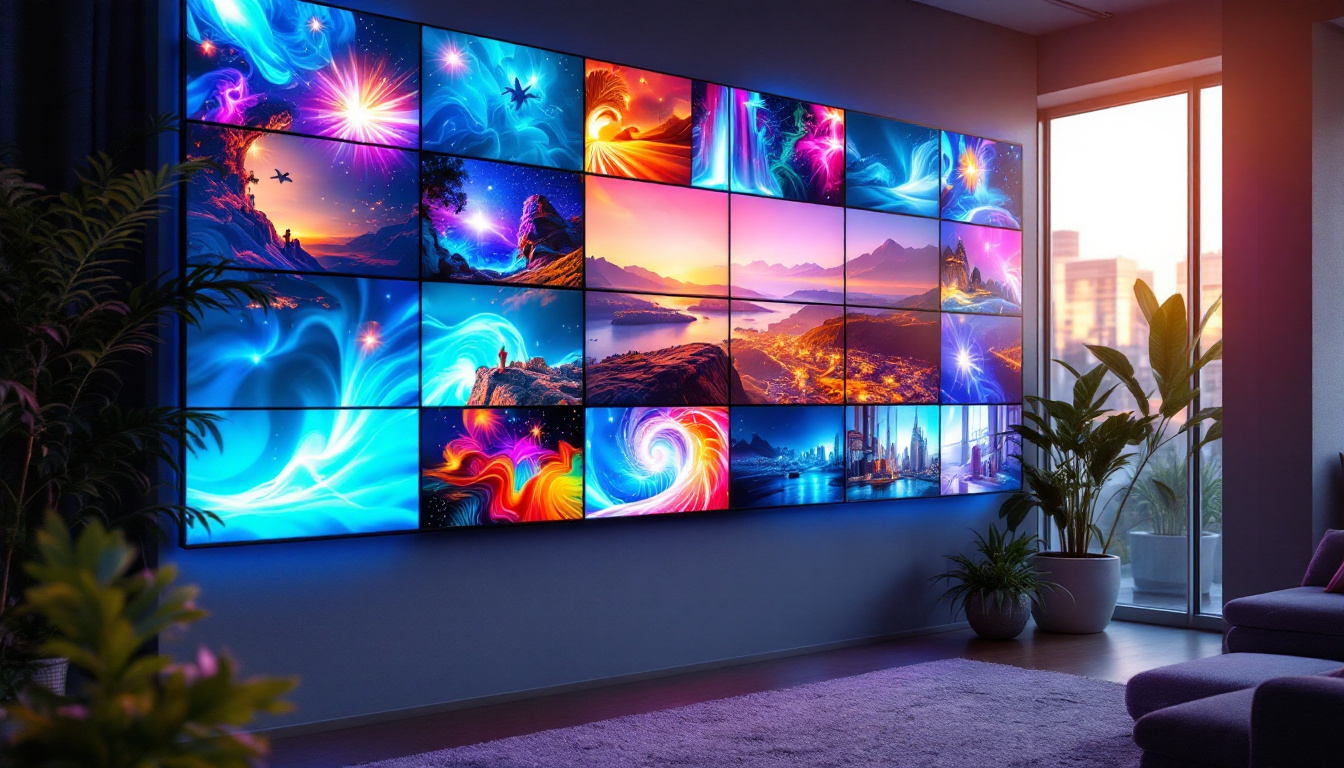
In corporate settings, Jumbotrons are used for presentations, product launches, and brand promotion. Retail centers and shopping malls deploy LED video walls to attract customers, showcase promotions, and enhance the shopping experience.
Choosing the Right Jumbotron LED Display
Selecting the ideal Jumbotron display involves balancing technical specifications, budget, and intended use. Several factors should be carefully considered to ensure optimal performance and return on investment.
Assessing Viewing Distance and Location
The viewing distance heavily influences pixel pitch and resolution requirements. For example, a Jumbotron intended for a large outdoor stadium where viewers are hundreds of meters away can use a larger pixel pitch without sacrificing image quality. Conversely, indoor venues with closer audiences demand finer pixel pitches for clarity.
Determining Brightness Needs
Understanding the ambient lighting conditions is crucial. Outdoor displays require higher brightness to combat sunlight, while indoor screens prioritize color fidelity and contrast. Some modern Jumbotrons feature automatic brightness adjustment sensors to optimize visibility and energy use.
Considering Installation and Maintenance
Installation complexity, structural support, and maintenance accessibility are practical considerations. Modular LED panels that allow for easy replacement and servicing reduce downtime and long-term costs. Additionally, selecting displays with robust warranties and support services ensures reliability.
Budget and Total Cost of Ownership
While initial costs for high-quality Jumbotrons can be substantial, factors like energy consumption, maintenance expenses, and expected lifespan should be factored into the total cost of ownership. Investing in efficient, durable technology often results in better value over time.
The Future of Jumbotron LED Displays
LED display technology continues to advance rapidly, promising exciting developments for the future of Jumbotrons.
Higher Resolution and Pixel Density
Emerging micro-LED technology enables even smaller pixel pitches, allowing for ultra-high-definition displays on massive scales. This will enhance image clarity and enable new applications, such as immersive augmented reality experiences in large venues.
Flexible and Transparent Displays
Innovations in flexible LED panels allow for curved, wrap-around, or irregularly shaped Jumbotrons, expanding design possibilities. Transparent LED displays can be integrated into glass facades, combining architectural aesthetics with dynamic content delivery.
Integration with Smart Technologies
Future Jumbotrons will increasingly incorporate AI-driven content management, real-time data integration, and interactive features. This will enable personalized advertising, crowd analytics, and enhanced engagement through mobile device connectivity.
Sustainability and Eco-Friendly Designs
As environmental concerns grow, manufacturers are focusing on reducing the carbon footprint of LED displays through recyclable materials, improved energy efficiency, and longer product lifecycles.
Conclusion
The Jumbotron, once a proprietary Sony technology, has transformed into a universal term representing large-scale LED video displays that dominate public visual communication. Understanding the underlying LED technology, key features, and practical applications is essential for anyone involved in event management, advertising, or digital signage.
With ongoing technological advancements, Jumbotron LED displays will continue to evolve, offering brighter, sharper, and more versatile solutions that captivate audiences and deliver impactful messages across diverse environments.
Whether enhancing the excitement of a live sports event, creating immersive advertising campaigns, or providing critical public information, the Jumbotron remains a powerful tool in the digital age.
Explore Cutting-Edge Jumbotron Solutions with LumenMatrix
Ready to elevate your visual communication with the latest in Jumbotron technology? LumenMatrix is at the forefront of LED display innovation, offering a wide range of solutions tailored to your needs. From Indoor and Outdoor LED Wall Displays to specialized options like Vehicle, Sports, and Floor LED Displays, our products are designed to make your brand stand out and engage your audience. Experience the future of dynamic and immersive visual experiences with LumenMatrix’s Custom, All-in-One, and Transparent LED Displays. Check out LumenMatrix LED Display Solutions today and transform your space into a captivating visual spectacle.