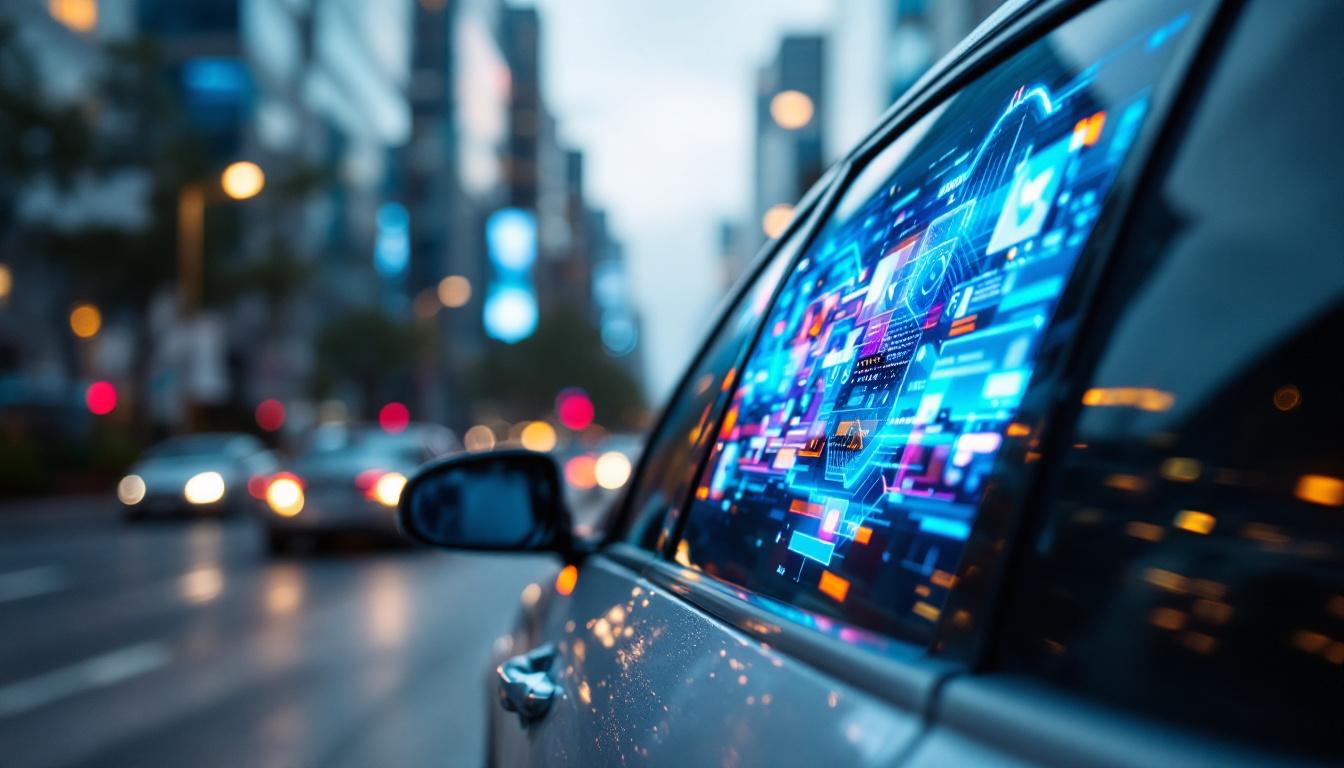
In the evolving landscape of automotive technology and advertising, car window LED displays have emerged as a powerful tool for communication and marketing. These innovative displays transform ordinary vehicle windows into dynamic screens capable of showcasing vibrant visuals, text, and animations. Whether used for advertising, public safety messages, or personal expression, LED car window displays blend technology with mobility to create impactful visual experiences.
This article explores the fundamentals of car window LED displays, their technological components, practical applications, and considerations for their use. Understanding these aspects can help businesses, fleet operators, and individual users harness the full potential of this cutting-edge display technology.
What Is a Car Window LED Display?
A car window LED display is a transparent or semi-transparent electronic screen integrated into or attached to a vehicle’s window surface. Unlike traditional billboards or static decals, these displays use light-emitting diodes (LEDs) to present dynamic content that can be updated in real-time. The technology allows for high visibility even in bright daylight, making it suitable for outdoor use on moving vehicles.
Typically, these displays consist of a matrix of tiny LED lights embedded within a flexible or rigid panel that fits over or replaces the glass window. The LEDs can emit various colors and intensities, enabling the display of text, images, videos, or animations. The transparency of the display ensures that the driver’s visibility is minimally affected, maintaining safety standards while providing a striking visual medium.
In addition to their eye-catching capabilities, car window LED displays have found applications in various sectors, including advertising, public transportation, and emergency services. For instance, ride-sharing companies can utilize these displays to promote their brand or provide real-time information to passengers, such as estimated arrival times or special offers. Furthermore, emergency vehicles can use these displays to convey critical messages to the public, enhancing communication during urgent situations.
How Does the Technology Work?
Car window LED displays operate on the principle of light emission from semiconductor diodes. Each LED acts as a pixel in the display matrix, controlled by an onboard processor or external controller. These controllers receive data from a connected device—such as a smartphone, computer, or dedicated media player—allowing users to customize the content shown.
The transparency is achieved by spacing the LEDs in a way that allows light to pass through the gaps, or by using specialized transparent LED films. This design ensures that the display does not obstruct the driver’s view, which is a critical factor for legal compliance and safety. Additionally, many modern systems incorporate advanced features such as touch sensitivity or gesture recognition, enabling users to interact with the display in innovative ways, further enhancing the user experience.
Types of Car Window LED Displays
There are several types of LED displays designed for car windows, each with unique features tailored to different needs:
- Transparent LED Film Displays: Thin, flexible films that can be applied directly to the window glass. These are lightweight and maintain high transparency.
- Rigid LED Panels: More durable and often used for larger vehicles or commercial fleets. These panels may replace the window glass entirely or be mounted inside the window frame.
- Mesh LED Displays: Featuring a net-like structure, these displays offer excellent transparency and are commonly used for rear or side windows.
Each type of display serves specific purposes and environments. For example, transparent LED film displays are particularly popular among retailers looking to create eye-catching storefronts that can also serve as advertising space. Meanwhile, rigid LED panels are favored by fleet operators who need robust solutions that withstand the rigors of daily use. Mesh LED displays, on the other hand, are ideal for applications where airflow and visibility are crucial, such as in buses or delivery vans, allowing for effective communication without compromising safety.
Applications of Car Window LED Displays
The versatility of car window LED displays has opened up diverse applications across industries and individual use cases. Their ability to deliver targeted, eye-catching messages on the move makes them highly valuable for marketing, safety, and communication.
Advertising and Marketing
One of the most popular uses of car window LED displays is in mobile advertising. Businesses leverage these displays to promote products, services, or events while vehicles navigate through urban areas or park in high-traffic locations.
According to recent market research, mobile advertising using vehicle-mounted digital displays can increase brand recall by up to 47% compared to static signage. This is because moving displays attract more attention and can be updated instantly to reflect new promotions or messages.
For example, ride-sharing companies, food delivery services, and local retailers often use LED displays on their vehicles to advertise special offers or brand messaging, turning every trip into a marketing opportunity.
Public Safety and Emergency Messaging
Government agencies and emergency services have also adopted car window LED displays to communicate critical information quickly. These displays can broadcast real-time alerts, traffic updates, or safety warnings, especially during emergencies or public events.
For instance, police vehicles equipped with LED window displays can show messages such as “Accident Ahead,” “Road Closed,” or “Evacuate Area” to inform drivers and pedestrians effectively. This capability enhances situational awareness and helps manage traffic flow during incidents.
Personal and Creative Expression
Beyond commercial and public service uses, car window LED displays offer a novel way for individuals to express themselves. Custom messages, festive greetings, or artistic animations can be displayed, turning vehicles into moving canvases.
This trend has gained popularity among car enthusiasts and social media influencers who use LED displays to personalize their vehicles or engage audiences during events and parades.
Key Benefits of Car Window LED Displays
Understanding the advantages of car window LED displays can help potential users evaluate their suitability and maximize their impact.
High Visibility and Engagement
LED displays are known for their brightness and clarity, making them visible even in direct sunlight. This high visibility ensures that messages reach a wide audience, increasing engagement and effectiveness.
Dynamic content such as animations or scrolling text further captures attention compared to static signs, making LED displays a preferred choice for impactful communication.
Flexibility and Real-Time Updates
Unlike traditional signage, LED displays can be updated instantly via wireless connections or USB interfaces. This flexibility allows users to change messages according to time of day, location, or specific campaigns without additional printing or installation costs.
Space Efficiency and Mobility
By utilizing existing vehicle windows, LED displays provide advertising or communication space without requiring additional structures. The mobility of vehicles means messages can reach diverse audiences across different locations, enhancing reach and frequency.
Energy Efficiency and Durability
Modern LED technology is energy-efficient, consuming minimal power from the vehicle’s electrical system or dedicated batteries. Additionally, LED displays are durable and weather-resistant, capable of withstanding outdoor conditions such as rain, dust, and temperature fluctuations.
Considerations and Challenges
While car window LED displays offer numerous benefits, there are important considerations and challenges that users must address to ensure safe and effective deployment.
Legal and Regulatory Compliance
Laws governing vehicle modifications and advertising vary widely by region. Some jurisdictions impose restrictions on the brightness, color, or content of LED displays on vehicles to prevent driver distraction or confusion.
For example, flashing red or blue lights may be prohibited except for authorized emergency vehicles. Similarly, displays should not obstruct the driver’s view or violate privacy regulations.
It is essential for users to research local regulations and obtain necessary permits before installing LED displays on car windows.
Driver Safety and Visibility
Maintaining clear visibility through windows is critical for driver safety. LED displays must be designed to ensure transparency and avoid obstructing the driver’s line of sight. Improper installation or overly dense LED matrices can create blind spots or glare.
Manufacturers often incorporate safety features such as automatic dimming, adjustable brightness, and transparent designs to mitigate these risks.
Installation and Maintenance
Proper installation is crucial to ensure the display’s durability and functionality. Depending on the type of display, professional installation may be required to integrate the system with the vehicle’s power supply and control units.
Regular maintenance, including cleaning and software updates, is necessary to keep the display operating optimally and to prevent damage from environmental exposure.
Future Trends in Car Window LED Displays
The car window LED display market is poised for growth as technology advances and demand for mobile digital communication increases. Several emerging trends are shaping the future of this innovative display medium.
Integration with Smart Vehicle Systems
As vehicles become increasingly connected and autonomous, LED displays are expected to integrate with onboard systems to provide contextual messaging. For example, displays could show navigation prompts, hazard warnings, or personalized advertisements based on location data and vehicle status.
Enhanced Interactivity and AI-driven Content
Future LED displays may incorporate touch sensitivity or gesture recognition, allowing passersby to interact with the content. Artificial intelligence could also enable dynamic content generation tailored to audience demographics or real-time environmental factors.
Eco-friendly and Sustainable Designs
With growing emphasis on sustainability, manufacturers are developing LED displays using recyclable materials and low-energy components. Solar-powered systems and energy harvesting technologies may further reduce the environmental footprint of mobile displays.
Conclusion
Car window LED displays represent a transformative technology that combines mobility, visibility, and digital communication in a compact, versatile form. Their applications span advertising, public safety, and personal expression, offering unprecedented opportunities for dynamic messaging on the move.
However, successful adoption requires careful consideration of legal regulations, safety standards, and technical requirements. As technology evolves, these displays will become smarter, more interactive, and more sustainable, solidifying their role in the future of automotive communication.
For businesses and individuals seeking innovative ways to engage audiences and convey messages, car window LED displays offer a compelling, high-impact solution that is both practical and visually striking.
Discover LumenMatrix’s Innovative LED Display Solutions
Ready to elevate your messaging with the latest in LED display technology? LumenMatrix offers a comprehensive range of LED display solutions tailored to meet your needs, from vehicle displays that captivate on the move to dynamic indoor and outdoor signage. Experience the future of visual communication with our state-of-the-art displays designed to engage and captivate your audience. Check out LumenMatrix LED Display Solutions today and transform how you share your message with the world.