Different LCD and LED: LED Display Explained
In the world of modern display technology, terms like LCD and LED are often used interchangeably, leading to confusion among consumers and even some professionals. While both technologies play crucial roles in the screens we use daily—from televisions to smartphones and computer monitors—their underlying principles and performance characteristics differ significantly. This article delves into the distinctions between LCD and LED displays, explains how LED technology works, and explores the implications for consumers and industries alike.
Understanding LCD Technology
What Is an LCD?
LCD stands for Liquid Crystal Display. It is a flat-panel display technology that uses liquid crystals to modulate light and produce images. Unlike older cathode ray tube (CRT) displays, LCDs are thinner, lighter, and more energy-efficient, making them ideal for a wide range of applications.
At its core, an LCD panel consists of several layers: two polarized glass panels, a layer of liquid crystals sandwiched between them, and a backlight source. The liquid crystals themselves do not emit light; instead, they control the passage of light from the backlight by twisting and aligning in response to electric currents. This process allows each pixel to display varying intensities of light, creating the images we see on the screen. The resolution of an LCD, which is often expressed in pixels, determines the clarity and detail of the images displayed. Higher resolutions provide more pixels per inch, resulting in sharper images and a more immersive viewing experience.
Furthermore, LCD technology has evolved significantly since its inception. The introduction of in-plane switching (IPS) and twisted nematic (TN) panels has allowed for improvements in color reproduction and viewing angles. IPS panels, in particular, are favored for their ability to maintain color accuracy and consistency from wide viewing angles, making them ideal for graphic design and professional applications where precise color representation is crucial.
Backlighting in LCDs
Since liquid crystals cannot emit light, LCDs require an external light source known as the backlight. Early LCDs used cold cathode fluorescent lamps (CCFLs) for backlighting, which were bulky and consumed more power. Modern LCDs have largely replaced CCFLs with LED backlights, which are thinner, more energy-efficient, and capable of producing better brightness and contrast.
This shift to LED backlighting is a key reason why many consumers associate the term “LED display” with LCD technology, even though the display panel itself remains an LCD. This distinction is critical to understand when comparing different types of displays. Moreover, the use of local dimming technology in LED backlights allows for improved contrast ratios by selectively dimming or brightening specific areas of the screen, enhancing the overall picture quality. This advancement is particularly beneficial for watching movies or playing video games, where dark scenes can appear more detailed and vibrant.
Additionally, the development of edge-lit and direct-lit LED backlighting has further diversified the market. Edge-lit displays utilize LEDs positioned along the edges of the screen, allowing for slimmer designs, while direct-lit displays feature a grid of LEDs behind the screen for more uniform brightness. As a result, consumers can choose from a variety of options that best suit their needs, whether it be for casual viewing or professional use.
What Is an LED Display?
Defining LED Displays
LED stands for Light Emitting Diode. Unlike LCDs, which rely on a backlight, LED displays use individual diodes that emit their own light. This fundamental difference means that LED displays can offer superior brightness, contrast, and color accuracy compared to traditional LCDs.
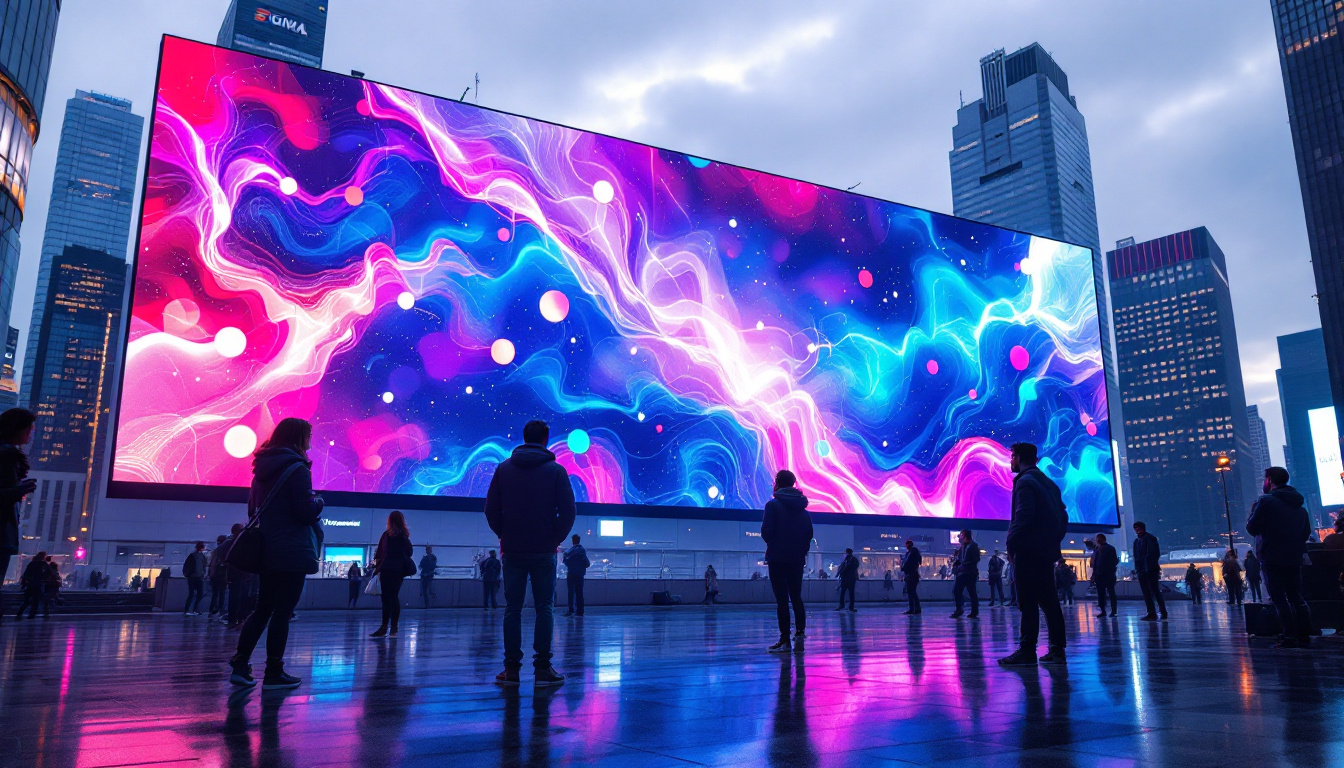
There are two main categories of LED displays: direct-view LED displays and LED-backlit LCDs. Direct-view LED displays, commonly used in large outdoor screens and video walls, consist of thousands or millions of tiny LEDs arranged in a grid. Each LED acts as a pixel, producing light and color independently. This setup allows for extremely high brightness and excellent visibility even in direct sunlight.
Types of LED Displays
Direct-view LED displays can be further divided into:
- RGB LED Displays: These use red, green, and blue LEDs to create full-color images. Each pixel is composed of three LEDs, enabling vibrant and accurate color reproduction.
- Monochrome LED Displays: Often used for simpler applications like digital signage or scoreboards, these displays use LEDs of a single color.
On the other hand, LED-backlit LCDs use LEDs solely as a backlight source behind an LCD panel. This hybrid approach combines the liquid crystal modulation of LCDs with the energy efficiency and brightness of LEDs.
Key Differences Between LCD and LED Displays
Light Source and Image Production
The most fundamental difference lies in the light source. LCDs rely on an external backlight, which can be CCFL or LED, to illuminate the screen. The liquid crystals then control how much light passes through each pixel. In contrast, direct-view LED displays have self-emissive pixels that generate light independently.
This distinction affects image quality. Self-emissive LED displays can achieve true blacks by turning off individual LEDs, leading to higher contrast ratios. LCDs, even with LED backlighting, often struggle with light bleed and lower contrast because the backlight is always on.
Brightness and Visibility
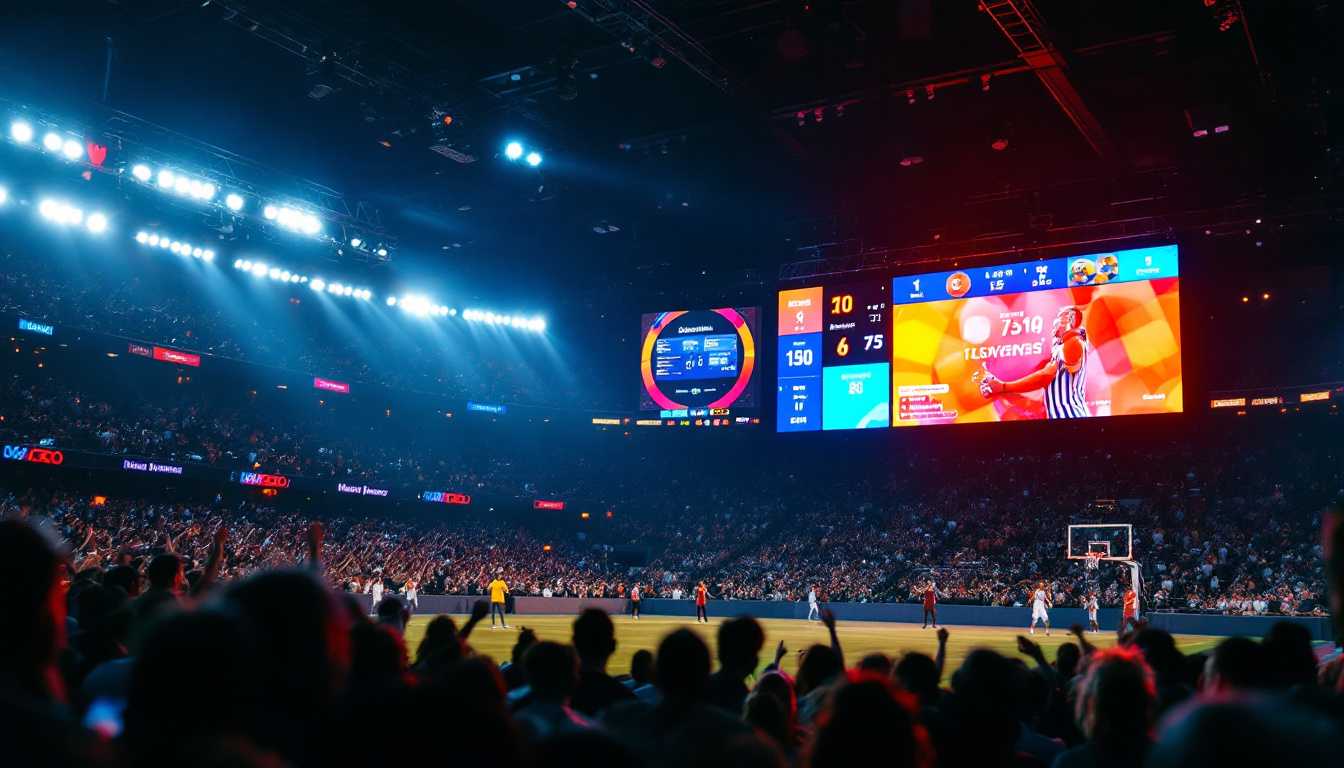
Direct-view LED displays excel in brightness, often reaching over 1,000 nits and sometimes exceeding 5,000 nits for outdoor applications. This makes them highly visible in daylight conditions, which is why they are popular for billboards, stadium screens, and public information displays.
LCDs with LED backlights typically offer brightness levels between 250 and 500 nits, suitable for indoor environments but less effective in direct sunlight.
Energy Efficiency and Lifespan
LED technology is generally more energy-efficient than CCFL backlighting, contributing to lower power consumption in LED-backlit LCDs. Direct-view LED displays also benefit from energy savings because individual LEDs can be turned off when displaying black or dark scenes.
In terms of lifespan, LEDs have a long operational life, often exceeding 50,000 hours. However, the longevity of an LED display depends on factors such as usage patterns, environmental conditions, and maintenance.
Color Accuracy and Viewing Angles
Direct-view LED displays typically provide superior color accuracy and wider viewing angles compared to LCDs. This is because each LED emits light directly, reducing issues like color shifting or dimming when viewed from the side.
LCDs can suffer from limited viewing angles and color distortion, although advancements like In-Plane Switching (IPS) panels have improved these aspects significantly.
Applications and Use Cases
Where LCDs Excel
LCD technology remains dominant in consumer electronics such as televisions, computer monitors, laptops, tablets, and smartphones. The technology’s ability to deliver high resolution, good color reproduction, and thin form factors at relatively low cost makes it ideal for these applications.
Additionally, LED-backlit LCDs have become the standard in most modern displays, combining the benefits of LED illumination with the versatility of liquid crystal modulation.
Where Direct-View LED Displays Shine
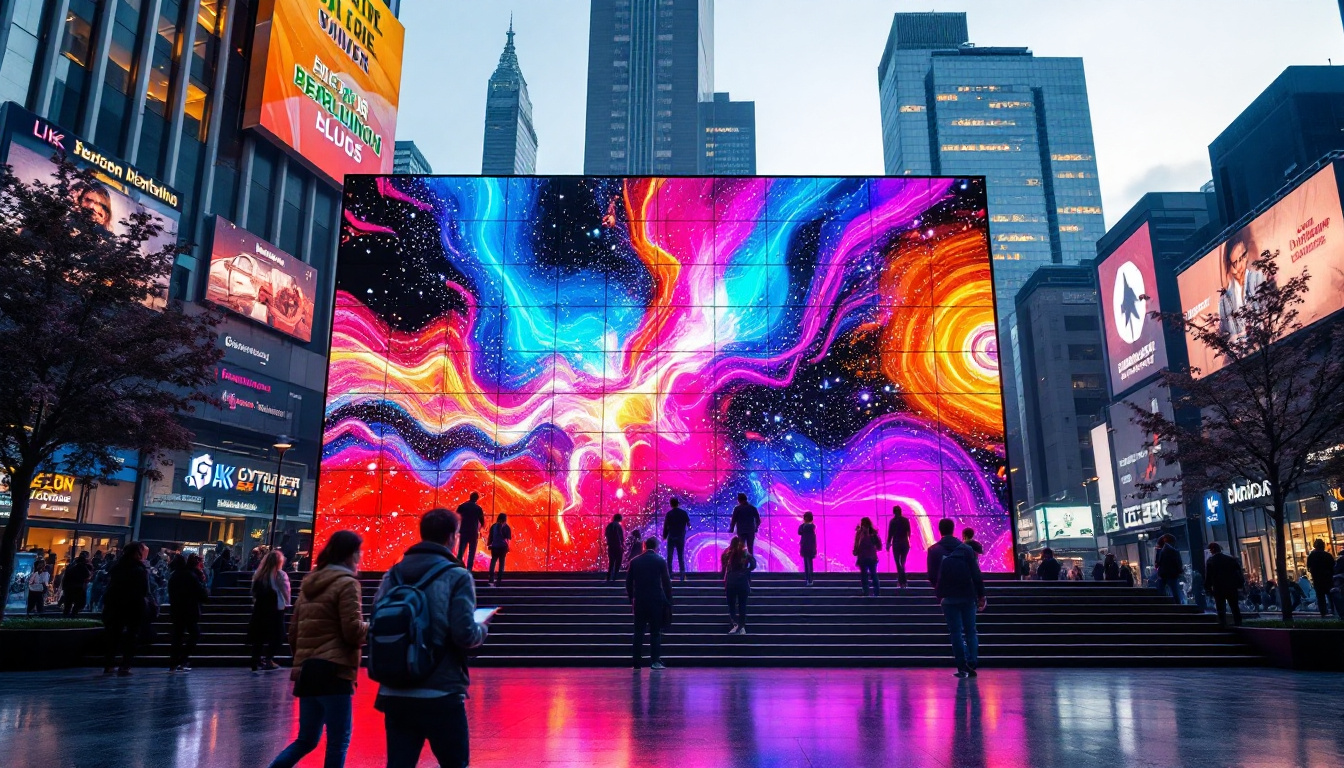
Direct-view LED displays are preferred for large-format applications requiring high brightness and durability. Examples include:
- Outdoor advertising billboards
- Sports stadium scoreboards and video screens
- Concert and event backdrops
- Transportation hubs and public information displays
The scalability of LED panels enables the creation of massive screens with seamless image quality, which is difficult to achieve with LCD technology.
Recent Innovations in LED and LCD Technologies
Mini-LED and Micro-LED
Recent advancements have blurred the lines between traditional LCD and LED displays. Mini-LED technology uses thousands of tiny LEDs as a backlight for LCD panels, allowing for more precise local dimming and improved contrast ratios. This approach offers many benefits of direct-view LED displays while retaining the cost advantages of LCD manufacturing.
Micro-LED technology takes this further by using microscopic LEDs as individual pixels, creating self-emissive displays with exceptional brightness, contrast, and energy efficiency. Though still emerging, Micro-LED promises to revolutionize display technology across multiple sectors.
Quantum Dot Enhancement
Quantum dot technology has been integrated into LCD panels to enhance color accuracy and brightness. These nanoscale semiconductor particles emit pure, tunable colors when excited by light, improving the overall picture quality of LED-backlit LCDs.
Choosing the Right Display: What Consumers Should Know
Assessing Your Needs
When selecting a display, understanding the differences between LCD and LED technologies is essential. For everyday use in homes and offices, LED-backlit LCDs provide excellent performance at reasonable prices.
However, if the application demands high brightness, wide viewing angles, or large-scale displays, direct-view LED technology is the better choice. For example, a retailer looking to install a digital billboard will benefit from the durability and visibility of LED displays.
Budget Considerations
Cost remains a significant factor. Traditional LCDs with LED backlighting are generally more affordable due to mature manufacturing processes and economies of scale. Direct-view LED displays, especially large or high-resolution models, can be considerably more expensive upfront but may offer better long-term value for commercial applications.
Future-Proofing Your Investment
Emerging technologies like Mini-LED and Micro-LED are gradually becoming more accessible. Consumers interested in cutting-edge performance should watch for these innovations, which promise improved image quality and energy efficiency.
Conclusion
While the terms LCD and LED are often used interchangeably, understanding their differences is crucial for making informed decisions about display technology. LCDs utilize liquid crystals and require a backlight, often provided by LEDs, whereas direct-view LED displays are self-emissive and offer superior brightness and contrast.
Both technologies have distinct advantages and ideal use cases. LCDs dominate consumer electronics due to their cost-effectiveness and versatility, while LED displays excel in large-scale, high-brightness environments. Innovations like Mini-LED and Micro-LED are further enhancing display performance, signaling an exciting future for visual technology.
By grasping these concepts, consumers and businesses can better navigate the evolving landscape of display options and select the technology that best fits their needs.
Discover the Future of LED Displays with LumenMatrix
Ready to experience the ultimate in display technology? LumenMatrix is at the forefront of LED innovation, offering a wide array of advanced LED display solutions that cater to your unique needs. From vibrant Indoor LED Walls to dynamic Outdoor LED Displays, and from versatile Vehicle LED Displays to sleek LED Poster Displays, our products are designed to captivate and engage. Embrace the future with our LED Sports Displays, interactive Floor LED Displays, or the customization possibilities of our Custom LED Displays. For a seamless integration, explore our All-in-One LED Display options or the stunning clarity of LED Transparent Displays. Elevate your visual communication and make a lasting impression with LumenMatrix. Check out LumenMatrix LED Display Solutions and transform your space today.