In the ever-evolving landscape of advertising, businesses constantly seek innovative ways to capture audience attention. Mobile vehicle advertising, especially utilizing LED displays, has emerged as a dynamic and effective medium. This article delves into the world of mobile vehicle advertising with LED technology, exploring its benefits, technical aspects, and practical applications to provide a comprehensive understanding of this marketing approach.
Understanding Mobile Vehicle Advertising
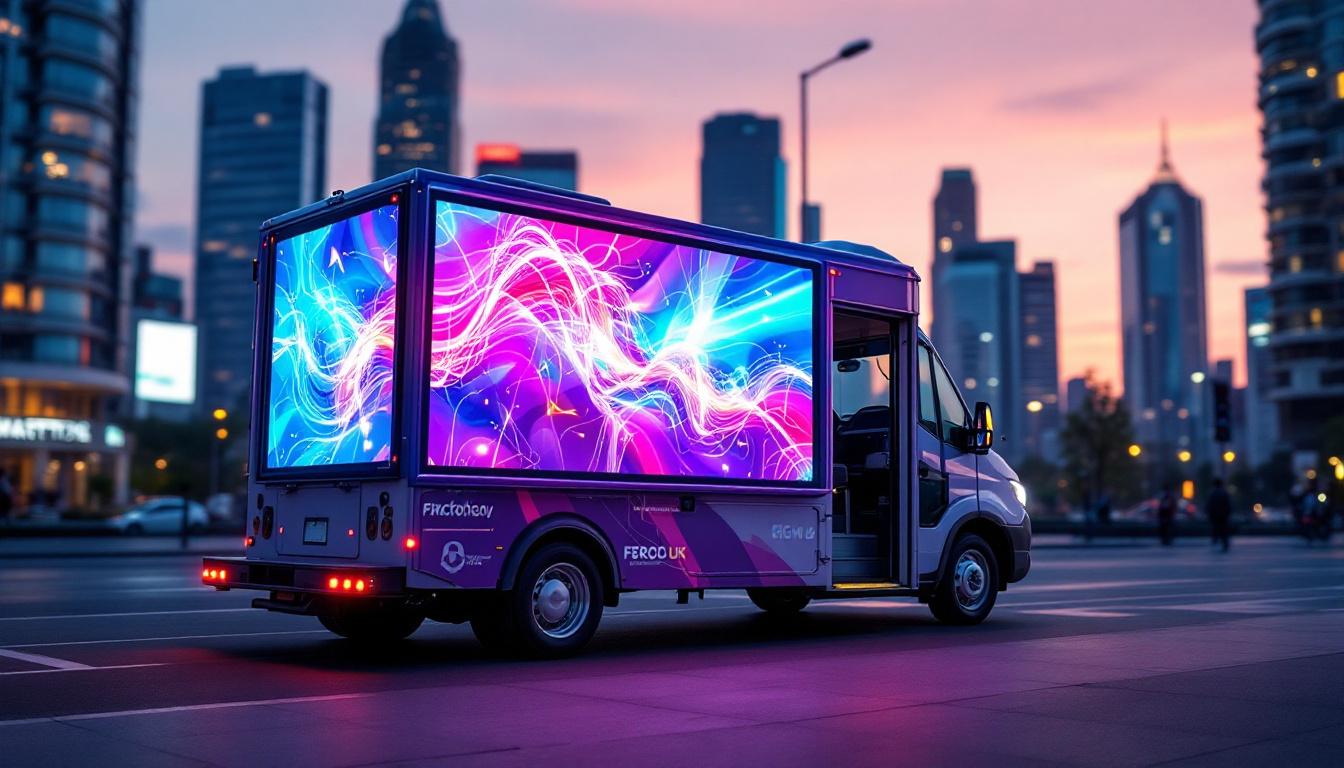
Mobile vehicle advertising refers to the practice of using vehicles as moving billboards to promote products, services, or brands. Traditionally, this involved static vinyl wraps or magnetic signs placed on cars, trucks, or buses. However, with advancements in digital technology, LED displays have revolutionized this space, allowing for dynamic, eye-catching advertisements that can be updated in real-time.
The mobility of vehicles combined with the vibrant and flexible nature of LED screens creates a powerful advertising tool. Unlike stationary billboards, mobile vehicle ads can reach diverse audiences across different locations, maximizing exposure and engagement. This flexibility is particularly beneficial for businesses looking to target specific demographics or events, as they can strategically plan routes to ensure their ads are seen by the right people at the right time.
The Rise of LED Displays in Vehicle Advertising
LED (Light Emitting Diode) technology has transformed many industries, including advertising. Its application in mobile vehicles offers several advantages over traditional static ads. LED displays are bright, energy-efficient, and capable of showcasing high-resolution images and videos, making the advertisements more engaging and memorable. These displays can also incorporate animations and interactive elements, further enhancing viewer engagement and retention.
According to a 2023 report by Grand View Research, the global digital signage market, which includes LED displays, is expected to grow at a compound annual growth rate (CAGR) of over 8% through 2030. This growth is driven by increased demand for dynamic and interactive advertising solutions, highlighting the rising popularity of LED vehicle displays. Additionally, the ability to tailor content based on real-time data—such as time of day, weather conditions, or even audience demographics—means that advertisers can create highly relevant and timely messages that resonate with viewers. As a result, businesses are increasingly investing in mobile vehicle advertising as a key component of their marketing strategies, recognizing its potential to drive brand awareness and customer engagement in an ever-competitive marketplace.
Key Benefits of Using LED Displays for Mobile Vehicle Advertising
Enhanced Visibility and Engagement
One of the primary advantages of LED displays on vehicles is their superior visibility. LED screens are bright enough to be seen clearly in various lighting conditions, including direct sunlight and nighttime. This ensures that advertisements are effective 24/7, significantly increasing the chances of catching a potential customer’s eye.
Moreover, the ability to display animated content or videos makes the ads more captivating compared to static images. Movement naturally draws attention, and vibrant colors can evoke emotions and reinforce brand recognition.
Flexibility and Real-Time Updates
Unlike static vehicle wraps that require physical replacement to change the message, LED displays allow advertisers to update content remotely and instantly. This flexibility is invaluable for campaigns that require timely promotions, event announcements, or location-specific offers.
For example, a food truck using an LED display can advertise daily specials or limited-time deals, adjusting the content based on inventory or customer preferences. Similarly, political campaigns can tailor messages to different neighborhoods throughout the day, optimizing outreach efforts.
Cost-Effectiveness Over Time
While the initial investment in LED display technology may be higher than traditional vehicle wraps, the long-term benefits often outweigh the costs. The ability to change advertisements digitally eliminates recurring printing and installation expenses. Additionally, LED screens are durable and energy-efficient, reducing maintenance and operational costs.
Studies indicate that mobile advertising with LED displays can generate a return on investment (ROI) that is 3 to 5 times higher than conventional static ads, particularly when campaigns leverage dynamic content and strategic routing.
Technical Aspects of LED Displays on Vehicles
Types of LED Displays Suitable for Vehicles
When selecting LED displays for mobile vehicle advertising, several factors come into play, including size, resolution, brightness, and durability. The most common types used on vehicles are:
- Flexible LED Screens: These can conform to curved surfaces, ideal for wrapping around vehicle contours without compromising image quality.
- Modular LED Panels: Composed of smaller panels that can be assembled in various configurations, allowing customization of screen size and shape.
- Transparent LED Displays: These allow for advertising without obstructing the driver’s view, often used on windows or windshields.
Each type offers unique advantages depending on the vehicle type and advertising goals. For example, buses and trucks benefit from larger modular panels, while cars and vans might use flexible or transparent screens for better integration.
Brightness and Resolution Considerations
Brightness is crucial for outdoor visibility. LED screens on vehicles typically offer brightness levels ranging from 3,000 to 8,000 nits, ensuring clear visibility even in direct sunlight. Higher brightness levels also enhance color vibrancy and contrast, making the advertisement more striking.
Resolution impacts the clarity and detail of the displayed content. While high resolution is desirable, it must be balanced with screen size and viewing distance. For mobile vehicle advertising, pixel pitches between 4mm and 10mm are common, providing a good balance between image quality and cost.
Power Supply and Installation Challenges
Powering LED displays on moving vehicles requires careful planning. Most mobile LED systems use rechargeable batteries or connect to the vehicle’s electrical system. Battery-powered setups offer flexibility but require regular charging and monitoring.
Installation must ensure that the display is securely mounted to withstand vibrations and weather conditions without obstructing the driver’s view or vehicle operation. Professional installation is recommended to comply with safety regulations and optimize performance.
Practical Applications and Case Studies
Retail and Food Industry
Retailers and food vendors have embraced mobile LED advertising to attract customers in crowded urban environments. For instance, a clothing brand might use LED-equipped vans to showcase new collections while driving through shopping districts. Food trucks can dynamically advertise menu items and promotions, increasing foot traffic and sales.
A notable example is a popular coffee chain that deployed LED screens on delivery vehicles to promote seasonal beverages. This campaign resulted in a 20% increase in store visits in targeted neighborhoods, demonstrating the effectiveness of mobile LED advertising in driving consumer behavior.
Event Promotion and Entertainment
Concerts, festivals, and sporting events benefit from mobile LED advertising by creating buzz and increasing ticket sales. Vehicles equipped with LED displays can circulate near event venues or high-traffic areas, displaying schedules, artist lineups, and ticket information.
For example, a major music festival used LED trucks to promote its lineup across multiple cities in the weeks leading up to the event. The dynamic content and strategic routing helped boost ticket sales by 15% compared to previous years.
Political and Public Awareness Campaigns
Political campaigns and public service announcements leverage mobile LED displays to reach diverse audiences efficiently. The ability to update messages quickly allows for responsiveness to current events and targeted communication.
During recent elections, several candidates used LED-equipped vehicles to broadcast speeches, slogans, and voting information in real-time. This approach increased visibility and engagement, especially in areas with limited access to traditional media.
Challenges and Considerations in Mobile LED Advertising
Regulatory Compliance and Safety
Advertising on moving vehicles is subject to local regulations concerning size, brightness, and content. Some jurisdictions impose restrictions on flashing or animated ads to prevent driver distraction. It is essential for advertisers to understand and comply with these rules to avoid fines and ensure public safety.
Additionally, installation and operation must prioritize the driver’s visibility and vehicle safety. LED displays should not obstruct windows or mirrors, and wiring must be secure to prevent hazards.
Technical Limitations and Maintenance
Despite their advantages, LED displays can face technical challenges such as screen damage from road debris, weather exposure, and vibration. Regular maintenance and protective measures are necessary to maintain optimal performance.
Battery life and power management also require attention, especially for long-duration campaigns. Advertisers must plan for charging cycles and potential downtime to avoid gaps in advertising.
Cost and Return on Investment
While LED vehicle advertising offers strong ROI potential, initial costs can be a barrier for small businesses. The price of high-quality LED screens, installation, and maintenance may be significant. However, strategic planning, content optimization, and targeting can maximize the effectiveness of campaigns, justifying the investment.
Future Trends in Mobile Vehicle LED Advertising
Integration with Smart Technologies
The future of mobile LED advertising is closely linked with smart technology integration. Advances in IoT (Internet of Things) allow LED displays to interact with mobile devices, enabling personalized and location-based advertising. For example, vehicles could detect nearby smartphones and tailor messages accordingly, enhancing relevance and engagement.
Use of Artificial Intelligence and Data Analytics
Artificial intelligence (AI) can optimize content delivery by analyzing traffic patterns, audience demographics, and engagement metrics. This data-driven approach enables advertisers to schedule and customize ads for maximum impact, improving campaign efficiency and ROI.
Eco-Friendly and Sustainable Solutions
As sustainability becomes a priority, LED vehicle advertising is evolving to incorporate eco-friendly materials and energy sources. Solar-powered LED displays and recyclable components are gaining traction, aligning advertising practices with environmental responsibility.
Conclusion
Mobile vehicle advertising using LED displays represents a compelling blend of mobility, technology, and creativity. Its ability to deliver vibrant, dynamic content to diverse audiences makes it an attractive option for businesses and organizations seeking innovative marketing solutions. While challenges exist, careful planning, compliance with regulations, and leveraging emerging technologies can unlock significant benefits.
As the advertising landscape continues to evolve, LED-equipped vehicles will likely play an increasingly prominent role, offering unparalleled flexibility and engagement opportunities. For marketers aiming to stand out in crowded markets, investing in mobile LED advertising is a forward-thinking strategy worth considering.
Illuminate Your Brand with LumenMatrix
Ready to electrify your advertising strategy and illuminate the streets with your message? LumenMatrix is at the forefront of LED display innovation, offering a diverse range of solutions tailored to make your brand shine. From eye-catching Vehicle LED Displays to immersive Indoor and Outdoor LED Wall Displays, our technology is designed to captivate and engage audiences wherever they are. Discover the transformative power of our LED Poster Displays, LED Sports Displays, and more, each crafted to deliver your content with vibrancy and precision. Embrace the future of visual communication with LumenMatrix and Check out LumenMatrix LED Display Solutions today to see how we can help your business make a lasting impression.