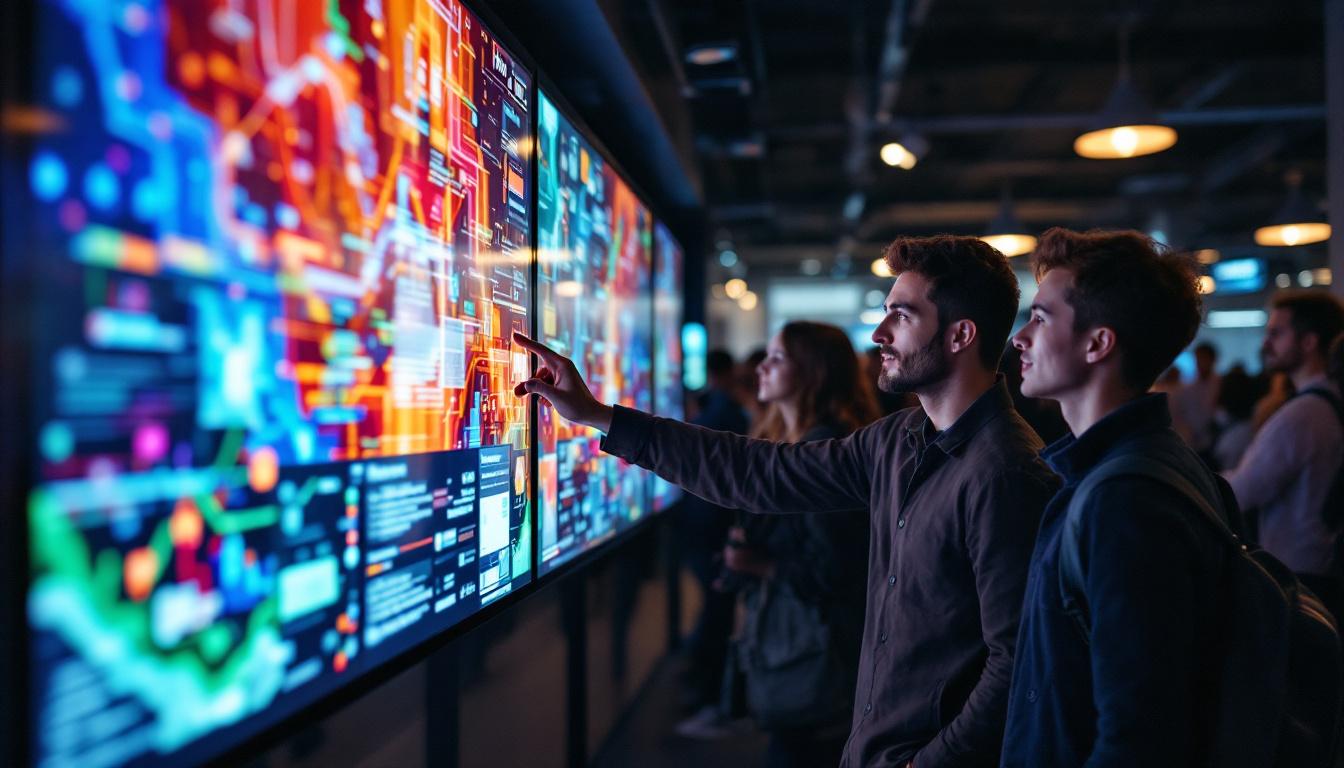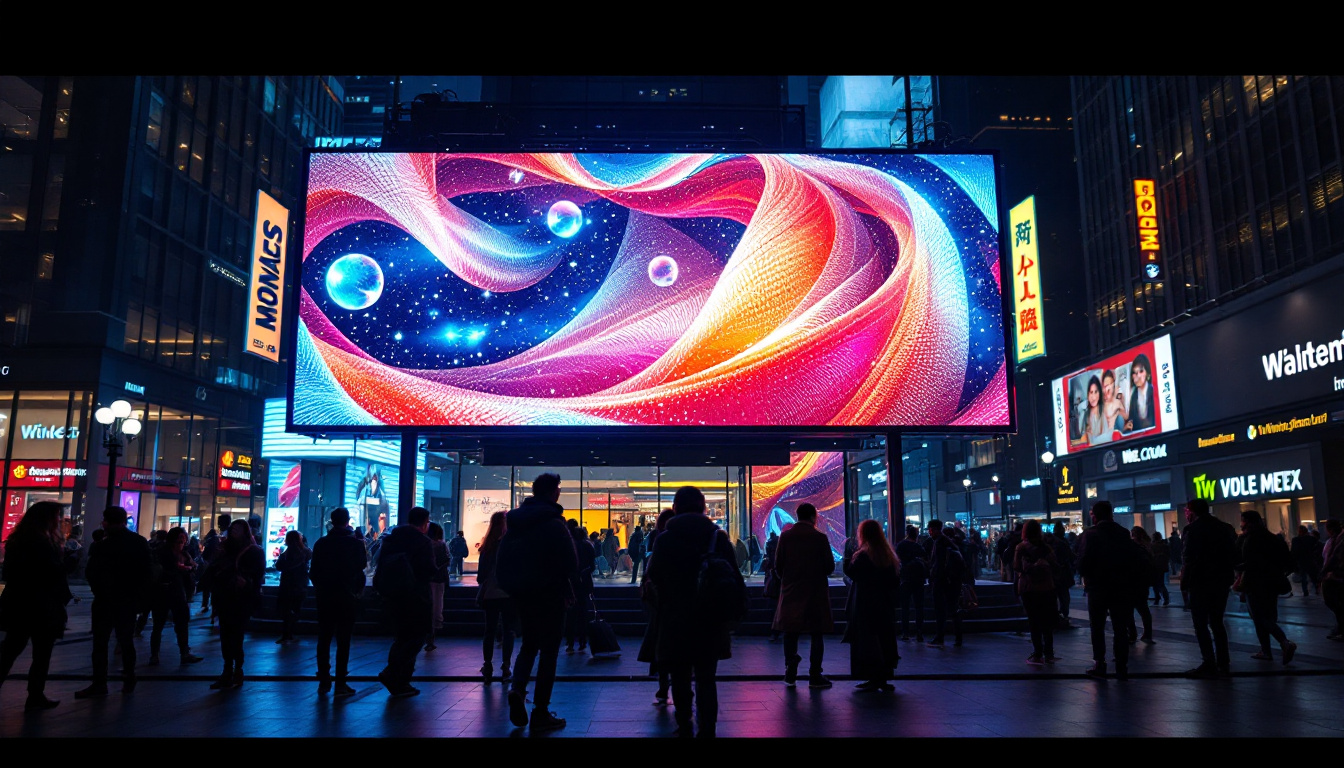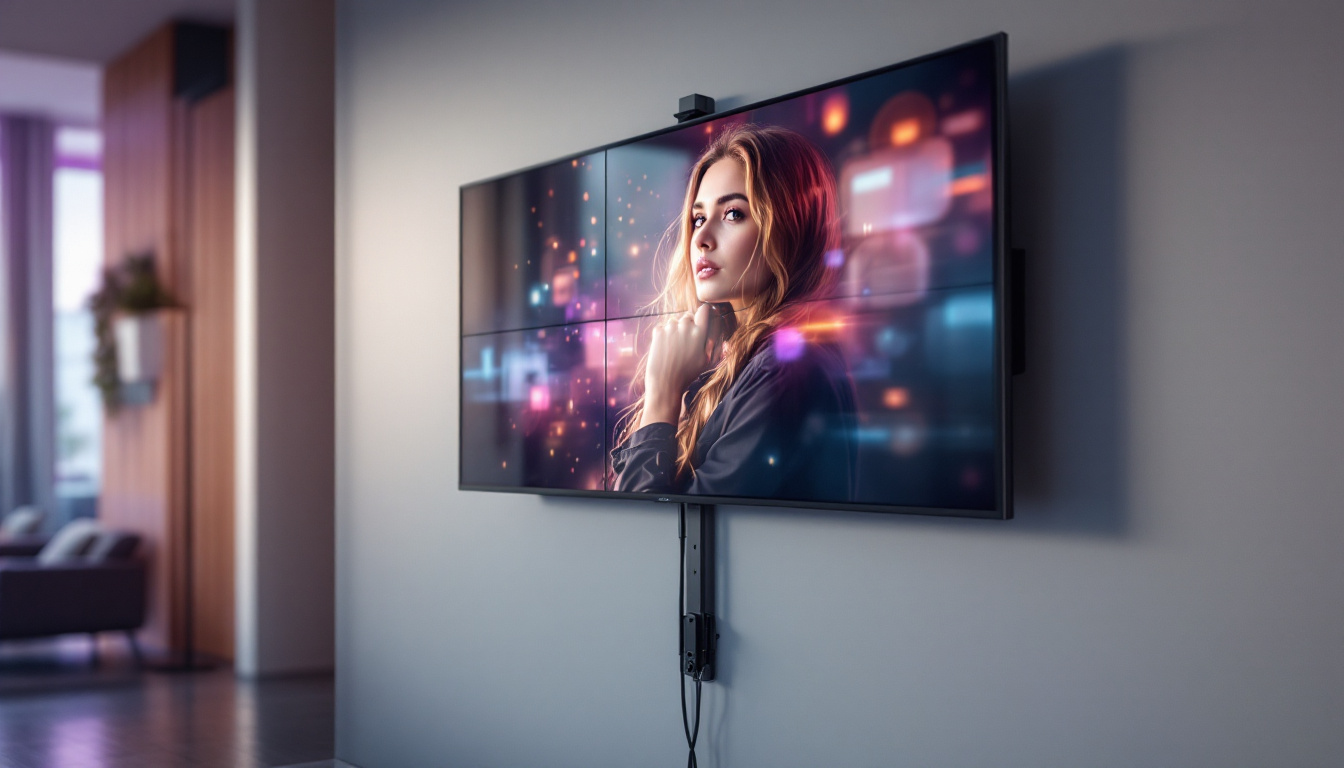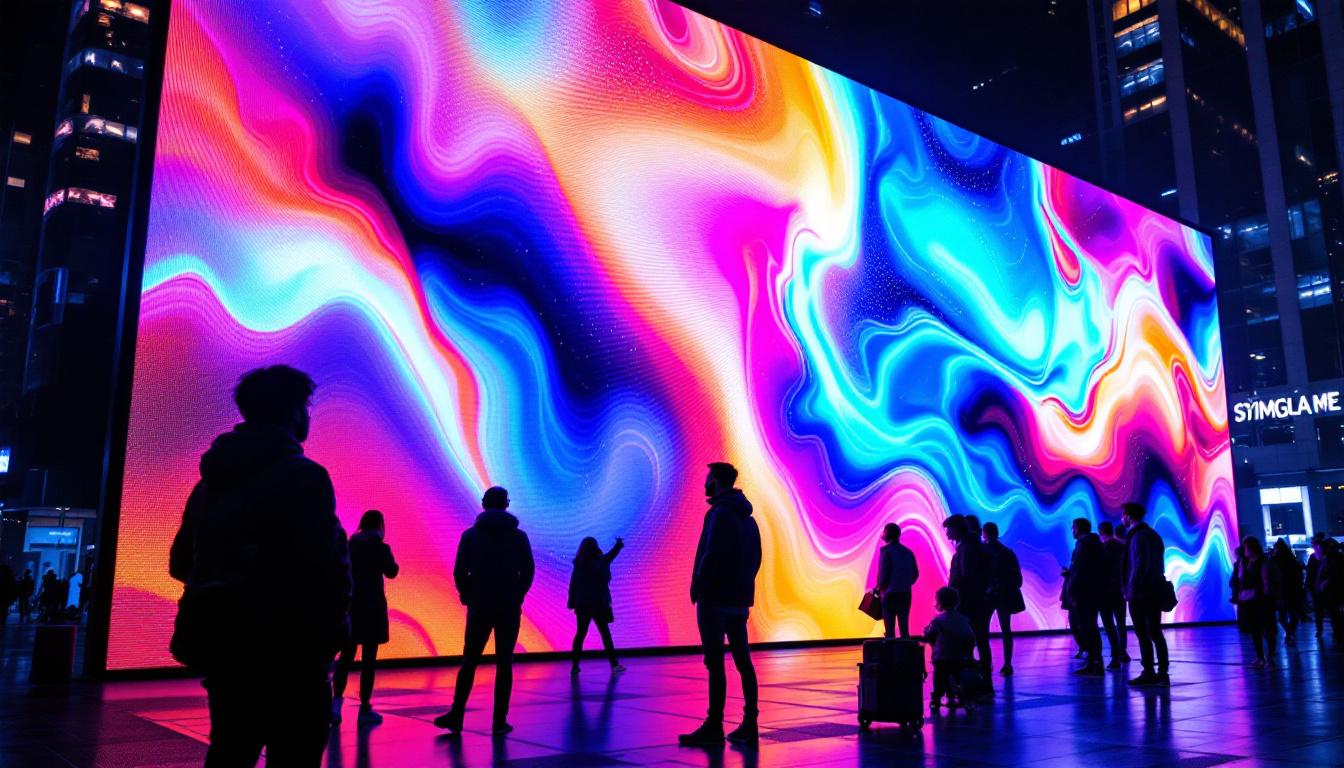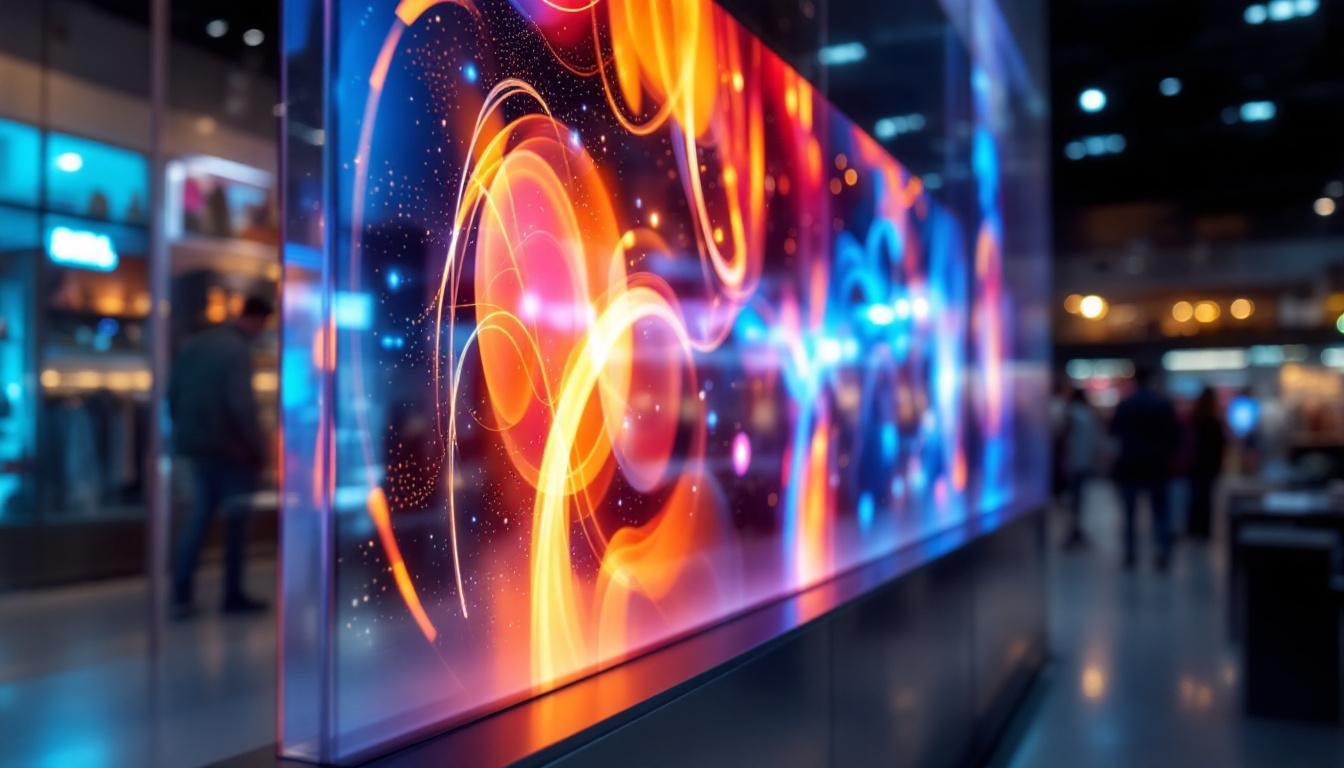
In the rapidly evolving world of digital signage and display technology, transparent LED display films have emerged as a groundbreaking innovation. Combining the benefits of traditional LED displays with the unique ability to maintain see-through visibility, these films are transforming how businesses, architects, and advertisers engage with their audiences. This article explores what transparent LED display films are, how they work, their applications, and why they are becoming an essential tool in modern visual communication.
What is Transparent LED Display Film?
Transparent LED display film is a thin, flexible, and lightweight material embedded with microscopic LED lights arranged in a grid or matrix. Unlike conventional LED screens, which are opaque and block visibility, transparent LED films allow light to pass through, making them see-through when turned off or displaying content with minimal obstruction.
This technology enables the integration of dynamic digital content on glass surfaces such as windows, storefronts, or building facades without compromising natural light or visibility. The film can be adhered directly to glass or other transparent surfaces, creating a seamless digital display that blends into the environment. Its applications extend beyond mere advertising; it can also be utilized for artistic displays, interactive installations, and even information-sharing platforms in public spaces, enhancing the overall aesthetic and functional appeal of a location.
Furthermore, the versatility of transparent LED display film allows it to be used in various settings, from retail environments to corporate offices and even residential spaces. For instance, a retail store can utilize this technology to showcase promotional videos or product information directly on its windows, capturing the attention of passersby while still allowing them to see inside. This dual functionality not only attracts customers but also creates an engaging shopping experience, blurring the lines between the digital and physical worlds.
How Does Transparent LED Display Film Work?
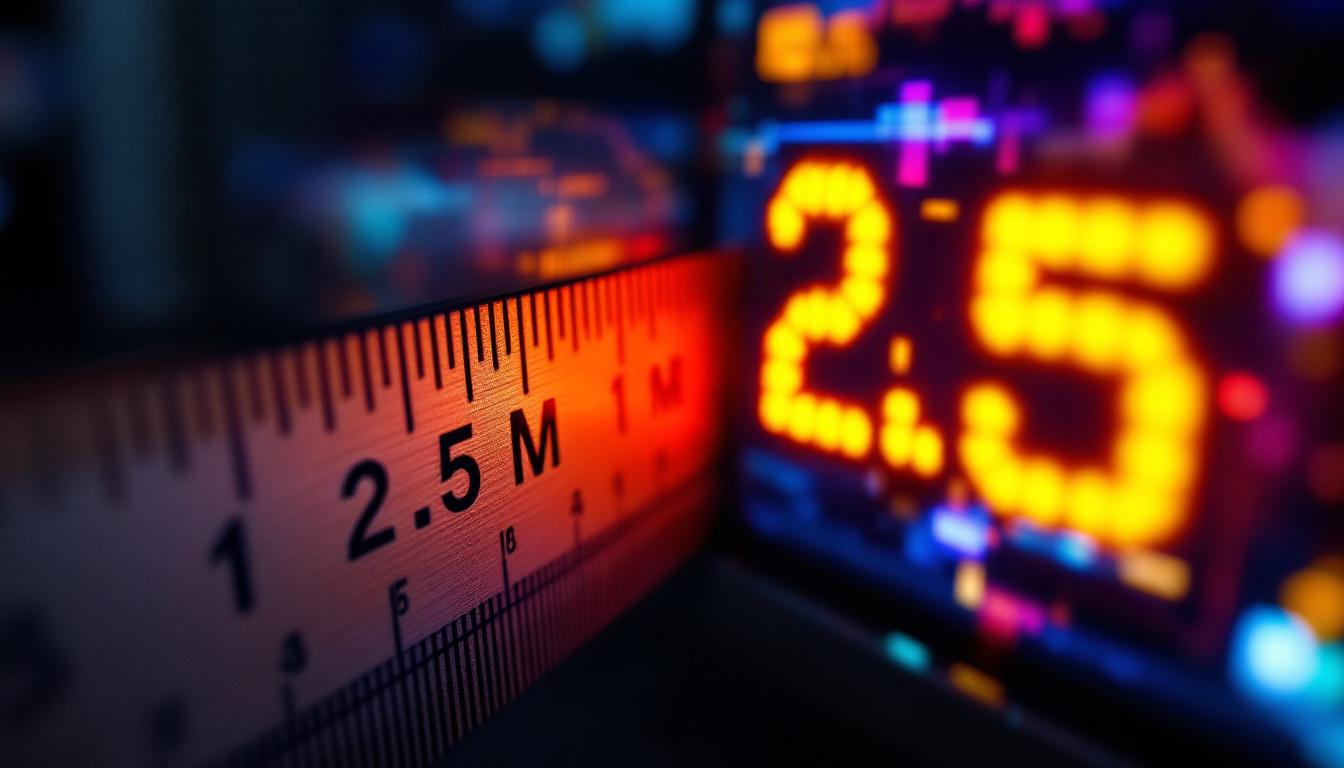
The core principle behind transparent LED display films lies in the spacing and size of the LEDs. The LEDs are spaced far enough apart to allow light and visibility through the gaps, yet close enough to form clear and vibrant images when illuminated. Typically, these films feature a pixel pitch ranging from 2.5mm to 10mm, balancing resolution and transparency.
When the display is active, the LEDs emit light to form images, videos, or animations. When turned off, the film remains nearly invisible, maintaining the transparency of the glass surface. The film connects to a control system that manages the content displayed, similar to traditional LED screens but with the added advantage of transparency. This control system can be programmed to change content dynamically, allowing for real-time updates and interaction, which is particularly beneficial for businesses that need to adapt their messaging based on time of day, season, or promotional events.
Moreover, the installation of transparent LED display film is relatively straightforward, often requiring minimal structural modifications to existing glass surfaces. This ease of installation, combined with the film’s lightweight nature, makes it an attractive option for architects and designers looking to incorporate cutting-edge technology into their projects without sacrificing design integrity. As urban environments continue to evolve, the integration of such innovative displays can transform the way we interact with our surroundings, offering new avenues for communication and engagement in public and private spaces alike.
Key Advantages of Transparent LED Display Film
Transparent LED display films offer several significant benefits that make them highly attractive for various applications. These advantages extend beyond just aesthetics, impacting functionality, energy efficiency, and user experience.
1. High Transparency and Visibility
One of the most compelling features of transparent LED films is their ability to maintain high transparency levels, often exceeding 70%. This means that when the display is off or showing content, viewers can still see through the glass, preserving natural light and visibility. This is particularly valuable in retail environments where window displays need to attract attention without blocking the view inside. The ability to showcase products while maintaining a clear line of sight can significantly enhance customer engagement, allowing potential buyers to glimpse the store’s interior and feel invited to explore further.
2. Lightweight and Flexible Installation
Unlike bulky LED panels, transparent LED films are lightweight and flexible, making installation easier and less invasive. They can be applied to existing glass surfaces without requiring structural modifications, which reduces installation time and costs. Additionally, the film’s slim profile enhances architectural aesthetics by maintaining sleek, modern design lines. This flexibility also means that businesses can easily update or reposition displays as needed, adapting to seasonal promotions or changing marketing strategies without the hassle of extensive renovations.
3. Energy Efficiency
Transparent LED films consume less power compared to traditional LED displays due to the smaller number of LEDs and the efficient use of light. This energy efficiency translates into lower operational costs and a smaller environmental footprint, aligning with growing sustainability goals across industries. Furthermore, many transparent LED films are designed to operate efficiently even in bright conditions, ensuring that content remains vibrant and eye-catching without excessive energy consumption, which is a critical factor for businesses looking to reduce their overall energy usage.
4. Versatility in Applications
The adaptability of transparent LED films allows them to be used in diverse settings, from retail storefronts and corporate offices to museums and public transportation hubs. Their ability to display dynamic content while preserving transparency opens up creative possibilities for advertising, information dissemination, and interactive experiences. For instance, in museums, these films can be used to overlay informative graphics on exhibits without obstructing the view, enriching the visitor experience while providing valuable context. Similarly, in corporate environments, they can serve as innovative presentation tools, transforming glass partitions into interactive displays that can be updated in real time, fostering collaboration and engagement among employees.
Applications of Transparent LED Display Film
The unique properties of transparent LED display films have led to their adoption across a variety of sectors. Understanding these applications highlights the technology’s potential and inspires innovative uses.
Retail and Advertising
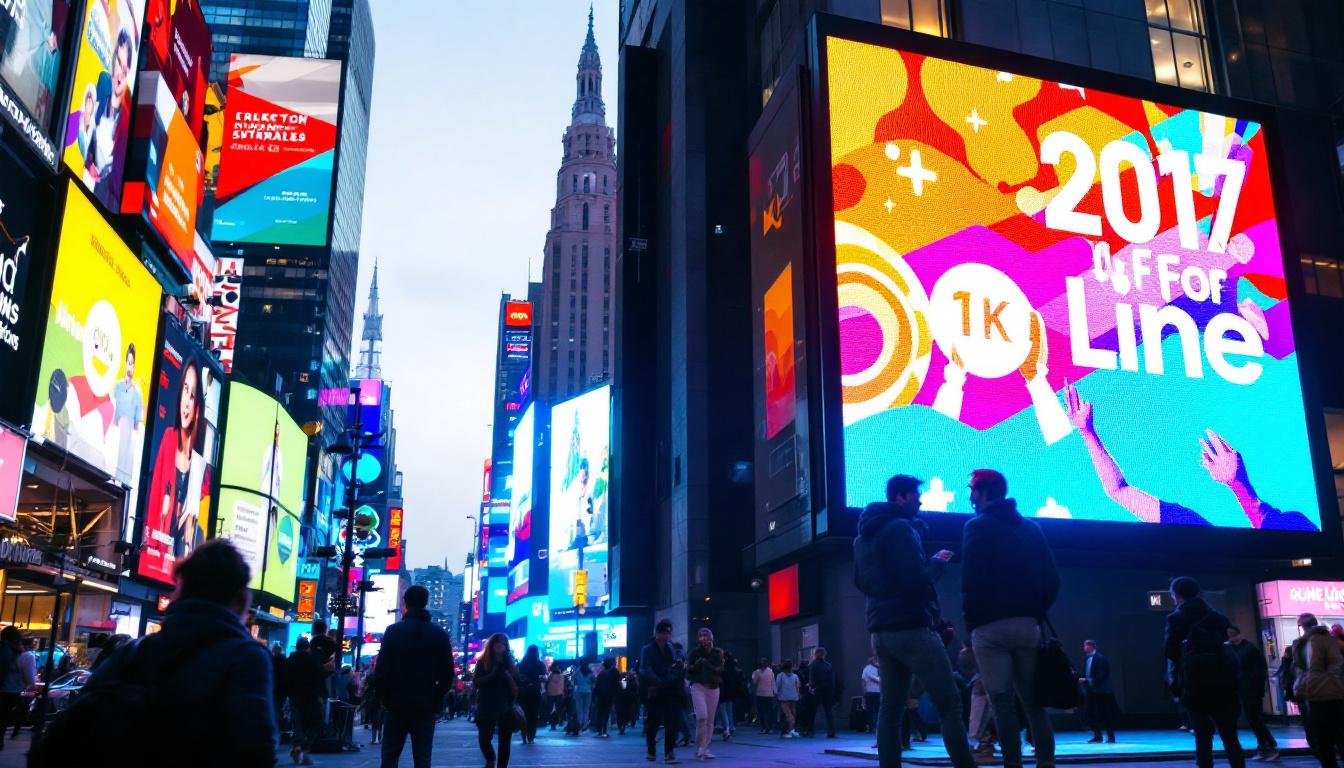
Retailers are among the earliest adopters of transparent LED films, using them to create eye-catching window displays that attract passersby with vibrant digital content. This technology allows stores to showcase promotions, product videos, and brand messages without obstructing the view inside, enhancing customer engagement and foot traffic.
For example, luxury brands have utilized transparent LED films on flagship store windows in major cities like New York and London, combining high-end aesthetics with dynamic advertising to create memorable customer experiences.
Architecture and Interior Design
Architects and interior designers leverage transparent LED films to integrate digital elements into building facades and interior glass partitions. This approach enables buildings to communicate messages, display art, or provide information dynamically without compromising natural light or openness.
In corporate environments, transparent LED films can be used in conference rooms or lobbies to display welcome messages, company news, or interactive presentations, enhancing the professional atmosphere and visitor experience.
Transportation and Public Spaces
Transparent LED films are increasingly used in public transportation hubs such as airports, train stations, and bus terminals. They provide real-time information, advertisements, and wayfinding guidance on glass surfaces without obstructing views or natural light. This improves passenger experience and operational communication.
Additionally, museums and exhibition centers use transparent LED films to create immersive displays that blend digital content with physical exhibits, enriching visitor engagement.
Technical Considerations When Choosing Transparent LED Display Film
While transparent LED display films offer numerous benefits, selecting the right product and installation approach requires careful consideration of technical factors to ensure optimal performance and longevity.
Resolution and Pixel Pitch
The resolution of a transparent LED film depends on its pixel pitch—the distance between individual LEDs. A smaller pixel pitch results in higher resolution and sharper images but reduces transparency. Conversely, a larger pixel pitch increases transparency but lowers image clarity. Choosing the right balance depends on the intended viewing distance and application.
Brightness and Contrast
Brightness is critical for visibility, especially in outdoor or brightly lit indoor environments. Transparent LED films typically offer brightness levels ranging from 1,000 to 3,000 nits, sufficient to compete with ambient light. Contrast ratio also affects image quality, with higher contrast providing more vivid visuals.
Durability and Weather Resistance
For outdoor installations, transparent LED films must withstand weather conditions such as rain, wind, and temperature fluctuations. Films designed for exterior use feature protective coatings and robust materials to ensure durability and consistent performance over time.
Control Systems and Content Management
Effective content management systems (CMS) are essential for operating transparent LED displays. These systems allow users to schedule, update, and customize content remotely, often supporting integration with various media formats and interactive features. Compatibility with existing infrastructure and ease of use are important factors when selecting a control solution.
Future Trends and Innovations in Transparent LED Technology
The transparent LED display film market is poised for significant growth, driven by technological advancements and expanding use cases. Emerging trends indicate exciting possibilities for the future of this technology.
Increased Resolution and Transparency
Research and development efforts are focused on improving LED miniaturization and film materials to achieve higher resolutions without sacrificing transparency. This will enable more detailed and immersive content suitable for closer viewing distances and diverse applications.
Integration with Smart Glass and IoT
Combining transparent LED films with smart glass technology and Internet of Things (IoT) connectivity will create interactive, responsive displays that adapt to environmental conditions or user inputs. For example, displays could automatically adjust brightness based on ambient light or provide personalized content triggered by sensors.
Energy Harvesting and Sustainability
Innovations in energy harvesting, such as integrating solar cells with transparent LED films, could lead to self-powered displays. This would further reduce energy consumption and support sustainable deployment in urban environments.
Conclusion
Transparent LED display films represent a remarkable fusion of technology and design, offering a versatile solution for dynamic visual communication without compromising transparency and aesthetics. Their growing adoption across retail, architecture, transportation, and public spaces underscores their value in enhancing engagement and information delivery.
As technology continues to advance, transparent LED films will become even more sophisticated, offering higher resolution, greater interactivity, and improved energy efficiency. For businesses and designers seeking innovative ways to captivate audiences while maintaining open, light-filled environments, transparent LED display films offer a compelling and future-ready option.
Discover LumenMatrix’s Innovative LED Solutions
Ready to elevate your space with the latest in LED technology? LumenMatrix is at the forefront of creating immersive environments through our comprehensive range of LED display solutions. From transparent LED films that blend seamlessly into your design to dynamic indoor and outdoor displays, our products are crafted to captivate and engage. Experience the future of visual storytelling with LumenMatrix. Check out LumenMatrix LED Display Solutions and transform your communication strategy today.